How Many Years a Well Bred Munchkin Lives
It’s natural to worry about the health of any pet, but for potential Munchkin cat owners, the concerns can feel amplified. You might have heard conflicting information about their unique physique and whether those short legs predispose them to a shorter, more challenging life. It’s a valid concern, and navigating the vast sea of opinions can be incredibly overwhelming when all you want to know is if your beloved little companion will be with you for many happy years. This comprehensive guide is here to cut through the noise, offering a realistic look at how many years a well-bred Munchkin cat lives and what you can do to ensure they thrive.
Understanding the Munchkin Lifespan Debate
The discussion around Munchkin cats' lifespan often gets tangled in the broader debate about their ethics as a breed. Many concerns stem from a misunderstanding of their unique genetics and the potential health implications, leading to worry that these cats might not live as long or as healthily as other felines. For anyone considering bringing a Munchkin into their home, it's crucial to understand the facts, especially regarding a responsibly bred cat.
Genetic Background and Hereditary Concerns
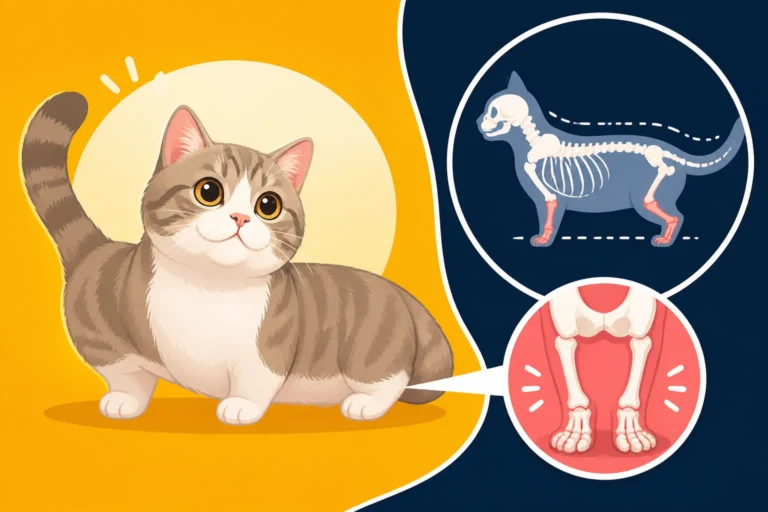
The defining characteristic of the Munchkin is its short legs, a trait caused by an autosomal dominant gene for pseudoachondroplasia. This isn't the same as other forms of dwarfism that affect overall bone structure and internal organs; in Munchkins, the mutation primarily impacts the length of the long bones in their legs. A well-bred Munchkin should have a body of normal length and size, with only their limbs being significantly shorter.
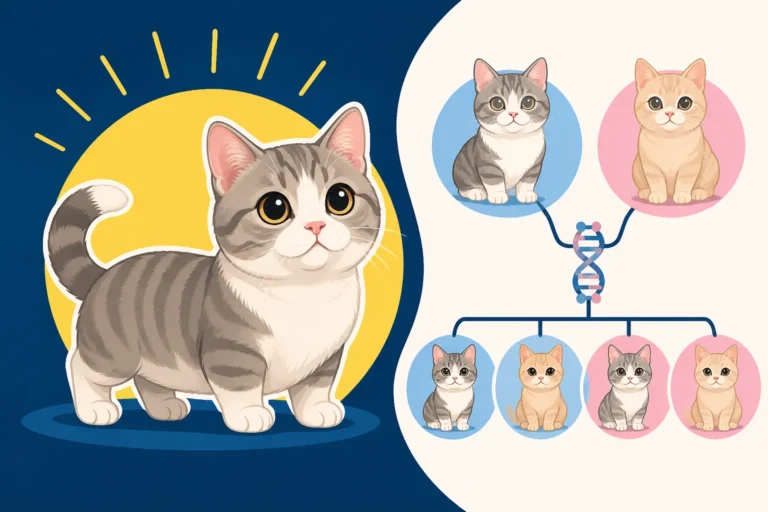
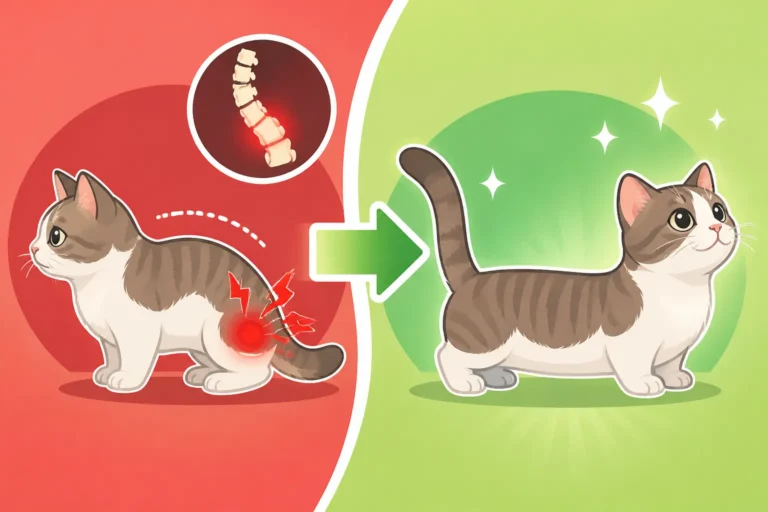
One of the most critical aspects of understanding their genetics is knowing that Munchkin dwarfism is dominant and lethal in two copies. This means a kitten inheriting two copies of the gene (one from each parent) will not survive, typically reabsorbing in the womb. This is why responsible breeders always outcross a short-legged Munchkin to a normal-legged domestic cat, ensuring that all short-legged kittens only receive one copy of the gene. This practice is fundamental to avoiding severe complications that could impact lifespan. Issues like lordosis, a spinal curvature, or pectus excavatum, a sunken chest, are concerns that are sometimes linked to the breed, but their prevalence and severity are often debated and can be significantly mitigated by careful breeding practices. You might wonder, Why a Munchkin's Spine Is Normal Length in comparison to other dwarf breeds – this is key to distinguishing the Munchkin's specific genetic condition.
The Importance of Responsible Breeding
The phrase "well-bred" isn't just a fancy term; it's the bedrock of a Munchkin cat's potential for a long, healthy life. A reputable breeder is not just focused on producing kittens with charming short legs but on the overall health, temperament, and genetic soundness of their entire line. This involves careful selection of breeding pairs, ensuring genetic diversity through appropriate outcrosses, and screening for known health issues.
Responsible breeders understand that even with the best intentions, genetic mutations can lead to challenges. They actively work to minimize the risk of conditions like lordosis or pectus excavatum by carefully evaluating their breeding cats and observing kittens for early signs. They also prioritize health over extreme traits, meaning they won't specifically breed for the "shortest" legs if it compromises the cat's mobility or long-term well-being. A breeder should be transparent about the health history of their cattery and parents, helping potential owners understand What a Munchkin Breeder Should Be Able to Show You regarding health clearances and lineage. When a breeder adheres to high standards, they are effectively setting the stage for their Munchkin kittens to enjoy a lifespan comparable to many other domestic cats.
Factors Influencing a Well-Bred Munchkin's Longevity
A Munchkin, especially one from a reputable breeder, typically enjoys a lifespan similar to an average domestic cat, which is often cited as 12 to 15 years, sometimes even longer. However, this isn't a given; it's the result of a combination of good genetics and excellent ongoing care. Several key factors play a crucial role in maximizing their health and ensuring they live those full, happy years.
Proactive Health Management and Veterinary Care
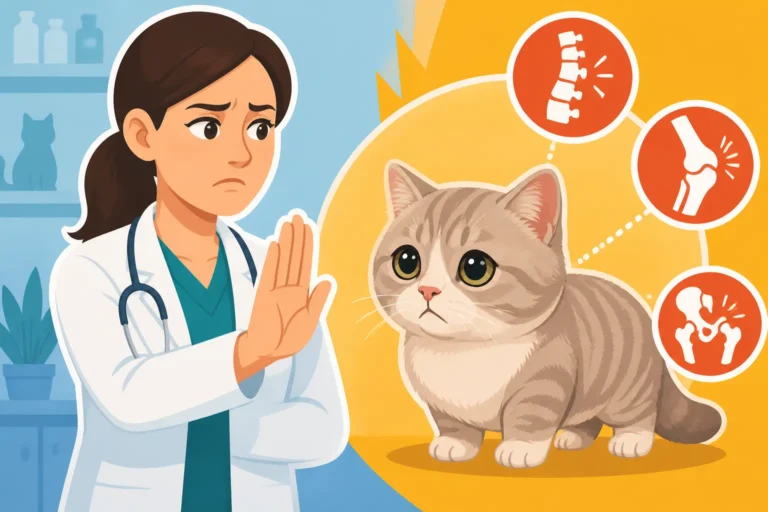
Regular veterinary check-ups are paramount for any cat, but for a Munchkin, they take on an added layer of importance. Given their unique physical structure, routine examinations allow your vet to monitor their musculoskeletal health, check for any signs of discomfort or changes in gait, and address potential issues before they become serious. Early detection of conditions like arthritis, which can sometimes appear earlier in Munchkins due to the increased load on their joints, is crucial for effective management.
Your vet might recommend specific screenings or attention to areas like their spine or chest at various life stages. Ensuring your Munchkin receives all necessary vaccinations and preventative parasite control is also a non-negotiable part of their care, protecting them from common feline diseases. An adult Munchkin should have regular check-ups, and knowing How Often a Healthy Adult Munchkin Needs Checking can help you stay on top of their health calendar. Pet insurance, like that offered by Healthy Paws, can be a real lifesaver here, helping to cover the costs of these routine visits, unexpected illnesses, or potential long-term care needs, giving you peace of mind that you can always prioritize your cat's health without financial strain.
Nutritional Needs and Weight Management
One of the most critical aspects of Munchkin cat care, directly impacting their lifespan and quality of life, is rigorous weight management. Because their legs are shorter, their spine and joints carry a relatively higher load compared to a long-legged cat. Even a small amount of excess weight can significantly increase stress on their joints, particularly the shoulders and elbows, and potentially exacerbate spinal issues. Understanding Why Weight Is More Dangerous on a Munchkin is vital for every owner.
A well-balanced diet, appropriate for their age, activity level, and individual metabolism, is essential. Munchkins tend to have a slightly lower energy requirement than more active, jumping breeds, so portion control is key. Your vet can help you determine the ideal weight range for your specific Munchkin and recommend a suitable feeding plan. High-quality cat food that supports joint health can also be beneficial, providing nutrients like glucosamine and chondroitin. Regular monitoring of their body condition score, feeling their ribs, and observing their "waistline" is a must to prevent obesity.
Adapted Environment and Enrichment
While Munchkins are surprisingly agile and can run and play with gusto, their short legs do impose certain physical limitations. They can't jump as high as a normal-legged cat, meaning high perches, counters, and even some beds can be inaccessible. Creating an adapted environment isn't about coddling them; it's about safeguarding their physical health and mental well-being.
Providing ramps, steps, or specially designed cat trees with closely spaced platforms allows them to access elevated spots safely without straining their joints from repeated, awkward jumps or falls. Ramps and Steps Are Munchkin Equipment, Not Luxuries, and integrating them thoughtfully into your home prevents unnecessary stress on their unique physique. A low-entry litter box is also crucial, as a high-sided box can cause discomfort or lead to accidents outside the box. Enrichment at floor level, with engaging toys and interactive play, ensures they get plenty of exercise and mental stimulation. Thinking about How a Munchkin Gets Where It Wants Without Jumping will guide your choices in setting up their home.
Common Health Concerns and Their Management in Well-Bred Munchkins
Even with excellent breeding, it’s important to be aware of certain health conditions that are sometimes associated with the Munchkin breed or can be exacerbated by their unique anatomy. Understanding these potential challenges allows owners to be proactive in care, working closely with their veterinarian to ensure their Munchkin lives a full and comfortable life.
Spinal and Joint Health
The most discussed health concerns for Munchkins revolve around their spine and joints. While their spinal length is typically normal, the altered mechanics of their short legs can sometimes lead to issues.
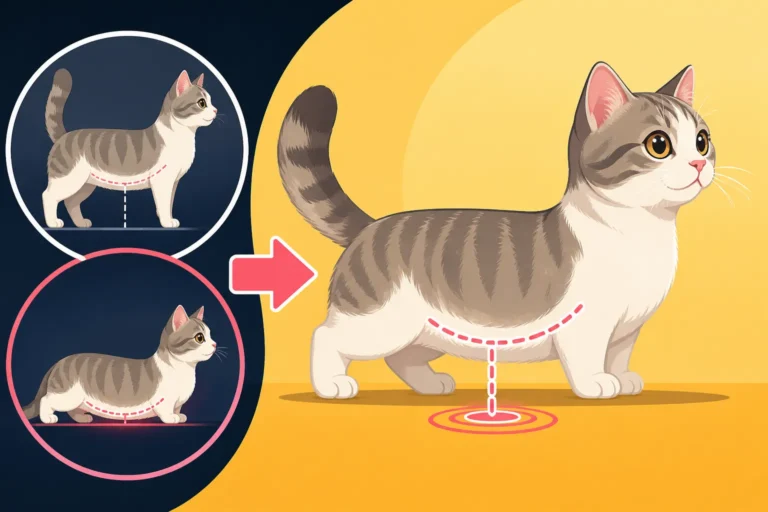
- Lordosis: This is a curvature of the spine where the spinal column dips down towards the chest, often appearing in the lower back. While not exclusive to Munchkins, it's a condition breeders should screen for. In severe cases, lordosis can put pressure on internal organs, potentially impacting their function. However, in well-bred lines, severe lordosis is rare. Mild cases may not impact a cat's quality of life, but constant monitoring and maintaining a healthy weight are essential. Knowing What Lordosis Does to a Munchkin can help you understand the signs to watch for.
- Pectus Excavatum: Sometimes called "funnel chest," this is a malformation of the sternum (breastbone) that causes the chest to sink inward. Like lordosis, it's not unique to Munchkins but can occasionally be seen. Severe cases can restrict lung and heart function. Reputable breeders will screen for this, as severe forms often become apparent in kittenhood.
- Osteoarthritis: Due to the increased load on their forelegs, Munchkins can sometimes be prone to developing arthritis earlier in life, particularly in their shoulders and elbows. This is where meticulous weight management and an adapted environment become critical preventative measures. Symptoms might include a reluctance to jump (even small distances), stiffness after resting, or changes in gait. Whether a Munchkin Gets Arthritis Earlier is a common question, and proactive care is the best defense. Joint supplements, proper nutrition, and comfortable, easily accessible resting spots can help manage symptoms and maintain mobility as they age. Regular vet check-ups, possibly with X-rays as they get older, are vital for early diagnosis and intervention. Healthy Paws pet insurance can be especially helpful for managing chronic conditions like arthritis, covering diagnostic tests, medications, and even alternative therapies if recommended by your vet.
General Feline Health Issues
Beyond breed-specific or anatomy-related concerns, well-bred Munchkins are still cats and are susceptible to the same general health issues that affect all domestic felines. These include:
- Dental Disease: Like all cats, Munchkins can develop dental problems, including gingivitis and periodontal disease. Regular dental check-ups and at-home dental care, such as brushing, are crucial for prevention.
- Kidney Disease and Hyperthyroidism: These are common ailments in older cats of any breed. Regular senior blood panels, typically recommended annually after the age of 7-10, can help detect these conditions early, allowing for timely intervention and management. You can learn more about Which Blood Values Matter Most in a Munchkin as they age.
- Feline Infectious Diseases: Standard vaccinations protect against common diseases like feline panleukopenia, calicivirus, herpesvirus, and rabies. Even indoor Munchkins should be kept up-to-date on core vaccines, as airborne transmission is possible.
- Cardiovascular Health: While not specifically prone to heart conditions more than other breeds, routine vet checks will include listening to their heart for murmurs or other irregularities.
Managing these general health issues effectively, combined with careful attention to their unique needs, ensures that a well-bred Munchkin has the best possible chance at a full, healthy life.
What to Expect: Lifespan and Quality of Life
When you bring a Munchkin into your life, you’re hoping for a companion who will be there for the long haul, sharing years of purrs and playful antics. The good news is that for a well-bred Munchkin, with the right care and environment, their expected lifespan is very much in line with other domestic cats.
Comparing Lifespan to Other Breeds
A well-bred Munchkin cat typically lives between 12 and 15 years, with many individuals exceeding this average, reaching into their late teens. This range is quite comparable to the average lifespan of a domestic shorthair or many other pedigree breeds. What truly dictates How Many Years a Well Bred Munchkin Lives comes down to a combination of their genetic predisposition from responsible breeding and the quality of daily care they receive.
It’s a common misconception that their short legs inherently lead to a shorter life. The defining factor is not simply the presence of the short-leg gene, but the absence of other detrimental genetic mutations, and diligent management of their weight and mobility. When a breeder carefully selects for overall health and good conformation, avoiding extreme shortness that could cause severe mobility issues, the Munchkin's primary physical difference does not inherently shorten its life expectancy.
Recognizing Signs of Aging in a Munchkin
As your Munchkin enters its golden years, typically around 8-10 years old, you might start to notice some subtle changes, similar to any aging cat. Being proactive in recognizing these signs allows you to adjust their care and keep them comfortable. When a Munchkin Counts as Senior is a good benchmark to start paying extra attention.
Here are some common signs of aging to watch for:
- Decreased Mobility: They might be less keen on using their ramps or steps, find it harder to get onto furniture they once managed, or seem stiffer after naps. This could be a sign of developing arthritis or general joint wear and tear.
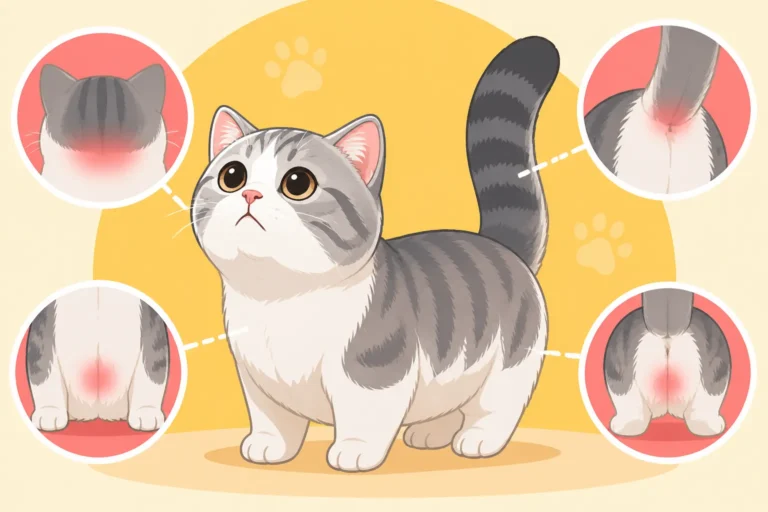
- Changes in Grooming Habits: Older cats, including Munchkins, may find it difficult to reach certain areas, especially their hindquarters or back, leading to matted fur. You might need to step up your grooming routine. What a Munchkin Cannot Reach to Groom usually becomes more pronounced with age.
- Weight Fluctuations: Older Munchkins might gain weight due to reduced activity or lose weight if they have underlying health issues. Consistent weight monitoring is key.
- Changes in Appetite or Thirst: A sudden increase or decrease in either can be an indicator of health problems like kidney disease or hyperthyroidism, which are common in senior cats.
- Increased Vocalization or Confusion: Some senior cats can experience cognitive dysfunction, showing signs like disorientation, altered sleep-wake cycles, or increased meowing, especially at night.
- Dental Issues: As mentioned, dental disease is common. Older cats might show signs of discomfort while eating.
Regular veterinary check-ups become even more crucial as your Munchkin ages. Your vet can recommend pain management for arthritis, dietary adjustments, and screenings for age-related diseases. With attentive care, many Munchkins enjoy a robust and loving The Twelve to Fifteen Years a Munchkin Usually Gets, continuing to bring joy and companionship well into their senior years. Healthy Paws can alleviate the financial stress of caring for an aging Munchkin, covering a significant portion of senior care expenses, from diagnostic tests to ongoing treatments, ensuring your cherished companion receives the best possible care throughout their entire life.
| Feature | Typical Domestic Cat Lifespan | Well-Bred Munchkin Lifespan | Key Influencing Factors |
|---|---|---|---|
| Average Years | 12-15 years | 12-15+ years | Genetics, diet, environment, veterinary care, weight management |
| Common Health Issues | Dental, Kidney, Arthritis | Dental, Kidney, Arthritis (potentially earlier onset), Lordosis, Pectus Excavatum | Responsible breeding, proactive health monitoring, adapted living space |
| Mobility in Old Age | Gradual decline | Gradual decline, potentially exacerbated by joint issues | Ramps/steps essential, weight control, joint supplements |
| Weight Management | Important for overall health | CRITICAL for spinal/joint health | Portion control, appropriate diet, regular exercise |
| Vet Care Frequency | Annual checks (more as senior) | Annual checks (more as senior, with focus on musculoskeletal) | Early detection is key for managing breed-specific concerns |
Disclaimer
Always consult with a qualified veterinarian for any health concerns or before making any decisions about your pet's care. The information provided here is for general knowledge and informational purposes only.