Why a Munchkin’s Spine Is Normal Length
One of the most common worries people have when they first learn about Munchkin cats is about their spine. It’s natural to assume that if a cat has uniquely short legs, its spine might also be shortened, compressed, or somehow deformed, leading to chronic pain or severe health issues. This concern often stems from misunderstandings about the specific type of dwarfism present in the breed. This comprehensive guide aims to clarify why, despite their endearing short legs, a Munchkin cat's spine is, in fact, typically of normal length and structure, and what that means for their overall health and well-being.
Understanding Munchkin Dwarfism: A Matter of Limbs, Not Spine
The defining characteristic of the Munchkin cat is its incredibly short legs, a trait that immediately catches the eye and often leads to questions about their skeletal health. However, it's crucial to understand that the genetic mutation responsible for these short legs specifically affects the long bones of the limbs, leaving the spinal column largely untouched in terms of its length.
The Specific Genetic Mutation at Play
Munchkin dwarfism is a form of inherited chondrodysplasia, more specifically, pseudoachondroplasia. This might sound like a mouthful, but what it essentially means is that there's a genetic mutation that impacts the growth plates in the long bones. These are the growth centers at the ends of bones like the femur (thigh bone), tibia and fibula (lower leg bones), and humerus (upper arm bone), and radius and ulna (lower arm bones). During a kitten's development, these growth plates usually produce cartilage that then ossifies into bone, allowing the limbs to lengthen. In Munchkins, this process is disrupted, leading to the disproportionately short limbs we observe. The gene responsible for this unique trait is autosomal dominant, meaning only one copy of the gene is needed for a cat to express the short-legged phenotype. It also means that two copies of the gene are lethal, which is why a Munchkin is always bred to a normal-legged cat. You can learn more about this by reading our article on Munchkin Dwarfism Is Dominant and Lethal in Two Copies.
This specific type of dwarfism selectively targets the limb bones, primarily affecting their length. It's not a systemic condition that impacts every bone in the body, nor does it cause a generalized skeletal deformity. Think of it like a very specific instruction in the genetic code that only applies to how long the legs grow, not the overall structure of the trunk or head. This is why a Munchkin typically has a body and head size that are comparable to those of an average domestic cat, rather than being proportionally miniature. The key takeaway here is that the spinal column, which is composed of many small, independent vertebrae, develops largely independently of this particular limb-shortening gene.
What "Normal Length" Really Means for a Munchkin's Spine
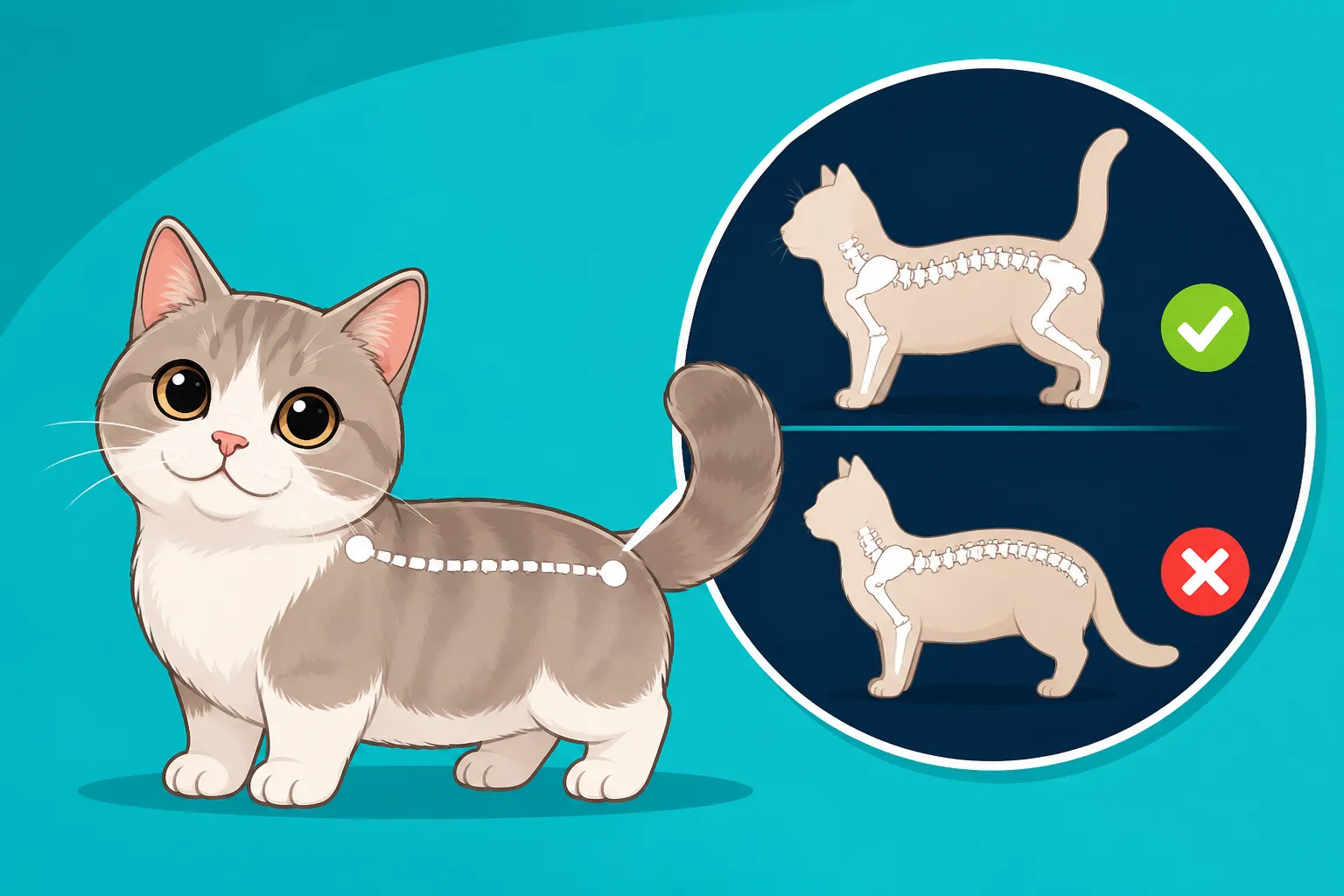
When we say a Munchkin's spine is of "normal length," we mean that the individual vertebrae (the bones that make up the spine) develop to their typical size, and the overall length of the spinal column from neck to tail base is comparable to that of a non-Munchkin cat of similar build. The number of vertebrae is the same, and their structure, in terms of size and shape, is generally within the normal feline range. This means the spinal cord, which runs through the center of these vertebrae, is also housed within a naturally proportioned casing, without abnormal compression or stretching due to a shortened or deformed vertebral column.
This might seem counterintuitive at first glance, given their overall compact appearance. However, the body length of a Munchkin cat is actually quite similar to that of a regular cat. It's just that their short legs position their body much closer to the ground, creating an optical illusion of a longer body or a 'stretched' appearance. This illusion can sometimes lead people to mistakenly believe the spine itself is longer or abnormally structured. Understanding Why a Munchkin's Legs Are Short but Its Body Is Not helps to clarify this visual phenomenon. The critical point is that the internal architecture of the spine itself remains largely typical.
Dissecting the Anatomy: Axial vs. Appendicular Skeleton
To fully grasp why the Munchkin's spine remains normal, it's helpful to understand the basic division of the feline skeleton into two main parts: the axial skeleton and the appendicular skeleton. These two systems develop differently and are affected by different genetic factors.
The Role of the Axial Skeleton in Cats
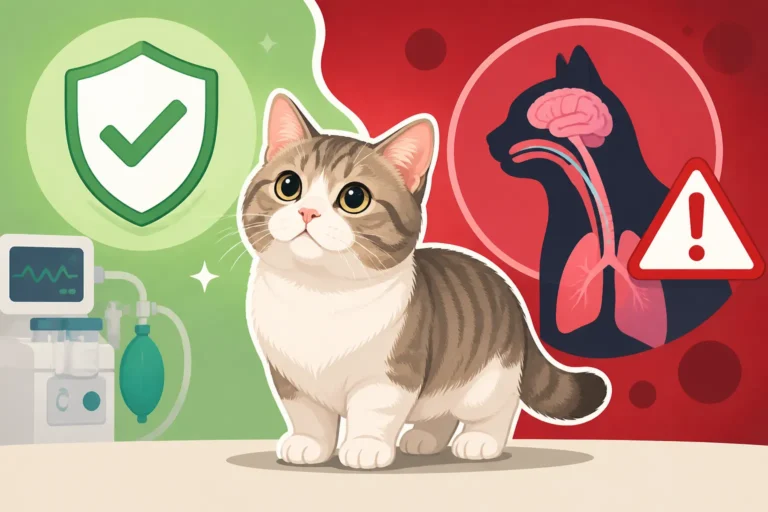
The axial skeleton forms the central axis of a cat's body and includes the skull, the vertebral column (spine), and the rib cage, along with the sternum (breastbone). Its primary roles are protection of vital organs (brain, spinal cord, heart, lungs) and providing central support for the body. The vertebral column, the star of our discussion, is a flexible yet robust structure made up of individual bones called vertebrae, separated by intervertebral discs that act as shock absorbers. These vertebrae are grouped into cervical (neck), thoracic (chest), lumbar (lower back), sacral (pelvis), and caudal (tail) regions.
The development of the axial skeleton, particularly the spine, is a complex process controlled by a different set of genes and developmental pathways than those that govern limb growth. In healthy cats, including Munchkins, these pathways ensure that the spinal column forms correctly, allowing for the necessary flexibility and support required for feline movement and posture. The spine's integrity is paramount for a cat's ability to walk, run, jump (within a Munchkin's physical limits), and maintain balance. Any significant deviation in its length or structure would severely impact a cat's quality of life.
How Pseudoachondroplasia Affects the Appendicular Skeleton
In contrast to the axial skeleton, the appendicular skeleton consists of the bones of the limbs (forelegs and hind legs) and the girdles (shoulder and pelvic) that attach them to the axial skeleton. These are the bones that are directly affected by the pseudoachondroplasia gene in Munchkin cats. The mutation specifically impairs the process of endochondral ossification, which is how long bones grow in length. Essentially, the cartilage models that eventually become bone don't lengthen as much as they should. You can delve deeper into this specific condition in our post What Pseudoachondroplasia Does to a Munchkin's Legs.
The result is disproportionate dwarfism, where the limbs are significantly shorter than normal, but the body and head remain of typical size. This is a crucial distinction. It's not true dwarfism that affects all skeletal components proportionally, nor is it a condition that causes widespread skeletal malformations. The appendicular skeleton provides the means for locomotion and manipulation, and while the Munchkin's short legs limit certain movements (like high jumping), they don't inherently compromise the central support structure of the spine. While their short legs might mean that Why a Munchkin's Spine Carries a Load a Normal Cat's Does Not in certain situations, the spine itself is still structurally sound.
Dispelling Common Misconceptions About Munchkin Spines
The discussion around Munchkin cats often generates a lot of misinformation, particularly concerning their spinal health. It's vital to address these directly to paint a clear, accurate picture for potential owners and enthusiasts.
Differentiating From Other Forms of Dwarfism
One common misunderstanding is confusing Munchkin dwarfism (pseudoachondroplasia) with other types of dwarfism, such as achondroplasia or hypochondroplasia, which can indeed involve spinal abnormalities. For instance, in some human forms of dwarfism, the spinal column can be shorter, or vertebrae can be malformed, leading to conditions like spinal stenosis or severe lordosis directly linked to the genetic condition. However, the genetic mutation in Munchkin cats is distinctly different.
The Munchkin gene primarily affects the long bones, leading to disproportionate dwarfism where the torso and head are typically sized, while the limbs are short. This is not the same as a condition that would cause a shortened or deformed spine. The spinal bones (vertebrae) in a Munchkin develop normally in length and structure. This distinction is crucial for understanding why a Munchkin's mobility and spinal integrity are generally maintained, albeit with certain limitations due to leg length. It means their spine isn't inherently predisposed to collapse or severe curvature simply because of their short legs, unlike some other forms of dwarfism seen in various species where spinal development is directly impacted.
Why the Spine Looks Different (But Isn't Shorter)
It’s easy to look at a Munchkin cat and perceive their body as being unusually long in proportion to their tiny legs, giving the impression that their spine must be elongated or stretched. This is a purely visual effect, a trick of perspective. Because their bodies sit so close to the ground, the horizontal length appears emphasized. If you were to measure a Munchkin's spine and compare it to a non-Munchkin cat of a similar breed type (e.g., a Domestic Shorthair or other outcross breeds used in Munchkin breeding programs), you would find that the vertebral column itself is of comparable length.
The perception of a "long" back is simply due to the juxtaposition of a standard-sized torso with abnormally short limbs. It’s like placing a normal-length hot dog bun on tiny cocktail sausages – the bun isn't actually longer than a regular hot dog bun, it just looks that way relative to the small sausages. This visual quirk does not translate to an anatomical difference in the spine's actual length or the spacing of its vertebrae. Therefore, concerns about a stretched or compressed spine due to its perceived length are generally unfounded when it comes to the Munchkin breed's defining characteristic.
Differentiating Genetic Spinal Issues from Acquired Ones
While a Munchkin's spine is generally of normal length, it's important to differentiate between inherited conditions and potential acquired issues or predispositions that might occur. The pseudoachondroplasia gene does not directly cause spinal shortening or malformation. However, no cat, regardless of breed, is entirely immune to spinal issues. Just like any other feline, a Munchkin can theoretically develop conditions like intervertebral disc disease (IVDD) or osteoarthritis in their spine, especially as they age.
The focus, therefore, shifts from a genetically shorter spine to potential secondary issues that could arise from their unique conformation or lifestyle. For instance, due to their lower center of gravity and different gait, some argue that Munchkins might place different stresses on their spinal column, which could, over many years, contribute to wear and tear. This is why careful weight management and environmental adaptations are so crucial for these cats. Responsible ownership involves understanding these nuances and working with a vet who can assess the individual cat's spinal health throughout its life, rather than assuming an inherent, unavoidable spinal defect simply due to their breed.
Potential Spinal Concerns Not Directly Related to Length
While a Munchkin's spine is typically normal in length, there are other considerations regarding spinal health that responsible owners should be aware of. These conditions are not due to a shortened spine, but rather relate to curvature or chest conformation and can sometimes be seen in the breed.
Addressing Lordosis and Pectus Excavatum
Two conditions that are sometimes discussed in relation to Munchkin cats are lordosis and pectus excavatum. It's crucial to understand that neither of these conditions is a direct result of a shortened spine, nor are they exclusive to the Munchkin breed.
Lordosis refers to an excessive inward curvature of the spine, usually in the lumbar (lower back) region. In severe cases, this curvature can cause the spine to dip downwards significantly, potentially compressing internal organs. While lordosis can occur in any cat breed, there's ongoing debate about its prevalence and potential association with the Munchkin gene. Some proponents argue it's no more common than in other breeds, while critics suggest the chondrodysplasia may predispose some individuals to it. It's not about the spine being short, but rather an abnormal curvature that can manifest. Breeders should screen for this, and potential owners should ask about the spinal health of the kitten's parents. Our article Lordosis Is the Spinal Curve the Munchkin Argument Is About dives deep into this topic. If you are concerned about a Munchkin with this condition, you may wish to read Whether a Munchkin With Lordosis Can Live Normally.
Pectus Excavatum, or "funnel chest," is a congenital deformity of the chest wall where the sternum and sometimes several ribs grow abnormally, causing the chest to appear sunken or concave. This condition can potentially compress the heart and lungs, leading to breathing difficulties or cardiac issues in severe cases. Again, pectus excavatum is not unique to Munchkins and can occur in any cat, though some studies suggest a slightly higher incidence in certain breeds, possibly including those with some forms of dwarfism. Like lordosis, it's a concern about conformation, not spinal length. It’s important for breeders to be vigilant and for vets to examine kittens for signs of this condition. For more information, check out Pectus Excavatum and the Munchkin's Sunken Chest.
It's vital for any Munchkin owner or prospective owner to be aware of these conditions and understand that while they don't affect spinal length, they are significant health considerations. Responsible breeders will screen their cats and be transparent about any history of these issues in their lines.
The Importance of Weight Management and Joint Health for Spinal Support
Even with a normal-length spine, a Munchkin cat's unique conformation means that their overall skeletal system, including the spine, experiences different biomechanical stresses compared to a long-legged cat. Their short legs mean they have to exert more effort to move around, and their body sits closer to the ground, potentially altering how weight is distributed and absorbed during movement.
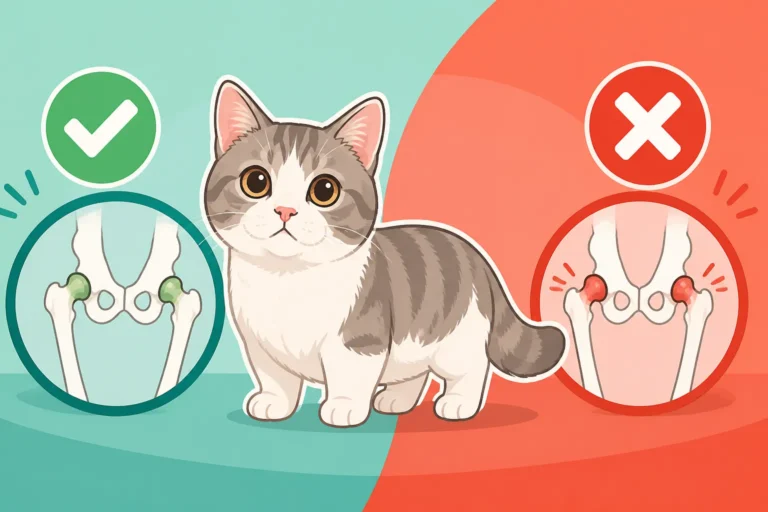
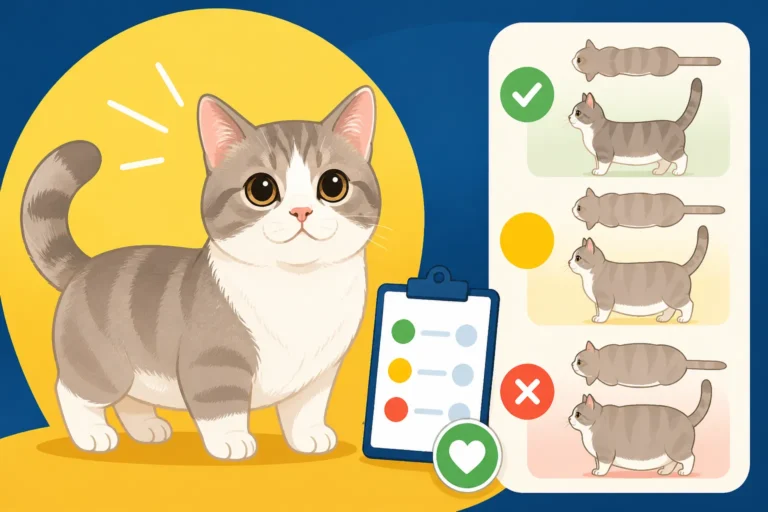
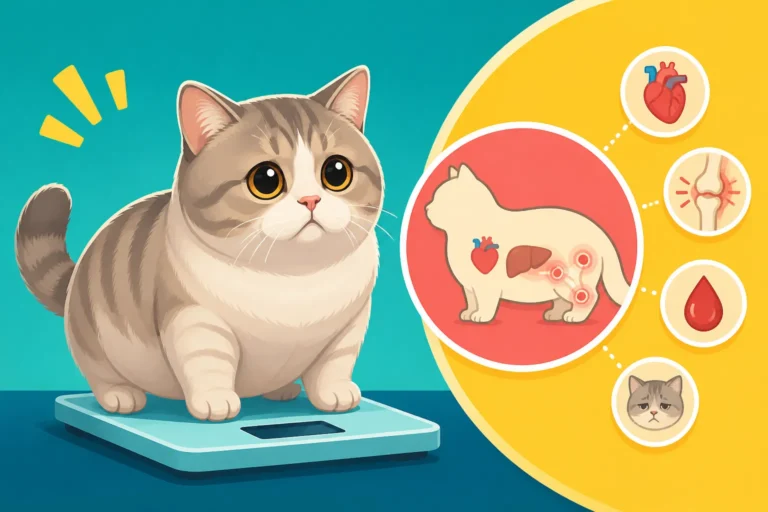
This makes weight management exceptionally important for Munchkins. Every extra pound on a cat with short legs places disproportionate strain on their joints (shoulders, elbows, hips) and, by extension, their spine. An overweight Munchkin is at a much higher risk of developing conditions like osteoarthritis or exacerbating any subtle spinal issues over time. Maintaining a lean body condition is paramount to minimizing stress on their musculoskeletal system and promoting long-term spinal health. Feeding a balanced diet, monitoring calorie intake, and encouraging appropriate play are all crucial. Understanding Why Weight Is More Dangerous on a Munchkin can highlight this critical aspect of their care.
Furthermore, attention to joint health is inextricably linked to spinal support. Healthy, strong joints in the legs and hips help absorb shock and provide a stable base for the spine. Supplements like glucosamine and chondroitin can be beneficial, especially as a Munchkin ages. Regular veterinary check-ups are also key to monitoring their weight and joint health, and your vet might recommend specific diets or supplements. When considering pet insurance, a plan from a provider like Healthy Paws can be invaluable for covering the costs of ongoing joint care, diagnostics, or even physical therapy should these issues arise. While the frequency of spinal problems in Munchkins is debated, as discussed in Why the Frequency of Munchkin Spinal Problems Is Disputed, proactive care for weight and joints provides the best defense against potential issues.
Ensuring a Healthy Spine in Your Munchkin
Owning a Munchkin cat involves understanding their unique needs and providing a proactive approach to their health, especially concerning their musculoskeletal system. Even though their spine is of normal length, proper care ensures it stays healthy throughout their lives.
Veterinary Checks and Early Detection
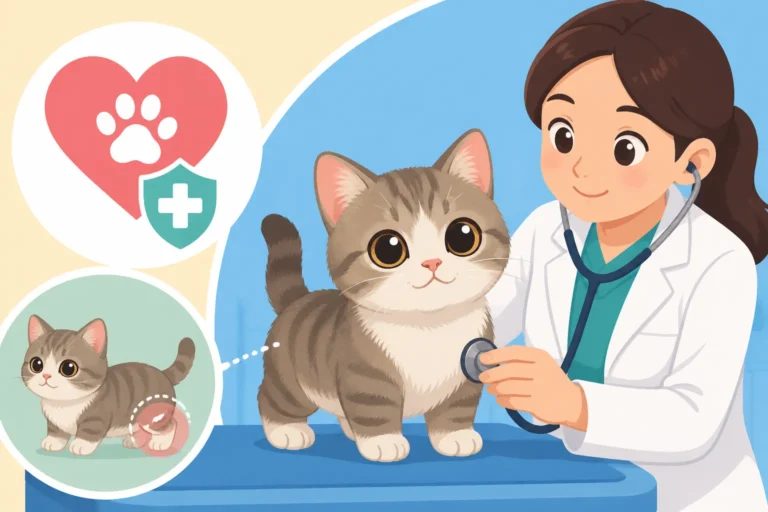
Regular veterinary examinations are perhaps the most critical component of ensuring a Munchkin's long-term spinal health. Starting from kittenhood, your veterinarian should perform thorough physical examinations, paying close attention to their gait, spinal alignment, and overall conformation. A reputable breeder should be able to provide health clearances for their breeding cats and be transparent about any known issues in their lines, as detailed in What a Munchkin Breeder Should Be Able to Show You.
During these annual check-ups, your vet can assess for any signs of lordosis, pectus excavatum, or early indications of arthritis in their joints or spine. They can monitor your cat's weight, discuss appropriate exercise routines, and recommend preventative measures like joint supplements if needed. As your Munchkin ages, these check-ups become even more important, as older cats, regardless of breed, are more prone to degenerative joint disease and other age-related spinal issues. Early detection of any potential problem allows for timely intervention, whether it's dietary changes, medication, or environmental modifications. Consider a comprehensive pet insurance plan, such as those offered by Healthy Paws, which can help alleviate the financial burden of diagnostics like X-rays or specialized treatments if a spinal or joint issue is identified. This ensures you can always provide the best care without worrying about the cost.
Environmental Adaptations and Support
Given their short stature, Munchkins naturally navigate the world differently from long-legged cats. While their spine isn't shortened, it's still crucial to minimize unnecessary strain on their entire musculoskeletal system, including their back. This means adapting their living environment to accommodate their unique physical needs.
- Ramps and Steps: Provide ramps or pet steps to allow easy access to elevated surfaces like sofas, beds, and window sills. This prevents them from attempting jumps that are too high or repeatedly jarring their spine and joints by jumping down from heights. Think of it as providing a 'staircase' for their short legs.
- Low-Entry Litter Boxes: Ensure their litter boxes have low entry points. A high-sided box can be a struggle to enter and exit, potentially putting strain on their back and hips, especially if they are older or have developing joint issues.
- Accessible Food and Water: While some cats prefer raised bowls, a Munchkin’s food and water bowls should be easily accessible without them having to stretch or crouch uncomfortably. Experiment to see what works best for your individual cat.
- Secure Surfaces: Provide non-slip surfaces wherever possible. Slipping and sliding on laminate or tile floors can put sudden, awkward stress on their spine and joints. Rugs or carpet runners can make a significant difference.
By making these thoughtful adjustments, you create an environment that supports your Munchkin's natural movement and helps protect their spine and joints from undue stress, ensuring they remain comfortable and active as they age. This proactive approach to care can significantly enhance their quality of life, extending their comfort and mobility well into their senior years. While it's true that What an Old Munchkin Stops Being Able to Do often relates to mobility, these adaptations can prolong their independence.
Comparison Table: Munchkin Spine vs. Limbs
| Feature | Axial Skeleton (Spine, Ribs, Skull) | Appendicular Skeleton (Limbs) |
|---|---|---|
| Affected by Munchkin Gene? | No, generally normal development | Yes, specifically affects long bone growth |
| Typical Length | Normal length, comparable to other domestic cats | Disproportionately short due to pseudoachondroplasia |
| Primary Function | Protection of vital organs (spinal cord, brain, heart, lungs), central body support | Locomotion, manipulation, bearing weight |
| Potential Concerns | Lordosis, pectus excavatum (conformation, not length), general age-related issues | Osteoarthritis in joints due to unique weight distribution |
| Owner Action | Regular vet checks, weight management, observe gait, environmental support | Environmental adaptations (ramps), joint supplements, appropriate play |
Disclaimer
The information provided in this article is for general informational purposes only and does not constitute veterinary advice. Always consult with a qualified veterinarian for any health concerns or before making any decisions about your pet's health or treatment.