Why an Old Munchkin Needs Its Weight Watched Hardest
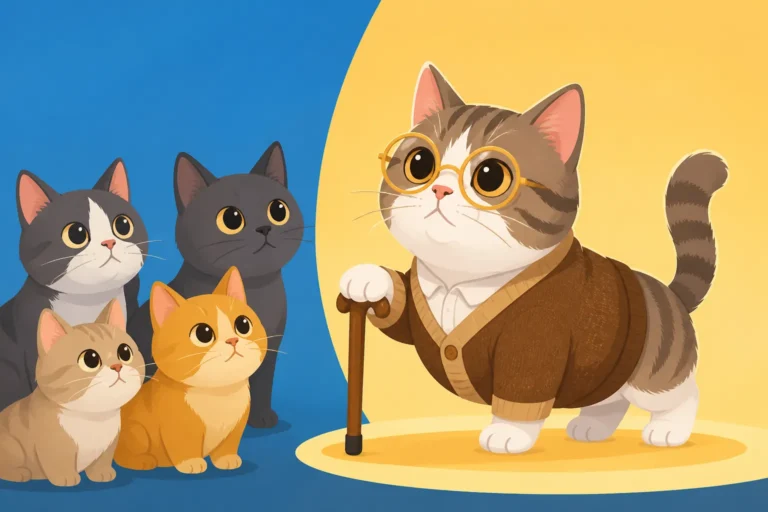
It’s heartbreaking to watch our beloved senior Munchkins slow down and struggle with the things they once did with ease. Often, a major, yet frequently overlooked, factor contributing to their discomfort and declining mobility is their weight. This guide will dive deep into why keeping a watchful eye on an older Munchkin's weight is not just important, but absolutely critical, helping you understand the unique challenges they face as they age and how proactive weight management can drastically improve their golden years.
The Unique Challenges of Aging for a Munchkin's Frame
As our cats mature into their senior years, their bodies naturally undergo changes. For Munchkins, with their distinct conformation, these changes can present a particularly complex set of challenges, especially when it comes to their weight.
Why Every Extra Pound Lands Differently on Short Legs
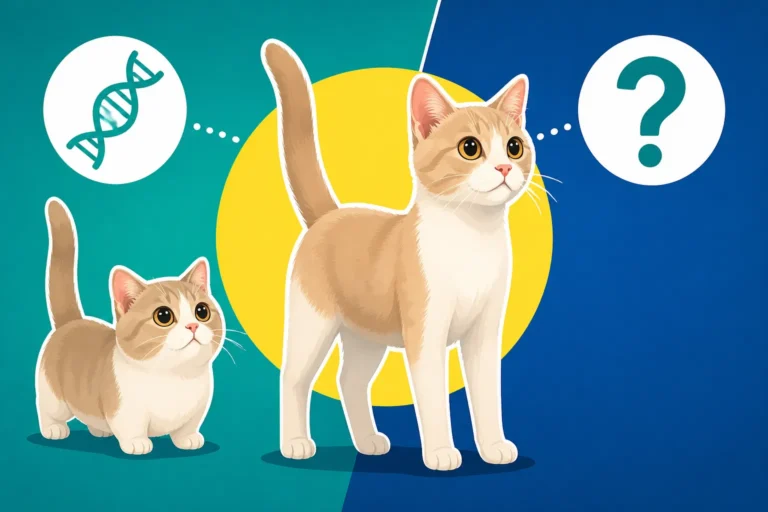
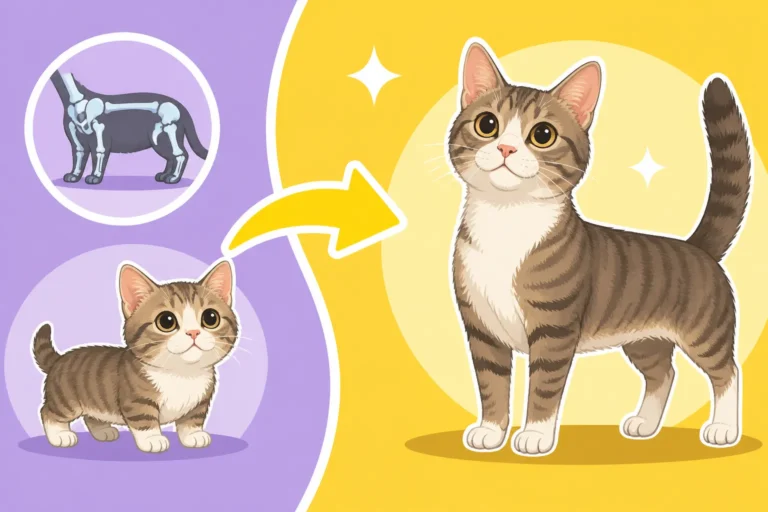
Let's face it, a Munchkin's charm lies in those adorable short legs. But these aren't just cosmetic; they're a result of pseudoachondroplasia, a form of dwarfism that affects the long bones. This means their skeletal structure, while often sturdy, isn't built to carry excess weight in the same way a normal-legged cat's is. Every single extra ounce they put on, especially as they get older and their metabolism slows, adds disproportionate stress to their already unique anatomy.
Think about it: their spine, which is normal length for a cat, is supported by legs that are significantly shorter. This creates a different leverage system, and when you add weight, that system is put under immense strain. Imagine trying to lift a heavy box with very short arms versus arms of standard length. The effort and strain on your back would be far greater. That's a simplified way of visualizing what an extra pound or two means for your Munchkin's frame. It’s not just a little more padding; it’s a constant, cumulative load. This is a huge part of Why a Munchkin's Spine Carries a Load a Normal Cat's Does Not. Over time, this constant pressure contributes to wear and tear that can accelerate joint degeneration.
Increased Risk of Joint Pain and Arthritis
Arthritis is a common companion to old age in many species, including cats. For Munchkins, however, the risk and severity can be amplified due to their short legs and the way their joints articulate under their body weight. Their front legs, in particular, absorb a great deal of impact from everyday movements—even simple steps off a low ottoman.
As a Munchkin ages, the cartilage cushioning their joints naturally begins to thin, leading to stiffness and pain. An older Munchkin with even a slight amount of extra weight will feel this much more acutely. The added pressure on their elbows and shoulders, which are constantly working harder just to keep them upright and mobile, can lead to earlier onset and more severe osteoarthritis. This makes it crucial to consider Whether a Munchkin Gets Arthritis Earlier than other cats. You might notice them hesitating before jumping even a small height, or a subtle change in their gait. Why a Munchkin's Shoulders Wear First is directly related to this constant strain. They often bear the brunt of everyday activity, and when coupled with additional weight, the burden becomes almost unbearable, affecting their quality of life profoundly.
The Direct Health Consequences of Overweight Senior Munchkins
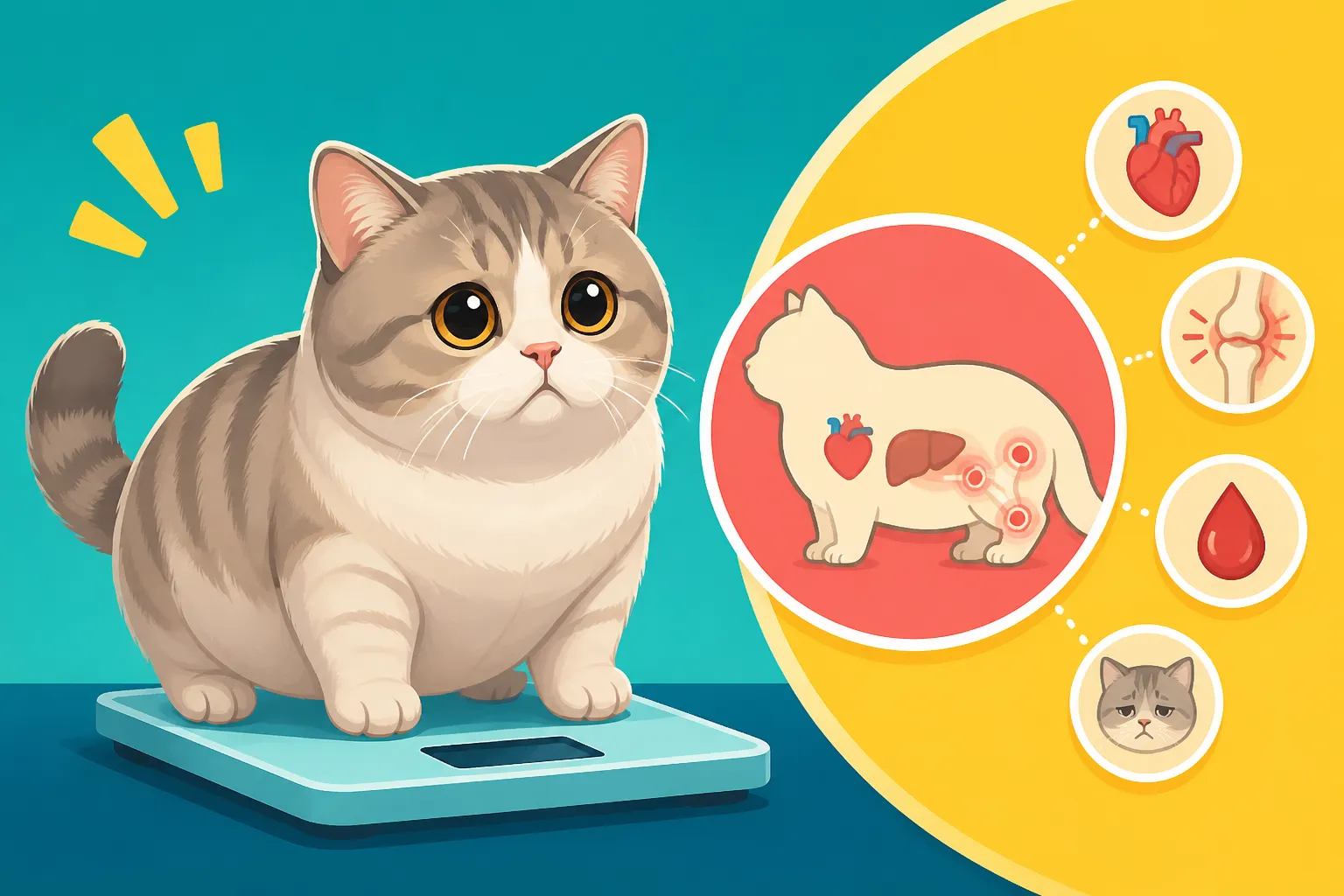
Allowing a senior Munchkin to carry extra weight isn't just about a bit of stiffness; it can lead to a cascade of serious health problems that directly impact their well-being and longevity.
Exacerbated Spinal and Organ Strain
Many Munchkins, due to their unique genetics, can be predisposed to certain spinal conditions like lordosis, a curving of the spine, or pectus excavatum, a sunken chest. While these conditions can manifest at varying degrees of severity, adding excess weight to an already compromised frame is like pouring fuel on a fire. If your senior Munchkin has even a mild case of lordosis, an extra pound can significantly increase the compression on their internal organs, leading to issues with breathing, digestion, and overall comfort.
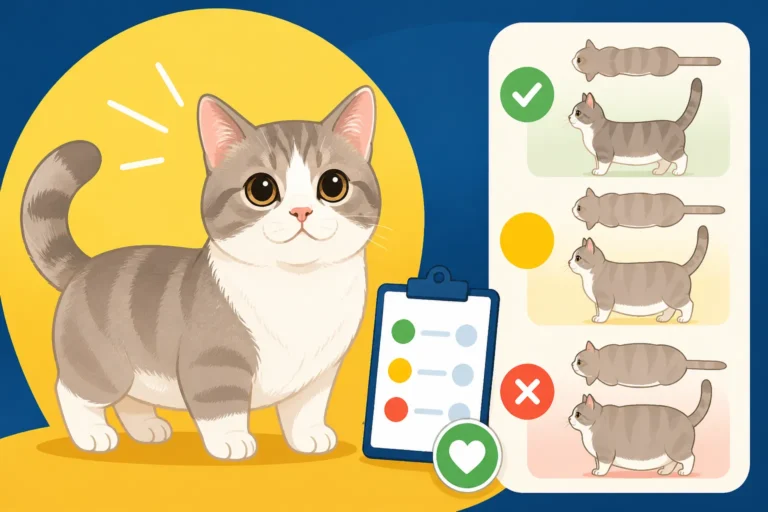
Imagine a small, compact vehicle trying to carry a load far heavier than it was designed for. The chassis, the suspension, and the engine all suffer. Similarly, a heavy belly in a Munchkin literally drags closer to the ground, pulling down on the spine and abdominal muscles. This constant pull can lead to chronic back pain, further limiting their mobility and making even simple acts like using the litter box painful. It's a key reason Why an Overweight Munchkin Is in Real Trouble and why paying attention to their body condition score becomes critical as they age. This dragging belly, often coupled with reduced activity, creates a vicious cycle, as explained in Why a Heavy Munchkin's Belly Drags. The strain isn't just external; Why Severe Lordosis Compresses a Munchkin's Organs becomes a much more pressing concern with added abdominal fat.
Mobility Impairment and Loss of Independence
One of the most heartbreaking aspects of an overweight senior Munchkin is the loss of their independence. Those short legs already limit their vertical reach, meaning they rely on ramps, steps, or creative furniture arrangements to access elevated spots. When they're carrying extra weight, even these adapted aids become difficult to use. A once easy step onto a low-entry litter box can become an insurmountable hurdle, leading to accidents outside the box and further stress for both cat and owner.
Think about the joy your Munchkin gets from surveying their kingdom from the sofa or curling up on your bed. If they can no longer make these small, familiar journeys, their world shrinks. They might stop trying to get onto their favorite window perch, not because they don't want to, but because the physical effort is too great or too painful. This can lead to frustration, lethargy, and even depression. It’s common to hear owners say Why an Old Munchkin Stops Using Its Ramp once their weight or joint pain makes it too difficult. The psychological toll of losing the ability to access beloved spots, or even to groom themselves effectively, cannot be overstated. What an Old Munchkin Stops Being Able to Do is often directly linked to their increasing weight, diminishing their quality of life significantly.
Practical Strategies for Weight Management in Senior Munchkins
Managing your senior Munchkin's weight effectively requires a multi-faceted approach, combining careful dietary adjustments, appropriate exercise, and consistent veterinary oversight.
Tailoring Diet and Portions to an Older Cat's Needs
As cats age, their metabolic rate often slows down, meaning they require fewer calories to maintain a healthy weight. Continuing to feed them the same amount of food they ate in their prime is a sure-fire way to lead to weight gain. This is where tailoring their diet becomes paramount.
First, consider switching to a high-quality senior cat food. These formulas are typically designed with fewer calories and often include joint-supporting supplements like glucosamine and chondroitin. However, even with senior food, portion control is key. Don't just eyeball it; invest in a kitchen scale and accurately weigh out their meals. A few extra kibbles here and there can quickly add up for a small cat. For a Munchkin, every calorie counts, and understanding How Many Calories a Munchkin Needs to Stay Off Its Joints is vital. Many owners are surprised how little food their senior Munchkin actually needs.
Consulting your veterinarian is crucial to creating a personalized feeding plan. They can assess your cat's current body condition, discuss any existing health concerns, and recommend a specific caloric intake. For those who want to be extra vigilant, or are managing other conditions, your vet might suggest a prescription diet. Pet insurance providers like Healthy Paws can be a real lifeline here, potentially helping with the costs of those important veterinary consultations and any specialized foods or supplements your vet might prescribe to keep your senior Munchkin feeling spry and mobile. Remember, Why a Munchkin's Portion Should Be Weighed is not just about avoiding obesity, but about precision feeding for optimum health.
Encouraging Safe Exercise and Play
While a senior Munchkin won't be scaling curtains, maintaining a level of safe, low-impact activity is essential for muscle tone and calorie burning. The goal isn't vigorous exercise, but consistent, gentle movement.
Focus on floor-level play. Wand toys that mimic prey can be fantastic for engaging their hunting instincts without requiring high jumps. Short, frequent play sessions (5-10 minutes, several times a day) are much better than one long, exhausting session. Puzzle feeders can also encourage mental stimulation and physical activity as they work for their treats (just ensure the treats are accounted for in their daily calorie count!). It’s about keeping them engaged and moving, even if it's just a shuffle and a pounce along the rug. This helps keep their joints mobile and their spirits high. Which Games Suit a Munchkin That Has Stopped Jumping are the ones that keep them engaged at their level.
Ensure your home is set up to encourage movement without strain. Ramps and steps should be readily available for all furniture they wish to access. Make sure these are not too steep and have a non-slip surface to prevent accidents. Carpeting or rugs can also provide better traction than slick hardwood floors, giving them confidence to move freely. A little creative thinking can go a long way in ensuring How Much Floor Play Keeps a Munchkin's Weight Down for an older cat.
Regular Veterinary Check-ups and Monitoring
Consistent veterinary care is non-negotiable for senior Munchkins, especially when it comes to weight management. They are masters at hiding discomfort, and a professional eye can spot subtle changes you might miss.
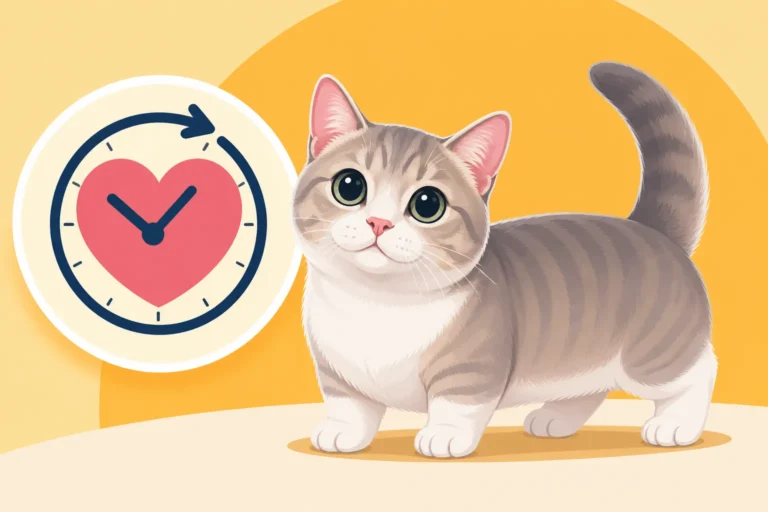
During annual (or even bi-annual for very senior cats) check-ups, your vet will perform a thorough physical exam, checking their weight, body condition score, and assessing their joints for any signs of arthritis. They can also discuss appropriate weight loss goals and strategies. How Often a Healthy Adult Munchkin Needs Checking becomes more frequent as they age.
At home, you can assist this process by regularly weighing your Munchkin. A simple pet scale or even a human scale (weigh yourself, then weigh yourself holding your cat, and subtract the difference) can help you track their progress. Keep a log of their weight to identify trends over time. Early detection of weight gain allows for quicker intervention. Paying close attention to How Often to Weigh a Munchkin at Home can provide invaluable data for your vet visits. Remember, prevention and early intervention are far easier than trying to reverse significant weight gain once it has already impacted their health. Having pet insurance, like a plan from Healthy Paws, can provide peace of mind regarding the cost of these crucial check-ups, diagnostics, and ongoing treatments that ensure your Munchkin gets the best care possible.
The Ripple Effect: Beyond Just Weight Loss
Weight management for your senior Munchkin isn't just about the number on the scale; it has far-reaching positive effects that enhance their daily life and their bond with you.
Enhancing Grooming and Hygiene
One of the less obvious, but highly impactful, consequences of excess weight in a senior Munchkin is its effect on their ability to self-groom. Their short legs and compact bodies already make reaching certain areas challenging, particularly their hindquarters and the base of their tail. When stiffness and extra bulk are added to the equation, these areas become virtually impossible for them to properly clean.
This leads to a higher risk of matting, especially for long-haired Munchkins, and can cause skin irritation, sores, and even infections underneath the matted fur. You might notice them having difficulty cleaning themselves after using the litter box, leading to a dirty rear end. Regularly checking and cleaning these areas becomes an essential part of your routine. Why a Munchkin's Hindquarters Get Matted is directly related to their inability to reach and the presence of any excess weight making it even harder.
You'll need to step in and assist with regular brushing, paying close attention to their back, hind legs, and belly. For some, a periodic sanitary clip around their rear might be necessary, performed either by you (with extreme care!) or a professional groomer. Understanding Whether a Munchkin Needs a Sanitary Clip is part of owning one and becomes even more important as they age and potentially gain weight. This assistance isn't just cosmetic; it's a vital part of preventing discomfort and maintaining their health.
Improving Overall Quality of Life and Comfort
Ultimately, all these efforts in weight management boil down to one goal: ensuring your senior Munchkin enjoys the highest possible quality of life in their golden years. A Munchkin at a healthy weight will experience less joint pain, have better mobility, and be more inclined to engage in play and social interaction.
They will be able to navigate their environment more comfortably, reach their favorite spots with less struggle, and maintain a sense of independence that is so crucial for a cat's well-being. Imagine your senior Munchkin still trotting to greet you at the door, still batting at a feather wand, and still able to jump onto your lap for a snuggle. These seemingly small things make a world of difference.
By actively managing their weight, you're not just preventing problems; you're preserving their joy, comfort, and the precious years you have together. It's an act of love that acknowledges their unique needs and provides them with the best possible chance at a long, happy, and comfortable life.
Caring for an aging Munchkin means being extra vigilant about their weight, as their unique physiology makes them particularly susceptible to the detrimental effects of excess pounds. By understanding the challenges they face, implementing tailored dietary and exercise plans, and maintaining regular veterinary care, you can help your beloved short-legged companion enjoy their senior years with comfort, mobility, and happiness.
Disclaimer
This article is for general informational purposes only and does not constitute professional advice. Laws, prices and regulations vary by location and change over time. Consult a qualified professional for guidance on your specific situation.