What Happens to the Long Legged Munchkin Kittens
It's completely natural to be curious, maybe even a little surprised, when you hear about long-legged Munchkin kittens. Most people picture those adorable, low-slung felines when they think of the breed, so the idea of a "normal-legged" sibling can feel a bit counter-intuitive. If you're wondering how this happens, what it means for the kittens, or what their future holds, you've come to the right place. We're going to dive deep into the fascinating genetics behind Munchkin litters and explore the journey of these equally charming, albeit longer-limbed, feline friends.
Understanding the Genetics Behind a Munchkin Litter
When we talk about Munchkin cats, we're really talking about a specific genetic mutation that results in their characteristically short legs. But here's the kicker: this mutation doesn't affect every kitten in every litter in the same way. It's a prime example of how genetics can surprise us, even when breeders are meticulous in their planning.
The Autosomal Dominant Gene and Its Implications
The short legs of a Munchkin cat are due to a gene that's considered "autosomal dominant." What does that mouthful mean for us cat lovers? Simply put, "autosomal" means it's not linked to a cat's sex (so both males and females can have it), and "dominant" means that a cat only needs to inherit one copy of this particular gene from one parent to display the short-legged trait. This is a crucial piece of the puzzle in understanding why a Munchkin's legs are short but its body is not.
However, there's a vital flip side to this dominance. Two copies of the Munchkin gene are actually lethal to an embryo. This means that a kitten inheriting two copies of the short-leg gene will not survive past a very early stage of development, often before the owner even knows conception has occurred. This genetic reality is a significant factor in how breeders plan matings and why we never see homozygous Munchkin kittens being born. This is why it's so important to understand how Munchkin dwarfism is inherited.
Why Every Litter is a Carrier Cross
Because breeding two short-legged Munchkins together would risk creating embryos with two copies of the lethal gene, reputable breeders never mate two short-legged Munchkins. Instead, a short-legged Munchkin (who carries one copy of the dominant gene) is always bred to a normal-legged cat. This normal-legged partner doesn't carry the Munchkin gene at all. This practice, known as an outcross, is fundamental to the breed's health and genetic diversity.
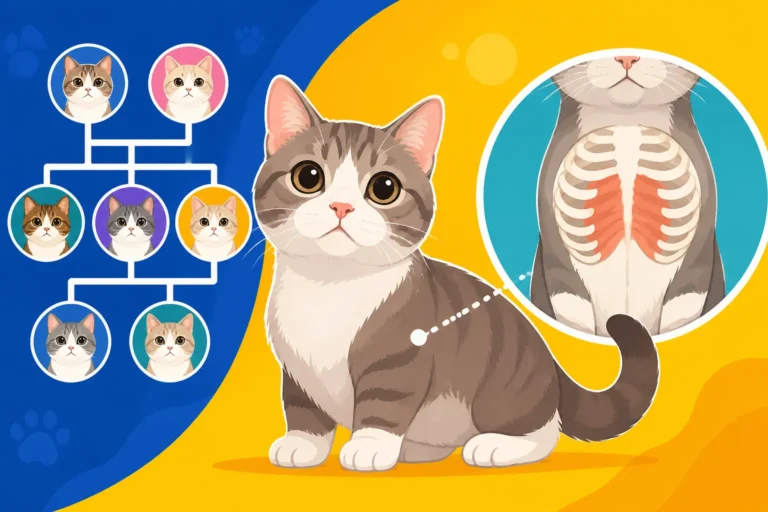
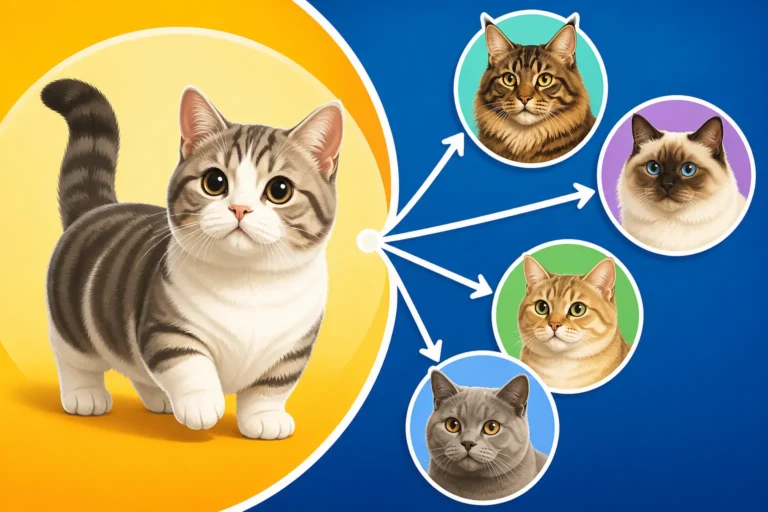
The beauty of this breeding strategy is that it ensures genetic variety and prevents the lethal homozygous state. It also means that in every Munchkin litter, you're going to have a mix. About half the kittens will inherit the dominant short-leg gene and display the characteristic Munchkin legs. The other half will inherit two copies of the normal-leg gene from their parents and will, you guessed it, have long legs! This explains why a Munchkin is always bred to a normal legged cat and why half a Munchkin litter has normal legs. The commitment to outcrossing also means that the Munchkin gene pool stays wide, which is a positive for the breed's overall health.
The Unexpected Outcome: A Mix of Leg Lengths
So, in a litter from a short-legged Munchkin and a normal-legged domestic cat (often a domestic shorthair or longhair, as these are common outcrosses), you'll typically see a fascinating blend of leg lengths. Imagine a litter of kittens tumbling around, some with those familiar stubby legs, and others looking just like any other adorable domestic kitten, with legs of conventional length. It's quite a sight for someone unfamiliar with Munchkin genetics.
This isn't a breeding "mistake" or an anomaly; it's the expected and scientifically sound outcome of how Munchkin dwarfism is inherited. These long-legged kittens are just as much a part of the Munchkin breed line as their short-legged siblings, even if they don't visually express the defining trait. They are often incredibly healthy and vigorous, thriving alongside their short-legged counterparts.
The Journey of a Long-Legged Munchkin Kitten
The moment a long-legged Munchkin kitten arrives, its journey diverges slightly from its short-legged siblings. While they share the same birth mother and early environment, their physical development and future roles are distinct.
Identifying Long Legs Early On
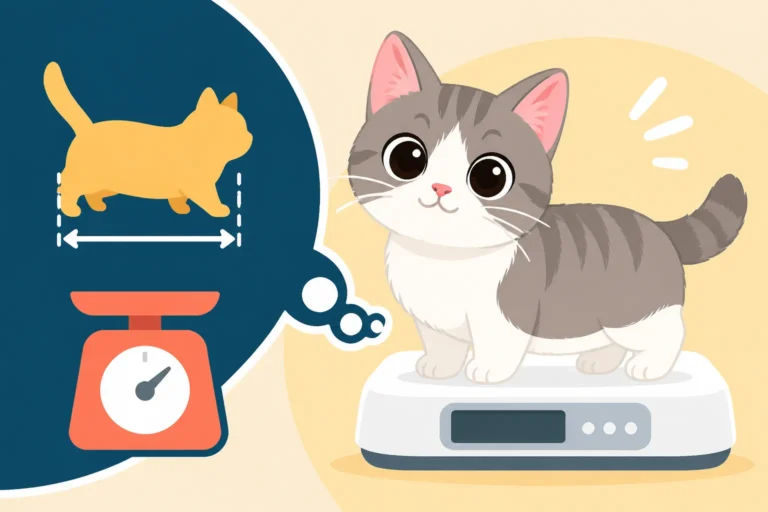
For experienced breeders, identifying long-legged kittens in a Munchkin litter is often quite straightforward, even from a young age. While all kittens start off somewhat "stumpy," the difference in leg length becomes increasingly apparent as they grow. By the time they are a few weeks old, the leg length distinction is usually clear. Breeders will routinely assess their kittens' conformation, including leg length, as part of their health checks.
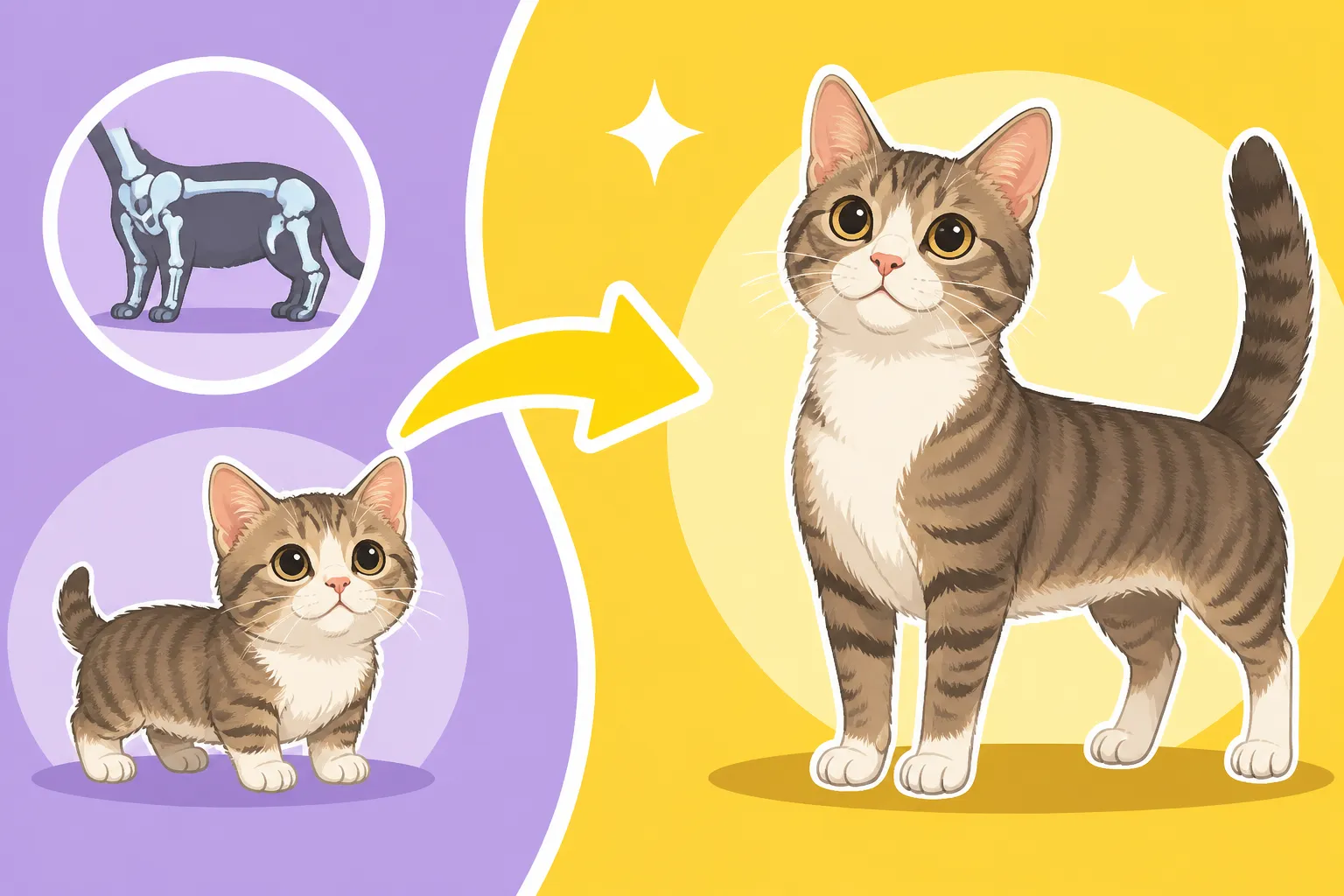
These kittens develop just like any other domestic cat. Their bone structure, muscle development, and coordination typically fall within the normal range for a feline. Unlike their short-legged kin, they don't experience the unique biomechanical challenges that come with reduced limb length. They can jump, run, and play with the agility and grace expected of a typical cat, reaching heights that their short-legged siblings cannot.
Health and Development in Comparison to Short-Legged Siblings
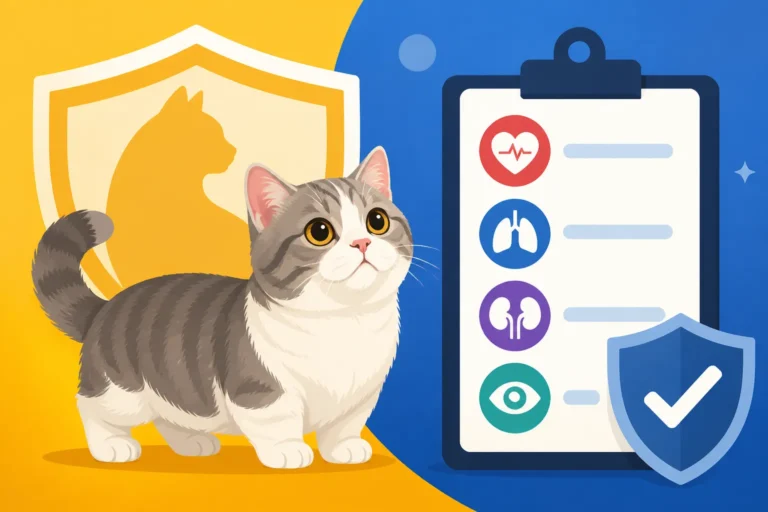
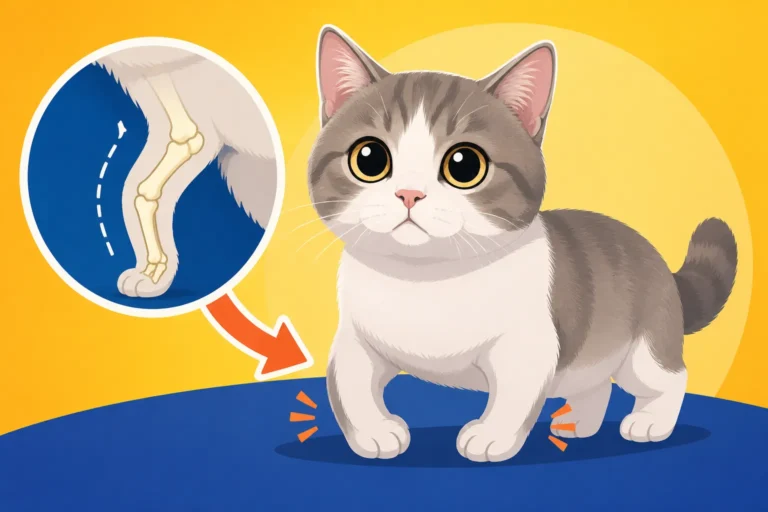
One of the most reassuring aspects for prospective owners is that long-legged Munchkin kittens are generally very healthy. Since they did not inherit the gene for pseudoachondroplasia (the official term for the Munchkin dwarfism), they do not carry the specific health concerns associated with that gene, such as an increased risk for lordosis or pectus excavatum. Their skeletal structure is that of a normal domestic cat, meaning they're not predisposed to the spinal or joint issues that can sometimes be a concern for short-legged Munchkins, such as premature arthritis in the shoulders or elbows.
| Characteristic | Short-Legged Munchkin | Long-Legged Munchkin |
|---|---|---|
| Genetic Trait | Inherited one copy of the dominant short-leg gene | Inherited two copies of the normal-leg gene |
| Physical Appearance | Noticeably short legs, normal body length | Normal leg length, indistinguishable from a domestic cat |
| Health Considerations | Potential for lordosis, pectus excavatum, joint issues | Standard feline health profile, no dwarfism-related risks |
| Mobility | Lower jumps, runs close to ground, "ferret-like" gait | Normal jumping height, typical feline agility |
| Breeding Potential | Can be bred to normal-legged cats to produce Munchkins | Cannot be bred to produce Munchkins (lacks gene) |
| Registration Status | Can be registered as Munchkin with TICA | Can be registered as Munchkin (non-standard variant) with TICA |
These long-legged kittens are essentially genetically normal domestic cats born within a Munchkin breeding program. Their development, from kittenhood through adulthood, typically mirrors that of any other robust, healthy feline. You wouldn't expect them to suffer from the unique musculoskeletal stresses that can affect short-legged Munchkins, meaning their care plan is essentially the same as any other cat.
Life as a "Normal" Cat: Behavior and Capabilities
Long-legged Munchkins are, for all intents and purposes, standard domestic cats in their physical capabilities. They can leap onto counters, scale tall cat trees, and effortlessly reach high shelves. They don't require the special accommodations in the home that a short-legged Munchkin might, such as ramps or low-entry litter boxes. Their behavior is often indistinguishable from any other playful, curious, and affectionate cat.
They are just as intelligent, social, and energetic as their short-legged siblings, simply with the added advantage of full mobility. They participate in games of chase, climb curtains (much to an owner's chagrin sometimes!), and explore their environment with the full range of motion that nature intended for felines. This means they don't develop the "prairie dog sit" or the unique ferret-like gait seen in their short-legged relatives.
What Breeders Do With Long-Legged Munchkins
Understanding the genetic role of long-legged Munchkin kittens is one thing, but knowing what happens to them after they're born is another crucial piece of the puzzle for many prospective owners. Breeders have clear protocols for these kittens, driven by both ethical considerations and breed standards.
Registration and Pedigree Status
One of the most common questions is about registration. Can a long-legged Munchkin kitten still be considered a Munchkin? The answer is generally yes, especially if the breeder is registered with The International Cat Association (TICA), which is the primary registry for Munchkin cats. TICA recognizes two categories for cats born in Munchkin litters: "Standard Munchkins" (the short-legged ones) and "Non-Standard Munchkins" (the long-legged ones). A long-legged Munchkin can indeed be registered with TICA, and their papers will indicate their status. This ensures their lineage is accurately recorded.
However, a long-legged Munchkin cannot be shown in TICA championship classes because they don't possess the defining short-leg trait. They are essential to the gene pool but not to the show ring for the Munchkin breed itself. This distinction is important for breeders tracking lines and for owners understanding their cat's official status. If you're interested in whether a long legged Munchkin can be registered, it's worth discussing with a TICA-registered breeder.
Ethical Considerations and Breeding Practices
From an ethical standpoint, breeders are very clear: long-legged Munchkins, while genetically valuable as outcrosses into the Munchkin program (like their normal-legged parents), are not used for breeding Munchkin kittens. Why? Because they don't carry the short-leg gene themselves. Breeding a long-legged Munchkin to a short-legged Munchkin would be genetically identical to breeding two short-legged Munchkins (risk of lethal homozygous embryos) or breeding a long-legged Munchkin to another long-legged cat, which would never produce short-legged offspring. Therefore, these kittens are typically sold on spay/neuter contracts.
The role of the long-legged cat in Munchkin breeding is foundational, but it's the outcross cat (the non-Munchkin parent) that provides the "normal-leg" gene to pair with the short-leg gene. A long-legged kitten from a Munchkin litter doesn't carry the gene, making it unsuitable for continuing the Munchkin short-leg trait. If you're wondering whether a long legged Munchkin carries the gene, the answer is no. This crucial understanding underpins responsible breeding practices.
Finding Forever Homes: Pet Only vs. Breeding Prospects
The vast majority of long-legged Munchkin kittens are placed in loving pet-only homes. They are cherished for their wonderful personalities, their healthy constitutions, and their playful nature. Because they don't possess the characteristic short legs, their price point is often considerably lower than their short-legged siblings, reflecting the reduced demand for the unique Munchkin trait. If you're curious what a long legged Munchkin kitten is worth, it's generally much less than a standard Munchkin, often closer to the price of a well-bred domestic cat.
Sometimes, a long-legged kitten might be kept by a breeder if it comes from exceptional lines and is deemed a suitable candidate for future outcross breeding into the Munchkin program as a normal-legged parent. This is a highly selective process, ensuring only the healthiest and most desirable traits are introduced. However, as noted before, they won't produce short-legged kittens if bred to other long-legged cats. Many breeders openly discuss what a long legged Munchkin kitten is worth and why they make excellent pets.
Living with a Long-Legged Munchkin
Bringing any cat into your home is a joy, and a long-legged Munchkin is no exception. They offer all the delightful companionship of a feline friend without the specific adaptations sometimes needed for their short-legged relatives.
General Care and Enrichment Needs
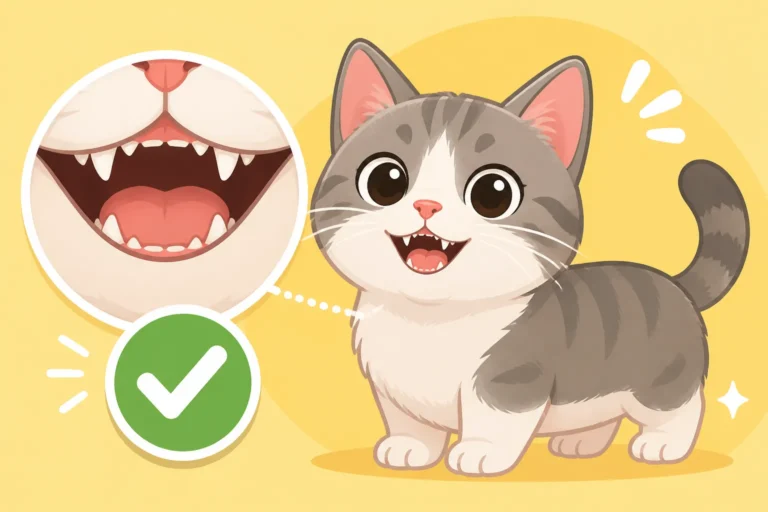
Caring for a long-legged Munchkin is essentially no different from caring for any other domestic cat. They thrive on a balanced diet, regular veterinary check-ups, plenty of playtime, and a stimulating environment. Their natural athleticism means they'll appreciate vertical spaces, tall cat trees, and toys that encourage jumping and climbing. You won't need to worry about providing ramps or specialized furniture to help them reach elevated spots.
Regular grooming, dental care, and appropriate vaccinations are all standard. Because they are often robust and healthy, general pet insurance plans like those offered by Healthy Paws can provide excellent peace of mind for unexpected veterinary costs, just as they would for any other feline companion. Their energy levels are typically high, so engaging them with wand toys, puzzle feeders, and interactive play sessions will keep them happy and mentally stimulated. Remember that mental and physical enrichment is key for any cat.
Dispelling Myths: Do They Still Carry the Gene?
This is a really important point to clarify: long-legged Munchkin kittens do not carry the short-leg gene. They inherited two copies of the normal-leg gene, meaning they are genetically indistinguishable from any other domestic cat that has never been part of a Munchkin breeding program. This means they cannot pass on the short-leg trait to their offspring. This is why their role in breeding for Munchkins is limited to outcrossing, where their normal-leg gene is desired.
This distinction is often a source of confusion, but it's critical for understanding the genetics. If you acquire a long-legged Munchkin, you can be confident that you have a cat with a standard feline skeletal structure, free from the genetic trait that causes dwarfism. This means that if you were to breed them (which, again, is generally discouraged for pet cats and breeders adhere to strict outcross principles), their kittens would not be Munchkins. If you want to know whether a long legged Munchkin carries the gene, the definitive answer is no.
The Unique Charm of a Long-Legged Munchkin
While they might not have the signature short legs that define the breed, long-legged Munchkins possess all the wonderful personality traits that make Munchkins so popular. They are known for being affectionate, playful, curious, and highly social cats. They love human interaction, often following their owners from room to room, and are generally good with children and other pets.
Their unique background as siblings to short-legged Munchkins gives them a special story, making them a fantastic choice for those who love the Munchkin temperament but prefer a cat with a more traditional physique and no concerns about dwarfism-related health issues. They are vibrant, loving companions who bring immense joy to their homes. Just like their short-legged family members, they often benefit from the safety net of pet insurance from providers like Healthy Paws, ensuring they receive the best care throughout their lives. Ultimately, a long-legged Munchkin is a delightful, healthy, and engaging cat that deserves just as much love and attention as any other.
Disclaimer
Please remember that this article provides general information and should not replace professional veterinary advice. Always consult with a qualified veterinarian regarding your pet's specific health and care needs.