Whether a Munchkin’s Teeth Are Normal
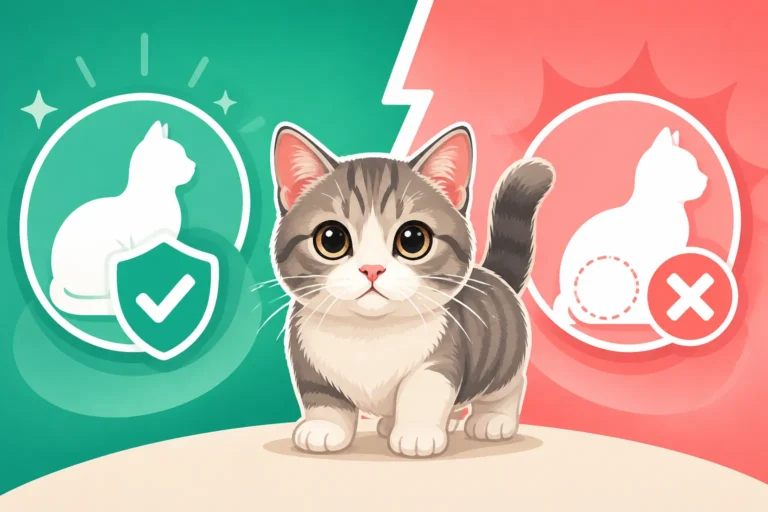
It’s a natural worry for any loving pet parent: does my Munchkin cat, with their unique physique, face different health challenges than other felines? When it comes to their pearly whites, many people wonder if those short legs mean their dental structure or health is somehow compromised. The good news is, by and large, a Munchkin's teeth are just like any other cat's, but their physical build can make diligent dental care even more crucial.
The Inner Workings of a Munchkin's Mouth
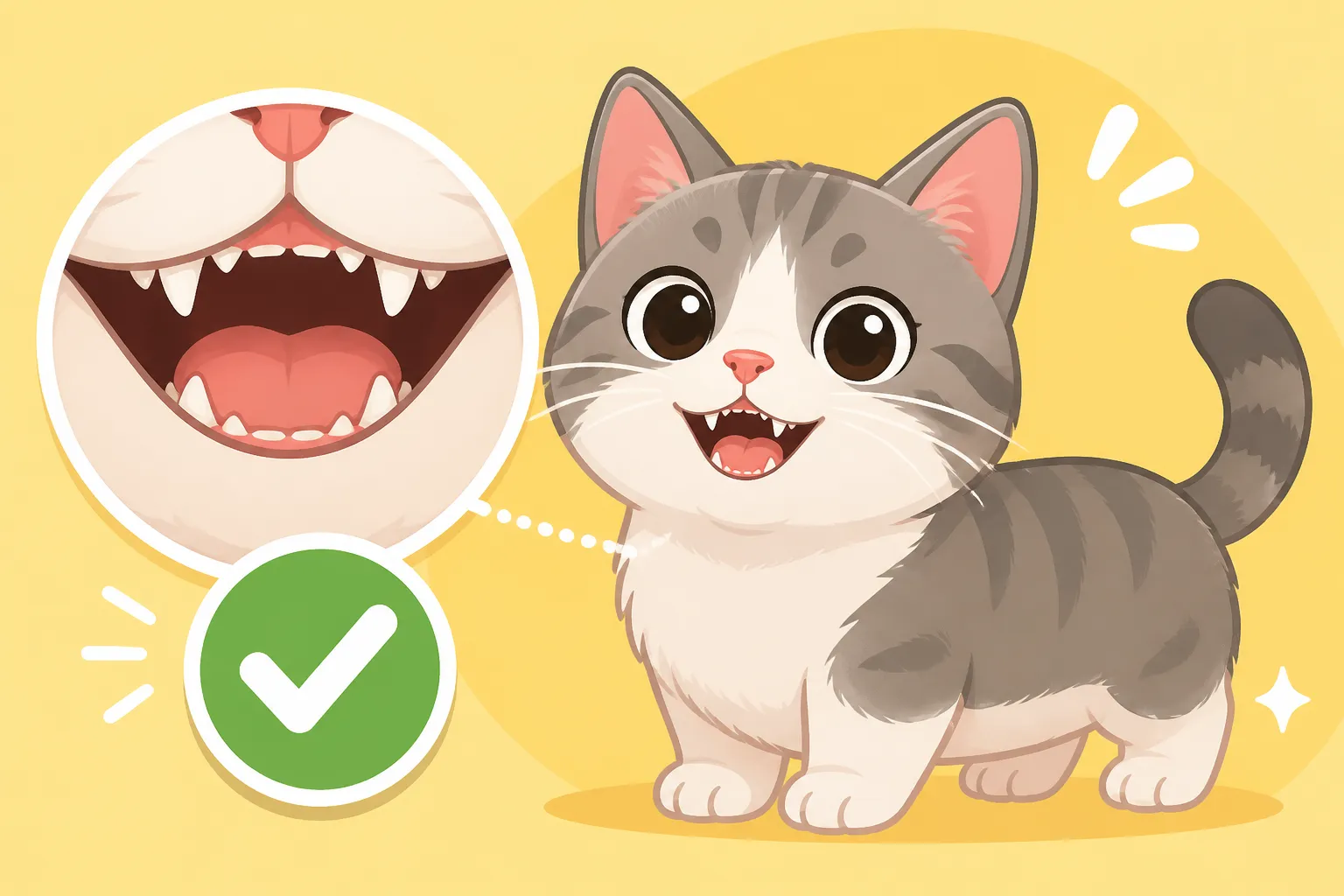
Despite their distinctive short legs, the internal anatomy of a Munchkin cat, including their skull and jaw structure, is typically no different from that of a standard domestic cat. This means their teeth are usually just as "normal."
Standard Feline Dentition
Just like any other feline, a Munchkin cat possesses a full set of 30 adult teeth: 12 incisors, 4 canines, 10 premolars, and 4 molars. These teeth are designed for their carnivorous diet – sharp incisors for grasping, long canines for tearing, and pointed premolars and molars for shearing meat. A Munchkin kitten, much like any other kitten, starts with 26 deciduous (baby) teeth, which are gradually replaced by their permanent adult teeth between three and six months of age. This process of teething is entirely normal, and you might find tiny baby teeth around the house, or your kitten might simply swallow them.
The crucial takeaway here is that the genetic mutation responsible for the Munchkin's short legs, a form of pseudoachondroplasia, does not extend to the development of their facial bones or dentition. Their jaw size, tooth count, and tooth alignment are generally what you would expect in any other cat breed. There’s no inherent flaw in the structure of their teeth or jaw just because they have shorter limbs.
Jaw and Cranial Structure Considerations
While the overall structure is normal, the way a Munchkin carries its head and positions itself to eat can sometimes lead to different patterns of wear or food accumulation. Because their legs are short, their body is closer to the ground, which means they might have to lower their head further or adopt a slightly different posture to reach their food and water bowls. This isn't usually an issue for the teeth themselves, but it can impact how food debris settles around the gum line or how they manage to clean their mouths through natural grooming.
For instance, some Munchkins might find it more comfortable to eat from raised food bowls. This isn't because their jaw is different, but because it brings the food up to a more ergonomic height, reducing strain on their neck and shoulders. If you've ever wondered why your Munchkin's shoulders wear first, it's often due to these repetitive motions or their unique gait. A comfortable eating posture can indirectly support better oral hygiene by ensuring food is consumed efficiently and less likely to be squished into awkward spots.
Common Dental Problems and How Munchkins Are Affected
Even with normal teeth, cats are susceptible to a range of dental issues, and Munchkins are no exception. Their specific physical attributes don't create unique dental diseases, but they can subtly influence the risk factors or the ease of managing common problems.
Plaque and Tartar Buildup
This is the most widespread dental problem in all cats, including Munchkins. Plaque, a sticky film of bacteria, constantly forms on teeth. If not removed, it mineralizes into hard tartar, which can only be removed by professional cleaning. The issue here isn't that Munchkins produce more plaque, but that certain factors might make it harder for them to remove it themselves. For example, their low stature means their belly fur needs checking regularly, as it’s close to the ground and can pick up debris. Similarly, their lower head position during eating might, in some cases, lead to certain teeth accumulating more food residue.
If plaque and tartar aren't addressed, they can quickly lead to more severe problems. This accumulation creates an ideal environment for bacteria to thrive, irritating the gums and leading to inflammation. Regular, diligent home care becomes paramount for a Munchkin to prevent this initial buildup from escalating.
Gingivitis and Periodontal Disease
Gingivitis is the inflammation of the gums, often the first stage of periodontal disease, caused by plaque accumulation. You might notice redness, swelling, or even bleeding gums. If left untreated, gingivitis progresses to periodontal disease, where the inflammation spreads to the deeper structures supporting the teeth. This can lead to bone loss, tooth mobility, and eventually, tooth loss. The pain associated with advanced periodontal disease can be excruciating and significantly impact your cat's quality of life.
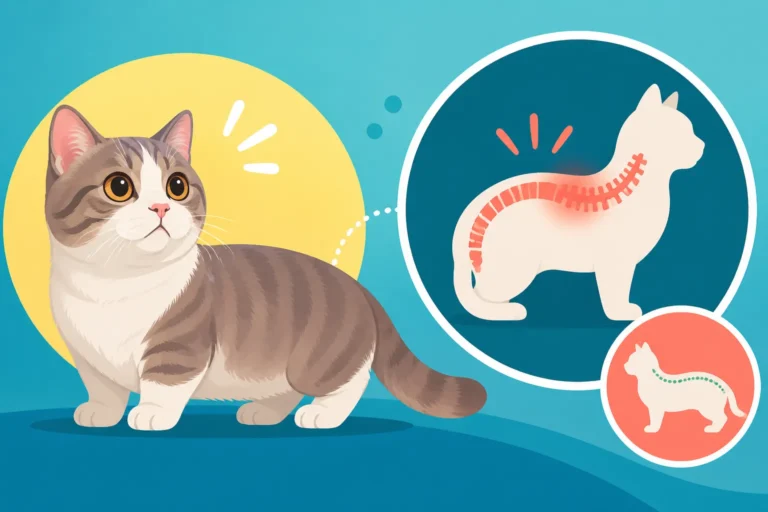
For Munchkins, the challenge might lie in detecting these early signs. Because they are low to the ground, it can be harder for owners to get a good look inside their mouths without lifting them, which they might resist if already in pain. Additionally, if a Munchkin is experiencing discomfort from their unique spinal load – an important consideration as Why a Munchkin's Spine Carries a Load a Normal Cat's Does Not – it might mask or complicate the signs of dental pain, making it difficult to pinpoint the exact source of their distress. Early detection and intervention are key to managing these conditions effectively.
Resorptive Lesions and Other Dental Issues
Beyond plaque and gum disease, cats can suffer from other dental problems, such as feline oral resorptive lesions (FORLs), fractured teeth, or malocclusions (misalignment of teeth). FORLs are particularly insidious, as they involve the erosion of tooth material, often starting below the gum line and causing extreme pain. These issues are not specific to Munchkins; they can affect any cat breed.
However, recognizing these issues in a Munchkin emphasizes the need for regular veterinary check-ups. A comprehensive veterinary exam, especially the initial one for a kitten, should cover What a Munchkin Kitten's First Exam Should Cover, including a thorough dental inspection. While it's rare for Munchkins to have genetically predisposed malocclusions due to their dwarfism, any significant misalignment could potentially be exacerbated by their eating posture or make certain teeth harder to clean, leading to more rapid decay or gum inflammation in those areas.
Proactive Dental Care for Your Short-Legged Friend
Since Munchkin teeth are fundamentally normal, proactive care mirrors that for any cat, with a few adjustments for their unique physical needs. The goal is to keep their mouth healthy and prevent painful conditions.
The Importance of Daily Brushing
Brushing your cat's teeth daily is the gold standard for preventing plaque and tartar buildup. It might sound daunting, but with patience and positive reinforcement, most cats can learn to tolerate it. For a Munchkin, you'll want to ensure you're able to brush effectively without causing them discomfort or straining their neck and back.
Instead of trying to lift their head high, which could be uncomfortable for their spine, try to meet them at their level. You might find it easier to brush when they are relaxed on your lap or on a low surface. Use a finger brush or a small, soft-bristled toothbrush designed for cats, along with enzymatic feline toothpaste (never human toothpaste!). Focus on the outside surfaces of the teeth, particularly where the gums meet the teeth, as this is where plaque tends to accumulate most. Starting early, even with a Munchkin kitten, helps them get used to the routine. Remember, consistency is more important than perfection. If you're struggling, seeking guidance on Brushing a Munchkin's Teeth Without Lifting Its Head High can provide helpful tips.
Dental Diets and Treats
While brushing is best, dental diets and treats can be a valuable addition to your Munchkin's oral hygiene routine. Look for products that have been awarded the Veterinary Oral Health Council (VOHC) seal of acceptance, as these have been scientifically proven to reduce plaque and/or tartar. These diets often have a larger kibble size or a fibrous texture that helps to scrub the teeth as the cat chews.
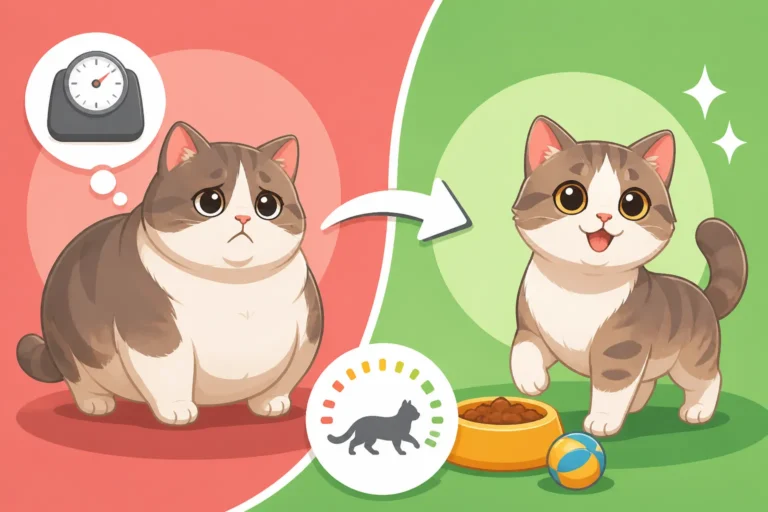
It’s crucial to remember that these extras contribute to your cat's daily calorie intake. Munchkins, with their shorter legs, tend to be less active and burn fewer calories than their long-legged counterparts. This means weight control is the whole Munchkin care plan, and every extra gram lands on a Munchkin's spine. Therefore, integrate dental treats and specialized diets carefully into their overall feeding plan to prevent unintended weight gain. Knowing How Often to Weigh a Munchkin at Home will help you stay on track.
Professional Cleanings and Vet Visits
No matter how diligent you are with home care, most cats will eventually need professional dental cleaning under anesthesia. Your vet can assess the overall health of your Munchkin's mouth, take X-rays to check below the gum line for issues like resorptive lesions or bone loss, and thoroughly clean and polish their teeth.
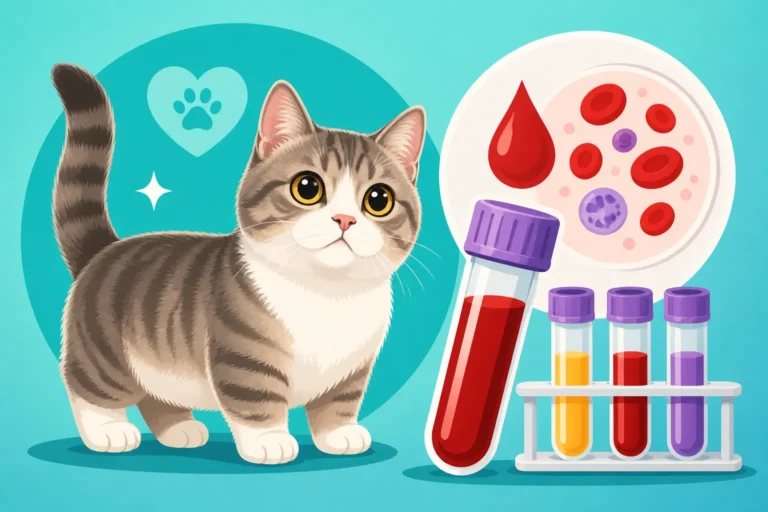
The frequency of professional cleanings depends on individual factors like genetics, diet, and home care. Your veterinarian will advise you on How Often a Munchkin Needs a Dental. Before any anesthetic procedure, your vet will likely recommend blood work to ensure your cat is healthy enough for anesthesia, checking Which Blood Values Matter Most in a Munchkin. Many owners worry about anesthesia, but it's important to understand that Whether a Munchkin Is a Normal Anesthetic Risk is generally true; modern veterinary anesthesia is very safe, and the benefits of a healthy mouth far outweigh the risks. Pet insurance providers like Healthy Paws often offer coverage for dental conditions not related to cosmetic procedures, which can be a huge relief for unexpected costs.
When to See the Vet: Recognizing Dental Distress
Knowing when your Munchkin might be in dental pain is critical, as cats are masters at hiding discomfort. Their survival instincts tell them to conceal weakness, making it tough for us, their human companions, to spot problems early.
Signs of Dental Pain or Discomfort
Changes in your Munchkin's behavior or eating habits can be subtle indicators of dental pain. Keep an eye out for any of these signs:
- Bad Breath (Halitosis): This is one of the most common and easily recognizable signs of dental disease. Cat breath isn't usually minty fresh, but a distinctly foul odor often signals a problem.
- Difficulty Eating: This might manifest as chewing on one side of the mouth, dropping food, showing reluctance to eat hard kibble, or even a sudden preference for softer foods.
- Pawing at the Mouth or Face: Your Munchkin might rub their face against furniture or paw at their mouth, indicating discomfort.
- Drooling: Excessive drooling, sometimes with blood, can be a sign of gum inflammation or other oral issues.
- Weight Loss or Loss of Appetite: If eating becomes too painful, your cat might eat less, leading to weight loss. This is especially concerning for a Munchkin, as Why an Overweight Munchkin Is in Real Trouble underscores the importance of maintaining a healthy weight for their joint and spinal health.
- Irritability or Hiding: Cats in pain may become withdrawn, irritable, or hide more than usual.
- Neglected Grooming: If their mouth is sore, a Munchkin might stop grooming, particularly around their face. This can also lead to issues like matting, especially in hard-to-reach areas.
- Visible Swelling: Swelling on the face or under the eye can indicate an abscessed tooth.
If you observe any of these symptoms, it's time to schedule a vet visit. Don't wait for the problem to become severe, as early intervention can save your cat from prolonged pain and potentially prevent more invasive treatments.
The Vet Examination and Follow-Up
During a vet examination, your veterinarian will conduct a visual inspection of your Munchkin's mouth, gums, and teeth. They will look for signs of plaque, tartar, gingivitis, and any obvious lesions or fractures. However, a comprehensive assessment often requires sedation or anesthesia to thoroughly examine below the gum line, where many dental problems begin. This allows for probing the gum pockets, taking dental X-rays, and assessing the full extent of any disease.
Depending on the findings, your vet will recommend a treatment plan, which could range from professional cleaning and polishing to extractions of severely diseased teeth. Post-procedure care might include pain medication and antibiotics. Regular follow-up appointments and continued home care are essential to maintain your Munchkin's oral health and prevent recurrence. Keeping a detailed record of their dental health history will also be beneficial as they age, especially since Caring for an Old Munchkin That Has Stopped Climbing often includes managing declining health and mobility, which can impact grooming and dental care.
Disclaimer
This article is for general informational purposes only and does not constitute professional advice. Laws, prices and regulations vary by location and change over time. Consult a qualified professional for guidance on your specific situation.