Caring for an Old Munchkin That Has Stopped Climbing
It’s heartbreaking to watch our beloved Munchkins slow down, especially when they reach an age where their once-nimble jumps and climbs become a struggle, or even impossible. That familiar sight of them launching themselves onto the sofa, or scaling a cat tree with surprising agility despite their short legs, can slowly fade into a hesitant pause or a plaintive meow from the floor. This guide is all about navigating those changes, offering practical advice and heartfelt support for adapting your home and care routine to ensure your senior Munchkin lives out their golden years with comfort, dignity, and joy, even when climbing is no longer an option.
Understanding the Aging Munchkin's Limitations
As much as we wish they could stay kittens forever, time catches up with all our feline friends. For a Munchkin, whose unique physiology already puts a different kind of stress on their joints and spine, the aging process can introduce new challenges to their mobility. It's not just about getting old; it's about getting old with a specific body type that has always worked a little differently.
Why the Change in Mobility Happens
The short legs of a Munchkin are a hallmark of their charm, but they also mean their skeletal structure bears weight and absorbs impact differently from a long-legged cat. Over years of activity, even normal feline movements like running and jumping can contribute to wear and tear. As your Munchkin ages, the cartilage in their joints, especially in their shoulders and elbows, can start to thin, leading to osteoarthritis. This is a progressive condition where the protective cushioning in the joints degrades, causing bone-on-bone friction, pain, and stiffness. Think about how many times your cat has jumped off the sofa – for a Munchkin, each landing puts a specific strain on those shorter limbs.
Beyond the joints, the Munchkin's spine, while usually of normal length, can also be a point of concern. Conditions like lordosis, a spinal curvature where the spine sags inward, can worsen with age, further impacting mobility and comfort. Even if your Munchkin never showed overt signs of lordosis in their youth, the cumulative effect of a lifetime of movement on their unique spinal structure can lead to discomfort. Muscles naturally lose mass and strength as cats age, making once-easy movements feel like Herculean tasks. It's a combination of these factors – joint degradation, potential spinal issues, and general muscle weakening – that conspires to make climbing, jumping, and even just walking a bit more challenging.
Recognizing Early Signs of Difficulty
One of the hardest parts of watching your cat age is seeing them try to hide their discomfort. Cats are masters of disguise when it comes to pain, so you need to be a keen observer. Subtle changes can be the first indicators. Perhaps your Munchkin hesitates before attempting a jump they used to make effortlessly, or they might try to jump multiple times before finally giving up and finding an alternative route. You might notice they are less interested in chasing toys that require quick bursts of speed or high jumps. Their "prairie dog" sit, where they sit up on their hind legs to observe, might become less frequent or held for shorter periods, as this posture can put strain on their spine and hips.
Pay close attention to their daily habits. Are they struggling to get into their favorite window perch? Do they seem reluctant to use a cat tree, even one they once loved? You might also notice changes in their grooming habits; if they can no longer comfortably twist to reach their hindquarters or back, their fur might become matted, particularly around their lower back and tail. What an Old Munchkin Stops Being Able to Do covers some of these signs in more detail. A change in appetite or increased irritability when handled could also signal pain. Any persistent change in movement, energy levels, or behavior warrants a chat with your veterinarian.
The Impact of Weight on Mobility
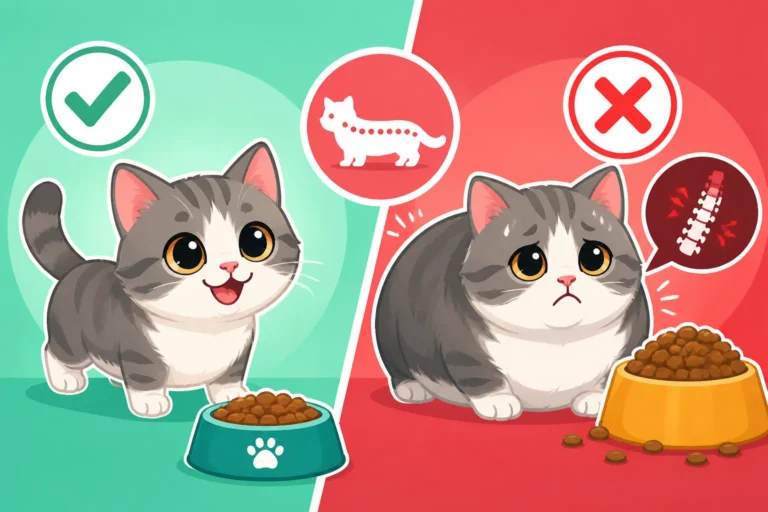
For any cat, carrying extra weight is a burden, but for a Munchkin, it’s an even more critical concern. Their short legs and unique spinal structure mean that every extra pound puts disproportionate stress on their joints and spine. Imagine trying to walk around with ankle weights all day, every day – that's what being overweight feels like to a cat, only magnified for a Munchkin. Even a small amount of excess weight can accelerate the progression of arthritis, increase pain, and significantly reduce their remaining mobility. Why Weight Is More Dangerous on a Munchkin highlights this issue.
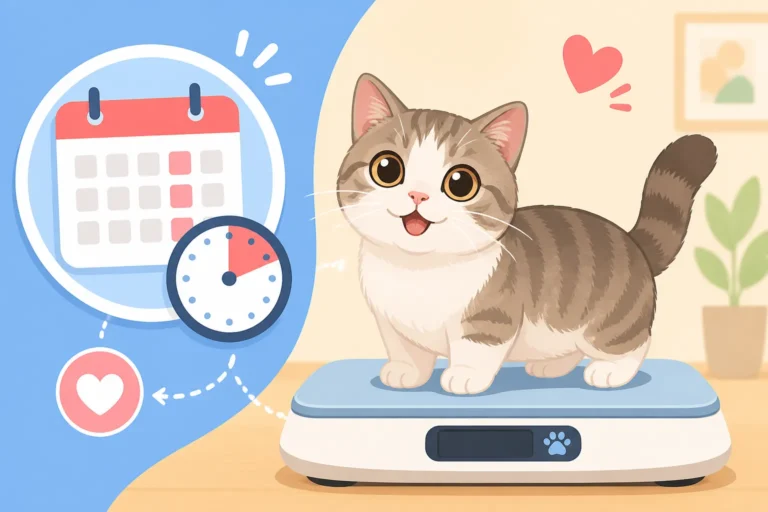
Keeping your senior Munchkin at an ideal body weight is perhaps the single most impactful thing you can do to support their joint health and overall comfort. An overweight Munchkin will find it even harder to jump, climb, and even navigate simple steps, and they are also more prone to other health issues like diabetes. This means diligent portion control, choosing appropriate senior cat foods, and ensuring they still get gentle exercise. Your vet can help you assess your Munchkin's ideal weight and create a tailored feeding plan. Don't underestimate the power of a healthy weight in giving your aging Munchkin a better quality of life.
Adapting the Home Environment for Safety and Comfort
Once you notice your senior Munchkin struggling with mobility, the next step is to proactively modify your home. This isn’t about making them feel 'disabled'; it’s about creating an environment where they can continue to access all their favorite spots and live independently without pain or frustration. The goal is to bring the world down to their level, quite literally.
Re-evaluating Ramps and Steps
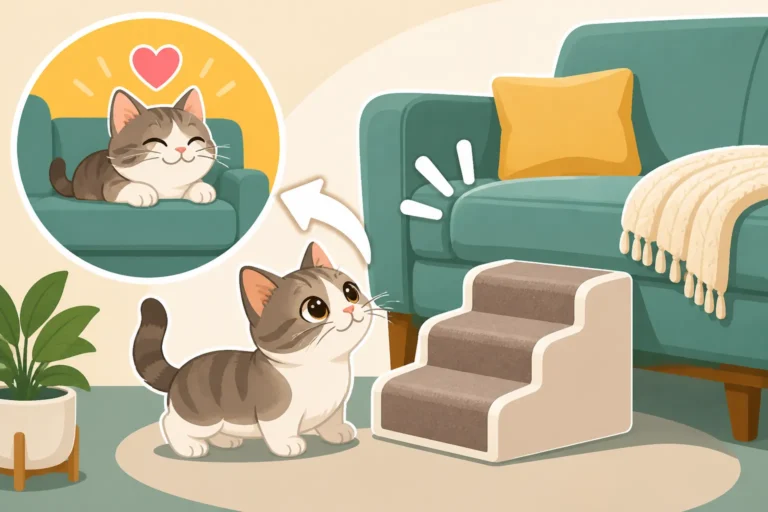
If you’ve had your Munchkin for a while, you probably already have ramps or pet stairs around your home. Now is the time to re-evaluate them with an aging, less agile cat in mind. What was suitable for a spry young Munchkin might now be too steep, too narrow, or have too large a gap between steps. Think about installing ramps with a gentler incline, ensuring they are wide enough for comfortable passage, and have a non-slip surface to prevent falls. Carpeted ramps or those with a good grippy texture are ideal. How to Set Up Ramps Around a Munchkin's House offers some great starting points.
Consider adding more ramps or steps in new areas where your cat might struggle. Every sofa, bed, or armchair that your Munchkin loves to use should have an easy, safe ascent and descent. Look for steps with closer risers and wider treads, or ramps that extend further out to reduce the angle. You might even need to invest in custom-built solutions if your furniture is particularly high. Brands like Chewy and Amazon offer a variety of pet ramps and steps, and reading reviews specific to cats (especially those with mobility issues) can help you find the right fit. It's also vital to ensure that ramps are stable and don't wobble, as this can deter an insecure senior cat from using them.
Creating Accessible Resting and Eating Zones
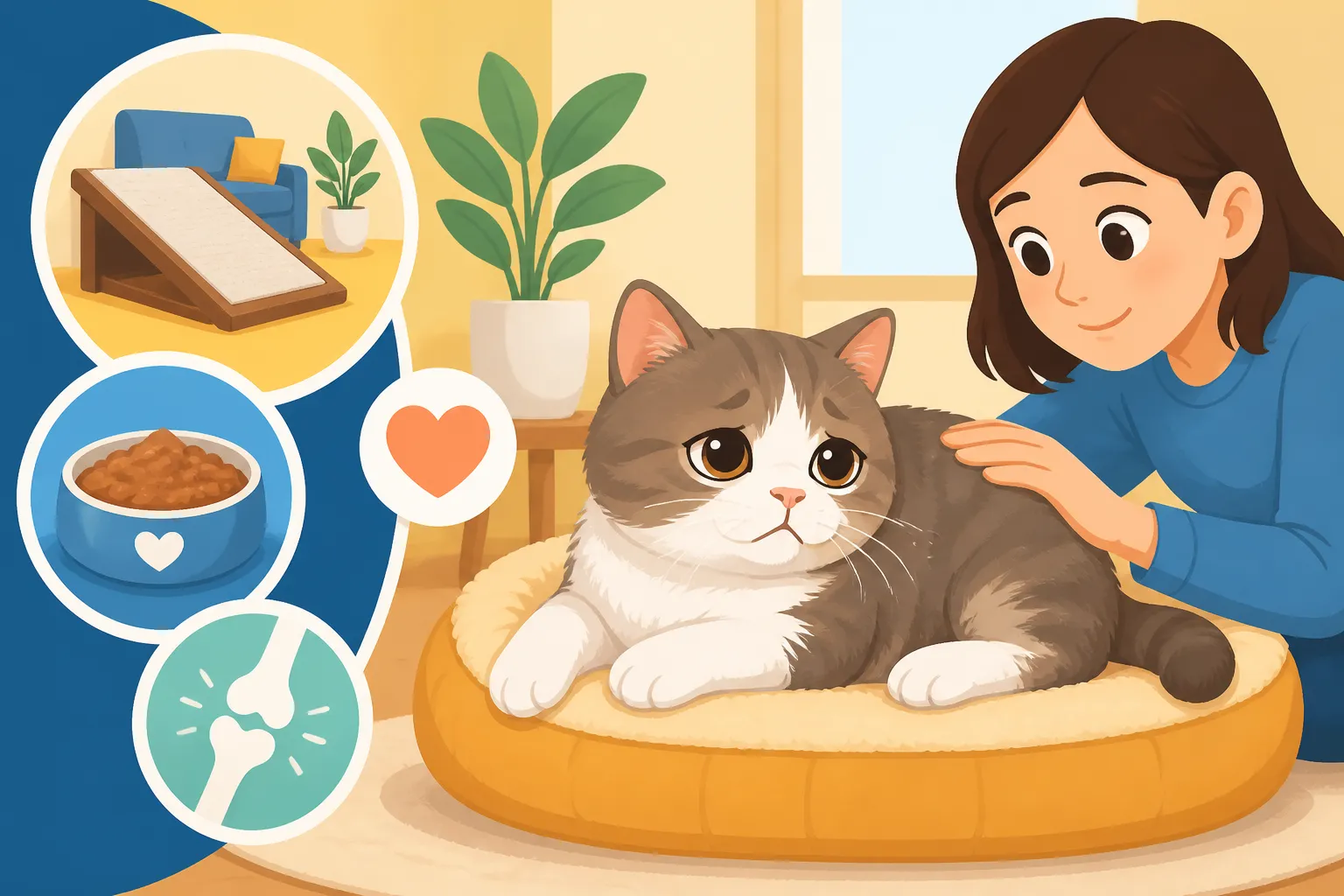
Your Munchkin's resting and eating areas also need consideration. Their favorite sunny spot on a high windowsill might now be completely out of reach. Create cozy, warm beds at floor level, perhaps with orthopedic memory foam to support their aging joints. Place these beds in quiet, safe areas where they feel secure and can easily observe their surroundings without needing to jump or climb. You might notice your old Munchkin starting to avoid spots they once loved if getting there or leaving causes pain. Why an Old Munchkin Stops Using Its Ramp is a clear sign that something isn't right or the ramp is no longer suitable.
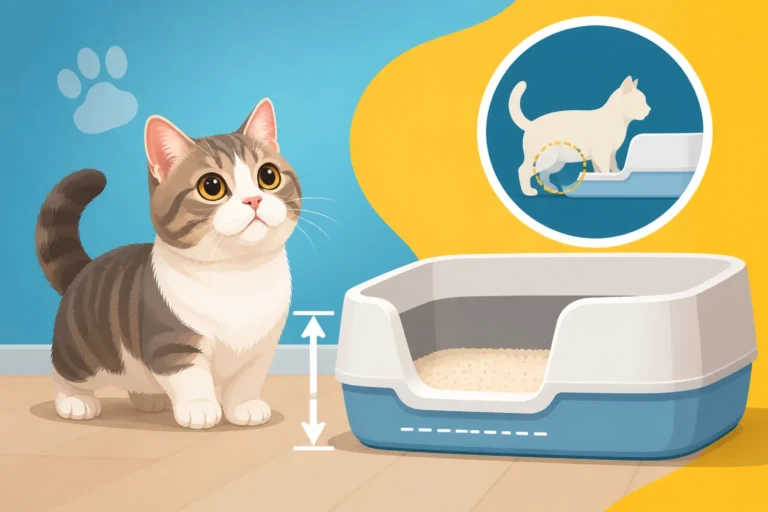
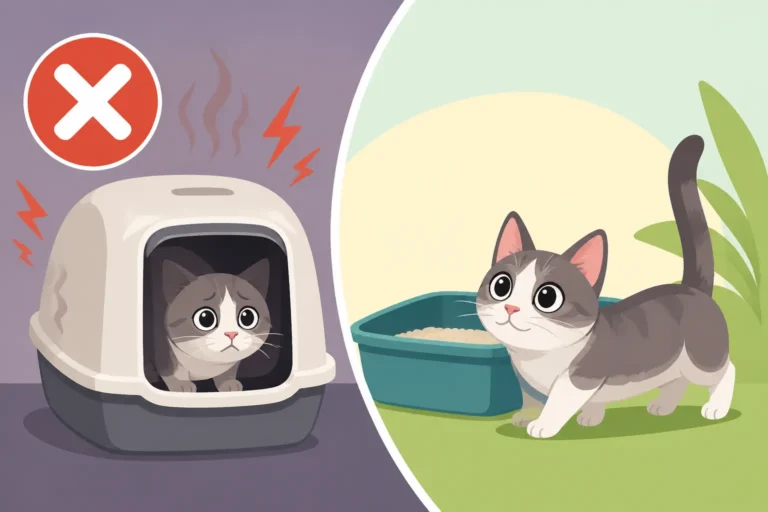
Food and water bowls should be easily accessible, ideally raised slightly to reduce strain on their neck and shoulders, but not so high that they need to stretch uncomfortably. Look for low-profile bowls or those on a small stand. Multiple water stations around the house can encourage hydration, especially if moving is difficult. Ensure their litter boxes are also low-entry, senior-friendly designs that they can easily walk into without stepping over high edges. A senior cat box usually has one side significantly lower, making it perfect for an old Munchkin who can't lift their legs high. Why a Munchkin Needs a Litter Box It Can Walk Into details the importance of this. The goal is to make all essential resources available at ground level or via a gentle incline.
Minimizing Jumping Risks
While we want to encourage safe movement, we also need to minimize the risk of dangerous jumps or falls. This means proactively blocking access to high, unstable surfaces or areas where a misstep could lead to injury. Consider placing soft rugs or blankets beneath favorite jumping-off points, even if a ramp is present, to cushion any accidental landings. If your Munchkin is still attempting jumps, observe their technique. Are they struggling to gain height, or landing awkwardly? These are signs that they might be overestimating their abilities.
You might need to rearrange furniture to create a 'staircase' effect of low, stable surfaces that your Munchkin can use to gradually ascend or descend, rather than relying on a single large jump. Think about low, sturdy ottomans or small steps that bridge the gap between the floor and a chair. Removing clutter from their paths ensures clear access to their ramps and beds, preventing trips and falls. For very high, irresistible spots, like a top shelf, it might be necessary to temporarily block access to protect them from themselves. This isn't about restricting their freedom, but about ensuring their safety and preventing painful injuries that could further reduce their mobility.
Tailoring Nutrition for Senior Munchkins
Just like humans, cats' nutritional needs change as they age. For a senior Munchkin, this isn't just about weight, but about providing the right nutrients to support their joints, organs, and overall vitality, especially when their activity levels naturally decrease.
Calorie Needs and Weight Management
One of the biggest nutritional adjustments for an aging Munchkin is managing their calorie intake. As their activity levels decrease, so do their energy requirements. Feeding the same amount of food they ate in their prime can quickly lead to unwanted weight gain, exacerbating joint pain and other age-related issues. It's crucial to consult your veterinarian to determine the appropriate daily caloric intake for your individual Munchkin, taking into account their current weight, ideal weight, and any underlying health conditions.
Many commercial cat foods offer specific formulas for senior cats, which are often lower in calories but still provide essential nutrients. These diets typically have a balanced protein content to maintain muscle mass without overtaxing their kidneys, and may include added fiber to aid digestion. Measuring food precisely, rather than free-feeding, is essential. A kitchen scale can be incredibly useful for accurate portion control. Why Every Extra Gram Lands on a Munchkin's Spine really drives home why this is so important for their specific body type. If your Munchkin is overweight, your vet can guide you on a safe and gradual weight loss plan; rapid weight loss can be detrimental to feline health.
Joint Support Through Diet and Supplements
Beyond calorie control, targeted joint support is paramount for a senior Munchkin. Look for senior cat foods that are fortified with ingredients known to support joint health. Glucosamine and chondroitin are common additions, as they are components of cartilage and can help reduce inflammation and maintain joint integrity. Omega-3 fatty acids, particularly EPA and DHA found in fish oil, are powerful anti-inflammatory agents that can significantly reduce joint pain and stiffness. Many brands offer formulas specifically targeting joint health, or you can consider adding a supplement.
Supplements, under veterinary guidance, can play a crucial role. These often come in palatable chews, liquids, or powders that can be mixed with food. When choosing supplements, always opt for reputable brands with good quality control. Which Joint Supplements Suit a Munchkin delves into different types and what to look for. Many high-quality brands also offer senior-specific formulas rich in these beneficial compounds. Remember, supplements are not a cure-all, but they can provide significant comfort and slow the progression of joint issues when combined with appropriate diet and environmental modifications.
Hydration and Kidney Health
Kidney disease is a common concern in aging cats, and good hydration is key to supporting kidney function. While many cats naturally get a good portion of their water from their food, especially if fed wet food, senior Munchkins may benefit from increased fluid intake. Ensure there are multiple fresh water sources around the house, all easily accessible at floor level. Water fountains can often entice cats to drink more, as they prefer moving water, but make sure the fountain design allows a short-legged cat to drink comfortably without straining.
If your Munchkin prefers dry kibble, consider gradually transitioning them to a wet food diet, or at least incorporating wet food into their routine. Wet food provides significantly more moisture and can help prevent dehydration. Your vet might also recommend specific therapeutic diets designed for kidney support, which are typically lower in phosphorus and protein. Regular veterinary check-ups for senior Munchkins should include blood tests to monitor kidney values, allowing for early detection and intervention if kidney disease begins to develop. Early management can significantly slow the progression of the disease and maintain your cat's quality of life. How Kidney Disease Arrives in an Old Munchkin explains more about the onset of this common condition.
Maintaining Grooming and Hygiene
As a Munchkin ages and their mobility declines, maintaining their grooming and hygiene becomes more of a partnership with you. What they once managed effortlessly on their own might now be a painful stretch or simply out of reach. Your assistance becomes vital to prevent discomfort, skin issues, and matting.
Assisting with Hard-to-Reach Areas
The unique body shape of a Munchkin means certain areas are already a challenge for them to reach, even when young. As they age and become less flexible, their hindquarters, the base of their tail, and their lower back often become virtually impossible for them to groom effectively. This is where you step in. Regular brushing becomes a non-negotiable part of their routine. For shorthaired Munchkins, a soft rubber brush or a fine-toothed comb can help remove loose fur and stimulate circulation. Longhaired Munchkins, of course, require even more dedicated attention.
Focus your brushing efforts on those problematic areas: around the hips, under the tail, and along the lower back. This helps prevent mats from forming, which can be incredibly painful and pull on their skin. Be gentle, especially if you suspect they have arthritis. Use soft, reassuring strokes and make it a positive experience with treats and praise. If your Munchkin is particularly sensitive, consider breaking grooming sessions into shorter, more frequent bursts. What a Munchkin Cannot Reach to Groom explains why these areas are always difficult for them.
Preventing Matting and Skin Issues
Matting isn't just a cosmetic problem; it can lead to serious skin issues. Mats pull on the skin, causing irritation, pain, and can even hide underlying infections, parasites, or sores. For a senior Munchkin, whose skin might also be less elastic, mats can quickly become a significant source of discomfort. If you find a mat, resist the urge to pull it out. Instead, use a mat splitter or carefully snip it out with blunt-nosed scissors, always pointing the scissors away from the skin. If the mats are severe or widespread, a professional groomer or your vet might need to step in and safely shave them off.
Beyond brushing, regular checks of their skin, especially in damp areas like the armpits, groin, and around the anus, are crucial. A Munchkin's low belly can sometimes drag or become soiled, so keeping this area clean is important to prevent skin infections. If you notice any redness, discharge, foul odors, or excessive licking in a particular spot, it's time for a vet visit. A hygiene trim, or "sanitary clip," by a professional groomer can be incredibly beneficial for longhaired Munchkins, keeping the fur around their rear shorter and cleaner. Whether Matting Becomes a Health Problem in a Munchkin illustrates the severity of this issue.
Dental Care for the Elderly Munchkin
Dental disease is incredibly common in older cats, and Munchkins are no exception. Just like us, as cats age, their teeth can accumulate tartar, leading to gum disease, pain, and even systemic health problems if bacteria from the mouth enter the bloodstream. Regular dental care is vital. Ideally, you should be brushing your Munchkin’s teeth daily or several times a week with a pet-specific toothbrush and enzymatic toothpaste. However, for an older cat who might already be uncomfortable, this can be a challenge.
If daily brushing isn’t feasible, talk to your vet about other options. Dental treats and water additives can help, but they are generally less effective than brushing. The most comprehensive solution for significant dental disease is a professional dental cleaning under anesthesia. While anesthesia can be a concern for older cats, modern veterinary medicine uses careful screening and monitoring to minimize risks. Your vet will assess your Munchkin's overall health to determine if they are a good candidate. Early intervention and regular cleanings can prevent painful infections and improve their quality of life. How Often a Munchkin Needs a Dental provides further guidance.
Veterinary Care and Monitoring
Regular and proactive veterinary care becomes even more crucial for your senior Munchkin. Their bodies are changing, and conditions can develop or worsen more rapidly. A strong partnership with your vet is your best tool for managing their health and comfort in these golden years.
Regular Check-ups and Early Detection
For senior Munchkins, annual vet visits should transition to semi-annual or even more frequent check-ups, depending on their health status. These visits are not just for vaccines (though keeping up with Which Vaccines an Indoor Munchkin Needs is still important); they are comprehensive health assessments. Your vet will perform a thorough physical exam, paying close attention to their weight, muscle condition, dental health, and especially their gait and joint mobility. They'll gently palpate their spine and limbs to check for signs of pain or stiffness, which might indicate arthritis or other orthopedic issues.
Blood work and urinalysis are also critical components of a senior check-up. These tests can provide valuable insights into the function of vital organs like the kidneys, liver, and thyroid. Early detection of issues like kidney disease, hyperthyroidism, or diabetes allows for prompt intervention, often slowing disease progression and improving prognosis. For instance, catching hyperthyroidism early can prevent severe weight loss and heart problems. Which Blood Values Matter Most in a Munchkin offers a deeper look into important blood panel results. Don't wait until your Munchkin is visibly ill; proactive screening can catch problems before they become crises.
Managing Pain and Discomfort
If your vet diagnoses arthritis or other painful conditions, managing that pain becomes a primary focus. There are several options available to improve your Munchkin's comfort and mobility. Non-steroidal anti-inflammatory drugs (NSAIDs) specifically formulated for cats can significantly reduce pain and inflammation. However, long-term use requires careful monitoring of kidney and liver function. Other medications, such as gabapentin, can also be used to manage chronic pain.
Beyond medication, adjunctive therapies can be beneficial. These might include joint supplements, as discussed earlier, or even physical therapy techniques. Hydrotherapy, for example, can help improve muscle strength and range of motion without putting stress on joints. Acupuncture is another option some pet owners explore. For a stiff Munchkin, even gentle massage at home can provide some relief. The goal is to create a multi-modal pain management plan tailored to your cat's specific needs, ensuring they remain as comfortable and mobile as possible. What Pain Relief a Stiff Munchkin Can Take explores different options available to your vet.
Specialized Diagnostics as They Age
As your Munchkin continues to age, your vet might recommend more specialized diagnostic tests. If they suspect significant orthopedic pain or spinal issues, X-rays are often the next step. These images can reveal the extent of arthritis, show signs of spinal degeneration (like worsening lordosis), or identify other structural problems. When a Munchkin Should Have Its Spine Imaged can provide important context here. While X-rays require sedation, they offer invaluable information for guiding treatment.
For more complex neurological issues or severe pain that doesn't respond to initial treatments, your vet might suggest advanced imaging like an MRI or CT scan. These are more invasive and costly but can provide detailed views of soft tissues, nerves, and the spinal cord, helping to pinpoint exact causes of pain or mobility loss. It's a conversation to have with your vet, weighing the benefits of diagnosis against the stress and cost of the procedure, always with your Munchkin's quality of life at the forefront. Regular monitoring and communication with your vet are paramount to making informed decisions about your aging cat's care.
Enrichment and Mental Stimulation for Reduced Mobility
Just because your senior Munchkin can't climb like they used to doesn't mean their world has to shrink. Mental and physical enrichment are still vital for their happiness and well-being. The key is adapting activities to their current abilities, focusing on floor-level engagement and gentle movement.
Redefining Playtime
Playtime might look a little different for an older Munchkin, but it's no less important. Instead of encouraging high jumps, focus on games that involve chasing, pouncing, and batting at floor level. Wand toys, used along the floor, are excellent for this. You can drag feathers or toys along the ground, encouraging them to stalk and pounce without needing to jump. Small, lightweight balls or crinkle toys that they can bat around with their paws are also great options.
Puzzle feeders are fantastic for mental stimulation and can slow down eating, which is beneficial for weight management. Choose puzzles that your Munchkin can access easily without needing to stretch or reach high up. Low-profile feeders where they have to manipulate a toy to release treats are perfect. This engages their problem-solving skills and keeps their minds sharp. Even simple games like hiding treats around a room for them to "hunt" can provide mental exercise and encourage gentle movement. Remember, the goal is engagement, not strenuous activity. How Much Floor Level Play a Munchkin Needs delves into this further.
Accessible Exploration and Engagement
Munchkins are naturally curious cats, and that curiosity doesn't disappear with age. Create opportunities for safe, accessible exploration within your home. If they love looking out the window, set up a sturdy, low-level platform or a pet bed right by the window so they can watch the world go by without needing to jump onto the sill. Ensure the path to this spot is clear and easy to navigate.
Vertical scratchers might be too challenging now, so invest in horizontal scratching pads or incline scratchers that they can use comfortably at floor level. These still allow them to stretch their claws and mark their territory, which is an important natural behavior. Consider rotating toys frequently to keep things novel and interesting, preventing boredom. Even simply moving their beds to different sunny spots throughout the day can provide a change of scenery and mental stimulation. The less they feel confined, the happier and more engaged they will be.
Comfort and Affection
Above all, your senior Munchkin needs comfort and affection. As they become less able to express themselves physically or reach their favorite high spots, your reassurance is paramount. Spend quality time with them, whether it’s gentle petting, quiet cuddles, or simply sitting near them. Many older cats cherish quiet companionship. Grooming sessions can double as bonding time, strengthening your connection while you help them with areas they can no longer reach.
Pay attention to their cues. If they seem to want to be lifted onto your lap, do so gently, supporting their spine and hindquarters. Avoid startling them or handling them roughly, as their joints might be tender. Provide them with warm, soft beds in easily accessible, draft-free locations. As cats age, they can become more sensitive to cold. A heated pet bed can be a wonderful comfort for arthritic joints. Showing them consistent love and care reinforces their sense of security and well-being, reminding them that even with their limitations, they are cherished members of your family.
Emotional Support and Quality of Life
The emotional aspect of caring for an aging Munchkin is just as important as the physical. Watching them decline can be challenging for both of you, but understanding their emotional needs and prioritizing their comfort is key to ensuring their quality of life remains high.
Understanding Behavioral Changes
As Munchkins age, you might notice subtle shifts in their behavior. Some cats become more withdrawn, preferring quiet solitude to bustling activity. Others might become more vocal, perhaps seeking attention or expressing discomfort. Changes in their ability to groom themselves can sometimes lead to anxiety or frustration. They might also become less tolerant of other pets or young children, simply because they can't easily escape or defend themselves. How a Munchkin's Behavior Changes After Eight is a good resource for understanding these shifts.
It’s important not to interpret these changes as a reflection of their personality or a lack of affection. Instead, view them through the lens of their aging body. A cat that previously loved to play might now avoid it because it causes pain. A cat that was independent might now seek more lap time because they feel vulnerable on the floor. Pay attention to changes in litter box habits, appetite, or sleep patterns, as these can often be subtle indicators of pain or underlying medical conditions. If you notice any significant or concerning behavioral changes, always consult your vet to rule out medical causes.
Maintaining Routine and Security
Cats, especially as they age, thrive on routine and predictability. A consistent schedule for feeding, playtime, and quiet time can help reduce anxiety and provide a sense of security. Try to keep their environment stable, avoiding major furniture rearrangements or sudden changes that might confuse a cat with reduced sensory perception or mobility. If you must make changes, do so gradually and observe their reactions.
Ensure their core resources – food, water, and litter boxes – are consistently in easily accessible locations. If you have multiple floors in your home, consider placing duplicates of these essentials on each level, or at least on the floor where your Munchkin spends most of their time, so they don't have to navigate stairs or long distances. A sense of security comes from knowing their world is safe, predictable, and within their reach. This is especially true for a Munchkin who can't easily jump to safety or escape perceived threats.
Knowing When It's Time for Difficult Decisions
This is perhaps the most painful part of caring for an aging pet. There will come a time when, despite all your efforts, your Munchkin's quality of life significantly diminishes. This is a deeply personal decision, and there's no single right answer, but it's one that often requires careful thought and consultation with your veterinarian. What a Munchkin Most Often Dies Of can offer some perspective, though every cat's journey is unique.
Your vet can help you assess your Munchkin's quality of life, looking at factors like their pain levels, appetite, hydration, enjoyment of favorite activities, and ability to perform basic functions. They might use a quality of life scale to objectively evaluate different aspects of your cat's well-being. It’s about ensuring they are not suffering unnecessarily. The decision to say goodbye is an act of love, prioritizing their comfort and peace over our own desire to keep them with us. Surround yourself with support, allow yourself to grieve, and remember the joy and companionship your Munchkin brought into your life.
| Aspect of Care | Young Munchkin | Senior Munchkin (without climbing) |
|---|---|---|
| Ramps/Steps | Gentle incline | Very gentle, wide, non-slip ramps; more frequent placement |
| Litter Box | Standard low-entry | Senior-specific, ultra-low entry; multiple boxes |
| Food/Water Bowls | Slightly raised for comfort | Raised to minimize neck strain, very easy access |
| Grooming | Mostly self-sufficient | Requires regular owner assistance for hindquarters/back |
| Weight Management | Important for joint health | CRITICAL for joint and spinal comfort, metabolic health |
| Exercise/Play | Vigorous floor play, some jumps | Floor-level engagement, puzzle feeders, gentle wand play |
| Vet Visits | Annual check-ups | Semi-annual or more frequent, blood work, pain assessment |
| Environmental Safety | Protecting from high falls | Blocking dangerous heights, soft landings, clear pathways |
| Emotional Needs | Curiosity, play, affection | Comfort, security, routine, gentle companionship |
Remember, your senior Munchkin still has so much love to give and receive. Adapting their world to their changing needs ensures they can continue to thrive, even if their adventures are now closer to the ground.
Disclaimer
This article is for general informational purposes only and does not constitute professional advice. Laws, prices and regulations vary by location and change over time. Consult a qualified professional for guidance on your specific situation.