How a Munchkin’s Behavior Changes After Eight
It’s a bittersweet moment when you realize your energetic, playful Munchkin cat, who once zipped around the house like a furry low-rider, is starting to slow down. Around the age of eight, many Munchkin owners begin to notice subtle shifts in their cat's behavior and physical capabilities, leading to understandable concerns about their quality of life. This comprehensive guide will walk you through the common behavioral changes you might observe in your Munchkin as they cross into their senior years, and more importantly, how you can lovingly support them through this natural transition.
Recognizing the Subtle Shifts in an Aging Munchkin's Behavior
When your Munchkin reaches the eight-year mark, it’s akin to them entering their golden years. Just like us, cats experience age-related changes, but with Munchkins, these can sometimes be amplified or present uniquely due to their distinctive physical structure. It's not always a sudden transformation, but rather a gradual evolution that, once recognized, allows you to adapt their care and environment for optimal comfort.
The Gradual Slowdown: Less Zoom, More Zzzzs
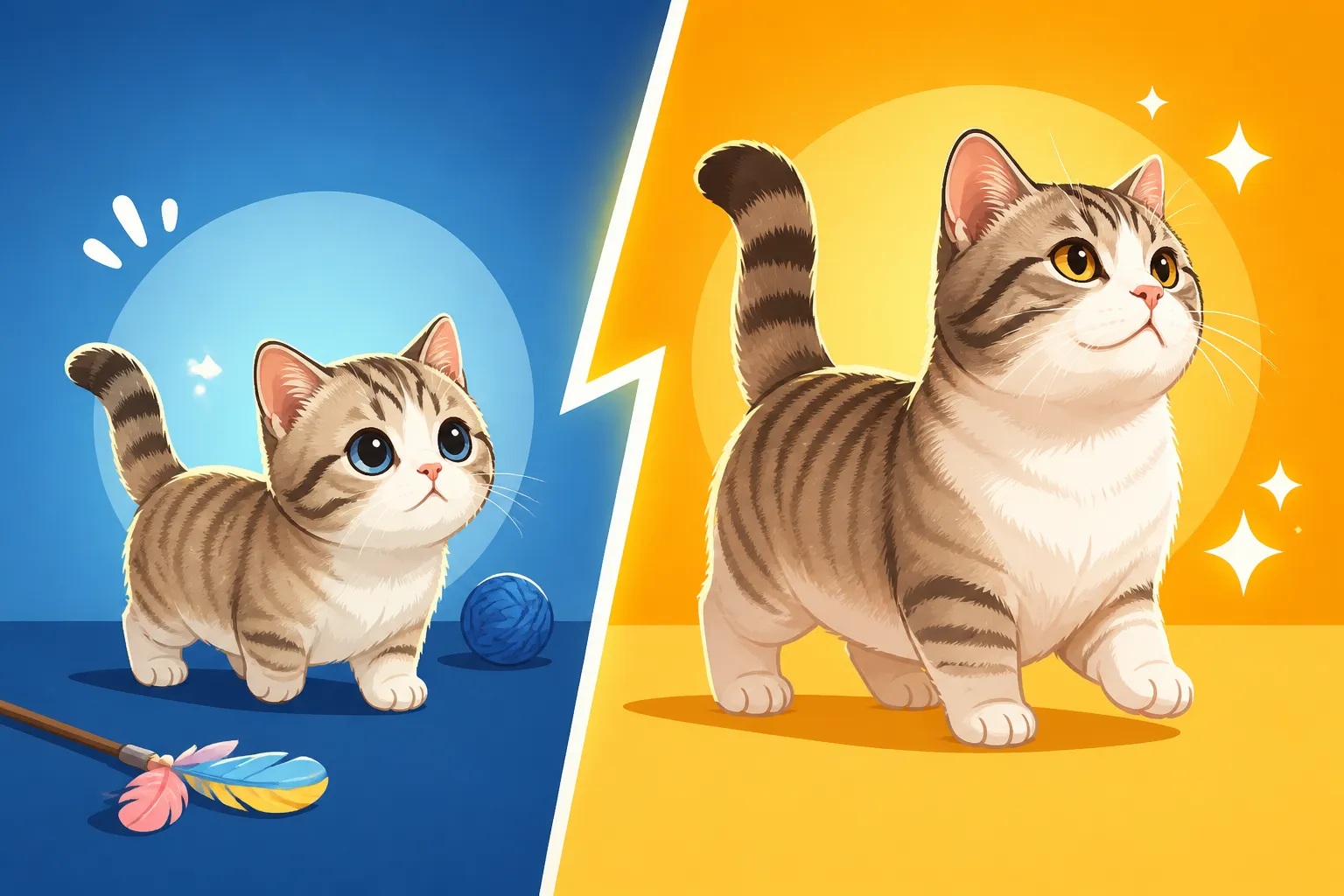
One of the most immediate changes many owners report is a noticeable decrease in energy levels. That wild, playful kitten energy that defined their younger years begins to wane. You might find them less inclined to engage in long, intense play sessions, preferring shorter bursts of activity followed by extended naps. This isn't necessarily a cause for alarm, but rather a normal part of aging. Your Munchkin might still chase a laser pointer or bat at a feather wand, but the duration will be shorter, and they’ll likely retreat to a cozy sleeping spot much sooner than before.
It’s easy to worry that a lethargic cat is a sick cat, and while any drastic change warrants a vet visit, a general slowing down in an older Munchkin is often just their body telling them to conserve energy. They might spend more time observing the world from a comfortable perch rather than actively participating in every commotion. This shift from constant motion to more contemplative relaxation is a hallmark of an aging feline, and understanding it can help you adjust playtimes to suit their new rhythm. Remember, quality over quantity becomes the new mantra for playtime.
Changes in Mobility and Reach: The Struggle for Height
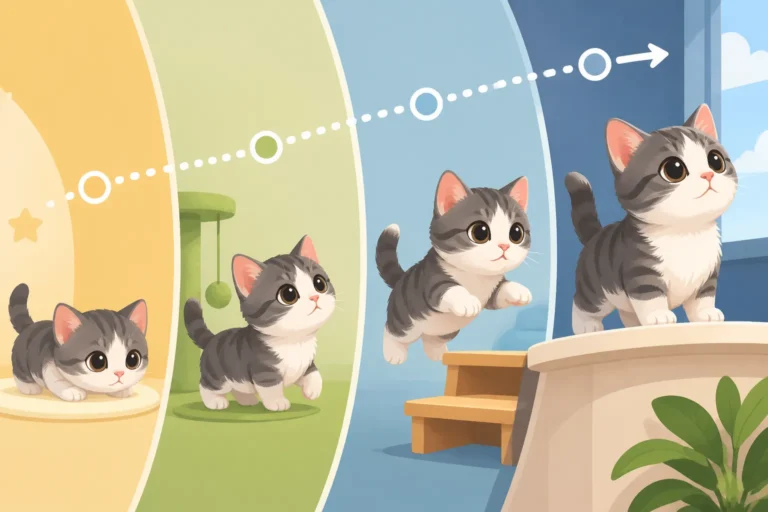
For a breed known for its distinctive short legs, mobility changes in senior Munchkins are particularly significant. The effortless leaps onto low furniture might become more hesitant, or stop altogether. You may notice them struggling to jump onto a favorite armchair, or even needing a moment to gather themselves before attempting to step into a slightly elevated litter box. What was once a minor hop is now a carefully considered maneuver. This can be frustrating for them, as they inherently seek out higher vantage points, a natural feline instinct.
This reduced verticality means that ramps and steps, which might have been optional earlier in life, become absolutely essential. A younger Munchkin might have stubbornly ignored a ramp you installed for the sofa, preferring to launch themselves with determination. However, an eight-year-old Munchkin, whose joints are stiffer and muscles less agile, will begin to rely heavily on these aids. When they realize they can no longer reach a beloved windowsill or the top of a low cat tree, you might observe signs of disappointment or even give up trying. This is where owners need to be proactive, providing safe, easy access to all their favorite spots. What an Old Munchkin Stops Being Able to Do often directly relates to these changes in their jumping ability and overall mobility.
Social and Affectionate Adaptations in Senior Munchkins
Just as their physical capabilities evolve, so too can a senior Munchkin's social interactions and expressions of affection. They might become more particular about who they spend time with and how they receive attention, requiring a sensitive approach from their human companions.
Shifting Social Dynamics: More Cuddles, Less Play
Many Munchkin owners find their older cats become even more affectionate, seeking out comfort and reassurance. They might spend more time curled up next to you on the sofa, follow you from room to room more consistently, or even demand more lap time. This intensified bond is often a beautiful part of senior cat ownership, as they look to you for security and warmth as their world subtly changes. They might be less inclined to chase and wrestle with younger, more boisterous pets, preferring quiet companionship. If you have other cats or dogs, monitor their interactions carefully. A senior Munchkin, with limited escape options due to their short legs, might become stressed by overly playful youngsters.
Children, too, might need extra guidance on how to interact with a senior Munchkin. What was once a playful game could now be perceived as an annoyance or even a threat if the cat feels cornered or is experiencing joint discomfort. Establishing quiet, predictable routines becomes vital. A specific cuddle time in the evening, a warm spot next to you while you read, or simply sharing a sunny patch on the floor can become cherished rituals. These moments reinforce their sense of safety and belonging, which is increasingly important as they age.
Vocalization and Communication: What Their Sounds Mean Now
Your Munchkin’s voice might change as they age. Some cats become more vocal, using a variety of meows, chirps, and purrs to communicate their needs or express discomfort. This could range from insistent meows for attention or food to plaintive cries if they're disoriented or experiencing pain. Conversely, some Munchkins might become quieter, retreating into themselves. Any significant change in vocalization warrants attention, as it can be a primary indicator of underlying health issues or cognitive decline.
Learning to interpret these new vocal cues is crucial. A short, sharp meow might indicate hunger, while a prolonged, low moan could signal pain or unease. If your Munchkin starts vocalizing more at night, it could be a sign of feline cognitive dysfunction, similar to dementia in humans. Observing when and how they vocalize can provide valuable clues. Don't dismiss a sudden increase in meowing as simply "getting old"; instead, consider it an important communication that something in their world has shifted, and they need your understanding and possibly veterinary intervention.
Appetite, Grooming, and Litter Box Habits in Older Munchkins
As your Munchkin ages, even the most basic daily routines can present new challenges. Their unique physical structure means that tasks like eating, self-grooming, and using the litter box need careful consideration and adaptation.
Changes in Eating and Drinking Routines
Appetite changes are common in senior cats. Some Munchkins might become pickier eaters, turning up their nose at food they once devoured. This could be due to a diminished sense of smell, dental problems that make chewing uncomfortable, or underlying medical conditions. On the other hand, some older cats might develop an increased appetite due to certain health issues like hyperthyroidism, or a general slowing metabolism that leads to weight gain if not managed carefully. Why an Old Munchkin Needs Its Weight Watched Hardest is a critical aspect of their senior care.
It's also important to monitor their drinking habits. An increase in thirst can be a sign of kidney disease, a common ailment in older felines, or even diabetes. Ensure water bowls are easily accessible and that there are multiple sources throughout the house, ideally at floor level so they don't have to stretch uncomfortably. If your Munchkin is having difficulty reaching a water fountain spout, consider switching to a wider, shallow bowl. Raised food bowls can also be incredibly helpful for senior Munchkins, reducing strain on their neck and shoulders while they eat. You can find a good selection of elevated feeders on online platforms like Amazon.
Grooming Challenges and Changes in Hygiene
This is an area where Munchkins, with their short legs and unique body shape, often face significant challenges as they age. The flexibility and reach required for thorough self-grooming diminish with stiff joints and less agile bodies. You'll likely notice that your senior Munchkin struggles to reach their hindquarters, the base of their tail, and their lower back. This often leads to matted fur, especially if they have a long coat. What a Munchkin Cannot Reach to Groom becomes more pronounced.
Regular brushing and even professional grooming become non-negotiable. Mats can be incredibly painful, pulling on the skin and leading to skin infections. You might need to gently clean their rear end more often, particularly after litter box visits, as they can have difficulty positioning themselves correctly in the box or cleaning themselves effectively afterward. Keeping their fur trimmed around their sanitary areas with a "sanitary clip" can prevent issues. These grooming sessions also offer a great opportunity to check for lumps, bumps, or any signs of skin irritation that might otherwise go unnoticed.
Litter Box Accessibility and Accidents
A litter box that was perfectly fine for a younger Munchkin can become an insurmountable obstacle for a senior one. High sides, even those that seem low to us, can be difficult for a cat with stiff joints or arthritis to step over. How Many Low Entry Boxes a Munchkin Needs often increases as they age, placed in multiple, easily accessible locations. If the box is too challenging to enter, your Munchkin might start eliminating outside the box, not out of spite, but out of necessity.
Opt for low-entry litter boxes, specifically designed for senior cats or kittens. The front lip should be as close to the floor as possible. If you use hooded boxes, consider removing the lid to make entry and exit easier, and reduce the chance of them bumping their head or back as they maneuver. Pay attention to the type of litter too; some older cats prefer finer, softer litter that is gentler on sensitive paws. Placing waterproof mats under the litter boxes can help catch any spills or accidents, saving your floors and reducing stress for both you and your cat. If you're looking for specialized litter boxes, websites like Amazon offer a wide variety of options for senior felines.
Cognitive Changes and Environmental Needs for Senior Munchkins
Aging doesn't just affect the body; it can affect the mind too. Recognizing cognitive changes and adapting your home environment are crucial steps in supporting your senior Munchkin's well-being.
Signs of Cognitive Decline: More Than Just "Old Age"
Feline Cognitive Dysfunction (FCD) is a real condition, and while not every senior cat will experience it, being aware of the signs can help you provide appropriate care. Signs of FCD can include disorientation (getting "lost" in familiar surroundings), changes in interaction patterns (becoming more withdrawn or clingy), altered sleep-wake cycles (meowing at night, sleeping more during the day), and changes in house-soiling habits even with accessible litter boxes. Your once meticulously tidy Munchkin might forget where their litter box is, or even forget what it’s for.
It's important not to dismiss these signs as simply "old age." While age is a factor, cognitive decline can be managed and symptoms sometimes slowed with veterinary intervention. If you notice these changes, a trip to the vet is in order to rule out other medical conditions that might mimic FCD symptoms. Creating a predictable routine, maintaining a consistent environment, and providing mental enrichment through gentle play and puzzle toys can help stimulate their minds and reduce anxiety.
Adapting the Home Environment for Comfort and Safety
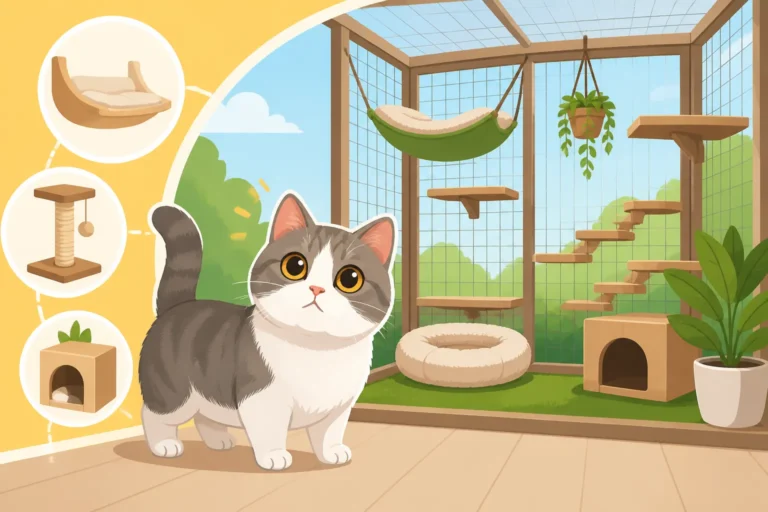
As your Munchkin ages, their home needs to evolve with them. What was once a stimulating, multi-level playground might now be a maze of inaccessible heights and slippery surfaces. The goal is to create a safe, comfortable, and stress-free environment that accommodates their changing physical and cognitive needs.
This means re-evaluating ramp placement and ensuring all ramps and steps are not too steep and have non-slip surfaces. Why an Old Munchkin Stops Using Its Ramp could indicate discomfort or a slope that has become too challenging. Provide warm, soft, easily accessible beds in multiple locations, especially on the floor or on low furniture they can access without jumping. Ensure their food, water, and litter boxes are within easy reach and don't require navigating stairs or obstacles. Reduce clutter that could become trip hazards, and consider adding rugs or runners to slippery hard floors to give them better traction. A consistent environment helps a cognitively challenged cat feel more secure.
The Emotional Toll: Supporting Your Senior Munchkin and Yourself
Caring for an aging pet is a journey that comes with its own set of emotions and challenges. It’s important to acknowledge these feelings and ensure both your Munchkin’s physical and emotional needs, as well as your own, are met.
Navigating the Emotional Impact of an Aging Pet
Watching your beloved Munchkin age can be incredibly difficult. The sight of them struggling with tasks they once performed effortlessly, or noticing signs of cognitive decline, can evoke feelings of sadness, helplessness, and grief. It’s okay to feel these emotions. Your cat is a cherished member of your family, and witnessing their decline is a profound experience. Focus on celebrating the bond you share and making every day count. Provide extra cuddles, engage in gentle play, and ensure their comfort and quality of life are paramount.
Don't hesitate to seek support from friends, family, or online pet owner communities who understand what you're going through. Many veterinarians also offer counseling or resources for owners of aging pets. The journey of senior pet care is a marathon, not a sprint, and you deserve support as you navigate its unique path. Remember that your love and presence are the greatest gifts you can give your aging Munchkin.
Proactive Veterinary Care and Monitoring
Regular, proactive veterinary care becomes even more critical for senior Munchkins. They benefit from more frequent check-ups, ideally every six months, to catch potential health issues early. When a Munchkin Counts as Senior is generally around eight years old, and at this stage, blood work, urine tests, and a thorough physical exam, including palpating their spine and checking their joints, become standard practice. These routine visits allow your vet to monitor organ function, assess for conditions like arthritis or hyperthyroidism, and address any changes in behavior or mobility.
Discuss pain management options with your vet if your Munchkin shows signs of joint stiffness or discomfort. There are various medications, supplements, and even alternative therapies that can significantly improve their quality of life. Be honest with your vet about any observations, no matter how small they seem – from a subtle change in gait to a new vocalization pattern. Creating an open dialogue with your veterinary team ensures your senior Munchkin receives the most comprehensive and compassionate care possible through their golden years.
Comparing Youthful and Senior Munchkin Behaviors
Here's a quick look at how typical behaviors can shift as your Munchkin transitions from their prime to their senior years.
| Behavior Aspect | Youthful Munchkin (1-7 years) | Senior Munchkin (8+ years) | Owner Adaptation |
|---|---|---|---|
| Energy & Play | High energy, frequent zoomies, intense play | Lower energy, shorter play bursts, more naps | Shorter, gentle play sessions; comfortable beds |
| Mobility & Jumping | Agile jumps onto low furniture, explorations | Hesitant jumps, prefers ground level, stiff | Ramps & steps for all heights, cushioned landing spots |
| Social Interaction | Playful with others, independent spirit | Seeks comfort, more cuddles, less tolerance for rough play | Quiet spaces, gentle interactions, monitor other pets |
| Vocalization | Consistent meows for needs, generally quiet | Changes in pitch/frequency, increased night vocalization | Monitor for distress, vet check for cognitive issues |
| Appetite | Vigorous eater, predictable preferences | Pickier, potential weight changes, dental issues | Elevated bowls, soft food, dental care, portion control |
| Self-Grooming | Thorough, flexible, few mats | Difficulty reaching, prone to mats, dirty hindquarters | Regular brushing, sanitary clips, wipes, professional grooming |
| Litter Box Use | Easy entry/exit from standard boxes | Struggles with high sides, potential accidents | Low-entry boxes, multiple locations, soft litter |
| Cognition | Alert, adaptable, learns new routines easily | May show disorientation, anxiety, altered sleep | Consistent routine, familiar environment, mental enrichment |
Disclaimer
This article is for general informational purposes only and does not constitute professional advice. Laws, prices and regulations vary by location and change over time. Consult a qualified professional for guidance on your specific situation.