How Long a Munchkin Holds That Sit
One of the most charming, and sometimes puzzling, behaviors of a Munchkin cat is their unique upright "prairie dog" sit. Many new Munchkin owners wonder how long their little feline friends can comfortably maintain this unusual posture, and whether it's always a sign of contentment or if it could hint at something else. This guide will delve deep into why Munchkins sit like this, what influences the duration of their vertical stands, and how to interpret this distinctive behavior to ensure your short-legged companion is happy and healthy.
Understanding the Munchkin's Unique Posture
The way a Munchkin cat sits up on its hind legs, often with its front paws tucked in close to its chest or dangling gracefully, is utterly captivating. It's a hallmark behavior that sets them apart from many other breeds, and it's something that often draws people to these charming cats in the first place. But there's more to this posture than just cuteness; it's a fascinating adaptation.
What Exactly Is the "Prairie Dog Sit"?
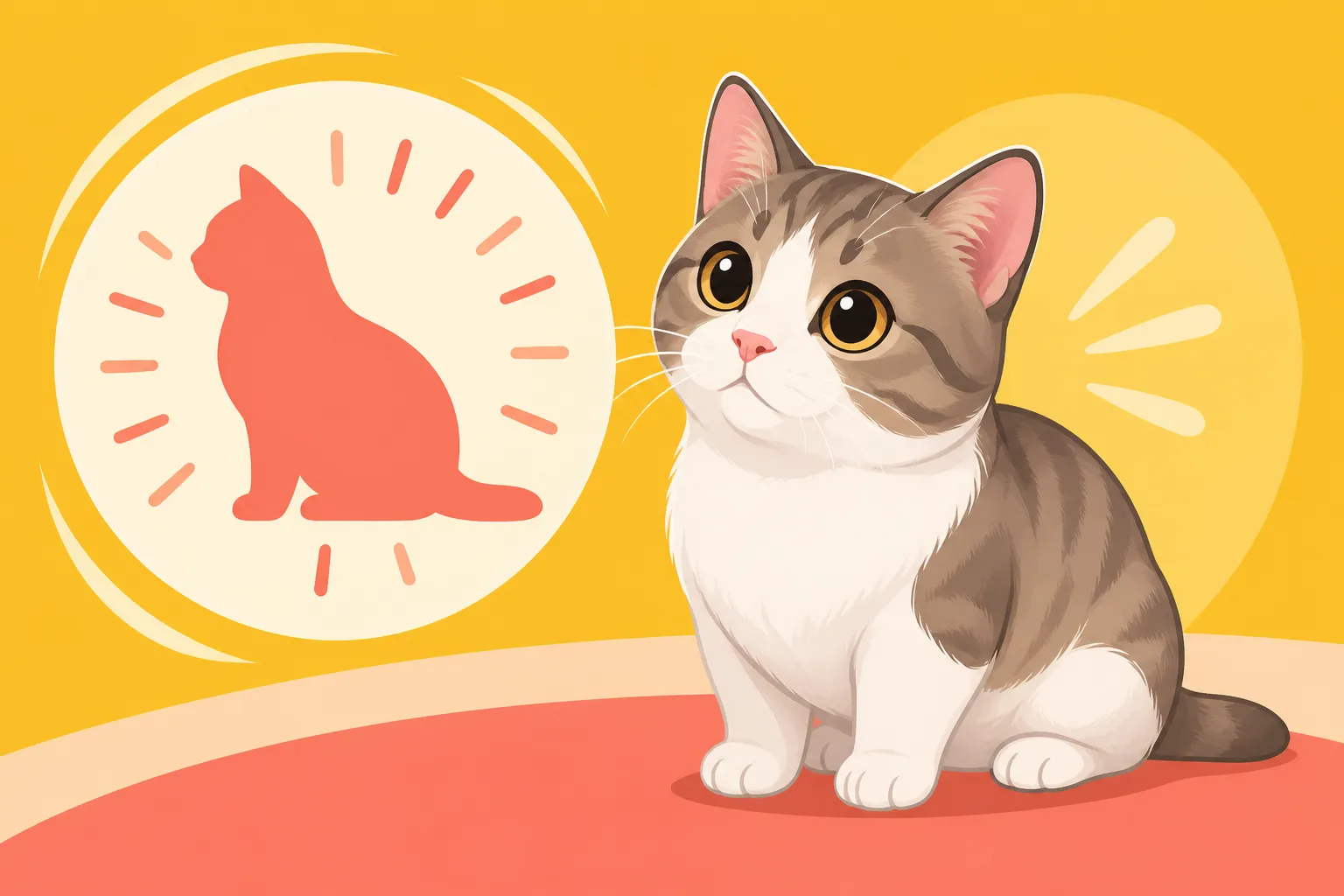
If you've ever watched a prairie dog in the wild, you'll immediately recognize the inspiration for this Munchkin pose. Prairie dogs stand bolt upright on their hindquarters, surveying their surroundings, often looking out for predators or just taking in the view. Our Munchkin cats do something remarkably similar. They'll extend their spine, shift their weight back onto their haunches, and use their short front legs to stabilize themselves, creating this iconic, almost human-like stance. It’s not just a fleeting moment; they can hold it with surprising stillness, their heads swiveling as they observe the world from a slightly elevated perspective.
This posture isn't just about standing tall; it's a complete shift in their body mechanics. Unlike a long-legged cat that might stand on its hind legs for a quick reach or stretch, a Munchkin can settle into this position for an extended period, almost as if it's a natural resting or observational stance. You might see them do it from the middle of the living room floor, or perched on a low-lying cushion, eyes wide with intense focus. It's a behavior that really highlights their adaptability, finding ways to interact with a world built for taller creatures. Many owners describe it as their cat "being nosey" or "taking watch," and it's certainly true that curiosity plays a big part in it.
Why Do Munchkins Adopt This Posture?
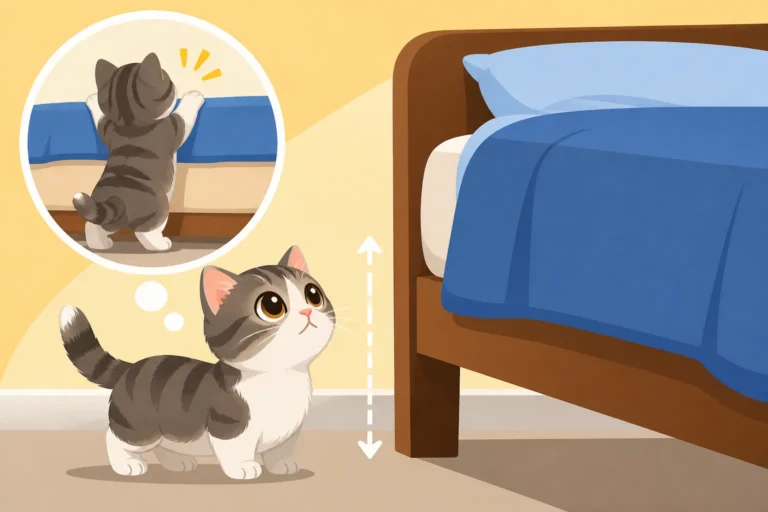
The primary reason Munchkins adopt the "prairie dog sit" comes down to simple physics and their unique physiology: they want to see what's going on! With their signature short legs, the world at floor level can be quite limiting. Imagine trying to see over a counter or peer into a basket when your eye level is only a few inches from the ground. It would be a constant struggle, right? So, by sitting up, they gain those precious extra inches of height that allow them to survey their environment more effectively. It literally opens up their world. Whether it's to get a better view of a distant bird outside the window, track a toy being played with across the room, or simply satisfy their natural feline curiosity about what you're doing in the kitchen, this sit provides them with a much-needed vantage point.
This isn't just a learned behavior; it's an instinctive adaptation. A Munchkin Is a Normal Cat That Cannot Reach, so they find other ways to compensate. When a cat stands on its hind legs, it’s often an exploratory action. For a Munchkin, this becomes a more habitual and sustained posture because their default view is so limited. It allows them to feel more engaged with their surroundings, to participate in the activities happening at human-eye level, even if just from a distance. It’s a testament to their cleverness and resilience, demonstrating how they navigate their environment and overcome the physical limitations of their short stature. You'll notice they often do it when they're particularly interested in something, or when they want to get your attention from across the room. It’s a very expressive pose, communicating engagement and inquisitiveness.
Factors Influencing the Duration of the Sit
Observing your Munchkin’s "prairie dog sit" can tell you a lot about their mood and what's capturing their attention. The length of time they hold this unique pose isn't random; it's often influenced by a combination of their individual personality and the various stimuli in their environment. It’s not always a quick peek; sometimes they can hold it for surprisingly long periods, almost as if frozen in a moment of intense focus.
Individual Personality and Curiosity
Just like people, every Munchkin cat has its own distinct personality, and this plays a huge role in how often and how long they'll hold their "prairie dog sit." Some Munchkins are naturally more outgoing and inquisitive, always wanting to be at the center of the action and know what everyone is up to. These are the cats you'll often see popping up into their sit multiple times a day, holding the pose for extended periods while they "supervise" household activities. They might be the ones who sit up to watch you cook dinner, or intently follow the antics of a sibling cat. Their intense curiosity drives them to seek out a better view, and if nothing disrupts their focus, they'll hold that position for as long as their interest is piqued.
On the other hand, a more reserved or laid-back Munchkin might only adopt this posture when something truly novel or exciting catches their eye. They might be content to observe from a lower vantage point most of the time, only rising up when absolutely necessary to get a better look at a new toy, a visitor, or perhaps a sudden movement outside the window. Age can also be a factor; very young kittens might experiment with the sit but not hold it for long, while older, more experienced Munchkins might hold it with practiced ease. What a Munchkin's Prairie Dog Posture Tells You often comes down to their individual temperament and current level of engagement with the world around them. It's truly fascinating to see how each cat expresses this behavior in its own unique way.
Environmental Stimuli and Engagement
The duration of a Munchkin's "prairie dog sit" is heavily influenced by what's happening in their immediate environment. If there's something genuinely captivating – a bird fluttering at the window, a new toy being presented, or even just you opening a bag of treats – they might hold the sit for a minute or more, absolutely engrossed. This extended focus is driven by the desire to gather as much information as possible from their improved vantage point. The more stimulating the object or activity, the longer they are likely to maintain their upright posture. Think of it as their version of leaning forward in their seat to get a better view at a concert.
Conversely, if the stimulus is fleeting or not particularly interesting, they might pop up for a quick look and then drop back down within a few seconds. For example, a quick glance at a passing shadow might only warrant a momentary sit, whereas a squirrel teasing them from the bird feeder might keep them glued in that position for a considerable time. Noise can also be a factor; a sudden, unfamiliar sound might cause them to sit up to locate its source, holding the pose until they've assessed the situation. Even something as subtle as a new scent wafting through the air can prompt them to rise up and sniff, extending their neck to get a better read on it. How Often a Munchkin Does It is directly tied to the level of excitement and novelty their surroundings offer. It's all about gathering information from their environment, and the more there is to "collect," the longer they'll often stay in that distinctive pose.
Is the "Prairie Dog Sit" Comfortable or Concerning?
It’s completely natural for Munchkin owners to wonder about the long-term implications of their cat's signature sit. While it looks adorable, given their unique physical conformation, questions often arise about its comfort and potential impact on their health. It's a valid concern, and one that deserves a thoughtful look.
Normal Variation vs. Signs of Discomfort
For most healthy Munchkins, the "prairie dog sit" is a perfectly normal, comfortable, and functional posture. It's an adaptive behavior that allows them to interact with their environment effectively, and they will typically shift out of it whenever they feel tired or want to move. A healthy Munchkin will smoothly transition into and out of the sit, holding it without any visible strain or stiffness. You'll see them relax into it, often with a curious expression, and then fluidly drop back onto all fours when they're done observing. Their spine should appear relatively straight and their body well-balanced.
However, it's always wise to be observant. While the sit itself isn't inherently bad, a Munchkin's unique spinal structure means you should pay attention to any subtle changes. If your Munchkin appears stiff or hesitant to get into or out of the sit, or if they cry out, wobble, or show any signs of pain while in the posture, it could be a red flag. Similarly, if they suddenly stop doing the sit altogether, or if they start doing it excessively and seem unable to settle, these might be subtle indicators that something is amiss. Whether the Prairie Dog Sit Strains a Munchkin's Spine is a common worry, and observing their ease of movement is key. It's about knowing your individual cat's baseline behavior and noticing when something deviates from that norm.
The Role of Spinal Health and Conditioning
The Munchkin's defining characteristic – its short legs – is due to a genetic mutation affecting bone growth. While their legs are short, their spine is typically of normal length, but it does carry a load in a different way than a long-legged cat. This makes spinal health incredibly important. The "prairie dog sit" itself isn't known to cause spinal problems in healthy Munchkins, but if a cat already has an underlying spinal condition, such as lordosis (an inward curvature of the spine) or pectus excavatum (a sunken chest), then prolonged or frequent sitting could potentially exacerbate discomfort. Why a Munchkin's Spine Carries a Load a Normal Cat's Does Not highlights this fundamental difference.
Good conditioning, including maintaining a healthy weight and ensuring adequate muscle tone, is crucial for supporting a Munchkin's spine. An overweight Munchkin will experience significantly more strain on their back, hips, and shoulders, making any upright posture more difficult and potentially painful. Regular, gentle play that encourages movement without high-impact jumping can help keep their core muscles strong. A veterinarian who is familiar with the breed can also assess your Munchkin's spinal health and offer specific advice. If you have concerns, they might suggest imaging, such as X-rays, to get a clear picture of their spinal conformation. Early detection of any issues means you can take proactive steps to support your cat's comfort and mobility throughout its life.
Here's a quick comparison of normal vs. concerning sit behaviors:
| Behavior Aspect | Normal/Healthy Sit | Potentially Concerning Sit |
|---|---|---|
| Duration | Varies; held as long as interest lasts, but not excessively long or rigid. | Held for unusually short or long periods; cat seems stuck or reluctant to move. |
| Transition | Smooth and fluid entry and exit from the pose. | Stiff, hesitant, or jerky movements when getting into or out of the sit. |
| Stability | Balanced, steady posture; easily shifts weight if needed. | Wobbly, unsteady; frequent need to adjust or loses balance easily. |
| Vocalization | Silent, or a soft purr if content. | Whining, meowing, hissing, or growling during the sit or when attempting to move. |
| Expression | Alert, curious, relaxed facial expression. | Grimacing, wide-eyed with tension, ears flattened, signs of discomfort or distress. |
| Frequency | Happens as needed for observation or curiosity; not an overwhelming compulsion. | Suddenly stops doing it; or does it constantly, seemingly unable to find another comfortable pose. |
Encouraging and Managing the Sit
The "prairie dog sit" is an intrinsic part of being a Munchkin, and for most, it’s a perfectly healthy expression of their curiosity and adaptability. As owners, our role is to create an environment where they can comfortably and safely engage in this behavior, while also being vigilant for any signs that might suggest discomfort.
Creating a Safe and Engaging Environment
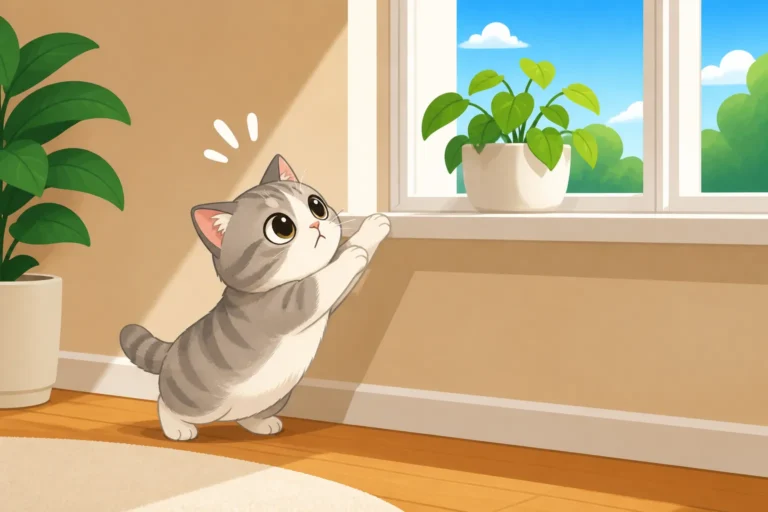
Since Munchkins use their upright sit to gain a better view of their world, providing them with safe, accessible vantage points can actually reduce the need for constant long sits from floor level, while still satisfying their innate curiosity. Think horizontally rather than vertically with their enrichment. Instead of tall cat trees with widely spaced platforms, opt for ones with closer-set levels or ramps. Which Cat Tree Layout Suits a Munchkin is crucial for their physical safety. You can also strategically place low shelves, sturdy footstools, or pet steps near windows or your favorite seating areas, giving them easy, low-impact ways to elevate themselves and survey their domain.
Consider placing engaging toys, puzzle feeders, or even their food and water bowls on slightly raised, but easily accessible, platforms. This encourages them to stretch and move without straining. For example, a small, sturdy step leading up to a low windowsill can provide hours of bird-watching pleasure without them having to stand on their hind legs the entire time. Ensure your home has good traction with rugs or carpets, especially in high-traffic areas, as slippery floors like laminate or tile can make it harder for them to stabilize themselves when sitting up or moving quickly. A well-designed environment empowers your Munchkin to explore and observe comfortably, whether they're sitting upright or exploring on all fours.
When to Consult Your Vet About Sitting Habits
While the "prairie dog sit" is generally benign, knowing when to seek professional advice is vital for any Munchkin owner. If you notice any significant changes in your cat's sitting behavior, it's time to call your veterinarian. This includes if they suddenly stop doing the sit altogether, or conversely, if they seem to be doing it much more frequently and appear distressed or unable to settle into other postures. Any signs of pain, such as crying out, hissing, reluctance to get up, or noticeable stiffness when transitioning into or out of the sit, warrant immediate veterinary attention.
Your vet will likely want to observe your cat's gait and posture, and may perform a physical examination to check for any tenderness along the spine or joints. They might also recommend imaging, like X-rays, to assess the condition of your Munchkin’s spine and joints, looking for conditions such as lordosis, osteoarthritis, or other musculoskeletal issues. It’s particularly important to remember that What Lordosis Does to a Munchkin can be subtle in its early stages, so proactive checks based on behavioral changes are wise. Don't hesitate to record videos of your cat's behavior at home to show your vet, as this can provide invaluable insights into what's happening in their natural environment. Early intervention can make a huge difference in managing any potential health concerns and ensuring your Munchkin maintains a good quality of life.
Observing your Munchkin's "prairie dog sit" offers a delightful window into their curious nature and their unique way of engaging with the world. For most, it's a perfectly normal and endearing behavior, a testament to their adaptability in a world not quite designed for short legs. By understanding why they do it, recognizing what influences its duration, and staying attuned to their overall comfort, you can ensure your beloved Munchkin continues to charm you with their upright poses for many happy years to come. Just remember, a vigilant eye and an adapted home environment are your best tools for keeping your tiny explorer thriving.
Disclaimer
This article is for general informational purposes only and does not constitute professional advice. Laws, prices and regulations vary by location and change over time. Consult a qualified professional for guidance on your specific situation.