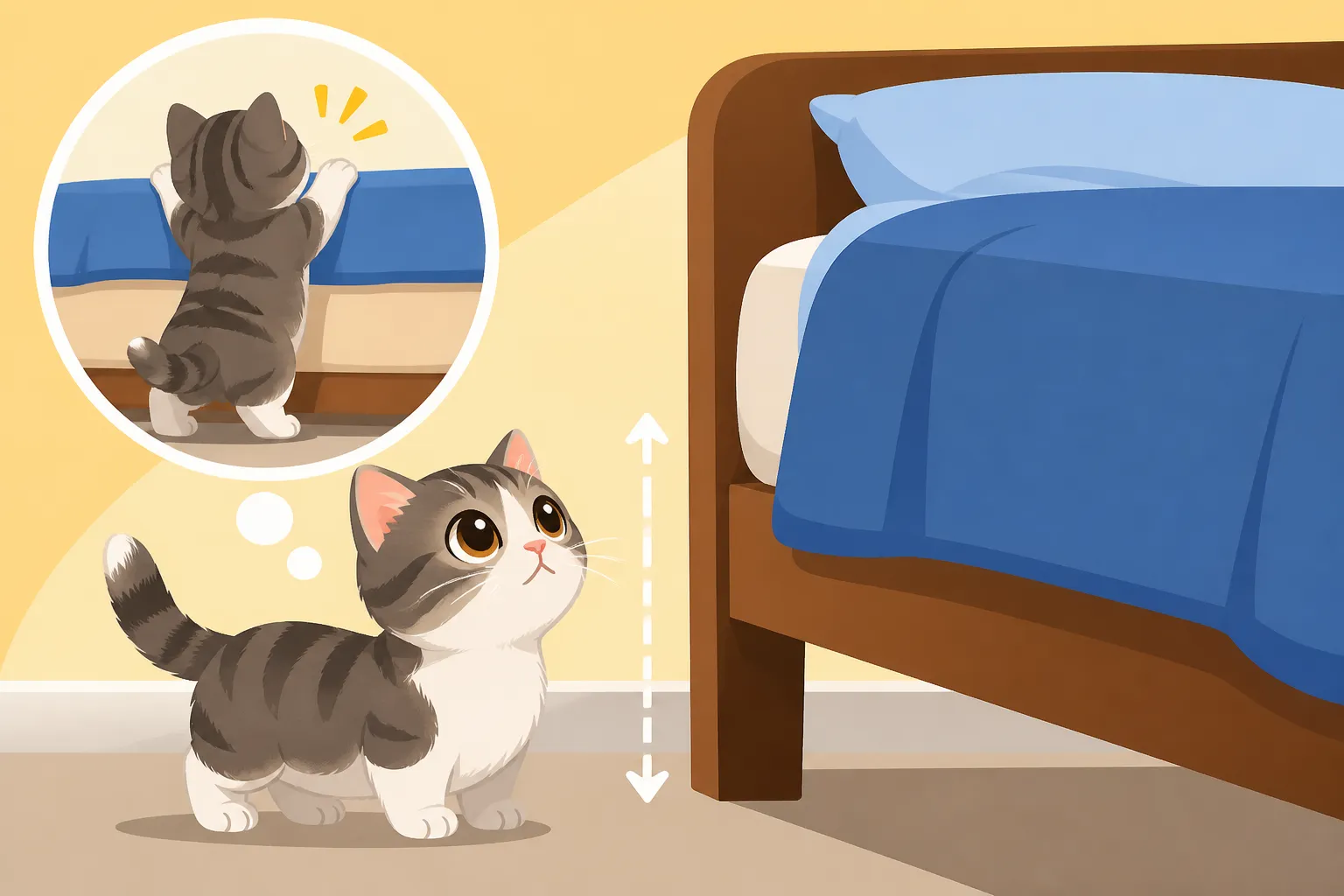
Whether a Munchkin Can Reach a Bed
One of the most common questions new Munchkin cat owners grapple with, or those simply considering bringing one of these adorable felines into their home, is how their short legs will impact daily life – especially when it comes to getting around. You might be picturing your future companion snuggling up next to you in bed, but then a wave of concern hits: Can they even get up there? It’s a completely valid worry, and frankly, the reality is a bit more complex than just a simple yes or no. This guide will dive deep into the unique mobility of Munchkin cats and explore how you can ensure your furry friend can comfortably and safely enjoy all the elevated comforts of your home, including your bed.
The Physical Realities of a Munchkin's Jump
Let's be real: Munchkins are built differently. Their defining characteristic is those delightfully short legs, a genetic mutation that causes chondrodysplasia, a form of dwarfism. While their bodies are otherwise normal in length and proportion, those truncated limbs mean they approach vertical challenges with a distinct disadvantage compared to their long-legged cousins. It's not about a lack of desire or intelligence; it's purely a physical limitation. They can certainly jump, but their trajectory and height are significantly impacted.
Imagine trying to jump onto a kitchen counter if your legs were suddenly half their normal length. That's essentially the everyday challenge for a Munchkin. They often have to compensate by using more momentum or finding intermediate steps. How High a Munchkin Can Actually Jump is a question that often surprises people, as they can achieve some impressive feats, but these jumps are usually at the absolute peak of their physical capability and not something they can do repeatedly or safely onto a tall bed. Their agility on the flat, however, can be quite surprising, often described as more akin to a ferret than a typical cat, making them incredibly quick on level ground.
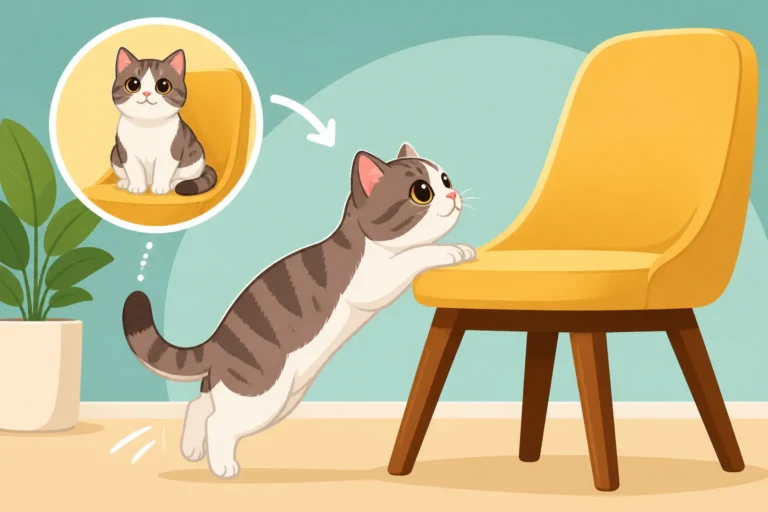
The mechanics of their jump are different too. Where a long-legged cat can spring upwards using powerful hind leg extension, a Munchkin's shorter limbs reduce that leverage. They often have to gather themselves more, sometimes performing a series of smaller hops or launches, rather than one fluid, high leap. This means that a standard bed height, which most cats would clear with ease, becomes a Mount Everest for a Munchkin. They might make it onto a low footstool or a low chair, but bridging the gap from there to the average mattress height is a serious undertaking.
Why a Munchkin's Legs Limit Vertical Access
The core issue lies in the biomechanics of their short legs. A cat's ability to jump is a marvel of physics, involving coordinated muscle contraction, bone leverage, and balance. The length of their legs directly correlates to the height they can achieve from a standing start. With a Munchkin, the shorter femur and tibia bones simply don't provide the same spring. They also often have a more pronounced sway in their lower back when moving, which, while not necessarily painful in itself, can indicate the differing stresses on their spine.
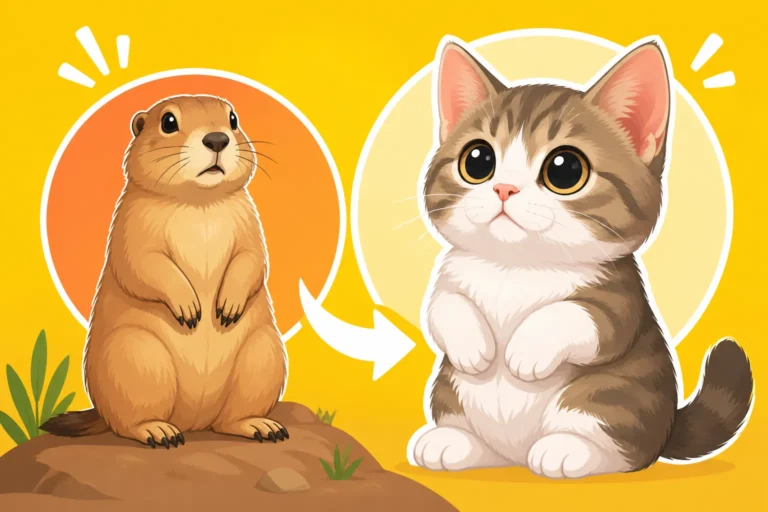
This doesn't mean they don't try! Munchkins are incredibly persistent and curious cats. They will often eye a desired spot, measure it up, and attempt the jump, sometimes repeatedly. Why a Munchkin Tries the Same Jump Repeatedly isn't a sign of stubbornness, but rather their natural cat instincts kicking in, combined with an unawareness of their own physical limitations when it comes to that particular height. You'll see them perform what we affectionately call "the prairie dog sit" to get a better vantage point, trying to gauge the distance before making their move. But even with the best intentions, physics often wins.
Furthermore, it's not just about reaching the height; it's about the landing. A cat uses its strong legs and flexible spine to absorb the shock of a jump, whether going up or coming down. For a Munchkin, whose joints and spine are already under different loads due to their unique conformation, repeated high jumps and hard landings can put undue stress on their body. This leads us directly into why it's not just about capability, but about safety and long-term health.
The Risks of Jumping for a Munchkin
While the sight of a Munchkin trying valiantly to scale the side of your bed might be endearing, it's crucial to understand the potential health implications of repeated or strenuous jumps for these special cats. Their unique skeletal structure, while allowing them to live full lives, does mean certain precautions are wise to prevent unnecessary strain and potential injury.
Joint Strain and Arthritis Concerns
Every time a Munchkin jumps, especially from a height or to a height that requires maximum effort, it puts stress on their joints. Their shoulders, elbows, and hips, which absorb the impact of landing and propel them upwards, are particularly vulnerable. Over time, this repetitive stress can contribute to the early onset or exacerbation of conditions like osteoarthritis. Whether a Munchkin Gets Arthritis Earlier is a common concern among owners, and while not all Munchkins will develop severe arthritis, minimizing joint stress is a proactive way to support their long-term comfort.
Think about it this way: for a long-legged cat, jumping onto a bed is a casual step up. For a Munchkin, it's a full-body exertion, akin to a human performing a box jump. Doing that several times a day, every day, can take its toll. The cartilage in their joints can wear down, leading to inflammation and pain. You might start to notice your cat becoming a bit stiffer, less enthusiastic about playing, or even reluctant to use certain furniture if it involves jumping. These subtle changes can be early indicators of joint discomfort, so keeping a close eye on their mobility as they age is essential.
Spinal Stress and Lordosis
Another significant concern for Munchkins when it comes to jumping is the potential impact on their spine. While a Munchkin's spine itself is generally a normal length, the way their short legs affect their gait and movement can place different stresses on it. Conditions like lordosis, where the spine curves inward excessively, are more commonly seen in Munchkins, although opinions differ on the exact prevalence and severity. What Lordosis Does to a Munchkin can range from mild to severe, and while not every Munchkin develops it, avoiding actions that could aggravate spinal issues is prudent.
Hard landings from jumps, or awkward twists and strains trying to reach a high surface, can compress or jar the spine. Why a Munchkin's Spine Carries a Load a Normal Cat's Does Not is something many owners overlook. Their body mass is distributed differently relative to their leg length, and sudden impacts can place significant strain on the vertebrae and surrounding musculature. This is why encouraging a Munchkin to repeatedly jump onto or off high furniture, like a tall bed, isn't just about whether they can do it, but whether they should. Prevention is always better than trying to manage a painful spinal condition later in life.
| Activity Type | Risk Level for Munchkins | Why it Matters |
|---|---|---|
| High Jumps (e.g., onto tall bed) | High | Puts immense strain on shoulders, elbows, and spine. Increases risk of early arthritis and exacerbation of conditions like lordosis. Hard landings can cause jarring and compression. |
| Repeated Mid-Height Jumps (e.g., sofa, low chair) | Moderate | While more manageable, frequent repetition still contributes to wear and tear on joints. If landings are hard or misjudged, it can still lead to injury. |
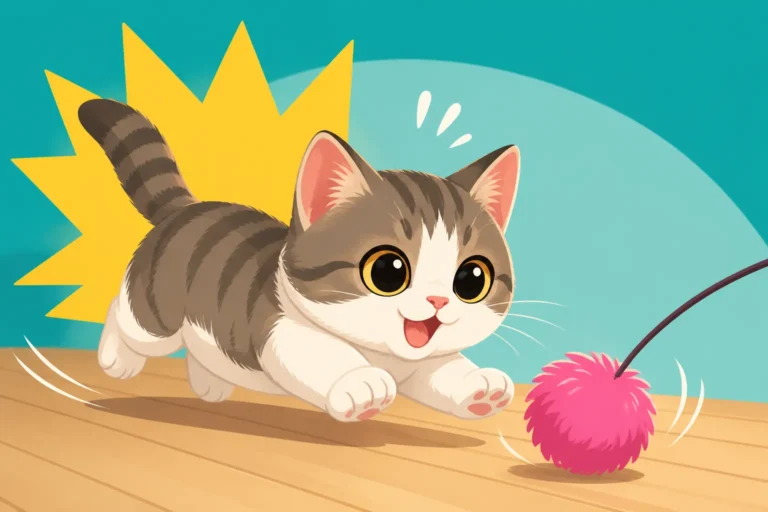
| Floor-level Agility (running, chasing toys) | Low | Munchkins are incredibly agile on flat surfaces and enjoy running and playing at ground level. This type of activity is generally safe and encouraged for exercise and enrichment. |
| Descending from Height Without Support | High | Going down is often harder and more impactful than going up. Why Coming Down Is Harder Than Going Up for a Munchkin is crucial to understand, as gravity adds significantly to the forces on their joints and spine, especially on their front legs. |
Making Your Bed Accessible for Your Munchkin
So, what's a loving Munchkin owner to do? You want your furry friend to join you for cuddles in bed, but you also want to protect their health. The good news is, there are plenty of practical, easy-to-implement solutions that allow your Munchkin to safely reach your bed without risking injury. It's all about adapting your home to their unique needs, rather than expecting them to overcome their physical limitations.
One of the best pieces of advice for any Munchkin owner is that Ramps and Steps Are Munchkin Equipment, Not Luxuries. They are truly essential tools for helping your cat navigate a multi-level human home. Without them, your Munchkin might feel frustrated, isolated, or worse, injure themselves trying to keep up with the vertical world around them.
Investing in Ramps and Pet Stairs
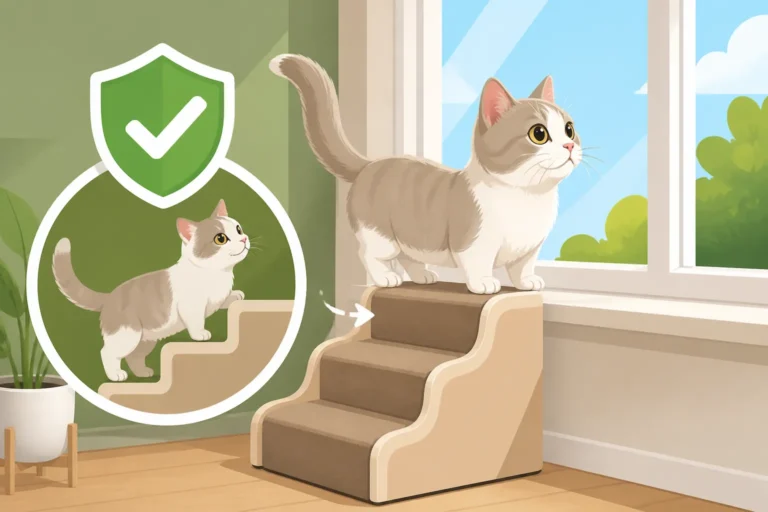
The most straightforward and effective way to make your bed accessible is to provide a ramp or a set of pet stairs. These simple additions create a gradual incline or a series of easy steps, allowing your Munchkin to walk or climb up to your bed at their own pace and without any strenuous jumping. When choosing, think about the height of your bed. For a standard bed, you might need a ramp that's fairly long to ensure a gentle slope, or a set of stairs with several low, wide steps.
When you're looking for these, consider materials and stability. You'll want something sturdy that won't wobble, as a nervous cat is less likely to use an unstable ramp or set of stairs. Carpeted surfaces are often preferred as they provide better grip than slick plastic or wood. You can find a huge variety of options on platforms like Amazon, from simple wooden ramps to more elaborate carpeted steps designed specifically for pets. Look for features like non-slip bottoms and durable construction. How Many Steps a Munchkin Needs to Reach a Bed will depend entirely on the height of your bed and the confidence of your individual cat, but generally, more, lower steps are better than fewer, taller ones.
It's also worth noting that while pet stairs are great, sometimes a ramp is even better, especially for an older Munchkin or one with any existing joint issues. Ramps eliminate the impact of stepping up and down, providing the smoothest possible transition. Some ramps are adjustable, allowing you to change the incline to suit your cat's comfort level. Ensure the ramp or steps are wide enough for your Munchkin to feel secure, and that the landing platform at the top meets your bed flush, preventing any awkward gaps or slips.
Strategic Furniture Placement
Beyond dedicated ramps and stairs, you can also get creative with your existing furniture. Think of it as creating a natural "staircase" for your Munchkin. How a Munchkin Uses Furniture as a Staircase is something they instinctively do if given the opportunity. By placing a sturdy ottoman, a low bench, or even a stack of robust, heavy books next to your bed, you can create intermediate steps that make the final ascent much easier.
For instance, if your bed is quite high, you could place a large, low ottoman next to it, and then a slightly taller, narrower bench next to the ottoman. This creates two manageable "steps" for your Munchkin to climb before they reach the bed. The key here is stability – whatever you use as a step must be firm and not prone to tipping or sliding, especially when your cat is launching themselves from it. Ensuring good grip on these surfaces, perhaps with a small rug or non-slip mat, can also boost your cat's confidence.
The goal is to minimize or eliminate any direct, high jumps. Every single time your Munchkin has to make a strenuous leap, it's putting unnecessary strain on their body. By breaking down the climb into smaller, easier stages, you're not only making it accessible but also protecting their joints and spine in the long run. This proactive approach will mean many more years of happy, pain-free snuggles in bed with your beloved short-legged companion.
Alternative Elevated Spots and Enrichment
While making the bed accessible is a common desire, it’s also good to consider that not every elevated spot needs to be reachable via a direct climb. Sometimes, the best solution is to create alternative, equally inviting elevated spaces that cater specifically to your Munchkin's abilities, ensuring they still get that valuable vertical territory cats crave, but in a safe, controlled manner.
Cats, by nature, love to be up high. It gives them a sense of security, a good vantage point for observing their territory, and often, a warmer spot to nap. For a Munchkin, whose natural instinct to climb and survey remains, providing these safe alternatives is crucial for their mental and physical well-being. Otherwise, they might get frustrated or try to force their way onto unsuitable high places, increasing the risk of accidents.
Creating Safe Window Perches and Cat Trees
A window perch is a fantastic way to give your Munchkin that coveted high spot for observation. Instead of a typical high, shelf-like perch that a long-legged cat would leap onto, look for window perches that are low to the ground or have an integrated ramp or step system. There are many designs available, some even suction-cup directly to your window at a lower height, making them easily accessible. Ensure it's sturdy enough to hold your Munchkin's weight and provides a comfortable, wide lounging area.
Cat trees are another excellent option, but they need to be chosen carefully. Standard cat trees with wide gaps between platforms are often useless for a Munchkin, as they simply can't bridge those distances. Instead, look for cat trees with closely spaced platforms, or even better, a tree that incorporates ramps into its design. Some modular cat trees on Amazon allow you to customize the platform spacing, which is ideal for a Munchkin. Which Cat Tree Layout Suits a Munchkin is one that prioritizes a gentle ascent with minimal jumping, perhaps even incorporating a spiraling ramp feature. This allows them to climb to various heights, satisfying their natural instincts without putting strain on their short legs.
You might even consider building your own custom cat tree or shelf system with very shallow steps or ramps. This ensures every platform is easily within reach and completely negates the need for any high, strenuous jumps. Remember, the goal is enrichment through accessibility, not frustration or injury.
Encouraging Floor-Level Comfort and Play
While providing vertical access is important, don't forget the power of truly amazing floor-level comfort and enrichment. Munchkins spend a lot of their lives close to the ground, and making that space incredibly inviting can sometimes be just as satisfying as a high perch. This means having cozy, comfortable beds on the floor, soft rugs for them to lounge on, and plenty of engaging toys.
Think about plush donut beds, soft blankets, or even a low-to-the-ground pet tent where they can feel secure. These offer warm, inviting spots for your Munchkin to rest without any climbing required. For playtime, focus on interactive toys that engage them at their height. Wand toys, laser pointers, and small rolling balls are perfect for enticing them to chase and pounce on the floor. How Much Floor Level Play a Munchkin Needs is significant, as it helps them burn energy, stay agile, and maintain a healthy weight without the joint strain of constant jumping.
Ultimately, whether a Munchkin can reach a bed isn't just about their physical capability, but about our responsibility as owners to ensure their safety and well-being. By thoughtfully adapting your home with ramps, steps, and appropriate furniture, you create an environment where your Munchkin can explore, play, and snuggle without limitation, leading to a happier, healthier life for your cherished companion.
Disclaimer
This article is for general informational purposes only and does not constitute professional advice. Laws, prices and regulations vary by location and change over time. Consult a qualified professional for guidance on your specific situation.