How a Munchkin Uses Furniture as a Staircase
It can be incredibly frustrating for Munchkin cat owners to watch their short-legged companions struggle with what seems like a simple jump or a high perch. Unlike other cats who effortlessly leap onto kitchen counters or tall bookshelves, Munchkins navigate their world with a unique ingenuity, often turning everyday furniture into their own personal staircases. This guide will explore the fascinating ways Munchkins adapt their environment, the creative strategies they employ to get where they want to go, and how you can make your home more accessible for your low-riding friend.
The Munchkin's Ingenious Approach to Vertical Space
Munchkin cats, with their distinctive short legs, often face limitations when it comes to vertical movement compared to their long-legged counterparts. What a normal cat might conquer with a single graceful leap, a Munchkin approaches with a well-thought-out, multi-stage plan. It's not that they can't jump at all; it's simply that their leverage and reach are fundamentally different, forcing them to become master strategists of their environment.
Understanding the Vertical Challenge
Imagine trying to climb a wall if your legs were half their usual length – that's often the daily reality for a Munchkin. Their short stature means that the muscular power in their hindquarters, while present, can't propel them to the same heights or distances in a single bound. This isn't a lack of desire or intelligence; it's a physical limitation that shapes their entire interaction with vertical spaces. Instead of seeing a tall cabinet as a single obstacle, they perceive it as a series of smaller, surmountable ledges. How high a Munchkin Can Actually Jump is often less than you'd expect from a typical feline.
Adaptability and Observation Skills
One of the most remarkable things about Munchkins is their incredible adaptability. They are keen observers, constantly surveying their surroundings for alternative routes. They quickly learn which items of furniture can serve as intermediate steps, recognizing patterns and repeatable pathways. For instance, a Munchkin might not be able to jump directly from the floor to the top of a dresser, but if a sturdy chair is placed nearby, that chair instantly becomes the first rung on their furniture ladder. They truly embody the saying, "where there's a will, there's a way," even if that way involves a few extra detours.
Mapping the Home: Identifying Natural "Staircases"
Munchkins are natural cartographers of their indoor world. They subconsciously map out routes, connecting low-lying furniture with higher surfaces, creating intricate, navigable paths. This isn't just random movement; it's a calculated, repeated process of learning and refinement, often solidified through trial and error (and a surprising amount of perseverance).
Connecting the Dots: Furniture as Stepping Stones
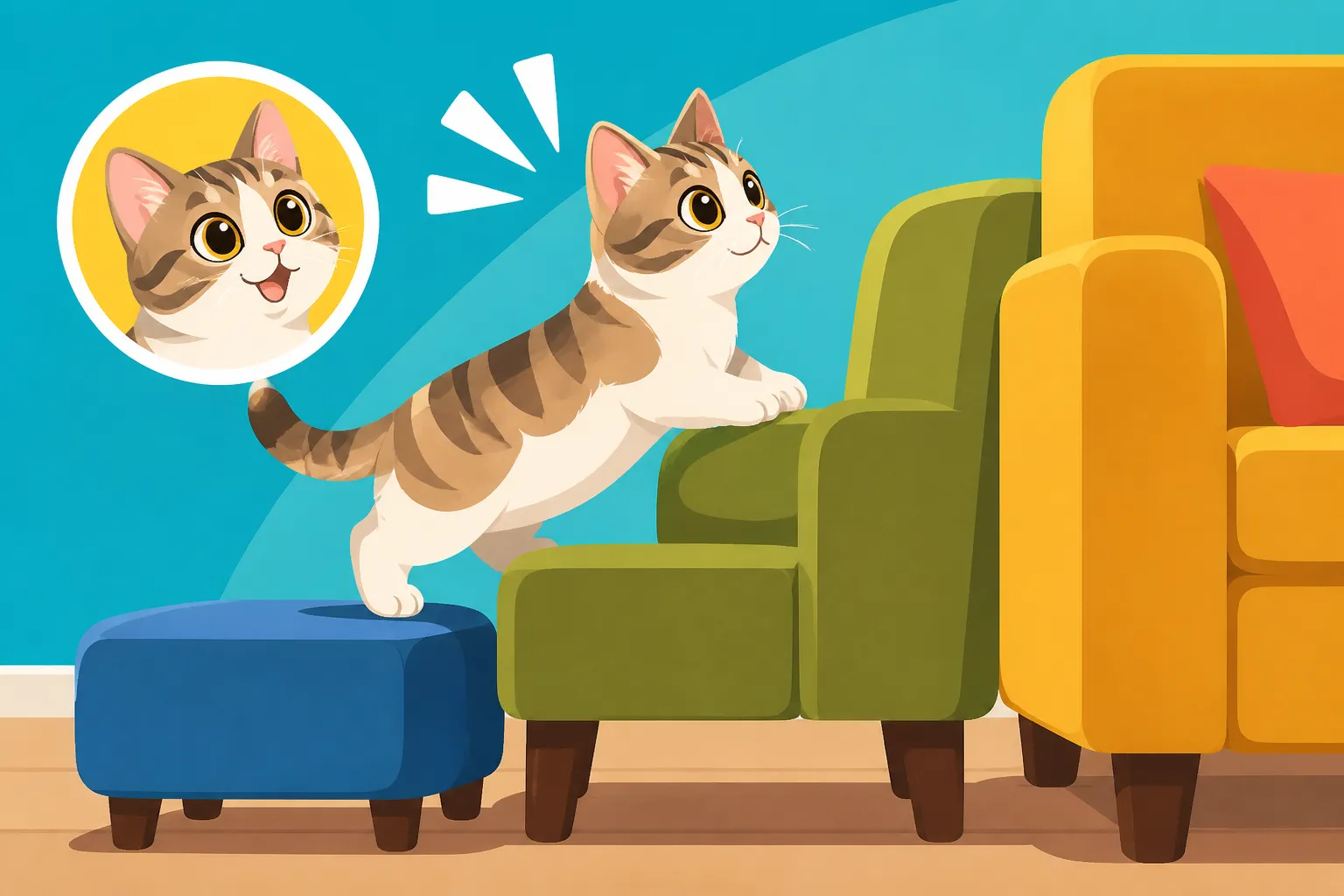
For a Munchkin, a home isn't just a collection of rooms; it's a network of potential stepping stones. They look for furniture that is close enough together to bridge the gap, essentially turning your living room into a multi-level playground. A low ottoman next to a sofa, which is next to a coffee table, might form a perfect ascent to the windowsill. Each piece isn't just a functional object; it's a critical component in their vertical journey. They might even How a Munchkin Uses Two Jumps Where a Cat Uses One to get to a preferred spot, demonstrating their segmented approach to height.
The Role of Consistency and Repetition
Once a Munchkin discovers a successful "staircase" route, they tend to stick with it. Consistency is key for them, as it reduces the mental and physical effort required for each ascent or descent. This is why moving furniture around can sometimes be quite disorienting for them initially; you've just rearranged their carefully constructed highway system! They might spend a day or two re-evaluating, trying new angles, and eventually, re-establishing their preferred pathways.
Common Furniture Used as Launchpads and Ladders
It's fascinating to observe which pieces of furniture become central to a Munchkin's climbing strategy. These aren't necessarily items designed for cats; they're simply the most convenient and sturdy options available in their line of sight. Owners often find themselves subtly (or not so subtly) arranging their decor to facilitate their furry friend's movements.
Sofas, Chairs, and Ottomans
These are often the first and most obvious steps in a Munchkin's vertical ascent. A sofa or armchair, usually low enough for a direct jump from the floor, becomes the initial launchpad. From there, an adjacent end table, a stack of sturdy books, or even the back of another chair can provide the next boost. You'll frequently see them making careful, measured jumps from one cushion to another, often appearing to scout their landing before committing. How a Munchkin Gets Onto a Chair is usually a low, deliberate jump, often with a little wiggle for momentum.
Bookshelves and Low Cabinets
While a full-height bookshelf might be out of reach from the floor, those with lower shelves or an accessible base become prime climbing real estate. A Munchkin might use the lowest shelf as a stepping stone, then carefully navigate from one shelf to the next, often pausing to survey their domain from each new vantage point. Similarly, low cabinets or TV stands offer a stable surface from which to launch to slightly higher ground, such as a window sill or the top of a console table. It’s an intricate dance of assessment and execution, all performed with their characteristic low-to-the-ground grace.
Desks and Dressers
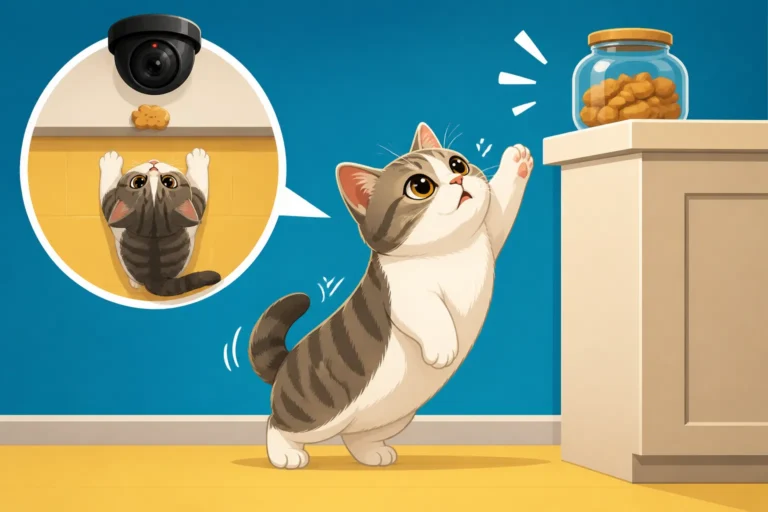
For dedicated Munchkin owners, office desks and bedroom dressers often become part of the grand plan. If a desk chair is left pulled out, it instantly transforms into a ramp or a step up to the desk itself. From the desk, a resourceful Munchkin might then eye a nearby bookshelf or a window ledge. Dressers, especially those with wide, sturdy drawers, can be used in a similar fashion, with the cat jumping from a lower drawer to a higher one, or using a nearby stool as an intermediary step. Why a Munchkin Cannot Make the Kitchen Counter is usually due to the lack of intermediary steps from the floor.
Beds and Nightstands
Many Munchkin owners find their cats love to snuggle in bed, but getting there can be a journey. A nightstand, a pile of clothes on a chair, or a strategically placed pet ramp become essential tools. The bed itself, with its soft, forgiving surface, is often the ultimate destination after a series of calculated ascents. Once there, they’ll typically settle in, perhaps grooming or napping contentedly, proud of their successful climb.
Creating a Munchkin-Friendly Vertical Landscape
As a responsible Munchkin owner, understanding their natural climbing tendencies means you can proactively adapt your home to support their innate desires for exploration and elevated perches, all while prioritizing their safety and long-term joint health. This isn't about babying them, but about enabling them to live their fullest, most comfortable lives.
Thoughtful Furniture Arrangement
It all starts with how you arrange your furniture. Think of your home from a Munchkin's perspective, mapping out potential pathways. Can you place a sturdy ottoman closer to the sofa? Can a small, stable side table sit next to a bookshelf, breaking up a tall jump into two manageable steps? Small adjustments can make a world of difference. Consider investing in modular furniture or furniture risers to create more "intermediate" levels. This thoughtful design allows your Munchkin to satisfy their instinct to climb without putting undue strain on their unique anatomy.
Ramps, Steps, and Cat Trees Designed for Them
While Munchkins are brilliant at improvising, purpose-built aids are invaluable. Pet ramps and steps are designed with gentler inclines and shallower rises, making ascents and descents much safer for their backs and joints. Look for options on platforms like Amazon that are stable, have a non-slip surface, and are wide enough for comfortable use.
When it comes to cat trees, traditional tall, widely-spaced platforms are often useless. Instead, seek out Which Cat Tree Layout Suits a Munchkin – one with closely spaced platforms, or even modular systems that allow you to customize the height and spacing. Many brands offer shorter cat trees or those with multiple small ledges rather than large, distant platforms. These allow your Munchkin to climb safely and confidently, reaching those coveted high spots without dangerous leaps. A well-designed cat tree becomes less of an obstacle course and more of a vertical lounge.
Window Perches and Shelves
Cats love looking out windows, and Munchkins are no exception. But a standard window sill is usually too high. Consider investing in window perches that attach securely and have an intermediate step or are low enough for a safe jump from a nearby chair or cabinet. Floating shelves, installed at varying, accessible heights, can also create a wonderful "cat highway" along a wall, allowing your Munchkin to ascend gradually and explore. Just ensure they are extremely sturdy and well-anchored, and that the spacing between them is appropriate for your cat's short reach. Again, a quick search on Amazon for "pet window perch with steps" or "cat climbing shelves" can yield many suitable results.
Understanding the Limits: When Furniture Isn't Enough
While Munchkins are incredibly resourceful, there are inherent physical limitations to their short legs that even the most clever use of furniture can't always overcome. Recognizing these boundaries is crucial for their long-term health and well-being. Sometimes, even with all their cunning, they simply need a helping hand, or more importantly, a designed solution.
The Strain on Joints and Spine
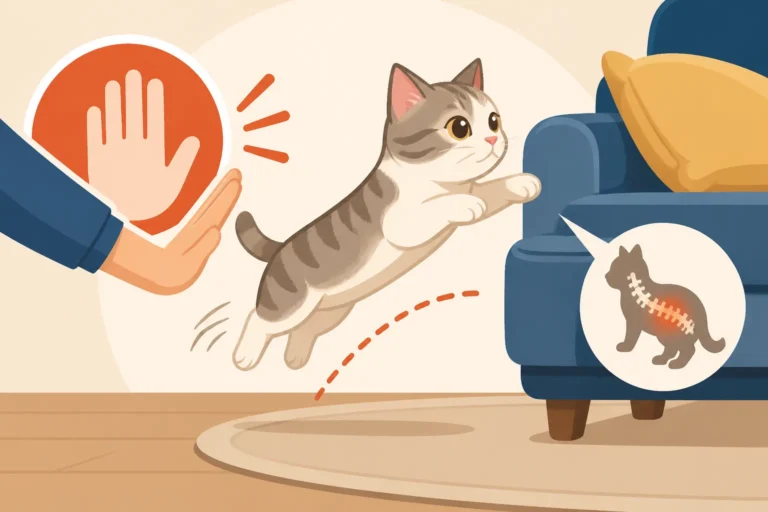
Repeated jumping, even short distances, can put cumulative strain on a Munchkin's unique skeletal structure, particularly their spine and leg joints. Their short legs mean they land with less shock absorption and often a harder impact. While they might seem to manage a jump to a sofa just fine today, years of such activity can contribute to premature arthritis or exacerbate spinal issues. Why a Munchkin's Spine Carries a Load a Normal Cat's Does Not is a critical consideration for owners. This is why minimizing unnecessary jumps through clever adaptations is not just convenient but a preventative health measure.
Reaching Essential Areas
Beyond recreational climbing, there are practical areas in a home that a Munchkin might struggle to access. This includes higher food bowls, certain litter box designs, or even reaching a beloved owner on a high bed or sofa. If a Munchkin can't easily reach its food or water without straining, or if its litter box entry is too high, it can lead to stress, accidents outside the box, or even health problems. This is where owners must step in and adapt, ensuring that all essential resources are at a comfortable, floor-level height, or easily accessible via ramps.
The Need for Owner Intervention
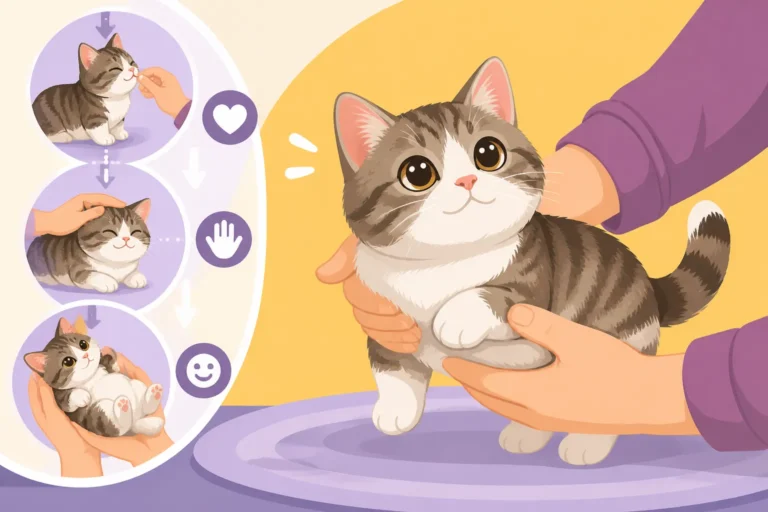
Sometimes, despite all the ramps and strategically placed furniture, a Munchkin will still find itself in a predicament, unable to reach a desired spot or descend safely. They might sit by your feet and express their desire through vocalizations or gentle nudges. How Much a Munchkin Talks When It Wants Lifting can be quite expressive! It's important to be attuned to these signals and offer assistance without encouraging dangerous jumping. Gently lifting them and placing them where they want to go, or guiding them to an accessible ramp, reinforces safe habits and strengthens your bond. Remember, they are dependent on us to understand and cater to their unique physical needs.
Encouraging Safe Climbing Behaviors
It's not enough to simply provide the tools; we also need to encourage our Munchkins to use them safely and effectively. This involves a combination of positive reinforcement, thoughtful environmental design, and understanding their natural instincts.
Positive Reinforcement for Ramps and Steps
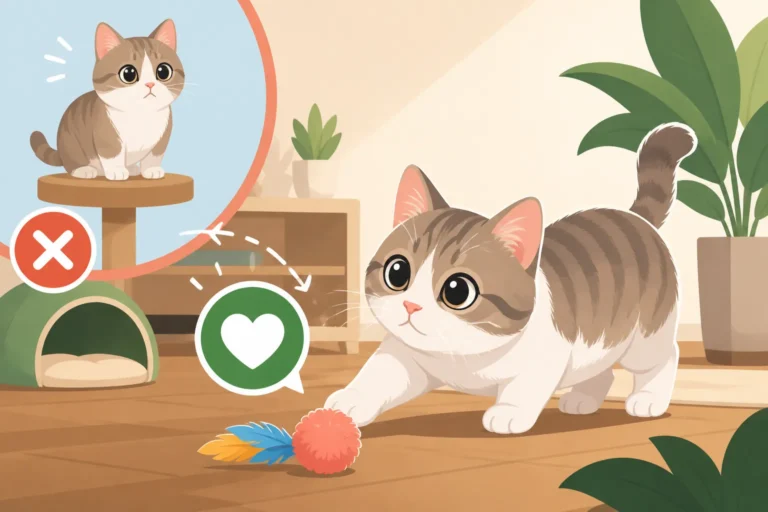
Just like training any other behavior, using positive reinforcement is key to getting your Munchkin to use ramps and steps. Start by placing treats or favorite toys on the lower sections of a ramp or step. Praise them enthusiastically when they take even one step. Gradually move the rewards higher. Make the experience positive and rewarding, never forcing them. Some owners find clicker training incredibly effective for teaching specific behaviors, like ascending a ramp on cue. Patience is vital, as every cat learns at their own pace. How to Teach a Munchkin to Use a Ramp often involves a slow, consistent approach.
Designated Safe Climbing Zones
Consider creating specific "safe climbing zones" in your home. This might be a section of a wall with a series of sturdy, low-rise shelves leading up to a window perch, or a multi-tiered cat tree placed strategically next to a sofa. By concentrating climbing opportunities in designated, well-supported areas, you reduce the likelihood of them attempting risky jumps from less stable furniture. These zones not only cater to their instinct to climb but also provide enriching vertical territory, which is essential for feline well-being, especially for indoor cats.
Regular Health Checks and Mobility Monitoring
Beyond environmental adaptations, it's crucial to keep a close eye on your Munchkin's mobility and overall health. Changes in their willingness to use ramps, an increased hesitancy to climb even small steps, or signs of discomfort after jumping can all indicate underlying issues. Regular veterinary check-ups are paramount, and discussing their mobility with your vet can help catch potential joint or spinal problems early. Why a Munchkin That Stops Using Its Ramp Is Unwell is a strong indicator that something might be amiss and warrants immediate veterinary attention. Your vet can provide guidance on joint supplements or other preventative care to support their long-term health, ensuring they can continue to navigate their world with comfort and confidence.
Disclaimer
This article is for general informational purposes only and does not constitute professional advice. Laws, prices and regulations vary by location and change over time. Consult a qualified professional for guidance on your specific situation.