Why a Munchkin Prefers Floor Level Play
It’s a common sight for Munchkin cat owners: your adorable short-legged companion often seems to prefer staying low to the ground, chasing toys that roll across the floor, or engaging in enthusiastic pounces from a surprisingly flat trajectory. If you’ve ever wondered why your Munchkin isn't scaling the highest cat trees or launching themselves onto your kitchen counters with the same abandon as a long-legged cat, you’re not alone. This guide will dive deep into understanding why Munchkin cats naturally gravitate towards floor-level play, helping you create an enriching and joyful environment perfectly suited to their unique physical needs.
Understanding the Munchkin's Physical Realities and Play Style
Let's be real for a moment: the most defining characteristic of a Munchkin cat is their short legs, a result of a genetic mutation causing pseudoachondroplasia. While this gives them their undeniably cute appearance, it profoundly impacts their mobility and, consequently, their preferred play style. It’s not just a cute quirk; it's a physical reality that dictates much of their interaction with the world around them. They're not lazy; they're simply working with a different set of physical capabilities.
The Limits of Short Legs on Vertical Jumps
Imagine trying to jump onto a tall shelf when your legs are significantly shorter than average. It would be incredibly difficult, if not impossible, and likely quite frustrating. That's essentially the daily experience for a Munchkin cat when faced with high surfaces. Their short limbs drastically reduce their vertical leap capability. A typical domestic shorthair cat can easily clear a kitchen counter or a tall bookshelf in one graceful bound. A Munchkin, however, will likely find this feat beyond their physical reach.
This isn't to say they can't jump at all. They certainly can, and they're often surprisingly agile. But their jumps are generally lower and require more effort, often needing intermediate steps or furniture as a "staircase." For instance, they might jump onto a low ottoman, then to the sofa, then maybe to a low coffee table, rather than a direct leap to a high perch. This limited vertical range means that games involving soaring jumps or reaching high targets are simply not as accessible or enjoyable for them. It’s physically taxing and often results in failure, which can be discouraging for a playful feline. When you consider How High a Munchkin Can Actually Jump, you start to see why ground-level is their natural domain.
Spinal Considerations and Impact Absorption
Beyond the raw mechanics of jumping, there's another crucial factor: their spine. While a Munchkin's spine is typically a normal length for a cat of its overall size, the short legs mean the spine sits much closer to the ground. This changes the biomechanics of movement and impact. When a long-legged cat jumps and lands, the longer legs act as natural shock absorbers, distributing the impact force efficiently.
For a Munchkin, every jump and subsequent landing can place more direct strain on their spine and joints, especially their shoulders and elbows, which take the brunt of the impact. Repeated high jumps or awkward landings could potentially exacerbate or contribute to spinal issues like lordosis (an inward curvature of the spine) or pectus excavatum (a sunken chest), though these conditions are complex and not solely caused by jumping. Because of these considerations, a Munchkin instinctively (or through early experience) learns that keeping play at a lower elevation is safer and more comfortable. It reduces the wear and tear on their unique skeletal structure and minimizes the risk of discomfort or injury. This is a key reason Why a Munchkin's Spine Carries a Load a Normal Cat's Does Not.
Natural Hunting and Play Instincts at Ground Level
Despite their unique physique, Munchkins are still cats, and they retain all the natural predatory instincts of their feline cousins. Cats are hunters, and much of their play simulates hunting behavior: stalking, pouncing, chasing, and batting. These actions are often performed at ground level. Think about a cat hunting a mouse, a bug, or even a leaf skittering across the floor – it's all floor-based activity.
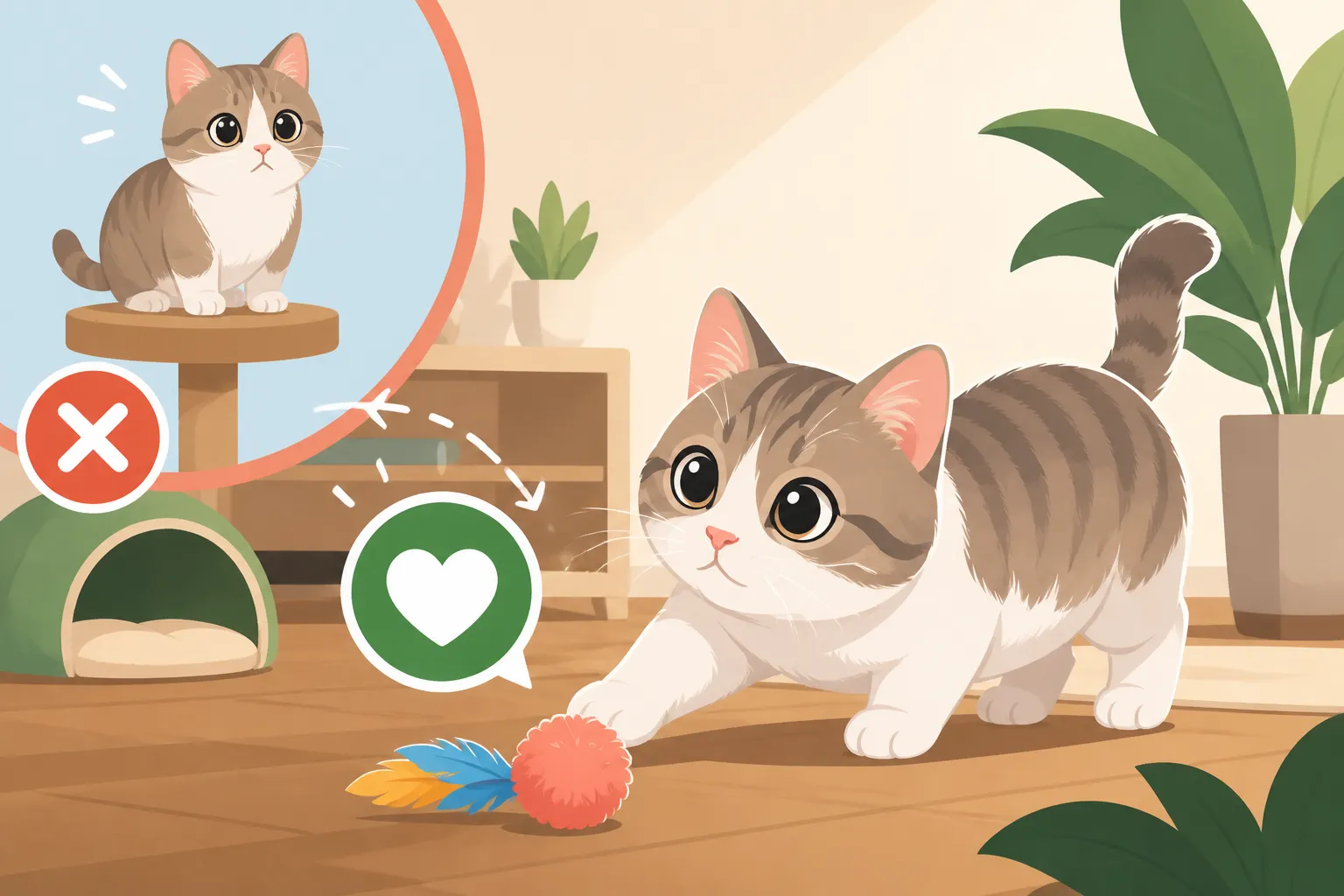
Munchkins excel at this kind of ground-level "hunting." Their low center of gravity makes them incredibly stable and allows for quick, darting movements, rapid turns, and powerful pounces from a low crouch. They can really dig into a play session with a feather wand dragged along the floor or a crinkle ball rolled under the sofa. Their agility and speed on a flat surface can be quite surprising; they’re often far faster than people expect! This means that floor-level play isn't a compromise for them; it's where their natural instincts truly shine and where they feel most competent and effective. How Fast a Munchkin Runs on Level Ground is a testament to their prowess on the flat.
The Joys of Ground-Level Adventures and Play Styles
Far from being limited, Munchkin cats find immense joy and engagement in a world tailored to their ground-level existence. Their unique perspective on the world means that what might seem mundane to a taller cat becomes an exciting adventure for them.
Mastering the Art of the "Ferrety" Dash and Pounce
Munchkins have a distinctive gait often described as "ferrety" due to their low-slung bodies and quick, almost scuttling movements. This isn't just a walking style; it's a foundation for a highly effective and entertaining play style. They are masters of the low-profile chase, using every inch of their short stature to their advantage. They can weave under furniture, dart around chair legs, and launch surprise attacks from behind cushions with incredible speed and agility.
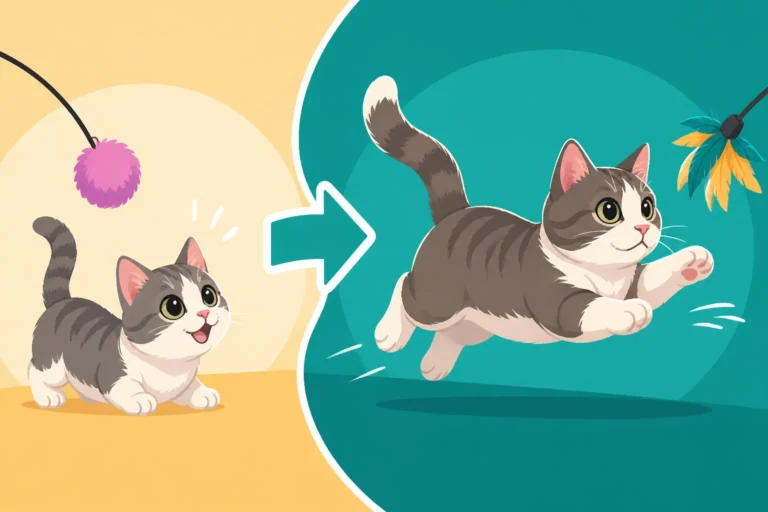
When a Munchkin engages in floor-level play, you'll often see them flatten themselves to the ground, wiggling their hindquarters before exploding into a pounce. This is quintessential cat behavior, magnified by their proximity to the floor. They can change direction on a dime, making them formidable playmates for toys that roll or slide. This style of play is less about verticality and more about horizontal speed, precision, and quick reflexes. It’s pure, unadulterated cat fun, adapted to their physical form.
The Charm of the "Prairie Dog Sit"
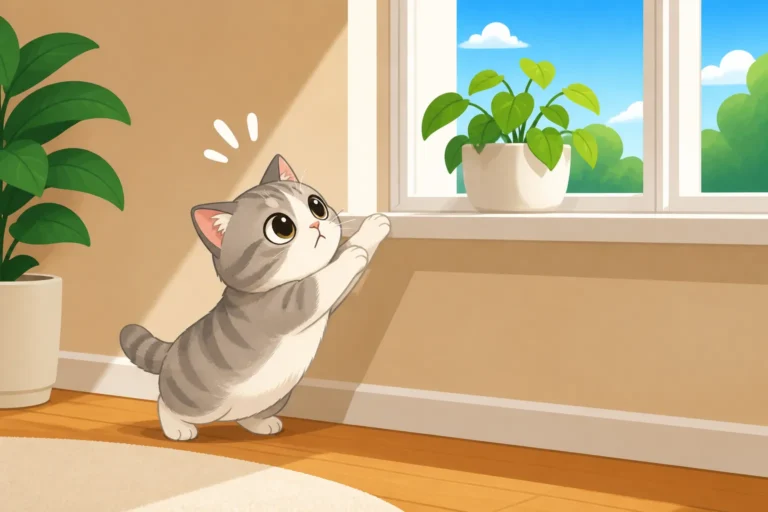
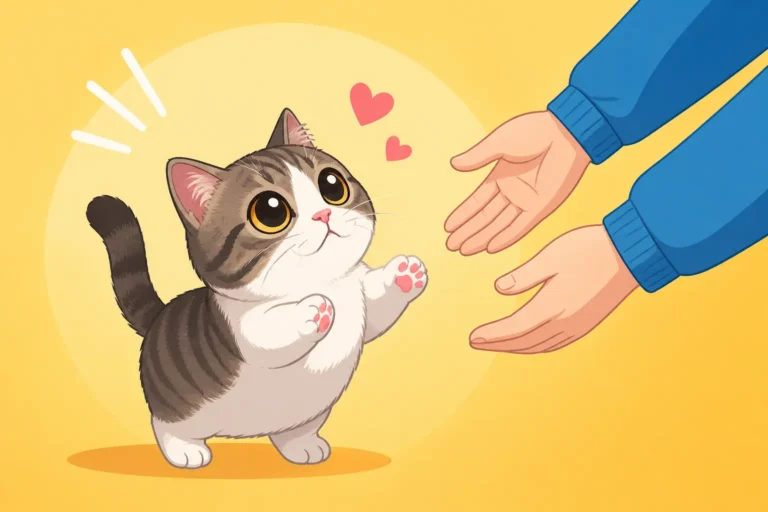
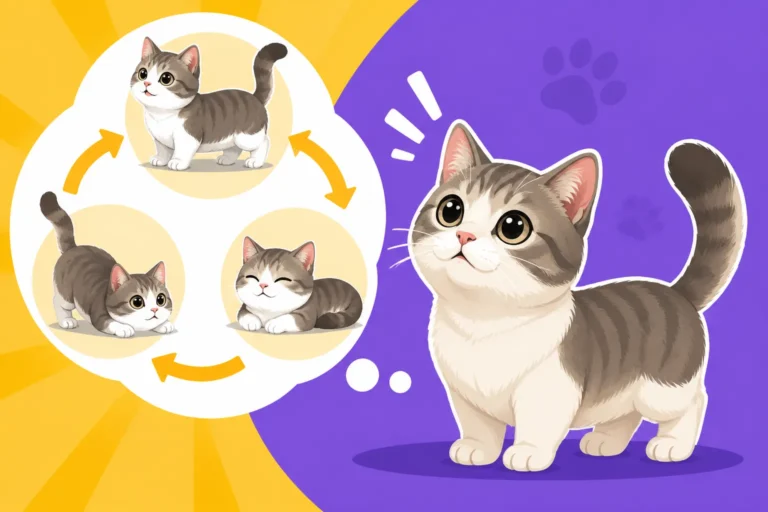
One of the most endearing behaviors unique to the Munchkin is their "prairie dog sit." They often sit upright on their hind legs, balancing perfectly with their front paws dangling, to get a better view of their surroundings. This isn't strictly play, but it's a prime example of how they adapt to their lower perspective and interact with their environment. They use this posture to observe something interesting on a table or to scout out a potential play target that's just out of their usual line of sight.
While they might not be able to jump up to reach what they see from this position, the ability to sit up and scan allows them to engage mentally with their surroundings, identifying new play opportunities or simply satisfying their curiosity. It’s a moment of adorable verticality in an otherwise horizontal world, showcasing their cleverness in navigating their physical limitations.
Engaging with Appropriate Toys and Activities
Given their preference for floor-level engagement, the types of toys and activities that truly captivate a Munchkin often differ from those that might excite a cat who loves to climb. The best toys are those that encourage ground-based chasing, batting, and pouncing.
| Play Type | Suitable Toys/Activities | Why It Works for Munchkins |
|---|---|---|
| Chasing & Batting | Crinkle balls, soft lightweight balls, springs | Easily moved on the floor, encourages low-to-the-ground pursuit. |
| Hunting & Stalking | Wand toys with feathers/mice (dragged along floor) | Mimics prey movement; engages predatory instincts without jumping. |
| Puzzles & Foraging | Puzzle feeders, treat balls, snuffle mats | Keeps them mentally stimulated at floor level; no climbing needed. |
| Interactive Play | Laser pointers, remote-controlled mice/cars | Encourages chasing and pouncing, controlled by you at their level. |
| Scratching | Horizontal scratch pads, low scratching posts | Satisfies scratching instinct without requiring a tall reach. |
Many of these toys are readily available on platforms like Amazon, making it easy to stock up on their favorites. Focusing on these types of activities ensures your Munchkin gets plenty of physical exercise and mental stimulation, all within their comfort zone. Which Toys Work at a Munchkin's Height offers more specific ideas to get you started.
Crafting the Ideal Floor Play Environment
Creating a home that supports and celebrates your Munchkin's preferred play style is key to their happiness and well-being. It’s not just about buying a few new toys; it’s about thoughtfully designing their living space.
Strategic Placement of Enrichment Opportunities
Think about your home from a Munchkin's eye level. Where are the interesting things? Where can they safely explore and play? Instead of focusing on vertical space, maximize the horizontal. Place engaging toys in different areas of the house – a crinkle ball under the coffee table, a spring toy in a quiet corner, a puzzle feeder in the living room. Rotate toys regularly to keep their interest piqued.
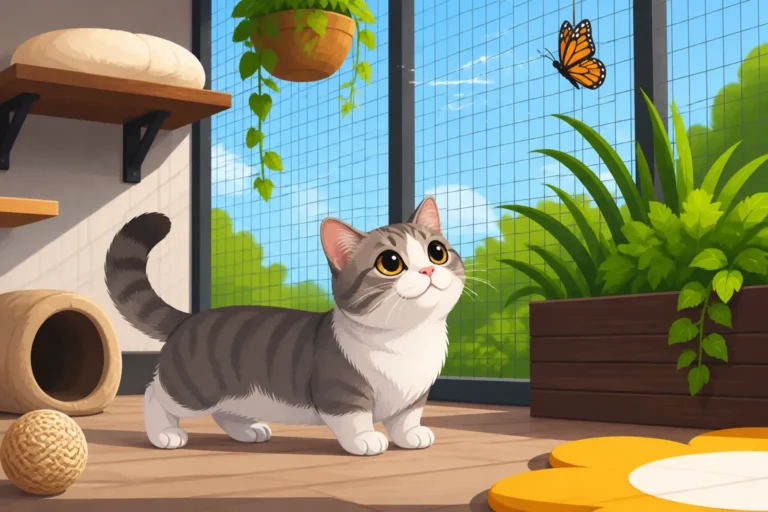
Consider low-level interactive play stations. A small tunnel, a paper bag laid on its side, or even an open cardboard box can become an exciting new hiding spot or ambush point for a Munchkin. These simple additions encourage exploration and playful interaction without requiring any climbing. You might even find them dragging their favorite toy into a newly discovered 'den' to play with it! This intentional setup ensures that there's always something stimulating available at their comfortable height. This is essential for How to Set Up Floor Level Enrichment for a Munchkin.
Ramps and Steps: Expanding Their Horizontal World
While this guide focuses on floor-level play, it's important to remember that Munchkins still desire to reach elevated spots, especially to be near their human companions on sofas or beds. However, they need assistance. This is where ramps and steps become indispensable. These aren't just conveniences; they are crucial accessibility tools that allow your Munchkin to expand their usable horizontal space onto furniture, turning a previously unreachable vertical obstacle into an extended play zone.
By providing stable, carpeted ramps or low, wide steps, you enable your Munchkin to access your lap for cuddles or a favorite sunny spot on the sofa without the strain of jumping. Once on the sofa, for example, the sofa itself becomes a large, safe play area. They can chase toys along its length, hide behind cushions, and enjoy a higher vantage point without the risk associated with jumping up. Look for pet ramps or steps on Amazon designed for small dogs or cats, ensuring they have a gentle incline and a non-slip surface. Remember, Ramps and Steps Are Munchkin Equipment, Not Luxuries.
Safe and Accessible Play Zones
Safety is paramount, especially when your cat operates so close to the ground. Ensure that areas where your Munchkin plays are free from small objects they could ingest, loose wires they could chew, or heavy items that could fall. Their low stature means they often explore under furniture more thoroughly than a long-legged cat, so these hidden spots need to be cat-proofed.
Additionally, consider the flooring. Slick surfaces like hardwood or laminate can be challenging for Munchkins to gain traction, especially when darting and pouncing. Placing rugs or carpet runners in high-traffic and play areas can provide better grip and reduce the risk of slips and falls during enthusiastic play sessions. This isn't just about comfort; it's about minimizing potential strain on their joints as they accelerate and stop. Creating these safe zones ensures their floor-level adventures are joyous and injury-free.
Dispelling Misconceptions and Embracing Their Unique Charm
It's easy to project our understanding of a typical cat's capabilities onto a Munchkin, but doing so can lead to misconceptions about their activity levels or happiness.
The Myth of the "Lazy" Munchkin
Some might mistakenly think that because a Munchkin doesn't climb as high or jump as often, they are less active or "lazy." This couldn't be further from the truth! Munchkins are typically energetic, curious, and incredibly playful cats. Their activity simply manifests differently. Instead of vertical antics, they excel in horizontal bursts of speed, elaborate ground-based pounces, and intricate explorations of floor-level nooks and crannies.
A Munchkin can spend hours batting a crinkle ball across the room, chasing a laser pointer dot, or wrestling with a plush toy. They might not be scaling drapes, but they're burning just as much energy and engaging in just as much fulfilling play. Their joy comes from mastering their own environment, and watching them navigate their world with such gusto is truly a delight. So, dismiss any thoughts of them being couch potatoes; they’re just floor-level athletes!
Comparing Play Styles: Celebrating Differences
It's important not to directly compare a Munchkin's play style to that of a long-legged cat. A Maine Coon or a Bengal might be leaping onto the top of the refrigerator, but that doesn't make a Munchkin any less of a cat, or any less playful. Each breed has its unique characteristics, and with the Munchkin, their physical form naturally leads to a preference for floor-level interaction.
Instead of wishing your Munchkin could climb higher, celebrate their incredible ability to navigate and dominate the ground game. Appreciate the intense focus they bring to a toy rolling past their nose, the surprising speed of their darting chases, and the charming "prairie dog" posture they adopt to get a better view. These are the unique facets of Munchkin play that make them such captivating companions. Ultimately, What a Munchkin Does All Day at Floor Level is a testament to their full and active lives.
How Much Floor Level Play a Munchkin Needs
Just like any other cat, Munchkins need regular play and enrichment to stay healthy and happy. Because their energy expenditure might be slightly different due to their unique body structure, it's important to provide ample opportunity for floor-level activities. Aim for several short play sessions throughout the day rather than one long one, especially if your cat is older or has any joint sensitivities.
Structured playtime with interactive toys like wand toys (always dragged on the floor, of course!) can be incredibly stimulating. Even simple things like scattering dry food or treats on the floor for them to "hunt" can provide mental and physical exercise. A good rule of thumb is to ensure they're actively playing and engaging for at least 30-60 minutes spread across the day. This helps maintain a healthy weight, which is particularly important for Munchkins to prevent undue strain on their spine and joints. By understanding and catering to How Much Floor Level Play a Munchkin Needs, you ensure they live their best, happiest life.
Disclaimer
This article is for general informational purposes only and does not constitute professional advice. Laws, prices and regulations vary by location and change over time. Consult a qualified professional for guidance on your specific situation.