How Often a Munchkin Does It
One of the most instantly recognizable, and utterly charming, behaviors a Munchkin cat exhibits is that distinctive "prairie dog" sit. Owners often wonder if this adorable pose is something their short-legged friend does constantly, or if it's an occasional quirk. This guide will explore exactly what this unique posture entails, why Munchkins do it, how frequently you can expect to see it, and what factors might influence its occurrence in your own home.
Understanding the Munchkin's Signature Sit
The first time you see a Munchkin cat pop up on its hind legs, looking around with its front paws tucked, it's impossible not to smile. It’s such an endearing sight, and it’s one of the hallmarks of the breed. But what’s really going on when they strike this pose?
What Exactly Is the Prairie Dog Sit?
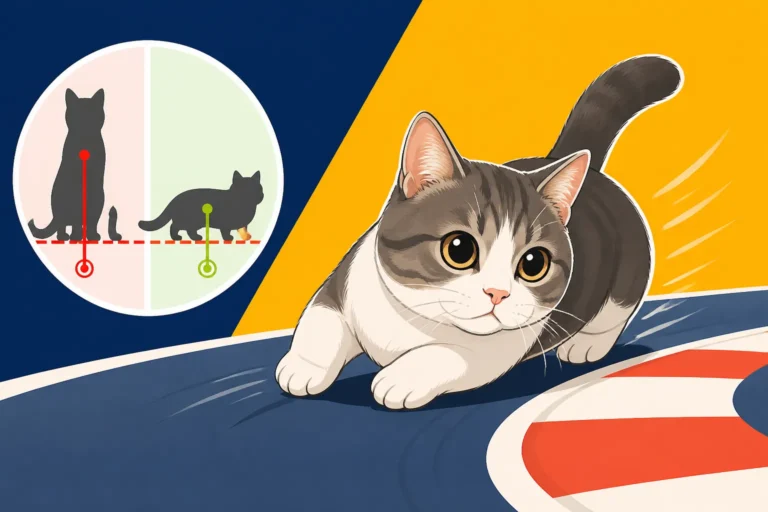
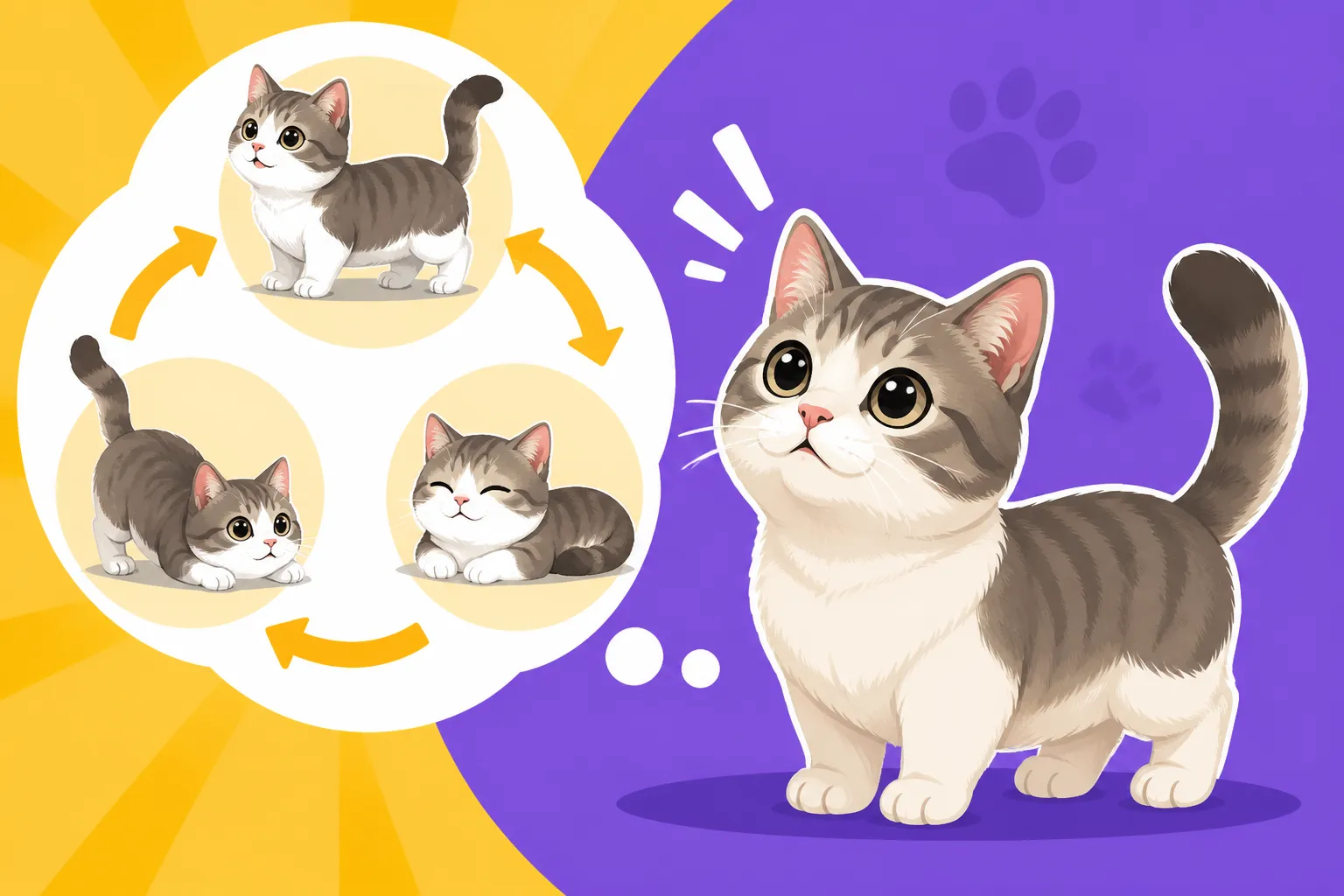
The "prairie dog sit" is precisely what it sounds like: a cat standing upright on its hind legs, much like a prairie dog observing its surroundings. Their short front legs are usually tucked neatly against their chest or dangle loosely, allowing them to balance on their strong, slightly longer hind limbs. They'll often extend their neck and crane their head to get a better view, their ears swiveling to catch every sound. It's a moment of pure curiosity, often accompanied by intense focus. It’s a truly unique posture that sets them apart, and it’s something people specifically look for when interacting with these wonderful cats. You can read more about this fascinating behavior in The Prairie Dog Sit Only a Munchkin Does.
Why Do Munchkins Adopt This Stance?
The primary reason Munchkins adopt this stance is quite simple: their legs are short! Unlike standard cats that can easily jump onto a counter or stretch up a wall to survey their domain, Munchkins operate much closer to the ground. When they want a better vantage point – to see over a low piece of furniture, to get a clearer look at something interesting across the room, or simply to take in their environment – sitting up on their hind legs is their ingenious solution. It gives them those precious extra inches of height that make all the difference in their world. It’s not just about seeing, either; it’s about hearing and smelling better too, elevating their sensory organs above immediate floor distractions. It’s their way of maximizing their observational skills, proving that even with short legs, they're incredibly resourceful.
Factors Influencing the Frequency of the Sit
So, how often does a Munchkin do this? There’s no hard and fast rule, as it varies quite a bit from cat to cat. However, several factors play a significant role in how frequently you'll witness this charming posture. It’s not a constant pose, but rather a reaction to their environment and their innate curiosity.
Environmental Triggers
Think of the prairie dog sit as a cat's periscope. When something interesting happens that's just out of their immediate line of sight, up they go. This means environmental triggers are huge indicators of how often you'll see it. A new sound, like the doorbell ringing or a car pulling up outside, will often prompt a sit. The sudden movement of a toy, another pet, or even a human walking by can make them pop up for a better look.
Imagine your Munchkin lounging peacefully on the rug. Suddenly, a bird lands on the windowsill, or a squirrel scurries past the window. Your Munchkin might not be able to see it clearly from their low vantage point, so they'll sit up to get a full view, ears swiveling. If your home has a lot of activity – kids playing, other pets chasing, frequent visitors – you might find your Munchkin sitting up more often to stay abreast of the goings-on. Conversely, a quiet home with less to stimulate their curiosity might see fewer instances of the sit. It's all about what's happening just beyond their ground-level perspective.
Individual Personality and Curiosity Levels
Just like people, cats have unique personalities. Some Munchkins are incredibly curious and outgoing, wanting to be involved in everything. These are the ones who will likely adopt the prairie dog sit more frequently. They're constantly observing, assessing, and trying to get the best possible view of their world. They might sit up just to watch you prepare dinner, or to see what’s inside that grocery bag you just brought home.
Other Munchkins might be a bit more laid-back or shy. They might prefer to observe from a less exposed position, or simply not feel the urge to stand up as often. They might peek around corners or use low furniture instead. The breed, as a whole, is known for its playful and curious nature, so most Munchkins will do it, but the frequency really depends on that individual spark of inquisitiveness. If your Munchkin is particularly active and engaged, always exploring and investigating, expect to see the sit quite often throughout the day.
Age and Physical Condition
Age and overall physical condition can also impact how often a Munchkin performs the prairie dog sit. Young, healthy kittens and adult Munchkins typically have the strength and flexibility to pop up and hold the pose with ease. They're agile and full of energy, so it's a natural movement for them.
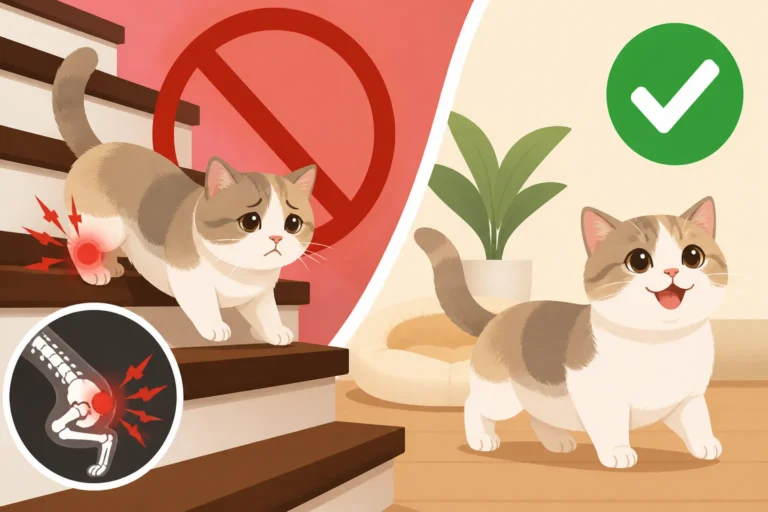
However, as a Munchkin ages, particularly into their senior years, you might notice a decrease in the frequency or duration of their sits. Just like humans, older cats can develop joint stiffness or arthritis. Standing upright on hind legs, even for a short period, can put strain on their spine and hips. If you've been noticing your senior Munchkin slowing down, perhaps struggling with jumps they once made easily, or showing less enthusiasm for play, they might also be reducing their prairie dog sits. You can learn more about how age affects their mobility in At What Age a Munchkin Starts to Stiffen and What an Old Munchkin Stops Being Able to Do. If you observe any hesitation, discomfort, or a wobble when they try to sit up, it’s always a good idea to consult your vet.
Here's a quick look at factors that generally influence the frequency of the prairie dog sit:
| Factor | High Frequency (More Often) | Low Frequency (Less Often) |
|---|---|---|
| Environment | Busy household, new sounds/sights | Quiet home, predictable routine |
| Personality | Highly curious, outgoing, observant cat | More reserved, shy, or relaxed cat |
| Age | Young, active adult Munchkin | Very young kitten (still learning), senior cat |
| Physical Condition | Healthy, agile, no joint issues | Stiffness, arthritis, pain, overweight |
| Motivation | Strong interest in observing surroundings | Little of interest, content to relax |
Observing and Interpreting the Sit
While the prairie dog sit is adorable and a normal Munchkin behavior, it's also worth understanding what it means for your cat and when it might indicate something more. As a pet parent, being observant is key to ensuring your furry family member stays happy and healthy.
Is the Sit Always a Good Sign?
For most healthy Munchkins, the prairie dog sit is a perfectly normal and harmless behavior. It's a natural adaptation to their unique physique, a way for them to interact with their environment effectively. It shows they are engaged, curious, and feeling well enough to hold the pose. Think of it as a testament to their cleverness and physical capability.
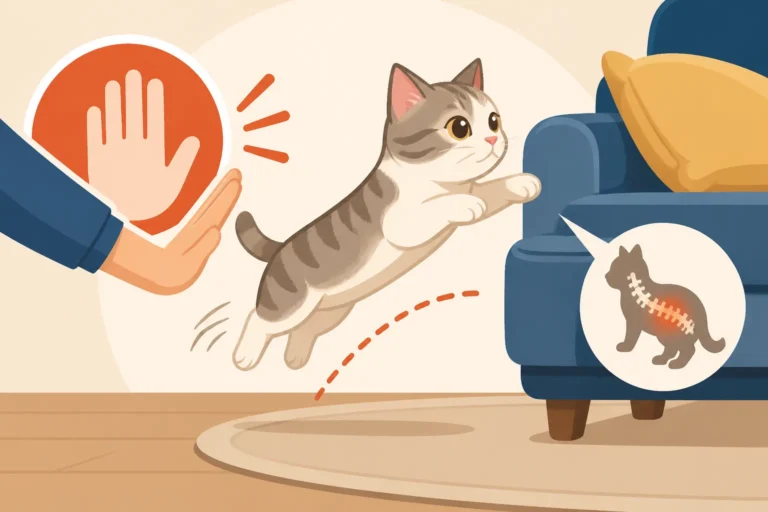
However, it's worth considering the underlying mechanics. Standing on hind legs does place a load on their spine. While studies generally indicate that the Munchkin's spine is the same length and structure as a normal cat's, the repetitive motion or sustained posture could, theoretically, contribute to wear over time, especially if the cat is overweight or has pre-existing spinal issues like lordosis. For more in-depth information on this, check out Whether the Prairie Dog Sit Strains a Munchkin's Spine. Generally, if your Munchkin is otherwise active, playful, and shows no signs of pain, these short bursts of upright posture are typically not a cause for concern. It's part of their unique charm and how they explore their world.
When to Be Concerned
While the sit is generally benign, there are times when you might want to pay closer attention. If you notice a sudden change in how your Munchkin performs the sit, it could be a subtle sign of discomfort. For example:
- Reluctance or Hesitation: If your Munchkin, who used to sit up frequently, now rarely does it, or seems to hesitate before attempting it.
- Difficulty Holding the Pose: If they appear wobbly, struggle to maintain balance, or can only hold the pose for a very brief moment before sinking back down.
- Signs of Pain: Any vocalization (meowing, hissing), flinching, or stiffness after performing the sit could indicate discomfort. Watch for licking at their hips or lower back.
- Changed Posture: If their spine looks unusually curved or rigid when sitting up, or if they seem to favor one side.
These changes could suggest the onset of arthritis, a spinal issue like lordosis, or other musculoskeletal problems. Catching these signs early and discussing them with your veterinarian can help manage any potential issues and ensure your Munchkin maintains a good quality of life. Regular vet check-ups are always a good idea, especially as your cat ages.
Encouraging Healthy Behaviors Around the Sit
While we want our Munchkins to be curious and engaged, it’s important to create an environment that supports their unique physical needs and minimizes strain. This means making their world accessible so they don't have to over-exert themselves just to see what's happening.
Creating a Safe and Accessible Environment
The best way to support your Munchkin’s natural curiosity without putting undue stress on their body is to ensure their environment is set up for success. Think of it from their perspective: everything is a bit higher and harder to reach. This means strategically placing furniture or providing alternatives so they don't have to jump or strain unnecessarily.
Ramps and steps are your best friends as a Munchkin owner. These aren't luxuries; they're essential equipment. Ramps and Steps Are Munchkin Equipment, Not Luxuries is a great resource. Place ramps or pet stairs next to sofas, beds, and windowsills so your Munchkin can easily access their favorite spots without repeated jumping or straining. You can find a wide variety of these on platforms like Amazon, from carpeted ramps to sturdy wooden steps, designed to suit various furniture heights. Ensure they have a non-slip surface to give your Munchkin confidence. Consider also the height of cat trees; many standard cat trees have platforms spaced too far apart. Look for low-profile cat trees or those with closely set platforms, sometimes marketed for senior cats or kittens. You can even find smaller, more adaptable options on Amazon that cater to their unique jumping limits, as discussed in Which Cat Tree Layout Suits a Munchkin and How Many Inches a Munchkin Can Jump.
Engaging Play and Enrichment
A curious Munchkin is a happy Munchkin, and playtime is a fantastic way to engage their minds and bodies healthily. Since they operate at floor level, focus on toys that cater to their height. Wand toys with feathers or small plush items dragged along the floor are perfect for encouraging chasing and pouncing without requiring them to jump high. Laser pointers, while not a substitute for physical toys, can also get them moving.
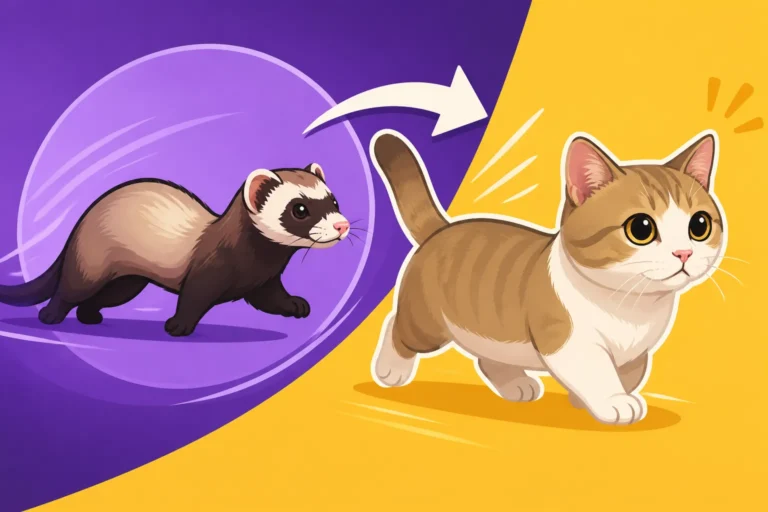
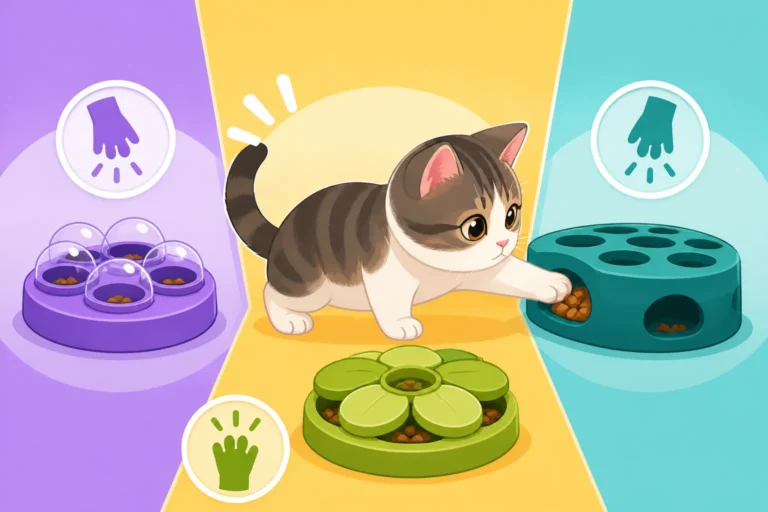
Puzzle feeders are another excellent way to provide mental stimulation and keep them engaged. Look for floor-level puzzle feeders on Amazon that your Munchkin can easily access without having to reach or stand on their hind legs excessively. This taps into their hunting instincts and keeps their minds sharp. Remember, even with short legs, Munchkins are quite agile and fast on the flat, so interactive play helps them burn energy and maintain a healthy weight, which is crucial for joint health. How Much Floor Level Play a Munchkin Needs delves deeper into appropriate play. By providing plenty of accessible enrichment and ensuring their home environment is adapted to their needs, you can help your Munchkin live a full, happy, and healthy life, whether they’re sitting up like a prairie dog or zooming across the living room. It’s all about helping them be their best, most curious selves and judging their quality of life, as explored in How to Judge a Munchkin's Quality of Life, by understanding their unique needs. It is also important to remember that for your Munchkin, their world is perfectly normal, and they often don't even know they are different, a topic explored in Whether a Munchkin Knows It Is Different.
Disclaimer
This article is for general informational purposes only and does not constitute professional advice. Laws, prices and regulations vary by location and change over time. Consult a qualified professional for guidance on your specific situation.