How Many Inches a Munchkin Can Jump
One of the most common questions I hear from potential Munchkin owners, and even those who've loved them for years, is about their jumping ability. It’s a natural curiosity, especially when you’re used to seeing cats effortlessly scale bookshelves and countertops. You might find yourself wondering if your adorably short-legged companion can ever truly reach those enticing high spots, or if they’re forever grounded. This guide is here to provide a realistic, empathetic look at how high a Munchkin cat can actually jump, what factors influence it, and how you can best support your unique feline friend in a world built for longer legs.
Understanding the Munchkin's Unique Physiology and Jumping Mechanics
It's tempting to think of a Munchkin cat as simply a regular cat with shorter legs, but their unique physical structure means their jumping mechanics are fundamentally different. Understanding these differences is key to appreciating their abilities and limitations.
The True Impact of Short Legs on Jumping Height
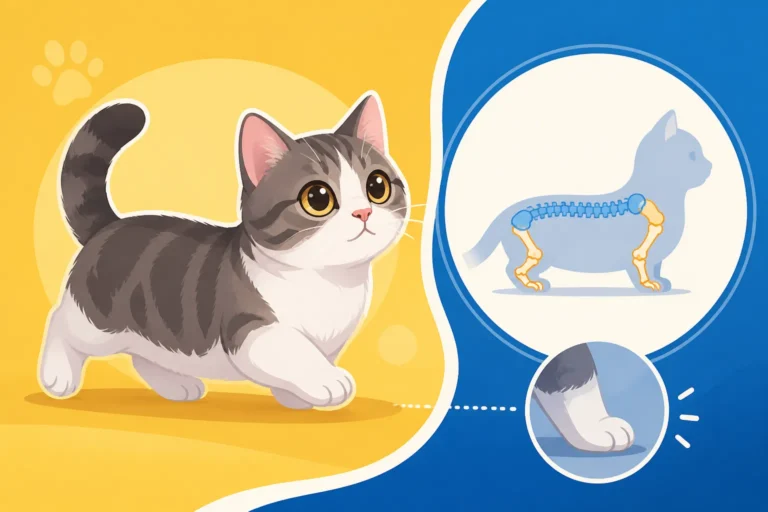
When a typical cat prepares to jump, they coil their powerful hind legs, pushing off with explosive force. Their longer leg bones act like springs, providing significant leverage and a wide range of motion to propel their body upwards and forwards. It’s a beautifully efficient display of power and agility.
For a Munchkin, that process is altered. While their muscles are still strong, the shortened leg bones mean they have significantly less leverage and a reduced range of motion for that initial push-off. Imagine trying to jump as high as you can with your knees bent at a sharp angle – you simply can't generate the same upward thrust. This isn't to say they can't jump; it just means the mechanism and output are different. They compensate by using more of their back muscles and core strength, often relying on a quick, powerful burst rather than a sustained spring. This limits the initial height they can achieve from a standstill.
Because of this physiological reality, it's rare to see a Munchkin make a single, clean leap to a high countertop or the top of a tall cat tree. They simply lack the anatomical tools to generate the necessary vertical momentum that their longer-legged counterparts possess. It's not a lack of desire or athleticism, but a direct consequence of What Pseudoachondroplasia Does to a Munchkin's Legs.
Beyond Just Leg Length: Body Proportions and Center of Gravity
It's not just the legs; a Munchkin's entire body proportion plays a role in their jumping and overall movement. While their legs are short, their body length and spine are typically of normal feline proportions. This gives them a slightly lower center of gravity compared to other cats. This low center of gravity actually helps them with stability and quick turns on flat ground, making them surprisingly fast and agile when chasing toys across the floor. How Fast a Munchkin Runs on Level Ground is often a surprise to new owners!
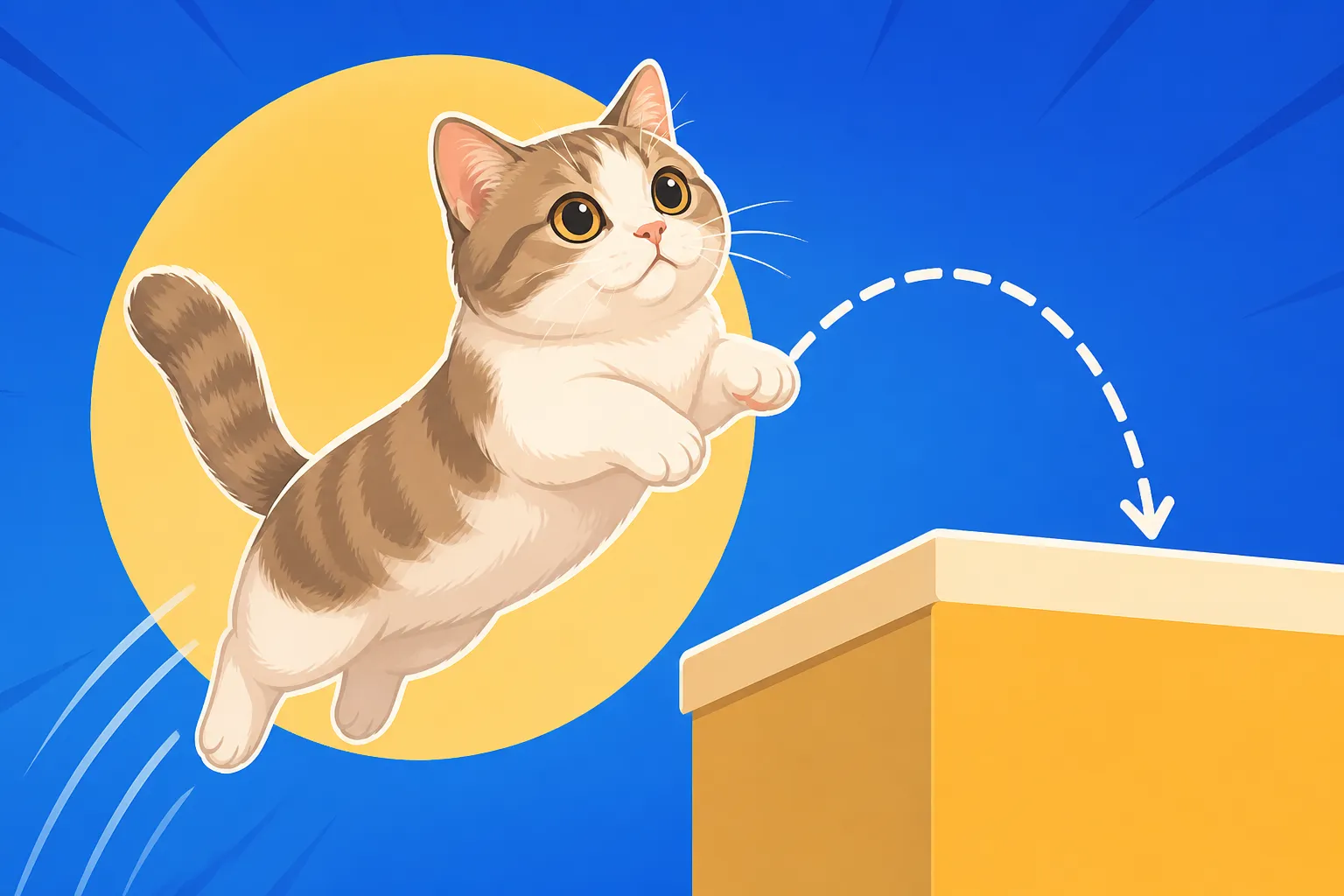
However, when it comes to jumping, this lower center of gravity, combined with shorter legs, means they have a harder time lifting their entire body mass off the ground vertically. They often need to gather themselves more deliberately, and their jumps tend to be more horizontal, like a powerful hop, rather than a soaring vertical leap. You'll notice they often try to launch themselves from a surface rather than simply springing up from the floor.
They also need excellent grip on their launching pad. A slippery floor or a wobbly piece of furniture can significantly reduce their already limited jumping capacity, making them hesitate or even give up on an attempt. Their short stature means that any miscalculation or loss of footing during a jump could lead to a harder landing or a fall from a greater relative height, making stable surfaces even more crucial.
The "Spring" in Their Step: What a Munchkin Can Achieve
So, what does this all mean in practical terms? How high can a Munchkin jump? While every cat is an individual, most Munchkins can manage a single vertical leap of around 12-18 inches (30-45 cm) from a flat surface. This can vary quite a bit, of course. A very athletic, young Munchkin might surprise you with a jump closer to 20 inches (50 cm) if highly motivated, while an older or less agile one might struggle with anything over 10 inches (25 cm).
Think about common household items:
- Easy jumps: A low footstool, a pet bed, the first tier of a very low cat tree.
- Possible, but often with effort: A low sofa, a dining chair, the edge of a human bed (if not too high). They often need to launch themselves from an adjacent piece of furniture or use a "two-stage" jump.
- Highly unlikely for a single leap: Kitchen counters, tall windowsills, the top of a standard bookcase, or the highest platforms of traditional cat trees. These are typically out of reach without intermediate steps.
It's worth noting that their horizontal jumping can be quite impressive for their size. They can clear a surprising distance across a gap if the landing is within their reach, often looking more like a squirrel or ferret scampering than a typical cat's graceful arc. This is part of A Munchkin Is a Normal Cat That Cannot Reach's charm and adaptability.
Factors Influencing a Munchkin's Jumping Ability
While their short legs are the primary determinant, a Munchkin's jumping prowess isn't set in stone. Several factors can significantly influence how high and how often your cat will attempt to jump.
Age and Physical Condition
Just like people, cats' physical abilities change with age. A playful, energetic Munchkin kitten between six months and two years old will likely be at the peak of their jumping capabilities. Their muscles are strong, their joints are supple, and they're often fearless in exploring their environment. They're still learning their limits, though, and might try jumps that are a bit ambitious.
As a Munchkin ages, particularly past the senior mark around eight to ten years old, you'll likely notice a decline in their jumping. Joints naturally stiffen, muscles might lose some mass, and conditions like arthritis can set in. An older Munchkin might become more reluctant to jump, or they might try, but visibly struggle, hesitating before landing or appearing stiff afterward. This is when maintaining a healthy weight becomes even more critical, as Why Weight Is More Dangerous on a Munchkin due to the added strain on their smaller joints. You might notice signs like How Osteoarthritis Shows in a Munchkin's Shoulders or Why a Munchkin's Elbows Take the Landing after even small impacts.
Weight plays a huge role at any age. An overweight Munchkin will find jumping significantly more challenging and potentially painful. Every extra pound puts undue stress on their short legs and spine, making high jumps not only difficult but also risky. A lean, fit Munchkin, on the other hand, will generally have an easier time maneuvering their body.
Motivation and Environment
A highly motivated Munchkin might attempt a jump they'd otherwise ignore. Is there a favorite toy perched just out of reach? Is their favorite human sitting on a sofa, offering cuddles? Or perhaps there's a fascinating bird fluttering just outside a low window, spurring them into action. Strong motivation can often push a Munchkin to extend their typical jumping range by a few inches.
The environment itself is also crucial. A sturdy, non-slip launching pad can make all the difference. A carpeted floor or a rough surface provides better traction than a slick tile or hardwood floor, allowing them to get a better grip for their push-off. Similarly, the landing surface matters. A soft bed or a plush cat tree platform is much more inviting and forgiving than a hard table. If they've had a bad landing experience, they might be hesitant to try similar jumps again.
A secure and familiar environment where they feel safe to explore their physical limits will also encourage them. A new home or a chaotic household might make them more cautious, whereas in their own adapted space, they'll know exactly which routes are safe and what they can confidently reach.
Learning and Adaptation: The Munchkin's Clever Solutions
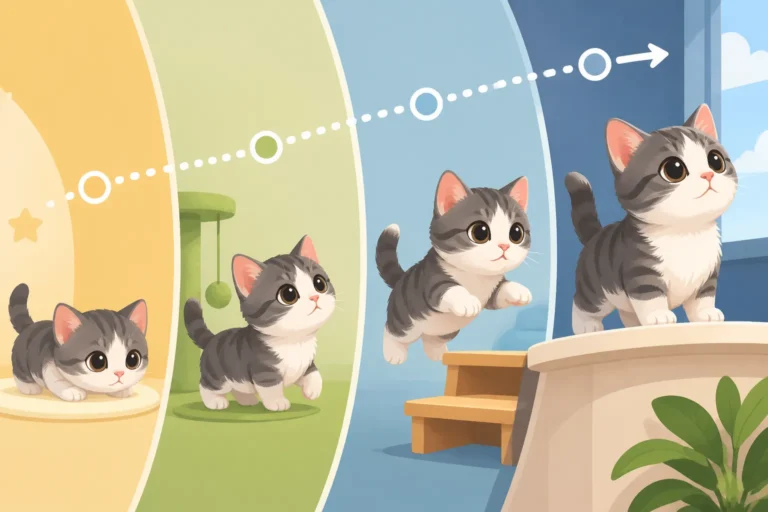
Munchkins are incredibly intelligent and adaptable. They quickly learn their physical limitations and, rather than getting frustrated, they often find clever workarounds. Instead of making a single large jump, they become masters of the "staircase" approach. If they want to reach a high shelf, they'll often look for intermediate steps: first jumping onto a low chair, then perhaps onto a side table, and finally to their desired destination. This strategy is beautifully described in How a Munchkin Uses Furniture as a Staircase.
They also use their unique body shape to their advantage. You'll see them "sit up" on their hind legs, like a prairie dog, to get a better view or to reach something just a little higher. This distinctive posture, which many owners adore, allows them to extend their vertical reach temporarily, assessing whether a jump is feasible or if they need to find another route. They are persistent and will often try multiple angles or routes to get where they want to go, demonstrating remarkable problem-solving skills despite their unique physiology.
Practical Implications for Munchkin Owners: Creating a "Jump-Friendly" Home
Understanding your Munchkin's jumping limitations isn't about restricting them; it's about empowering them to live a full, safe, and enriched life. This means creating an environment that caters to their unique needs.
Assessing Your Munchkin's Personal Jumping Limits
Every Munchkin is an individual, and their jumping abilities can vary. It’s important to observe your own cat carefully to understand their specific limits. Watch how they interact with their environment. Do they struggle to get onto the sofa? Do they hesitate before trying a jump? Or do they seem to scale low furniture with ease? Pay attention to their body language before and after a jump. Are they confident, or do they seem anxious or in pain?
You can gently test their capabilities by placing favorite toys or treats on progressively higher, but still safe, surfaces. Always be there to spot them, and never force them to jump if they seem reluctant. Look for signs of discomfort like stiffness, limping, or excessive licking of joints after a jump. If you notice any of these, it's a good idea to consult your vet. They can help you understand How a Vet Watches a Munchkin Walk and assess any potential issues.
Remember, the goal isn't to push them to jump higher, but to understand what they can do safely and comfortably so you can modify your home accordingly. Their happiness and well-being should always be the priority, even if it means rethinking traditional cat-centric home setups.
Providing Safe Alternatives to Jumping
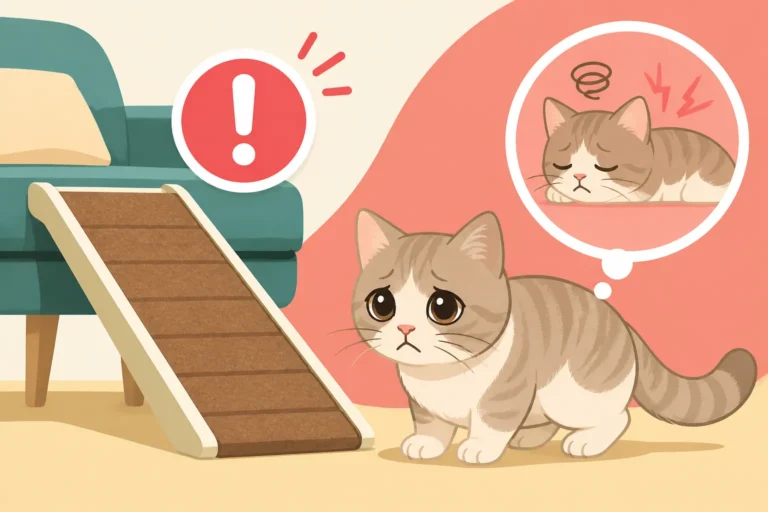
Since most standard furniture and cat accessories are designed for cats with longer legs, Munchkin owners often need to get creative. The key is to provide ramps, steps, and strategically placed furniture that allow them to access desired heights without risky jumps. Ramps and Steps Are Munchkin Equipment, Not Luxuries – they are essential tools for a Munchkin's mobility and quality of life.
Consider the following:
- Pet Ramps and Steps: These are invaluable. Look for sturdy, carpeted ramps or steps with a gentle incline. Many excellent options can be found on platforms like Amazon. Place them next to sofas, beds, windowsills, or even to reach a favorite lookout spot. How to Teach a Munchkin to Use a Ramp is a great resource for getting your cat accustomed to these aids.
- Lowered Furniture: If possible, consider lower-profile furniture. A lower bed frame or a shorter coffee table can make a big difference in what your Munchkin can access independently.
- Tiered Cat Trees: Standard cat trees often have wide gaps between platforms. Look for Munchkin-friendly cat trees with platforms that are closer together (typically no more than 12-15 inches apart vertically). If you have an existing cat tree, you can add small shelves or platforms to create intermediate steps. Amazon offers modular cat furniture that can be customized.
- Window Perches: Every cat loves a window perch. Install low window perches or ensure there are steps leading up to an existing one so your Munchkin can enjoy the view without dangerous leaps.
Preventing Accidental Falls and Injuries
One of the most important aspects of caring for a Munchkin is preventing falls and injuries that could stress their unique spine and joints. Because their legs are short, any fall from a height can have a more significant impact on their body.
- Discourage high jumps: If your Munchkin is routinely attempting jumps that are clearly too high, gently intervene. Lure them down with toys, offer a ramp, or block access to the most tempting, risky high spots.
- Secure furniture: Make sure any furniture they use as steps is stable and won't wobble or tip when they jump on or off it.
- Soft landings: Where possible, place soft rugs or pet beds beneath areas where they frequently jump, providing a cushioned landing zone.
- Be mindful of spinal health: Munchkins are prone to conditions like lordosis, a spinal curvature that can be exacerbated by impact or strain. Falls can put significant stress on their spine, which already carries a load different from a normal cat's. Why a Munchkin's Spine Carries a Load a Normal Cat's Does Not is a crucial read for understanding these risks. Repeated heavy landings can also accelerate joint wear and tear. What Lordosis Actually Is in a Munchkin can give you more insight into this condition.
By taking these proactive steps, you're not just making your home accessible; you're protecting your Munchkin from potential harm and ensuring they can explore their world comfortably and safely.
Common Misconceptions and Realistic Expectations
It's easy to project our understanding of a typical cat's abilities onto a Munchkin, but managing expectations is key to a happy life together. Let's clear up some common misunderstandings.
The Myth of the "Normal" Jumper
One of the biggest misconceptions is that a Munchkin can, or should, be able to jump like a normal-legged cat. Unfortunately, this isn't realistic. Their genetics dictate their short limbs, and while they are incredibly agile and clever, they simply don't have the same physical mechanism for high vertical leaps. It's unfair to them to expect it, and it can lead to frustration for both cat and owner.
You might see videos online of Munchkins making impressive jumps, but often these are either highly motivated, from an elevated starting point, or the video doesn't show the many failed attempts or the careful "staircasing" they employed. While a short burst of speed and a powerful horizontal hop might get them onto a low chair, reaching the top of your fridge in one go is generally out of the question. Comparing them to a breed like a Bengal or a Savannah, known for their incredible athleticism and jumping prowess, would be like comparing a corgi to a greyhound in a sprint – they both run, but with very different results.
Celebrating Their Unique Abilities
Instead of focusing on what they can't do, let's celebrate what makes Munchkins so special! They are incredibly playful, curious, and often possess an endearing ferret-like agility on the ground. They dart, they weave, and they play with a zest that's truly captivating. Their lower center of gravity and compact size make them excellent at cornering and navigating tight spaces. Why a Munchkin Corners Faster Than It Should is a testament to their unique mechanics.
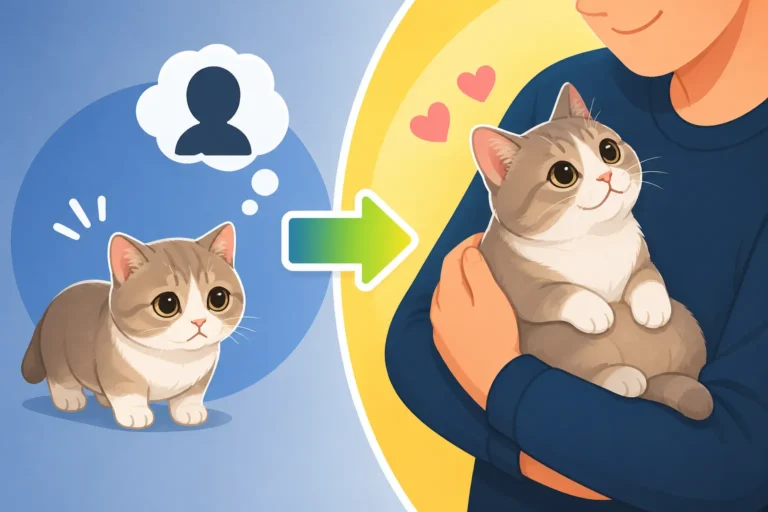
They are master explorers of the lower levels of your home, finding treasures and hiding spots that longer-legged cats might overlook. Their signature "prairie dog sit" allows them to survey their domain, adding to their charm and resourcefulness. Many Munchkin owners report that their cats are very vocal and social, often requesting to be lifted when they want to reach a high spot for cuddles or observation. They develop a unique bond with their humans, relying on them for access to parts of their world.
When to Consult Your Vet About Mobility
While some decline in jumping and mobility is natural with age, sudden changes or persistent struggles should always prompt a visit to your veterinarian. If your Munchkin, who previously easily hopped onto the sofa, now hesitates or cries out, it's a red flag.
Look for signs such as:
- Reluctance to jump or use ramps/steps they previously enjoyed.
- Difficulty rising after lying down.
- Limping, stiffness, or an altered gait.
- Pain responses when touched around their legs, hips, or spine.
- Decreased activity levels or unusual lethargy.
- Changes in grooming habits, especially neglecting their hindquarters, which might indicate discomfort in bending.
These could be indicators of arthritis, spinal issues like lordosis, or other underlying health problems that require veterinary attention. Early diagnosis and intervention can significantly improve your Munchkin's quality of life and help manage pain. Your vet can advise on joint supplements, pain management, or even therapies like hydrotherapy if needed.
Here’s a quick overview of typical Munchkin jumping capabilities:
| Feature/Height | General Capability | Typical Height (Approx.) | Notes |
|---|---|---|---|
| Vertical Jump from Floor | Limited | 12-18 inches (30-45 cm) | Highly variable based on individual, motivation, and physical condition. |
| Horizontal Leap | Good for their size | Up to 2-3 feet (60-90 cm) | Often uses a running start; more like a powerful hop. |
| Reaching a Low Sofa/Chair | Usually manageable | 10-15 inches (25-38 cm) | May require effort, especially if older or heavier. |
| Reaching a Human Bed | Often requires steps/ramp | 18-24 inches (45-60 cm) | Most will struggle with a single jump to standard bed height. |
| Kitchen Counter/Table | Extremely difficult/Rare | 30+ inches (75+ cm) | Almost always requires intermediate steps or "staircasing." |
| Cat Tree Platforms | Requires close spacing | 12-15 inches (30-38 cm) between platforms | Standard cat trees often have platforms too far apart. |
| Windowsill | Depends on height, usually needs aid | Varies, often 18-36 inches (45-90 cm) | Low sills might be accessible; higher ones need ramps/steps. |
The Munchkin cat is a joy to have in your home, bringing endless entertainment with their playful personalities and unique way of navigating the world. By understanding their physical realities regarding jumping, and by thoughtfully adapting your home to their needs, you can ensure your short-legged friend lives a long, happy, and comfortable life, full of accessible adventures. They might not jump to the stars, but they'll certainly leap into your heart!
Disclaimer
This article is for general informational purposes only and does not constitute professional advice. Laws, prices and regulations vary by location and change over time. Consult a qualified professional for guidance on your specific situation.