Why a Munchkin Corners Faster Than It Should
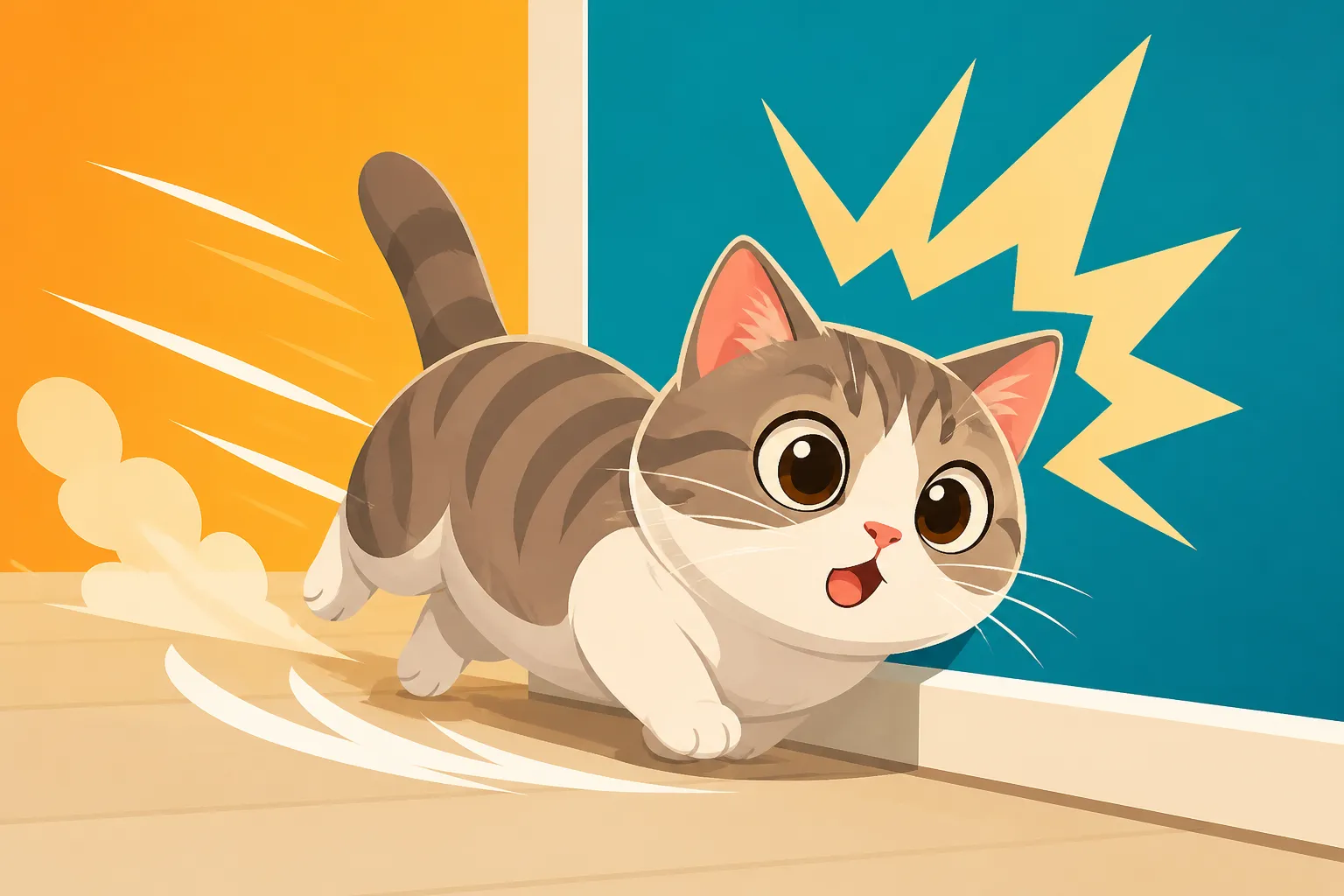
It’s a sight that often makes you do a double-take: your little Munchkin cat, with those famously short legs, suddenly zipping around a corner with a speed and precision that seems utterly impossible for their stature. You might even find yourself thinking, "How did they do that?" or "They corner faster than they should!" This common observation isn't just your imagination; there are some very real, very fascinating reasons why Munchkins are surprisingly nimble and stable when navigating tight turns, and understanding these can help you appreciate their unique athleticism even more.
The Foundations of Munchkin Agility
When you first meet a Munchkin, the defining characteristic is, of course, their short legs. It’s natural to assume that this would make them less agile, slower, or even a bit clumsy. But as many owners quickly discover, the reality is often quite different. Their unique body structure, far from being a hindrance in every aspect of movement, actually gifts them some surprising advantages, particularly when it comes to quick directional changes.
The Distinctive Munchkin Build
The Munchkin cat's signature short legs are the result of a genetic mutation, specifically a form of pseudoachondroplasia. This condition affects the long bones of the legs, causing them to be significantly shorter than those of a typical cat, while the rest of their body, including their spine, remains normal length. This is a crucial distinction; they aren't miniature versions of cats, but rather cats with shortened limbs and an otherwise standard feline body. Why a Munchkin's Legs Are Short but Its Body Is Not
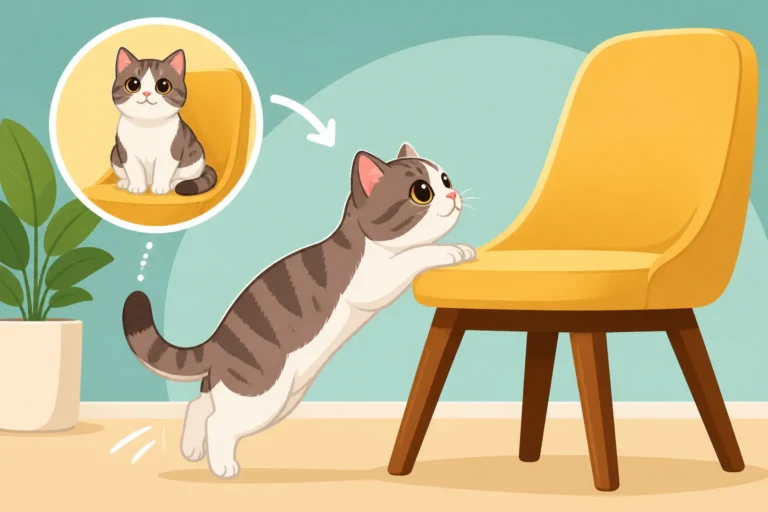
Think of it this way: you have a regular cat's torso, head, and tail, but it's set on smaller, sturdier legs. This creates a distinct physique that places their body closer to the ground. Their chest might seem lower, and their belly often appears quite close to the floor, even when they're lean. This low-slung profile is central to their unexpected agility. While it means they can't jump as high as their long-legged cousins or reach elevated surfaces without assistance, it fundamentally alters their relationship with gravity and their environment in ways that enhance certain movements.
Dispelling Misconceptions About Speed
It's easy to look at a Munchkin and assume that "short legs equal slow cat." And for certain activities, like scaling tall objects or sustained high-speed pursuit over long distances, this can indeed be true. However, their speed isn't about top-end velocity in a straight line, but rather about bursts of acceleration and, most notably, rapid changes in direction.
Many Munchkin owners will tell you that their cats are surprisingly quick over short distances, especially indoors. They can dart from one room to another, weave through furniture, and chase a toy with impressive bursts of speed. How Fast a Munchkin Runs on Level Ground This short-burst agility is amplified when they need to make a sharp turn. Instead of being hindered, their particular build actually facilitates these quick, precise maneuvers, allowing them to adjust their course almost on the fly without losing momentum or stability. It's less about raw speed and more about efficient, dynamic movement within their immediate environment.
The Science of the Low Center of Gravity
This is where the real magic happens for a Munchkin's cornering ability. The key lies in physics, specifically the concept of a low center of gravity. It's not just a fancy term; it's a fundamental principle that explains why they can corner with such surprising efficacy.
What a Low Center of Gravity Means
Imagine a pyramid versus a tall, slender vase. The pyramid is incredibly stable; you'd have to push it very hard to tip it over. The vase, however, is much easier to topple. The difference? Their center of gravity. The pyramid's weight is distributed low to the ground, giving it a low center of gravity, while the vase's weight is higher, making it less stable.
For a Munchkin, their body mass is inherently closer to the ground compared to a long-legged cat. Their short legs act like built-in stabilizers, essentially lowering their entire center of gravity. This isn't just a minor difference; it dramatically impacts how they maintain balance, especially during dynamic movements like running and turning. They aren't constantly fighting against a higher point of leverage that could cause them to wobble or fall.
How It Boosts Cornering Stability
Now, connect that low center of gravity to cornering. When any animal (or vehicle, for that matter) turns, centrifugal force tries to push them outwards and potentially off balance. The higher the center of gravity, the more pronounced this outward push feels, and the greater the risk of tipping. This is why race cars are designed to be extremely low to the ground – to maintain maximum stability through high-speed turns.
A Munchkin experiences this centrifugal force as well, but because their center of gravity is so low, they are inherently more stable. They don't have to lean as dramatically into a turn to counteract the force, and their body is less prone to rolling or losing traction. This allows them to execute sharper turns at higher speeds without compromising their balance. It's like they have a natural wide stance built into their very anatomy, making them incredibly grounded. This inherent stability means less energy is spent on maintaining balance, freeing them up to focus on the turn itself. Why a Munchkin's Low Body Helps It Chase They don't "corner faster than they should," they corner as fast as their unique biomechanics allow them to, which is often faster than we'd initially guess!
Here’s a quick comparison of how a Munchkin's physical attributes contribute to its distinct movement style compared to a long-legged cat:
| Feature | Long-Legged Cat | Munchkin Cat |
|---|---|---|
| Center of Gravity | Higher, requires active balance | Lower, provides passive stability |
| Cornering Speed | Can be fast, but higher risk of instability at very sharp angles | Surprisingly fast, highly stable through sharp angles |
| Stride Length | Longer, covers more ground per step | Shorter, allows for more frequent micro-adjustments |
| Foot Placement | Broader stance often maintained for momentum | Finer, quicker adjustments, enables tighter pivots |
| Stability during Turn | Requires more active body lean and compensation | Naturally stable, less active compensation needed |
| Reaction Time to Obstacles | May require a moment to re-position for sharp turns | Quicker to change direction due to inherent stability and rapid footwork |
Precision Footwork and Maneuverability
Beyond the low center of gravity, the actual mechanics of how a Munchkin places its paws and moves its legs also plays a significant role in its surprising cornering prowess. Their short limbs dictate a different style of locomotion that is particularly advantageous for intricate navigation.
Shorter Strides, Quicker Adjustments
Long-legged cats tend to have longer strides, covering more ground with each step. This is efficient for straight-line speed but can sometimes be a slight disadvantage when instant, precise foot placement is required for a sharp turn or to navigate obstacles. Imagine trying to make a tight turn on a bicycle with very long pedals; it's harder to make small, immediate adjustments.
Munchkins, with their shorter legs, naturally take more frequent, smaller steps. This means their paws are on and off the ground more rapidly, allowing for quicker micro-adjustments to their body position and direction. Instead of having to commit to a long stride through a turn, they can "shuffle" their way around, adjusting their angle with each rapid paw placement. This gives them an incredible ability to pivot and change direction with minimal effort or loss of momentum. It's a continuous series of small corrections that makes their turns appear so fluid and effortless. How a Munchkin Changes Direction at Speed They aren't just running; they are constantly re-calibrating their movement, especially through complex spaces.
Enhanced Traction and Grip
The way a Munchkin's body is positioned closer to the ground can also contribute to enhanced traction, especially on certain surfaces. With their paws closer to their core body mass, they might be able to apply force more directly and efficiently to the ground when pushing off or gripping through a turn. This isn't necessarily about having 'sticky' paws, but rather about the mechanical advantage of their leverage.
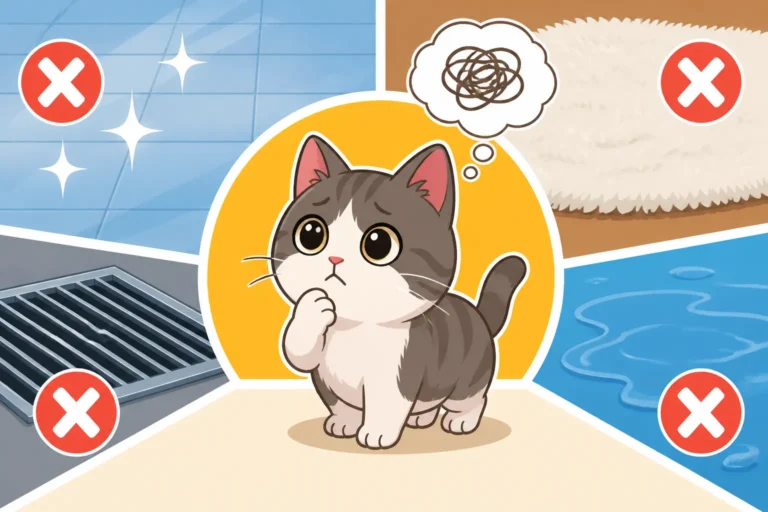
When a long-legged cat turns sharply, its body rolls more, potentially reducing the consistent contact of its paw pads with the ground. A Munchkin's lower, more stable posture means their paws are more consistently in full contact, providing better grip and reducing the chance of slipping. This is particularly noticeable on surfaces like carpet or rugs. However, on slippery surfaces like laminate or tile, any cat can struggle, so it’s wise to ensure your home has plenty of textured rugs or mats, easily found on Amazon, to give them optimal grip for their zippy maneuvers.
Practical Implications for Munchkin Owners
Understanding why your Munchkin corners like a tiny race car isn't just interesting trivia; it has real-world implications for how you interact with them, play with them, and set up their living environment to maximize their happiness and safety.
Adapting Play to Their Strengths
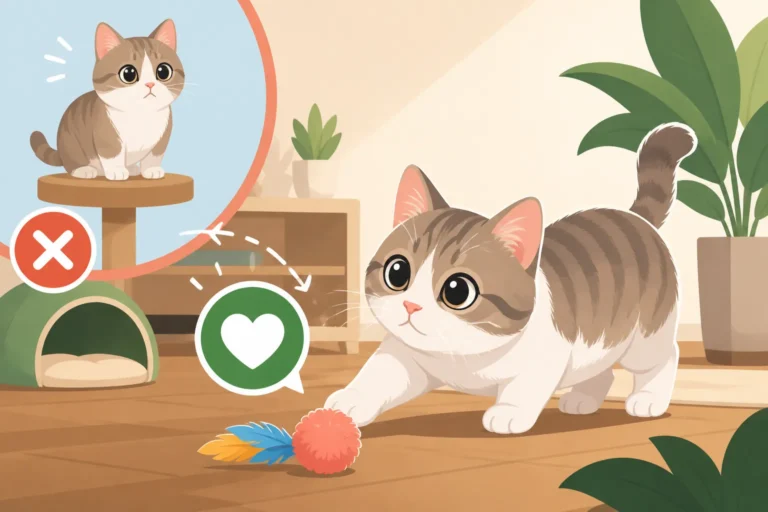
Since Munchkins excel at ground-level agility and quick turns, their play sessions can be incredibly engaging when tailored to these strengths. Forget vertical climbing races up towering cat trees; focus on games that involve chasing, darting, and weaving. Wand toys dragged along the floor, laser pointers (used responsibly and not frustratingly), or small, rolling balls that they can pounce on and chase around furniture are ideal.
Interactive puzzle feeders that require them to move around on the floor to get treats also work wonders, stimulating both their mind and body in ways that suit their physical capabilities. You can find a fantastic selection of floor-level toys and puzzle feeders on Amazon that are perfect for encouraging their natural agility. Which Toys Work at a Munchkin's Height Emphasize activities that let them showcase their incredible ground game rather than focusing on what they can't do vertically.
Ensuring a Safe Environment for Their Speed
While their cornering ability is impressive, it's also a reminder of their unique needs within the home. Because they can dart so quickly, it's crucial to ensure their environment is safe and allows them to move freely without risk. Clear pathways from clutter are a must, as a sudden sharp turn into a forgotten object could cause injury.
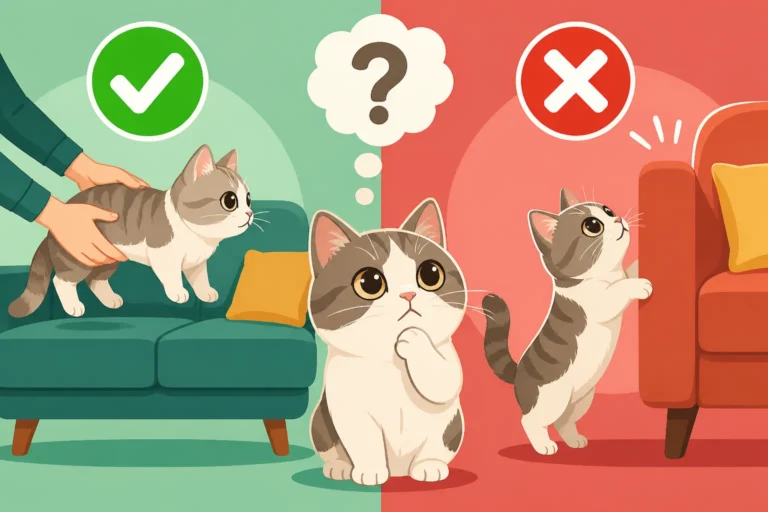
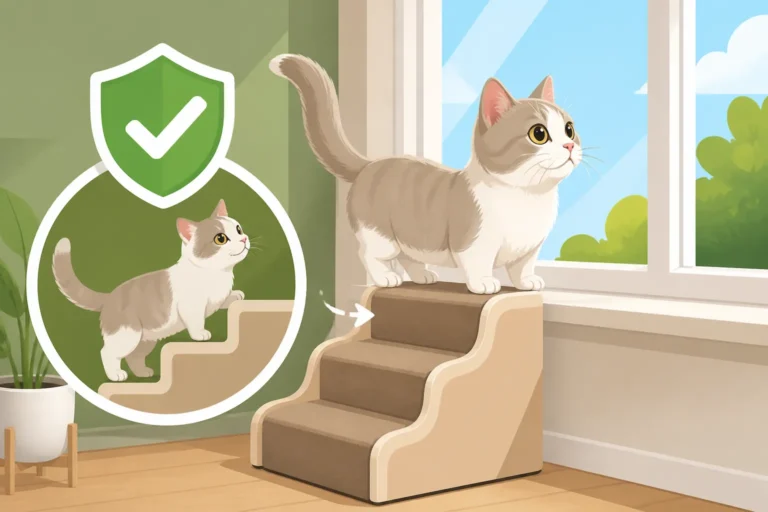
Vertical access is still important, but it needs to be provided safely. Instead of letting them try to leap onto high beds or sofas, which can put strain on their spine despite their agility, offer ramps or pet steps. These allow them to use their natural ground-level movement to ascend and descend safely. You can find a wide range of pet ramps on Amazon that are specifically designed for small dogs or cats, with gentle slopes and good traction. How to Set Up Ramps Around a Munchkin's House Similarly, if you have a cat tree, look for one with close-set platforms that create a "staircase" effect, rather than large gaps between levels. Many excellent, multi-level cat trees suitable for Munchkins are available on Amazon. Which Cat Tree Layout Suits a Munchkin Their belly is very low to the floor, Why a Munchkin's Belly Nearly Touches the Floor so ensure that anything they interact with at ground level, like litter boxes, also has a low entry point.
Observing and Protecting Their Spine
It's important to remember that while their short legs give them a low center of gravity and excellent cornering, their spine is still a crucial part of their anatomy and carries a significant load. While they may not suffer from spinal issues any more than other cat breeds, their unique structure means that unnecessary strain should be avoided. Why a Munchkin's Spine Carries a Load a Normal Cat's Does Not
Repeated high-impact landings from jumping down off furniture can place stress on their back over time. Even if they are adept at getting up, always consider how they get down. The agile cornering is efficient, but gravity still plays a role in descent. Regular veterinary check-ups are vital for monitoring their overall health, including their joints and spine, as they age. Your vet can provide guidance on maintaining a healthy weight for your Munchkin, which is perhaps the single most important factor in protecting their joints and spine throughout their life.
By understanding the physics and biomechanics behind your Munchkin's surprising cornering ability, you can not only appreciate their unique athleticism but also create an environment and play routine that keeps them happy, healthy, and zipping around corners for years to come.
Disclaimer
This article is for general informational purposes only and does not constitute professional advice. Laws, prices and regulations vary by location and change over time. Consult a qualified professional for guidance on your specific situation.