Which Cat Tree Layout Suits a Munchkin
Trying to find a cat tree that your adorable Munchkin can actually use can feel like a mission impossible. You want to give your little low-rider all the enrichment and climbing opportunities of a normal cat, but most cat trees are built for long-legged jumpers, leaving your short-legged friend frustrated and potentially risking injury. This guide will walk you through exactly what makes a cat tree suitable for a Munchkin, helping you choose or adapt one so your furry companion can safely enjoy elevated spaces.
The Unique Challenges a Munchkin Faces with Cat Trees
It’s easy to look at a standard cat tree and assume it’ll work for any cat. After all, cats love to climb, right? While that’s true, the unique physical structure of a Munchkin cat means that most off-the-shelf cat trees are not just unsuitable, but can actually be quite hazardous for them. Their short legs fundamentally alter how they interact with their environment, especially when it comes to vertical exploration.
Understanding the Munchkin's Physical Limitations
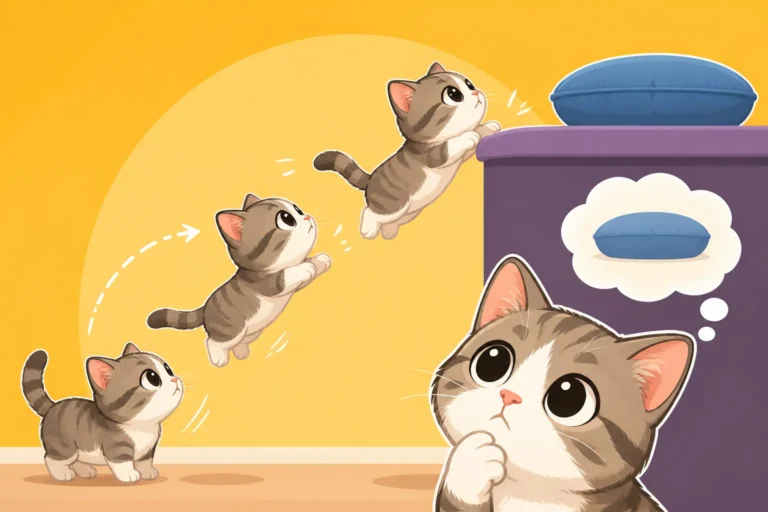
Let's be real, a Munchkin's defining characteristic is its short legs, a result of a genetic mutation called pseudoachondroplasia. While their spine and body length are generally proportional to a regular cat, their limbs are significantly shorter. This means their jumping ability is severely curtailed. They can't launch themselves with the same power or reach the heights that a typical cat can. What might be a small hop for a Domestic Shorthair is an impossible leap for a Munchkin. They might try, oh they will try, because A Munchkin Is a Normal Cat That Cannot Reach but their physical reality just won't cooperate. This isn't laziness; it's a structural limitation that we, as their caregivers, need to understand and respect.
Imagine trying to climb a ladder where every rung is twice as far apart as your normal stride. That's essentially what a standard cat tree feels like to a Munchkin. Their shoulders and elbows are simply not designed for the repeated, high-impact landings that jumping down from tall platforms requires. Over time, these repeated stresses can lead to joint issues and discomfort, even if they don't immediately show signs of pain.
The Dangers of Standard Cat Tree Designs
Standard cat trees are designed with verticality in mind, featuring tall posts and platforms spaced far apart. For a Munchkin, these gaps between platforms are often too wide to bridge with a single jump. This forces them into a precarious situation: either they attempt a jump that's beyond their physical capabilities, risking a fall, or they abandon the climb entirely. A fall from a significant height can lead to serious injury, especially if they land awkwardly on their delicate joints or spine. Why a Munchkin Should Not Be Jumping Down Repeatedly is a crucial consideration here.
Furthermore, many cat trees have small, narrow platforms that are fine for a nimble, long-legged cat to perch on, but can feel unstable for a Munchkin, especially if they try to pivot or turn around. They need a solid, secure surface underfoot to feel safe and confident. A standard cat tree often focuses on providing maximum climbing height rather than accessible, safe progression, which makes it a poor fit for our short-legged friends. It's often said that Why a Standard Cat Tree Is Useless to a Munchkin because it simply doesn't accommodate their unique mobility needs.
Why 'Normal' Cat Behavior Doesn't Apply Here
It's tempting to think that if a cat wants to get somewhere, it'll find a way. And while Munchkins are incredibly resourceful, often utilizing furniture as a "staircase" to reach higher spots, we can't always rely on their ingenuity alone, especially with poorly designed vertical structures. A normal cat might effortlessly scale a six-foot cat tree, leaping from platform to platform with grace. A Munchkin, however, will likely assess the first jump and decide it's simply not feasible. You might see them try to stretch, or even make a small, unsuccessful jump, but they quickly learn their limits.
This isn't to say Munchkins don't enjoy elevated spaces; they absolutely do! Like all cats, they crave high vantage points to observe their kingdom, feel secure, and simply bask in a sunbeam. The key is providing these opportunities in a way that aligns with their physical abilities rather than forcing them to adapt to a design that was never meant for them. We need to create an environment where their natural desires can be fulfilled without risking their health or safety.
Essential Features of a Munchkin-Friendly Cat Tree
When you're shopping for a cat tree for a Munchkin, or even thinking about adapting one, you really have to flip the script on what you consider "normal." Instead of focusing on height, you need to think about accessibility, stability, and creating a safe, incremental path upwards. It's all about making every step a confident one, not a precarious leap.
Closely Spaced Platforms: The Staircase Effect
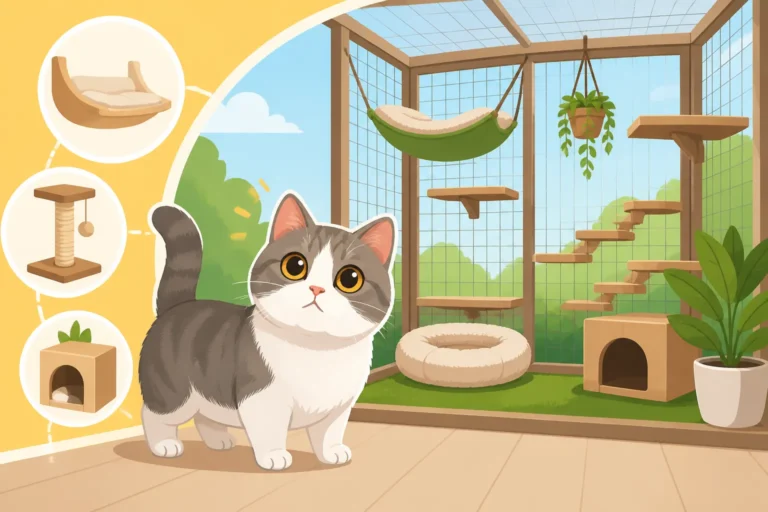
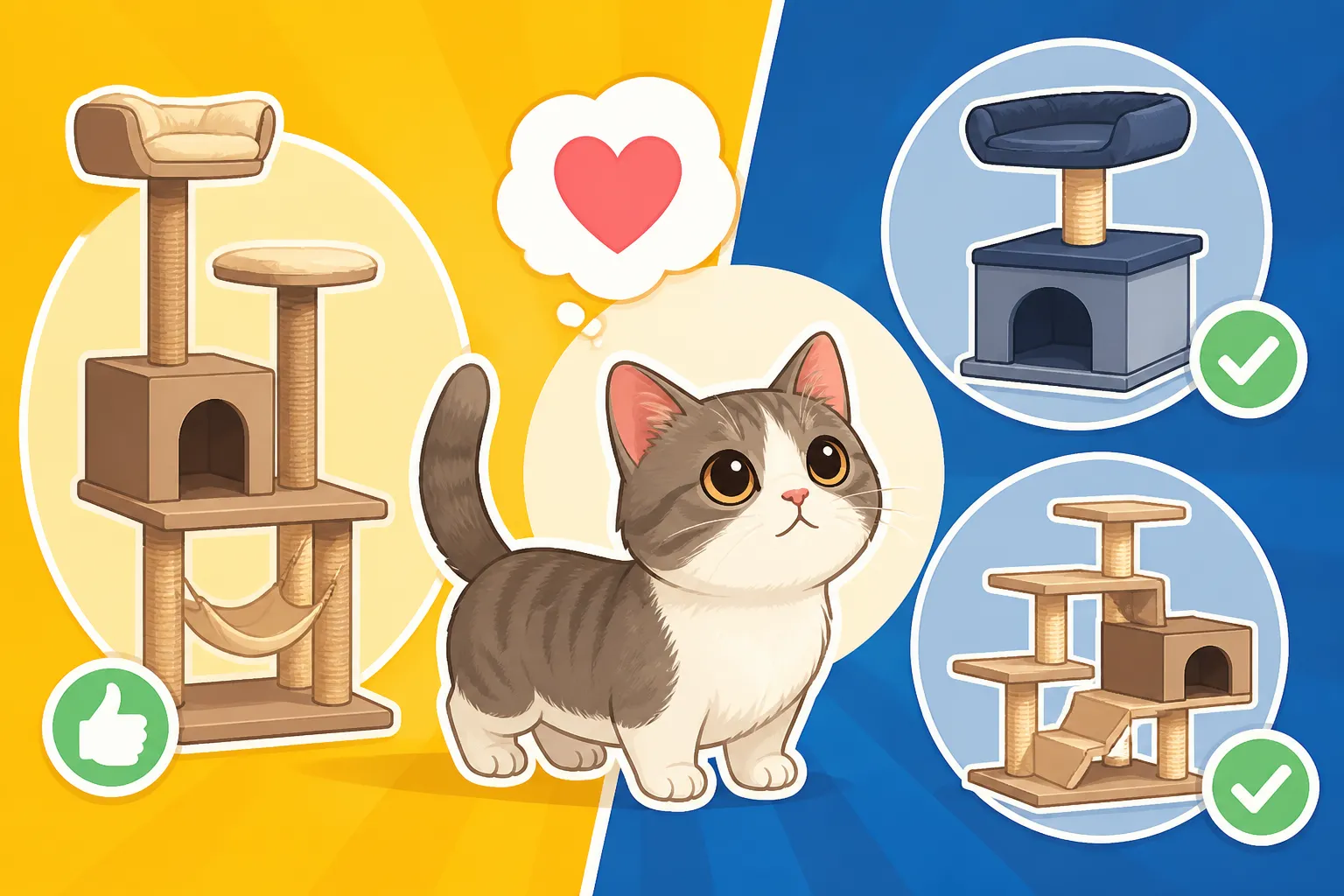
The single most critical feature for a Munchkin-friendly cat tree is having platforms that are very close together. We're talking about a "staircase effect" rather than a series of high-jumps. Instead of vertical gaps that encourage powerful leaps, you want small, manageable steps. Think about it like a human-sized set of stairs versus giant individual blocks placed far apart. How Far Apart a Munchkin's Platforms Should Be is paramount here – ideally, the vertical distance between platforms should be no more than your Munchkin's standing height, allowing them to simply step up or make a tiny, effortless hop.
This design minimizes the strain on their joints, particularly their shoulders and elbows, which are already doing more work due to their short stature. Each platform acts as a secure landing and launching pad, building confidence with every ascent. This also reduces the risk of misjudged jumps and falls. For long-haired Munchkins, this close spacing can also help them navigate more easily without their belly fur getting caught or tangled during awkward movements.
Stable and Wide Bases for Safety
Given that Munchkins are often navigating these structures with a different gait and might rely more on pushing off than dynamic jumping, stability is non-negotiable. A wobbly cat tree is a huge hazard. Look for models with a broad, heavy base that resists tipping, even if your cat is scrambling a bit. The wider the base, the more secure it will feel, and the less likely it is to sway when your Munchkin is moving around on it. Consider materials like solid wood or dense particle board for the base, rather than lightweight options.
Beyond the base, the platforms themselves should be generous in size. Tiny perches might work for a standard cat, but a Munchkin benefits from having ample space to stand, turn around, and lie down comfortably without feeling like they might lose their footing. Wide platforms also mean a larger landing zone if they do make a small jump, adding an extra layer of safety. This stability and surface area instills confidence, making them more likely to use the tree you’ve provided.
Lower Heights and Multiple Access Points
While a cat tree is about getting up, for a Munchkin, the ultimate height isn't the primary goal. A tree that reaches the ceiling might be impressive, but if your Munchkin can only get to the second level, it's mostly wasted space. Focus on cat trees that offer moderate heights, perhaps no more than eye-level for an average adult, but with a design that allows easy access to every single level. This is not about restricting their climb but optimizing it for their body.
Crucially, consider multiple access points. Can they get onto the first platform not just by jumping, but perhaps by walking from an adjacent piece of furniture? How a Munchkin Uses Furniture as a Staircase is a common sight in Munchkin homes, and you can leverage this. Positioning the cat tree next to a sturdy sofa, a low bookshelf, or even a pet ramp can create an effortless entry point to the lower levels. The more ways your Munchkin can access the tree's various perches, the more likely they are to use it regularly and safely.
Designing Your Cat Tree Layout for Optimal Munchkin Use
It’s not just about the cat tree itself; how you integrate it into your home environment makes all the difference for a Munchkin. Think of yourself as an architect for your short-legged friend, creating pathways and safe zones that cater to their unique way of moving through the world. A perfectly designed cat tree can still be underutilized if its surroundings aren't Munchkin-friendly.
Strategic Placement Near Furniture
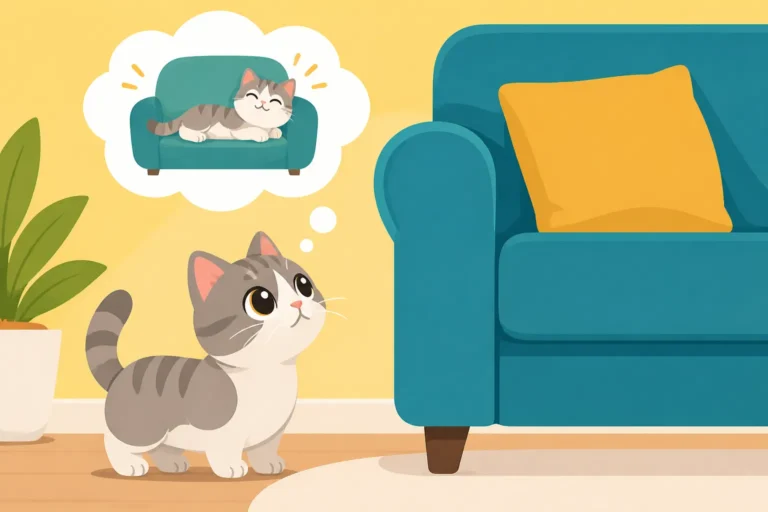
One of the most effective strategies is to place your Munchkin's cat tree strategically next to existing furniture. Since Munchkins excel at using furniture to gain elevation, you can essentially create a "bridge" to the cat tree's lower levels. Imagine a sturdy ottoman or a low-slung armchair positioned right beside the first platform of the cat tree. Your Munchkin can hop onto the furniture, then simply step across to the cat tree, bypassing any challenging first jump. This reduces the strain on their little legs and encourages them to explore the vertical space you've provided.
This approach also works wonders for higher levels. If a cat tree has a slightly larger gap between two platforms, consider placing a sturdy, stable side table or a small chest of drawers next to the higher platform. This creates an intermediate step that makes the climb effortless and safe. It's about thinking horizontally to achieve vertical success. It's about creating a safe, multi-stage climb rather than expecting a single, powerful jump.
Incorporating Ramps and Steps
While a well-designed cat tree provides closely spaced platforms, you can enhance accessibility even further by incorporating standalone pet ramps or steps. These are game-changers for Munchkins, especially as they age or if they have any underlying joint sensitivities. Ramps and Steps Are Munchkin Equipment, Not Luxuries, and they can truly transform how your cat interacts with their environment. A gentle ramp leading up to the first level of a cat tree, or even to a higher platform if the tree design allows, offers a low-impact alternative to jumping.
For areas where a ramp might take up too much space, pet steps are an excellent solution. Look for steps with a low rise and a wide, deep tread, preferably carpeted for good grip. These can be placed right up against the cat tree, allowing your Munchkin to simply walk up or down. Some cat trees even come with integrated ramps, which can be a fantastic option. The goal is to provide multiple, easy pathways so your Munchkin never feels stuck or forced into an uncomfortable jump. How to Teach a Munchkin to Use Steps can be a valuable skill for them.
Creating a Gradient of Climbing Challenges
When you're setting up the cat tree and its surrounding environment, think about creating a "gradient" of climbing challenges. This means having the easiest access points leading to the lowest platforms, and then gradually increasing the complexity (though never making it truly difficult) as they ascend. For example, the lowest platform might be accessible directly from the floor, or via a very gentle ramp. The next level might require a small step-up. The highest level, if it’s still within a safe height, might be reached via a slightly steeper step or a well-placed piece of adjacent furniture.
This graduated approach helps to build your Munchkin's confidence and allows them to choose their own adventure based on their energy levels and comfort. It's about empowering them to climb rather than forcing them. You might also consider placing highly desirable items, like their favorite toys or a cozy blanket, on the lower, more easily accessible platforms initially to encourage them to use the tree. As they get more comfortable, you can move these lures to slightly higher spots.
DIY Solutions and Adaptations for Existing Cat Trees
Let's face it, finding the perfect Munchkin-friendly cat tree right off the shelf can be a challenge. But don't despair! With a little creativity and some basic tools, you can transform a standard cat tree into a vertical playground that your short-legged friend will adore. Adapting what you already have or finding a good base model to modify can be a cost-effective and highly personalized solution.
Adding Extra Platforms and Levels
The most common issue with standard cat trees for Munchkins is the wide spacing between platforms. The easiest fix? Add more platforms! You can purchase small, pre-made carpeted shelves or even cut sturdy pieces of plywood, cover them with carpet scraps, and securely attach them to the existing posts. The goal is to reduce the vertical gap between levels to a manageable "step" rather than a jump. You might attach them directly below an existing platform, or halfway between two widely spaced ones.
When adding platforms, ensure they are securely fastened. Use strong brackets, bolts, or screws, and make sure they can support your cat's weight without wobbling. Also, consider the material: carpet provides good grip and cushioning. You can often find suitable materials and hardware at a local home improvement store or even online from retailers like Amazon, which offers various pet-safe carpet tiles or small wooden shelves that can be adapted. This modification is key to answering the question of How Far Apart a Munchkin's Platforms Should Be.
Enhancing Stability and Grip
A cat tree that feels wobbly is a non-starter for a Munchkin. If your existing tree lacks stability, there are several ways to reinforce it. You can add extra weight to the base by attaching heavy, flat objects (like paver stones or concrete blocks, securely wrapped to prevent injury) to the underside of the base. For taller trees, consider anchoring them to a wall using L-brackets. This is a simple, effective way to prevent tipping and provide crucial peace of mind.
For grip, many cat trees come with slick fabric or uncarpeted surfaces. You can easily add carpet remnants, sisal rope, or even non-slip bath mats to the platforms and posts. This gives your Munchkin better traction when climbing, jumping (even tiny ones!), and descending. Pay particular attention to the edges of platforms where they might push off. Good grip is especially important for Why a Munchkin's Shoulders Wear First, as good footing can distribute weight more evenly.
Repositioning for Better Accessibility
Sometimes, the cat tree itself isn't the problem, but its placement. Repositioning your cat tree can instantly make it more Munchkin-friendly. As mentioned before, placing it next to sturdy furniture is a fantastic strategy. If you have a window your Munchkin loves to look out of, place the tree directly below it, perhaps with a low bookshelf or ottoman acting as an intermediate step to reach the first level.
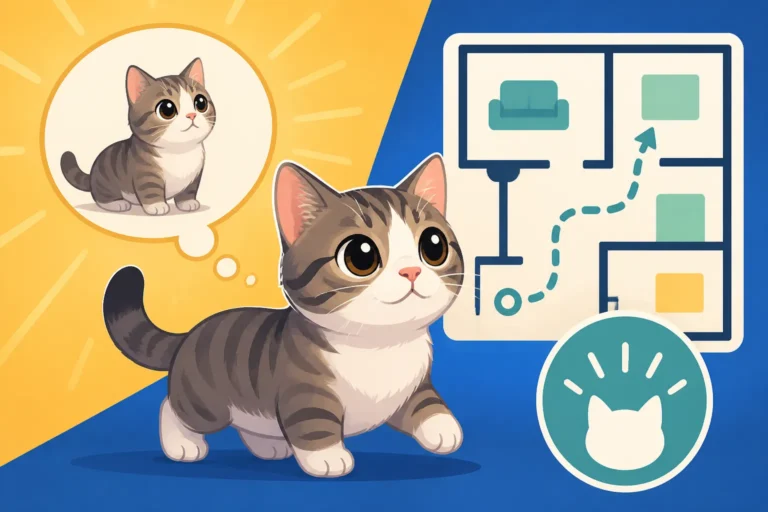
Consider the flow of your home. Where does your Munchkin naturally want to go? Can you create a "pathway" of low furniture, steps, and the cat tree that leads to a desired high spot, like a sunny windowsill or a cozy bed? Remember, the goal isn't just vertical access, but safe and easy navigation throughout their world. Even simple changes like moving a floor lamp or a small plant can create a more open and inviting pathway to the cat tree.
| Feature | Standard Cat Tree | Munchkin-Friendly Cat Tree (or adapted) |
|---|---|---|
| Platform Spacing | Wide, encourages long jumps | Close, allows stepping or small hops |
| Platform Size | Often small, minimal turning room | Wide, ample space for resting and turning |
| Base Stability | Can be narrow, prone to wobbling/tipping | Broad, heavy, often wall-anchored for security |
| Access Points | Typically floor-level jump to first platform | Multiple, via ramps, steps, or adjacent furniture |
| Total Height | Can be very tall, reaching ceilings | Moderate, focusing on accessible levels |
| Surface Grip | Varies, can be slick | Carpeted, sisal, or non-slip material |
| Climbing Motion | Leaping and stretching | Stepping, walking, gentle hopping |
| Risk of Injury | Higher risk of falls, joint strain | Lower risk, promotes safe movement |
What to Look for When Buying a Munchkin-Specific Cat Tree
If you're in the market for a new cat tree specifically with your Munchkin in mind, knowing what to prioritize can save you a lot of hassle (and your cat a lot of frustration!). While "Munchkin-specific" isn't always a marketing term you'll find, you can certainly identify features that cater perfectly to their needs.
Assessing Platform Spacing and Material
This is, without a doubt, the number one feature to scrutinize. When you're looking at cat trees, imagine your Munchkin trying to get from one platform to the next. Can they do it with a simple step up, or does it look like they'd have to launch themselves? As a general rule, try to find platforms where the vertical distance is no more than 8-10 inches, ideally less for younger or older cats. Some even suggest that How Far Apart a Munchkin's Platforms Should Be is best when it's just a few inches, making it more like a true staircase.
Also, pay close attention to the material covering the platforms and posts. Plush carpeting is generally excellent, as it provides good grip and comfort. Sisal rope on posts is also great for scratching, and provides a textured surface for climbing. Avoid anything that looks smooth or slippery, as this could lead to dangerous slips, especially when they're trying to push off or land. Think about durability too; you want something that will withstand scratching and regular use without quickly degrading.
Checking for Sturdy Construction
Just like we discussed with DIY adaptations, a new cat tree absolutely must be robust. Give it a good wobble test if you're shopping in person. If buying online, look for clear descriptions of materials used, such as solid wood posts or heavy-duty particle board. A wide, weighted base is a huge plus, as is the option to anchor it to a wall. You want a tree that feels substantial and won't shift or sway when your Munchkin is actively using it. Even if your Munchkin can't perform grand leaps, they'll still be moving with energy, and the tree needs to hold steady.
Consider how the different components are connected. Are they screwed together, or merely friction-fit? Screwed connections generally offer superior stability and longevity. Don't be shy about reading specifications for dimensions and weight to get a sense of its overall build quality. A flimsy cat tree is not only a waste of money but a potential danger.
Reading Reviews and Breeder Recommendations
The collective wisdom of other cat owners, especially those with Munchkins, can be invaluable. When browsing options online (say, on Amazon or other pet supply sites), always check the user reviews. Look for comments specifically mentioning smaller cats, senior cats, or cats with mobility issues. Do people say their cat struggles with the jumps, or do they praise the easy accessibility? This kind of real-world feedback is gold.
Additionally, if you purchased your Munchkin from a reputable breeder, don't hesitate to ask them for recommendations. They've likely encountered this challenge many times and can offer insights into specific brands or designs that work well for the breed. What a Munchkin Breeder Should Be Able to Show You often includes evidence of good care and enrichment, so their advice on appropriate cat trees can be very practical and informed by years of experience. They might even have custom setups they can describe or photograph for inspiration.
Beyond the Cat Tree: Holistic Enrichment for a Munchkin
While a well-chosen or adapted cat tree is a fantastic addition to any Munchkin home, it's just one piece of the puzzle when it comes to providing comprehensive enrichment. Our goal is to create an entire environment where your short-legged companion can thrive, feel stimulated, and live a full, happy life without undue strain on their body.
Floor-Level Play and Exploration
Let's not forget that Munchkins are masters of floor-level fun! Their low center of gravity often makes them incredibly quick and agile on the flat. They love chasing toys, darting through tunnels, and exploring every nook and cranny at ground level. Invest in a variety of toys that are engaging without requiring significant vertical movement. Think about wand toys that can be dragged along the floor, crinkle balls, puzzle feeders that they can manipulate with their paws, and interactive toys that roll or slide. Which Toys Work at a Munchkin's Height are plentiful and can provide endless entertainment.
Create interesting floor-level "landscapes" using cardboard boxes, paper bags (handles removed for safety!), and fabric tunnels. These provide hiding spots, ambush points, and new territories to explore. Even something as simple as scattering dry kibble for them to "hunt" can be great mental and physical stimulation. Remember, enrichment isn't just about climbing; it's about engaging their natural instincts to hunt, play, and explore their surroundings safely.
Safe Elevated Spaces with Alternative Access
Munchkins still crave those high vantage points, even if they can't jump there directly. So, beyond the cat tree, think about other ways to provide safe, elevated resting and observation spots. This means strategically placing sturdy furniture where they can easily access it. A low, wide bookshelf with soft bedding on top, a window bench with a ramp leading up to it, or even a deep, comfortable armchair are all excellent options.
The key here is the "alternative access." Always provide a ramp, a set of pet steps, or adjacent low furniture that acts as a staircase. This allows them to reach their desired height without stress or risk of injury. A window perch is wonderful for a cat, but if a Munchkin can't easily get up to it, it becomes a source of frustration. Install a ramp next to the window, or build up a series of low, sturdy boxes or ottomans that lead directly to the perch. Make sure all steps and ramps are stable and offer good traction.
Encouraging Movement Without Straining Joints
Keeping your Munchkin active is vital for maintaining a healthy weight and strong muscles, which in turn supports their joints. However, this movement needs to be appropriate for their build. Avoid games that encourage repeated high jumps or acrobatic maneuvers. Instead, focus on horizontal play. Laser pointers, feather wands that sweep along the floor, and rolling toys are fantastic for getting them to run and chase.
Regular, gentle play sessions, perhaps 10-15 minutes a few times a day, are better than one long, intense session that might lead to overexertion. Always watch your Munchkin for signs of fatigue or discomfort, and let them set the pace. As your Munchkin ages, their needs will change even more. What an Old Munchkin Stops Being Able to Do often includes strenuous jumping, so adapting their play and ensuring easy access to all their favorite spots becomes even more important. A proactive approach to their environment and play keeps them happy, healthy, and mobile for years to come.
Disclaimer
This article is for general informational purposes only and does not constitute professional advice. Laws, prices and regulations vary by location and change over time. Consult a qualified professional for guidance on your specific situation.