How to Teach a Munchkin to Use Steps
It’s a common sight for Munchkin cat owners: your adorable short-legged companion eyeing that tempting couch or windowsill, trying to gauge if they can make the leap. While their determination is admirable, constant jumping can put undue strain on their unique physique. Teaching your Munchkin to use steps isn't just about convenience; it's about safeguarding their long-term health and comfort. This guide will walk you through the practical, patient steps to help your little explorer navigate their world more safely.
Understanding Your Munchkin's Natural Movement and Limitations
Munchkin cats are truly remarkable creatures. Their short legs don't hinder their playful spirit or their desire to explore, but they do change how they move through space. Understanding these inherent traits is the first step to effectively integrating mobility aids like steps into their lives.
The Munchkin's Unique Gait and Jumping Style
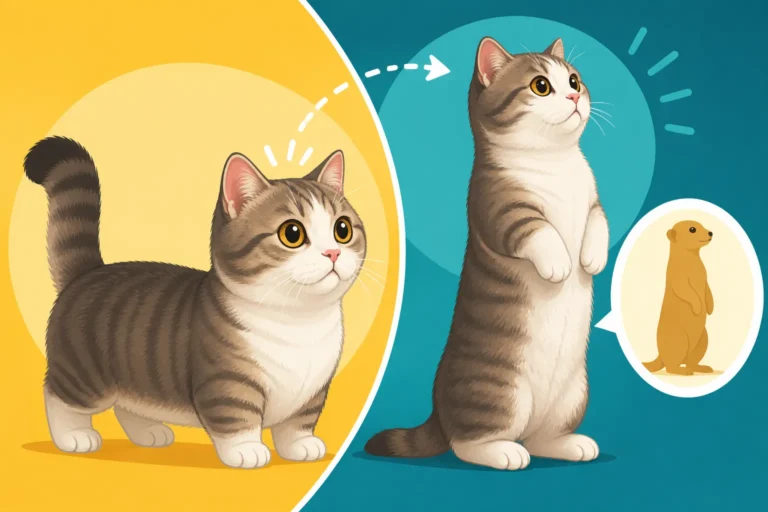
If you've spent any time watching a Munchkin, you’ve probably noticed their distinctive movement. It’s often described as a ferret-like scamper, a low-slung, quick trot that lets them zoom across the floor with surprising speed. They have a lower center of gravity compared to their long-legged cousins, which gives them incredible agility for sharp turns and sudden stops. You might even find them to be quite adept at navigating tight spaces and weaving through furniture legs. They use this low-to-the-ground advantage to their full potential, often darting under things a taller cat would simply jump over.
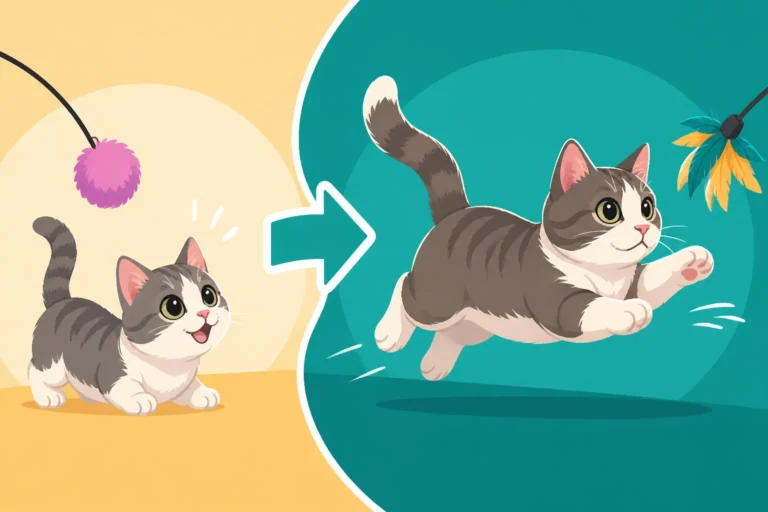
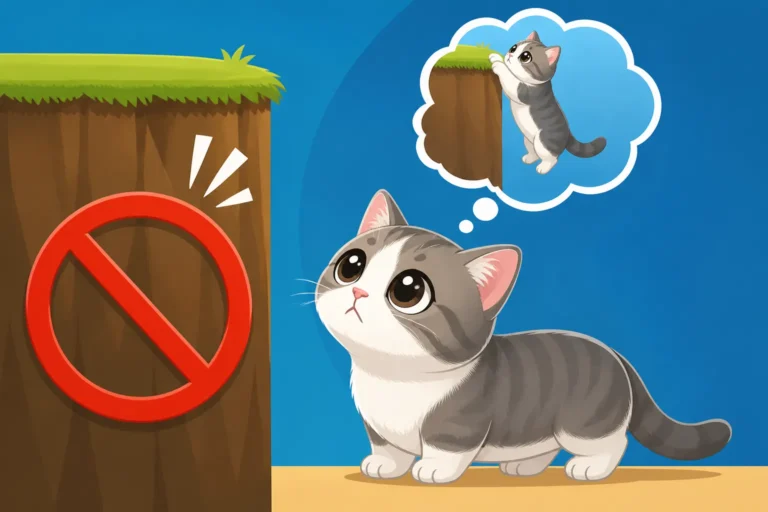
However, when it comes to vertical challenges, their strategy shifts. Instead of effortless, soaring leaps, a Munchkin often employs a series of smaller, more calculated jumps. They might bounce off a low stool to reach a chair, then from the chair to the sofa. It's a testament to their intelligence and adaptability, but each landing, particularly from any significant height, puts impact on their joints and spine. They will attempt to get to those high places, whether it's your bed or a sunny windowsill, and they'll devise their own multi-stage ascent plan. For more on their movement, check out Why a Munchkin Moves Like a Ferret.
Why Steps are Essential for Munchkin Safety and Comfort
While your Munchkin might be a jumping bean in their younger years, those repeated impacts can take a toll. Their unique spinal structure, while generally healthy for the breed, still bears the brunt of these landings. Think about it from a biomechanical perspective: a cat with normal length legs distributes the force of a jump and landing more evenly across longer limbs, acting like shock absorbers. For a Munchkin, that cushioning is reduced, meaning more direct stress on the joints of their shoulders, elbows, and ultimately, their spine.
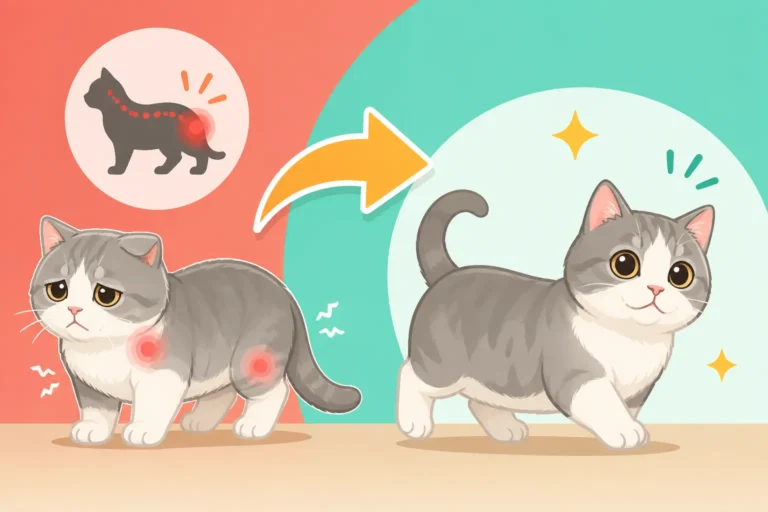
Over time, this consistent strain can contribute to conditions like osteoarthritis, potentially causing discomfort and limiting their mobility as they age. Preventing excessive jumping, especially from heights, can significantly contribute to their long-term joint health and overall well-being. By providing steps, you're not just making their life easier; you're actively protecting them from the wear and tear that comes with their determined attempts to reach elevated spots. It’s about giving them an easier, safer path to the places they want to be, without the risk of an awkward landing or repetitive stress. This is particularly important because Why a Munchkin's Spine Carries a Load a Normal Cat's Does Not.
Choosing the Right Steps for Your Munchkin
Once you understand the 'why,' the next logical step (pun intended!) is to consider the 'how.' Selecting the appropriate steps is crucial for success, as a poorly chosen set of stairs can be just as daunting as no stairs at all for your little cat.
Key Features to Look for in Munchkin-Friendly Steps
When you're shopping for or designing steps for your Munchkin, think about stability, material, and dimensions. These aren't just decorative items; they're functional mobility aids.
First and foremost, stability is paramount. Your Munchkin needs to feel secure when using the steps. Flimsy, wobbly steps will scare them off faster than you can say "treat." Look for steps with a wide base or a design that prevents tipping. If the steps are lightweight, consider adding non-slip pads to the bottom or weighting them down slightly. Next, consider the material and surface. A non-slip surface is absolutely essential. Carpeted steps are often a great choice because they provide grip for tiny paws and are soft on their joints. If the steps are made of plastic or wood, ensure they have carpet treads, rubber strips, or some other form of traction. Smooth, slick surfaces like bare plastic or polished wood will be too challenging and potentially dangerous.
Finally, the dimensions of the steps are critical. Munchkins have short legs, so the rise (height) of each individual step needs to be low, and the tread (depth) needs to be generous.
- Low Rise: Aim for steps where the rise is no more than 4-6 inches. Any higher, and your Munchkin might struggle to comfortably lift themselves to the next level.
- Generous Tread: A deep tread (at least 8-10 inches) allows them enough space to plant all four paws securely on each step before ascending to the next. This prevents them from feeling rushed or unbalanced.
- Width: Wider steps (12-15 inches or more) also provide a greater sense of security and make it easier for them to navigate, especially if they're a bit hesitant at first.
Remember, these steps are replacing significant vertical jumps, so making them as easy and safe as possible is key. Knowing How Far Apart to Space a Munchkin's Steps and How High a Munchkin's First Step Should Be can really help you choose well.
Different Types of Steps and Ramps
You'll find a variety of options on the market, each with its pros and cons. The choice between steps and ramps often comes down to personal preference for your cat and the specific furniture they need to access.
Pet Steps: These are designed much like miniature staircases. They typically come in 2-step, 3-step, or 4-step configurations, varying in height. Many are carpeted, offering good grip and comfort. You can find a vast selection on sites like Amazon, ranging from lightweight foam steps to more robust wooden or plastic models. The benefit of steps is that they mimic a natural climbing motion, which many cats readily adapt to. They're excellent for accessing beds, sofas, or window sills.
Pet Ramps: Ramps offer a continuous, gentle incline, which can be ideal for cats who struggle with even low steps or those with existing joint issues. Ramps also eliminate the 'impact' of stepping up and down, making them incredibly kind to joints. Like steps, they should have a non-slip surface, often carpet or a textured material. The challenge with ramps is finding one that isn't too steep – a gradual incline is crucial for a Munchkin. If a ramp is too steep, they might find it harder to get traction or feel unstable, especially when descending. For more on this, you might be interested in Whether a Munchkin Prefers a Ramp or Steps.
DIY Options: If you're handy, you can construct your own steps or ramps from wood, plywood, or even sturdy cardboard boxes reinforced and covered in carpet. This allows for complete customization to fit your specific furniture heights and your cat's needs. Just be sure to prioritize stability and non-slip surfaces above all else. When considering commercially available options, browse through customer reviews on Amazon to see what other pet owners say about stability, durability, and how well their pets adapted to the product.
Here’s a quick comparison to help you weigh your options:
| Feature | Pet Steps | Pet Ramps |
|---|---|---|
| Movement Type | Stepping up/down | Walking up/down a slope |
| Joint Impact | Low impact, but some stepping motion | Very low impact, continuous support |
| Space Required | Generally less floor space | Can require more length for a gentle slope |
| Stability | Critical for each individual step | Critical for the entire surface |
| Ease of Use | Many cats adapt quickly to the climbing motion | Ideal for hesitant cats or those with mobility issues |
| Versatility | Good for beds, sofas, specific heights | Excellent for continuous access to larger areas |
| Maintenance | Easy to clean, replace carpet treads | Easy to clean, monitor for wear on surface |
The Step-by-Step Training Process
Now that you have the right equipment, it's time to introduce your Munchkin to their new mode of transport. Patience, positive reinforcement, and consistency are your best friends here. Remember, your cat isn't trying to be difficult; they're simply learning a new behavior and need time to build confidence.
Starting with Positive Reinforcement and Familiarity
The first rule of Munchkin step training is: make it positive! Never force your cat onto or up the steps. Instead, you want them to associate the steps with good things.
1. Placement is Key: Start by placing the steps in a location where your Munchkin already wants to go. This could be next to their favorite spot on the couch, by your bed where they love to cuddle, or near a window where they enjoy sunbathing. The motivation to reach a desired spot will be a powerful incentive. For example, if your cat always attempts to jump onto your sofa to nap, position the steps perfectly so the top step aligns with the sofa cushion.
2. Introduction without Pressure: Initially, just let the steps be present in their environment. Your Munchkin might ignore them, sniff them, or even bat at them. This is all part of the exploration process. Don't push them. Just allow them to get used to the new object. You can even place a favorite toy or a small, irresistible treat (like a lick of Churu or a freeze-dried salmon bite) near the steps, not on them, to create a positive association with the general area. This low-pressure approach is crucial for building trust.
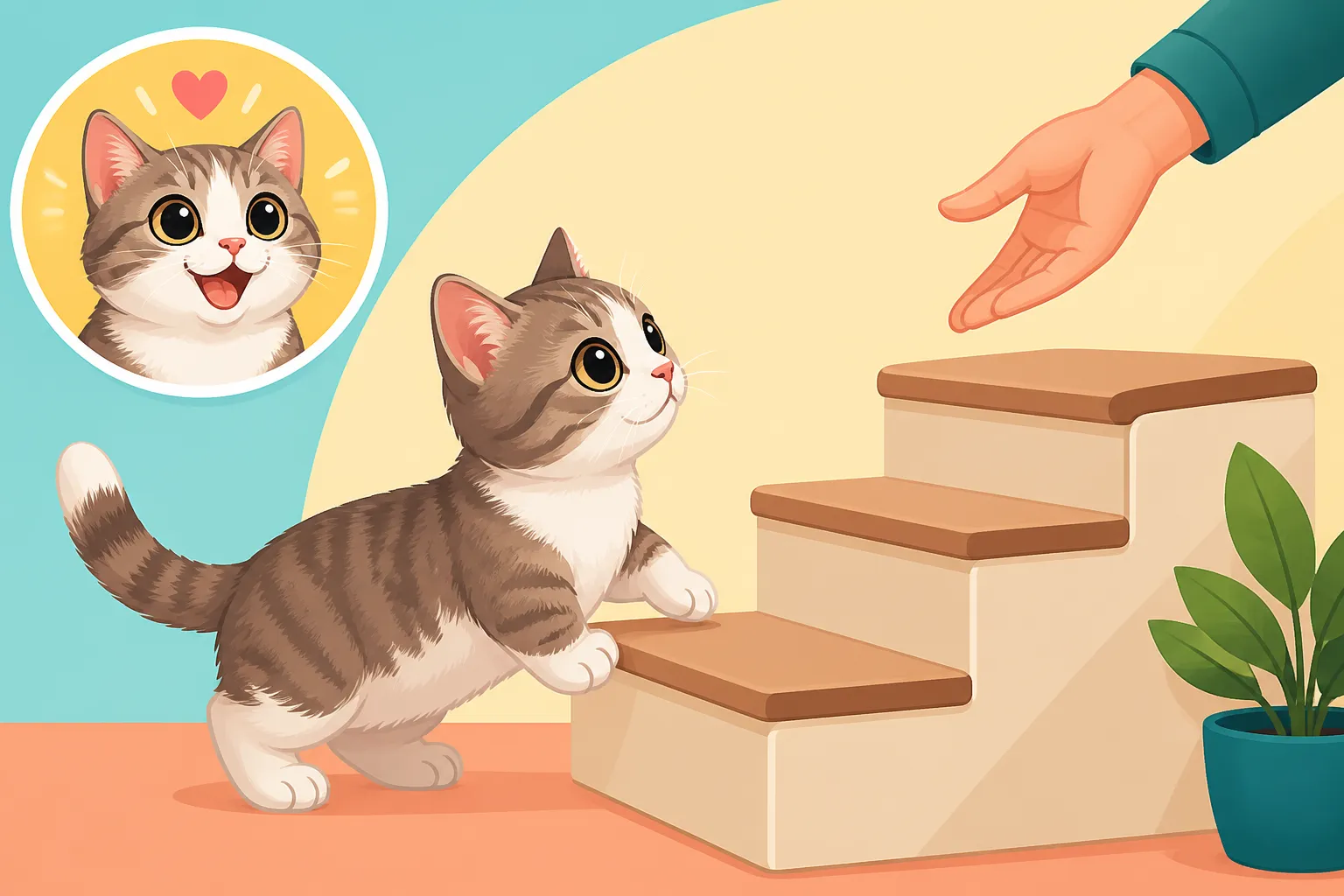
3. Lure with Treats and Praise: Once they're comfortable with the steps being around, it's time to start luring. Take a highly appealing treat and place it on the first step. Let your Munchkin approach and eat it. As they do, offer calm, encouraging verbal praise. Don't overdo it with excitement, which can sometimes startle a cat. Repeat this several times, only on the first step, until they confidently step up for the treat. You can gradually move the treat to the second step, then the third, and so on. Always reward them as soon as they reach the treat, reinforcing the desired action. Even just a paw on the step deserves praise in the beginning. Many owners find clicker training helpful at this stage; you can find clickers and a wide range of training treats on Amazon. For more on getting them used to handling during training, consider How to Get a Munchkin Used to Being Handled.
Guiding Your Munchkin Up and Down (the Gentle Approach)
Once your Munchkin is comfortable with treats on the steps, you can begin to offer more direct guidance. Remember, gentle encouragement is always better than physical manipulation.
1. The "Path of Treats": Create a clear "path" of treats leading up the steps. Place one treat on the first step, another on the second, and a third at the top. This gives them a clear visual incentive to keep moving forward. As they eat each treat, praise them softly. If they hesitate, go back to placing treats on a lower step until they regain confidence. The goal is to make the ascent a rewarding, continuous motion. You can even sit on the floor nearby, offering a treat from your hand as they reach each step, providing both reward and reassurance.
2. Gentle Placement (if necessary): For very reluctant Munchkins, you might need a little hands-on assistance, but always make it positive. Gently lift their front paws and place them on the first step, immediately offering a treat and praise. Do not push their hindquarters or lift their entire body unless absolutely necessary, and only if they remain relaxed. The idea is to show them where their paws go, not to force them into position. Some cats respond better to a slight nudge on their hindquarters from behind, combined with a treat lure, to encourage forward movement. Pay close attention to their body language. Are their ears forward? Tail up? Or are they flattening their ears and trying to escape? Adjust your approach based on their comfort level.
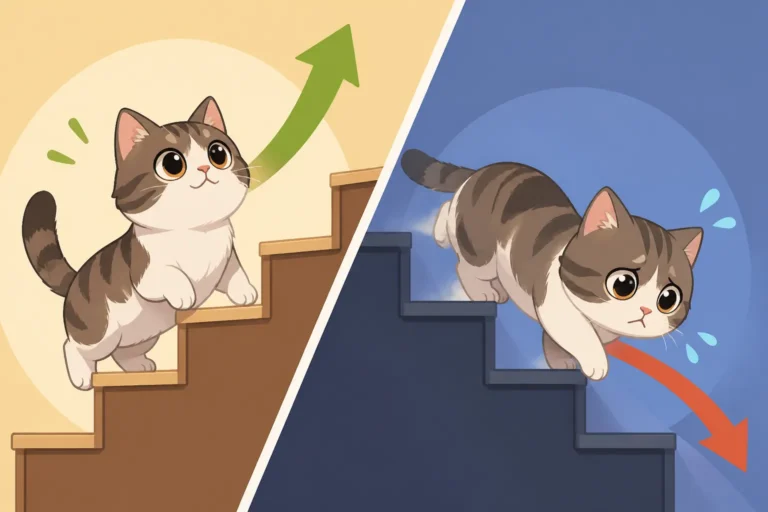
3. Practicing Descents: Teaching them to go down the steps is just as important, and sometimes more challenging for cats. Start by luring them with a treat from the top step down to the next, then to the floor. Place a treat just below the step they are on, enticing them to reach down. Always ensure a soft landing area, such as a rug or a pet bed, at the bottom of the steps. Sometimes, just as with ascending, a gentle placement of their front paws onto the next lower step, followed by an immediate reward, can help them understand the motion. Keep training sessions short, perhaps 5-10 minutes, and end on a positive note, even if it's just one successful step. This prevents them from becoming overwhelmed or associating the steps with stress. When they're older, knowing Teaching a Munchkin to Come When It Is Time to Be Lifted will be incredibly helpful.
Troubleshooting Common Challenges and Plateaus
It's rare for a cat to master steps instantly. You'll likely encounter some bumps in the road, but don't get discouraged!
1. The "Stuck in the Middle" Cat: Sometimes a Munchkin will go up a few steps, then just freeze, looking unsure how to proceed or descend. This often means the steps are too high, too narrow, or the surface isn't grippy enough. Re-evaluate your steps based on the features discussed earlier. Try placing a small, flat cushion or a towel on each step to make them feel softer and more stable. You might also need to go back to placing treats closer together to guide them more explicitly. Sometimes, simply sitting at the top or bottom of the steps and offering a high-value treat can motivate them to complete the journey.
2. The "Jumping Over/Around" Cat: If your Munchkin insists on jumping past the steps or trying to find an alternative route, it usually means they haven't fully accepted the steps as the easier option. This can happen if the steps are too steep, too wobbly, or if the "payoff" (the treat or desired location) isn't strong enough.
- Re-assess Steepness: Could the angle be too challenging? Why a Munchkin Refuses a Steep Ramp provides similar insights for ramps, which can apply to steps if the rise is too high.
- Increase Reward Value: Switch to an even higher-value treat, something they absolutely adore.
- Block Alternative Routes: Temporarily block off areas where they might jump from. For example, if they jump from the armrest to the couch, place a cushion there to encourage step usage. This isn't about punishment, but about making the desired path the only obvious path.
- Patience: Sometimes, it simply takes time for a cat to realize that the new, provided route is genuinely easier and safer than their old jumping habits. Consistency is key here.
3. Fear and Avoidance: If your Munchkin actively avoids the steps or shows signs of fear (flattened ears, crouching, hissing), stop the direct training immediately. There might be something about the steps themselves (a strange smell, an unstable feeling) that is alarming them.
- Re-introduce Slowly: Go back to simply having the steps in the room without any pressure.
- Change Location: Try moving the steps to a different area where the cat feels safer.
- New Steps: If the steps seem truly unsuitable, you might need to invest in a different set with better features.
- Calming Aids: For extremely anxious cats, a calming spray (like Feliway) near the steps might help reduce stress during the initial introduction phase.
Remember, every cat is an individual. What works for one Munchkin might not work for another. Be adaptable, observant, and always prioritize their comfort and well-being.
Integrating Steps into Your Munchkin's Daily Life
Once your Munchkin is confident using one set of steps, the goal is to weave these mobility aids seamlessly into their environment, making every high spot accessible and safe. This means thinking strategically about placement and maintenance.
Strategic Placement of Steps Throughout the Home
The trick to making steps effective is ensuring they are present wherever your Munchkin wants or needs to go. Don't limit them to just one spot.
1. Beds and Sofas: These are typically the most common areas where Munchkins attempt to jump. Place steps directly adjacent to your bed or sofa, ideally at a spot where your cat naturally prefers to hop up. If your bed is particularly high, you might need a taller set of steps, perhaps 3 or 4 tiers. Ensure the top step is flush with the furniture to create a smooth transition. Consider having a set for each side of the bed if your cat likes to access it from different angles. This makes How to Arrange a Munchkin's Room in One Plane much easier for them.
2. Window Sills and Cat Trees: Munchkins adore looking out windows and climbing cat trees, just like any other cat. For windowsills that are too high for a single jump, place steps or a ramp leading up to them. For cat trees, many standard designs have platforms spaced too far apart for a Munchkin's short legs. You might need to add extra steps or smaller platforms in between the existing ones to create a manageable "staircase." Alternatively, look for cat trees specifically designed with closer-set platforms or consider custom-building one. These modifications are essential to make these enrichment items safe and usable. How to Rearrange a Room So a Munchkin Can Climb offers more insights into creating these accessible routes.
3. Other Elevated Spots: Think about any other elevated spots your Munchkin tries to reach. Do they attempt to get onto a specific chair? A low bookcase? A scratching post shelf? Anywhere they show interest in going up, consider adding a step or a stack of sturdy, carpeted boxes to create an intermediate landing. The goal is to eliminate the need for them to jump from the floor to a significant height altogether. Even for small rises, a single step can make a big difference in reducing strain. Remember, Where a Munchkin Most Needs a Step might not always be where you expect! Observe their habits and place steps accordingly.
Maintaining Step Usage and Encouraging Independence
Once your Munchkin is consistently using the steps, the next phase is to encourage independence and ensure the steps remain a preferred route.
1. Fade the Treats (Gradually!): You won't want to lure them with treats forever. Slowly start to reduce the frequency of treats. Instead of a treat on every step, place one at the top. Then, every other time they use the steps, offer praise only. Eventually, they should use the steps out of habit, associating them with easy access to their favorite spots. Keep a few treats handy for occasional reinforcement, especially if you notice them getting lazy or trying to jump again.
2. Consistent Access: Ensure the steps are always available and in good condition. If steps get moved, covered, or become unstable, your Munchkin might revert to jumping or avoid the spot entirely. Check them regularly for stability, and clean any carpeted surfaces to keep them appealing.
3. Observing Their Habits: Continue to observe your Munchkin's movement. Are they using the steps willingly? Are there new spots they're trying to reach that now need steps? Their needs might change, especially as they age. An older Munchkin, for example, might find even low steps challenging if arthritis sets in. You might need to adjust the steps, make them even shallower, or switch to a ramp. Keeping an eye on their mobility will help you make adjustments before they encounter difficulties. This proactive approach is part of How to Keep an Old Munchkin Moving Safely.
By thoughtfully placing and maintaining steps, you create an environment where your Munchkin can safely and confidently enjoy all the levels of their home, ensuring a happier and healthier life for their unique body.
Long-Term Benefits and Considerations for Your Munchkin
Integrating steps into your Munchkin's life isn't just about immediate convenience; it's an investment in their long-term health and quality of life. Understanding these benefits and preparing for their future needs is crucial for responsible ownership.
Protecting Joints and Spine from Repetitive Strain
This is perhaps the most significant long-term benefit of teaching your Munchkin to use steps. Their characteristic short legs mean that repetitive high-impact activities, like jumping on and off furniture, place a disproportionate amount of stress on their joints and spine.
Imagine a lifetime of jumping:
- Shoulders and Elbows: Every landing sends a jolt through their front legs. Over years, this can lead to accelerated wear and tear in the shoulder and elbow joints. Conditions like osteoarthritis can manifest earlier or more severely in these areas, causing stiffness, pain, and reduced mobility. Understanding Why a Munchkin's Shoulders Wear First and What Repeated Landing Does to a Munchkin's Elbows highlights the importance of minimizing this strain.
- Spine: While Munchkins typically have a normal-length spine, the short legs change the mechanics of their movement and impact absorption. Repeated heavy landings can put pressure on the intervertebral discs and the small joints of the spine, potentially exacerbating or leading to spinal issues over time.
By providing steps and encouraging their consistent use, you are essentially reducing the cumulative impact of these movements. You're giving their skeletal structure a break, allowing them to conserve energy and move more smoothly. This proactive care can significantly delay the onset of age-related joint problems and maintain their comfort and agility for much longer. It's about ensuring their unique anatomy is supported throughout their entire lifespan, preventing unnecessary discomfort. For an in-depth look at how arthritis affects them, refer to How Arthritis Shows in a Munchkin's Front Legs.
Adapting for an Aging Munchkin
As your Munchkin enters their senior years (typically around 8-10 years old), their physical abilities will naturally change. What was once a small hop might become a painful stretch, and those steps you introduced years ago will become even more indispensable.
1. Increased Reliance on Mobility Aids: An older Munchkin might start to show signs of stiffness, reduced flexibility, or even mild arthritis. At this stage, they won't just prefer steps; they'll need them. They might struggle to jump even small heights or refuse to jump down, opting instead to wait for you to lift them. The steps ensure they retain their independence and access to their favorite spots, which is vital for their mental well-being and sense of security. When a Munchkin Counts as Senior is a good time to reassess their environment.
2. Re-evaluating Step Design: You might need to re-evaluate the steps you have in place.
- Shallower Rise: Even low steps might become too high for an arthritic cat. Look for steps with an even shallower rise, or consider switching to a ramp with a very gentle incline.
- Softer Surfaces: Ensure the steps have ample cushioning and a non-slip surface to prevent falls. Thickly carpeted steps are ideal.
- Additional Placement: As their mobility decreases, they might need steps to access areas they never needed them for before, perhaps even a low window perch or a favorite floor-level bed with a slight lip.
3. Monitoring and Veterinary Care: As your Munchkin ages, regular veterinary check-ups are essential to monitor for signs of arthritis or spinal issues. Your vet can recommend pain management strategies, joint supplements, or even gentle physical therapy. If your older Munchkin suddenly stops using their steps, it's a significant warning sign that they might be in pain or experiencing a new health issue, and a vet visit is in order. Taking care of Caring for an Old Munchkin That Has Stopped Climbing requires a holistic approach, where steps play a vital role. By proactively adapting their environment, you can help your aging Munchkin remain comfortable, active, and engaged for many happy years.
Disclaimer
This article is for general informational purposes only and does not constitute professional advice. Laws, prices and regulations vary by location and change over time. Consult a qualified professional for guidance on your specific situation.