Which Wand Toys Suit a Munchkin’s Reach
It can be incredibly frustrating to try and play with your beloved Munchkin cat, only to find that most conventional cat toys are designed for felines with standard-length legs who can leap and bound with ease. Owners often feel a pang of guilt or helplessness when their little low-rider struggles to reach a tantalizing feather suspended just out of paw's way. This guide is here to help you navigate the world of interactive play, focusing specifically on wand toys that perfectly suit your Munchkin's unique physical capabilities and ensure they get all the fun and exercise they deserve, right where they are most comfortable: on the ground.
Understanding the Munchkin's Unique Play Style and Limitations
Munchkin cats are truly special, a delightful blend of playful energy and undeniable cuteness. However, their defining feature – those adorable short legs – means they experience the world, and indeed playtime, a little differently than their long-legged cousins. It's not about them being less capable; it's about adapting their environment and our play techniques to fit their specific needs. Understanding how they play is the first step to choosing the right tools for the job.
The Floor is Their Playground
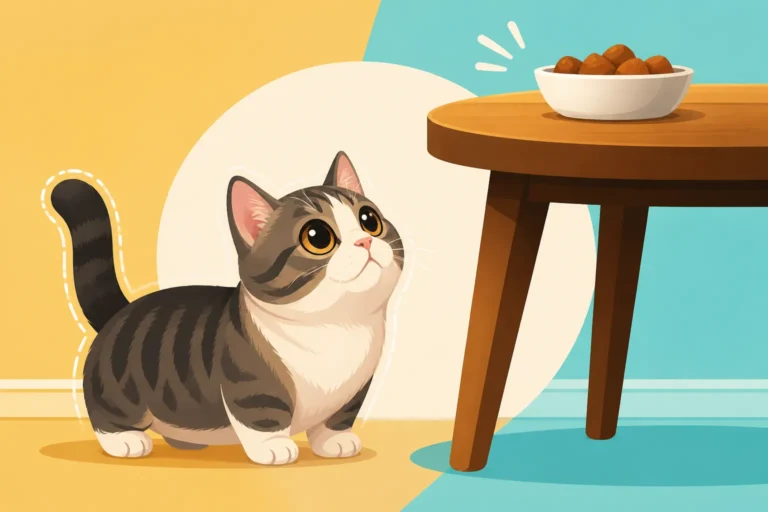
If you've ever watched a Munchkin cat zoom across a room, you'll know they are surprisingly fast on the flat. Their low center of gravity makes them agile, adept at sudden turns and quick bursts of speed. This isn't a cat built for vertical leaps to the top of the fridge, but rather for horizontal pursuits, stalking and pouncing on ground-level prey with impressive ferocity. Think of them as tiny, furry race cars, hugging the curves of your floorboards rather than launching into the sky. Their world exists primarily on your rugs, under your low furniture, and across open stretches of carpet, making floor-level engagement paramount for their happiness and physical well-being. A Munchkin Is a Normal Cat That Cannot Reach high, but they excel at what's within their grasp.
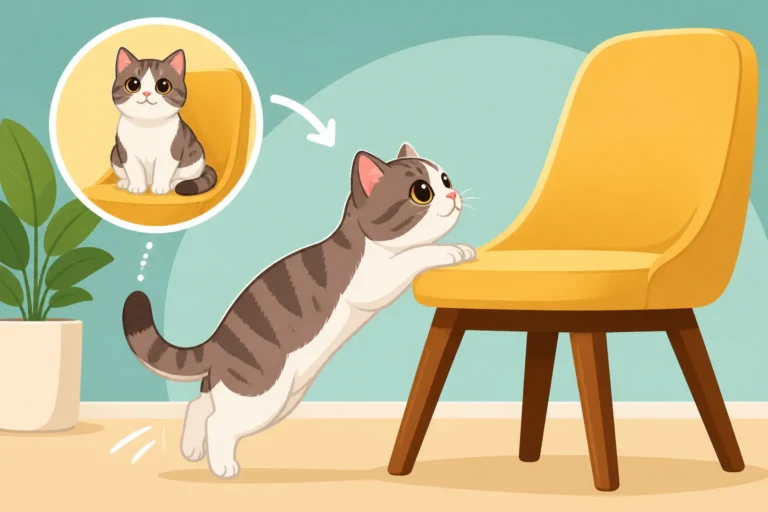
When a Munchkin "prairie dogs" – standing up on their hind legs like a meerkat – it's often to get a better view or interact with something at a slightly higher level, not as a precursor to a jump. This posture, while endearing, highlights their vertical limitations. They want to see, they want to be part of the action, but they aren't going to launch themselves upwards from that position. Their play reflects this: lots of chasing, sliding, pouncing, and batting, all happening within a foot or two of the ground. This innate preference for ground-based activity is something we need to embrace and cater to when selecting toys. Why a Munchkin Prefers Floor Level Play isn't just a quirk; it's a fundamental aspect of their movement and hunting instinct.
The Frustration of Unreachable Fun
For a cat owner, few things are as disheartening as seeing your pet truly want to engage with a toy but be physically unable to. You might dangle a beautiful feather wand, waving it enticingly, only for your Munchkin to strain, stretch, and then give up, perhaps with a sad little meow or a resigned slump. This isn't just a missed play opportunity; it can be genuinely frustrating for the cat and can even lead to them disengaging from play altogether if it consistently ends in failure. They learn quickly what they cannot do.
Consider the classic scenario where a toy is dangled just a few inches above the floor, perfect for a normal cat to bat at. For a Munchkin, those few inches might as well be miles. Their short legs mean their natural reach is significantly diminished. If the toy is repeatedly kept out of their accessible range, they might become discouraged. This lack of successful engagement can lead to boredom or even impact their confidence. Our goal, as responsible Munchkin parents, is to provide enrichment that not only sparks their natural hunting instincts but also allows them to succeed in the "hunt." After all, a satisfied hunter is a happy cat, and for a Munchkin, that satisfaction comes from successful floor-level captures, not unreachable aerial acrobatics.
Key Features of Ideal Wand Toys for Munchkins
So, what exactly makes a wand toy "Munchkin-friendly"? It's more than just a stick with something attached. There are specific design elements and considerations that can turn a mediocre play experience into an absolute joy for your short-legged companion. Thinking critically about these features will help you pick out the best tools to encourage their natural hunting behaviors.
Length and Flexibility Matter
The wand itself is just as important as the lure. For Munchkins, a longer, more flexible wand is often superior. Why? Because it allows you, the player, to keep the action close to the ground without having to bend over quite so much, and it provides a wider arc of movement. Imagine trying to simulate a scurrying mouse with a short wand – your hand would be right there, often scaring the cat or getting in the way. A longer wand, perhaps 2-3 feet in length, gives you the distance needed to make the lure dance, hide, and dart around corners, mimicking natural prey behavior effectively.
Flexibility is another crucial aspect. A stiff, rigid wand makes for jerky, unnatural movements. A wand that has some give, made from fiberglass, durable plastic, or even a flexible wire, allows for fluid, realistic motion. You can make the toy slither like a snake, flutter like a grounded bird, or dart like an insect. This natural, flowing movement is far more enticing to a cat's predatory instincts and prevents the toy from spending too much time above their reach. Think about how a fishing rod casts: the flexibility allows for a smooth, sweeping motion that's perfect for engaging your Munchkin at their preferred ground level. Many popular cat wands you can find on Amazon feature this kind of flexible design, often with interchangeable lures.
Safe and Engaging Attachments
The "lure" – the part at the end of the string – needs to be both safe and highly stimulating for your Munchkin. When selecting attachments, prioritize those that are securely fastened and don't have small, easily detachable parts that could be swallowed. Feathers are a classic for a reason; their natural texture and movement are irresistible. Look for ones made from real bird feathers, as they often have a more realistic flutter and scent. However, ensure the feathers are tightly bound and large enough not to be a choking hazard if they do come loose.
Other great attachments include soft fabric ribbons, crinkly plastic strips, or small plush "critter" toys. Ribbons and crinkly material offer fantastic visual and auditory stimulation, especially when dragged across different surfaces, creating rustling sounds that mimic prey. Small plush toys can be wonderful for a Munchkin's pouncing and "kill" instinct. When they finally pin their "prey," having something soft and satisfying to bunny-kick and mouth is incredibly rewarding. Always check the quality of the attachment point – a sturdy metal ring or clasp is much better than a flimsy loop of string that can easily break off mid-pounce. Remember, a Munchkin might not jump high, but they are enthusiastic when they catch their prey!
Durability for Vigorous Play
Don't let their short stature fool you; Munchkins can be incredibly vigorous players. Their pounces are powerful, their bunny-kicks are intense, and they will drag their "prey" with determination. Therefore, the durability of your wand toy, both the wand and the lure, is paramount. There's nothing worse than a toy breaking in the middle of an exciting play session, especially if it breaks in a way that creates sharp edges or small ingestible pieces.
Look for wands made from sturdy, flexible materials that can withstand repeated bending and sudden impacts. The string connecting the lure to the wand should be strong – braided nylon or steel wire (covered, of course!) are often good choices. The lures themselves should be well-constructed; if they're feathered, ensure the feathers are densely packed and the core is robust. For plush lures, double-stitched seams are a bonus. Investing in high-quality, durable wand toys from reputable brands ensures that your Munchkin can enjoy countless hours of safe, satisfying play without you constantly having to replace broken toys. This commitment to durability is a key part of maintaining How to Judge a Munchkin's Quality of Life through enrichment.
Types of Wand Toys That Shine with Munchkins
Now that we know what features to look for, let's dive into some specific types of wand toys that are particularly well-suited for your Munchkin's unique play style. These options leverage their love for ground-level action and provide the kind of stimulation that leads to happy, exhausted cats.
Feather Wands for the Ground Hunter
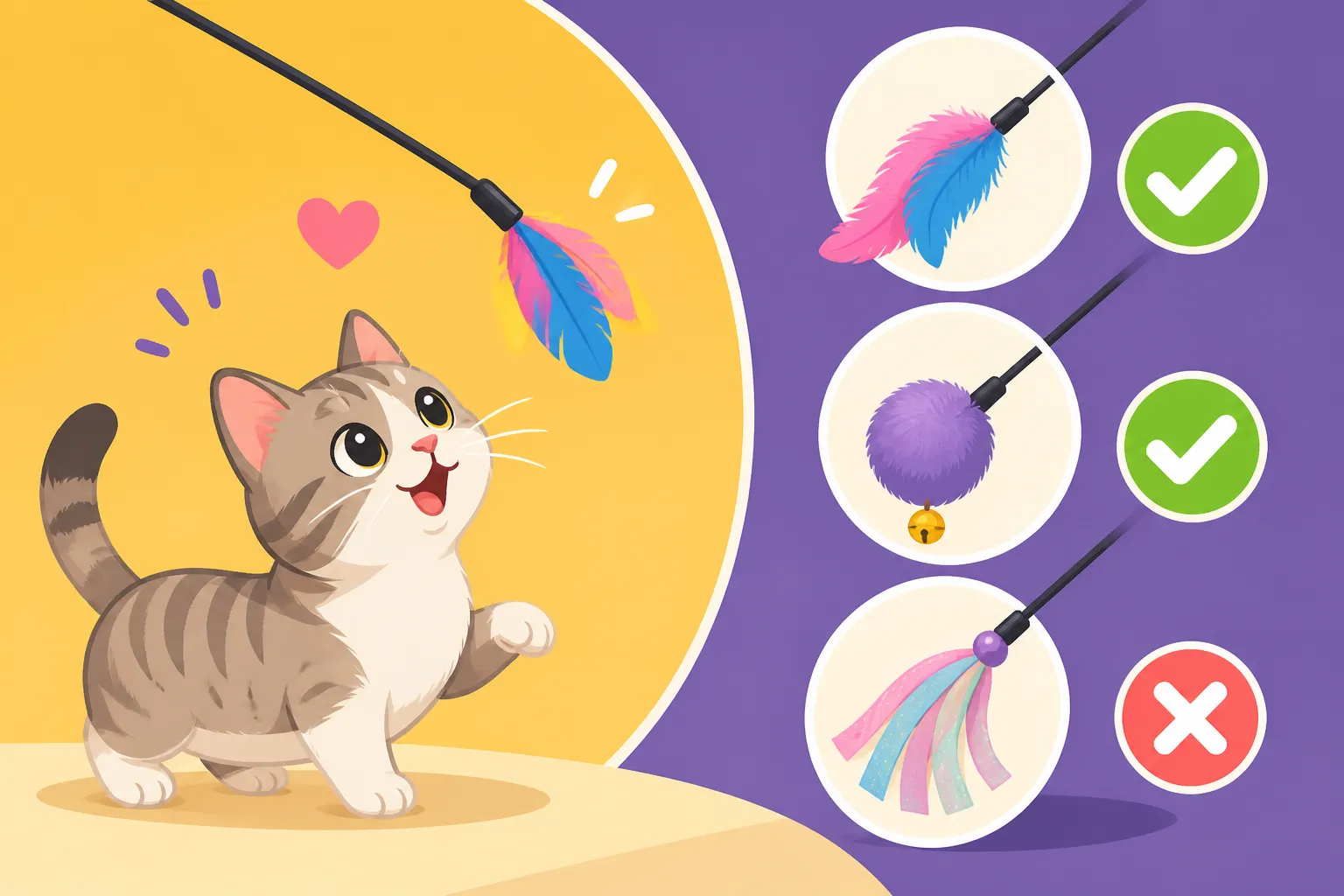
The classic feather wand remains a top contender for Munchkins, but with a crucial caveat: how you present it. For a Munchkin, the most effective feather wands are those with a longer string and plentiful, natural-looking feathers that can easily be dragged and fluttered along the floor. These mimic the erratic movements of small birds or insects scurrying on the ground, triggering your cat's natural hunting instincts without requiring any vertical leaps.
When playing, focus on keeping the feathers low, letting them disappear and reappear from under furniture, or skitter across a rug. The lightness of the feathers allows for quick, unpredictable movements that are hard for even the most agile Munchkin to anticipate, leading to thrilling chases and satisfying pounces. Many feather wands also come with interchangeable heads, meaning you can swap out worn-out feathers or introduce new textures without buying a whole new wand. You can find a wide variety of these on platforms like Amazon, often in multi-packs, making it easy to keep your rotation fresh. This type of toy perfectly caters to What a Munchkin Does All Day at Floor Level, bringing the hunt right into their natural habitat.
Ribbon and Fabric Streamers: Visual Delight
Wand toys with long, flowing ribbons or fabric streamers are another excellent choice for Munchkins. While they might not offer the same "prey" feel as feathers, their visual appeal and ability to slither and glide across surfaces are incredibly engaging. The movement of the ribbons can be mesmerizing for a cat, and they love to chase, bat, and entangle themselves in the soft fabric.
These toys are fantastic for encouraging long, low chases and figure-eight patterns, tapping into the Munchkin's speed and agility on the flat. You can drag them slowly, then speed them up, making them look like a fleeting shadow or a snake trying to escape. Some ribbons even have a crinkly texture or small bells embedded, adding auditory stimulation to the visual feast. Just ensure the ribbons are wide enough not to be easily ingested and that the wand itself is sturdy enough to handle enthusiastic tugging. These simple yet effective toys can provide hours of engaging playtime, promoting plenty of How Much Floor Level Play a Munchkin Needs.
Plush or Critter Lures for the Mighty Pouncer
For Munchkins who love a more substantial "kill," wand toys featuring small plush animals or critter-shaped lures are ideal. These lures are often heavier than feathers or ribbons, allowing for a satisfying thud when pounced upon and providing something tangible for your cat to grip, bunny-kick, and carry off in triumph. Look for lures designed to resemble mice, birds, or other small prey animals, often made from soft faux fur, felt, or even natural fibers.
The key with these types of lures is to use the wand to make them "come alive" on the ground. Drag them slowly, let them hide behind a chair leg, then twitch them out into the open for a sudden chase. When your Munchkin catches their plush critter, let them have a moment to "kill" it – batting it, biting it, and performing those adorable bunny-kicks. This fulfills their predatory sequence and provides immense satisfaction. You can find a fantastic array of these interactive toys on sites like Amazon, often with different textures and even catnip-filled options to increase their appeal. Just remember to put these "prey" items away after playtime to maintain their novelty and prevent your cat from getting bored.
How to Maximize Playtime with Wand Toys for Your Munchkin
Having the right wand toy is only half the battle; knowing how to use it effectively to engage your Munchkin and prevent frustration is equally important. These strategies will help ensure every play session is a rewarding and fun experience for both of you, strengthening your bond and providing vital physical and mental stimulation.
Mimic Prey Behavior on the Ground
The secret to truly engaging a Munchkin with a wand toy lies in simulating realistic prey behavior, almost exclusively at ground level. Forget the high jumps and aerial acrobatics; your Munchkin is a ground hunter. Think about how a mouse scurries, a bird flutters just out of reach, or an insect buzzes along the floor. Your wand toy should mimic these movements. Drag the lure across the carpet, let it disappear behind a cushion, then twitch it out suddenly. Make it pause, then dart. Vary the speed and direction to keep your cat guessing.
The goal is to create a sense of chase and capture. Let your Munchkin "win" frequently, allowing them to pounce, grab, and "kill" the toy. This builds their confidence and reinforces the idea that play is a rewarding activity. Avoid constantly pulling the toy away just as they are about to catch it, as this can lead to frustration. Instead, let them "catch" it, give them a moment to feel triumphant, and then subtly re-engage the toy for the next round. This interactive style of play is crucial because A Munchkin Is a Normal Cat That Cannot Reach when the prey is too high, so you must bring the hunt down to their level.
Create an Accessible Play Zone
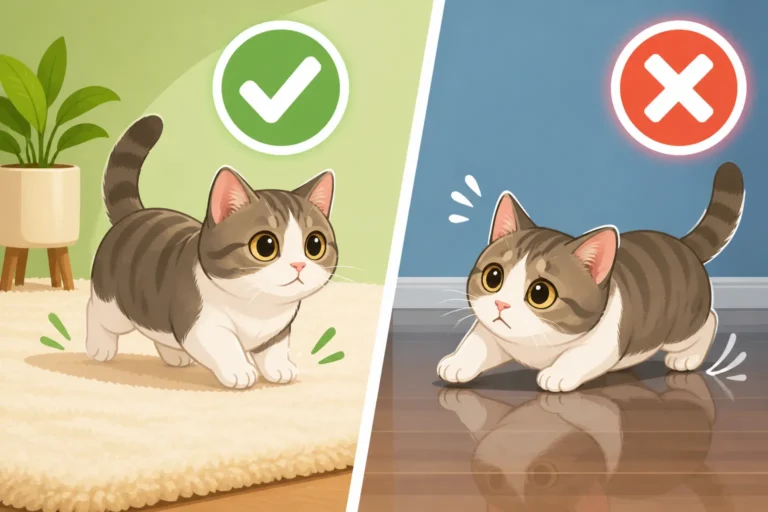
While Munchkins are adaptable, setting up an accessible play zone can significantly enhance their enjoyment and reduce potential strain. Clear a designated area of your home, perhaps a living room or a long hallway, that allows for plenty of low, horizontal chasing. Ensure there are rugs or carpeted areas, as hard, slippery floors like laminate or tile can make it difficult for them to get purchase for quick sprints and stops, potentially leading to slips or awkward landings.
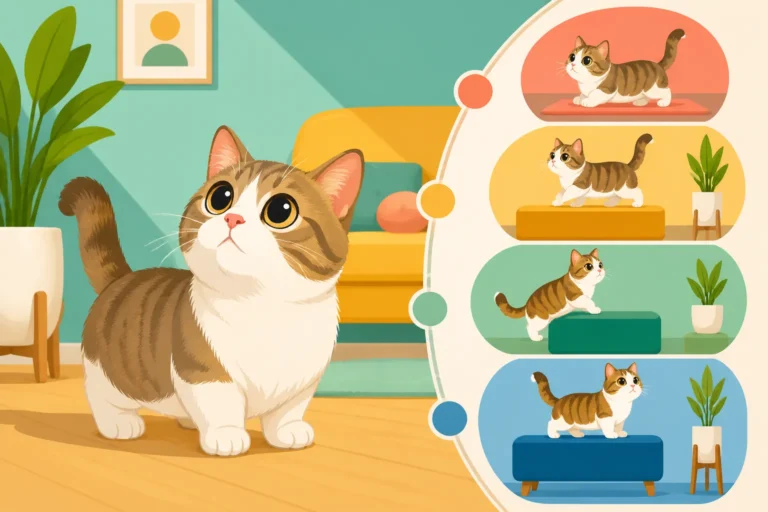
Consider adding low-level furniture or pet steps/ramps to offer slight variations in elevation, enabling them to "climb" or "descend" a short distance to access different parts of the play area. This can add an extra layer of complexity to the hunt without putting stress on their joints. For example, a sturdy pet ramp leading to a low window perch can allow you to incorporate slightly elevated "prey" that they can still reach without a difficult jump. Remember, their bodies, particularly their spines, carry a load that a normal cat's does not, so repeated high jumps are best avoided. Instead, focus on enriching their environment with manageable ascents and descents that align with Why a Munchkin's Spine Carries a Load a Normal Cat's Does Not.
Watch for Signs of Overexertion or Frustration
During playtime, always keep a close eye on your Munchkin for signs of overexertion or frustration. While they might love to play vigorously, it's important to know their limits. Heavy panting, prolonged periods of lying down during play, or repeatedly giving up on a toy even when it's accessible can be indicators that they need a break or that the play style isn't quite right for them. Some Munchkins, particularly as they age, might become stiff or develop joint issues, making sustained high-energy play more challenging. What an Old Munchkin Stops Being Able to Do often includes being less able to sustain active play.
If you notice your Munchkin seems frustrated – perhaps swatting half-heartedly or walking away – re-evaluate your technique. Are you keeping the toy too high? Is the movement too fast? Adjust the play to match their energy level and physical capabilities. Short, frequent play sessions are often more beneficial than one long, exhausting one. If you have concerns about their comfort or mobility during play, especially if you suspect Whether a Munchkin Is in Pain From Its Legs, it's always wise to consult with your veterinarian. They can offer advice on joint supplements like Which Joint Supplements Suit a Munchkin or suggest modifications to ensure your cat remains comfortable and healthy.
Rotate Toys to Keep Interest High
Even the most perfect wand toy can become boring if it's the only toy your Munchkin ever sees. Cats, like us, thrive on novelty. To keep your Munchkin engaged and excited about playtime, make sure to rotate their toys regularly. This doesn't mean you need a massive collection, but rather a few different types of wand toys with varying lures (feathers, ribbons, plush critters) that you can swap out every few days or weeks.
Introducing a "new" toy after a break can rekindle their hunting instincts and prevent them from becoming complacent. You might keep a special "high-value" wand toy that only comes out for dedicated play sessions, making it an extra exciting event. By keeping things fresh, you ensure that each play session remains a stimulating and joyful experience for your Munchkin, rather than a predictable routine. This simple strategy ensures they stay mentally sharp and physically active throughout their lives.
| Lure Type | Best For Munchkins Because… | Ideal Play Style | Durability Considerations | Where to Find |
|---|---|---|---|---|
| Feather Wands | Mimics small birds/insects on ground; light & erratic movement. | Dragging, fluttering along floor, hiding and reappearing. | Feathers can shed; look for securely bound ones. | Pet stores, online retailers like Amazon. |
| Ribbon/Fabric | Visually stimulating; slithers and glides easily on surfaces. | Long chases, weaving patterns, gentle tugging. | Check for strong attachment; ribbons can fray or get knotted. | Craft stores, pet stores, Amazon. |
| Plush/Critter | Satisfying for pouncing & "killing" instinct; good to bunny-kick. | Dragging, sudden movements, allowing for "capture" moments. | Look for durable seams and secure eyes/features. | Pet stores, novelty stores, Amazon. |
Disclaimer
This article is for general informational purposes only and does not constitute professional advice. Laws, prices and regulations vary by location and change over time. Consult a qualified professional for guidance on your specific situation.