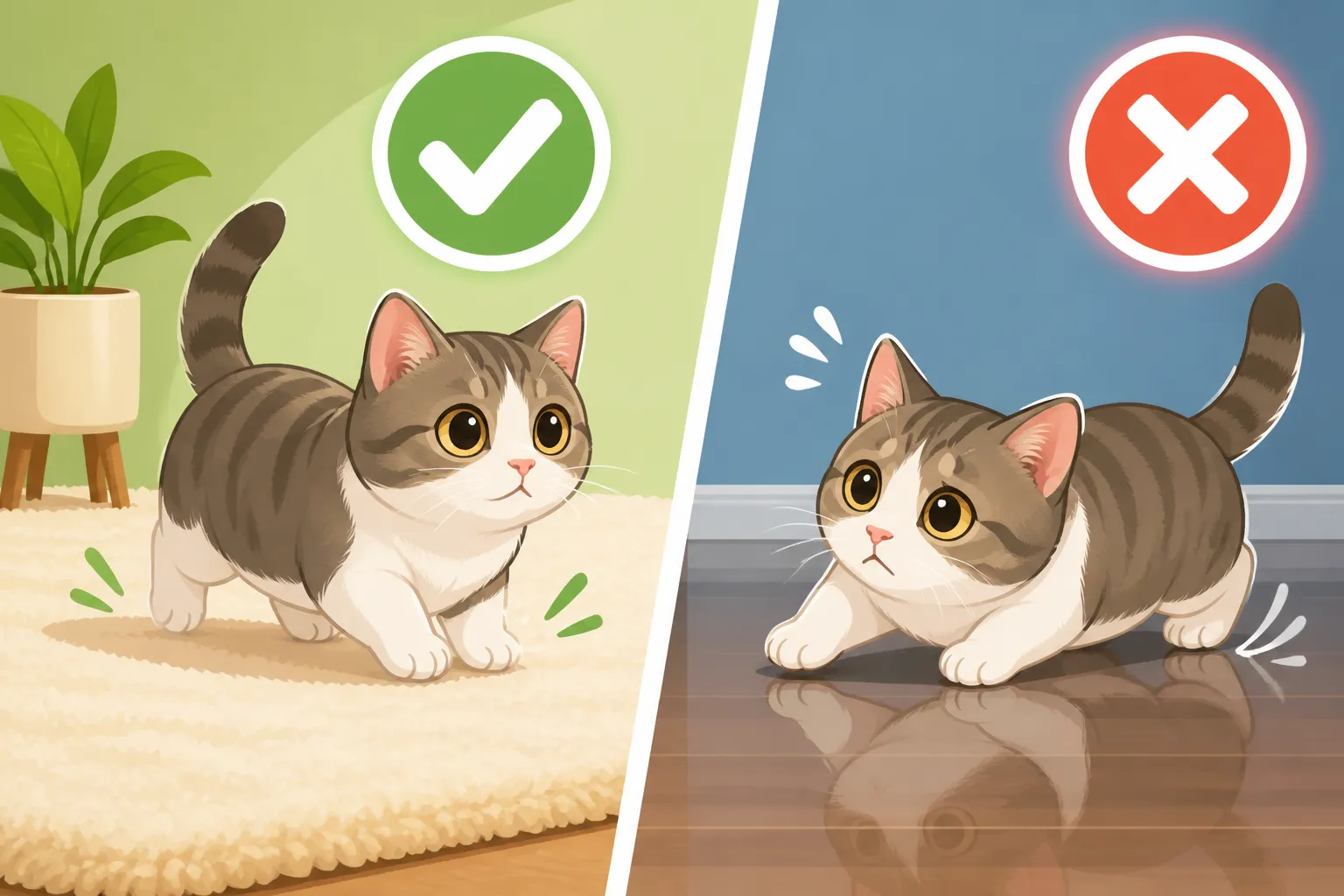
Whether Rugs Help a Munchkin Move Around
One common frustration many Munchkin cat owners face is watching their beloved short-legged companions struggle to gain purchase on smooth, hard flooring. Those adorable little legs, built for speed and agility on appropriate surfaces, can suddenly become a source of slipping and sliding on laminate, tile, or polished wood. This guide will explore exactly why these surfaces pose a challenge for Munchkins and how strategically placed rugs and carpets aren't just decorative elements, but vital tools to enhance their mobility, ensure their safety, and generally make their home a happier, more accessible place to zoom around.
The Unique Mobility Challenges of a Munchkin Cat
It’s easy to assume that because a Munchkin’s legs are short, they’ll simply adapt to any surface. However, their unique anatomy means they encounter very specific difficulties that normal-legged cats don't, especially when it comes to slick floors.
Navigating Smooth, Hard Surfaces
Imagine trying to run full tilt on a sheet of ice in socks. That’s a bit like what a Munchkin experiences on smooth kitchen tiles or hardwood floors. Their short stature means their center of gravity is lower, which helps with cornering and stability in some ways, but it doesn't solve the fundamental problem of friction. When a Munchkin tries to push off on a slippery surface, their paws often slide out from under them, leading to a frantic, almost cartoonish scrabbling. This isn't just a funny quirk; it's a real struggle.
This constant slipping can be incredibly stressful for your cat. Instead of moving with confidence, they might become hesitant, taking smaller, more careful steps, or even avoiding certain rooms altogether. We often hear stories of Munchkins refusing to go into the kitchen if it's all tile, or opting to stay on the sofa rather than brave the slick path to their favorite sunny spot. It’s not laziness; it’s self-preservation. Each slip and slide puts undue stress on their delicate joints, and a bad fall could lead to a painful injury.
The Impact on Joint Health Over Time
Beyond the immediate slips, prolonged exposure to challenging floor surfaces can have a cumulative negative effect on a Munchkin's long-term joint health. Every time their legs splay out unexpectedly, it's a small jolt, a mini-trauma to their shoulders, elbows, and hips. Think about Why a Munchkin's Elbows Take the Landing – those joints are already bearing a significant load due to their unique limb structure. Add constant, uncontrolled slipping, and you're dramatically increasing the wear and tear.
Over years, this can accelerate the onset of osteoarthritis, a common condition in cats, but one that can be particularly debilitating for a Munchkin. You might start noticing them stiffening up, being less keen to play, or even showing subtle signs of pain. It can be heartbreaking to watch your once energetic feline friend struggle, and often, it's a problem that could have been mitigated by addressing their environment earlier. Preventing these micro-injuries and providing stable footing is a proactive step in ensuring a comfortable, pain-free life for your short-legged companion, keeping them active for longer. We know that Why a Munchkin's Shoulders Wear First, and providing stable surfaces can help alleviate some of that strain.
How Rugs Transform a Munchkin's Indoor Landscape
Bringing rugs into your home isn't just about adding warmth or aesthetic appeal; for a Munchkin, it's about fundamentally altering their environment to better suit their physical needs. It's about empowering them to move naturally and confidently.
Providing Essential Traction and Stability
The most immediate and obvious benefit of rugs is the traction they provide. The fibers of a rug give those little paws something to grip onto, allowing for proper push-off and confident movement. This means no more frantic sliding, no more hesitant tiptoeing. Suddenly, your Munchkin can run, chase, and play with the agility they were born with. If you've ever seen a Munchkin on carpet, you know what I mean – they're incredibly fast and nimble.
This improved traction directly supports their natural gait. Munchkins are known for their distinctive, almost ferret-like movement, characterized by bursts of speed and quick changes in direction. Why a Munchkin's Walk Is Described as a Ferret's is due to their body structure, and on a grippy surface, they can truly show off that unique agility. Imagine a tiny cheetah finally getting to stretch its legs on solid ground after being confined to an ice rink. That's the difference a rug can make. It unlocks their natural athleticism, allowing them to express their playful, inquisitive personalities without the constant fear of slipping.
Cushioning for Jumps and Landings
While Munchkins aren't known for their Olympic-level jumping skills, they still navigate heights in their own way. They might use furniture as a series of steps to reach a favorite perch, or occasionally attempt a small hop onto a lower chair. Every landing, no matter how small, sends a jolt through their spine and joints. It's important to remember that Why a Munchkin's Spine Carries a Load a Normal Cat's Does Not, and providing extra cushioning for any impact is always a good idea.
Rugs offer a welcome layer of shock absorption. A soft, plush rug under a favorite window perch or at the foot of a sofa can significantly reduce the impact of any jump or descent. This is especially crucial as they age and their joints naturally start to stiffen. Even if they primarily use ramps or carefully planned steps to get around, there will still be moments of spontaneous movement, and having that soft landing zone can make a world of difference in preventing discomfort and potential injury. It’s like building a padded playground for them, ensuring that every little adventure ends softly.
Creating Safe, Accessible Pathways
Think of your home from your Munchkin's perspective. Are there "no-go" zones of slippery flooring separating them from their food, litter box, or favorite sunny nap spot? Strategically placed rugs can act as safe, accessible pathways, connecting these important areas and removing invisible barriers. Instead of having to leap or struggle across a slick expanse, they can trot confidently from one rug to the next.
This creates a sense of freedom and encourages exploration. A Munchkin who feels secure in their movements is a happier, more engaged cat. You can lay down runners in hallways, area rugs in living spaces, and even small, washable mats in front of litter boxes and food bowls. It's about mapping out their world with comfort and safety in mind, ensuring they can reach all their essential resources and cherished spots without stress. This consideration is part of the larger approach that says With a Munchkin the House Changes, Not the Cat.
Choosing the Right Rugs for Your Short-Legged Friend
Not all rugs are created equal when it comes to supporting a Munchkin's unique needs. Making informed choices about material, pile height, and backing can make a big difference in how effective your efforts are.
Prioritizing Non-Slip Backings and Low Pile
The absolute most important feature for any rug destined for a Munchkin household is a non-slip backing. A rug that slides around on a hard floor is just as dangerous, if not more so, than the bare floor itself. You want something that stays firmly in place, providing a stable foundation for their agile movements. Many rugs come with integrated non-slip backings, but for those that don't, investing in a high-quality rug pad is non-negotiable. You can find a great selection of reliable non-slip rug pads on Amazon that will anchor almost any rug securely.
When it comes to pile height, generally, lower is better. While a super plush, high-pile shag rug might feel luxurious to our feet, it can actually make it harder for a Munchkin to move around. Their short legs can get a bit bogged down, and their small claws might snag. A low-pile or flat-weave rug allows for smoother, more confident running and turning. It also has the added benefit of being easier to clean, which is a consideration when thinking about how much a cat's low belly can track litter. Which Litter Sticks to a Munchkin's Belly is a question many owners consider, and a low pile rug can help minimize tracking while also being easier to vacuum.
Strategic Placement for Maximum Benefit
It’s not just about having rugs; it’s about where you put them. Think like your Munchkin. Where do they go? Where do they try to jump? High-traffic areas, obviously, need coverage. This includes hallways, paths to their litter box and feeding stations, and favorite play zones. But also consider areas around furniture where they might attempt to jump or climb down. Place a rug at the foot of the sofa, or underneath a low-level cat tree.
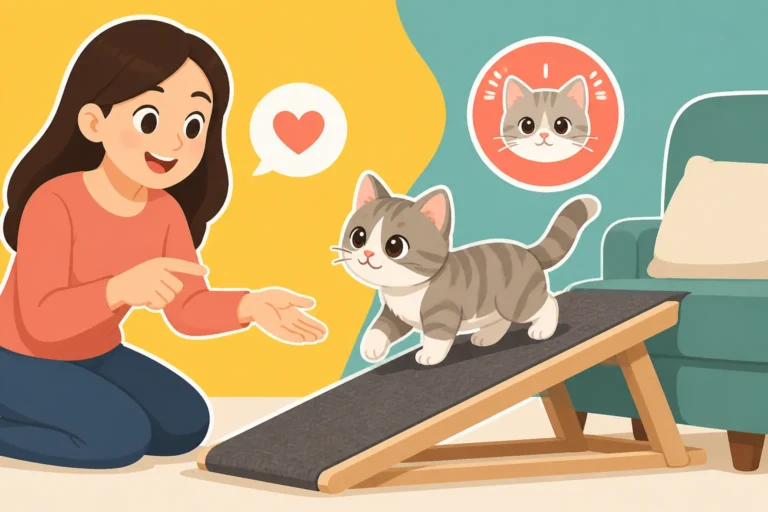
You can even use rugs to create mini-ramps or steps for them. If you have a slightly higher surface they love, like a particular armchair, a thick, sturdy rug folded carefully or a series of smaller, overlapping rugs can create a gentle incline or a stable stair-like structure for easier access. This thoughtful approach ensures that every part of their daily routine is as effortless and safe as possible. When considering How to Set Up Ramps Around a Munchkin's House, remember that rugs can be a flexible, less permanent alternative to dedicated wooden or carpeted ramps.
Material Considerations for Durability and Cleaning
When choosing materials, durability and ease of cleaning are key. Cats, being cats, will inevitably have accidents, track litter, or shed fur. Look for materials that are easy to vacuum, spot clean, and ideally, can be washed. Synthetic fibers like nylon or polypropylene are often very resilient and stain-resistant. Many brands now offer machine-washable rugs, which can be a lifesaver for pet owners. I often check for these practical options on Amazon when upgrading my own home for my feline companions.
Natural fibers like cotton can also be a good choice if they are tightly woven and easy to throw in the wash. Wool, while beautiful, can be more challenging to clean and may not be the best choice for high-traffic, high-risk areas. Remember, these rugs aren't just for show; they're functional tools in your Munchkin's health and happiness arsenal, so practicality should definitely weigh heavily in your decision.
| Feature | Low-Pile Rugs | High-Pile Rugs | Flat-Weave Rugs |
|---|---|---|---|
| Munchkin Mobility | Excellent traction, easy movement | Can hinder movement, legs may sink | Good traction, very easy movement |
| Non-Slip Backing | Essential | Essential | Essential |
| Ease of Cleaning | High (easy to vacuum/spot clean) | Low (traps dirt, harder to vacuum) | Very High (easy to vacuum/wash) |
| Cushioning | Moderate | High | Low |
| Durability | Good to Excellent | Moderate | Excellent |
| Litter Tracking | Low to Moderate | High | Low |
Beyond Rugs: A Holistic Approach to Munchkin Mobility
While rugs are fantastic for improving your Munchkin's ability to move around, they're just one piece of a larger puzzle. A truly holistic approach to their mobility involves several other key considerations that work hand-in-hand with environmental adaptations.
Maintaining Optimal Weight
This cannot be stressed enough: weight control is paramount for a Munchkin's joint health and overall mobility. Every extra gram of weight puts additional strain on their already uniquely structured spine and short legs. An overweight Munchkin will struggle even more on slippery surfaces, have a harder time jumping or climbing, and will be significantly more prone to accelerated joint degeneration. We've often discussed Why Weight Is More Dangerous on a Munchkin, and it's because their framework simply isn't designed to carry excess pounds gracefully.
Work closely with your vet to establish and maintain an ideal body condition. This involves precise portion control, a high-quality diet, and encouraging as much active play as possible on those wonderful new grippy surfaces you've provided. Regular weigh-ins at home can help you stay on track. A lean Munchkin is a mobile Munchkin, and that's the best gift you can give them.
Grooming and Claw Care
It might seem tangential, but proper grooming, especially of their claws, plays a direct role in a Munchkin's ability to move confidently. Overgrown claws can make it difficult for any cat to get proper grip, especially on slick surfaces, as they can't fully retract their claws to expose their paw pads. For a Munchkin, whose footing is already a consideration, sharp, well-maintained claws that allow them to dig in slightly can be a real asset.
Regular nail trims are crucial. If you're nervous about doing it yourself, your vet or a professional groomer can help. Also, keep an eye on their paw pad fur; sometimes, excessive fur between the pads can reduce traction. While not as common as with dog breeds, trimming this fur can sometimes help. Remember that trimming a Munchkin's claws requires careful handling to avoid discomfort or injury; Trimming a Munchkin's Claws Without Twisting Its Legs is a skill worth learning or entrusting to a professional. Additionally, ensure their hindquarters are clean and free of mats, as matted fur can restrict movement and cause discomfort.
Regular Vet Checks and Joint Support
Even with the best home environment, regular veterinary check-ups are essential for monitoring your Munchkin's overall health and specifically their joint status. Your vet can perform physical examinations, assess their gait, and discuss any signs of stiffness or discomfort you might be noticing. Catching issues early can lead to more effective management. It's a key part of Why a Munchkin's Vet Year Includes Its Joints.
Your vet might recommend joint supplements, particularly as your Munchkin enters their senior years, or if they show any early signs of joint discomfort. These supplements often contain ingredients like glucosamine, chondroitin, and omega-3 fatty acids, which can help support cartilage health and reduce inflammation. While not a magic cure, they can be a valuable addition to a comprehensive care plan, helping to keep your Munchkin comfortable and mobile for as long as possible. Don't hesitate to ask your vet about preventive measures and supportive therapies.
Disclaimer
This article is for general informational purposes only and does not constitute professional advice. Laws, prices and regulations vary by location and change over time. Consult a qualified professional for guidance on your specific situation.