Why Two Munchkins Play at the Same Height
It’s a common question when you’re considering a Munchkin, especially if you’re thinking about a multi-cat household: how do their unique physical traits impact their play, and what happens when two short-legged furballs get together? Many cat parents worry about their Munchkin feeling left out or getting injured, but the truth is, when two Munchkins play, it’s a whole different ballgame—one where everyone stays wonderfully on the same level. This guide will dive deep into why two Munchkins instinctively play at the same height, and how their shared physical characteristics create a wonderfully harmonious and active play dynamic.
The Shared World: Understanding Munchkin Play Dynamics
When you bring two Munchkin cats together, you're essentially pairing two creatures who share a very similar physical blueprint. Their short legs, a hallmark of the breed, mean they navigate the world from a consistently lower vantage point than most other felines. This isn't just a physical characteristic; it profoundly shapes their perception, movement, and, crucially, their play. They operate within a shared physical reality that fosters a unique kind of interaction, one where both participants understand and are limited by the same constraints.
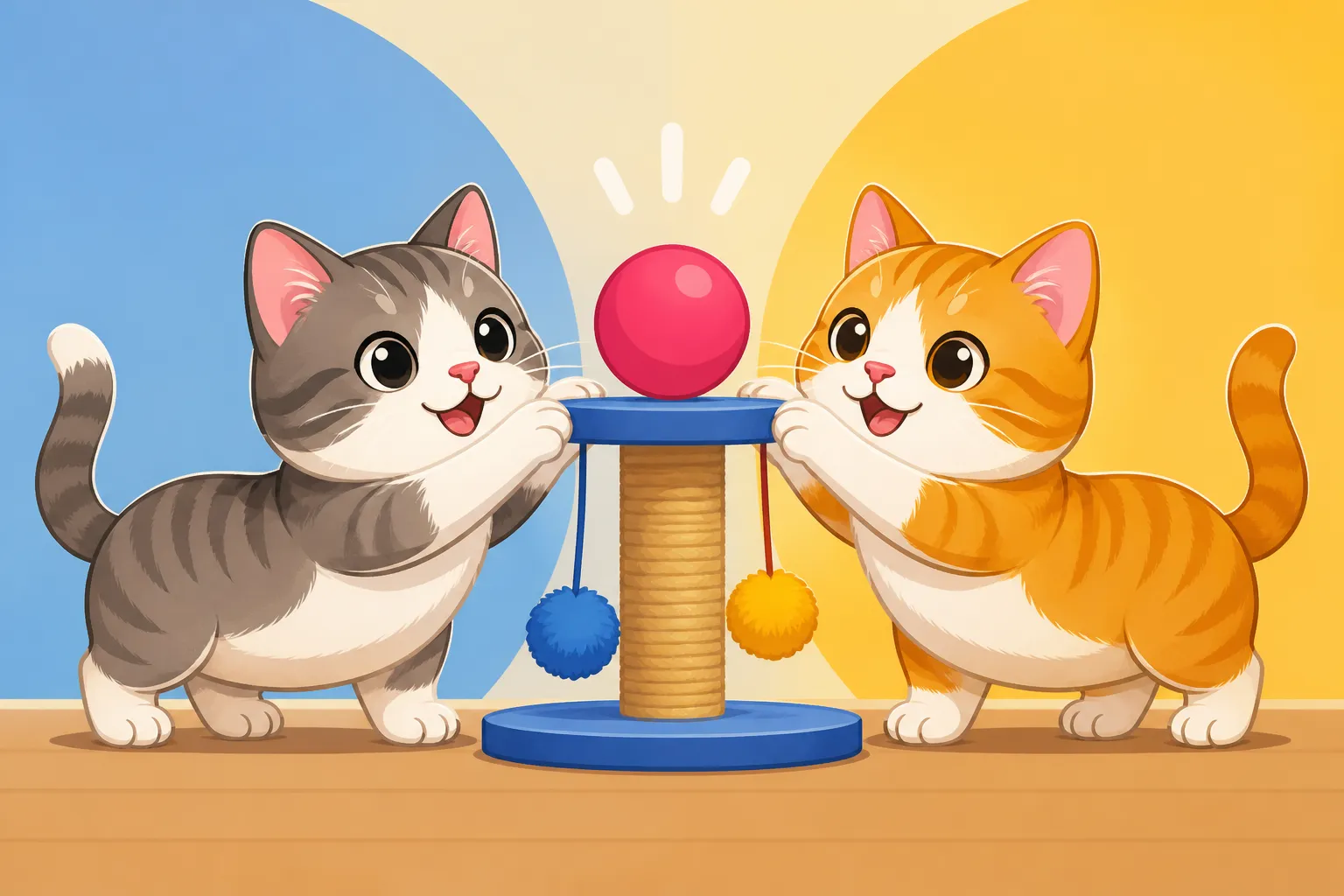
Imagine two kids of the same age playing. They naturally gravitate towards activities that suit their shared developmental stage and physical capabilities. They run together, climb together, and invent games that work for both of them. It's much the same for Munchkins. Their shorter stature means that high jumps, scaling tall furniture, or darting up standard cat trees are either impossible or significantly challenging. Because of this, their play naturally evolves to embrace ground-level activities. They become masters of horizontal speed, quick turns, and clever pounces that don't rely on vertical prowess. This shared limitation isn't a deficit in their play; it’s the foundation for a deeply compatible and often hilarious form of interaction. They don't have to compensate for a partner's greater agility or reach; they are both equally adept, or equally challenged, which makes for a level playing field in every sense of the word. You can observe that a Munchkin's jump isn';t particularly high, so their games adapt.
This contrasts sharply with a Munchkin playing with a normal-legged cat. While many long-legged cats are gentle and will adjust their play, there’s an inherent mismatch. A regular cat might effortlessly leap onto a bookshelf, while a Munchkin stares up, unable to follow. This can lead to frustration for the Munchkin, or it might result in the normal-legged cat inadvertently playing too rough or taking advantage of its physical superiority, even if not intentionally. With two Munchkins, there’s an unspoken agreement, a mutual understanding of what’s physically possible, which often leads to more cooperative and sustained play sessions. They're not trying to out-jump each other; they're trying to out-maneuver each other on the floor, in tunnels, or around the legs of your coffee table. This is why you'll often see them engaging in games that rely on speed and agility along the floor, rather than vertical leaps. It's about maximizing their strengths in their shared low-to-the-ground world.
Ground-Level Fun: Exploring Munchkin Play Styles
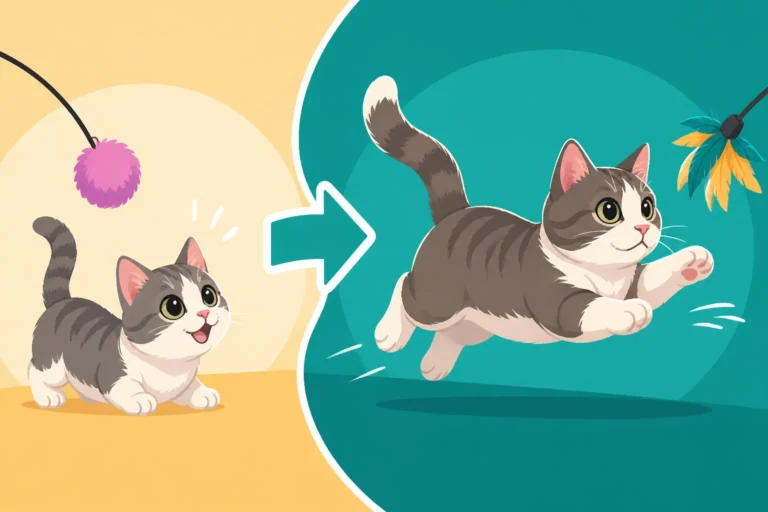
Munchkins are far from sedentary; they are incredibly playful, curious, and energetic. Their play just looks a little different from that of a "regular" cat. Because their short legs limit their vertical reach, their games take place predominantly on the horizontal plane. This means lots of chasing, wrestling, pouncing, and exploring tunnels or low structures. They might not scale your curtains, but they will certainly put on a dazzling display of speed and agility as they dart under furniture and around obstacles. You’ll often hear their distinctive "ferret-like" scamper as they zoom across the room, an absolute joy to watch.
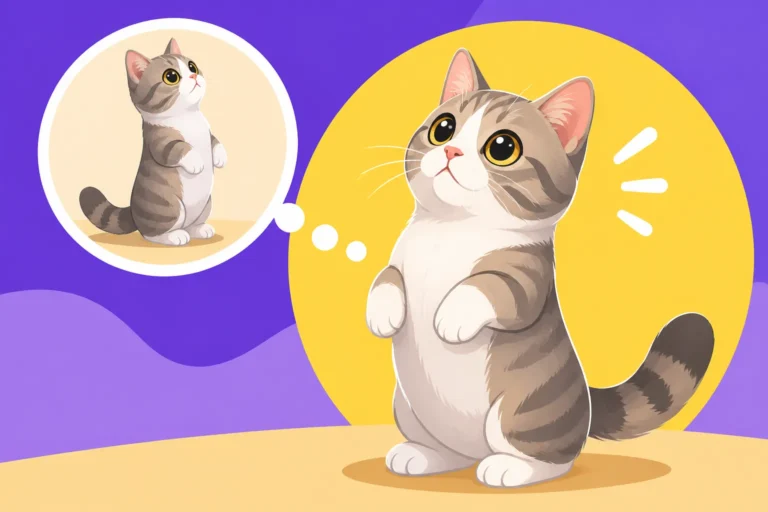
One of the most endearing and unique aspects of Munchkin behavior is their "prairie dog sit." You've probably seen it – they sit up on their hind legs, using their short front paws like little hands, to get a better view of their surroundings. While this isn't strictly "play," it's a critical part of their observational behavior and often precedes a pounce or an engagement with a toy. When two Munchkins are playing, one might pop up into this sit, assessing the play situation, before dropping back down to chase or wrestle. This posture allows them to momentarily overcome their height disadvantage, giving them a quick scan of the action before re-engaging. It's a charming adaptation that integrates seamlessly into their play repertoire. It also contributes to How Much Floor Level Play a Munchkin Needs and enjoys.
The toys that truly ignite a Munchkin's play drive are those that encourage this ground-level engagement. Think wand toys with feathers or strings that can be dragged along the floor, crinkle balls they can bat around, tunnels they can zoom through, or puzzle feeders that require dexterity rather than reach. They absolutely adore anything that rolls, slides, or can be ambushed from a low vantage point. Interactive toys that involve a human dangling a feather just out of reach, but at floor level, are also perennial favorites. These activities don't just keep them physically active; they stimulate their minds and satisfy their predatory instincts within the bounds of their physical capabilities. Which Toys Work at a Munchkin's Height are always the ones that keep them engaged and active.
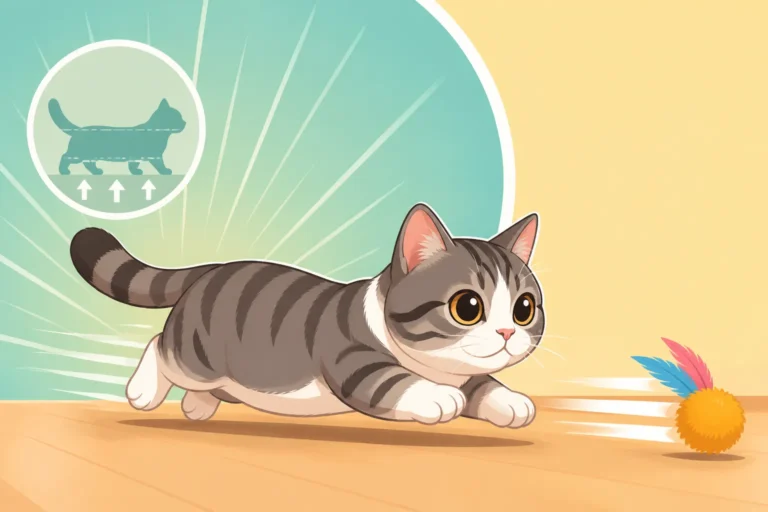
It’s about understanding their strengths and catering to them. Their low center of gravity actually makes them incredibly stable and allows them to make incredibly sharp turns at high speed. You’ll see them careening around corners during a chase, stopping on a dime, and changing direction with an impressive lack of wobble. This means games involving quick changes of pace and direction are perfect for them. Why a Munchkin's Low Body Helps It Chase so effectively, making them surprisingly speedy despite their tiny legs.
The Benefits of a Two-Munchkin Household for Play
Bringing two Munchkins into your home can create an incredibly harmonious and engaging environment, especially when it comes to playtime. There are distinct advantages to having feline companions who share the same physical characteristics.
Firstly, a significant benefit is the reduced risk of accidental injury during play. When a Munchkin plays with a cat of normal leg length, there's always a possibility of size and agility disparities leading to one cat getting unintentionally hurt or overwhelmed. A longer-legged cat might jump onto a higher surface to escape, leaving the Munchkin stranded, or might accidentally step on or roughhouse too vigorously with their smaller friend. With two Munchkins, they are equally matched in their physical capabilities. Their wrestling matches are less likely to involve high-impact jumps or falls from significant heights. They understand each other's limitations instinctively, leading to more balanced and safer play. This mutual understanding means that Why a Munchkin Cannot Escape a Confrontation is less of a concern because both parties have similar escape mechanisms or lack thereof, evening the playing field.
Secondly, having a playmate who shares their unique physical experience fosters stronger social bonding. Cats communicate through body language, play signals, and shared activities. When two Munchkins engage, their movements, pounces, and chases are all perfectly aligned. They can chase each other through tunnels, wrestle on the floor, and pounce on each other from equally low hiding spots. This shared "language" of movement strengthens their connection, leading to deeper companionship. They don't have to constantly adjust for a play partner who moves fundamentally differently; they just get each other. This often translates to a very peaceful and close bond, as they find a kindred spirit in their playmate. In contrast, Whether a Munchkin Is Bullied by a Normal Legged Cat is a concern many owners have, which is often mitigated by having another Munchkin around.
Finally, a two-Munchkin household creates a wonderfully self-sufficient play environment. While human interaction and enrichment are always important, two Munchkins can keep each other entertained for extended periods, providing vital exercise and mental stimulation. They'll invent games that cater to their unique abilities, exploring every nook and cranny of their low-to-the-ground world. This not only provides entertainment for them but also offers a constant source of amusement for their human family. Watching them chase each other at impressive speeds, making How a Munchkin Changes Direction at Speed look effortless, or engaging in a mock wrestling match is truly delightful. Their ability to meet each other's play needs means they're less likely to seek out inappropriate ways to burn energy, such as scratching furniture they can't reach.
Here's a quick comparison of play dynamics:
| Feature | Two Munchkins Playing | Munchkin vs. Normal-Legged Cat |
|---|---|---|
| Height of Play | Consistently ground-level, horizontal focus | Mixed heights, normal cat can go vertical |
| Speed/Agility | Equally matched, fast horizontal bursts, sharp turns | Normal cat may have advantage in vertical speed |
| Wrestling | Balanced, low-impact, mutual understanding of limits | Potential for accidental roughhousing or imbalance |
| Chasing | Equal ability to pursue and be pursued | Normal cat may easily escape to higher ground |
| Reach/Jump | Both share limited vertical reach | Normal cat has superior jumping/climbing ability |
| Risk of Injury | Lower, due to shared physical traits | Higher, due to physical disparities |
| Bonding | Stronger due to shared experience and play style | Requires careful adjustment from normal cat |
Optimizing Your Home for Munchkin Play
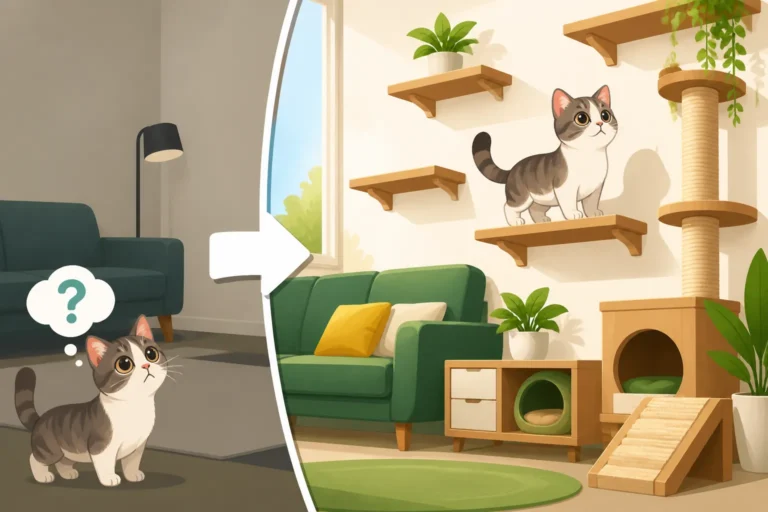
To truly unlock the joyful, active play potential of your Munchkins, and especially in a multi-Munchkin household, thoughtful environmental setup is key. It's not about making your home inaccessible to them; it's about making it more accessible in ways that suit their unique physical needs. Think of it as creating a "Munchkin-scape" where every piece of furniture, every toy, and every pathway is considered from their low-to-the-ground perspective.
Firstly, focus on creating safe, accessible play zones. This means ensuring there are clear pathways for them to run and chase each other, free from clutter or sharp edges. Tunnels, soft fabric cubes, and low-level hiding spots are fantastic for ambush play. Consider soft, non-slip surfaces for their main play areas, as slippery floors like laminate or tile can make their quick turns more challenging and potentially lead to slips. Throw rugs and carpeted areas provide excellent traction, giving them the confidence to really put on a show of speed. If you have stairs, it's wise to limit their access, or at least ensure they have supervised use, as repeated impact on short legs can be a concern. Whether a Munchkin Should Be Discouraged From Jumping from high places is a good rule of thumb to protect their joints.
Secondly, invest in toys and accessories that are specifically designed for or easily adapted to a Munchkin's reach. While any cat toy can be fun, some are inherently better for short-legged friends. Wand toys with long strings or feathers are perfect because you can drag them along the floor, engaging their chase instinct without requiring them to jump high. Crinkle balls, soft mice, and small, lightweight toy-on-a-string items that can be batted around are always winners. For enrichment, consider puzzle feeders that sit directly on the floor or have very low entry points. Many excellent options can be found on Amazon, ranging from automatic laser pointers that sweep across the floor to ball track toys they can bat at.
For vertical climbing, which is still important for enrichment and observation, you'll need to think horizontally. Instead of tall, towering cat trees with widely spaced platforms, opt for cat trees with closely set platforms or those that resemble ramps or steps. A multi-level cube system or a cat tree with wide, carpeted steps allows them to ascend without challenging jumps. You can even create your own "stairs" out of sturdy boxes or small pet steps to help them reach a favorite window perch or the sofa. Remember, Which Cat Tree Layout Suits a Munchkin is one that provides a gradual incline or closely spaced, wide steps, minimizing any gaps that would require a jump.
Finally, think about ensuring safe landings. Even with their shared low play, Munchkins might still attempt small jumps onto or off furniture. Provide soft landing zones by placing thick rugs or pet beds at the base of favorite chairs, sofas, or low window sills. This cushions any impact and makes their playful explorations safer. It's all about designing a home that acknowledges and celebrates their unique physical makeup, allowing them to play freely, safely, and joyfully with each other. By setting up your home with these considerations in mind, you’re not just accommodating your Munchkins; you’re empowering them to be their most playful, energetic selves, thriving in an environment tailored just for them. How to Set Up Floor Level Enrichment for a Munchkin can involve a combination of tunnels, low scratching pads, and accessible perches, all contributing to a rich play life.
Disclaimer
This article is for general informational purposes only and does not constitute professional advice. Laws, prices and regulations vary by location and change over time. Consult a qualified professional for guidance on your specific situation.