How a Munchkin’s Play Changes After Eight
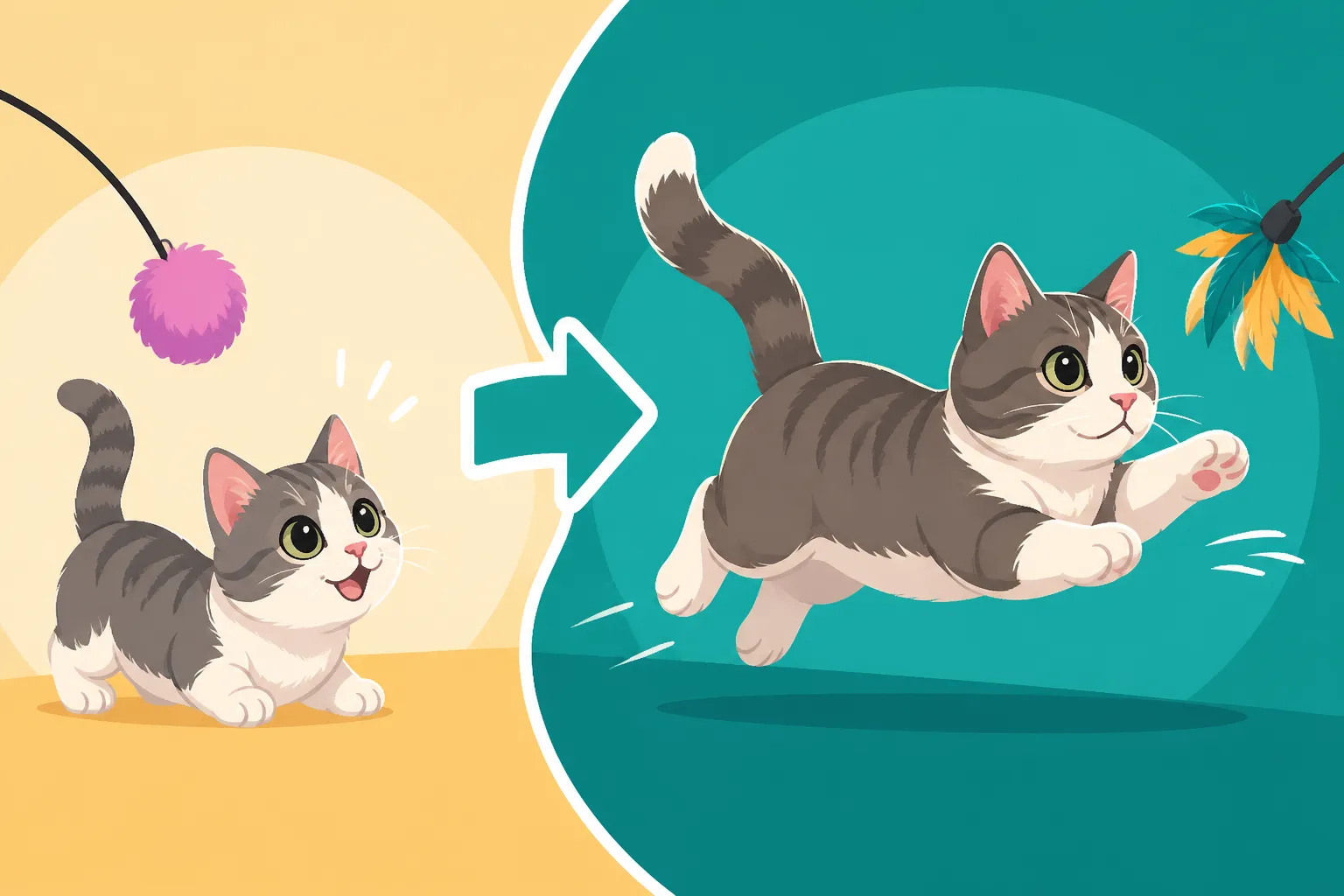
It's never easy to see our beloved feline companions start to slow down. As Munchkin cats gracefully transition into their senior years, often around eight years old, you might notice subtle shifts in their playtime habits. What was once a whirlwind of bouncy energy and daring leaps might now be a more measured, thoughtful engagement with their surroundings. This guide will walk you through what to expect when your Munchkin becomes a senior, why these changes occur, and how you can adapt their environment and play routine to keep them happy, active, and enriched for years to come.
Recognizing the Subtle Shifts in Play
When your Munchkin crosses that invisible threshold into seniority, their playful spirit doesn't vanish, but it certainly evolves. You might find yourself doing a double-take, wondering if your cat is just having an off day, only to realize that these "off days" are becoming more frequent. It's a natural part of aging, but recognizing these early signs can help you respond proactively to their changing needs.
Less Jumping, More Observing
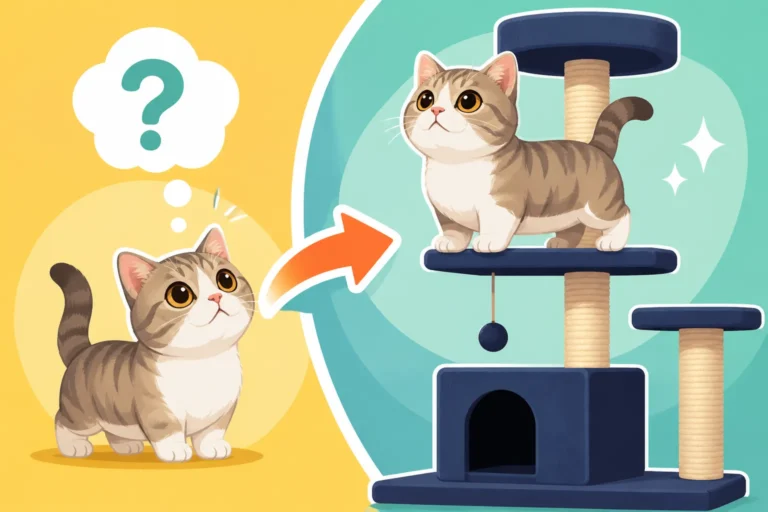
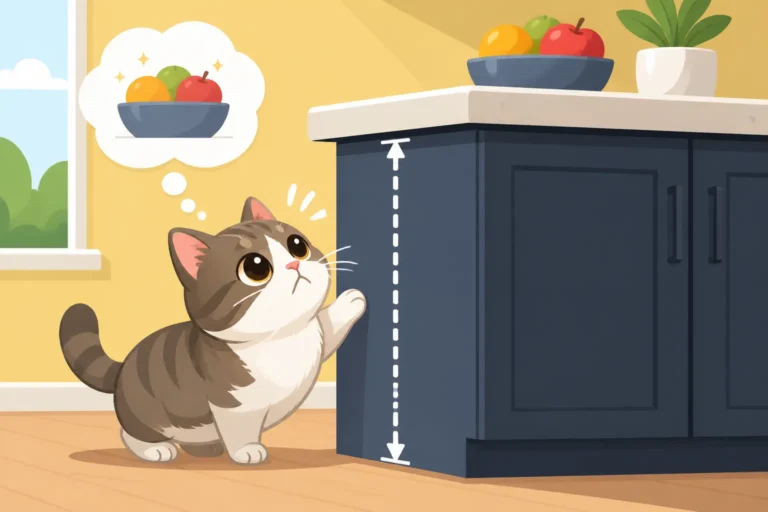
One of the most noticeable changes you'll likely observe is a significant reduction in vertical ambition. Your Munchkin, who once effortlessly launched themselves onto the sofa, the bed, or perhaps even a low bookshelf, might now hesitate. They might gaze longingly at their favorite high perch, circle it a few times, and then opt for a comfortable spot on the floor nearby. This isn't laziness; it's a direct response to physical changes in their joints and muscles, which make those high-flying acrobatics more challenging, and potentially uncomfortable. You might notice them using furniture as stepping stones more often, employing a carefully planned, multi-stage ascent rather than a single jump. For more on what your senior Munchkin might stop doing, you can read What an Old Munchkin Stops Being Able to Do.
Instead of participating in vigorous games, your senior Munchkin might become more of an observer. They'll still follow the action with their eyes, perhaps batting a paw half-heartedly at a passing toy, but the full-body pounce might be a thing of the past. Imagine a wise elder cat, perched comfortably, surveying their domain with a keen eye, still very much engaged mentally, even if their physical participation is reduced. It's a shift from active hunter to strategic watcher, and it means you need to adjust your expectations and the types of play you offer.
They might still enjoy the thrill of the chase, especially if the "prey" stays at ground level. A laser pointer dot or a feather wand toy dragged along the carpet can still spark their interest, but watch for signs of fatigue. A sudden stop, an exaggerated stretch, or a decision to lie down and simply watch are all cues that the session needs to be shorter or gentler. This isn't just about their legs; it's also about their overall stamina and energy levels, which naturally decline with age.
Shorter Play Sessions and Easier Games
Gone are the days of marathon play sessions that left both you and your young Munchkin breathless. As they age, their stamina decreases, and prolonged physical exertion can lead to discomfort or exhaustion. You'll likely notice that play sessions become shorter, perhaps only a few minutes at a time, followed by extended periods of rest. It's like they've adopted a "sprint and nap" philosophy.
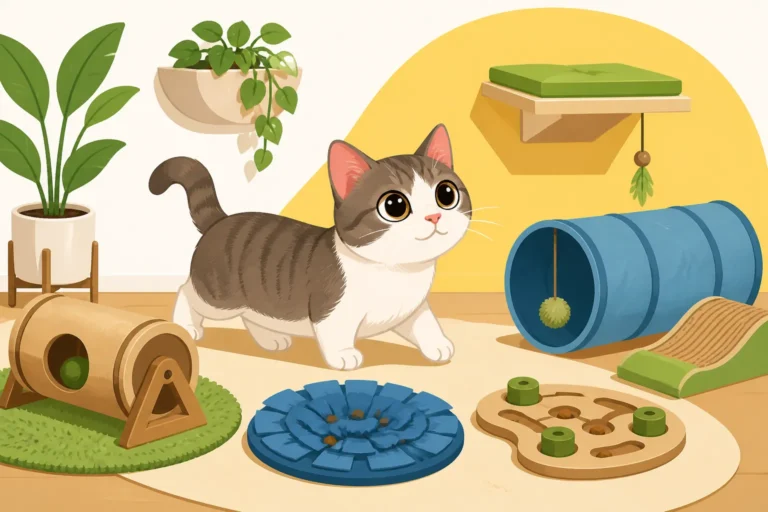
The types of games they enjoy will also shift towards easier, less demanding activities. Instead of high-intensity chase games, they might prefer slow-moving wand toys that they can stalk and pounce on from a lying or sitting position. Puzzle feeders that dispense treats with a gentle nudge, or soft toys that can be batted around without much effort, become much more appealing. The goal remains mental stimulation and a bit of physical movement, but without the strain. You might find that simply interacting with them, stroking them, and offering a gentle massage is a form of play and bonding that they cherish just as much, if not more, than a vigorous game.
When playing with a senior Munchkin, paying close attention to their body language is key. Are their ears flattened, indicating discomfort? Are they moving stiffly after a few minutes? These are signs to wind down the play and let them rest. Remember, the joy of play for them might now come from the interaction itself, the mental challenge, or the comfort of your presence, rather than just the physical exertion. It's about quality over quantity, and ensuring their enjoyment without pushing them too hard.
Changes in Hunt and Chase Drive
While a young Munchkin is often a tiny, turbocharged hunting machine, their primal hunt and chase drive can become less intense after eight. They might still show interest in moving objects, but the urgency and relentless pursuit you once witnessed may diminish. This isn't to say they've lost their inner predator entirely, but the instinct often mellows with age.
Instead of explosive sprints and intricate maneuvers to catch a toy, you might see a more deliberate, calculated approach. They might lie in wait for longer, conserving energy, and only engage when the prey is well within their comfortable reach. The "prairie dog sit" – where they stand up on their hind legs to get a better view – might still be present, but perhaps for shorter durations, as balancing becomes more of an effort. Observing their changes in posture and movement can tell you a lot about their comfort levels.
It’s important to remember that even if the intense chase drive wanes, the need for mental stimulation and engagement remains. A senior Munchkin still benefits from opportunities to "hunt" for treats hidden in snuffle mats or batting at a soft toy. These activities tap into their natural instincts without putting undue stress on their aging bodies. Keeping them mentally sharp can help maintain their overall quality of life, even if their physical capabilities are limited.
Understanding the Physical Reasons for Play Changes
The shifts in your Munchkin’s play behavior aren't arbitrary; they are deeply rooted in the physical changes that come with aging. Their unique body structure means that these changes can sometimes manifest differently, or with greater impact, than in a long-legged cat. Understanding these underlying physical realities is crucial for providing the best care and adapting their environment appropriately.
The Impact of Aging Joints and Mobility
Just like humans, cats experience wear and tear on their joints as they get older. For Munchkins, whose short legs mean their joints bear weight and impact in a distinctive way, this can be particularly pertinent. The cartilage that cushions their joints can start to thin, leading to conditions like osteoarthritis. This can make movements that were once fluid and effortless—like jumping, running, or even navigating stairs—painful or difficult. You might notice stiffness, especially after they've been sleeping, or a reluctance to engage in activities that require bending or extending their limbs fully.
This joint discomfort is a primary driver behind their reduced desire to jump or engage in high-impact play. Imagine having achy knees; you wouldn't be eager to leap off furniture either! Their shorter limbs mean that any impact from a jump is absorbed more directly by their joints and spine, rather than being distributed across longer, more flexible bones. This is why you need to be especially mindful of protecting their mobility as they age. Internal articles like Why a Munchkin's Spine Carries a Load a Normal Cat's Does Not can provide deeper insight into their unique spinal mechanics.
Providing joint supplements, as recommended by your vet, can be a proactive step in supporting their joint health. These often contain ingredients like glucosamine and chondroitin, which can help maintain cartilage and reduce inflammation. Talk to your veterinarian about Which Joint Supplements Suit a Munchkin and discuss if they are suitable for your cat. Regular, gentle movement is also key to keeping joints mobile and muscles strong without causing further damage.
Reduced Stamina and Energy Levels
Beyond joint issues, senior Munchkins naturally experience a decrease in overall stamina and energy levels. Their metabolism slows down, and their bodies simply aren't as efficient at producing and utilizing energy as they once were. This means shorter bursts of activity followed by longer periods of rest are the new norm. What might seem like your cat being "lazy" is actually their body telling them they need to conserve energy.
You might observe them panting softly after a brief play session, or choosing to nap more frequently throughout the day. Their sleep patterns might also change, with more frequent, shorter naps instead of long, uninterrupted stretches. This reduced energy affects everything from their desire to play vigorously to their ability to groom themselves thoroughly, particularly their hard-to-reach hindquarters. This makes it more important than ever for you to monitor their general health and energy levels, and report any drastic changes to your vet.
It's vital not to push a senior Munchkin beyond their comfort zone. Forcing them to play when they're tired can lead to frustration, pain, and potentially an aversion to playtime altogether. Instead, offer gentle, brief opportunities for engagement throughout the day. This respectful approach helps maintain their interest in play while accommodating their physical limitations. Remember that even a tired Munchkin still loves interaction and affection, even if it's just a quiet cuddle on the sofa.
Weight Management and Its Role
Weight management becomes even more critical for a senior Munchkin than for a younger one. Every extra ounce of weight places additional strain on their already vulnerable joints and spine. Because their activity levels naturally decrease with age, they burn fewer calories, making it easier for them to gain weight if their diet isn't adjusted. An overweight senior Munchkin is at a significantly higher risk for accelerated joint degeneration, reduced mobility, and other health issues. This is why Why an Overweight Munchkin Is in Real Trouble is such an important read for owners.
Maintaining a healthy body condition score is paramount. Your vet can help you determine the ideal weight for your Munchkin, and you should be weighing them regularly at home. How Often to Weigh a Munchkin at Home can provide practical tips for this. Even a slight increase in weight can have a disproportionate impact on their short limbs and spine, exacerbating any existing discomfort and making movement even more challenging. You might notice them having difficulty grooming themselves, especially their underside or hindquarters, if they're carrying extra weight.
Adjusting their diet to a high-quality senior cat food, often lower in calories but still nutrient-dense, is crucial. Portion control is non-negotiable, and treats should be given sparingly and factored into their daily calorie intake. Think of it as a delicate balance: providing enough nutrition to maintain muscle mass and health, but not so much that it contributes to weight gain. Every little bit of proactive care in this area can significantly improve your senior Munchkin's comfort and longevity.
Adapting Playtime for a Senior Munchkin
Seeing your once-playful Munchkin slow down can be disheartening, but it doesn't mean the end of fun. It simply means you get to flex your creative muscles and find new ways to engage with them. Adapting their playtime to their senior needs is all about focusing on comfort, accessibility, and mental stimulation.
Introducing Low-Impact Toys and Activities
The days of toys that encourage high jumps or rapid, twisting movements are largely behind your senior Munchkin. Now is the time to embrace a world of low-impact fun. Think about toys that stay on the floor and require minimal exertion. Soft, lightweight balls they can bat around with a paw, crinkly toys they can stalk and pounce on gently, or small stuffed animals are often big hits. You can find a fantastic array of these types of toys on platforms like Amazon, often specifically marketed for senior cats or those with mobility issues.
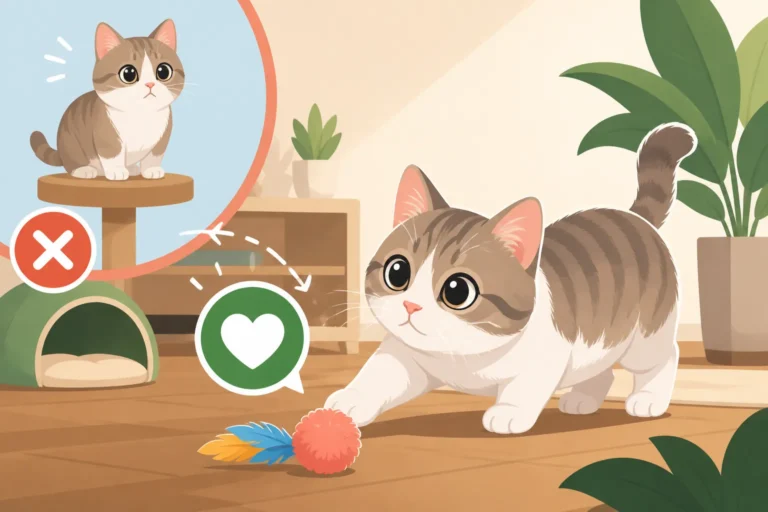
Wand toys are still a fantastic option, but the way you use them needs to change. Instead of making the feather or ribbon fly through the air, keep it low to the ground, mimicking a crawling insect or a scuttling mouse. Drag it slowly across the carpet, around furniture legs, or under a blanket. This allows your Munchkin to engage their hunting instincts without having to jump or make sudden, jarring movements. The focus is on the chase and the "capture," not the acrobatic display. Which Games Suit a Munchkin That Has Stopped Jumping provides even more ideas for adapted play.
Puzzle feeders are another excellent choice, providing mental stimulation and a small reward without intense physical activity. These can range from simple food-dispensing balls to more intricate mazes that require your cat to bat, nudge, or solve a small riddle to get their treat. Again, many options are available on Amazon, some specifically designed to be easy for cats to manipulate without needing to stand on their hind legs or stretch too far. Just remember to factor any treats dispensed into their daily calorie count to maintain that healthy weight!
Creating Accessible Play Environments
Beyond the toys themselves, the environment where your Munchkin plays needs careful consideration. A home designed for a spry young cat might become a series of inaccessible obstacles for a senior. Your goal is to make their world easy to navigate and eliminate any temptations for risky jumps. Why an Old Munchkin Needs Its Route Lowered is a must-read for optimizing their space.
Ramps and steps become invaluable tools in a senior Munchkin's home. These aren't luxuries; they're essential equipment. Use them to provide easy, gentle access to their favorite elevated spots, like the sofa, a low bed, or a sunny windowsill. Look for sturdy, carpeted ramps or pet stairs that offer good grip and a shallow incline. Many affordable and well-designed options are available, and a quick search on Amazon for "pet ramps for small dogs" or "cat steps" will show you a wide variety. Make sure they are wide enough to feel secure and are anchored so they don't slip.
Consider moving their favorite resting spots to floor level if possible. If they love a particular cat tree, you might need to find one with closer-set platforms or add your own ramps between levels. Create cozy, warm, and easily accessible napping nooks around the house where they can retreat for quiet time without having to climb. Soft, orthopedic beds can also provide extra comfort for their aging joints. Eliminating the need for them to jump will save their joints and prolong their comfort significantly.
Mental Stimulation Through Puzzle Toys and Scent Games
Physical activity is important, but mental stimulation is just as vital for a senior Munchkin's well-being. A bored senior cat can become lethargic, withdrawn, or even exhibit undesirable behaviors. Puzzle toys, as mentioned earlier, are fantastic for this, challenging their minds without taxing their bodies. They encourage problem-solving and can satisfy their natural foraging instincts.
Scent games are another wonderful way to engage their keen sense of smell. You can hide small, irresistible treats (again, factored into their daily diet) around a room at floor level, encouraging them to use their nose to "hunt." Sprinkle a pinch of catnip on a scratching mat or in a soft toy to spark their interest. You can even use commercially available cat grass or catnip sprays to create stimulating sniff-spots for them.
Regular interaction with you, through gentle petting, soft talking, and short, engaging play sessions, provides immense mental and emotional enrichment. Even if they don't chase a wand toy with the same vigor, the bond forged through these interactions is incredibly important. Think of it as quality time that nourishes their spirit, keeping their minds sharp and their hearts full, even as their bodies slow down.
Maintaining Engagement and Quality of Life
Ensuring a high quality of life for your senior Munchkin involves a holistic approach, combining adapted play with proactive health management and a nurturing environment. It's about helping them age gracefully and comfortably, keeping them connected to the world around them.
Gentle Exercise and Movement
While intense play is out, gentle, consistent exercise remains crucial for your senior Munchkin. It helps maintain muscle tone, keeps joints flexible, and supports healthy circulation. Short, frequent sessions of low-impact play, as discussed, are perfect. Think of it as their daily physical therapy. Encouraging them to walk around a bit, even if it's just a slow meander from one room to another, is beneficial.
Consider activities like following a slow-moving wand toy for a few minutes, or gently batting a ball across the floor. You might even introduce them to a small, enclosed catio at ground level, giving them safe outdoor exposure without the risk of jumping or encountering dangers. Just make sure the catio is escape-proof and has easy, ground-level access. The key is moderation and listening to your cat's cues. Stop before they get tired or show signs of discomfort. How to Keep an Old Munchkin Moving Safely offers further guidance.
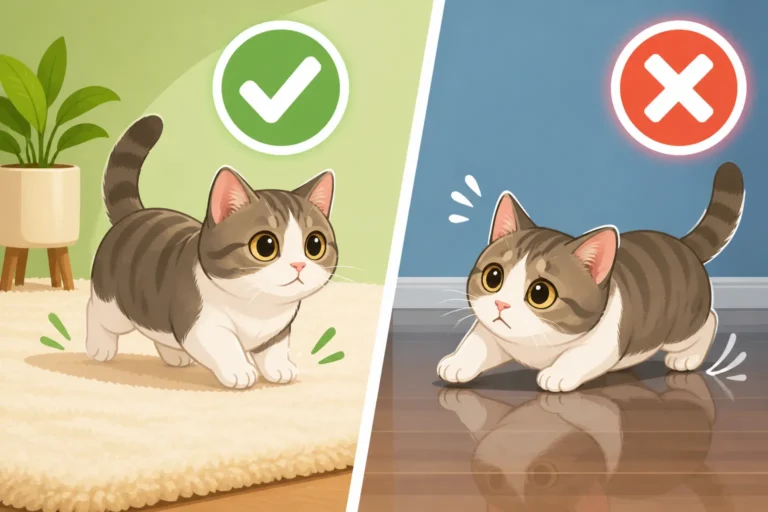
Another excellent way to encourage gentle movement is to place their food and water bowls in slightly different, but still easily accessible, locations around the house. This encourages them to move a little more throughout the day, rather than staying in one spot. Ensuring they have comfortable, non-slip surfaces to walk on, like rugs or carpet, will also make movement easier and safer for them, preventing slips and falls on slick flooring.
Regular Vet Checks and Pain Management
Regular veterinary check-ups become even more critical as your Munchkin ages. Your vet is your best partner in monitoring their health, catching any age-related conditions early, and managing pain. These visits should include thorough physical examinations, paying close attention to joint mobility, muscle mass, and any signs of discomfort or stiffness. Don't hesitate to ask your vet about How to Tell Stiffness From Old Age in a Munchkin.
If your Munchkin is experiencing pain from osteoarthritis or other conditions, your vet can recommend appropriate pain management strategies. This might include prescription medications, such as NSAIDs, or other therapies like laser treatment or acupuncture. There are also supplements designed to support joint health that your vet might suggest. Your goal is to ensure they are as comfortable as possible, allowing them to engage in gentle activities without unnecessary suffering. What Pain Relief a Stiff Munchkin Can Take provides more detail on this topic.
Blood work, urine tests, and sometimes even X-rays may be recommended during these senior check-ups to screen for common age-related conditions like kidney disease, hyperthyroidism, or dental problems. Early detection and intervention can significantly improve their prognosis and quality of life. Be open with your vet about any changes in your Munchkin's behavior, appetite, or mobility, no matter how subtle they seem. They are often the first indicators that something needs attention.
The Comfort of Consistent Routine
Munchkins, like most cats, thrive on routine. As they age, this consistency becomes even more important, providing a sense of security and predictability that can be very comforting. A consistent schedule for meals, playtime, grooming, and sleep helps reduce stress and allows them to anticipate their day. This is especially true for senior cats, who might become more sensitive to changes in their environment or daily rhythm.
Maintain regular feeding times, in the same accessible spots. Keep their litter boxes (low-entry, of course!) in consistent, easy-to-reach locations. Offer playtime sessions at similar times each day, even if they are short. This predictability helps them feel safe and in control, which is vital for their emotional well-being. Any changes to their routine should be introduced gradually to minimize stress.
Finally, remember that your presence and affection are perhaps the greatest forms of enrichment for your senior Munchkin. Gentle petting, quiet cuddles, and simply being near you provide immense comfort and reinforce your bond. Even if they can't jump onto your lap as easily, creating a comfortable space right beside you, or gently lifting them up, lets them know they are loved and cherished. Caring for an Old Munchkin That Has Stopped Climbing is a wonderful resource for making these transitions seamless and loving.
| Play Characteristic | Young Munchkin (Under 8) | Senior Munchkin (Over 8) |
|---|---|---|
| Energy Level | High, bursts of energy | Moderate to low, shorter bursts |
| Jumping Height | Can reach sofa/low shelves | Prefers ramps or steps, limited vertical |
| Play Session Length | Extended, vigorous | Shorter, more frequent, gentler |
| Preferred Toys | Wand toys (high), laser pointers, chasers | Floor toys, puzzle feeders, gentle wands (low) |
| Mobility | Agile, quick turns | Slower, more deliberate, may be stiff |
| Grooming Engagement | Active, self-grooming | May need assistance, less flexible |
Disclaimer
This article is for general informational purposes only and does not constitute professional advice. Laws, prices and regulations vary by location and change over time. Consult a qualified professional for guidance on your specific situation.