Why an Old Munchkin Needs Its Route Lowered
It’s a bittersweet moment when your once-bouncing, fearless Munchkin, who zipped under furniture and conquered low-level climbs with ease, starts to slow down. One day they're scaling the armchair to reach a sunny spot, the next they're staring wistfully at it, perhaps making a half-hearted attempt before giving up. This shift can be heartbreaking to witness, and it signals a crucial need to adapt their environment. This guide is all about understanding why your older Munchkin's world needs to be brought down to their level and how you can do it with love and practicality.
The Inevitable March of Time and Its Impact on Munchkin Mobility
Just like us, cats age, and with age comes a decline in physical capabilities. For Munchkins, whose unique physiology already presents certain challenges, these age-related changes can become more pronounced, making their once-effortless movements difficult or even painful.
Age-Related Joint Stiffness and Pain
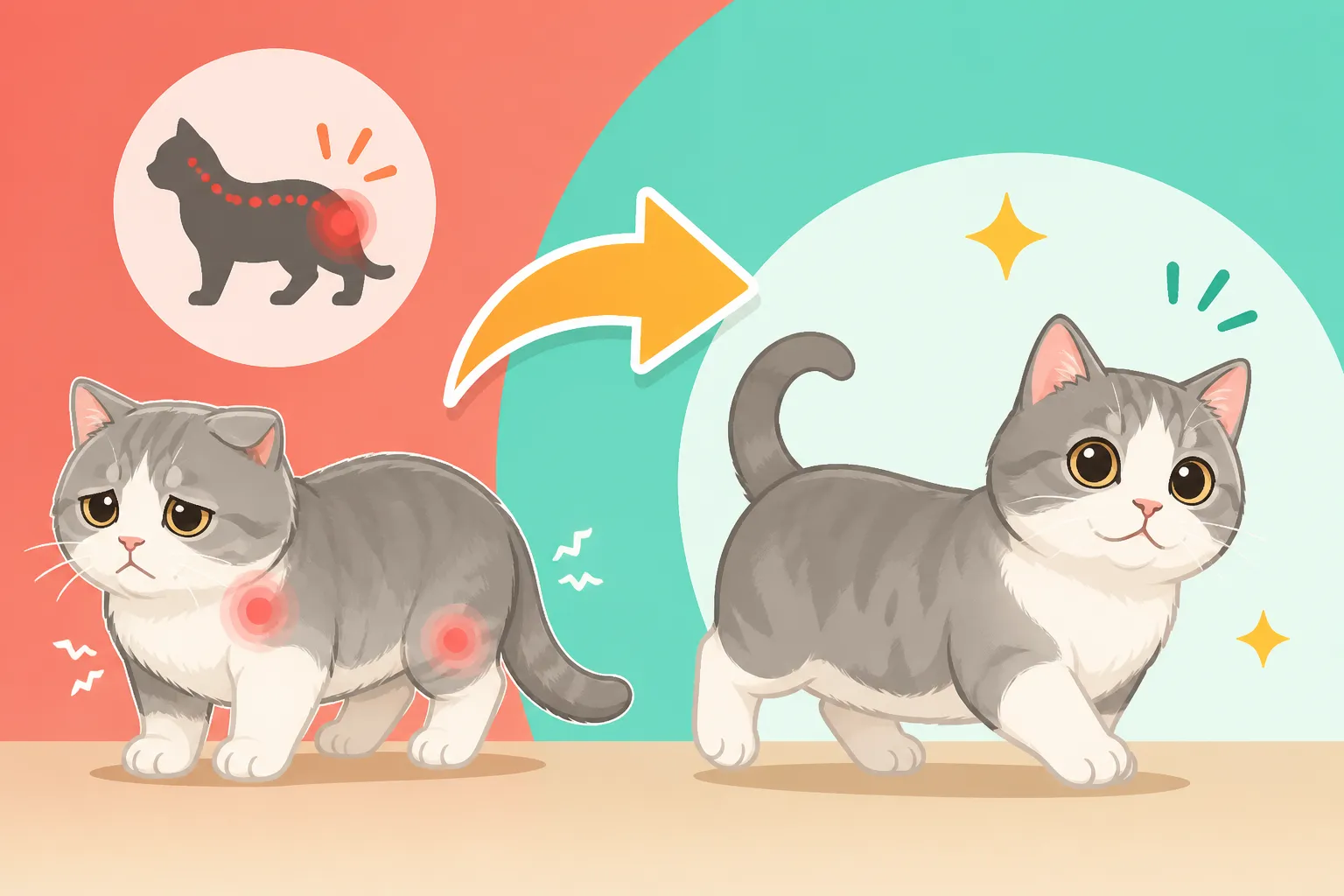
Arthritis, or osteoarthritis, is a common ailment in older cats, affecting their joints and causing pain and stiffness. While all cat breeds can develop arthritis, a Munchkin's short legs mean their joints, particularly in the shoulders and elbows, bear a more direct and often exaggerated load during movement and especially during landings. Why a Munchkin's Shoulders Wear First is a real concern. As they age, the cartilage in these joints can wear down, leading to bone-on-bone friction, inflammation, and discomfort.
Imagine trying to jump onto a sofa when your knees ache, or trying to climb stairs when your hips feel stiff. That’s a glimpse into what an arthritic Munchkin might experience. Even seemingly small jumps from the floor to a low chair can become a major undertaking. They might hesitate, take a longer run-up, or land awkwardly, sometimes visibly flinching. This isn't just a minor inconvenience; it's a source of chronic pain that can severely impact their quality of life. At What Age a Munchkin Starts to Stiffen can vary, but it's a conversation you'll eventually have with your vet.
Decreased Muscle Strength and Balance
Aging also brings a natural decline in muscle mass and strength, a process known as sarcopenia. For a Munchkin, whose propulsion relies heavily on their compact, powerful leg muscles, this loss of strength directly impacts their ability to jump, run, and even navigate slippery surfaces. Their once quick turns and bursts of speed might become slower and less coordinated.
Coupled with muscle weakness is a potential decrease in balance. An older Munchkin might wobble slightly when standing on hind legs for their characteristic "prairie dog sit" or have trouble confidently landing after a jump. A slight miscalculation, which they would have shrugged off in their youth, can now result in a painful fall. This can lead to a loss of confidence, causing them to abandon attempts to reach their favorite spots, not just because of pain, but because they simply don't trust their bodies anymore. This can be truly disheartening for a cat that was once so agile.
Vision and Hearing Changes
Beyond the physical mechanics of movement, aging can also bring changes in sensory perception. An older Munchkin might experience declining eyesight, making depth perception a challenge, especially in dimly lit areas or when jumping to or from heights. What was once a clear, confident leap onto a sun-drenched windowsill might become a hesitant, uncertain maneuver if their vision isn't as sharp.
Similarly, hearing loss can affect their awareness of their surroundings. A sudden noise might startle them more, or they might not hear you approaching, which can contribute to a general feeling of insecurity, especially when navigating elevated spaces where they might feel vulnerable. These sensory changes, combined with physical limitations, mean that their once-familiar routes around the house now present a different, more daunting set of obstacles.
Why a Munchkin's Unique Physiology Makes Aging Harder on Their "Routes"
While all cats age, the Munchkin's distinctive build means that the common challenges of senior life are often amplified. Their short legs and elongated body, which give them their charm, also create specific vulnerabilities as they grow older.
The Exaggerated Strain on Their Spine and Limbs
The defining characteristic of a Munchkin is, of course, their short legs. However, it's crucial to remember that their spine is generally of normal length, which means it carries a load that a normal-legged cat's spine does not. Why a Munchkin's Spine Carries a Load a Normal Cat's Does Not is a fundamental aspect of their physiology. Over years of activity, even healthy, low-impact movements, this can lead to cumulative strain.
As they age, this strain can manifest as discomfort or exacerbate pre-existing conditions. While not all Munchkins develop spinal problems like lordosis (an inward curvature of the spine) or pectus excavatum (a sunken chest), those that do might find these conditions worsen with age, further compromising their mobility and comfort. Even without these more serious issues, the sheer effort of propelling their body with shorter levers, day in and day out, takes its toll. Every jump, every stretch, every quick turn puts a disproportionate amount of pressure on their spine and limb joints. When an older Munchkin experiences a slight stumble or awkward landing, the repercussions can be much more severe for their already stressed skeletal system than for a long-legged cat.
Difficulty with Self-Grooming and Litter Box Access
One of the less obvious but significant challenges for older Munchkins is maintaining personal hygiene. Even in their prime, a Munchkin's short legs can make it difficult for them to reach certain parts of their body, particularly their hindquarters, for proper grooming. Which Parts of Itself a Munchkin Cannot Reach highlights this everyday struggle. As they age and flexibility decreases further due to arthritis or stiffness, grooming becomes an almost impossible task.
This can lead to matted fur, especially around their rear end and undercarriage, which can then cause skin irritation, infections, and discomfort. Why a Munchkin's Hindquarters Get Matted is a common problem for owners to address. Furthermore, entering and exiting a standard litter box can become a painful ordeal. A high lip, easily cleared by a young cat, becomes a barrier that an older, stiff Munchkin might struggle to step over, potentially leading to accidents outside the box. This is why a senior cat box, designed with lower entry, is often a lifesaver for them, or even a modified, low-sided box that they can simply walk into.
Weight Management Becomes Even More Critical
With decreased activity levels, older Munchkins are prone to weight gain, and this is where the cycle of challenges can truly amplify. Why Weight Is More Dangerous on a Munchkin cannot be overstated. Every extra pound or even ounce places additional stress on their already compromised joints and spine. Imagine carrying a backpack filled with bricks all day – that’s what excess weight feels like for a cat with arthritic joints and a uniquely structured spine.
Obesity exacerbates joint pain, reduces mobility further, and can lead to a host of other health issues, including diabetes. It becomes a vicious cycle: pain leads to less movement, which leads to weight gain, which leads to more pain. Managing their weight through a carefully controlled diet and encouraging gentle, floor-level exercise becomes absolutely paramount in ensuring their comfort and prolonging their healthy years.
| Aspect of Aging | Impact on Senior Munchkin | Home Adaptation Solution |
|---|---|---|
| Joint Stiffness | Painful jumps, difficulty moving | Ramps, steps, soft landings |
| Muscle Weakness | Reduced jumping, instability | Low-level access to all areas |
| Spinal Strain | Increased discomfort from movement | Avoidance of high-impact jumps |
| Grooming Issues | Matted fur, skin problems | Lower litter box, regular owner assistance |
| Weight Gain | Exacerbated joint & spinal pain | Controlled diet, gentle exercise |
| Sensory Decline | Hesitation, disorientation | Clear, well-lit pathways, consistent layout |
Practical Steps for Lowering and Adapting Your Home
The good news is that with a little foresight and effort, you can significantly improve your senior Munchkin's quality of life by making your home more accessible and comfortable for them. It's about thinking like a Munchkin and removing obstacles.
Strategic Placement of Ramps and Steps
This is arguably the most impactful change you can make. Every elevated surface your Munchkin loves to access – the sofa, your bed, a favorite windowsill perch – needs a safe, easy way up and down. Ramps are often preferable to steps for cats with joint issues as they provide a continuous, less jarring incline. How to Teach a Munchkin to Use a Ramp is a great resource, but patience and positive reinforcement are key.
When choosing ramps, look for those with a gentle slope and a non-slip surface. You can find many excellent options on Amazon, designed for small dogs or cats. For steps, ensure they are wide, stable, and have a low rise between each step. How Far Apart to Space a Munchkin's Steps is critical – they need to be close enough for their short legs to manage comfortably. Place ramps and steps strategically so that your Munchkin doesn't have to navigate a long, winding path to reach their destination. Consider simple, sturdy pet stairs or modular steps that can be arranged to create a custom staircase for your specific furniture heights. Checking customer reviews on Amazon for "pet ramps for small dogs" or "cat stairs" can give you a good starting point.
Redesigning Essential Zones: Food, Water, and Litter
Even the most basic necessities of life need to be considered. Your Munchkin's food and water bowls should be easily accessible without any stretching or straining. Raised bowls can actually be beneficial, allowing them to eat and drink without bending their neck too far downwards, which can alleviate strain on their neck and shoulders. You can find stylish, ergonomic raised bowl sets on Amazon. However, ensure the height is appropriate for their comfort, not just aesthetically pleasing. Some Munchkins prefer floor-level if they have severe neck stiffness.
Litter box access is another crucial area. Say goodbye to high-sided, covered litter boxes that require a leap to enter. Your senior Munchkin needs a low-entry box that they can simply walk into. Many companies make senior cat litter boxes, which are perfect, or you can even modify a sturdy plastic storage bin by cutting a low entrance. Why a Senior Cat Box Suits a Munchkin is all about minimizing effort and pain. Ensure you have enough litter boxes, especially in multi-story homes, so your Munchkin never has to traverse stairs to relieve themselves. Look for low-profile litter boxes on Amazon, perhaps even experimenting with different litter types that don't stick to their underside if they start to drag.
Creating Safe, Accessible "High Spots"
Munchkins, like all cats, often enjoy being elevated to observe their surroundings or bask in a sunbeam. While direct jumping might be out of the question, you can still provide these enriching experiences safely. Instead of a direct jump to a windowsill, create a series of sturdy, low steps or a ramp leading up to it. Consider repurposing low bookshelves or sturdy storage cubes as intermediate steps.
For cat trees, choose models with closely spaced platforms or invest in a modular system where you can add extra ramps or platforms to reduce the "jump gap" between levels. You can often find add-on ramps and platforms for cat trees on Amazon, allowing you to customize existing structures. The goal is to create a gradual, easy ascent to their favorite lookout points, allowing them to enjoy vertical space without putting undue stress on their aging bodies. A Cat Tree With Close Set Platforms Costs more, but it's an investment in their continued joy.
Supporting Your Senior Munchkin Beyond Physical Changes
Adapting the physical environment is a huge step, but supporting an aging Munchkin goes beyond just ramps and low litter boxes. It involves holistic care that addresses their changing health, hygiene, and emotional needs.
Regular Vet Checks and Pain Management
Regular veterinary check-ups become even more critical as your Munchkin ages. When a Munchkin Counts as Senior is generally around 8-10 years old, and from that point, yearly (or even bi-yearly) visits are essential. Your vet can monitor for signs of arthritis, dental disease, kidney issues, and other common senior cat ailments. Early detection and intervention can make a huge difference in managing discomfort and improving their quality of life. What an Old Munchkin Stops Being Able to Do can be subtle at first, so discussing any changes in their gait, activity levels, or habits with your vet is vital.
Don't hesitate to discuss pain management options with your vet. There's a wide range of treatments available, from anti-inflammatory medications to joint supplements (like glucosamine and chondroitin, often found in formulations on Amazon) to even alternative therapies like acupuncture or laser therapy. Many older cats suffer silently, so it's up to us to recognize the signs of pain and advocate for their comfort. A pain-free cat is a happier, more mobile cat, even if they can't jump as high as they used to.
Gentle Grooming and Hygiene Assistance
As mentioned, self-grooming can become a real challenge. You'll need to step in and become their personal groomer. Regular, gentle brushing – especially of their hindquarters, belly, and back – will prevent mats and keep their skin healthy. For longhaired Munchkins, this might mean daily brushing. How to Groom a Munchkin's Hindquarters is a skill you'll quickly master.
Some senior Munchkins may also benefit from a "sanitary clip" around their rear to keep things tidy and prevent fecal matter from sticking to their fur, especially if they have trouble cleaning themselves after using the litter box. This can be done by a professional groomer or gently at home with appropriate clippers (many good options on Amazon). If they become very soiled, a warm, shallow bath of their hindquarters might be necessary, ensuring you support their body comfortably to avoid spinal strain. Remember, patience and positive reinforcement (treats!) will make these grooming sessions much less stressful for both of you.
Mental Stimulation and Continued Enrichment
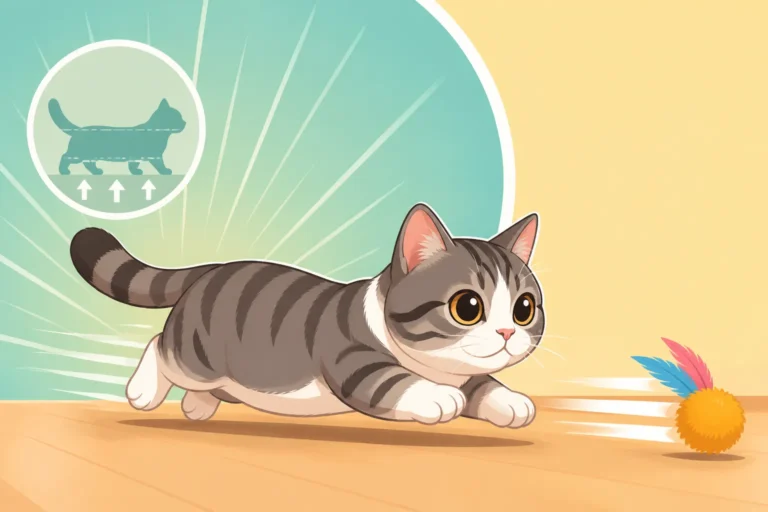
Just because your Munchkin can't scale the highest cat tree anymore doesn't mean their need for mental stimulation and play disappears. In fact, keeping their minds active can help stave off cognitive decline and improve their overall mood. Adapt their play to floor level. Wand toys, laser pointers, and small rolling toys that they can chase and bat around on the ground are perfect. How Much Floor Level Play a Munchkin Needs often increases as they get older.
Puzzle feeders are still excellent for mental enrichment, but choose ones that are easy for them to access without reaching too high or requiring complex maneuvers. You can find a variety of cat puzzle feeders on Amazon that are designed for floor-level use. Continue to engage with them, offering cuddles, gentle pets, and conversations. A happy, mentally stimulated senior Munchkin will cope much better with their physical limitations and continue to be a loving companion for years to come.
Disclaimer
This article is for general informational purposes only and does not constitute professional advice. Laws, prices and regulations vary by location and change over time. Consult a qualified professional for guidance on your specific situation.