What a Cat Tree With Close Set Platforms Costs
It’s a common misconception that a Munchkin cat, with their delightfully short legs, can navigate a standard cat tree just like any other feline. But if you’ve ever watched your little "rug hugger" attempt to scale a tall scratching post or leap to a widely spaced platform, you know the frustration – and potential danger – involved. This guide is here to walk you through why traditional cat trees don't work for your unique companion and break down what to expect when investing in a cat tree specifically designed with your Munchkin's abilities and safety in mind.
Why a Standard Cat Tree Just Doesn't Cut It for a Munchkin
Let's be honest, those towering, multi-level cat trees you see at the big box pet stores are usually designed for cats with full-length legs. They assume a cat can launch themselves several feet into the air, scale a vertical post with ease, and confidently bridge wide gaps between platforms. For a Munchkin, this isn't just difficult; it's often impossible and carries significant risks.
The Problem with Wide Gaps
The most glaring issue with standard cat trees is the generous spacing between platforms. While a long-legged cat sees these as exciting vertical challenges, a Munchkin looks at them like insurmountable cliffs. Imagine trying to climb a ladder where each rung is three times as far apart as your leg can reach. That's essentially what a Munchkin faces. They simply don't have the leverage or the leg length to push off and cover that distance safely. You might see them try, their little bodies tensing, only to fall short, slide, or awkwardly scramble. This isn't just disheartening for them; it can lead to falls and potential injuries. We want our cats to feel secure and capable in their environment, not constantly frustrated by unreachable heights.
The "Staircase" Approach
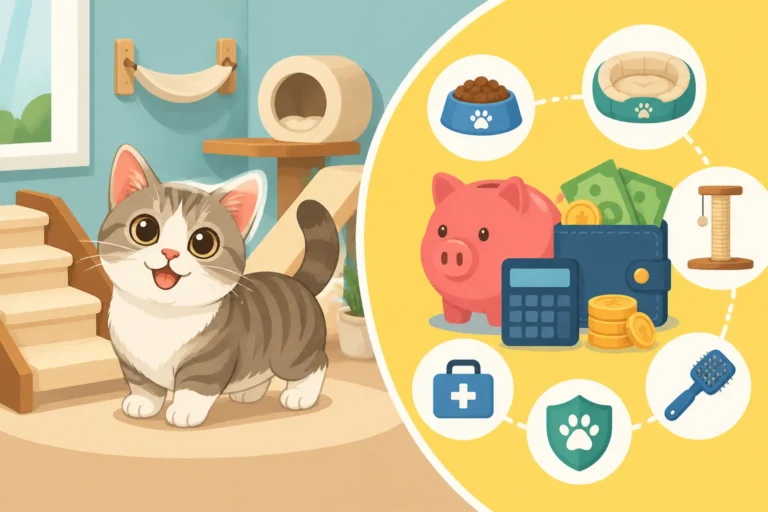
Munchkins are incredibly clever and adaptable. Instead of direct leaps, they master the art of the "staircase" – finding furniture pieces that offer incremental steps to higher ground. They might hop from a floor cushion to a footstool, then to a low chair, and finally to the sofa. A cat tree designed for a Munchkin needs to mimic this natural behavior. Each platform should be a manageable step, not a daring jump. Think of it less as a climbing wall and more as a gentle ramp system or a series of closely stacked tiers. This allows them to ascend and descend fluidly, engaging their muscles without overstraining them. When you observe your Munchkin moving around your home, you'll quickly notice How a Munchkin Gets Where It Wants Without Jumping. Their methods are ingenious, and their furniture should support this.
Impact on Joint Health
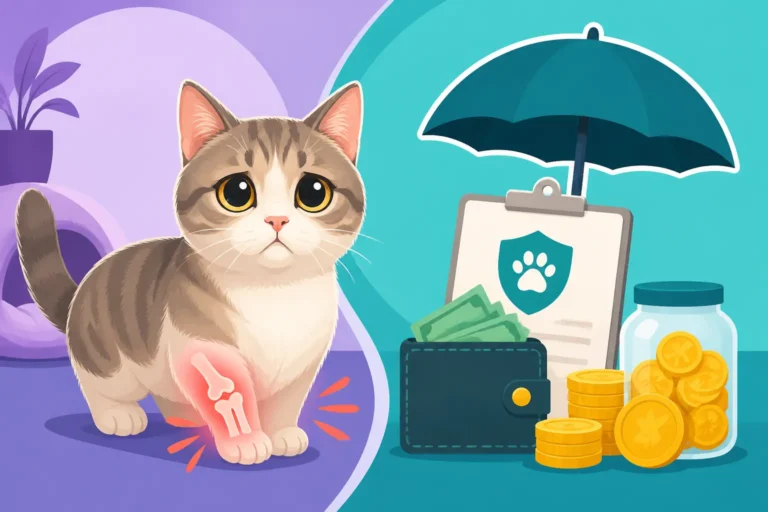
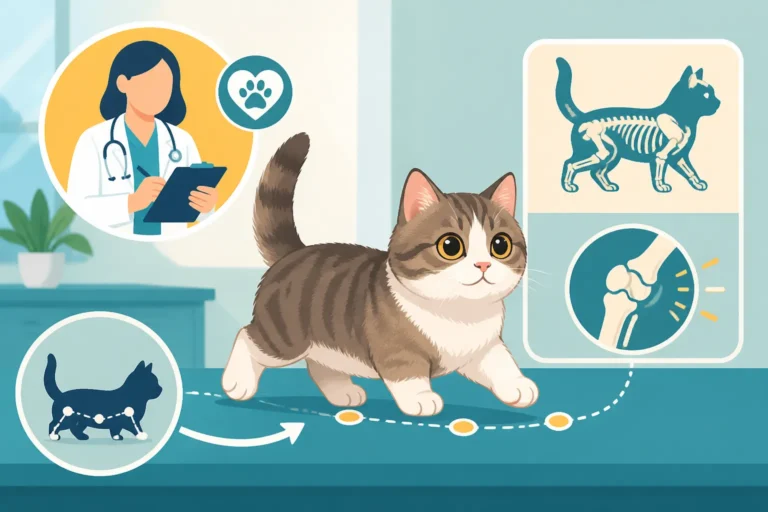
Repeated attempts at jumps that are too high, or worse, falls, can take a significant toll on a Munchkin's joints. Their short legs already mean their joints experience different stresses compared to a normal-legged cat. Landing hard or twisting awkwardly can exacerbate these stresses, potentially leading to discomfort or even long-term joint problems. You really want to minimize any activities that put undue strain on their shoulders, elbows, and spine. Why a Munchkin's Elbows Take the Landing is a good read to understand this better. Providing a cat tree with close-set platforms is an investment in their long-term health and mobility, preventing unnecessary wear and tear that could lead to conditions like early onset arthritis. A comfortable, accessible environment means a happier, healthier Munchkin for years to come.
Deconstructing the Cost Factors for Munchkin-Friendly Cat Trees
When you start looking for a cat tree that suits your Munchkin, you'll quickly realize that "Munchkin-friendly" often translates to specific design features that can influence the price. It's not just about height; it's about the spacing, stability, and materials.
Material and Construction Quality
The materials used in a cat tree play a huge role in its price and its longevity. You'll find everything from basic particle board wrapped in cheap carpet to solid wood structures with plush, washable covers.
- Particle Board and Carpet: These are typically the most budget-friendly options. They can be perfectly adequate, especially if the design is appropriate for a Munchkin. However, the carpeting might wear down quickly, and the particle board can sometimes be less stable. Look for ones with dense, quality carpet or sisal to provide good grip for climbing.
- Solid Wood and High-Quality Fabric: On the higher end, you'll find cat trees made from solid wood, often with furniture-grade fabrics, thick faux fur, or woven materials. These are significantly more durable, more stable, and often more aesthetically pleasing. They can withstand years of use and are less likely to wobble, which is crucial for a cat that relies on stability. A wobbly platform can be intimidating and dangerous for a short-legged cat.
- Sisal Rope: Most cat trees incorporate sisal rope for scratching surfaces. The quality and amount of sisal can vary. Thicker, tightly wound sisal will last longer and provide better scratching satisfaction, but it will also increase the cost.
Size and Number of Platforms
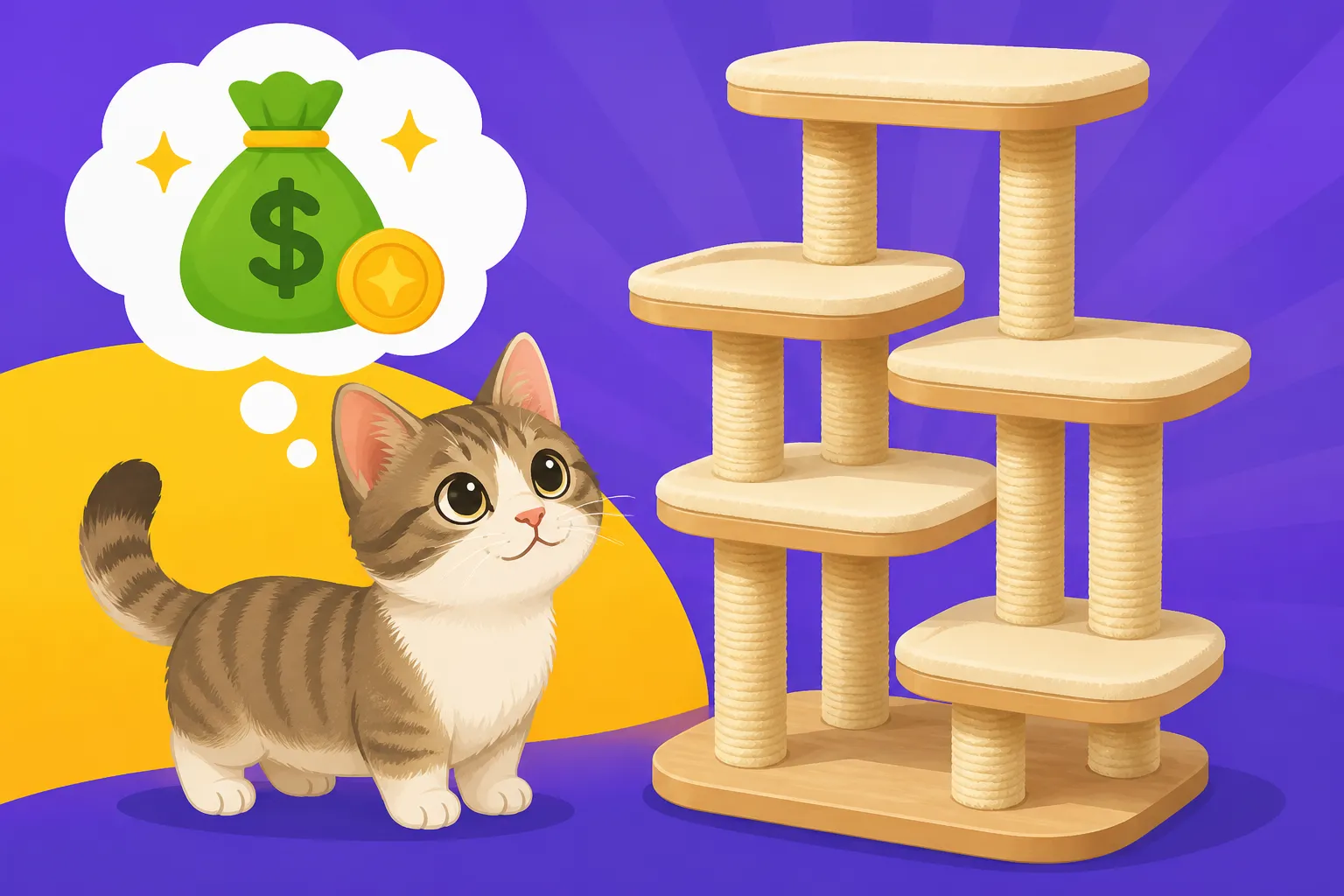
It might seem counterintuitive, but a taller cat tree designed for a Munchkin can sometimes be more expensive than a similarly tall, standard tree. This is because the "Munchkin-friendly" design requires more platforms to bridge the vertical distance with smaller steps.
- Smaller, Simpler Units: If you're looking for a short, single-level or two-level tree with very close platforms, these can be quite affordable. They offer a safe, elevated spot for your Munchkin to observe their kingdom or nap.
- Multi-Level "Staircase" Towers: For a cat tree that reaches significant heights, you'll need many more closely spaced platforms, or a very gentle ramp system, to make it accessible. More platforms mean more materials and more construction complexity, driving up the price. Think of it like a spiral staircase versus a straight ladder; the staircase uses more material to achieve the same vertical gain. The goal is How Far Apart a Munchkin's Platforms Should Be to ensure easy access.
Customization vs. Off-the-Shelf
The cost can also hinge on whether you buy a ready-made unit, modify an existing one, or go for a completely custom solution.
- Off-the-Shelf: Many standard cat trees from retailers like Chewy or your local pet store can be adapted. You might find one with a good base structure and add your own steps or ramps to reduce the gaps. This can be a more budget-friendly approach initially, but requires some DIY effort.
- Purpose-Built/Specialty: There are some manufacturers creating cat furniture specifically with small, short-legged, or senior cats in mind. These often feature ramps, wider platforms, and closer spacing. They tend to be more expensive due to the specialized design and smaller production runs, but they offer peace of mind.
- Custom Builds: If you have unique needs or want a truly integrated piece of furniture, you could commission a custom-built cat tree. This will undoubtedly be the most expensive option, but it guarantees a perfect fit for your home and your Munchkin's specific abilities. Building one yourself, if you're handy, is another form of customization that can save you money on labor but still requires material costs.
Brand and Features
Just like with anything else, brand recognition and additional features contribute to the price.
- Premium Brands: Brands known for high-quality, designer, or specialized pet furniture will command higher prices. These often prioritize aesthetics, eco-friendly materials, or specific ergonomic designs.
- Added Features: Beyond just platforms, cat trees can include integrated scratching posts, enclosed sleeping condos, dangling toys, food dish holders, or even heated beds. Each additional feature adds to the overall cost. For a Munchkin, ensuring the scratching posts are accessible at a comfortable height is key, as they often can't stretch vertically like other cats. Which Scratching Post a Munchkin Can Use is worth considering.
Where to Find and What to Expect to Pay
Finding the perfect cat tree for your Munchkin requires a bit more discernment than just picking the tallest or fluffiest one. You're looking for accessibility, stability, and durability.
Online Retailers and Pet Stores
The vast majority of cat trees are found through large online retailers and in physical pet stores.
- Online Selection: Websites like Chewy offer an enormous selection. You can often filter by height, materials, and sometimes even by features like "ramps" or "steps." While not always explicitly labeled "Munchkin-friendly," you can look for descriptions that mention close spacing, multiple levels in a compact area, or included ramps. Prices here can range from about $50 for a small, basic unit up to $300-$500 for a large, multi-level structure made from decent materials. Remember, you're looking for low-rise access points and frequent platforms.
- Physical Stores: Your local pet store might have a more limited selection, but the huge advantage is being able to see and touch the product. You can assess the stability, feel the carpet quality, and visually judge the spacing between platforms yourself. This is invaluable for gauging whether it's truly suitable for your Munchkin. The price range will generally mirror online retailers for comparable quality.
Specialty Cat Furniture Makers
For a truly optimized solution, you might need to look beyond the mainstream. There are smaller companies and artisans who specialize in pet furniture, sometimes even focusing on senior or special needs pets.
- Customizable Modules: Some brands offer modular cat furniture systems where you can buy individual platforms, posts, and ramps and assemble them in a configuration that perfectly suits your Munchkin and your space. This allows for very close spacing and gentle inclines. Expect these to be on the higher end, typically starting from $200 for a small system and easily going up to $800+ for a comprehensive, tall setup. The benefit here is complete control over the layout.
- Handcrafted Quality: Etsy or other artisan marketplaces can be a treasure trove for unique, high-quality, handmade cat furniture. Many makers are passionate about pet welfare and can craft items with specific needs in mind. Prices will vary widely depending on the craftsman, materials, and complexity, but a well-made piece could easily be in the $300-$1000 range. The advantage is bespoke design and often superior construction.
DIY and Secondhand Options
If your budget is tight, or you enjoy a project, there are ways to provide an excellent climbing structure without breaking the bank.
- DIY Modifications: You can purchase a standard, sturdy cat tree secondhand or on clearance and modify it. This might involve adding extra shelves, attaching ramps made from plywood and carpet, or even reinforcing wobbly parts. A secondhand cat tree might cost you anywhere from $20-$100, plus the cost of materials for modification (carpet scraps, plywood, screws, glue), which could add another $30-$100. Always ensure any modifications are secure and safe. What Building Munchkin Steps Yourself Costs can give you a clearer idea of material expenses.
- Repurposed Furniture: Get creative! Old bookshelves can be laid horizontally and padded, or low, sturdy cabinets can be stacked with soft landings between them. You can use old dressers, side tables, or even robust storage cubes as steps to reach a comfortable window perch or a higher platform. The cost here is minimal, often just the price of some soft blankets, non-slip mats, or carpet tiles to make surfaces safe and inviting.
Maximizing Value and Safety for Your Munchkin
When it comes to purchasing or creating a cat tree for your short-legged companion, it's not just about the upfront cost. It’s about ensuring their long-term well-being and making smart choices that enhance their quality of life.
Assessing Stability and Safety Features
The most important factor, regardless of price, is safety. A wobbly cat tree is a fall hazard for any cat, but especially for a Munchkin who cannot easily right themselves mid-air or brace for a hard landing.
- Wide, Heavy Base: Look for a cat tree with a wide, heavy base that prevents tipping. If you’re modifying one, consider adding weight to the base or securing it to a wall for extra stability.
- Secure Fastenings: All platforms and posts should be securely fastened. Check for any signs of looseness or flimsy connections. If you're building or modifying, use strong hardware.
- Non-Slip Surfaces: Carpeted surfaces or ramps should offer good traction. Bare wood or slick fabrics can cause slips, particularly during descent. If surfaces are slippery, consider adding carpet squares or textured adhesive pads.
- No Pinch Points or Sharp Edges: Inspect the entire structure for any gaps where paws could get caught, or sharp edges that could cause injury. This is especially important if you have a curious Munchkin who likes to explore every nook and cranny.
Incorporating Other Enrichment
A Munchkin-friendly cat tree is a fantastic addition, but it's part of a larger ecosystem of accessibility in your home. Think about how the tree integrates with other elements.
- Ramps and Steps: The cat tree can be just one piece of a larger system of ramps and steps you implement throughout your home to help your Munchkin access sofas, beds, or windowsills. How to Teach a Munchkin to Use a Ramp is a helpful guide for this. These additional aids make their entire environment enriching and safe.
- Floor-Level Play: Remember that Munchkins naturally spend more time at ground level. Supplement your cat tree with plenty of engaging floor-level toys, puzzle feeders, and tunnels. This ensures they have ample mental and physical stimulation, regardless of how high they choose to climb. How to Set Up Floor Level Enrichment for a Munchkin provides more ideas.
- Comfortable Resting Spots: Ensure there are cozy, accessible resting spots at various levels on the cat tree, especially on lower platforms. Your Munchkin should feel secure and comfortable whether they're napping or surveying their surroundings.
Long-Term Investment in Health
While the initial cost of a specialized cat tree might seem higher, consider it a long-term investment in your Munchkin's health and happiness. Preventing injuries and reducing strain on their unique skeletal structure can potentially save you significant veterinary costs down the line.
- Reduced Injury Risk: A safe, accessible cat tree minimizes the risk of falls, sprains, or more serious injuries that could require expensive vet visits.
- Joint Protection: By providing gentle ascents and descents, you're protecting their joints from excessive impact and wear. This proactive care can help delay or mitigate the onset of arthritis. Why a Munchkin's Vet Year Includes Its Joints often includes discussion of joint health, and proper support furniture plays a role here.
- Peace of Mind: Knowing your Munchkin can safely enjoy their environment without risk of harm offers invaluable peace of mind. Investing in quality, appropriate furniture is part of responsible Munchkin ownership. If you ever have health concerns, having pet insurance from providers like Healthy Paws can also be a valuable safety net, though it's always better to prevent issues where possible.
Investing in the right cat tree for your Munchkin means understanding their unique needs and prioritizing safety and accessibility above all else. It's about creating an environment where they can thrive, play, and explore without limitations imposed by their short stature.
Comparing Cat Tree Options for Munchkins
Here's a quick overview of different types of cat tree solutions and their typical costs and benefits for Munchkin owners:
| Cat Tree Type | Typical Cost Range | Key Features for Munchkins | Pros | Cons |
|---|---|---|---|---|
| Small, Multi-Level (0-3 ft) | $50 – $150 | Many closely stacked platforms, low-rise entry, stable base | Affordable, easy to place, good for observation | Limited height, less climbing enrichment |
| Standard, Modified | $70 – $250 | Existing base, DIY added ramps/steps, carpet | Cost-effective if you're handy, customizable | Requires effort, may not look seamless, stability checks critical |
| Ramp-Based Systems | $150 – $400 | Gentle inclines instead of jumps, non-slip surfaces | Easiest on joints, natural movement for Munchkins | Can be bulky, fewer vertical "perches" |
| Modular Systems | $200 – $800+ | Customizable platform spacing, varied components | Highly adaptable, perfect fit, expandable | Higher initial cost, requires assembly, can be complex |
| Custom/Artisan Built | $300 – $1000+ | Bespoke design, high-quality materials, specific features | Perfect integration with home, superior quality, unique | Most expensive, longer lead time |
Disclaimer
This article is for general informational purposes only and does not constitute professional advice. Laws, prices and regulations vary by location and change over time. Consult a qualified professional for guidance on your specific situation.