Why a Senior Cat Litter Box Suits a Munchkin
One of the most common frustrations for Munchkin cat owners, new and old, is dealing with litter box issues. It’s not that these sweet, low-riding companions don't understand where to go; it's often a physical struggle for them to simply get into the box. Standard litter boxes, with their high sides, can feel like insurmountable mountains for a Munchkin, leading to accidents and stress. This guide will delve into why senior cat litter boxes are often the perfect, low-stress solution for your short-legged friend, making life easier for both of you.
The Unique Challenges a Munchkin Faces with Standard Litter Boxes
Imagine trying to step over a barrier that comes up to your waist every time you need to use the restroom. That's a pretty good approximation of what a standard litter box can be like for a Munchkin. Their delightful short legs, while giving them their signature look, present some very real physical limitations that many owners don't anticipate.
The "Mountain Climb" of High Sides
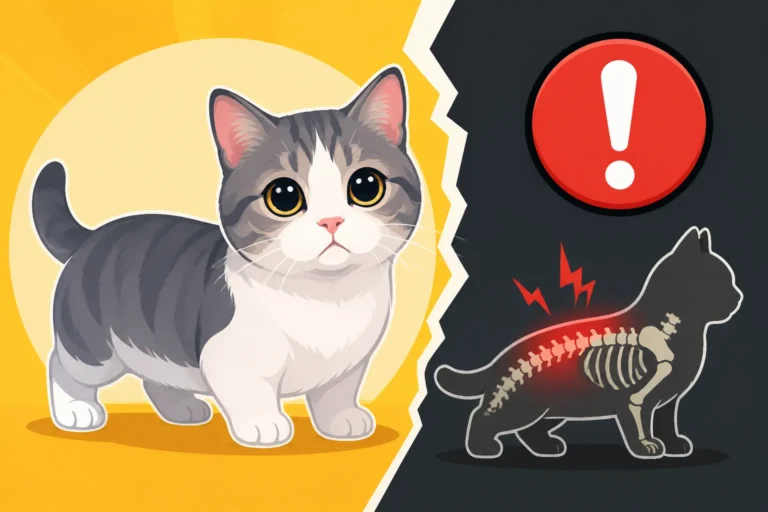
Most conventional litter boxes are designed with sides that are several inches high, typically ranging from 5 to 8 inches. For an average-sized cat, this isn't a problem; they can easily step over. For a Munchkin, however, this height is a significant obstacle. Their legs are proportionally much shorter, meaning they have to exert considerable effort to hoist themselves over the rim. This isn't just an inconvenience; it can be a source of discomfort and even pain over time.
Think about the repetitive strain. Each entry and exit requires a small jump or a strenuous stretch, placing undue stress on their delicate joints, especially their front legs and shoulders. These areas already bear a disproportionate load due to their unique conformation. Over months and years, this constant strain can contribute to issues like early-onset arthritis or simply make them reluctant to use the box. It's important to remember that Why a Munchkin's Elbows Take the Landing more often than a long-legged cat. What seems like a minor inconvenience can actually be a major factor in their long-term joint health. We all want our furry friends to be comfortable, and removing this daily hurdle is a big step in ensuring their physical well-being.
The Messy Aftermath and Hygiene Issues
Even if your Munchkin is a trooper and manages to clamber into a high-sided box, the battle isn't over. Their low-slung bodies mean that their bellies and hindquarters often brush directly against the litter as they enter, exit, and maneuver inside. This inevitably leads to tracking litter all over the house, which, while annoying, is actually the least of your worries.
More concerning are the hygiene implications. Litter, especially if it’s coarser or less absorbent, can cling to their fur, particularly around their underside and rear. This can cause matting, skin irritation, and even infections if not addressed promptly. It's a sad reality that Why a Munchkin Carries Litter on Its Underside is a frequent complaint from owners. Furthermore, because of their unique build, Munchkins often struggle to groom certain parts of their bodies effectively, especially their hindquarters. This combination of dragging through litter and difficulty self-cleaning can lead to unpleasant messes, odors, and potential health issues. Whether Matting Becomes a Health Problem in a Munchkin is a very real concern, and a dirty posterior is often the start of it. Investing in good grooming brushes or wipes, perhaps from a reputable supplier like Chewy, can certainly help, but prevention starts with the right litter box.
Psychological Impact and Avoidance Behaviors
Cats are incredibly intelligent creatures, and they tend to associate pain or discomfort with the activity causing it. If using the litter box becomes a painful or difficult chore, a Munchkin might start looking for easier alternatives. This is often the root cause of inappropriate urination outside the box, which can be incredibly frustrating for owners. It's not necessarily a sign of defiance or a "bad" cat; it's usually a clear signal that something isn't working for them.
They might choose a softer surface, like a rug or a pile of clothes, or a more accessible spot on the floor. This behavior isn't just inconvenient; it indicates a genuine problem with their environment. A cat that avoids its litter box due to physical discomfort is a cat under stress. Addressing this early, by providing an easily accessible and comfortable litter solution, can prevent these behavioral issues from ever taking root, fostering a happier, healthier relationship between you and your Munchkin.
Why a Senior Cat Litter Box Is the Perfect Solution for Munchkins
Thankfully, there's a widely available solution that addresses all these issues: the senior cat litter box. These boxes are specifically designed for cats with mobility challenges, making them inherently suitable for Munchkins due to their short stature.
The Beauty of Low Entry
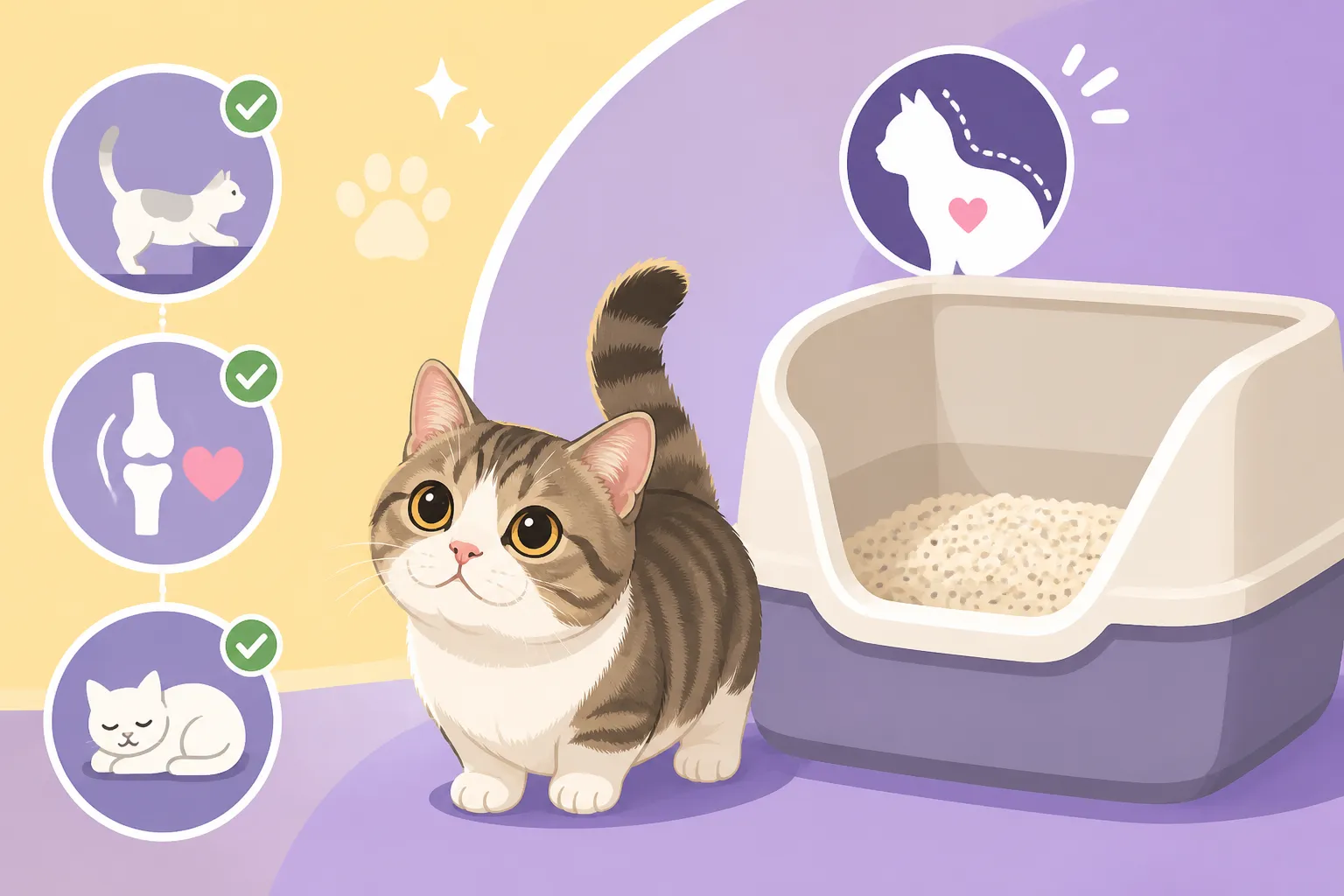
The defining feature of a senior cat litter box is its low entry point. Typically, the front lip of these boxes is significantly lower than standard boxes, often only 2 to 3 inches high. This seemingly small detail makes an enormous difference for a Munchkin. Instead of a strenuous leap or climb, they can simply step into the box with ease.
This low entry minimizes the physical strain on their joints, particularly their shoulders, elbows, and spine. It eliminates the need for awkward maneuvers, reducing the risk of pain and promoting consistent litter box usage. For a Munchkin, this isn't a luxury; it's a fundamental aspect of their daily comfort and long-term health. It helps them maintain their dignity and independence, ensuring they can relieve themselves without undue effort or discomfort. You'll often find these advertised as having an entry point exactly as low as How Low a Munchkin Litter Box Entry Should Be.
High Backs for Containment and Comfort
Many senior cat litter boxes, while featuring a low front entry, often maintain higher sides or a high back. This design is incredibly beneficial for Munchkins. The low front provides easy access, but the higher perimeter ensures that litter stays inside the box, even if your Munchkin is an enthusiastic digger. This design also offers a sense of security and privacy, which many cats appreciate.
This combination of easy access and effective containment solves the two primary problems faced by Munchkin owners: difficult entry and messy litter tracking. It means fewer accidents outside the box and less time spent sweeping up scattered litter. It's a thoughtful design that takes into account the specific needs of cats with unique physical characteristics, creating a more pleasant experience for both the cat and their human companions. When choosing a box, look for one that balances accessibility with practicality.
Material, Size, and Design Considerations
Beyond the entry height, consider the overall size and material of the senior litter box. A larger footprint is always a good idea. While Munchkins are generally smaller cats, a spacious interior allows them to turn around comfortably, dig, and position themselves without feeling cramped. This can further encourage consistent use and reduce feelings of stress.
| Feature | Standard Litter Box (Typical) | Senior Cat Litter Box (Ideal for Munchkin) |
|---|---|---|
| Entry Height | 5-8 inches (12-20 cm) | 2-4 inches (5-10 cm) |
| Primary Challenge | Difficult to enter, joint strain | Easy step-in, minimal strain |
| Side Walls | Usually uniform height | Often low front, high back/sides |
| Hygiene | Belly drag, litter tracking, matting | Reduced belly drag, better litter control |
| Comfort | Can be uncomfortable over time | Promotes consistent use, less stress |
| Suitability | Not ideal for Munchkins | Highly recommended |
Most senior boxes are made from durable, easy-to-clean plastics. Look for ones with smooth surfaces and rounded edges to prevent injury. Some come with non-slip bases, which can be particularly helpful for a Munchkin, preventing the box from sliding as they enter and exit. Remember that even small details, like the texture of the litter itself, can impact their comfort. For a Munchkin's low belly, Which Litter Suits a Munchkin's Low Belly is an important consideration; often, a finer, softer texture is preferred.
Making the Transition Smoothly: Introducing a New Box
Introducing any change to a cat’s environment, especially their litter box, requires a bit of patience and strategy. Cats are creatures of habit, and even a beneficial change can initially be met with skepticism.
Gradual Introduction is Key
The golden rule when introducing a new litter box is never to just swap out the old one. This can cause significant stress and lead to accidents outside the box. Instead, place the new senior litter box right next to the old, familiar one. This offers your Munchkin a choice and allows them to investigate the new setup at their own pace.
Observe which box they prefer. If they start using the new one, offer plenty of praise and perhaps a small, healthy treat. If they continue to use the old one, that’s okay! Give them time. Over a few days or even a week, you might notice them trying out the new, more accessible option. Once they've consistently used the senior box for several days, you can slowly transition to removing the old one. The key is to make the change feel like their idea, not yours, minimizing any potential anxiety.
Scent and Familiarity for Comfort
To make the new senior box even more inviting, consider transferring a small amount of soiled litter from the old box into the new one. This sounds a bit counter-intuitive, but cats rely heavily on scent to identify safe and familiar areas. The familiar scent tells them, "This is a safe place to go."
You can also gently encourage them to explore the new box by placing them inside it (without forcing them) a few times a day, especially after they've eaten or woken up, when they're more likely to need to go. Remember, the goal is positive association. Never punish them for not using the new box or for having an accident; this will only make them more anxious and less likely to use the litter box consistently. By making the new box smell familiar and associating it with positive interactions, you significantly increase the chances of a smooth transition.
Placement and Accessibility are Paramount
Even the perfect litter box won't be used if it's placed in an inconvenient or stressful location. For a Munchkin, accessibility takes on an even greater importance. Ideally, you should have multiple litter boxes in various easy-to-reach, low-traffic areas of your home. Avoid placing boxes near noisy appliances, high-traffic doorways, or next to their food and water bowls.
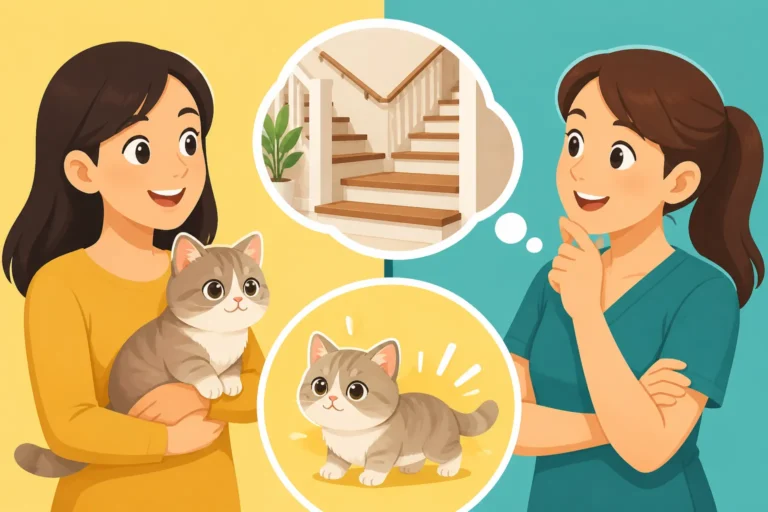
Consider their limited mobility when choosing locations. If you live in a multi-story home, it's absolutely crucial to have a senior litter box on each floor. Why a Munchkin Should Not Climb Stairs to Its Box repeatedly can lead to significant joint strain. Furthermore, ensure the path to the litter box is always clear and unobstructed. A Munchkin cannot simply jump over an obstacle in their way. By thoughtfully planning the placement of their boxes, you're not just providing a convenience; you're actively supporting their comfort and health. It’s also wise to check your pet insurance policy, such as those offered by Healthy Paws, to understand what behavioral issues or joint problems related to inadequate setup might be covered, though prevention is always the best cure.
Essential Accessories and Ongoing Care for Your Munchkin's Litter Needs
Beyond the box itself, a few other considerations can make your Munchkin's litter experience even better and ensure their long-term health and happiness.
Choosing the Right Litter for Their Low Belly
The type of litter you use can have a big impact on your Munchkin. Given their low stature, their bellies and undercarriage are more likely to come into contact with the litter. Therefore, choosing a fine-grained, soft litter is often the best choice. This type of litter is typically more comfortable on their sensitive paws and less likely to irritate their skin or get caught in their fur.
Dust-free or low-dust formulas are also highly recommended. While good for any cat, they are particularly beneficial for Munchkins, as their proximity to the litter means they'll inhale more dust if it's present. This can lead to respiratory irritation. Conversely, very coarse or crystal litters might be too rough or uncomfortable for their delicate paws and could cause more skin irritation if it clings to their fur. Experiment a bit to see what your Munchkin prefers, always prioritizing their comfort.
Ramps and Steps: Beyond the Box for Overall Mobility
While a low-entry litter box solves one major accessibility challenge, remember that your Munchkin faces similar hurdles with other elevated surfaces in your home. Sofas, chairs, and beds can all become inaccessible without assistance. This is where ramps and steps become indispensable.
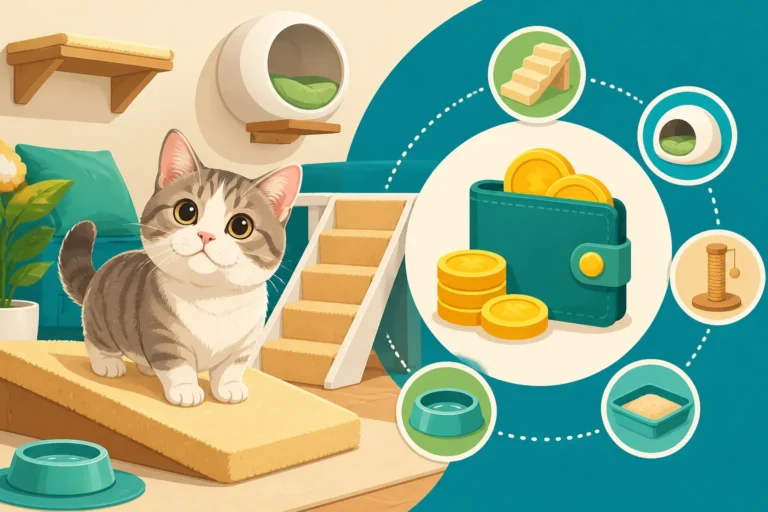
Consider installing pet ramps or steps next to your Munchkin's favorite resting spots. These provide safe, easy ways for them to reach their preferred high places without having to jump, thus protecting their joints from repeated impact. Ramps and Steps Are Munchkin Equipment, Not Luxuries – they are essential tools for maintaining their mobility and quality of life. Teaching them to use these aids early on can prevent future joint problems and help them feel more integrated into your household. This proactive approach to their environment is a cornerstone of responsible Munchkin ownership.
Regular Cleaning and Hygiene Practices
Given that Munchkins are more prone to litter clinging to their fur, regular cleaning of both the litter box and your cat becomes even more critical. Scoop the litter box at least once, if not twice, daily. The cleaner the box, the less likely litter is to stick to your cat, and the more inviting the box remains. A fully refreshed litter box should be done weekly, or bi-weekly at most.
Beyond the box, establishing a regular grooming routine for your Munchkin is essential. Pay particular attention to their hindquarters and belly, as these are the areas most likely to collect litter and potentially mat. Gently brush these areas daily, or every other day, to prevent mats and ensure cleanliness. Sometimes, a gentle wipe with a pet-safe grooming cloth might be necessary, especially after they've used the litter box. If mats do form, addressing them quickly is important. Products from Chewy can help with this. For long-haired Munchkins, or those who struggle with self-grooming, a "sanitary clip" by a professional groomer may be beneficial to keep the fur around their bottom short and tidy. For more detail, you can explore How to Clean a Munchkin's Rear. Keeping their environment and themselves clean contributes significantly to their overall health and happiness, reducing the load on their short legs and preventing undue strain on their Why every extra gram lands on a Munchkin's spine.
Disclaimer
This article is for general informational purposes only and does not constitute professional advice. Laws, prices and regulations vary by location and change over time. Consult a qualified professional for guidance on your specific situation.