Why a Munchkin’s Elbows Take the Landing
It's easy to look at a Munchkin cat and assume their short legs are just a cute quirk. But beneath that adorable exterior lies a complex reality: their unique physical structure means their bodies absorb impact and navigate the world in ways fundamentally different from their long-legged counterparts. This guide will delve deep into understanding why your Munchkin's elbows, in particular, bear a disproportionate amount of stress from everyday activities and what you can do to support their long-term joint health.
The Unique Biomechanics of a Munchkin's Stature
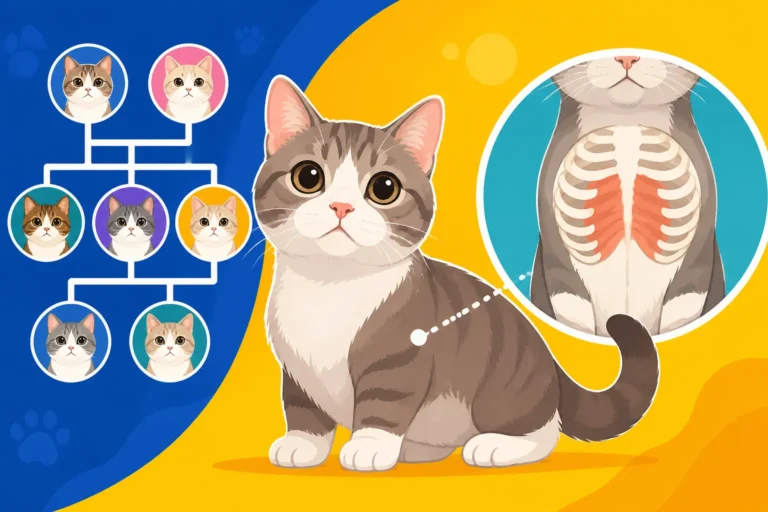
When we talk about Munchkin cats, we're discussing a breed defined by a form of dwarfism called pseudoachondroplasia. This isn't just about 'short legs'; it's about a specific genetic mutation that affects the growth of long bones while leaving the spine and body length typically unaffected. This creates a very particular set of biomechanical challenges that every Munchkin owner needs to understand.
The Short Legs and Normal Body Length Conundrum
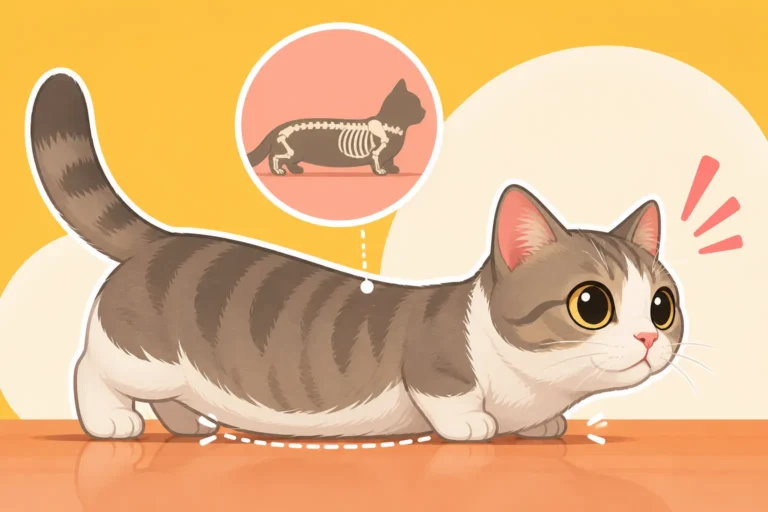
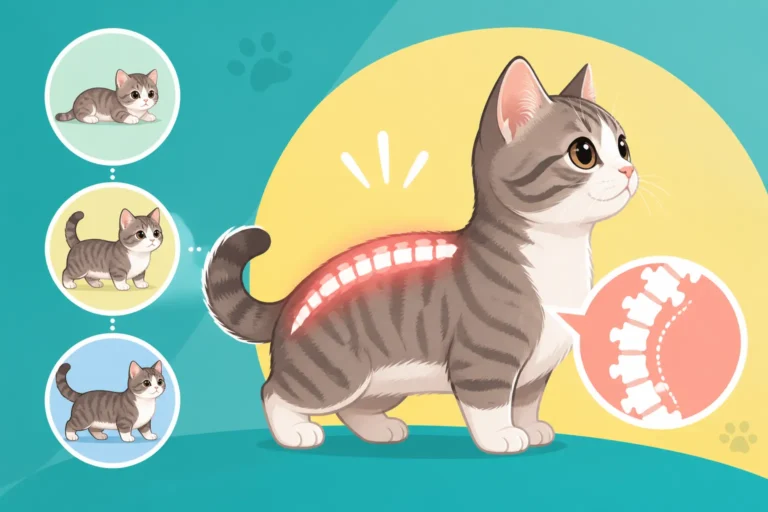
Imagine a regular cat's body, its spine, torso, and head, and then give it significantly shorter limbs. That's essentially what you have with a Munchkin. Their vertebral column is usually normal length, meaning their body is proportioned similarly to a domestic shorthair, but their legs are not. This disparity means the forces of gravity and motion are distributed very differently across their frame. A standard-legged cat has longer levers – its legs – which can absorb and dissipate impact over a greater range of motion. For a Munchkin, those shorter levers mean less buffer. The joints, especially those closer to the ground and at the front, have to work harder, and with less mechanical advantage, to cushion impacts. This is a crucial aspect of What Pseudoachondroplasia Does to a Munchkin's Legs and it underpins many of the health considerations for the breed. The weight-bearing structures, particularly in the front limbs, are under constant, amplified strain simply by existing and moving.
How a Munchkin's Gait and Movement Differ
Because of their unique leg structure, a Munchkin's gait is distinct. They don't have the same elegant, long strides of a typical cat. Instead, their movement often appears more ferret-like or "waddling," with a lower center of gravity and a quicker, shorter step pattern. This isn't just an aesthetic difference; it's a compensatory mechanism. Their bodies are working overtime to maintain balance and propulsion with less leverage from their limbs. When they run, turn, or play, their short legs necessitate a different kind of effort, often involving more rapid, smaller movements that can put repetitive stress on their joints. The concept of Why a Munchkin's Gait Looks Different isn't just about their appearance, but about the mechanical forces at play with every single step. They might be surprisingly fast on the flat, but that speed comes with its own set of stresses.
Understanding Joint Impact in Short-Legged Cats
Every time a cat moves, especially when it jumps or lands, its joints absorb forces. For most cats, their longer limbs act like efficient shock absorbers. For Munchkins, this absorption mechanism is significantly altered, particularly in their front limbs.
The Physics of Landing and Impact Absorption
When any animal jumps and lands, the force of gravity is at play, multiplied by the acceleration. The impact needs to be distributed through the body to prevent injury. In a long-legged cat, the bones and muscles of the legs, combined with the flexible spinal column, work together to absorb this shock. Their longer limb bones offer a greater surface area for muscle attachment and a longer distance over which to decelerate the body. Think of a spring: a longer spring can absorb more compression before bottoming out. A Munchkin's "springs" are shorter, meaning they compress more quickly and transfer impact forces more directly to the joints. This fundamental difference means their joints, especially the elbows and shoulders, are subjected to higher peak forces with each landing. It's a key reason why Why a Munchkin's Spine Carries a Load a Normal Cat's Does Not is such a critical consideration for owners.
Why Elbows Bear the Brunt
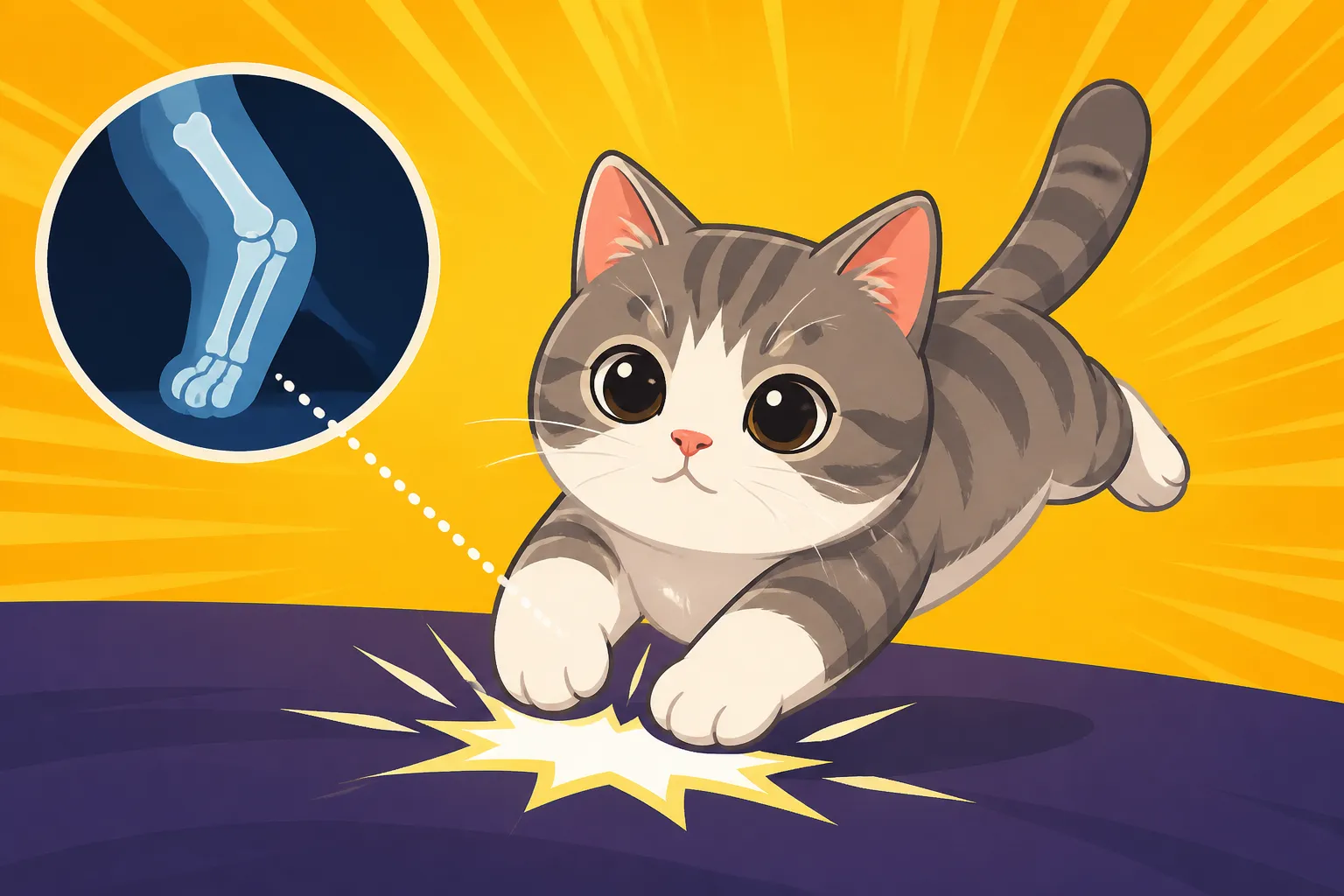
Given their shorter front legs, when a Munchkin lands from a jump or even steps down from a small height, their elbows are often the first major joint to fully extend and absorb the direct downward force. Unlike the ball-and-socket hips, elbows are hinge joints, designed for movement in one plane but less forgiving of twisting or excessive compression. Because the Munchkin's entire body weight, which can be considerable even for their size, comes down rapidly on those shortened front limbs, the force funnels directly through the shoulder and into the elbow joint.
Imagine trying to catch a heavy object with bent arms versus straight arms. With straight arms, the impact goes directly into your elbow and shoulder. A Munchkin's anatomy essentially forces their elbows into this "straight arm" scenario much more often and intensely than a normal-legged cat. This repeated, concentrated impact contributes to wear and tear, inflammation, and potential long-term issues like osteoarthritis. The structure of their front limbs means the elbows are simply less equipped to handle the amount of stress they regularly encounter, especially given that Munchkins, despite their leg length, still retain a cat's instinct to climb and jump.
Common Activities That Strain Munchkin Elbows
Even though Munchkins are known for their ability to run and play with surprising agility, many of their daily activities can put significant strain on their elbow joints. It’s not just big leaps; it’s the cumulative effect of small, seemingly innocuous movements that add up over time.
Jumping Down from Furniture
Cats love to be elevated, and Munchkins are no exception. They will find ways to get onto sofas, beds, and chairs, often by strategic leaps or by using other furniture as a 'staircase.' The real strain, however, comes from the descent. When a Munchkin jumps down, even from a relatively low height like a chair, their short front legs mean they have less "give" to absorb the landing. Their elbows take the direct impact, often hyperextending or jolting as they meet the floor. Each of these small landings contributes micro-trauma, which accumulates over years. A normal-legged cat might glide down, extending its long legs and flexing its joints gracefully. A Munchkin's landing is often more of a controlled thud, with the elbows serving as the primary shock absorbers. It’s important to remember How High a Munchkin Can Actually Jump, and conversely, how they land. Owners often don't realize the long-term implications of these seemingly harmless daily jumps.
To mitigate this, providing ramps or pet stairs is crucial. These aren't just luxuries; they're essential equipment to protect your Munchkin's joints. Every jump they avoid is a moment of stress spared from their elbows. Encouraging them to use ramps for getting on and off sofas or beds can make a huge difference in their joint longevity.
Running, Stopping, and Cornering
Munchkins are often described as surprisingly fast, able to dart around a room with impressive speed. However, this agility also comes at a cost to their joints. When a Munchkin runs, especially on hard surfaces, each stride involves impact. More critically, when they stop suddenly or make sharp turns, their short legs and low center of gravity mean their front limbs, and by extension their elbows, absorb a significant amount of braking and rotational force.
Imagine a sports car with extremely short suspension. Every turn and sudden stop would put immense pressure on its wheels and chassis. Similarly, a Munchkin's quick bursts of speed and sharp turns require their front legs to act as both accelerators and brakes, with the elbows bearing the brunt of these dynamic forces. The friction and stress within the joint capsule increase, contributing to inflammation and wear over time. While we shouldn't stop a cat from playing, understanding the mechanics helps us create a safer environment.
The "Prairie Dog" Sit
One of the most iconic and beloved Munchkin behaviors is their "prairie dog" sit, where they sit upright on their hind legs, balancing to get a better view or simply to observe their surroundings. While undeniably endearing, this posture, when held for extended periods or performed frequently, can also place strain on their front limbs and overall musculoskeletal system.
While the sit itself primarily engages the hind legs and spine for balance, the transition into and out of this posture, and the general posture it often follows (such as standing to get a better view), still involves the forelimbs and shoulders. The continuous engagement of the core and the need to occasionally use the front paws for balance can subtly stress the elbows and shoulders. It's a testament to their adaptability, but it’s also a reminder of the unique physical demands their short stature places on them. While it's not as direct an impact as landing from a jump, it's another example of how their everyday movements recruit their joints in unconventional ways, underlining Whether the Prairie Dog Sit Strains a Munchkin's Spine as well.
Recognizing Signs of Elbow Discomfort and Injury
Because cats are masters at hiding pain, it's crucial for Munchkin owners to be extra vigilant. Their instinct is to mask discomfort, a survival mechanism from their wild ancestors. However, there are subtle clues you can pick up if you know what to look for. Early detection of joint issues, especially in the elbows, can make a huge difference in managing pain and preserving mobility.
Subtle Behavioral Cues
Changes in behavior are often the first, most subtle indicators that something is amiss. Your Munchkin might not limp dramatically, but you might notice them being less enthusiastic about activities they once loved. Are they suddenly hesitant to jump onto the sofa, or do they take a more circuitous route using a footstool they previously ignored? Perhaps they're spending more time sleeping or simply less engaged in play sessions.
Watch their interaction with their environment. If they usually greet you at the door with a playful pounce, but now they simply walk slowly or sit and wait, that could be a sign. They might also become less tolerant of being handled, especially if you touch their front legs or chest area. Grooming habits can change too; if they're struggling to reach certain spots, it might be due to discomfort. Observing their regular routine closely and noting any deviations is key. This careful observation is part of Caring for a Munchkin Past Ten and even earlier.
Physical Symptoms to Watch For
Beyond behavioral changes, there are more direct physical signs that indicate elbow discomfort or injury. These might be harder to spot in a cat, but they are crucial for a vet to diagnose.
- Lameness or Limping: While cats hide pain well, persistent limping, especially after rest or vigorous activity, is a clear red flag. It might be subtle at first, just a slight favoring of one leg.
- Swelling or Heat: Gently feel your Munchkin's elbows. Do they feel warmer to the touch than other joints? Is there any noticeable swelling around the joint? Comparing one elbow to the other can help detect subtle differences.
- Reduced Range of Motion: Does your Munchkin seem to struggle to fully extend or flex its front legs? This might manifest as stiffness, particularly after napping.
- Licking or Chewing: Persistent licking, chewing, or overgrooming of a specific area, like the elbow, can indicate pain or irritation.
- Reluctance to Bear Weight: You might notice them shifting their weight more onto their hindquarters, or being reluctant to put full weight on a front leg when standing or sitting.
- Changes in Posture: Sometimes, a cat in pain will adopt an altered posture to minimize discomfort, such as hunching or holding a leg at an unusual angle.
If you observe any of these signs, it’s imperative to schedule a vet visit. Early intervention is vital for managing joint issues effectively. Even if it turns out to be nothing serious, peace of mind is invaluable.
Here's a quick guide to recognizing potential signs:
| Sign Category | Specific Behaviors / Symptoms | What it Might Indicate | Recommended Action |
|---|---|---|---|
| Behavioral | Reluctance to jump, reduced play, increased sleeping, unusual irritability, change in gait. | Joint pain, stiffness, or discomfort. | Observe closely, note frequency, contact vet. |
| Physical (Visual) | Noticeable limping, favoring one leg, stiffness, difficulty getting up/down. | Acute pain, chronic arthritis, soft tissue injury. | Immediate vet examination. |
| Physical (Touch) | Swelling, warmth around elbow, flinching when touched, muscle atrophy. | Inflammation, effusions, nerve pain, joint degeneration. | Gentle palpation by vet, diagnostic imaging may be needed. |
| Grooming | Excessive licking/chewing of front legs/paws, matted fur in hard-to-reach areas. | Pain relief attempt, limited flexibility due to discomfort. | Consult vet, consider grooming assistance for inaccessible areas. |
Strategies for Protecting Your Munchkin's Elbows
Living with a Munchkin means being proactive about their joint health. While their genetics predispose them to certain challenges, thoughtful care and environmental adaptations can significantly improve their quality of life and potentially extend their comfortable years. It’s about creating a world that works for their unique physique, not against it.
Environmental Modifications and Accessibility
This is perhaps the most impactful area where owners can make a difference. Because jumping and landing put stress on a Munchkin's elbows, reducing the need for high-impact movements is paramount.
- Ramps and Steps: Invest in good quality pet ramps or steps for all furniture your Munchkin might want to access, including sofas, beds, and even low window sills. Look for ramps with a gentle slope and a non-slip surface. Carpeted steps are often preferred by cats for better grip and comfort. Remember, What Ramps for a Munchkin Cost to Buy is an investment in their long-term health. Place them strategically so your Munchkin always has an easy, low-impact route to their favorite spots.
- Low Furniture and Beds: Consider providing floor-level beds and perches. A soft, orthopedic bed directly on the floor can be a perfect spot for rest without any jumping required. For window gazing, place a sturdy stool or cat tree with closely spaced platforms (like the ones described in Which Cat Tree Layout Suits a Munchkin) beneath the window.
- Non-Slip Flooring: Hard, slippery floors like laminate or tile can make movement more challenging and increase the risk of slips and falls, which can injure joints. Consider placing rugs or carpet runners in high-traffic areas to provide better traction.
- Accessible Litter Boxes: While not directly related to elbow impact, ensuring your Munchkin has a low-entry litter box means they don't have to awkwardly step over high sides, reducing strain on their overall body.
By creating an accessible environment, you empower your Munchkin to enjoy their natural feline behaviors without compromising their joint health.
Weight Management and Nutrition for Joint Health
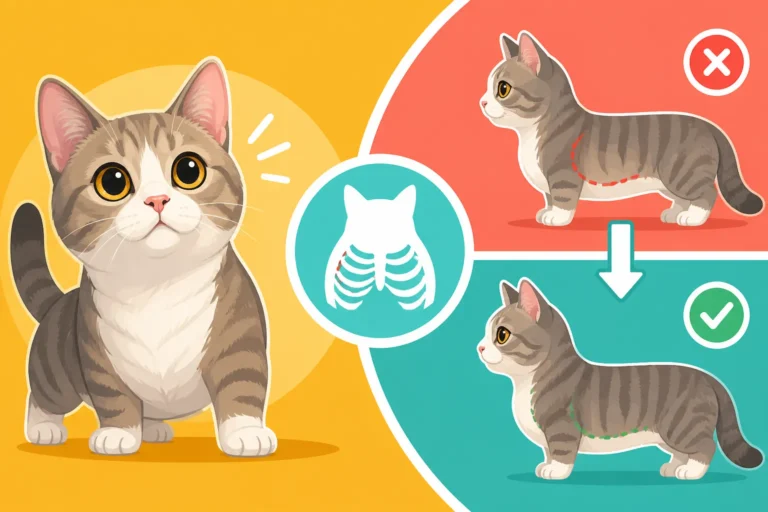
Maintaining an ideal body weight is absolutely critical for a Munchkin. Every extra pound your Munchkin carries puts additional strain on their short legs and joints, particularly the elbows and spine. A lean body condition directly translates to less wear and tear over time.
- Strict Portion Control: Munchkins, due to their lower activity levels and unique metabolism, generally require fewer calories than a standard-legged cat of the same body length. Work with your vet to determine the appropriate daily caloric intake and weigh their food precisely. Free-feeding is generally not recommended for Munchkins.
- Joint-Supporting Diet: Consider a high-quality cat food formulated for joint health, or incorporate vet-recommended supplements. Ingredients like glucosamine, chondroitin, omega-3 fatty acids (EPA and DHA), and green-lipped mussel can help support cartilage health and reduce inflammation. Which Joint Supplements Suit a Munchkin can be a great addition to their daily routine.
- Regular, Low-Impact Exercise: While protecting their joints, encourage appropriate exercise through interactive play on the floor. Wand toys, laser pointers (used responsibly), and puzzle feeders can keep them mentally and physically stimulated without requiring high jumps. This helps maintain muscle tone, which in turn supports joint stability, without overstressing their elbows. Remember How Much Floor Level Play a Munchkin Needs.
- Regular Weigh-Ins: Weigh your Munchkin weekly or bi-weekly at home to monitor their weight closely. Even a small increase can be significant for their small frame. If you notice weight gain, consult your vet for dietary adjustments. This emphasis on weight is Why an Overweight Munchkin Is in Real Trouble.
Veterinary Care and Preventative Measures
Regular veterinary check-ups are paramount for early detection and management of any potential joint issues. Your vet can assess your Munchkin's gait, range of motion, and overall joint health.
- Annual Exams: Even seemingly healthy adult Munchkins should have annual veterinary examinations. These check-ups are opportunities for your vet to palpate joints, assess muscle condition, and discuss any subtle changes you've observed. How Often a Healthy Adult Munchkin Needs Checking should be a non-negotiable part of their care.
- Early Intervention: If your vet identifies early signs of osteoarthritis or other joint issues, they can recommend a treatment plan, which might include joint supplements, anti-inflammatory medications, or even physiotherapy. Don't wait until your Munchkin is visibly limping to seek help.
- Pain Management: For Munchkins experiencing discomfort, your vet can prescribe safe and effective pain relief medications. It's crucial not to give human pain relievers, as many are toxic to cats. Discuss options like NSAIDs or other pain management strategies. What Pain Relief a Stiff Munchkin Can Take should always be vet-prescribed.
- Pet Insurance: Given the potential for long-term joint care, investing in pet insurance can be a wise decision. Companies like Healthy Paws offer comprehensive coverage that can help mitigate the costs associated with chronic conditions, diagnostics (like X-rays), medications, and even alternative therapies if recommended by your vet. This can provide immense relief and ensure you can always afford the best care for your beloved Munchkin without financial stress.
- Diagnostic Imaging: If concerns arise, your vet may recommend X-rays or other imaging techniques to get a clear picture of their joint health. These can reveal early signs of degenerative joint disease, bone spurs, or other abnormalities.
By combining thoughtful environmental adaptations, vigilant weight management, and consistent veterinary care, you can help protect your Munchkin's elbows and support a comfortable, active life for many years to come.
Disclaimer
This article is intended for informational purposes only and does not constitute veterinary advice. Always consult with a qualified veterinarian for any health concerns or before making any decisions about your pet's medical care.