Whether a Munchkin’s Pectus Excavatum Can Be Corrected
Finding out your beloved Munchkin kitten has Pectus Excavatum, a condition where their breastbone sinks inward, can be incredibly distressing. You're likely wondering if anything can be done, if they'll suffer, and if there's a way to give them a normal, healthy life. This guide will walk you through the possibilities of correcting Pectus Excavatum in Munchkin cats, exploring the surgical options, recovery process, and all the crucial factors you need to consider.
Understanding Pectus Excavatum in Munchkin Cats
Pectus Excavatum, often shortened to PE, is a congenital chest wall deformity where the sternum and sometimes several ribs grow abnormally, causing the chest to collapse inwards. While it's not exclusive to Munchkins, the unique skeletal structure of the breed can sometimes raise questions or concerns among owners and breeders. This condition can range from mild, barely noticeable indentations to severe cases that dramatically impact a cat's internal organs.
What Pectus Excavatum Means for Your Munchkin's Body
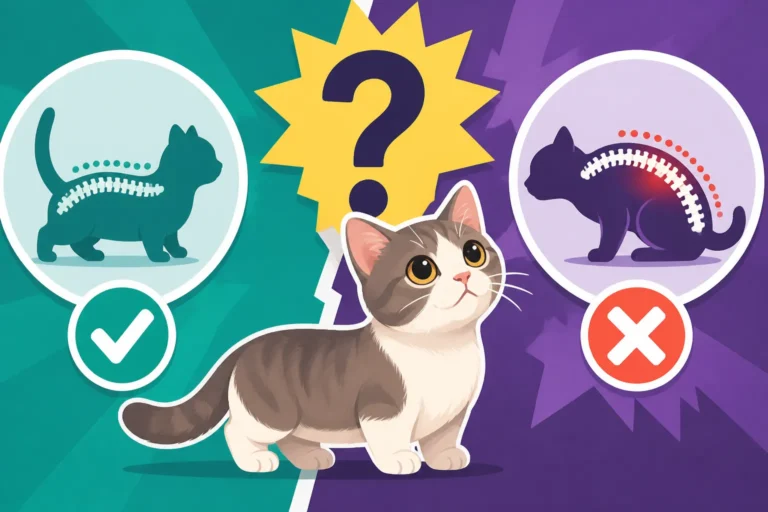
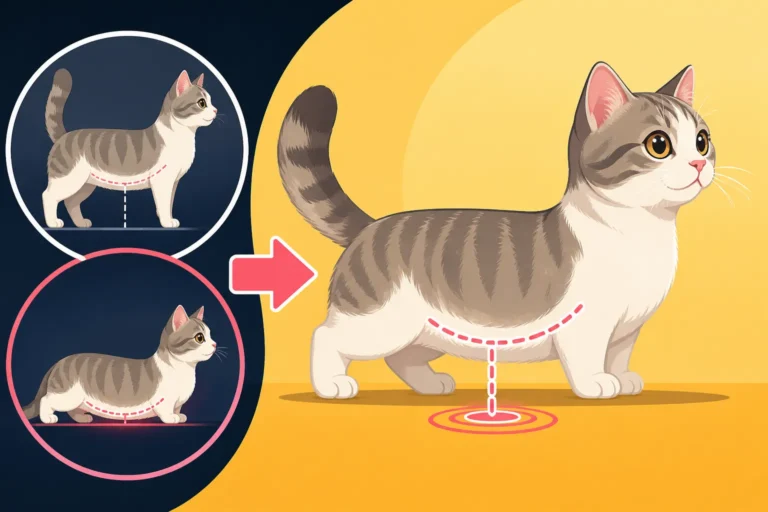
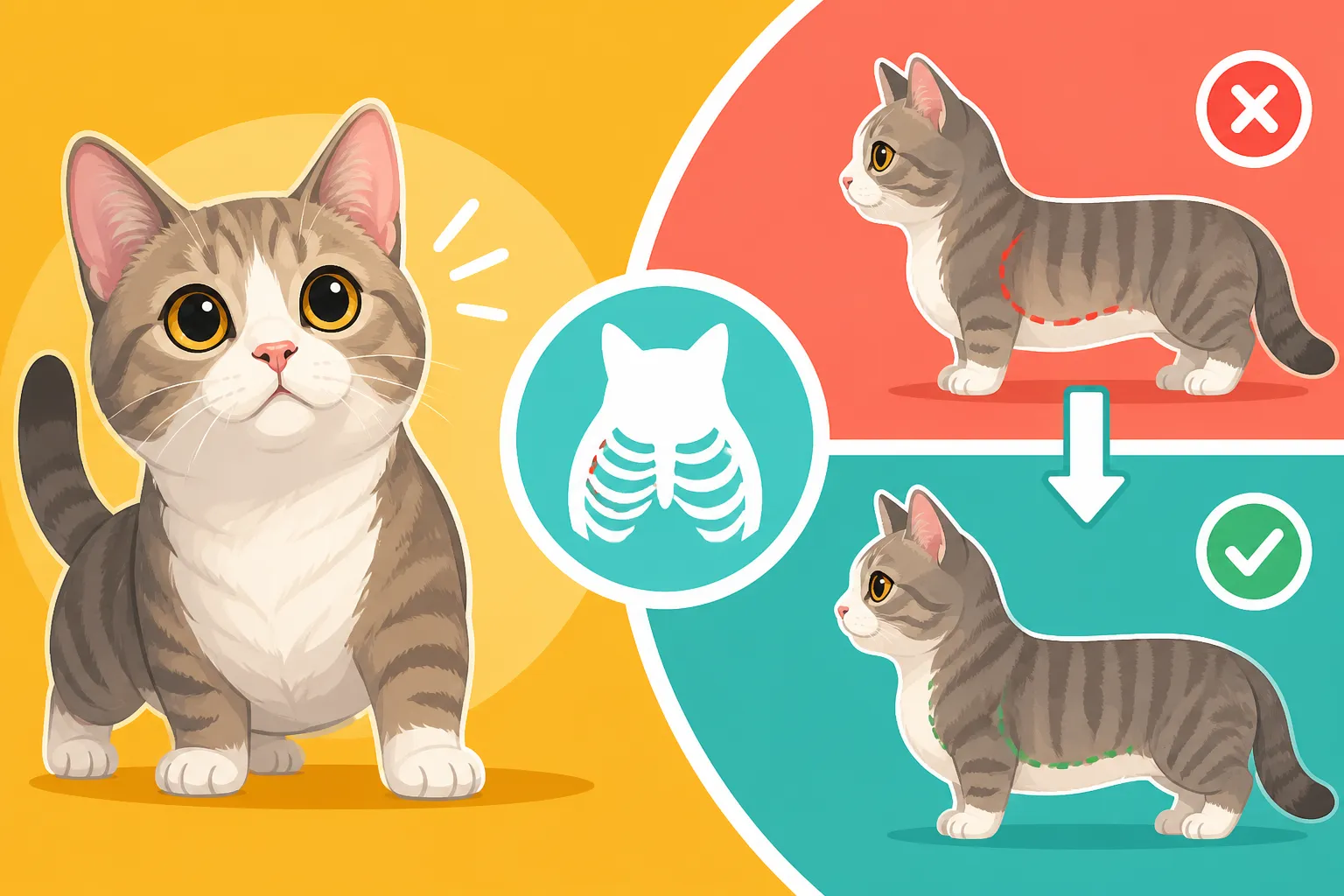
When a Munchkin has Pectus Excavatum, their breastbone isn't aligned properly. Instead of forming a convex or flat surface, it caves into the chest cavity. This inward depression reduces the space available for the heart and lungs, potentially leading to a host of problems. In mild cases, a cat might show no symptoms at all, or only very subtle ones that are easily missed. However, as the severity increases, so does the impact on their health.
A deeply sunken chest can compress the heart, affecting its ability to pump blood efficiently. It can also restrict lung expansion, making breathing difficult and leading to conditions like pneumonia. Imagine trying to run a marathon with a tight corset – that's a bit what it can feel like for a cat with severe PE. You might notice your Munchkin showing signs like rapid breathing, coughing, a decreased tolerance for exercise, or even recurrent respiratory infections. In severe cases, especially in kittens, this can become a life-threatening situation. Breeders should be mindful of this, and it’s one reason Why a Munchkin's Chest Should Be Rechecked at Six Months. The impact on your Munchkin's chest is something you'll want to be vigilant about from early on.
Identifying the Severity of the Condition
Diagnosing Pectus Excavatum typically begins with a thorough physical examination by your veterinarian. They'll palpate (feel) your Munchkin's chest to assess the extent and depth of the indentation. However, to truly understand the severity and its impact on internal organs, diagnostic imaging is crucial.
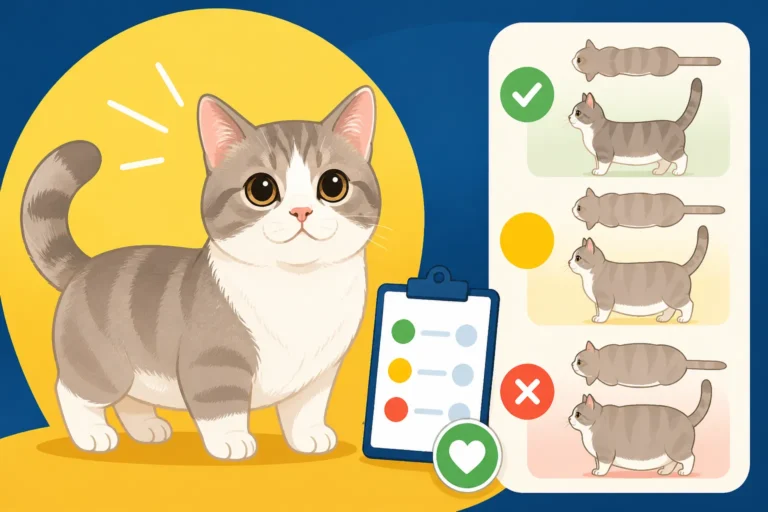
X-rays are the most common initial step. Your vet will take images from different angles to determine the degree of sternal deviation and how much the heart and lungs are being compressed. They use something called the "Hull Index" or "Vertebral Index" to quantify the severity, comparing the depth of the chest to the width of the sternal depression and the vertebrae. A higher index usually indicates a more severe case. In some instances, especially when considering surgery, a CT scan might be recommended. This provides a much more detailed, 3D view of the chest cavity, allowing the veterinary surgeon to plan the corrective procedure with greater precision. Early detection is key, and understanding How a Vet Grades a Munchkin's Sunken Chest can help you have an informed conversation with your vet. Catching it early can significantly influence the success of any intervention.
Surgical Correction Options for Pectus Excavatum
For Munchkin cats diagnosed with moderate to severe Pectus Excavatum, surgical correction is often the most effective, and sometimes the only, way to improve their quality of life and prevent long-term health complications. The goal of surgery is to reposition the sternum and ribs to restore a more normal chest shape, thereby relieving pressure on the heart and lungs.
The "External Splint" or Pexi Technique
One of the most common surgical approaches for Pectus Excavatum, particularly in younger kittens, involves the use of an external splint or "pexi" technique. This procedure aims to gently reshape the chest over time. During surgery, your vet will make an incision over the sternum. They might then place sutures around the deformed ribs and sternum, attaching them to a rigid external splint that sits outside the chest wall. This splint is typically made from a lightweight, durable material and is shaped to provide outward tension, pulling the sunken sternum into a more natural position.
The external splint is usually left in place for several weeks, often 3 to 6 weeks, allowing the chest wall to gradually reform and solidify in its corrected shape. It's a bit like wearing braces for teeth – slow, steady pressure over time. While the splint is on, your Munchkin will require very careful monitoring and strict activity restriction. You'll need to ensure the splint stays clean and dry, and that your cat doesn't try to chew or remove it. Pain management is also critical during this period. The good news is that for many kittens, this method is highly successful, offering a significant improvement in their breathing and overall health.
Internal Rib Plication and Resection
For older cats, or those with more rigid and severe deformities that might not respond well to an external splint, internal corrective techniques like rib plication or partial rib resection may be considered. These procedures are generally more invasive but can offer a more immediate and definitive correction.
- Rib Plication: This involves carefully placing sutures to fold and tighten the soft tissues and cartilage around the deformed ribs, effectively pulling the sternum into a better position. It helps to stabilize the chest wall and prevent recurrence of the inward collapse.
- Partial Rib Resection: In some severe cases, where the cartilage or bone of the ribs has become permanently malformed and rigid, a small section of the affected ribs might be surgically removed. This allows the sternum to be repositioned more easily. After resection, the remaining rib ends are then stabilized, often with sutures, to allow new cartilage and bone to grow, reconstructing a healthier chest wall.
These internal methods often don't require an external splint, though internal sutures or even small plates might be used to maintain the corrected position. Recovery still involves careful monitoring and restricted activity, but the external hardware isn't a concern. The choice between these methods depends heavily on the individual Munchkin's age, the severity and flexibility of the chest wall, and the surgeon's preference and expertise. It's important to remember that Whether a Munchkin is a Normal Anesthetic Risk is a consideration for any surgery, especially for a procedure as involved as this.
When Surgery is Considered Necessary
Deciding whether to proceed with surgery is a significant decision, and it's one that should be made in close consultation with your veterinarian and a veterinary surgeon. Surgery is typically recommended when the Pectus Excavatum is causing clinical signs or is likely to cause severe problems in the future.
Here are some key indicators that might lead to a surgical recommendation:
- Respiratory Distress: Your Munchkin is struggling to breathe, showing rapid or labored breathing, open-mouthed breathing, or a persistent cough.
- Cardiac Compromise: The compressed chest is affecting heart function, leading to murmurs or other signs of heart strain.
- Growth Stunting: Kittens with severe PE may fail to thrive due to the metabolic demands of their condition.
- Severe Hull Index: Diagnostic imaging shows a high severity index, even if immediate symptoms aren't profound, indicating a high risk of future problems.
- Progressive Deformity: The condition is worsening as the kitten grows, suggesting it won't resolve on its own.
Conversely, very mild cases of Pectus Excavatum that cause no symptoms and don't significantly impact organ function may be managed with careful monitoring rather than surgery. Your vet might recommend regular check-ups and X-rays to ensure the condition isn't progressing. It's a delicate balance of risks and benefits, and considering What Pectus Excavatum Does to a Munchkin's Chest thoroughly helps in making an informed choice.
Here's a quick comparison of the common surgical techniques:
| Feature | External Splint (Pexi) | Internal Rib Plication/Resection |
|---|---|---|
| Typical Candidates | Younger kittens (under 4-6 months) with flexible chests | Older kittens/adults or severe, rigid deformities |
| Invasiveness | Moderately invasive | More invasive |
| Hardware | External splint for several weeks | Internal sutures, sometimes small plates; no external hardware |
| Recovery Period | Strict restriction while splint is on (weeks) | Strict restriction post-op (days to weeks) |
| Goal | Gradual reshaping of chest wall | Immediate, definitive correction of chest wall |
| Potential Complications | Splint irritation, infection, recurrence if removed too early | Anesthetic risk, infection, pneumothorax, recurrence |
Post-Operative Care and Long-Term Outlook
Undergoing corrective surgery for Pectus Excavatum is a big step, and the recovery period is just as crucial as the procedure itself. Proper post-operative care is vital for ensuring the best possible outcome for your Munchkin.
The Critical Recovery Period
Immediately after surgery, your Munchkin will need intensive care. This usually involves a stay at the veterinary hospital for a few days, where they can receive around-the-clock monitoring, pain relief, and any necessary supportive care like oxygen or intravenous fluids. Pain management is paramount, as chest surgery can be quite uncomfortable. Your vet will likely prescribe a combination of pain medications, both injectable and oral, to keep your cat comfortable.
Once your Munchkin is home, the real work of recovery begins for you. Strict activity restriction is non-negotiable. This means no jumping, running, or rough play for several weeks, or as long as your vet advises. A small, confined space like a large dog crate or a penned-off room (with low furniture) is often recommended to prevent them from overexerting themselves. If an external splint was used, you'll need to carefully monitor the incision site and the splint itself for any signs of infection, irritation, or shifting. Regular cleaning and bandage changes (if applicable) will be part of your routine. These follow-up appointments are critical, and you may want to discuss how much these visits typically cost when considering things like Why a Munchkin's Vet Year Includes Its Joints. It's a tough period, but your dedication during this time directly contributes to their successful recovery.
Managing Expectations and Potential Complications
While Pectus Excavatum surgery often has excellent outcomes, it's important to have realistic expectations and be aware of potential complications. Not every surgery is a complete fix, and sometimes there can be setbacks.
Possible complications include:
- Infection: Any surgery carries a risk of infection at the incision site or internally.
- Pneumothorax: Air can leak into the chest cavity, compressing the lungs. This is a serious complication that requires immediate veterinary attention.
- Seroma/Hematoma: Fluid or blood accumulation under the skin at the surgical site.
- Recurrence: In some cases, especially if activity restrictions aren't followed or if the underlying skeletal issue is very severe, the chest deformity can partially recur.
- Splint-related issues: If an external splint is used, issues like skin irritation, pressure sores, or the cat attempting to remove the splint can occur.
- Anesthetic risks: As with any surgery, there are always risks associated with general anesthesia.
Your veterinary team will discuss these risks with you beforehand and take precautions to minimize them. It’s also wise to consider how pet insurance might help with these unexpected costs. Brands like Healthy Paws are often mentioned as providers that can help offset significant veterinary expenses, especially for unexpected surgeries and complications. Knowing your options for coverage can provide peace of mind during such a challenging time.
Life After Correction for Your Munchkin
For many Munchkins who undergo successful Pectus Excavatum correction, the long-term outlook is excellent. With the pressure relieved from their heart and lungs, they can often lead full, active lives without the respiratory or cardiac limitations they once faced. You'll likely notice a significant improvement in their energy levels, their ability to play, and their overall comfort.
However, it's still important to continue monitoring your Munchkin's health throughout their life. Regular veterinary check-ups are essential to ensure no new issues arise and that the chest wall remains stable. While the surgery corrects the structural deformity, it doesn't change the fact that they are a Munchkin, and their unique physiology still requires careful consideration. You'll want to ensure they maintain a healthy weight to avoid putting undue stress on their body. While the original issue was the chest, it's a good reminder to be aware of other potential issues, such as Whether a Munchkin Gets Arthritis Earlier, which might require lifelong management. A Munchkin with a successfully corrected Pectus Excavatum can be a happy, vibrant member of your family for many years to come.
Weighing the Decision: Risks, Benefits, and Costs
Deciding whether to pursue corrective surgery for your Munchkin's Pectus Excavatum is a deeply personal and complex choice. It involves carefully balancing the potential benefits against the risks, financial implications, and the emotional toll on everyone involved.
The Financial Realities of Corrective Surgery
There's no sugarcoating it: Pectus Excavatum surgery can be a significant financial undertaking. The total cost will vary widely depending on several factors:
- Severity of the condition: More complex cases requiring advanced techniques or longer surgical times will cost more.
- Type of surgery: Internal procedures can sometimes be more expensive due to specialized equipment or longer hospital stays.
- Geographic location: Veterinary costs differ from region to region, and major metropolitan areas often have higher prices.
- Veterinary facility: A specialty surgical center with board-certified surgeons will generally have higher fees than a general practice, but they also offer specialized expertise.
- Post-operative care: This includes follow-up appointments, pain medications, potential bandage changes, and any necessary treatments for complications.
Estimates for Pectus Excavatum surgery can range from a few thousand dollars to upwards of $5,000 to $10,000 or more. This is why having pet insurance can be such a lifesaver. Companies like Healthy Paws can help reimburse a significant portion of these unexpected costs, making life-saving procedures more accessible. It's crucial to discuss all estimated costs with your veterinary team upfront, including potential expenses for unexpected complications. Knowing What Spinal X Rays Cost for a Munchkin can give you an idea of diagnostic imaging expenses, which will be part of the initial work-up. Don't hesitate to ask for a detailed breakdown of all expected charges.
Evaluating Quality of Life with and Without Surgery
Beyond the financial aspect, the most important consideration is your Munchkin's quality of life. You need to honestly assess what their life would look like both with and without the surgery.
Without Surgery (for moderate to severe cases):
- Chronic discomfort: Persistent pressure on organs can lead to ongoing pain or discomfort.
- Breathing difficulties: Labored breathing, frequent respiratory infections, and exercise intolerance.
- Cardiac issues: Heart strain, potentially leading to heart failure over time.
- Reduced activity: Inability to play normally, limiting their enjoyment and social interaction.
- Shorter lifespan: Severe, uncorrected Pectus Excavatum can significantly shorten a cat's life.
With Surgery (potential outcomes):
- Improved breathing: Easier respiration, increased lung capacity.
- Better heart function: Reduced strain on the heart.
- Increased activity: Ability to run, play, and engage in normal cat behaviors.
- Enhanced comfort: Relief from chronic pain or pressure.
- Normal lifespan: For successful corrections, a normal lifespan is very achievable.
It's a tough conversation, but understanding Why a Munchkin's Ribs Sit Closer to the Ground and how that affects their internal structure can help you grasp the physiological impact of this condition. Your vet can help you weigh these factors, providing insights into the specific prognosis for your individual Munchkin based on their age, severity, and overall health.
The Emotional Toll on Owners
Let's be real, facing a significant health challenge like Pectus Excavatum in your pet takes a huge emotional toll. As pet parents, we pour our hearts into our furry family members, and seeing them struggle, or making difficult medical decisions, can be incredibly stressful. You might feel overwhelmed, guilty, or even heartbroken. It's okay to feel all of these things.
Going through the surgical process, from the initial diagnosis to the long weeks of recovery, is a journey. It demands patience, dedication, and resilience. You'll worry during the surgery, fret during their hospital stay, and diligently care for them during their home recovery. It's perfectly normal to need support during this time, whether it's from your family, friends, or even online communities of other pet owners who have faced similar challenges. Remember to take care of yourself too, because your Munchkin relies on your strength and calm. And when thinking about bringing a Munchkin into your home, it's helpful to know about potential health screenings, such as Whether a Munchkin Can Be Screened Before Purchase, to be as prepared as possible.
Disclaimer
This article is intended for informational purposes only and does not constitute veterinary advice. Always consult with a qualified veterinarian for any health concerns or before making any decisions regarding your pet's medical care. Individual outcomes can vary, and your vet is the best resource for tailored advice for your Munchkin.