What Pectus Excavatum Does to a Munchkin’s Chest
Finding out your beloved Munchkin might have something called pectus excavatum can be incredibly worrying, often leaving you feeling lost and unsure of what it means for their future. You might notice their chest looks a little different, or maybe your vet mentioned it during a routine check-up, and suddenly, a whole new world of concerns opens up. This guide is here to walk you through exactly what pectus excavatum is, how it can affect your adorable short-legged companion, and what steps you can take to ensure they live the happiest, healthiest life possible.
Understanding Pectus Excavatum: What Exactly Is It?
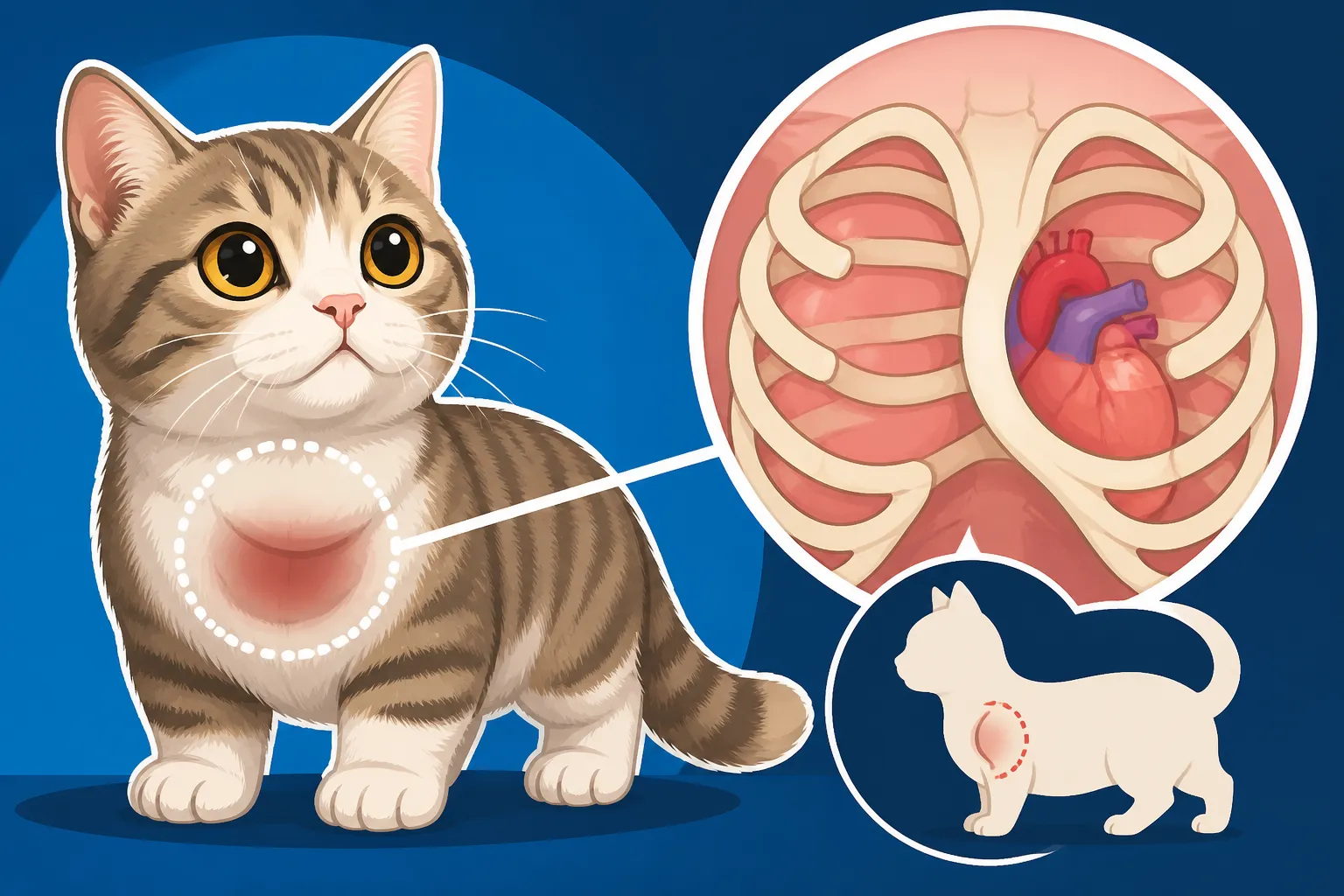
Pectus excavatum, often informally called "funnel chest" or "sunken chest," is a congenital deformity of the sternum (breastbone) and rib cage. Instead of growing outwards, the sternum and sometimes several ribs grow inwards, creating a concave depression in the chest wall. While it can occur in any cat, or even humans, its manifestation and potential impact on a Munchkin can sometimes be a particular concern due to their already unique skeletal structure. It’s not something you’ve caused, but rather something your cat was born with, and understanding its nature is the first step toward managing it.
The Anatomy of a Sunken Chest
To really grasp what pectus excavatum (PE) means, let's picture a normal cat's rib cage. The ribs curve gracefully from the spine, meeting at the sternum, which runs down the center of the chest, creating a protective, barrel-like structure for the heart and lungs. This design allows ample space for these vital organs to expand and contract with each breath. In a cat with pectus excavatum, this architecture is compromised. The sternum, instead of being flat or slightly convex, dips inward towards the spine, creating a hollow. This indentation can be mild, almost imperceptible, or it can be quite severe, pressing significantly on the heart and lungs. The severity isn't just about how deep the "ditch" is, but also how wide and long it is, and whether it's symmetrical or skewed to one side. Imagine a normal cat's chest as a well-inflated balloon, and a cat with PE having a significant dent pushed into that balloon – the internal space is reduced, and the organs inside are compressed. This anatomical change is what sets the stage for potential health challenges your Munchkin might face.
How It Differs in Munchkins Versus Other Breeds
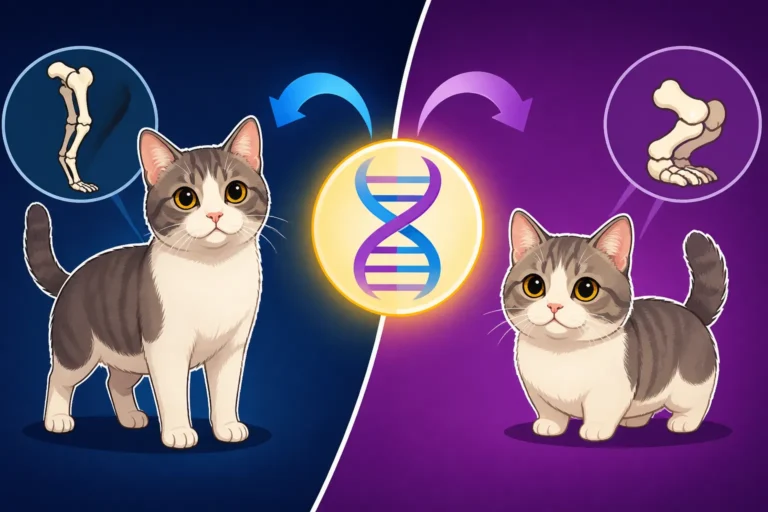
While pectus excavatum isn't unique to Munchkins, their distinct physical traits can make its presentation and implications somewhat different. Munchkins are known for their short legs, a characteristic of chondrodysplasia, which affects bone growth. While this gene primarily impacts limb length, some veterinarians and researchers have noted that any skeletal anomaly can feel more profound in a breed already navigating a unique body structure. For instance, in a cat with normal leg length and a more traditional body shape, a mild case of pectus excavatum might have less noticeable impact on their overall mobility or gait. However, for a Munchkin, whose belly already sits low to the ground and whose locomotion involves less high jumping and more agile scurrying, any compromise to their respiratory or cardiac function could potentially affect their energy levels or stamina in play. Furthermore, the broad skeletal considerations for Munchkins, as discussed in Why a Munchkin's Spine Carries a Load a Normal Cat's Does Not, mean that a veterinarian will always be looking at the cat's entire skeletal health picture with a keen eye. While PE is not directly caused by the Munchkin gene, the breed's conformation means that any chest deformity needs careful assessment to understand its full implications within their specific physiology. It's not necessarily worse, but it requires a careful, informed approach to assessment and care.
Recognizing the Signs: How to Spot Pectus Excavatum in Your Munchkin
Catching pectus excavatum early can make a big difference in managing its effects. Sometimes, the signs are subtle, especially in kittens, and you might not even realize something is amiss until a vet points it out. But as a vigilant Munchkin parent, knowing what to look for, both visually and in their behavior, can give you a head start. It’s about becoming incredibly observant of your cat’s everyday habits and their physical form.
Visual Cues and Physical Examination
The most direct way to spot pectus excavatum is by visual inspection and gentle palpation. When your Munchkin is relaxed, perhaps lying on their back or side, gently run your hand along their sternum, from just below their chin down to their belly. A normal cat's breastbone should feel relatively flat or slightly rounded. If there's an indentation, a dip, or a significant hollow, that's a key visual cue. For mild cases, it might feel like a slight groove, but in more severe instances, you might feel a distinct "hole" where the sternum should be. Sometimes, the chest wall might also appear flattened from side to side, or one side might protrude more than the other, creating an asymmetric look. You might also notice their ribs flaring out more than usual to compensate for the inward-growing sternum. It's often easier to see these signs when your cat is inhaling deeply, as the chest muscles pull inwards. Young kittens are particularly susceptible to this, and breeders should be checking for What a Sunken Chest Feels Like on a Munchkin Kitten during their early development. Looking at your cat from the front, especially when they're standing, can also reveal an abnormally narrow or sunken chest profile.
Behavioral Changes to Watch For
Beyond the physical appearance, pectus excavatum can manifest through changes in your Munchkin's behavior and overall well-being, especially if it's moderate to severe. Since the condition primarily affects the space for the heart and lungs, respiratory and cardiac symptoms are the most common indicators. You might notice your Munchkin seems to get tired more easily after playing, or they might not engage in as much vigorous play as other kittens in the litter or other cats you've owned. Difficulty breathing, often characterized by rapid, shallow breaths, open-mouthed breathing, or exaggerated chest movements, is a significant red flag. They might also cough more frequently or wheeze. Some cats will adopt unusual postures, like sitting hunched or standing with their elbows tucked out, in an attempt to alleviate pressure on their chest and make breathing easier. Poor growth, a lack of appetite, and a generally listless demeanor can also be indirect signs, as their body struggles to get enough oxygen and nutrients. If the heart is also affected, you might observe a bluish tint to their gums or tongue, indicating poor circulation. Remember, any of these behavioral changes, particularly when combined with a visible chest abnormality, warrant an immediate visit to your veterinarian. Early intervention can significantly improve their quality of life.
The Impact on Your Munchkin's Health and Quality of Life
The severity of pectus excavatum can range widely, and so can its impact on a Munchkin's overall health and happiness. A mild indentation might never cause any noticeable problems, allowing your cat to live a full and vibrant life. However, more pronounced cases can lead to significant physiological challenges, affecting their most vital organs and requiring careful management. It's crucial for owners to understand these potential effects to provide the best possible care.
Respiratory and Cardiac System Challenges
The most direct and serious consequences of pectus excavatum are usually felt by the respiratory and cardiac systems. When the sternum and ribs push inward, they reduce the available space within the thoracic cavity, directly compressing the lungs and heart. This compression can lead to a host of problems:
- Restricted Lung Expansion: The lungs need to expand fully to take in oxygen efficiently. A sunken chest wall can physically prevent this, leading to reduced lung capacity. Your Munchkin might struggle to get enough air, especially during exertion. This can manifest as shortness of breath, rapid breathing (tachypnea), or even open-mouthed breathing if they're severely distressed. Over time, this chronic lack of proper ventilation can contribute to recurrent respiratory infections, as trapped air and mucus create a breeding ground for bacteria.
- Cardiac Compression and Dysfunction: The heart can also be pushed out of its normal position and compressed by the inward-growing sternum. This physical pressure can hinder its ability to pump blood effectively, leading to various cardiac issues. You might see signs like a heart murmur, arrhythmias (irregular heartbeats), or even congestive heart failure in severe, long-standing cases. The reduced blood flow can impact overall organ function and lead to lethargy and weakness. The unique posture of Munchkins, whose chests already sit low, means that any added pressure can exacerbate these issues, and managing Why Weight Is More Dangerous on a Munchkin becomes even more critical, as extra pounds place additional strain on an already compromised system.
Both of these issues can significantly diminish your Munchkin's stamina and playfulness. They might not be able to run and play as much as a healthy cat, finding themselves tired quickly. It's a heartbreaking reality for a breed known for its playful and energetic nature, even with its short legs.
Secondary Issues and Long-Term Concerns
Beyond the immediate respiratory and cardiac impacts, pectus excavatum can pave the way for a variety of secondary issues and long-term concerns that require ongoing vigilance. Chronic oxygen deprivation can affect growth and overall development, particularly if the condition is severe in kittens. These cats might remain smaller or appear less robust than their littermates. The constant effort to breathe can also lead to muscle wasting in other areas, as their body diverts energy towards essential functions.
Moreover, cats with pectus excavatum might be more susceptible to pneumonia due to compromised lung function and reduced ability to clear respiratory secretions. Chronic coughs or wheezing can become a persistent problem, significantly impacting their comfort. For owners considering pet insurance, it's worth noting that conditions like pectus excavatum, if diagnosed before coverage, might be considered pre-existing. However, a provider like Healthy Paws can be invaluable for covering the unexpected costs of diagnostics, specialist consultations, or even surgery if your cat is covered before any symptoms or diagnosis. Discussing Caring for a Munchkin Past Ten with this condition highlights the importance of proactive, long-term care plans, as cats with PE might face age-related health declines sooner or with greater intensity due to their underlying condition. Monitoring their breathing, energy levels, and overall demeanor regularly will be key to catching any new or worsening problems early.
Diagnosis and Grading: What to Expect at the Vet
When you suspect your Munchkin might have pectus excavatum, or if your vet raises the concern during a routine exam, it's natural to feel anxious. However, a thorough diagnostic process will help you understand the severity of the condition and guide the best course of action. This usually starts with a detailed physical exam and can progress to imaging techniques to get a clear picture of what's happening inside their chest.
Early Detection in Kittens
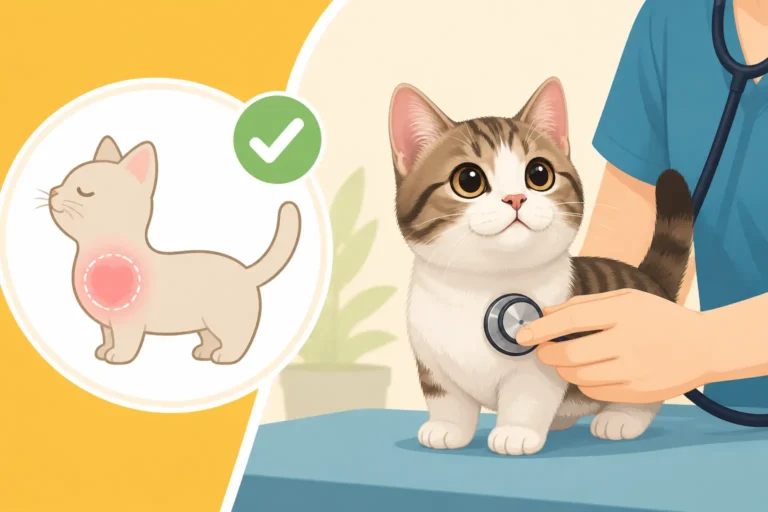
The sooner pectus excavatum is identified, especially in kittens, the better the prognosis can be. Responsible breeders and attentive owners often spot the condition within the first few weeks of a kitten's life. During a kitten's initial vet visits, part of What a Munchkin Kitten's First Exam Should Cover should absolutely include careful palpation of the chest. A vet will gently feel along the sternum, noting any abnormalities. Sometimes, a mild indentation can even correct itself as the kitten grows, particularly if the rib cage is still flexible. However, if the depression is significant, or if the kitten shows signs of respiratory distress, early intervention might be necessary. Some breeders use a simple "ruler test" or digital photography to monitor the severity over time. It's crucial for any Munchkin kitten showing signs of a sunken chest to be routinely evaluated. The pliable nature of a young kitten's bones means that sometimes, gentle splinting or external correction devices can be used, though this is less common and often only considered in very specific, mild cases under strict veterinary supervision. Early diagnosis allows for a watchful waiting approach or prompt intervention, helping to prevent the condition from worsening and causing irreversible damage to the developing organs.
Diagnostic Tools and Severity Scales
Once a suspicion of pectus excavatum is raised, your veterinarian will likely recommend further diagnostic imaging to confirm the diagnosis and assess the severity.
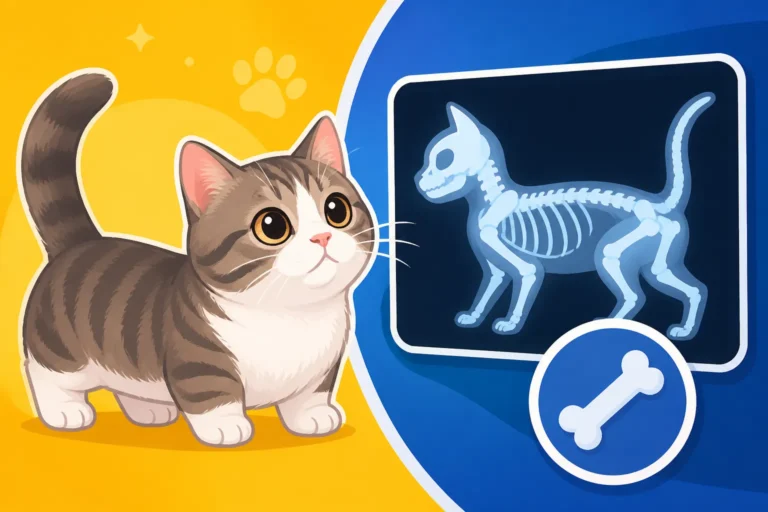
- Radiographs (X-rays): This is typically the first step. X-rays taken from different angles (lateral and dorsoventral/ventrodorsal views) can clearly show the inward deviation of the sternum and its relationship to the heart and lungs. They help the vet visualize the degree of compression and any associated abnormalities, like a displaced heart or evidence of lung congestion.
- Computed Tomography (CT) Scan: For more detailed evaluation, especially if surgery is being considered, a CT scan provides a three-dimensional view of the chest. This allows for precise measurements of the sternal deviation, the volume of the thoracic cavity, and the exact relationship between the sternum and the internal organs. This level of detail is invaluable for surgical planning.
- Echocardiogram (Cardiac Ultrasound): If the heart is suspected to be affected, an echocardiogram will be performed. This ultrasound of the heart can assess its size, function, and any structural changes or murmurs caused by compression.
- Severity Scales: Vets use various methods to grade the severity of pectus excavatum. One common approach involves calculating an "index" from the X-rays or CT scan. For example, the Pectus Index (PI) or Vertebral Index (VI) measures the ratio of the deepest point of the sternal indentation to the widest point of the chest, or the distance from the sternum to the vertebrae.
Here’s a simplified table illustrating common severity grades:
| Grade | Description | Visual/Palpation | Potential Impact |
|---|---|---|---|
| Mild | Slight inward curvature of the sternum | Barely noticeable or slight groove | Usually no clinical signs; normal activity |
| Moderate | Noticeable indentation, some organ compression | Visible dip, palpable hollow | Mild exercise intolerance, occasional cough, slight fatigue |
| Severe | Significant inward collapse, pronounced organ compression | Deep, prominent indentation; obvious breathing effort | Respiratory distress, cardiac murmurs, lethargy, poor growth |
| Life-Threatening | Extreme collapse, severe organ damage, potentially paradoxical breathing | Profound chest wall deformity, severe breathing impairment | Crisis, requires immediate medical or surgical intervention |
Understanding these grades, and discussing How a Vet Grades a Munchkin's Sunken Chest with your veterinarian, will help you make informed decisions about your Munchkin's treatment plan.
Management and Treatment Options for Pectus Excavatum
Once pectus excavatum has been diagnosed and its severity assessed, your vet will discuss the available management and treatment options. The approach will largely depend on how severe the condition is, your Munchkin's age, and whether they are experiencing clinical signs. It’s important to remember that not all cases require invasive surgery; sometimes, supportive care is all that's needed.
Conservative Management and Supportive Care
For Munchkins with mild pectus excavatum, or those showing no clinical signs, a conservative approach is often recommended. This primarily involves close monitoring and supportive care to ensure their comfort and prevent secondary issues.
- Watchful Waiting: Regular veterinary check-ups are essential to monitor the progression of the deformity and any changes in your cat's breathing or energy levels. Your vet might recommend periodic X-rays to track the sternal development.
- Weight Management: Keeping your Munchkin at an ideal body weight is paramount. Excess weight puts additional strain on the respiratory and cardiovascular systems, exacerbating any breathing difficulties. Your vet can help you determine How to Score a Munchkin's Body Condition and develop a suitable diet plan.
- Environmental Adjustments: Ensure your Munchkin has a comfortable, stress-free environment. Provide easy access to food, water, and litter boxes. Consider a low-entry litter box so they don’t have to strain, and soft, supportive bedding for resting. Avoid strenuous exercise or activities that cause them to become out of breath. If your Munchkin is active, you might need to limit excessive jumping, particularly if Whether a Munchkin Should Be Discouraged From Jumping is a concern for their overall skeletal health.
- Respiratory Support: If your Munchkin experiences occasional coughing or mild breathing issues, your vet might suggest humidifiers, air purifiers, or even anti-inflammatory medications. For those covered by a comprehensive pet insurance plan like Healthy Paws, these conservative treatments and ongoing monitoring can be covered, easing the financial burden of long-term care.
- Joint Supplements: While not directly for PE, joint support can be beneficial if your Munchkin has a unique gait due to their condition or other skeletal considerations. Discussing Which Joint Supplements Suit a Munchkin with your vet might be a good idea.
Surgical Interventions: When and Why
When pectus excavatum is moderate to severe, causing significant respiratory or cardiac compromise, or if conservative management isn't improving your Munchkin's quality of life, surgical correction might be the best option. The goal of surgery is to elevate the sternum, allowing the heart and lungs more space to function properly.
- Timing of Surgery: Ideally, surgery is performed in younger kittens, generally between 8 and 16 weeks of age. At this stage, their bones are still flexible, making correction easier and allowing their organs to develop without chronic compression. However, surgery can be performed on older cats if necessary, though the outcomes might vary.
- Surgical Techniques:
- External Splinting/Sternal Elevation: This is the most common technique. The surgeon makes an incision along the sternum, frees it from surrounding tissues, and then uses sutures to attach the sternum to an external splint (often a plastic or metal bar) that arches over the chest. This splint holds the sternum in the corrected position while it heals and remodels. The splint typically stays in place for 4-8 weeks before being removed during a second, smaller procedure.
- Internal Plating: In some cases, particularly in older cats or very severe deformities, internal plates or prosthetic material might be used to permanently stabilize the sternum in the corrected position.
- Post-Operative Care: After surgery, your Munchkin will require intensive care, including pain management, restricted activity, and close monitoring for complications like pneumothorax (collapsed lung) or infection. Whether a Munchkin Is a Normal Anesthetic Risk is a valid question to discuss with your vet before any procedure, especially given their unique physiology. They will need to wear an Elizabethan collar to prevent them from licking or chewing at the incision and splint. Recovery can take several weeks, but many cats show dramatic improvement in breathing and energy levels once the sternum is corrected. The decision for surgery is a significant one, and it's essential to have a detailed discussion with a veterinary surgeon, ideally one with experience in correcting chest wall deformities, to understand the risks, benefits, and expected outcomes for your individual Munchkin.
Living with a Munchkin Cat with Pectus Excavatum
Bringing a Munchkin with pectus excavatum into your home, or discovering the condition later in life, requires a commitment to ongoing care and understanding. While it might sound daunting, many cats with this condition live happy, fulfilling lives with the right support. It's all about making their world a little easier and ensuring they have everything they need within reach, both literally and figuratively.
Creating a Supportive Home Environment
Adapting your home environment is a crucial step in supporting a Munchkin with pectus excavatum, especially if they have any breathing or stamina limitations. Think of it as tailoring their world to their unique needs.
- Accessibility is Key: Just like with their short legs, where Why a Munchkin's Belly Nearly Touches the Floor means they need low-entry access, a cat with PE will benefit from easy access to all essential resources. Ensure their food and water bowls are at a comfortable height, perhaps slightly raised to reduce strain on their neck and chest. Their litter boxes should be easily accessible, ideally with a low entry point, so they don't have to jump or climb to get in.
- Safe Climbing Options: While Munchkins are known for their ability to find alternative routes, a cat with PE might struggle with jumps and climbs more than usual. Provide ramps or pet stairs to help them access favorite spots like the sofa, bed, or a low windowsill. Consider Which Cat Tree Layout Suits a Munchkin with closely spaced platforms, allowing them to climb without excessive strain. Reducing the need for high-impact jumps, especially down from heights, can protect their joints and avoid sudden impacts on their chest.
- Comfortable Resting Spots: Create several comfortable, easily reachable resting spots around the house where your Munchkin can relax without feeling exposed or needing to exert themselves. Soft, orthopedic beds can be beneficial for overall skeletal health.
- Temperature Control: Extreme temperatures, both hot and cold, can exacerbate respiratory issues. Ensure your home is kept at a comfortable, stable temperature, and avoid exposing your Munchkin to drafts or stuffy environments. A good pet insurance plan from a provider like Healthy Paws can help cover the costs of any environmental aids recommended by your vet, making it easier to provide the best care without financial stress.
By thoughtfully adapting your home, you're not just making things easier for your Munchkin; you're actively contributing to their well-being and reducing potential stressors on their respiratory and cardiac systems.
Monitoring and Ongoing Care
Living with a Munchkin with pectus excavatum means embracing a routine of careful monitoring and consistent veterinary care. This proactive approach allows you to quickly identify any changes and respond effectively, ensuring their long-term health.
- Regular Vet Check-ups: Even if your Munchkin had surgery and recovered well, regular veterinary check-ups are essential. Your vet will monitor their breathing, listen to their heart and lungs, and assess their overall body condition. These visits might include periodic X-rays to ensure the sternum remains in its corrected position or to monitor the progression of mild cases. Discussing Which Blood Panel a Munchkin Should Have Yearly can help catch any underlying issues early.
- Observe Breathing Patterns: Pay close attention to your Munchkin’s breathing. Notice any changes in rate, depth, or effort. Look for open-mouthed breathing, persistent coughing, wheezing, or a bluish tint to their gums. If you see any of these signs, contact your vet immediately.
- Energy and Appetite Tracking: Monitor your cat's energy levels and appetite. A sudden decrease in activity, lethargy, or a refusal to eat could indicate a worsening of their condition or a new health problem. Keep a small log if necessary to track these changes, as it can provide valuable information to your vet.
- Maintain Ideal Weight: We can't stress this enough! As mentioned before, keeping your Munchkin at an ideal weight is critical. Weigh them regularly at home and adjust their diet as needed under veterinary guidance. This also ties into overall Munchkin health, as How Much Weight a Munchkin Can Safely Carry is crucial for their unique skeletal structure.
- Medication Adherence: If your Munchkin is on any medications for respiratory or cardiac support, administer them consistently as prescribed by your veterinarian. Do not stop or alter dosages without consulting your vet.
- Enrichment and Play: Provide plenty of floor-level play and mental enrichment that doesn’t overexert them. Interactive toys, puzzle feeders, and gentle petting can keep them engaged and happy.
- Pet Insurance: Having pet insurance, especially from a company like Healthy Paws that offers extensive coverage, can be a lifesaver. It can help with the costs of emergency visits, specialist consultations, ongoing medications, and even potential future surgeries or diagnostics. While a pre-existing condition might not be covered, ensuring your cat has coverage before any diagnosis can save you a significant amount in the long run.
By being observant, proactive, and working closely with your veterinarian, you can help your Munchkin with pectus excavatum live a comfortable, joyful life, full of purrs and playful moments, for The Twelve to Fifteen Years a Munchkin Usually Gets.
Disclaimer
The information provided in this article is for general informational purposes only and is not intended as a substitute for professional veterinary advice. Always seek the advice of your veterinarian or other qualified animal health provider with any questions you may have regarding a medical condition or treatment plan for your pet. Never disregard professional veterinary advice or delay in seeking it because of something you have read in this article.