Whether a Munchkin Is Prone to Diabetes
It’s completely natural to wonder about specific health concerns when you welcome a unique breed like a Munchkin cat into your life. Many prospective and current Munchkin owners worry if their short-legged companions are inherently prone to certain conditions, and diabetes often comes up in these discussions. This comprehensive guide will explore whether Munchkin cats face a higher risk of developing diabetes, delve into the factors that truly influence feline diabetes, and arm you with practical advice to keep your adorable furball as healthy and vibrant as possible.
Is the Munchkin Breed Itself Prone to Diabetes?
When we talk about breed-specific health concerns, it's important to differentiate between conditions directly linked to a cat's genetic makeup and those that might arise from lifestyle factors common within a breed. For Munchkin cats, the question of diabetes susceptibility often falls into the latter category rather than the former.
The Genetic Link to Diabetes in Munchkins
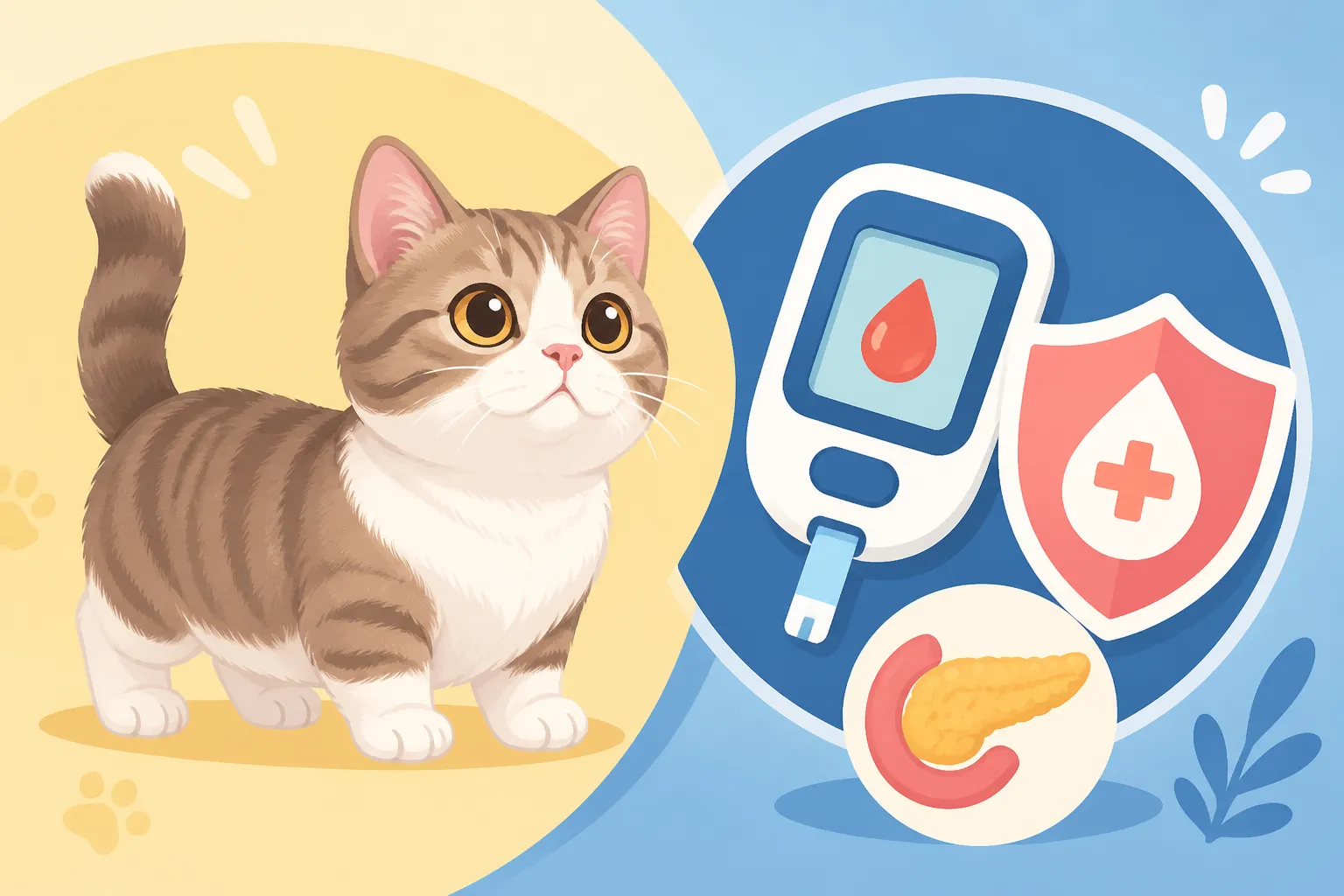
Let's get straight to the heart of the matter: the gene responsible for a Munchkin's distinctive short legs, known as pseudoachondroplasia, is not currently understood to have any direct genetic link to diabetes. Diabetes mellitus in felines is primarily a metabolic disorder affecting the cat's ability to produce or respond to insulin, leading to high blood sugar levels. The Munchkin gene, on the other hand, specifically affects bone development in the long bones of the legs.
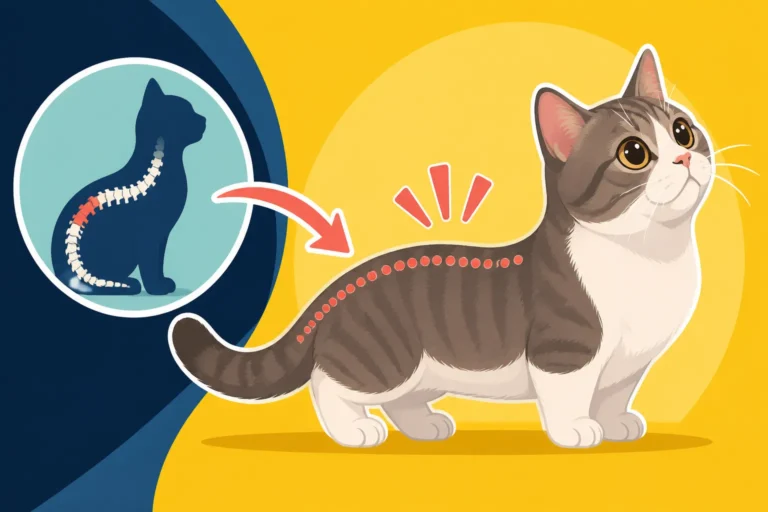
There's no scientific evidence or widespread veterinary consensus suggesting that the Munchkin gene itself carries a predisposition for metabolic conditions like diabetes. This is distinct from breeds where specific genetic markers do increase the risk of certain diseases, such as the Maine Coon for hypertrophic cardiomyopathy (HCM) or the Persian for polycystic kidney disease (PKD). When you look at Which Studies Exist on Munchkin Health, you'll find that the primary health discussions revolve around their unique skeletal structure and associated conditions like Lordosis Is the Spinal Curve the Munchkin Argument Is About or Pectus Excavatum and the Munchkin's Sunken Chest, not metabolic diseases like diabetes.
Understanding Breed-Specific Diabetes Statistics
Unlike some breeds, such as the Burmese, which have shown a documented higher prevalence of Type 2 diabetes due to genetic factors, there isn't widely accepted data or research indicating that Munchkins have a statistically higher incidence of diabetes compared to the general feline population. This means that if a Munchkin develops diabetes, it's typically due to the same risk factors that would affect any other domestic cat, rather than their short stature alone.
It's crucial to understand that "not inherently prone" doesn't mean "immune." Any cat, regardless of breed, can develop diabetes if the right combination of risk factors is present. The focus for Munchkin owners, therefore, shifts from a breed-specific genetic predisposition to careful management of universal risk factors, particularly those that might be subtly amplified by their unique physical characteristics.
Why Concerns About Diabetes Might Arise in Munchkin Owners
Despite the lack of a direct genetic link, it’s understandable why Munchkin owners might worry about diabetes. Their unique appearance can lead to assumptions about their activity levels and overall health, which, if not properly managed, could indirectly contribute to risk factors.
The Perceived Impact of Their Unique Physique on Activity Levels
One common misconception is that because Munchkins have short legs, they are naturally less active or even lazy. This assumption can lead owners to believe their cat burns fewer calories and is therefore more susceptible to weight gain and, subsequently, diabetes. However, observations from many Munchkin owners and some studies reveal a different picture: A Munchkin Is a Normal Cat That Cannot Reach, but they are often incredibly agile and playful at floor level. They might not scale tall cat trees with ease, but they can zoom around, chase toys, and engage in energetic play that burns calories.
The challenge arises if an owner doesn't adapt their home environment to suit a Munchkin's physical capabilities. If all enrichment, toys, and climbing opportunities are high up and inaccessible, a Munchkin might indeed become less active out of necessity. This isn't due to a lack of desire to play, but rather a lack of appropriate outlets. For instance, a standard cat tree with widely spaced, high platforms is largely useless to a Munchkin. This is precisely why With a Munchkin the House Changes, Not the Cat. Without appropriate low-level enrichment and play, a Munchkin could become sedentary, which is a significant risk factor for diabetes in any cat, regardless of breed.
The Critical Importance of Weight Management for Munchkins
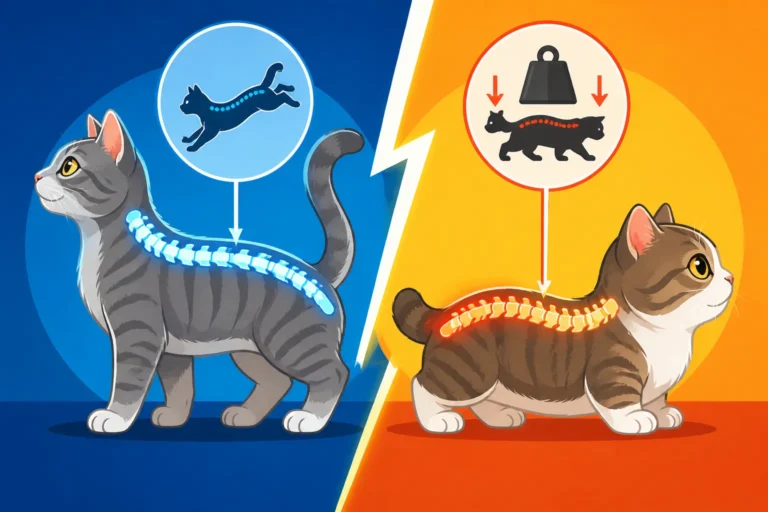
This is perhaps the most crucial area where a Munchkin's unique physique intersects with diabetes risk. Obesity is a primary risk factor for feline diabetes across all breeds. When a cat carries excess weight, its body struggles to produce or effectively use insulin, leading to insulin resistance and eventually diabetes. For Munchkins, this risk is amplified because Why Weight Is More Dangerous on a Munchkin.
Their short legs mean that even a small amount of extra weight can put disproportionate strain on their joints, spine, and internal organs. While this directly impacts conditions like arthritis or spinal issues, it also significantly increases the risk of developing diabetes. A study published in the Journal of Feline Medicine and Surgery highlighted that obesity is a leading cause of diabetes in cats. Given a Munchkin's build, maintaining an ideal body condition is paramount. It’s not just about aesthetics; it’s about preventing serious health complications. Learning How to Score a Munchkin's Body Condition is an essential skill for any owner, as what looks "chubby" on a long-legged cat can be severely obese on a Munchkin. Overfeeding and a lack of appropriate, accessible exercise are universal diabetes risk factors, but their consequences are much more pronounced and potentially damaging for a short-legged cat.
General Feline Diabetes Risk Factors and Their Relevance to Munchkins
Since Munchkins aren't genetically predisposed to diabetes, it's vital to understand the general risk factors that apply to all cats and how they might be managed effectively for your short-legged friend.
Obesity and Diet: The Overarching Concern
As mentioned, obesity is the single most significant risk factor for feline diabetes. An overweight cat's fat cells produce hormones that interfere with insulin's ability to regulate blood sugar, leading to insulin resistance. Over time, the pancreas, which produces insulin, can become exhausted, resulting in full-blown diabetes.
For Munchkins, the implications of obesity are even more severe. Their short legs and long bodies mean that excess weight places immense strain on their joints and spine, exacerbating potential issues like osteoarthritis. Beyond the skeletal concerns, Why an Overweight Munchkin Is in Real Trouble extends to their metabolic health. A few extra pounds on a Munchkin can translate to a much higher relative body fat percentage than on a normal-legged cat, making them more susceptible to insulin resistance.
Therefore, diet plays a paramount role. Feeding a high-quality, protein-rich, and low-carbohydrate diet, coupled with precise portion control, is crucial. It's not about expensive brands, but about appropriate nutrition for a carnivore. Free-feeding, where food is left out all day, is a common culprit for feline obesity. Instead, measured meals, often two to three times a day, are recommended. Understanding How Many Calories a Munchkin Needs to Stay Off Its Joints is a conversation you should have with your veterinarian to tailor a feeding plan specific to your cat's age, activity level, and individual needs.
Age, Genetics, and Other Health Conditions
While not specifically tied to the Munchkin breed, several other factors can increase a cat's risk of developing diabetes:
- Age: Older cats, typically those over seven years, are generally more susceptible to diabetes. As cats age, their metabolism can slow, and they may become less active, both contributing factors. Regular vet checks become even more important When a Munchkin Counts as Senior, usually around the 7-10 year mark.
- Genetics (Non-Munchkin Related): While the Munchkin gene isn't linked, some other feline genetic lines or breeds (like the aforementioned Burmese) do have a higher predisposition to diabetes. If your Munchkin is an outcross with one of these breeds, this factor might be relevant, though unlikely to be a primary concern for most Munchkins.
- Pancreatitis: Inflammation of the pancreas can damage the insulin-producing cells, leading to diabetes. If your cat has a history of pancreatitis, monitoring for diabetes symptoms is important.
- Other Endocrine Disorders: Conditions like hyperthyroidism or acromegaly, though less common, can also indirectly contribute to diabetes risk.
- Medications: Certain medications, especially long-term corticosteroid use, can induce or exacerbate diabetes in susceptible cats. If your Munchkin requires steroids for another condition, your vet will carefully weigh the benefits against the risks and monitor blood sugar levels.
Stress and Environment
Chronic stress, while not a direct cause, can have a detrimental effect on a cat's overall health, including their immune system and metabolic balance. A cat experiencing persistent stress might exhibit changes in appetite or activity levels, which could indirectly contribute to weight gain or other health issues that predispose them to diabetes.
Ensuring a stable, enriching, and low-stress home environment is beneficial for any cat's well-being. For a Munchkin, this means providing safe, accessible spaces, routine, and positive interactions. Minimizing sudden changes and ensuring they feel secure can contribute to a healthier life, supporting both their physical and mental health. This holistic approach is key to ensuring The Twelve to Fifteen Years a Munchkin Usually Gets are filled with health and happiness.
Proactive Steps to Safeguard Your Munchkin's Health
Understanding the risk factors is the first step; taking proactive measures is how you ensure your Munchkin lives its healthiest, happiest life. The good news is that many preventative steps for diabetes also contribute to overall well-being, especially for a breed with unique physical needs.
Prioritizing Weight Management and Appropriate Nutrition
This cannot be stressed enough: maintaining an ideal weight is the single most effective thing you can do to prevent diabetes in your Munchkin. Given their short stature, even a slight increase in weight can be detrimental.
- Regular Weigh-ins: Invest in a reliable pet scale and weigh your Munchkin weekly or bi-weekly. This allows you to catch any upward trends early. What a Munchkin Should Weigh at Its Frame will depend on its individual build, so work with your vet to establish a healthy target weight.
- Precise Portions: Ditch the guesswork. Use a kitchen scale to measure your Munchkin's food precisely. Remember, commercial cat food guidelines are often just starting points; your cat’s individual metabolic rate might require adjustments. Consider a high-protein, low-carbohydrate diet, which mimics a cat's natural carnivorous diet and can help regulate blood sugar.
- No Free-Feeding: Leaving food out all day encourages overeating. Instead, offer measured meals two or three times a day. If you’re worried about your cat being hungry, consider a timed feeder that dispenses small, measured portions throughout the day.
- Healthy Treats: Treats are fine in moderation, but they must be accounted for in your Munchkin’s daily caloric intake. Opt for low-calorie, high-protein options.
Encouraging Safe and Engaging Exercise
While Munchkins might not be Olympic jumpers, they are often very active at ground level. The key is to provide appropriate outlets for their energy that don't put undue strain on their bodies.
- Low-Level Play: Focus on toys that encourage chasing, pouncing, and batting at ground level. Feather wands, laser pointers, and small rolling toys are often big hits. Engage in short, frequent play sessions throughout the day. Explore tips on How Much Floor Level Play a Munchkin Needs to keep them mentally and physically stimulated.
- Accessible Enrichment: Create an environment where your Munchkin can safely "climb" and explore without excessive jumping. This means ramps or steps to access favorite window perches, sofas, or beds. Remember, How High a Munchkin Can Actually Jump is limited, so adapt your home accordingly.
- Interactive Play: Instead of just leaving toys out, actively play with your Munchkin. This strengthens your bond and ensures they get consistent exercise. Puzzle feeders can also provide mental stimulation while slowing down eating, which is a win-win for weight management.
Regular Veterinary Check-ups and Monitoring
Consistent veterinary care is fundamental to early detection and prevention of any health issue, including diabetes.
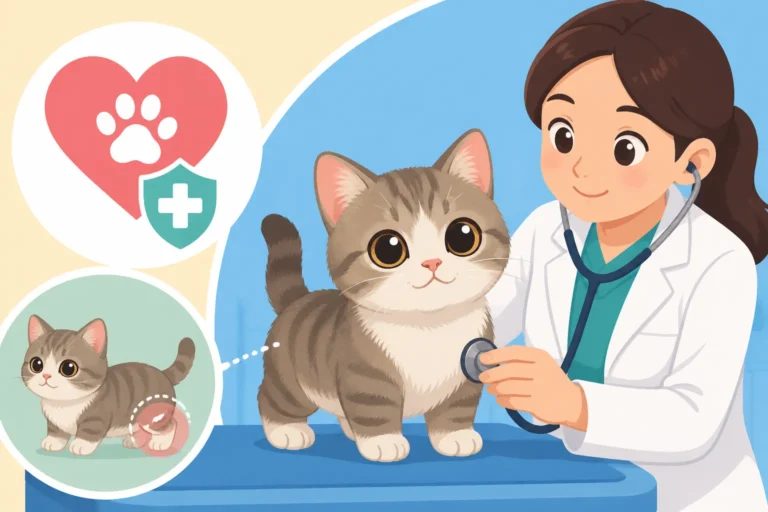
- Annual Wellness Exams: Even if your Munchkin seems perfectly healthy, annual check-ups are non-negotiable. Your vet can monitor their weight, listen to their heart, perform a physical exam, and discuss any changes in behavior or appetite you've observed.
- Bloodwork as They Age: As your Munchkin enters its senior years, your vet may recommend routine blood panels. These tests can screen for early signs of diabetes (elevated glucose), kidney disease, hyperthyroidism, and other age-related conditions. Discuss Which Blood Values Matter Most in a Munchkin with your vet so you understand what they are looking for. Early detection is critical for successful management.
- Discuss Any Concerns: Don't hesitate to bring up any changes you notice in your Munchkin's drinking habits, urination frequency, appetite, energy levels, or weight. These can all be subtle indicators of underlying health problems, including diabetes.
Regular check-ups are also crucial for maintaining pet insurance coverage. Providers like Healthy Paws and others typically require up-to-date veterinary records for claims, especially for chronic conditions like diabetes. Being proactive with your Munchkin's health not only improves their quality of life but also ensures you're prepared for any challenges that might arise.
Feline Diabetes Risk Factors and Munchkin-Specific Considerations
Here’s a helpful table summarizing the key risk factors for feline diabetes and how they specifically apply to your Munchkin:
| Risk Factor | General Feline Impact | Munchkin-Specific Consideration |
|---|---|---|
| Obesity | Major risk; causes insulin resistance. | Highly amplified impact. Even slight overweight strains joints and significantly increases diabetes risk due to short legs. |
| Age | Older cats (typically > 7 years) are more susceptible. | Same as any cat; regular vet checks become more critical as they become senior. |
| Inactivity | Reduced calorie burn, muscle loss. | Often perceived, but Munchkins are active at floor level. Owners must provide appropriate, low-impact enrichment to avoid sedentary habits. |
| Diet | High carb/poor quality diet can contribute. | Essential to feed a balanced, high-protein diet with carefully measured portions to prevent weight gain. |
| Genetics | Some breeds (e.g., Burmese) have higher predisposition. | The Munchkin gene itself is not linked to diabetes; no known breed-specific genetic predisposition. |
| Other Illnesses | Pancreatitis, hyperthyroidism, dental disease. | No unique predisposition, but these conditions can develop in any cat and should be monitored. |
| Medications | Long-term steroid use. | Careful consideration of medications for any condition; discuss alternatives and monitoring with your vet. |
| Stress | Chronic stress can impact overall health. | Maintain a stable, enriching, and low-stress environment for overall well-being. |
Disclaimer
The information provided in this article is for general informational purposes only and is not intended as a substitute for professional veterinary advice, diagnosis, or treatment. Always seek the advice of your veterinarian or other qualified animal health provider with any questions you may have regarding a medical condition or the health and welfare of your pet.