What a Long Legged Munchkin Kitten Is Worth
It's a common misconception that every Munchkin cat has short legs. When you’re looking into bringing one of these unique felines into your home, you might hear about "long-legged Munchkin kittens" and wonder what that even means for their value and place within the breed. This guide is here to demystify the long-legged Munchkin, exploring their origins, characteristics, and what they're truly worth, both financially and to the breed itself.
Understanding the Munchkin Gene and Litter Dynamics
The Munchkin breed's defining characteristic, those adorable short legs, comes from a specific genetic mutation. But understanding this mutation is key to understanding why some kittens in a Munchkin litter don't share this trait, and what their presence means.
The Genetics of Short Legs
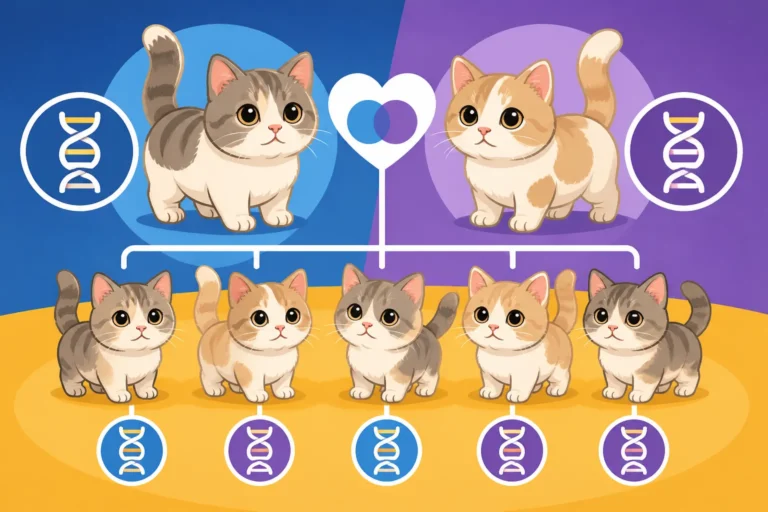
The gene responsible for the Munchkin's short legs is an autosomal dominant gene. This means that only one copy of the gene is needed for a cat to display the short-legged trait. If a cat inherits even one copy from a parent, it will have short legs. However, this gene also carries a significant caveat: it's considered lethal in two copies. This means that if an embryo inherits two copies of the Munchkin gene, one from each parent, it sadly won't survive. This is why you'll never see two short-legged Munchkins bred together, and it's a critical piece of information when considering the ethical breeding of this remarkable cat. The article, Munchkin Dwarfism Is Dominant and Lethal in Two Copies, delves deeper into this genetic reality.
Because of this genetic quirk, breeders must always perform what's called a "carrier cross." This involves breeding a short-legged Munchkin with a standard, long-legged domestic cat, which may be a domestic shorthair or longhair, or an outcross from another recognized breed. This pairing ensures that no kitten inherits two copies of the short-leg gene, thus preventing the lethal homozygous condition. It's a fundamental principle for responsible Munchkin breeding. As you might imagine, understanding Why Every Munchkin Litter Is a Carrier Cross is vital for anyone interested in the breed.
The Birth of a Mixed Litter
Due to the autosomal dominant nature of the Munchkin gene and the necessity of a carrier cross, every litter born from a short-legged Munchkin parent will contain a mix of kittens: some with the characteristic short legs and some with legs of normal length. Typically, about half the kittens in a litter will inherit the short-leg gene and develop the distinctive appearance we associate with Munchkins. The other half will not inherit the gene and will have legs of normal length, looking much like a regular domestic cat. This fascinating phenomenon helps explain How Many Kittens in a Munchkin Litter Are Short Legged.
Even though these long-legged kittens don't have the short stature, they are still genetically considered Munchkins, born from Munchkin parents. They carry the same lineage, the same potential temperamental traits, and are an integral part of the breed's genetic continuity. Their presence in every litter directly influences their availability and, consequently, their pricing compared to their short-legged siblings. Many people are surprised to learn that these "normal-legged" kittens are not an accident but a deliberate and necessary outcome of ethical breeding practices.
What Defines a "Long-Legged" Munchkin Kitten?
When a breeder talks about a "long-legged Munchkin kitten," they're not talking about a different breed entirely. They're referring to a kitten born from Munchkin parents that simply didn't inherit the specific gene for short legs.
Differentiating Leg Lengths
Visually, a long-legged Munchkin kitten looks just like any other domestic cat. Their legs are proportionate to their body, without the characteristic stubbiness or bowing often seen in their short-legged siblings. Breeders typically grade leg length around 12 weeks of age, once the kittens have grown a bit and their full conformation is clearer. While short-legged Munchkins might be categorized as "standard," "super short," or "rug hugger" based on the degree of their dwarfism, long-legged Munchkins simply fall into the "non-standard" category – meaning they do not express the short-leg trait. It’s important to remember that they are genetically identical to their short-legged siblings in every other way, except for this one defining physical characteristic. For a deeper dive into the specifics, you might want to read How Short a Munchkin's Legs Actually Are.
Physical Characteristics and Abilities
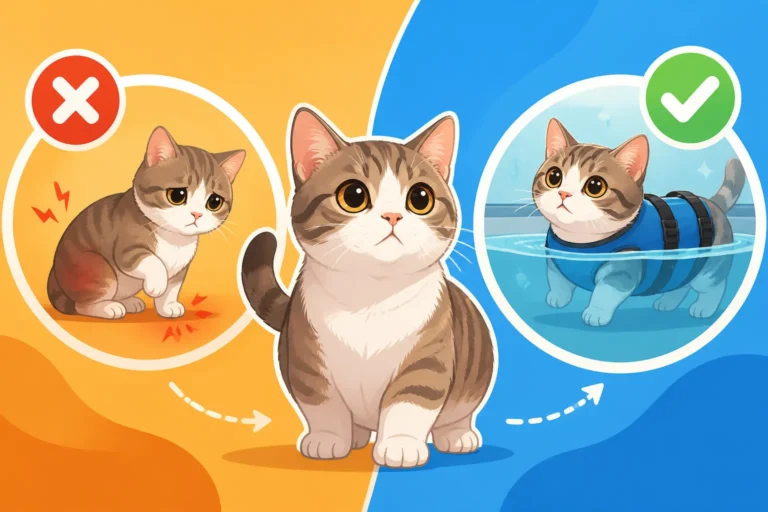
A long-legged Munchkin possesses the full range of physical capabilities that you'd expect from a typical domestic cat. They can jump onto counters, scale cat trees with ease, and run and play without any of the physical limitations that their short-legged counterparts might face. While a short-legged Munchkin might need ramps or strategically placed furniture to access high places, a long-legged one experiences no such barriers. Their normal feline agility and athleticism are fully intact. This means they are far more capable of reaching high places, escaping potential dangers, and generally navigating a human-sized home without special adaptations. This difference in physical capabilities also means that many of the unique care considerations for a short-legged Munchkin, such as needing a low entry litter box or avoiding strenuous jumping, simply don't apply to their long-legged siblings.
The Value Proposition of a Long-Legged Munchkin
The "worth" of a long-legged Munchkin kitten isn't just about their price tag; it's about the unique benefits they offer to potential owners and their essential role in the Munchkin breed's future.
Price Point Compared to Short-Legged Siblings
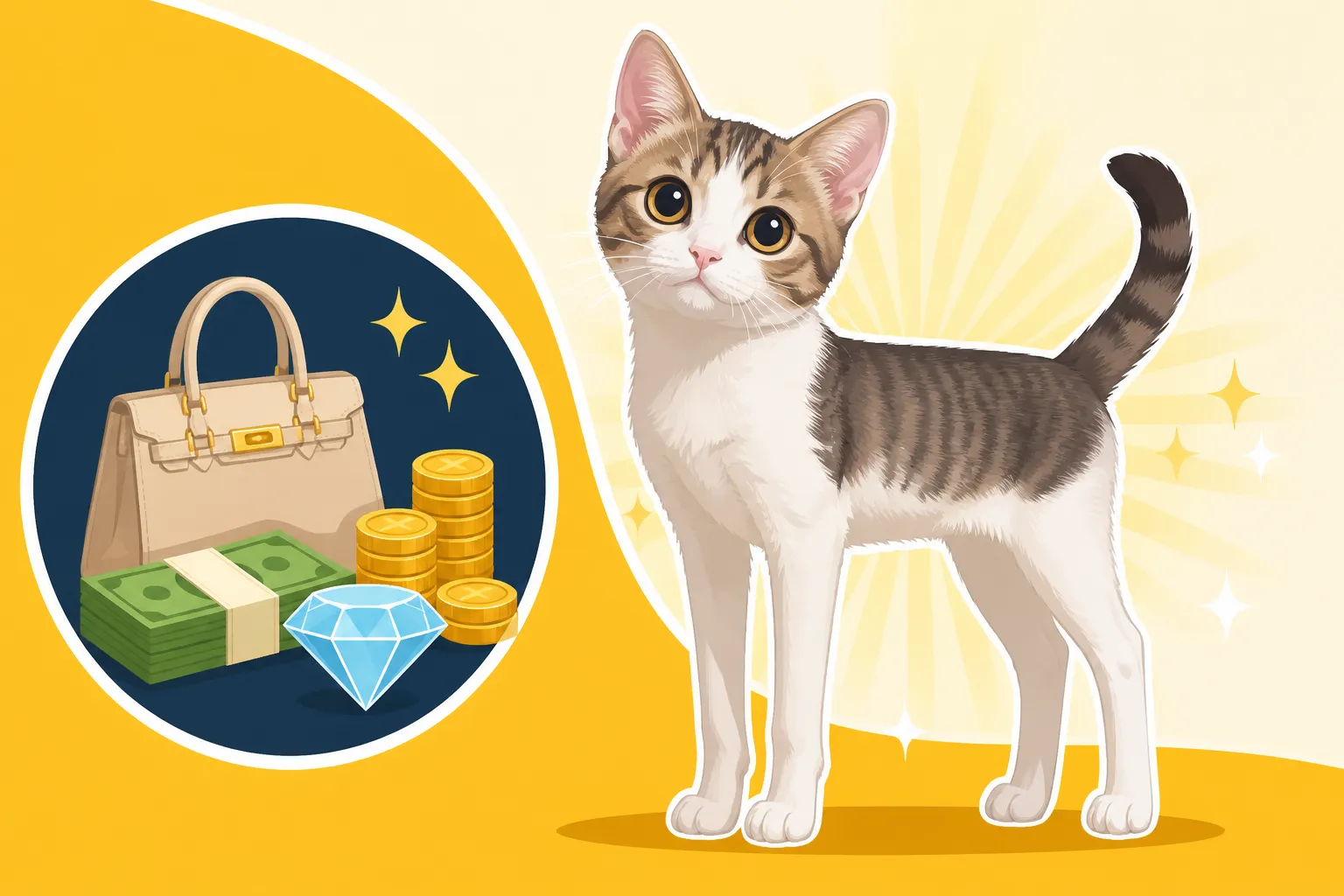
One of the most noticeable differences when looking at Munchkin kittens is the price. Long-legged Munchkin kittens are almost always significantly less expensive than their short-legged littermates. While a short-legged Munchkin kitten might command prices ranging from $1,500 to $3,000 (and sometimes even more for particularly "short" examples or rare colors), a long-legged Munchkin often falls into a price range closer to that of a high-quality domestic cat, typically between $300 and $800, sometimes up to $1,000, depending on the breeder and lineage.
This price disparity is purely a reflection of market demand. Most people seeking a Munchkin are specifically looking for the short-legged trait. However, this lower price doesn't diminish the quality or health of the long-legged kitten. They are still purebred, come from tested lines, and have received the same excellent care from the breeder. For those who love the Munchkin personality but aren't set on the short legs, a long-legged kitten offers an incredible opportunity to bring a well-bred, socialized feline into their home at a much more accessible price point. The article Why a Long Legged Munchkin From the Same Litter Costs Less further elaborates on this market dynamic.
The Hidden Benefits for Owners
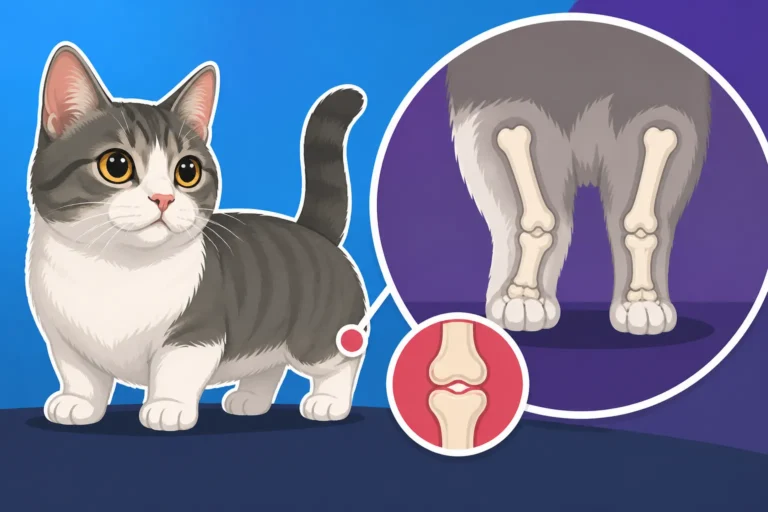
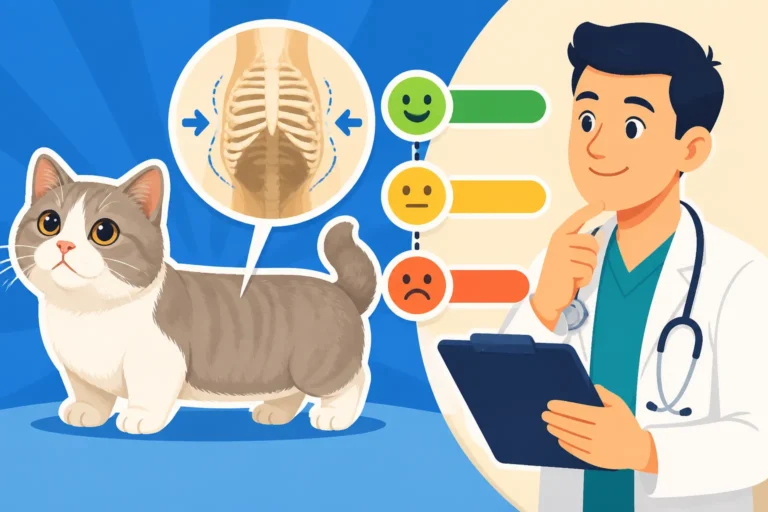
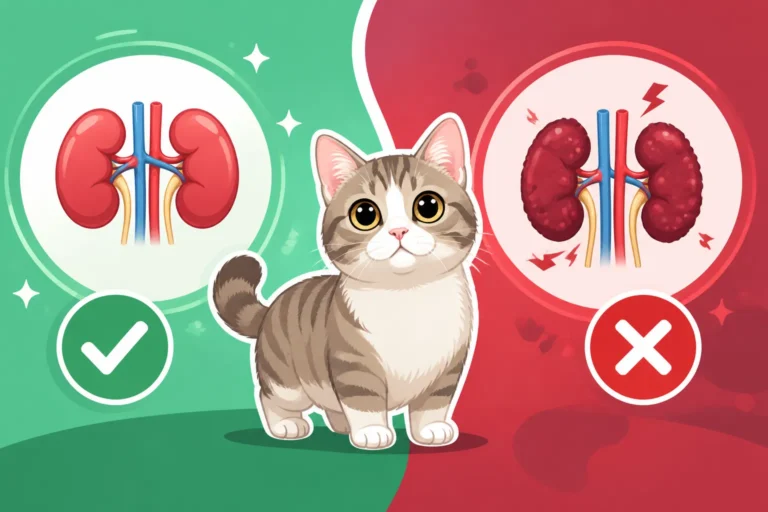
Beyond the lower initial cost, owning a long-legged Munchkin comes with several distinct advantages, particularly concerning health and household adaptations. Firstly, they are not subject to the same potential skeletal and spinal issues that short-legged Munchkins can face due to their unique conformation. While reputable breeders strive to minimize these risks, conditions like lordosis (a severe inward curve of the spine) or pectus excavatum (a sunken chest) are directly linked to the dwarfism gene. A long-legged Munchkin, lacking this expression, typically enjoys a skeletal structure more akin to a regular cat, potentially reducing the likelihood of such concerns. For owners, this can translate to fewer specialized vet visits and potentially lower long-term health costs. You might also be curious to learn Whether a Munchkin Gets Arthritis Earlier, a concern that is often mitigated in long-legged individuals.
Secondly, the need for extensive home modifications largely disappears. Owners of short-legged Munchkins often invest in ramps, steps, and low-entry litter boxes to ensure their cat can navigate the home safely and comfortably. With a long-legged Munchkin, you don't need to worry about them struggling to reach the sofa, the bed, or even a typical windowsill perch. This saves significant time and money and means less "Munchkin-proofing" your house. You won't have to concern yourself with What a Munchkin Cannot Reach to Groom or modify furniture. They can jump, climb, and generally behave like any other agile feline. Despite this, they still retain the wonderful, often playful and affectionate temperament that Munchkins are known for. They are full of character, intelligent, and just as eager to bond with their human companions.
Registering and Breeding Long-Legged Munchkins
For those interested in the intricacies of cat fancy and breeding, the status of long-legged Munchkins within recognized associations and their vital role in responsible breeding programs are important topics.
Eligibility for Registration
One common question is whether a long-legged Munchkin can actually be registered as a Munchkin. The International Cat Association (TICA), which is the primary registry that recognizes the Munchkin breed, does indeed allow the registration of long-legged kittens born from Munchkin parents. These cats are typically registered as "Munchkin Non-Standard" or "Munchkin Outcross." This distinction is important because while they carry the Munchkin lineage, they do not exhibit the dwarfism trait required for championship status. However, their registration is crucial for breeders to track pedigrees and maintain accurate records of their breeding lines. The fact that Whether a Long Legged Munchkin Can Be Registered is a common query highlights the unique position of these cats. Understanding Which Registries Accept a Munchkin can provide further clarity on their standing in the cat world.
Even though they don't compete in the short-legged category, their registered status confirms their heritage and allows them to contribute to the breed's future. For pet owners, having a registered long-legged Munchkin means they have documented proof of their cat's parentage and genetic background, which can be reassuring in terms of health and breed purity.
Their Role in a Responsible Breeding Program
Long-legged Munchkins play an absolutely indispensable role in the ethical and sustainable breeding of short-legged Munchkins. As discussed earlier, due to the lethal homozygous gene, a short-legged Munchkin can never be bred with another short-legged Munchkin. This means that a short-legged Munchkin must always be bred with a normal-legged cat. This is where the long-legged Munchkin comes in. They serve as crucial "outcrosses" or "non-standard" breeding partners. By using a long-legged Munchkin from a known lineage as one parent, breeders can ensure genetic diversity while still maintaining the Munchkin line.
This practice is not just about avoiding lethal gene combinations; it's also about maintaining the overall health and vigor of the breed. Relying solely on unrelated domestic shorthairs as outcrosses could introduce unknown genetic factors. By breeding back to a long-legged Munchkin, breeders can ensure they are still working within the established Munchkin gene pool, albeit with the normal-legged expression. This is why Why a Munchkin Is Always Bred to a Normal Legged Cat is a non-negotiable rule in responsible breeding. Ethical breeders will use these long-legged cats to strengthen their lines, looking for overall good health, excellent temperament, and desirable physical traits (like body conformation and coat quality), even if the legs are of standard length. They are essential to the long-term health and survival of the short-legged Munchkin breed.
Long-Legged Munchkins as Companion Animals
Beyond their genetic significance and lower price point, long-legged Munchkins make truly wonderful companion animals, embodying many of the desirable traits of the breed without the specific physical challenges.
Temperament and Personality
One of the most appealing aspects of any Munchkin cat, regardless of leg length, is their delightful temperament. Long-legged Munchkins inherit the same curious, playful, and affectionate personality traits that make their short-legged siblings so popular. They are known for being very social cats who enjoy interacting with their human families, often following their owners from room to room. Their playful nature means they thrive on enrichment and interactive play, and they're generally quite adaptable to different household environments. They often display a deep loyalty and can form strong bonds, frequently seeking out cuddles and lap time. If you're looking for a cat that's full of personality, a long-legged Munchkin will certainly fit the bill. Their engaging nature contributes significantly to How Many Years a Well Bred Munchkin Lives as happy, well-adjusted cats often lead healthier lives.
They are typically quite intelligent and can even be trained to do tricks or walk on a leash, much like other curious cat breeds. Because they don't face the same physical limitations, their expression of play and exploration is unhindered, allowing them to fully engage with their environment and companions. This makes them an excellent choice for families, individuals, and even homes with other pets, as their even temper and adaptability usually lead to harmonious cohabitation.
Everyday Life and Care Considerations
Caring for a long-legged Munchkin is essentially the same as caring for any other healthy domestic cat. They don't require special accommodations in your home, such as ramps or altered furniture, because their mobility is unrestricted. This means they can easily jump onto beds, explore shelves, and use standard cat trees without issue. Their litter box needs are typical, without the requirement for low-entry designs.
From a health perspective, while all cats need regular vet check-ups, long-legged Munchkins generally don't carry the specific skeletal predispositions that their short-legged relatives might. This can translate to a more straightforward vet care routine, focusing on general feline health rather than specialized orthopedic concerns. Of course, maintaining a healthy weight is crucial for all cats, but a long-legged Munchkin's body is better equipped to handle a normal load. Still, understanding Why an Overweight Munchkin Is in Real Trouble is good practice for any cat owner. For their overall well-being and to stay ahead of any potential issues, consider pet insurance like that offered by Healthy Paws, which can help cover unexpected vet bills for accidents or illnesses, ensuring your long-legged companion gets the best care throughout their life.
Finding a Reputable Breeder for Long-Legged Munchkins
Just like with any purebred animal, finding a reputable breeder is paramount, even if you're looking for a long-legged Munchkin kitten. A good breeder prioritizes health, temperament, and ethical practices above all else.
What to Look for in a Breeder
When seeking a long-legged Munchkin, the breeder should be transparent and knowledgeable about the breed's genetics, including the necessary outcrossing and the implications for both short and long-legged kittens. A reputable breeder will always provide detailed health records for the parents, including any genetic testing that has been done. They should be open about their breeding practices and happy to answer all your questions, without hesitation or evasiveness. Don't be shy about asking to see the parents or even previous litters, if possible. They should be able to show you how all their cats, both short and long-legged, are cared for, including appropriate living conditions and enrichment.
Furthermore, a good breeder will offer a health guarantee for their kittens, which should be clearly outlined in a written contract. This contract should also specify responsibilities for spaying or neutering and any rehoming clauses. They won't just sell you a kitten; they'll often conduct an interview to ensure you're a suitable owner. Remember, a good breeder cares deeply about where their kittens go and will ask you questions about your home environment, your experience with cats, and your intentions for the kitten's care. An article like What a Munchkin Breeder Should Be Able to Show You can give you a comprehensive checklist for what to expect.
Questions to Ask and Red Flags
When talking to a breeder, arm yourself with questions. Ask about the health history of both parent cats, specifically inquiring about any history of lordosis or pectus excavatum in the short-legged parent's line, even though your kitten is long-legged. Inquire about their vaccination schedule, deworming, and when the kittens will be ready to go home (usually around 12-16 weeks). Ask about their socialization process – how they introduce kittens to people, sounds, and other pets. A reputable breeder will also discuss the nuances of the breed's genetic heritage, including Why a Munchkin's Spine Is Normal Length for the long-legged variants, contrasting it with the short-legged ones.
Be wary of breeders who offer kittens at unusually low prices without any health documentation, or who seem more interested in making a quick sale than ensuring a good home. Avoid anyone who advertises "teacup" or "dwarf" Munchkins, as these are often marketing gimmicks rather than accurate breed descriptors. Also, be cautious of breeders who seem secretive about their facilities or refuse to let you meet the kitten's parents. A lack of a clear, written contract or a refusal to offer a health guarantee are also significant red flags. Finally, if you're ever in doubt about a kitten's health, a vet check-up is always recommended, and having a pet insurance plan ready from providers like Healthy Paws can give you peace of mind from day one.
The Long-Legged Munchkin: A Comparative Look
To truly appreciate the long-legged Munchkin, it's helpful to see how they stack up against their short-legged counterparts in various aspects. This table provides a quick overview.
| Feature | Short-Legged Munchkin | Long-Legged Munchkin |
|---|---|---|
| Leg Length | Significantly shorter than average domestic cat | Normal, proportionate leg length |
| Primary Appeal | Unique, dwarf-like appearance | Munchkin temperament without physical limitations |
| Price Range | Higher (typically $1,500 – $3,000+) | Lower (typically $300 – $1,000) |
| Health Concerns | Potential for lordosis, pectus excavatum, arthritis | Generally typical feline health concerns |
| Home Adaptations | Often requires ramps, steps, low-entry litter boxes | No special adaptations needed |
| Mobility | Limited jumping, may "prairie dog" sit to see | Full feline agility, jumps and climbs easily |
| Breeding Role | Bred as the "short-leg" parent | Crucial as an "outcross" or "non-standard" parent |
| Registration (TICA) | Eligible for Championship status | Registered as "Non-Standard" or "Outcross" |
| Exercise Needs | More floor-level play, less strenuous activity | Normal active play, full range of motion |
The long-legged Munchkin kitten, while not possessing the characteristic short legs, is a valuable and wonderful addition to any home. They offer the delightful temperament of the Munchkin breed without the physical limitations or potential health concerns associated with dwarfism, and often at a more accessible price point. Their critical role in maintaining the genetic health of the Munchkin breed is also undeniable, making them heroes behind the scenes. Whether you choose a short-legged or long-legged Munchkin, remember that responsible breeding and proper care are the keys to a happy and healthy companion. Pet insurance, such as a plan from Healthy Paws, is always a wise investment for any cat, offering financial protection for their lifetime of care.
Disclaimer
This article is intended for informational purposes only and does not constitute professional veterinary advice. Always consult with a qualified veterinarian for any health concerns or before making any decisions about your pet's care. Breeding decisions should always be made in consultation with experienced, ethical breeders and veterinary geneticists.