What Lordosis Does to a Munchkin
One of the most concerning health issues that can sometimes affect Munchkin cats, and a topic often at the heart of discussions about their welfare, is lordosis. It's truly heartbreaking to learn your beloved feline friend might be dealing with a spinal condition, and it’s natural to feel a mix of confusion and worry about what this means for their comfort and future. This guide is here to unravel what lordosis is, how it specifically impacts Munchkins, and what you can do to support a cat living with this condition.
Understanding Lordosis in Cats
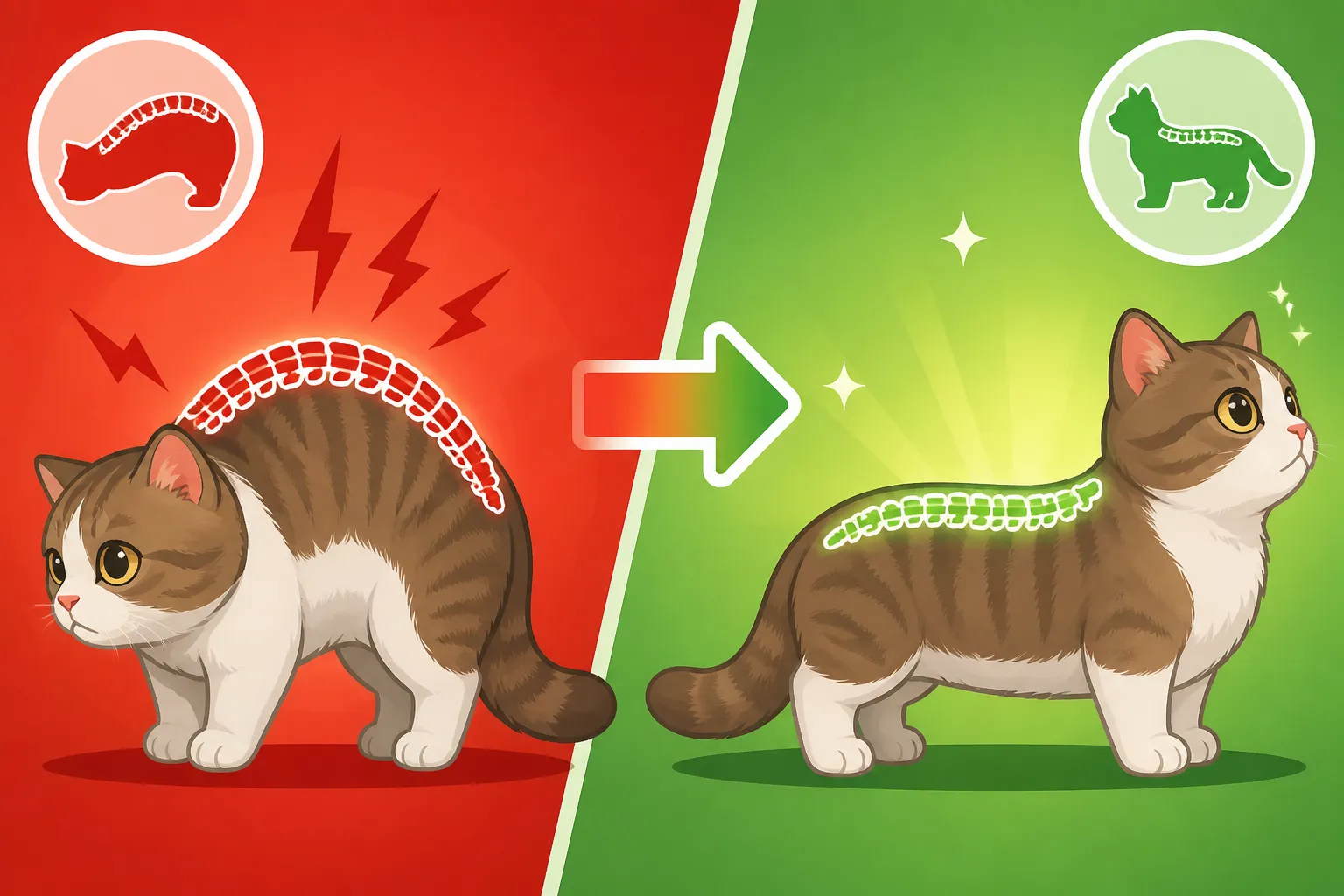
Lordosis, in simple terms, refers to an excessive inward curvature of the spine, specifically in the lower back or lumbar region. While a slight curve is normal for most mammals, including cats, an exaggerated curve can lead to significant problems. It's not a condition exclusive to Munchkins, but their unique physical structure can sometimes make them more prone to its development or exacerbate its effects.
Understanding the Spinal Curve
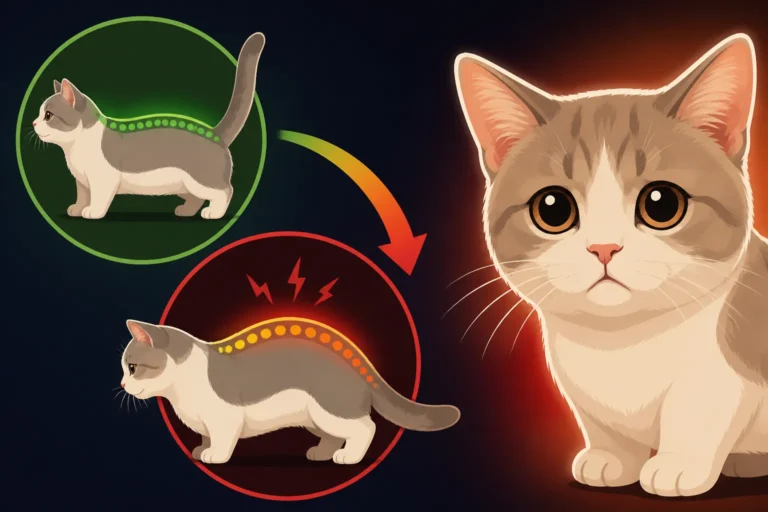
Imagine your cat's spine as a flexible, segmented rod that runs from their neck to their tail. It's designed with natural curves that allow for incredible agility, balance, and shock absorption. In cases of lordosis, this natural inward curve in the lumbar region becomes much more pronounced, often causing the spine to dip significantly towards the belly. This isn't just an aesthetic concern; it changes the entire mechanics of their body, impacting how their organs sit and how their muscles and ligaments function.
This condition is often developmental, meaning it can begin to manifest as a kitten grows. The bones of the spine might not develop correctly, or the muscles supporting the spine might be too weak or underdeveloped to maintain proper alignment. When you combine this with the unique skeletal characteristics of a Munchkin cat, where the legs are significantly shorter but the spine itself is of normal length, the biomechanical forces at play become even more critical. The short legs mean the cat's body is closer to the ground, and if lordosis is present, the spinal dip can become very pronounced, almost making the belly drag.
Why Lordosis Is Not Unique to Munchkins
It's important to understand that lordosis isn't solely a Munchkin issue, though it gains particular attention within the breed. Other cat breeds, and even mixed-breed cats, can develop lordosis due to various factors. These can include congenital abnormalities, trauma, nutritional deficiencies, or underlying neuromuscular conditions. For instance, kittens with severe malnutrition or certain forms of muscular dystrophy might exhibit lordosis.
However, for Munchkins, the concern often arises due to its potential link to their genetic mutation for short legs. While the genetic mechanism isn't fully understood, some veterinarians and welfare organizations raise concerns that the same developmental processes affecting limb growth could potentially predispose some individuals to spinal abnormalities like lordosis or pectus excavatum (sunken chest). This connection is a significant part of why lordosis is a key point in the ongoing debate around the breed's health and why it's so important for breeders and owners to be vigilant. You can read more about how this spinal curve is central to the discussion in our article, Lordosis Is the Spinal Curve the Munchkin Argument Is About.
How Lordosis Manifests in Munchkin Cats
The visual signs of lordosis in a Munchkin can range from subtle to quite dramatic, and it's something that often becomes more apparent as they grow from a kitten into an adult. The degree of the spinal curvature dictates much of the impact, from mild discomfort to severe, life-threatening complications.
Visible Signs and Postural Changes
The most obvious sign of lordosis is the noticeable inward curve of the lower spine, which can make a Munchkin's belly appear to sag much lower than usual, sometimes almost touching the ground. When they walk or stand, their back might look unusually hollowed out, and their hindquarters might seem to sit lower than their shoulders. This isn't just a quirky posture; it’s a physical manifestation of their skeletal structure being compromised.
Beyond the visible curve, you might notice changes in their gait. They might seem stiff or walk with a slightly awkward, waddling motion, particularly if the condition is causing pain or restricting their movement. Some Munchkins with lordosis may also struggle with balance or seem less agile than their counterparts without the condition. Their ability to jump, even the small jumps Munchkins typically manage, might be diminished, or they might seem hesitant to engage in active play. Learning At What Age Munchkin Lordosis Appears can help owners spot early indicators.
Internal Organ Compression and Its Effects
One of the most serious consequences of severe lordosis in a Munchkin cat is the potential for internal organ compression. As the spine dips significantly inward, it reduces the space within the abdominal and thoracic cavities. This can put undue pressure on vital organs, including the lungs, heart, and digestive system. Imagine having your chest constantly compressed; it would make breathing difficult and impact organ function.
For a Munchkin, this can lead to a range of health problems. Compressed lungs might result in breathing difficulties, making them tire easily, breathe rapidly, or even develop respiratory distress. The heart might also be affected, leading to circulatory issues. Furthermore, the digestive system can be impacted, causing issues like constipation, appetite loss, or even difficulties with urination and defecation due to pressure on the bladder and bowels. This compression can lead to chronic discomfort and significantly reduce their quality of life, which is why Why Severe Lordosis Compresses a Munchkin's Organs is a critical concern.
Distinguishing Mild vs. Severe Cases
Lordosis exists on a spectrum, from mild to severe, and the prognosis and management strategies vary accordingly.
Mild Lordosis:
In mild cases, the spinal curvature might be subtle and might not immediately impact the cat's health or mobility in a significant way. A cat with mild lordosis might live a relatively normal life with minimal discomfort. However, even mild cases warrant careful monitoring as the condition can sometimes progress, or subtle issues like early arthritis in the spine might develop over time due to altered biomechanics. Early detection is key, and responsible owners should be aware of How Early Lordosis Shows in a Munchkin Kitten.
Severe Lordosis:
Severe lordosis, on the other hand, is a much more serious concern. The spinal dip is very pronounced, and the cat will likely exhibit clear signs of discomfort, mobility issues, and potentially organ compression. These cats often have a visibly restricted range of motion, may struggle to run or jump, and might show signs of pain, such as reluctance to be touched on their back, lethargy, or changes in appetite. In the most extreme cases, severe lordosis can be life-limiting due to the profound impact on their internal organs. Understanding How Severe Munchkin Lordosis Can Get is important for preparing for potential care needs.
Here's a quick comparison of potential signs:
| Feature | Mild Lordosis | Severe Lordosis |
|---|---|---|
| Visible Spinal Curve | Subtle, may only be noticeable when sitting | Pronounced, visible dip in lower back |
| Gait/Movement | Slightly stiff or awkward, mostly normal | Restricted, waddling, hesitant to jump or run |
| Pain Level | Minimal to occasional discomfort | Chronic pain, signs of discomfort (vocalization, lethargy) |
| Organ Compression | Unlikely or very mild | High risk, leading to respiratory/digestive issues |
| Energy Levels | Generally normal | Reduced, tires easily |
| Appetite/Digestion | Usually unaffected | Potential for reduced appetite, constipation |
| Quality of Life | Generally good with careful management | Significantly impacted, requires intensive care |
The Impact of Lordosis on a Munchkin's Daily Life
Living with lordosis means navigating the world differently. For a Munchkin, whose short stature already presents unique challenges, the added burden of a spinal condition can significantly alter their daily experiences, from basic movement to essential self-care.
Mobility Challenges and Pain
A Munchkin with lordosis will inevitably face challenges with mobility. The altered spinal curvature can throw off their balance, make their movements less fluid, and certainly impact their ability to perform actions that healthy cats take for granted. Jumping, which is already a modified activity for Munchkins, becomes even more difficult or even impossible. A healthy Munchkin might find a way to scale a sofa in two or three agile leaps, but one with lordosis might not even manage the first step, or the landing could be painful.
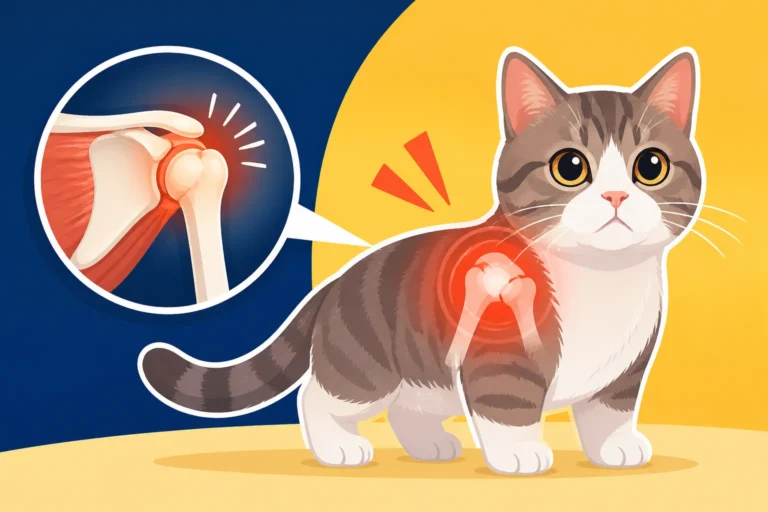
This limited mobility isn't just inconvenient; it can be painful. The abnormal stress on the spinal vertebrae, discs, and surrounding musculature can lead to chronic pain. Cats are notoriously good at hiding pain, so you might not hear vocalizations, but you might notice them being less playful, reluctant to move, slower to greet you, or spending more time resting. They might flinch if touched along their back or try to avoid certain postures. This can be truly heartbreaking to witness, as it steals some of the joy and freedom from their lives. Regular vet check-ups become even more crucial, and an insurance plan like one from Healthy Paws can help manage the costs of ongoing pain management or specialist consultations.
Impact on Grooming and Elimination
Self-grooming is a fundamental aspect of feline health and hygiene. Cats are meticulous creatures, spending a good portion of their day keeping their coats clean and free of mats. However, a Munchkin with lordosis might find it incredibly difficult, if not impossible, to reach certain parts of its back and hindquarters. The severe spinal curve can prevent them from bending and twisting adequately, leading to neglected areas.
This can result in matted fur, especially around the lower back, hind legs, and belly. These mats aren't just unsightly; they can pull on the skin, cause irritation, and even lead to skin infections if not addressed. Similarly, using the litter box can become a struggle. The awkward posture and potential discomfort might make it hard for them to squat properly, leading to messes outside the box or even reluctance to use the litter box at all. Owners might need to consider Which Litter Box a Munchkin Can Actually Enter to make it easier for them. Regular assistance with grooming and ensuring easy-access litter solutions become essential parts of their daily care routine.
Behavioral Changes and Quality of Life
The physical limitations and chronic pain associated with lordosis can profoundly affect a Munchkin's behavior and overall quality of life. A cat that once loved to explore might become withdrawn and sedentary, preferring to stay in one spot. They might show less interest in play or interaction, or become irritable if handled, especially around their sensitive spine.
Their unique "prairie dog" sit, where Munchkins sit upright on their hind legs to observe their surroundings, might become difficult or painful for a cat with lordosis, limiting their ability to engage in this characteristic behavior. If they struggle with organ compression, signs like labored breathing can cause anxiety and distress. This isn't just about physical discomfort; it’s about their mental and emotional well-being. Ensuring they have a comfortable, accessible environment, with ramps and steps to their favorite spots, and minimizing situations that require them to jump or strain, is vital to preserving as much of their happiness as possible. We need to continuously ask How to Judge a Munchkin's Quality of Life and adapt our care accordingly.
Diagnosing and Managing Lordosis in Munchkins
If you suspect your Munchkin might have lordosis, the first and most crucial step is a veterinary consultation. Early and accurate diagnosis is key to developing an effective management plan and ensuring your cat's comfort.
Veterinary Examination and Imaging
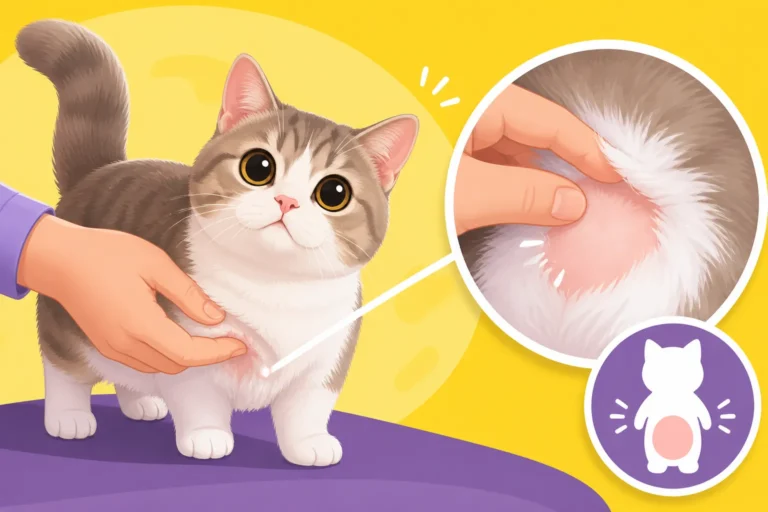
When you take your Munchkin to the vet with concerns about lordosis, the examination will typically involve a thorough physical assessment. Your vet will palpate their spine, checking for any abnormalities in curvature, tenderness, or muscle wastage. They’ll also observe your cat's gait and overall mobility, looking for signs of stiffness, pain, or difficulty with movement. This is why Why a Munchkin Kitten's Spine Should Be Palpated is so important during early vet checks.
To confirm a diagnosis of lordosis and assess its severity, imaging techniques are indispensable. X-rays are the primary diagnostic tool, allowing the vet to visualize the spinal column and accurately measure the degree of curvature. These images can also help identify any associated vertebral abnormalities, disc issues, or signs of arthritis. In more complex cases, or if organ compression is suspected, your vet might recommend advanced imaging like an MRI or CT scan. These provide more detailed views of the soft tissues, nerves, and internal organs, giving a comprehensive picture of the condition's impact. Such diagnostic procedures can be costly, making pet insurance providers like Healthy Paws a valuable consideration for responsible pet owners.
Supportive Care and Environmental Adaptations
Once lordosis is diagnosed, management focuses on supportive care and adapting the home environment to minimize strain and maximize comfort. Since Whether Munchkin Lordosis Is Treatable depends heavily on severity and cause, a multi-faceted approach is often required.
- Ramps and Steps: The most significant environmental adaptation is providing ramps or pet steps to all elevated surfaces your Munchkin wants to access – sofas, beds, windowsills, or cat trees. This eliminates the need for jumping, which can put immense strain on an already compromised spine.
- Low-Entry Litter Boxes: As mentioned, squatting can be painful. Switching to litter boxes with very low entry points or even cutting down the side of an existing box can make a huge difference, preventing painful contortions.
- Elevated Food and Water Bowls: For some cats with spinal issues, bending down to eat or drink can be uncomfortable. Elevated bowls can help maintain a more neutral spinal alignment during meal times, reducing neck and back strain.
- Soft Bedding: Comfortable, orthopedic bedding can provide extra support and cushioning, especially if your cat spends a lot of time lying down due to pain or reduced mobility.
- Weight Management: Keeping your Munchkin at a healthy weight is paramount. Every extra pound puts additional stress on their spine and joints, exacerbating pain and accelerating degenerative changes. A lean body condition helps immensely in managing spinal conditions. You can read more about this in Why Weight Is More Dangerous on a Munchkin.
- Regular Grooming: Due to self-grooming difficulties, regular brushing and potentially professional grooming for hygiene trims will be necessary to prevent mats and skin issues, particularly around the hindquarters.
Medication and Pain Management
Pain management is a critical component of caring for a Munchkin with lordosis, especially in moderate to severe cases. Your veterinarian will work with you to create a pain management protocol tailored to your cat's specific needs.
- Non-Steroidal Anti-Inflammatory Drugs (NSAIDs): These are often the first line of defense for pain and inflammation. Medications like meloxicam are commonly prescribed for cats, but they require careful monitoring due to potential side effects, especially with long-term use.
- Gabapentin: This medication is often used in conjunction with NSAIDs or on its own for neuropathic pain (pain stemming from nerve damage) or to provide additional sedation and comfort.
- Joint Supplements: Glucosamine and chondroitin, often combined with MSM or Omega-3 fatty acids, can help support joint health and reduce inflammation, which is particularly beneficial if arthritis is developing secondary to the spinal stress. Brands like Cosequin or Dasuquin are often recommended by vets.
- Physical Therapy: In some cases, a vet might recommend physical therapy, including gentle massage, stretching, or even hydrotherapy, to help maintain muscle strength, flexibility, and improve circulation.
- Surgery: Surgical intervention for lordosis is rare and usually only considered in very severe cases where organ compression is life-threatening, and other treatments have failed. It's a complex procedure with significant risks and a long recovery period.
Working closely with your vet to find the right balance of medications and supportive therapies is crucial. It’s an ongoing process that might require adjustments as your cat ages or if their condition changes. This is where pet insurance from providers like Healthy Paws can be incredibly helpful in covering the costs of ongoing veterinary care, medications, and potential specialist treatments.
Long-Term Outlook and Preventative Measures
The long-term outlook for a Munchkin with lordosis varies greatly depending on the severity of the condition and the diligence of its care. While there's no cure for the structural abnormality, thoughtful management can significantly improve their quality of life.
Prognosis Based on Severity
For Munchkins with mild lordosis, the prognosis is generally good. With appropriate environmental adaptations, weight management, and occasional pain relief as needed, many can lead full, happy lives. Regular veterinary check-ups are essential to monitor for any progression of the curvature or development of secondary issues like arthritis. Early intervention can often prevent minor discomfort from escalating into chronic pain.
However, for those with severe lordosis, especially when compounded by organ compression, the prognosis can be guarded. These cats face greater challenges, and their lifespan may be shortened due to respiratory or digestive complications. Intensive care, including continuous pain management, close monitoring of organ function, and strict environmental control, becomes a lifelong commitment. The goal in these cases is to maximize their comfort and preserve their quality of life for as long as possible, but it can be a challenging journey for both the cat and their devoted owner. Whether a Munchkin With Lordosis Can Live Normally truly depends on the individual case.
Responsible Breeding Practices
Given the concerns about lordosis potentially being linked to the Munchkin breed's genetic makeup, responsible breeding practices are paramount in trying to prevent its occurrence. Ethical breeders prioritize the health and welfare of their cats above all else. This means:
- Careful Selection of Breeding Stock: Breeders should select parent cats with excellent conformation, strong spines, and no history of lordosis or related skeletal abnormalities in their lines. This includes carefully assessing the spinal health of both the short-legged Munchkin parent and the normal-legged outcross cat.
- Thorough Kitten Screening: Reputable breeders perform thorough health checks on all kittens, including palpating their spines at an early age. They should be transparent about any observed spinal issues and would never sell a kitten with diagnosed lordosis. A breeder should be able to show you a healthy kitten's spine, as highlighted in What a Munchkin Breeder Should Be Able to Show You.
- Not Breeding Affected Cats: A cat diagnosed with lordosis, even a mild case, should absolutely not be used for breeding. The potential to pass on a predisposition to this debilitating condition is too high. This is a crucial point addressed in Whether a Munchkin With Mild Lordosis Should Be Bred.
- Transparency and Buyer Education: Responsible breeders educate prospective owners about the potential health concerns in the breed, including lordosis, and provide advice on how to care for a Munchkin to minimize health risks. They should offer health guarantees that cover such conditions.
The incidence of lordosis can vary between different Munchkin lines, and some lines are known to have a higher prevalence than others. This is why understanding How Common Lordosis Is in Munchkin Lines is essential when choosing a breeder.
Early Detection and Kitten Screening
For potential Munchkin owners, early detection starts even before bringing a kitten home. When you visit a breeder, ask to see the kittens move and observe their posture. A good breeder will be happy to show you and discuss their health screening protocols.
Once you bring your Munchkin kitten home, establishing a relationship with a trusted veterinarian is critical. Your vet should perform a thorough examination, including palpating the spine, during the kitten's first check-ups. They will continue to monitor spinal development at subsequent visits. If you notice any signs of an inward spinal curve, an unusually low-hanging belly, or changes in gait or activity levels as your kitten grows, consult your vet immediately. Early detection allows for prompt implementation of supportive care and environmental modifications, which can make a world of difference in managing the condition and ensuring the best possible quality of life for your beloved short-legged companion.
Disclaimer
The information provided in this guide is for general educational purposes only and should not be considered a substitute for professional veterinary advice. Always consult with a qualified veterinarian for any health concerns or before making any decisions about your pet's care.