How Severe Munchkin Lordosis Can Get
It’s a truly heartbreaking moment when you first suspect something isn't quite right with your beloved Munchkin's back. The unique spinal structure that gives them their distinctive short legs also, unfortunately, puts them at a higher risk for conditions like lordosis. This guide will delve into the concerning realities of Munchkin lordosis, specifically exploring just how severe this condition can become and what that means for your furry family member.
Understanding Lordosis in Munchkin Cats
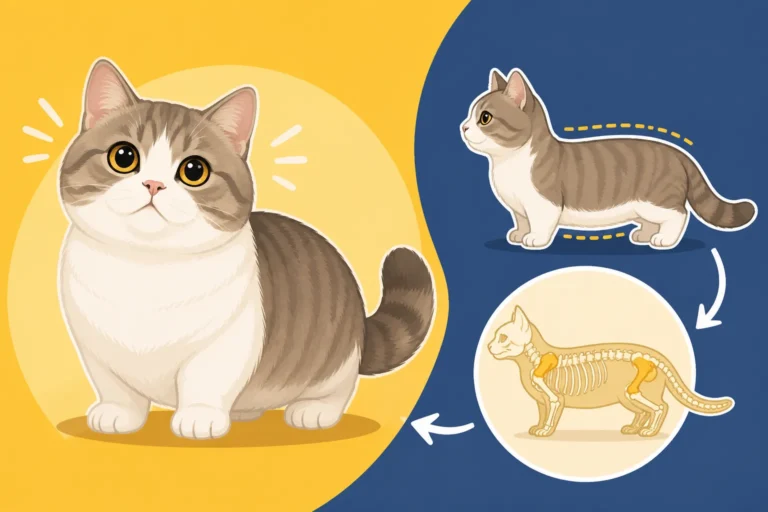
When we talk about Munchkin cats, their most defining characteristic, those adorable short legs, comes from a genetic mutation that affects bone growth. While often considered benign by breed enthusiasts, this same genetic predisposition can sometimes lead to more serious skeletal issues, with lordosis being one of the most significant concerns. It's a condition that can range from a subtle curve to a debilitating spinal deformity, and understanding this spectrum is crucial for any Munchkin owner.
What is Lordosis and Why it Matters for Munchkins?
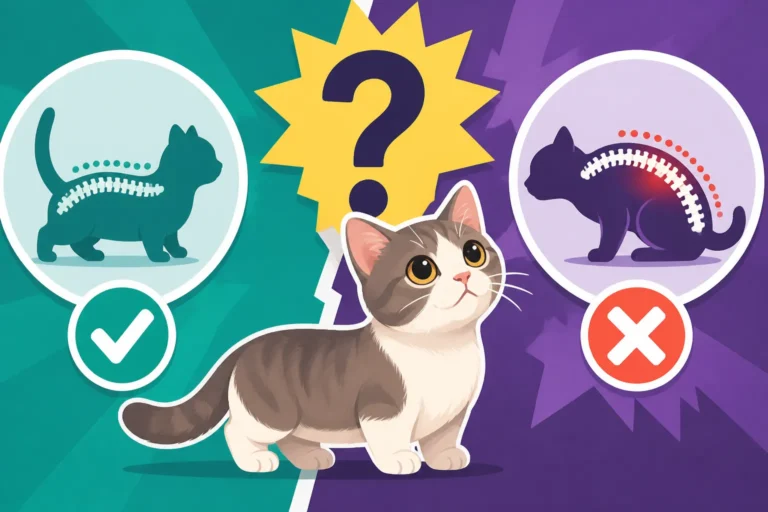
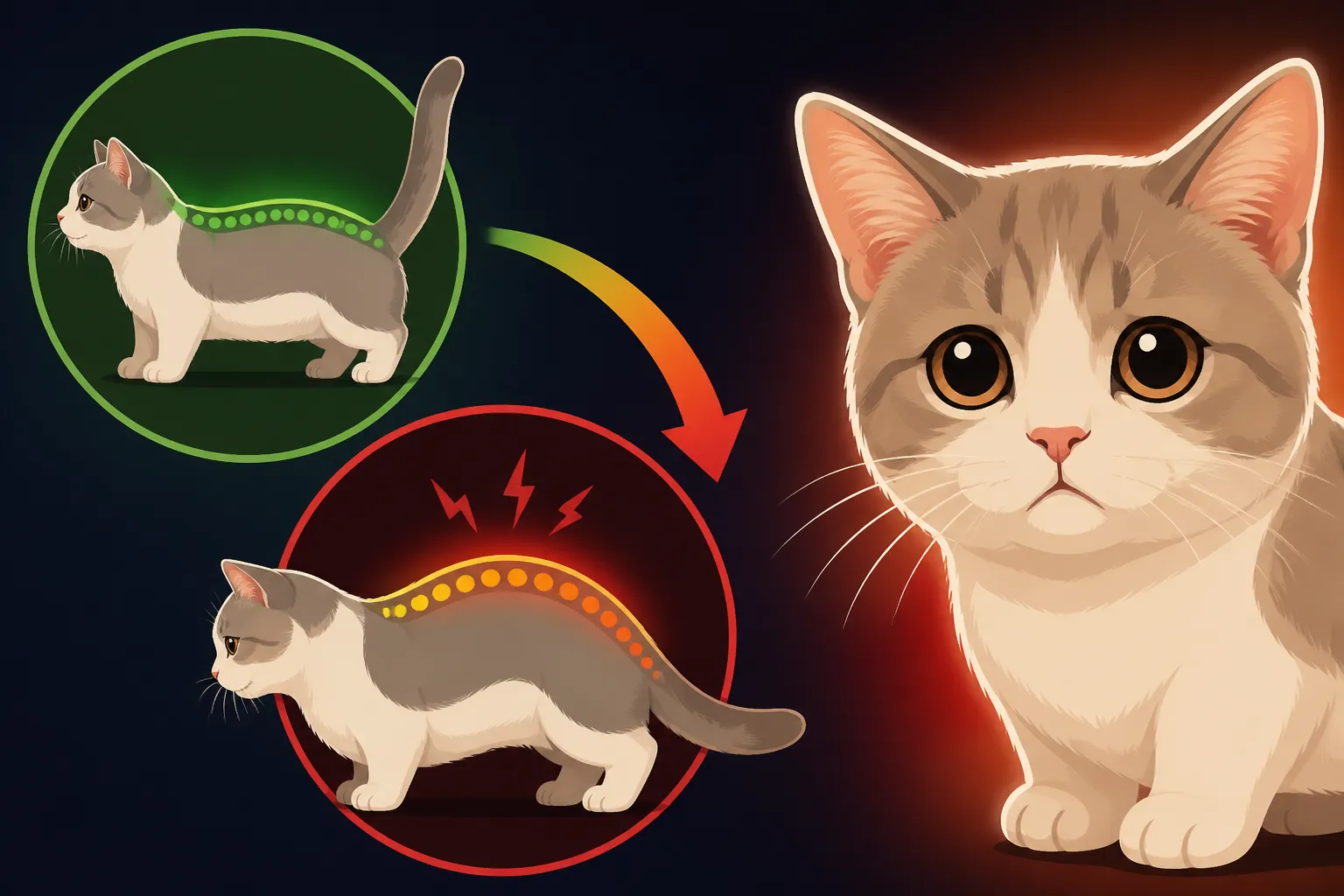
Lordosis, in simple terms, is an excessive inward curvature of the spine, particularly in the lower back (lumbar region). Imagine your cat’s spine, instead of having a gentle, natural S-curve, bowing sharply inward, creating a pronounced dip in their back and causing their chest and belly to drop closer to the ground. For Munchkin cats, this condition is directly linked to their unique skeletal structure. Their normal-length spine, combined with their shortened long bones (legs), means that the weight distribution and biomechanics of their body are different from a standard cat. This can place undue stress on the spine, making them more susceptible to developing lordosis. It’s not just an aesthetic issue; this curvature can have profound implications for their internal organs and overall quality of life. Understanding What Lordosis Does to a Munchkin is the first step toward recognizing potential problems.
The Spectrum of Severity: From Mild to Critical
It’s important to realize that lordosis isn't a single, uniform condition. It exists on a spectrum of severity. Some Munchkins might have a very mild form, perhaps just a slight dip that might only be noticeable upon close examination by a veterinarian and might not significantly impact their daily life. These cats may live full, happy lives with minimal intervention. However, at the other end of the spectrum are cases of critical or severe lordosis. In these instances, the spinal curvature is so pronounced that it causes significant health problems, pain, and severely limits the cat's mobility and bodily functions. This severe form is what truly concerns vets and responsible breeders, as it can lead to a drastically reduced quality of life and even premature death. Early detection, often by palpating a Munchkin kitten's spine during its first vet checkup, is vital to understanding the potential path of the condition.
Recognizing the Signs of Severe Lordosis
Identifying severe lordosis in a Munchkin cat often requires careful observation, as some of the initial signs can be subtle or mistaken for normal Munchkin behavior. However, as the condition progresses, the signs become much more pronounced and impactful on the cat's health and well-being. This isn't just about a cute posture; it's about a cat struggling to exist comfortably in its own body.
Visible Physical Indicators and Posture Changes
One of the most telling signs of severe lordosis is a dramatic change in your Munchkin's physical appearance and posture. You might notice their chest and belly are significantly closer to the floor than usual, almost dragging, making them appear extremely low-slung. The lumbar spine will have a very visible, deep inward curve. When they walk, their gait might appear stiff, unbalanced, or even wobbly. They might struggle to lift their rear end, leading to a bunny-hopping motion or a reluctance to move. Some cats with severe lordosis may also develop an odd way of sitting, preferring to recline rather than sit upright, or constantly shifting positions to find comfort. You might also notice muscle wasting around their hindquarters due to disuse or pain. Their legs might seem to splay out more than usual, as their body struggles to find a stable base. This condition demonstrates Why a Munchkin's Spine Carries a Load a Normal Cat's Does Not.
Impact on Internal Organs and Respiration
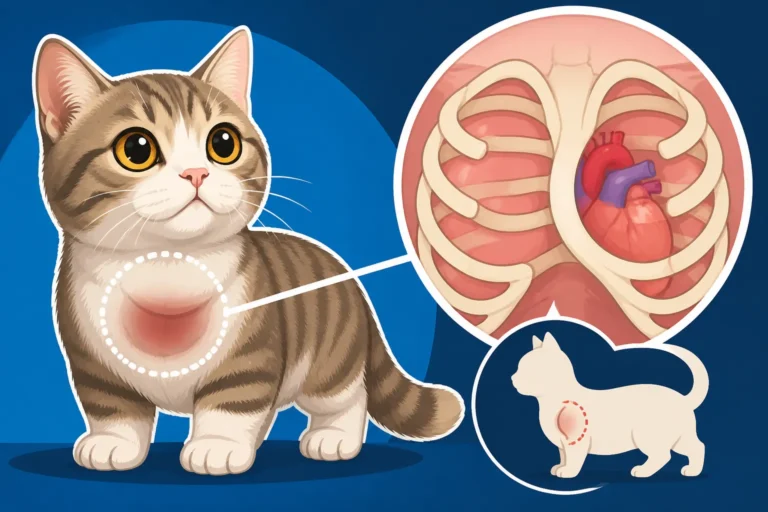
The implications of severe lordosis extend far beyond the skeletal system. When the spine curves excessively inward, it effectively compresses the internal organs within the abdominal and thoracic cavities. This can lead to a host of secondary health problems. For instance, the lungs might not be able to fully expand, leading to shallow breathing, panting, or difficulty breathing, especially after even minor exertion. You might notice your cat breathing more rapidly or with visible effort.
The digestive system can also be severely affected. Chronic compression can lead to issues like constipation, discomfort after eating, and even difficulty passing urine or feces. Imagine trying to digest food or breathe properly when your body cavity is constantly squeezed. This can result in a cat that struggles to gain weight or maintain a healthy appetite, even if they're eating. The reality is that Severe Lordosis Compresses a Munchkin's Organs, making organ function highly compromised.
Pain and Mobility Limitations
Pain is almost always a significant component of severe lordosis. The abnormal curvature puts immense strain on the spinal column, muscles, and ligaments, leading to chronic discomfort. You might observe signs of pain such as vocalizing when touched, reluctance to be picked up, irritability, or withdrawal. They might hiss or lash out if their back is accidentally bumped or manipulated.
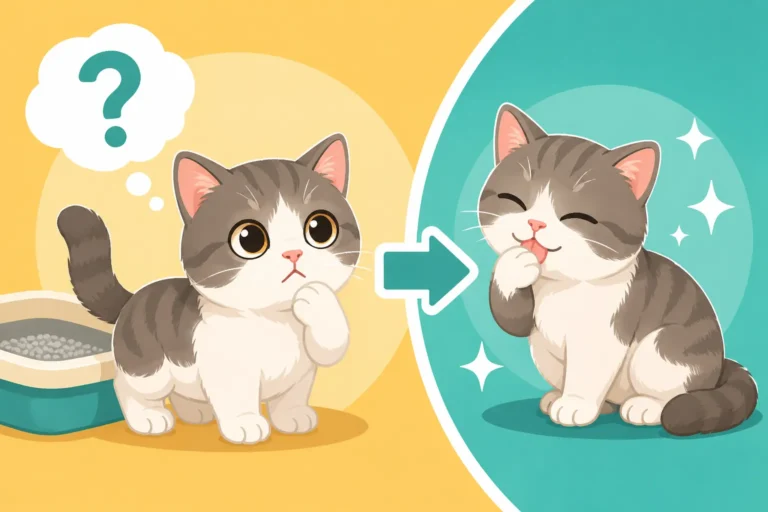
Mobility is severely curtailed. Jumping, which is already a modified activity for Munchkins, becomes nearly impossible or extremely painful. They might refuse to use stairs, ramps, or even low-entry litter boxes. Activities like playing, grooming themselves (especially their hindquarters), or even just getting comfortable to sleep become monumental challenges. A cat that once enjoyed exploring or playing might become lethargic and depressed, simply because movement causes them too much agony. This can affect their ability to perform basic life functions, leading to issues with hygiene if they can't properly clean themselves after using the litter box. For owners, this often leads to questions about Whether a Munchkin With Lordosis Can Live Normally.
Here's a quick comparison of the spectrum of lordosis severity:
| Feature | Mild Lordosis | Severe Lordosis |
|---|---|---|
| Spinal Curve | Subtle inward curve, may only be noticed by vet | Pronounced, deep inward curve, highly visible |
| Chest/Belly | Slightly lower than average | Drags close to the floor |
| Gait | Normal or slightly altered | Stiff, wobbly, bunny-hopping, reluctance to move |
| Breathing | Normal | Labored, shallow, rapid breathing, easily winded |
| Digestion | Normal | Chronic constipation, discomfort after eating, difficulty with elimination |
| Pain Level | Minimal to none, usually managed with preventative care | Constant, severe, impacting daily activities |
| Mobility | Mostly normal, some difficulty with high jumps | Severely restricted, inability to jump, struggles with basic movement |
| Quality of Life | Good to excellent with proper management | Significantly compromised, often requiring intensive care |
Veterinary Diagnosis and Prognosis for Severe Cases
When you suspect your Munchkin might have lordosis, especially a severe form, a trip to the veterinarian is non-negotiable. An accurate diagnosis is the cornerstone of understanding the condition and formulating the best possible care plan for your cat. This process involves a combination of physical examination and advanced imaging.
Diagnostic Tools and Procedures
Your vet will start with a thorough physical examination. They'll gently palpate your cat's spine, looking and feeling for any abnormal curvature or tenderness. They'll also observe your Munchkin's gait, posture, and overall demeanor, noting any signs of pain or difficulty moving. They might watch them walk, sit, and even try to jump to assess their mobility.
The definitive diagnosis of lordosis, and especially its severity, almost always comes from diagnostic imaging. X-rays are the primary tool, allowing the vet to clearly visualize the skeletal structure, measure the degree of spinal curvature, and assess for any secondary issues like vertebral malformations or early signs of arthritis in the joints. Sometimes, multiple views (side, top-down) are necessary to get a full picture. For very severe or complex cases, or if neurological symptoms are present, your vet might recommend more advanced imaging like an MRI (Magnetic Resonance Imaging) or CT scan. These can provide incredibly detailed images of soft tissues, nerves, and spinal cord, helping to identify if the curvature is impinging on these vital structures. This is also why a Munchkin needs X-rays as it ages, as the condition can progress.
During this diagnostic phase, your vet might also run blood tests to rule out other underlying health issues or to get a baseline for your cat's overall health, especially if surgery or long-term medication is being considered. It's a comprehensive approach to ensure nothing is missed. Pet insurance providers like Healthy Paws can be incredibly helpful in covering the costs of these extensive diagnostic procedures, which can quickly add up.
Prognosis and Quality of Life Considerations
The prognosis for Munchkin cats with severe lordosis varies greatly depending on the individual case, the degree of organ compression, and the presence of other complications. Unfortunately, for severe cases, the prognosis can be guarded, meaning the long-term outlook might not be positive without significant intervention.
Veterinarians will discuss the quality of life with you. Can the cat eat, drink, and eliminate comfortably? Is the pain manageable? Are they able to engage in even modified play and interaction? In some very severe cases, especially those involving significant organ compression and intractable pain, a vet might have to discuss humane euthanasia as the kindest option if all other treatments have failed to provide a decent quality of life. This is a conversation no pet owner ever wants to have, but it's a reality for some with this severe condition.
For cats where the pain can be managed and organ function is not critically impaired, the focus shifts to supportive care to maximize their comfort and mobility. This means a lifelong commitment to their specific needs, which can significantly impact How Much a Munchkin Costs Over Thirteen Years.
Managing and Living with Severe Munchkin Lordosis
Caring for a Munchkin with severe lordosis is a profound commitment, requiring dedication, empathy, and often, significant adjustments to their environment and daily routine. The goal is always to manage pain, prevent further deterioration, and provide the best possible quality of life for your cat.
Creating an Adapted Environment
One of the most crucial aspects of managing severe lordosis is adapting your home environment to meet your cat's limited mobility. Jumping is incredibly painful and dangerous for a cat with a compromised spine, so you'll need to create a world that exists primarily at floor level or is accessible via gentle slopes.
This means investing in ramps and steps that are wide, stable, and have a non-slip surface, allowing your Munchkin to access their favorite spots on the sofa, bed, or window perches without jumping. Remember, Caring for an Old Munchkin That Has Stopped Climbing offers valuable insights into creating a safe, accessible home. Litter boxes must be chosen carefully; low-entry senior cat litter boxes are ideal, allowing them to walk in and out without having to step over high sides. Consider multiple litter boxes placed conveniently around the house to minimize travel distance.
Their food and water bowls should be easily accessible, ideally raised slightly to prevent them from having to bend down too far, which can strain their neck and spine. Soft bedding and easily accessible hiding spots will provide comfort. Minimize any need for them to navigate stairs if possible, or provide secure ramps if stairs are unavoidable. Creating a safe, predictable, and easily navigable environment is key to reducing strain on their spine and minimizing painful incidents.
Medical Management and Supportive Care
Medical management is at the core of alleviating pain and discomfort for Munchkins with severe lordosis. Your vet will work with you to devise a pain management plan, which often includes a combination of medications. NSAIDs (non-steroidal anti-inflammatory drugs) are commonly prescribed to reduce inflammation and pain. Other pain medications, like gabapentin, might be used to target neuropathic pain. It’s important to understand What Pain Relief a Stiff Munchkin Can Take and follow your vet's instructions precisely, as cats metabolize drugs differently than humans.
Beyond medication, supportive care plays a huge role. Joint supplements containing glucosamine and chondroitin, or omega-3 fatty acids, can help support joint health and reduce inflammation, even though the primary issue is spinal. Discuss Which Joint Supplements Suit a Munchkin with your vet. Weight management is critically important; even a little extra weight places enormous additional stress on an already compromised spine, making mobility and pain much worse. This highlights Why an Overweight Munchkin Is in Real Trouble. A controlled diet tailored to their activity level is essential. Physical therapy, such as gentle massage, stretching, or even hydrotherapy, might be recommended by a veterinary physical therapist to maintain muscle strength and flexibility without putting excessive strain on the spine. Regular grooming is also crucial, especially for long-haired Munchkins, as their reduced mobility means they struggle to groom themselves, leading to mats and skin problems, particularly around their hindquarters.
The Emotional Toll on Owners and the Importance of Support
Living with a cat that has severe lordosis takes an immense emotional toll on owners. Watching your beloved pet struggle with pain and limited mobility can be heartbreaking. There will be days of frustration, sadness, and worry. It's crucial to acknowledge these feelings and seek support when needed.
Connect with other Munchkin owners, especially those who have experience with health challenges. Online forums and social media groups can be a great source of shared experiences and advice, though always filter advice through your veterinarian. Your vet team is also a vital source of support and information. Don't hesitate to ask questions, voice your concerns, and discuss all available options. Remember that providing a loving, adapted, and pain-managed environment is the best you can do for your Munchkin, ensuring they experience as much comfort and joy as possible despite their challenges. Pet insurance, like that offered by Healthy Paws, can significantly ease the financial burden of chronic care, allowing you to focus on your cat's well-being without added stress.
Disclaimer
This article is intended for informational purposes only and does not constitute veterinary advice. Always consult with a qualified veterinarian for any health concerns or before making any decisions about your pet's medical care.