Why a Munchkin Kitten’s Spine Should Be Palpated
When you welcome a tiny, short-legged Munchkin kitten into your home, it's easy to get lost in their undeniable charm and playful antics. These little furballs have a way of stealing hearts with their unique appearance. However, beneath that adorable exterior lies a skeletal structure that requires careful attention, particularly their spine. It’s not just about enjoying their cuteness; it’s about understanding their specific needs and ensuring their long-term health. This guide will walk you through exactly why a thorough spinal palpation during a Munchkin kitten's early vet visits isn't just good practice, but an absolute necessity for their well-being.
Understanding the Munchkin's Unique Spinal Architecture
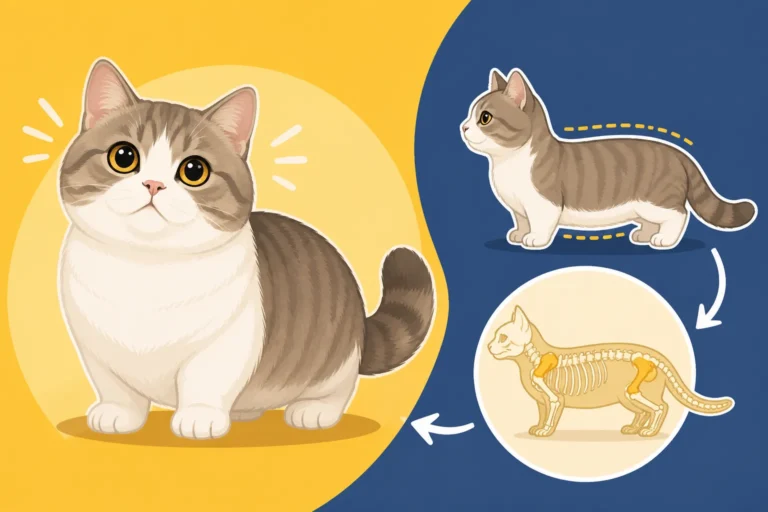
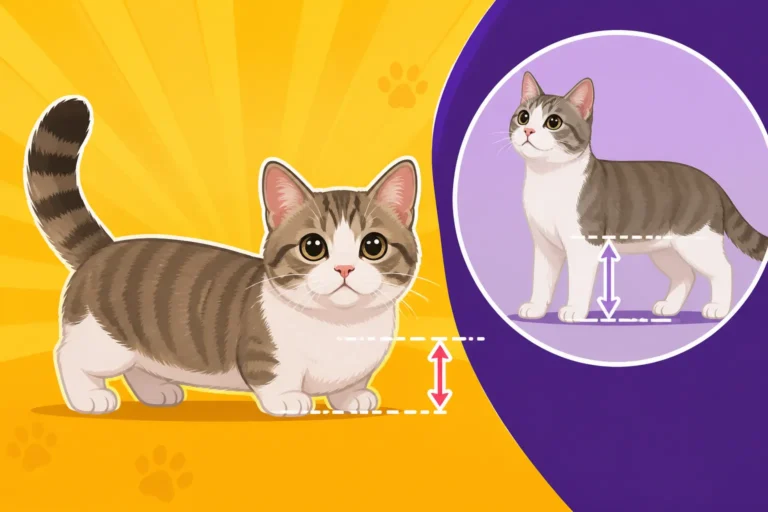
The defining characteristic of a Munchkin cat, their adorable short legs, comes from a natural genetic mutation called pseudoachondroplasia. What many people don't fully grasp, though, is that while their limbs are significantly shortened, their spinal column maintains a relatively normal length. This creates a distinctive biomechanical situation that places different kinds of stress on their back compared to a long-legged cat. It's not just a matter of proportion; it's a fundamental difference in how their body carries weight and absorbs impact.
How Short Legs Influence Spinal Mechanics
Imagine a regular cat's spine, perfectly designed over millennia to work in harmony with its long, agile legs. Now, envision that same length of spine supported by much shorter levers. The muscles and ligaments that crisscross and support the spine are still there, but the overall architecture means they're working from a different mechanical advantage. When a Munchkin runs, jumps (even small jumps!), or lands, the forces are distributed differently. This isn't to say every Munchkin will have spinal problems, but it highlights why we, as responsible owners, need to be extra vigilant. The discussion around Why a Munchkin's Spine Carries a Load a Normal Cat's Does Not often centers on these very biomechanical considerations. Their unique gait, often described as a ferret-like dart, is a direct result of their leg length, and while incredibly endearing, it does mean their spine is constantly adjusting to a lower center of gravity and different movement patterns.
The Genetic Underpinning of Their Stature
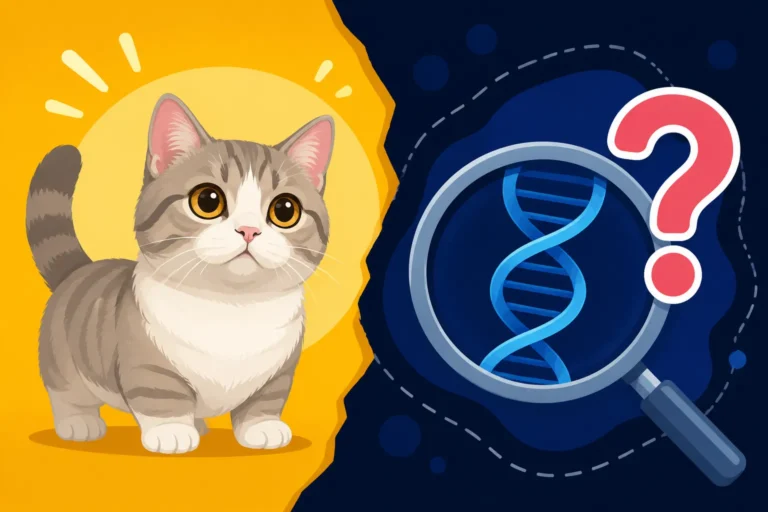
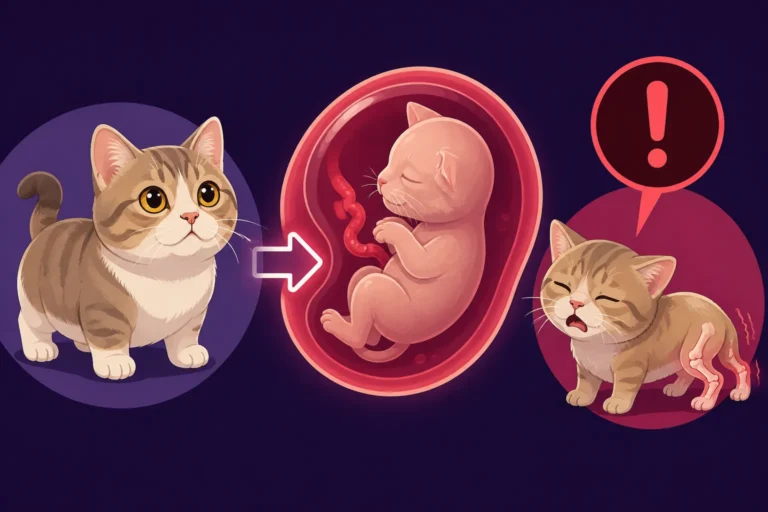
The gene responsible for the Munchkin's short legs is dominant, meaning only one copy is needed to express the trait. This also means that every short-legged Munchkin carries this specific genetic variant. While responsible breeders strictly avoid breeding two short-legged Munchkins together because two copies of the gene are lethal to embryos, the single copy still results in the distinctive limb shortening. It's crucial to understand that this isn't just superficial; it's a skeletal dwarfism that affects bone growth in the long bones. This genetic foundation is precisely why early and thorough veterinary checks, including careful spinal palpation, are so vital for these kittens. It's a key part of understanding Why the Frequency of Munchkin Spinal Problems Is Disputed and ensuring we're proactive in their care.
The Critical Role of Early Spinal Palpation in Kittens
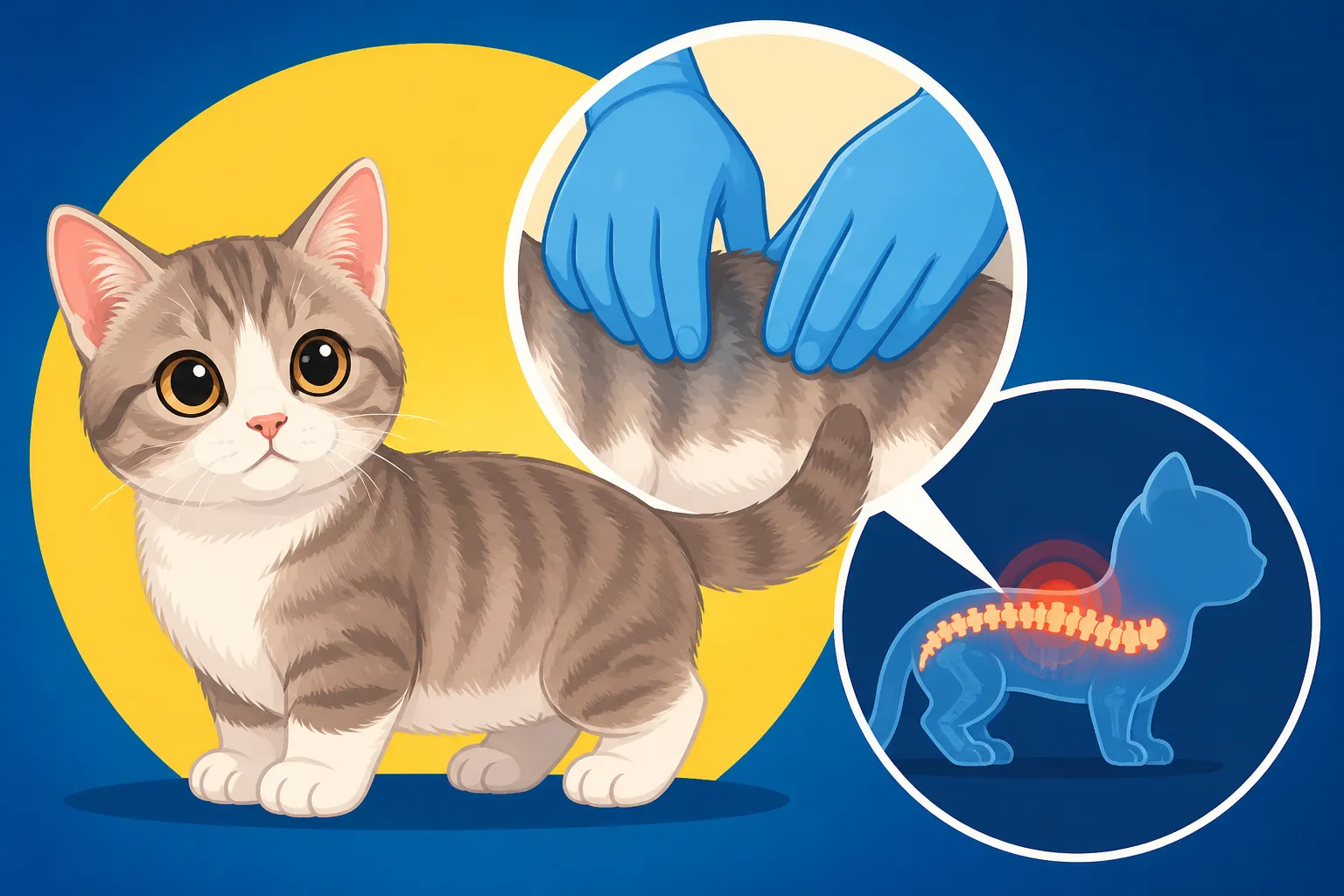
When you bring home a Munchkin kitten, one of the first and most important stops should be a comprehensive veterinary check-up. This isn't just about vaccinations or deworming; it’s a golden opportunity for your vet to assess their unique physical structure from the ground up, with a particular focus on their spine. Spinal palpation, a hands-on examination, allows the veterinarian to feel for any abnormalities, tenderness, or unusual curvatures that might indicate potential issues, even before they become visibly apparent.
What Happens During a Kitten's First Vet Exam
A Munchkin kitten's initial vet visit is much more than a cursory glance. It's a thorough assessment of their overall health, growth, and development. The vet will likely discuss the kitten's history, vaccination schedule, and parasite prevention. They'll listen to their heart and lungs, check their eyes, ears, and teeth, and assess their coat and skin. However, for a Munchkin, the musculoskeletal system, especially the spine, takes center stage. This early check-up is foundational for their future health. You can learn more about Why a Munchkin Kitten Needs an Early Vet Check and What a Munchkin Kitten's First Exam Should Cover to prepare. It’s an opportunity for your vet to establish a baseline for your kitten's unique anatomy.
The Palpation Process: What Your Vet Is Feeling For
During spinal palpation, your vet will gently run their hands along your kitten's spine, from the base of the skull all the way to the tail. They are feeling for several things:
- Alignment: Is the spine straight, or are there any noticeable curves or deviations?
- Flexibility: Does the spine move smoothly and without resistance? Are there any stiff areas?
- Tenderness or Pain: Does the kitten react when specific areas are touched, indicating discomfort?
- Muscle Tone: Are the muscles along the spine symmetrical and well-developed?
- Abnormalities: Are there any bumps, dips, or unusual textures that shouldn't be there?
This tactile examination is surprisingly informative. It can reveal subtle cues that might otherwise go unnoticed until a condition has progressed. It's a hands-on investigation into the integrity of their unique skeletal system, which is crucial for a breed with specific orthopedic considerations.
Identifying Early Warning Signs and Potential Issues
The goal of early palpation is to catch potential problems in their nascent stages. For Munchkins, conditions like lordosis or pectus excavatum are significant concerns that can often be detected through careful palpation. Lordosis, an inward curvature of the spine, can sometimes be felt as an unusual dip or rigidity. Pectus excavatum, a sunken chest, can affect the alignment of the ribs and sternum, which the vet can assess through careful touch. Catching these early allows for proactive management and, in some cases, intervention, which can significantly improve a kitten's quality of life. The vet is looking for anything that deviates from a healthy, flexible, and pain-free spine, laying the groundwork for addressing any issues early on. The subtle signs that might emerge, particularly lordosis, can be very early and are worth investigating; to understand more about this, check out How Early Lordosis Shows in a Munchkin Kitten.
Common Spinal Concerns in Munchkin Kittens
While Munchkins are generally healthy and active cats, their unique spinal structure does predispose them to certain conditions. Being aware of these and understanding how early palpation helps detect them is key to providing the best care.
Lordosis: The Inward Spinal Curve
Lordosis is arguably the most talked-about spinal condition associated with Munchkin cats. It's a curvature of the spine where it dips excessively inward, specifically in the lumbar (lower back) region. In severe cases, this curvature can become so pronounced that it compresses the internal organs, leading to breathing difficulties, digestive issues, and even heart problems. Mild lordosis might not be immediately apparent, but a skilled veterinarian can often detect it through careful palpation, feeling for that tell-tale dip or stiffness in the spine. Early detection means you and your vet can discuss management strategies, which might include weight control, specific exercise, or even surgical options in rare, severe cases. Understanding Lordosis Is the Spinal Curve the Munchkin Argument Is About helps owners grasp the seriousness of this condition.
Signs your vet might look for during palpation for lordosis include:
| Severity | Palpation Finding | Observable Signs (Kitten) | Potential Impact |
|---|---|---|---|
| Mild | Subtle dip or increased rigidity in lumbar spine | May be asymptomatic, slight awkwardness when moving | Typically managed with careful monitoring and care |
| Moderate | Clear inward curve, restricted flexibility | Hunched posture, reluctance to jump or play | Can lead to discomfort, potential for organ compression |
| Severe | Pronounced inward curve, significant stiffness | Distended abdomen, labored breathing, pain | Significant organ compression, severe pain, reduced lifespan |
It’s heartbreaking to think of a kitten in pain, which is why this early screening is so important. Whether a Munchkin With Lordosis Can Live Normally depends heavily on the severity and how early it's addressed.
Pectus Excavatum: The Sunken Chest
Another condition sometimes seen in Munchkins, and detectable through palpation, is pectus excavatum. This is a congenital deformity where the sternum (breastbone) and rib cage grow abnormally, causing the chest wall to sink inwards. While not strictly a spinal condition, it's a skeletal deformity that can significantly impact a kitten's health, particularly its breathing and heart function. During palpation, a vet will feel the kitten's chest to detect any unusual concavities or asymmetries. Early identification is crucial because, in some cases, surgical correction might be an option if the condition is severe enough to affect the cat's vital organs. You can delve deeper into What Pectus Excavatum Does to a Munchkin's Chest to understand its implications. Catching this early can mean a world of difference for a kitten's ability to breathe and thrive.
Other Musculoskeletal Anomalies
Beyond lordosis and pectus excavatum, careful spinal and musculoskeletal palpation can reveal other, less common but still important, anomalies. These might include various vertebral malformations, subtle limb deformities that extend beyond the characteristic short legs, or areas of unexplained muscle weakness or asymmetry. While rarer, these conditions can impact a Munchkin's mobility and overall comfort. A comprehensive physical exam, with a keen focus on the skeletal system, ensures that your vet has the best chance of identifying any potential red flags, allowing for further diagnostic steps like X-rays if needed. Your veterinarian's experienced hands are truly the first line of defense in protecting your Munchkin kitten's musculoskeletal health.
The Path Forward: Early Detection and Ongoing Care
Detecting potential spinal issues early through palpation is only the first step. What happens next, and how you manage your Munchkin's care throughout their life, is equally vital for their long-term health and happiness.
Interpreting Palpation Findings and Next Steps
If your veterinarian finds anything concerning during spinal palpation, they won't just send you home to worry. They will discuss their findings with you and recommend further diagnostic tests. This usually involves imaging, such as X-rays, which provide a detailed view of the bones and can confirm the presence and severity of conditions like lordosis or pectus excavatum. In some cases, more advanced imaging like CT scans or MRIs might be recommended for a more comprehensive assessment of soft tissues and neurological involvement. Knowing When a Munchkin Should Have Its Spine Imaged is crucial, and your vet will guide you through this process. Don't hesitate to ask questions and ensure you understand the prognosis and available treatment options. This proactive approach can make all the difference in managing any detected conditions effectively.
Long-Term Management and Preventive Measures
Once any issues are identified, or even if your Munchkin kitten has a perfectly healthy spine, ongoing care is paramount. This includes a multi-faceted approach to their daily life:
- Weight Management: Keeping your Munchkin at a healthy weight is perhaps the single most important thing you can do for their joint and spinal health. Extra weight puts undue stress on their unique skeletal structure. Your vet can advise on proper nutrition and portion control.
- Environmental Adaptations: Because of their short legs, Munchkins benefit immensely from a home environment that's adapted to their needs. This means providing ramps or steps to help them access furniture like sofas and beds, reducing the need for strenuous jumps and landings. You can learn a lot from articles like What the Short Legs Actually Cost a Munchkin as these adaptations often involve some initial investment.
- Regular Veterinary Check-ups: Even after puppyhood, regular check-ups are essential. Your vet can monitor for any changes in gait, flexibility, or signs of discomfort. These visits are also a good time to discuss joint supplements or other preventive measures. Investing in pet insurance, like a policy from Healthy Paws, early on can provide peace of mind and financial support for these ongoing vet visits, diagnostics, and any potential treatments throughout your Munchkin's life, especially if spinal issues develop later.
- Gentle Play and Exercise: Encourage play that keeps them active without putting excessive strain on their spine. Floor-level games with wand toys or puzzle feeders are excellent choices.
- Observation at Home: As an owner, you are your cat's best advocate. Pay attention to how your Munchkin moves, plays, and rests. Any reluctance to jump, difficulty with stairs, or changes in posture warrant a call to your vet.
Long-term care is about consistency and attentiveness. Many Munchkins live full, active lives well into their senior years. You might find valuable insights in Caring for a Munchkin Past Ten as your furry friend ages. Having a good relationship with your vet and considering comprehensive pet insurance like Healthy Paws can truly help manage the journey. Whether Pet Insurance Covers a Munchkin's Spine is a critical question to ask when selecting a plan, as early coverage ensures any future issues are not considered pre-existing conditions.
The Role of Responsible Breeding
While owners play a crucial role in a Munchkin's health, responsible breeding practices are the first line of defense against many inheritable conditions. A reputable breeder will screen their breeding cats for known genetic issues and ensure proper outcrosses to maintain a broad and healthy gene pool. They should be transparent about the health history of the parents and provide you with a healthy, well-socialized kitten. They will also typically provide information on What a Munchkin Breeder Should Be Able to Show You regarding the kitten's health checks and lineage. Inquire about how they assess their kittens for spinal health before they go to their new homes. Breeders who prioritize health and transparency are invaluable partners in ensuring your Munchkin kitten has the best start in life.
Disclaimer
This article is intended for informational purposes only and does not constitute veterinary advice. Always consult with a qualified veterinarian for any health concerns or before making any decisions about your pet's care.