Why a Munchkin Looks Round Even When Lean
You've probably looked at your adorable Munchkin cat, even when you know they're not carrying extra weight, and thought, "Wow, they really do look a bit round, don't they?" It's a common observation that can be confusing, making owners wonder if they're feeding their lean kitty too much or if there's something else at play. This guide will delve into the fascinating reasons behind this unique appearance, exploring how their distinctive physique creates an optical illusion of roundness even when they're perfectly lean and healthy.
Understanding the Unique Munchkin Physique
The Munchkin cat, with its signature short legs, often presents a visual puzzle. Unlike many other cat breeds where a "lean" appearance might mean a visibly trim, athletic build, a healthy, fit Munchkin can still appear quite compact and, dare I say, a little bit round. This isn't usually a sign of excess weight but rather a testament to their truly unique anatomical structure. It’s all about proportion and how we perceive those proportions.
The Normal-Length Torso on Short Legs
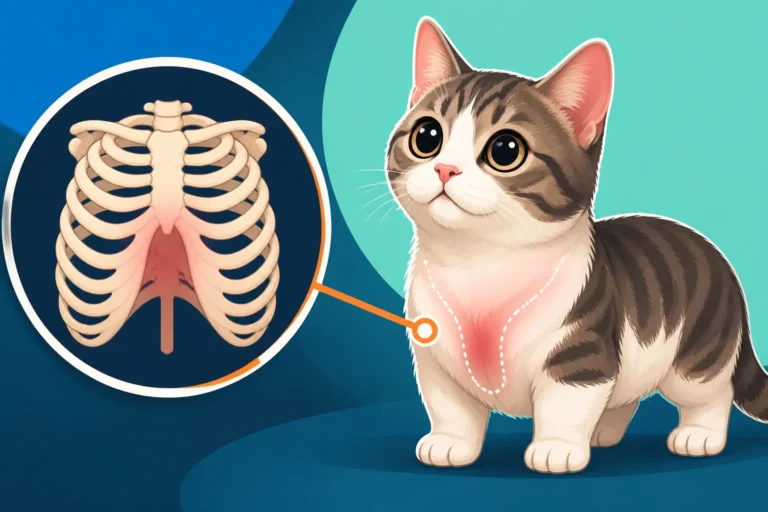
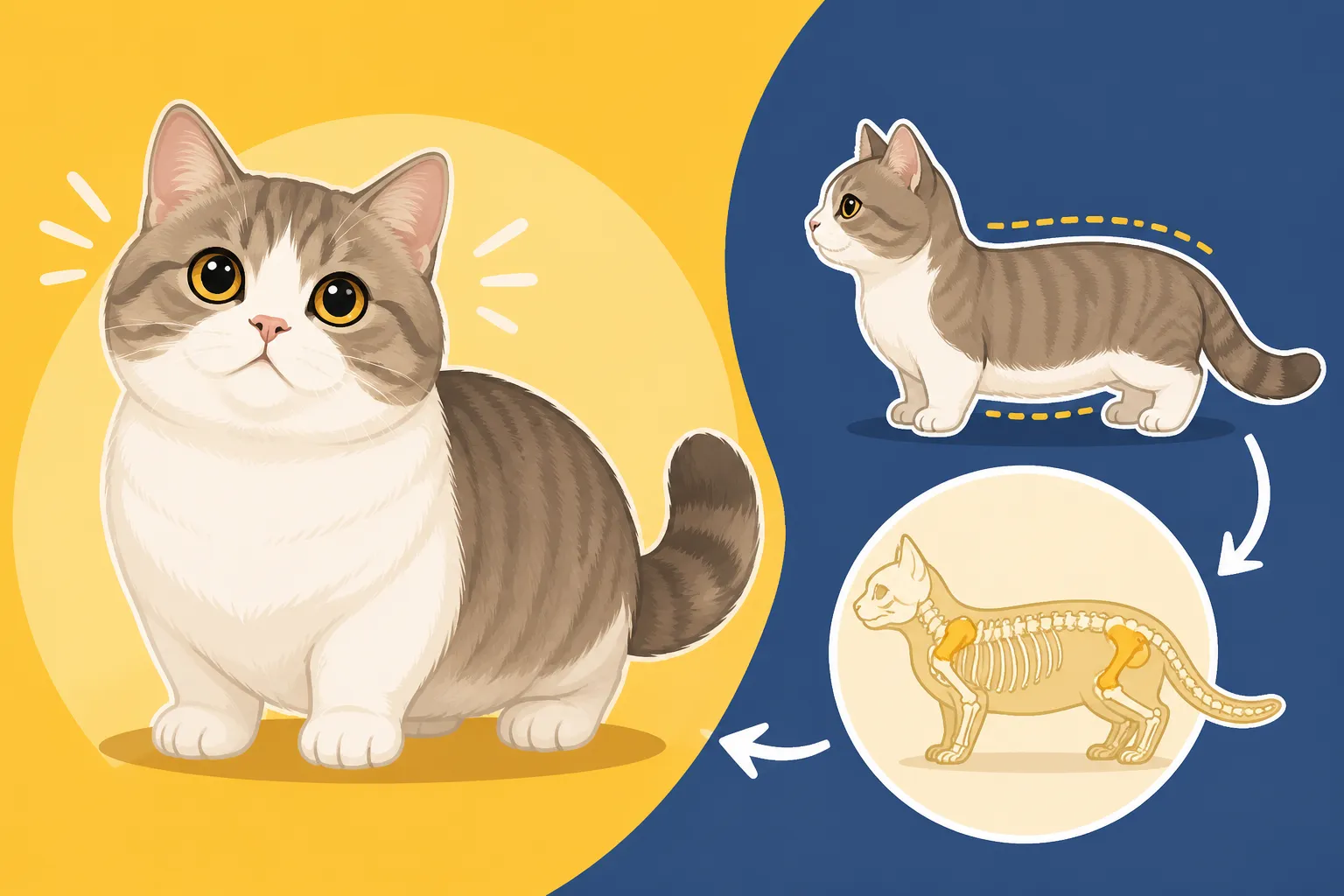
One of the most crucial things to understand about Munchkins is that while their legs are notably short, their body – their torso, their spine, their rib cage – is actually quite normal in length and depth for a cat of their overall size. Imagine taking a regular house cat and simply shortening its legs; that's essentially what you have with a Munchkin. Because their spine is normal length, the trunk of their body has to fit between those much shorter limbs. This creates a visual effect where the chest and belly appear wider and deeper relative to the short stubby legs supporting them. If you’ve ever wondered why a Munchkin's legs are short but its body is not, this is the key. It's a fundamental aspect of their genetic mutation, which affects long bones specifically, leaving the torso largely untouched.
The Impact of a Low Center of Gravity
Think about how a Munchkin moves. They have a remarkably low center of gravity, which is actually one of the reasons they can be surprisingly agile on flat ground. This low-slung design means their entire body is naturally closer to the floor. When you observe a Munchkin, you're seeing more of their undercarriage, their belly, and the curve of their rib cage from a different perspective than you would a long-legged cat. This low stance, combined with their normal-sized body, contributes significantly to that perception of roundness. It's not that they are round, but their entire form is presented closer to the ground, making the horizontal aspects of their body seem more prominent.
The Optical Illusion of Roundness
It’s easy to be fooled by what you see, especially when it comes to animals with such distinctive features. The "round" appearance of a lean Munchkin is less about their actual body fat percentage and more about how their unique proportions play tricks on our eyes. This optical illusion can make proper body condition scoring feel a bit counter-intuitive at first.
Belly Clearance and Apparent Bulk
Even a perfectly lean Munchkin will have less clearance between its belly and the floor compared to a standard cat. Their short legs mean the space underneath them is naturally reduced. This can make their abdomen appear fuller, or "rounder," even if there's no excess fat. After they've just had a big meal or a long drink, this effect can be even more pronounced. It might look like a little potbelly, leading owners to worry about weight gain, but often it's just the normal digestive process coupled with their body architecture. This phenomenon is why a Munchkin's belly nearly touches the floor, and it's a completely normal part of their physiology, not necessarily an indicator of being overweight.
The 'Rug Hugger' Effect and Compactness
The term "rug hugger" is sometimes used to describe Munchkins with particularly short legs, and it perfectly encapsulates this aspect of their appearance. Their low profile gives them a compact, almost barrel-like look from certain angles. This isn't due to fat, but rather the way their musculature and skeletal structure come together. Their strong, albeit short, legs are designed to support a normal-sized body efficiently close to the ground. This creates a sense of solidness and density that can be interpreted as roundness. It's worth remembering that how short a Munchkin's legs actually are varies, but the principle remains consistent: shorter legs mean a lower body profile and a more compact visual impression. This compact shape, particularly when they're in motion, can even contribute to why a Munchkin's low body helps it chase and corner with surprising speed, as their weight is kept close to the ground.
Why a Lean Look is Still Crucial for Munchkins
Despite the optical illusion of roundness, maintaining a lean body condition is paramount for Munchkin cats. Their unique anatomy, while charming, means they are particularly susceptible to certain issues if they carry even a small amount of extra weight. This isn't just about aesthetics; it's about their long-term health and mobility.
Preventing Joint and Spinal Strain
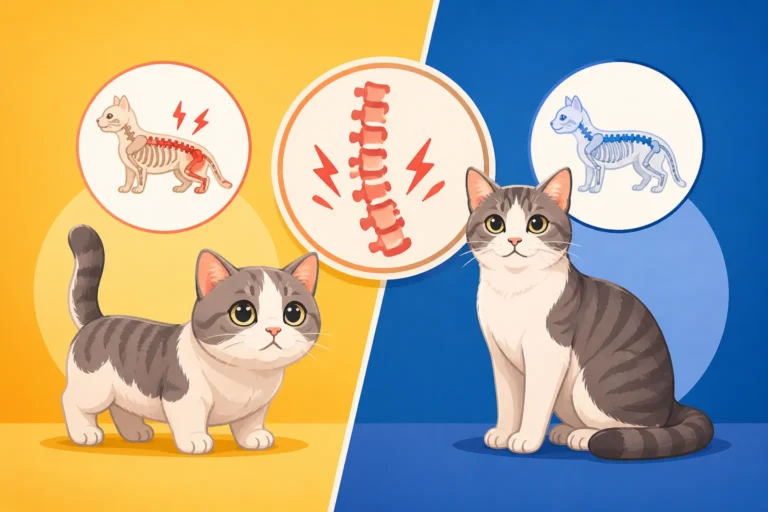
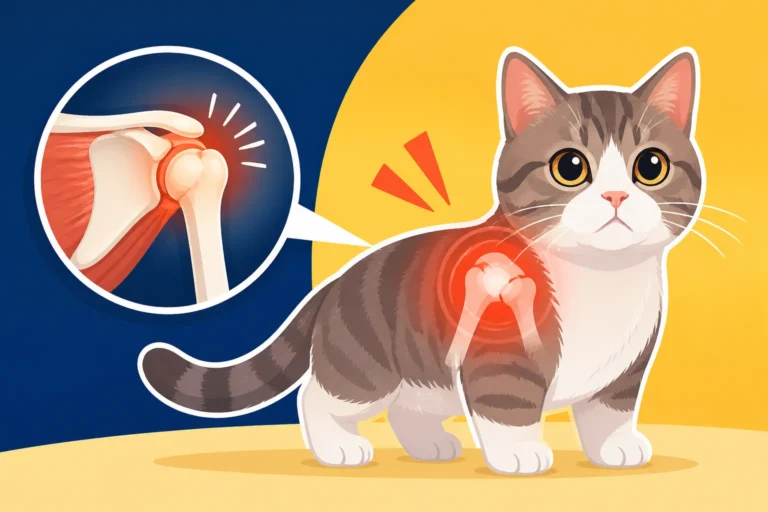
A Munchkin's short legs and normal-length spine mean that their skeletal system is already working under different biomechanical stresses than a long-legged cat. Their legs, while strong, are not designed to carry excessive loads. Every extra pound, every extra gram, places additional strain on their joints – especially in their shoulders, elbows, and hips – and on their spine. This constant, increased pressure can accelerate the onset of conditions like osteoarthritis, making them stiff and uncomfortable much earlier in life. This is why weight is more dangerous on a Munchkin; their bodies simply aren't built to compensate for it in the same way a standard cat's might. Ensuring they remain at an ideal, lean weight is one of the most proactive steps you can take for their joint health.
Avoiding Organ Compression and Mobility Issues
Beyond joint strain, excess weight can also exacerbate existing, or create new, problems related to organ compression, particularly for their chest and abdominal organs. While conditions like lordosis (an inward curvature of the spine) are genetic concerns we'll discuss elsewhere, even a mild form can be made significantly worse by obesity. An overweight Munchkin will find it harder to move around, jump onto approved low-level furniture, or even groom itself properly. This can lead to a downward spiral of decreased activity, further weight gain, and even more health complications. A cat that stops being able to move freely or groom is a cat whose quality of life is severely impacted. For these reasons, understanding what an old Munchkin stops being able to do is especially important when considering weight management from a young age.
The Role of Diet and Exercise
Achieving and maintaining a lean body condition for your Munchkin requires a mindful approach to both diet and exercise. Because they burn fewer calories than a long-legged cat for similar activities (due to their unique gait and reduced jump height), their caloric intake needs to be carefully managed. Free-feeding is generally not recommended. Instead, measured meals, potentially split throughout the day, can help prevent overeating. Engaging them in regular, floor-level play, using toys they can easily interact with, is crucial to keep them active without putting undue stress on their joints. Think about how much floor play keeps a Munchkin's weight down; it's significant! Investing in enriching toys and dedicated play sessions can make a huge difference. You might also consider consulting with your vet on a high-quality food designed for joint support. When discussing preventative care or potential future joint issues with your vet, asking about coverage options from providers like Healthy Paws can provide peace of mind.
How to Accurately Assess Your Munchkin's Body Condition
Given that a lean Munchkin can still look round, how do you really know if your feline friend is at a healthy weight? Visual cues alone can be misleading, so it's essential to use a more objective method: palpation and understanding the nuances of their physique.
The Palpation Test: Feel, Don't Just Look
The most accurate way to assess your Munchkin's body condition is by feeling their ribs, spine, and waistline. This tactile assessment allows you to get past the optical illusion of roundness created by their short legs.
Here’s a simple guide:
- Ribs: Gently run your fingers along your Munchkin's sides. You should be able to feel their ribs easily, much like feeling the knuckles on your hand, but without them protruding sharply. If you have to press hard to feel them, or can’t feel them at all, they’re likely overweight. If the ribs are very prominent and visible, they might be underweight.
- Spine: Run your hands along their back. You should be able to feel the bony bumps of their vertebrae without them being too sharp or buried under a thick layer of fat. This also helps you understand what a lean Munchkin should feel like along the spine.
- Waistline: Look down at your Munchkin from above. Even with their compact appearance, a lean Munchkin should have a discernible "waist" where the body tucks in slightly behind the ribs. It won't be as dramatic as on a long-legged cat, but it should be there. When viewed from the side, their abdomen should also tuck up slightly, not sag or appear distended.
This method helps you identify if your Munchkin is truly lean, or if that "roundness" is actually a sign of excess body fat.
| Body Condition Score | Visual Description (Munchkin Perspective) | Palpation Check (How it Feels) | Health Implications |
|---|---|---|---|
| Emaciated | Ribs, spine, hip bones very visible; severe abdominal tuck. | Ribs, spine, hip bones easily seen and felt; no fat padding. | Severe health risk, malnutrition. |
| Underweight | Ribs, spine, hip bones easily visible; noticeable abdominal tuck. | Ribs, spine, hip bones easily felt with minimal fat. | Could indicate underlying illness or insufficient food. |
| Ideal/Lean | Looks compact but not "fat"; slight waist may be visible from above. Belly tucks slightly from side view. | Ribs easily felt, like knuckles on your hand; spine easily palpable; discernible waist. | Optimal health, minimal joint strain. |
| Overweight | Clearly looks round; no discernible waist; belly may sag. | Ribs felt only with moderate pressure; spine hard to feel; waist absent. | Increased risk of joint issues, diabetes, and other health problems. |
| Obese | Very round, distended belly; no shape to body. | Ribs and spine covered by thick layer of fat; no waist; abdominal fat pad obvious. | High risk of severe health complications, significantly shortened lifespan. |
Regular Vet Checks and Professional Advice
The best way to ensure your Munchkin is at a healthy weight is through regular veterinary check-ups. Your vet can accurately assess their body condition score, discuss their diet, and provide tailored advice. They can also help you understand how to score a Munchkin's body condition at home more effectively. Remember, even a small amount of weight gain can have a disproportionately large impact on a Munchkin's health compared to a cat with normal leg length. Proactive care is key. Many pet insurance plans, such as those offered by Healthy Paws, emphasize preventative care and may cover regular check-ups, which can be invaluable for monitoring your Munchkin’s unique health needs. Discussing what a Munchkin should weigh at its frame with your vet can provide specific targets for your individual cat.
Disclaimer
This article is intended for informational purposes only and does not constitute veterinary advice. Always consult with a qualified veterinarian for any health concerns or before making any decisions about your pet's care.