Whether Munchkin Spinal Problems Are More Common Than in Other Cats
It’s a worry that often keeps prospective Munchkin cat owners up at night, and for good reason: the internet is awash with conflicting information about their unique physical structure. You’ve heard the whispers, the passionate debates, and the outright accusations that these adorable short-legged cats are inherently destined for a life of spinal misery. This guide aims to cut through the noise, providing a realistic look at whether Munchkin spinal problems are truly more common than in other cats, based on current understanding and veterinary insights.
Understanding the Munchkin's Unique Anatomy
When we talk about Munchkin cats, their short legs are the first thing that comes to mind, a defining characteristic that sets them apart. But what exactly causes these shorter limbs, and how does it relate to the rest of their skeletal structure, particularly their spine? Understanding this foundational biology is key to separating myth from reality regarding their spinal health.
The Core Difference: Achondroplasia
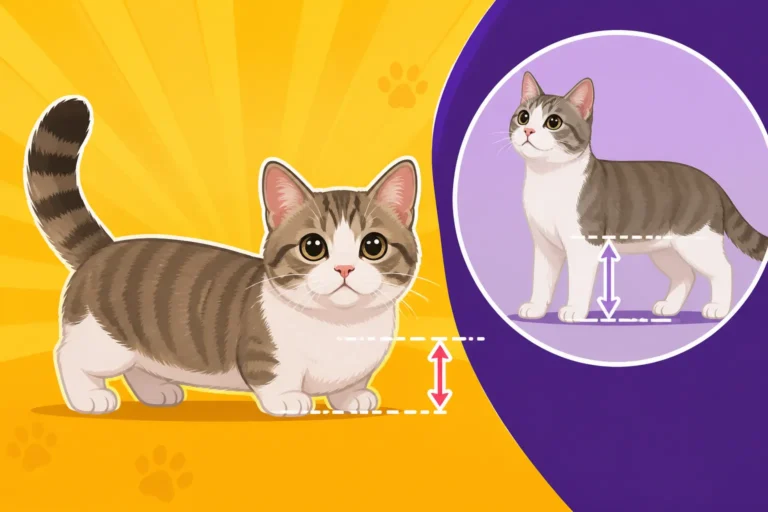
The genetic mutation responsible for a Munchkin's short legs is known as achondroplasia, a form of dwarfism. However, it's crucial to understand what kind of dwarfism this is. In Munchkins, it's referred to as pseudoachondroplasia because, unlike some forms of dwarfism that affect overall bone growth, this specific mutation primarily impacts the long bones of the limbs. This means that while their legs are significantly shorter, their body length and, critically, their spine itself, develop to a normal size for a domestic cat.
This is a fundamental point often misunderstood. The gene responsible for this characteristic doesn't create a 'short spine' or 'compressed spine' directly. Instead, it specifically targets the growth plates of the limb bones, causing them to fuse prematurely, resulting in disproportionately short legs. The spine, for the most part, grows to its expected length and number of vertebrae.
Why Their Spine Is Normal Length
Despite the visual impression of a low-slung body, a Munchkin cat's vertebral column, from neck to tail, is essentially the same length as that of a domestic cat of similar overall body size. This is a common point of confusion because their short legs make their bodies appear long in comparison to their height. If you were to measure a Munchkin's body, you'd find it consistent with what you'd expect from a typical cat.
What this means in practice is that a Munchkin's spine isn't itself 'dwarfed' or shortened. It has the same number of vertebrae, and each vertebra is typically the same size, as a regular cat. The concern, therefore, isn't that the spine is structurally compromised in its basic formation, but rather how the surrounding skeletal structure (the very short legs) might affect the mechanics and forces acting upon that normal-length spine. This distinction is vital when assessing potential spinal issues, as it shifts the focus from inherent structural flaw of the spine itself to potential compensatory stresses.
The Impact of Short Legs on Spinal Load
While the Munchkin's spine is of normal length, its short legs undeniably change the biomechanics of their movement and how weight is distributed across their body. Imagine trying to carry a heavy backpack with very short arms; the load is still there, but how you balance and distribute that weight changes dramatically. For a Munchkin, their shortened limbs mean their body sits much closer to the ground, altering their center of gravity and the leverage points for movement.
This altered biomechanics means that certain everyday cat activities, like jumping down from a sofa or even running at speed, place different kinds of stresses on their spine and joints compared to a long-legged cat. Their spine, while structurally sound in its length, may experience increased compressive forces or twisting motions during activities that a normal-legged cat performs with less strain. This is a key area of discussion when considering Why a Munchkin's Spine Carries a Load a Normal Cat's Does Not. While a normal spine, it's simply operating under different mechanical principles. This isn't to say it's guaranteed to fail, but it certainly necessitates careful consideration of their environment and lifestyle.
Common Spinal Conditions in All Cats (and Munchkins)
It's easy to get caught up in the specifics of Munchkin anatomy, but it's important to remember that they are, first and foremost, cats. This means they are susceptible to many of the same health issues, including spinal problems, that can affect any feline, regardless of breed or leg length. Understanding these universal feline conditions helps us put Munchkin-specific concerns into perspective.
Degenerative Disc Disease (DDD)
Degenerative Disc Disease (DDD) is a common spinal ailment that can affect cats of any breed, often as they age. It involves the breakdown of the intervertebral discs, the soft cushions between the vertebrae that act as shock absorbers. When these discs degenerate, they can lose their elasticity, bulge, or even rupture, putting pressure on the spinal cord and nerves. This can lead to pain, weakness, or even paralysis. Symptoms might include a reluctance to jump, a stiff gait, or vocalizing when touched in certain areas.
While there's no definitive evidence to suggest Munchkins are more prone to DDD than other breeds, their unique posture and movement could potentially alter how these forces manifest. For instance, if a Munchkin's spine experiences different compressive loads due to its short legs, it's a logical concern that this could contribute to disc wear over a lifetime. However, factors like obesity, age, and individual genetics play a significant role in DDD development in all cats, not just Munchkins.
Spinal Arthritis and Spondylosis
Just like humans and other animals, cats can develop arthritis in their joints, including those in their spine. Spondylosis deformans is a degenerative condition characterized by the formation of bony spurs (osteophytes) along the vertebrae, typically where ligaments attach. These spurs can bridge gaps between vertebrae, reducing flexibility and potentially causing pain. It's a common finding in older cats, often discovered incidentally on X-rays.
Again, while Munchkins are certainly not immune to spinal arthritis or spondylosis, there's no strong consensus that these conditions are inherently more prevalent or severe in them compared to the general feline population. The concern sometimes raised is that the altered joint angles and movements in a Munchkin due to their short limbs might predispose them to earlier onset or more rapid progression of osteoarthritis in their load-bearing joints, which could include spinal facet joints. However, careful management of weight, a supportive environment, and regular veterinary check-ups are paramount for any cat to mitigate the progression of these age-related changes. For a comprehensive look at how their legs and gait affect joint wear, you might find it useful to read about How Osteoarthritis Shows in a Munchkin's Shoulders.
Traumatic Spinal Injuries
Accidents happen, and unfortunately, traumatic spinal injuries can affect any cat. Falls from heights, being stepped on, car accidents, or even rough play can lead to vertebral fractures, luxations, or severe soft tissue damage to the spinal cord. The severity of these injuries can range from mild bruising to complete paralysis, depending on the force and location of the trauma.
For Munchkins, their low stature actually presents a double-edged sword. On one hand, they are less likely to jump from extreme heights, potentially reducing the risk of certain fall-related injuries. On the other hand, their inability to quickly escape or climb to safety makes them more vulnerable to accidental injuries from larger pets or small children. Being unable to get out of the way of a falling object or an excited dog could put their spine at risk. Therefore, while not a direct anatomical predisposition, their physical limitations necessitate a more carefully managed and protected environment to prevent such trauma. This consideration is part of the broader discussion of How a Munchkin Gets Where It Wants Without Jumping and the inherent risks of a world not designed for their height.
Specific Concerns: Lordosis and Pectus Excavatum in Munchkins
Beyond the general spinal conditions that affect all cats, there are two specific anatomical variations that are sometimes discussed in relation to Munchkin cats: lordosis and pectus excavatum. While not universal to all Munchkins, these conditions are more frequently observed in the breed than in the general feline population and warrant a closer look.
What Lordosis Is and Its Potential Severity
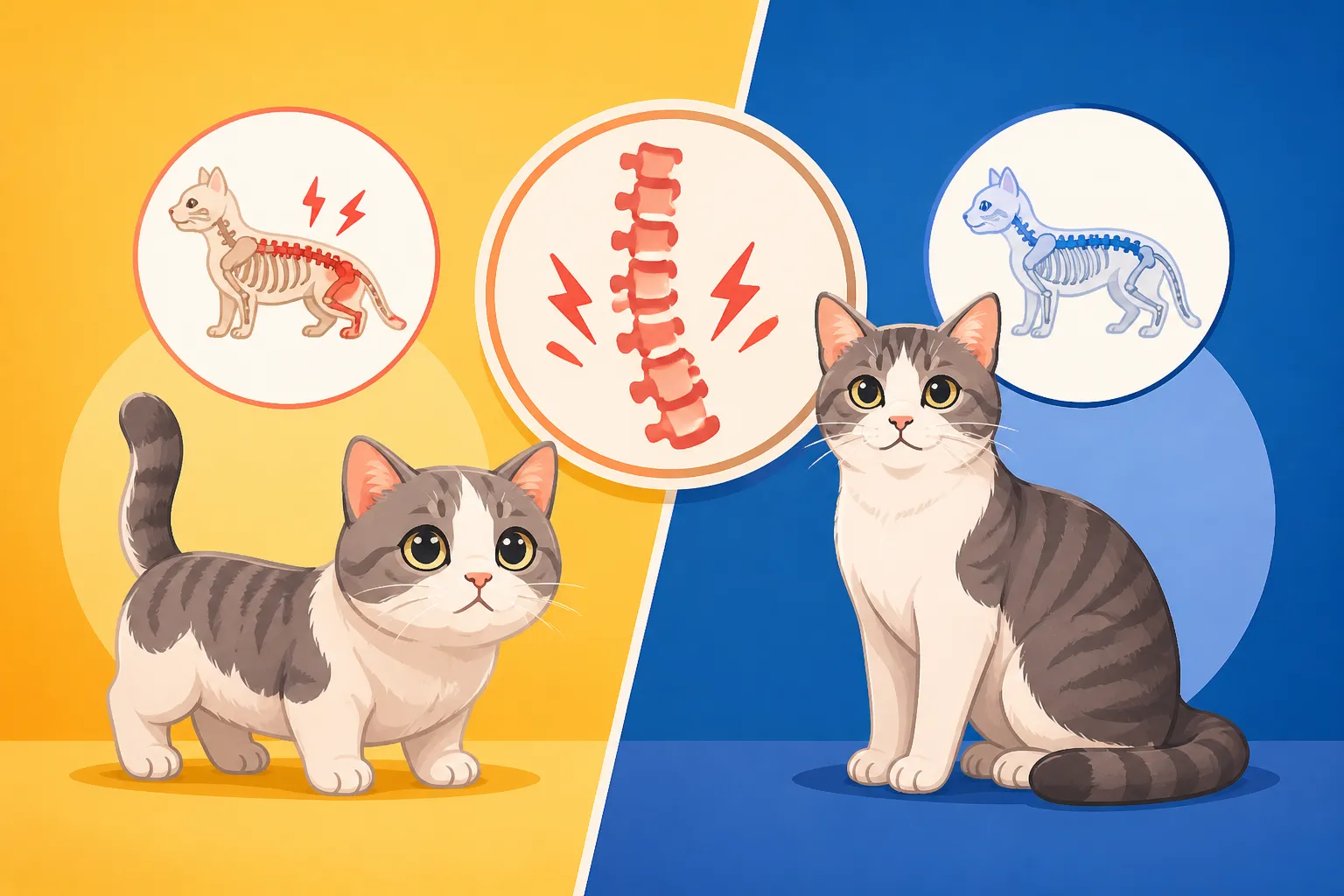
Lordosis is a condition characterized by an excessive inward curvature of the spine, specifically in the lumbar (lower back) region. Think of it as the spine dipping downwards, creating a noticeable concavity. In severe cases, this curvature can become so pronounced that it compresses a Munchkin's internal organs, leading to a range of health issues from breathing difficulties to digestive problems, and even shortening their overall lifespan. Mild forms, however, might only be noticeable upon careful palpation or X-ray and may not significantly impact the cat's quality of life. The severity can vary greatly, and it's not a given that every Munchkin will develop it, or that if they do, it will be debilitating.
The connection between lordosis and the Munchkin breed is a significant part of the ongoing ethical debate surrounding them. It is believed to be linked to the same genetic mutation that causes their short legs, making it a breed-specific concern. Reputable breeders are extremely vigilant about screening for this condition, as it can appear in kittens and progress as they grow. Understanding What Lordosis Does to a Munchkin is vital for any prospective owner.
Pectus Excavatum and its Connection to the Spine
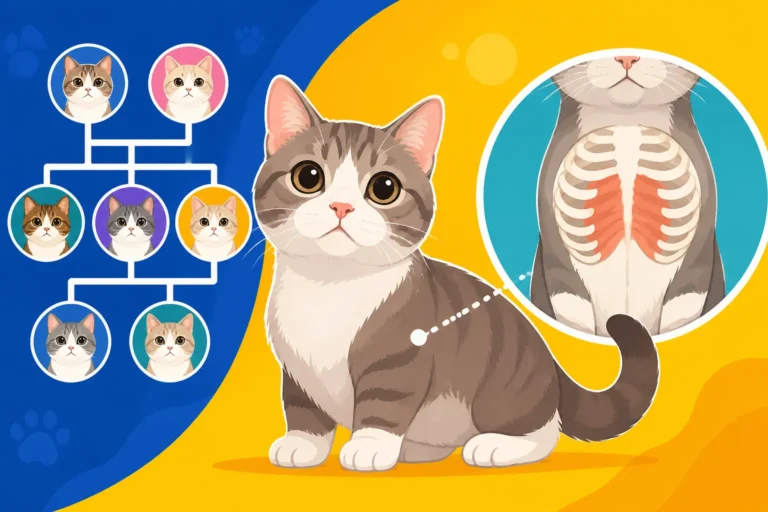
Pectus excavatum, often called "funnel chest" or "sunken chest," is a congenital deformity of the sternum (breastbone) and rib cage. Instead of growing outwards, the sternum grows inward, compressing the heart and lungs. While not a spinal problem per se, it's often discussed alongside spinal issues in Munchkins because it's another skeletal abnormality seen more commonly in the breed. The inward collapse of the chest can put strain on the surrounding muscles and tissues, and in some cases, lead to compensatory spinal curvature or changes in posture, as the cat tries to alleviate pressure or breathe more easily.
The severity of pectus excavatum also ranges from mild to life-threatening. A kitten with a very mild case might live a normal life with no symptoms, while a severe case can cause chronic respiratory distress, heart murmurs, and even early death. Diagnosing and grading the severity, as discussed in How a Vet Grades a Munchkin's Sunken Chest, is crucial. While not directly a spinal condition, its presence indicates a broader predisposition to skeletal anomalies, and any impact on a cat's breathing and organ function will certainly affect their overall well-being and how they carry themselves, potentially influencing spinal health over time. For more information, you can also explore Pectus Excavatum and the Munchkin's Sunken Chest.
Early Detection and Breeder Responsibility
For both lordosis and pectus excavatum, early detection is absolutely critical. A responsible breeder will screen kittens rigorously, often performing physical examinations and sometimes X-rays before a kitten goes to its new home. They should be able to provide you with health guarantees and be transparent about any known issues in their lines. This is where asking "What a Munchkin Breeder Should Be Able to Show You" becomes incredibly important. They should not only be able to show you the parents but also detailed health records.
Purchasing a Munchkin from an unethical breeder who doesn't prioritize health screening significantly increases the risk of acquiring a kitten with a severe, undiagnosed skeletal condition. These conditions, especially severe lordosis, can lead to chronic pain, costly veterinary interventions, and a diminished quality of life for the cat. It underscores the immense importance of choosing a reputable breeder who focuses on the health and welfare of their cats above all else, and who is actively trying to breed away from these genetic predispositions.
Research and Veterinary Perspectives on Munchkin Spinal Health
The question of whether Munchkin spinal problems are more common than in other cats is contentious, and much of the difficulty in answering it definitively stems from the nature of the research and the diverse opinions within the veterinary community. It’s a frustrating situation for prospective owners seeking clear answers.
The Lack of Definitive, Large-Scale Studies
One of the biggest challenges in assessing Munchkin spinal health is the scarcity of large-scale, independent scientific studies specifically focusing on the prevalence of spinal disorders in the breed compared to the general cat population. While individual veterinarians may see cases of lordosis or other issues, comprehensive epidemiological data that would allow for a statistically robust comparison is often lacking. This isn't unique to Munchkins; studying breed-specific health issues in companion animals can be challenging due to funding, population size, and the ethical considerations of experimental design.
This lack of definitive data means much of the discussion relies on anecdotal evidence, veterinary observations, and smaller studies, which can be easily misinterpreted or lead to broad generalizations. It's perfectly understandable to feel frustrated when trying to make an informed decision about welcoming a Munchkin into your home, only to be met with incomplete or conflicting scientific information. This gap in research is a key reason Why the Frequency of Munchkin Spinal Problems Is Disputed and contributes to the ongoing debate.
Conflicting Opinions Among Veterinary Professionals
You might find that if you ask several veterinarians about Munchkin spinal health, you'll receive a range of opinions, from strong condemnation to cautious acceptance. This divergence stems from several factors:
- Experience: Vets in regions where Munchkins are more common or where they have specialized in genetics or orthopedics might have more direct experience with breed-specific issues.
- Ethical Stance: Some veterinarians view the breeding of any animal with a genetic mutation that could lead to health problems as inherently unethical, regardless of the severity or prevalence. They might argue that deliberately propagating a trait linked to conditions like lordosis is irresponsible.
- Scientific Interpretation: Without large, conclusive studies, individual vets might interpret existing data or anecdotal evidence differently. Some might focus on the potential risks, while others might emphasize the many Munchkins who live long, healthy lives.
This professional disagreement, discussed in more detail in Why Vets Disagree About the Munchkin, can leave prospective owners feeling even more confused. It highlights the need for individual owners to seek out vets who are knowledgeable about the breed and willing to have an open, balanced discussion based on current understanding.
What Existing Data Suggests (or Doesn't)
Despite the overall scarcity of large-scale studies, some smaller research efforts and veterinary reports do exist. For instance, some studies have noted a higher incidence of lordosis and pectus excavatum in Munchkin cats compared to the general cat population, suggesting a genetic link to their defining short-legged trait. This is a crucial piece of information, as it confirms that these conditions are indeed a concern within the breed.
However, these studies often don't provide prevalence rates that allow for a direct comparison of how much more common these issues are, or how frequently they manifest in a severe, life-impacting way versus a mild, asymptomatic form. They identify the presence of these conditions but might not fully quantify the risk across the entire Munchkin population. Furthermore, data on degenerative disc disease or spinal arthritis in Munchkins specifically, compared to other breeds, is particularly limited. This means that while we can say certain skeletal abnormalities are associated with Munchkins, we often lack the precise numbers to definitively state that "spinal problems in general are X times more common" than in other cats. This nuance is critical when navigating the information available.
Mitigating Risks and Promoting Spinal Health for Your Munchkin
Owning a Munchkin means accepting their unique physical characteristics and proactively adapting their environment and care routine to support their long-term health. While the debate about genetic predispositions continues, there's a lot you can do to promote optimal spinal health and minimize risks for your short-legged companion.
Environmental Adaptations for Spinal Support
One of the most impactful things you can do for a Munchkin's spine and joints is to make their home accessible and safe. Their short legs mean they can't jump as high or as easily as other cats, and repeatedly straining to jump up or absorb impacts from jumping down can put undue stress on their back and shoulders. Providing ramps and steps is not a luxury; it's a necessity. As we always say, Ramps and Steps Are Munchkin Equipment, Not Luxuries.
Consider adding ramps or sturdy steps to:
- Sofas and chairs: Make it easy for them to get to their favorite napping spots.
- Beds: If they sleep with you, ensure they have a safe way up and down.
- Windowsills: Allow them to enjoy birdwatching without painful jumps.
- Cat trees: Choose cat trees with closely spaced platforms or modify existing ones to make them climbable.
Beyond ramps, ensure their litter boxes have low entry points to prevent awkward straining, and that food and water bowls are raised slightly to reduce neck and back strain during eating. Removing slick floor surfaces with rugs or carpets can also improve traction and reduce the risk of slips and falls that could injure their spine.
The Critical Role of Weight Management
For any cat, maintaining a healthy weight is important, but for a Munchkin, it's absolutely paramount. Every extra pound your Munchkin carries puts significantly more strain on their short legs, joints, and, most importantly, their spine. Imagine wearing a heavy backpack all day, every day – that's what being overweight feels like for your cat. This added burden can accelerate the degeneration of spinal discs, exacerbate arthritis, and increase the risk of injury. In fact, Why Weight Is More Dangerous on a Munchkin is a topic that can't be stressed enough for this breed.
Work closely with your veterinarian to establish an ideal weight for your Munchkin, as it can vary slightly depending on their frame. Implement a strict feeding schedule, measuring out appropriate portions rather than free-feeding. Choose high-quality cat food that provides balanced nutrition, and limit treats. Regular, gentle play sessions on the floor can help keep them active without over-stressing their joints. Checking their body condition score regularly will help you stay on track and prevent unnecessary strain on their precious spine.
Regular Veterinary Care and Monitoring
Consistent veterinary care is non-negotiable for a Munchkin cat, especially when it comes to monitoring their spinal health. Regular check-ups allow your vet to assess their gait, spine, and overall mobility, catching potential issues early before they become severe.
During these visits, your vet might:
- Palpate the spine: Gently feel along the back for any signs of pain, stiffness, or abnormal curvature like lordosis.
- Observe movement: Watch how your Munchkin walks, runs, and jumps (if they do), looking for any signs of discomfort or changes in their typical ferret-like gait.
- Discuss weight and diet: Help you maintain an optimal body condition.
- Recommend imaging: If concerns arise, X-rays might be suggested to get a clearer picture of their spinal structure and rule out conditions like severe lordosis or early arthritis.
A proactive approach means not waiting for obvious signs of pain. These regular visits also provide an opportunity to discuss preventive measures, joint supplements, or any changes in your cat's behavior. Early intervention is key to managing any spinal issues and maintaining your Munchkin's quality of life. Considering a good pet insurance plan, like those offered by Healthy Paws, early in your cat's life can also provide financial support for unexpected veterinary costs related to spinal imaging or treatments, offering significant peace of mind.
Living with a Munchkin and Addressing Spinal Worries
Bringing a Munchkin into your life is a joyful experience, but it also comes with the responsibility of understanding and addressing their unique needs. Being vigilant and proactive about their spinal health is a big part of that, ensuring they live a comfortable and happy life.
Recognizing Signs of Discomfort or Pain
Munchkins are famously playful and resilient, but like all cats, they can be masters at hiding pain. It's up to you, their attentive owner, to recognize subtle changes in behavior that might signal spinal discomfort or pain. These signs are often vague, so keen observation is key.
Look out for:
- Changes in movement: A reluctance to jump even small distances they used to manage, hesitation before moving, a stiffer or altered gait, or limping. You might even notice subtle changes like How to Tell Stiffness From Old Age in a Munchkin.
- Behavioral shifts: Increased irritability, withdrawing from interaction, hiding more, or becoming less playful. They might also react negatively to being touched in certain areas, particularly along their back or hips.
- Grooming changes: Difficulty grooming certain areas, especially their back or hindquarters, which could lead to matting.
- Litter box habits: Straining to use the litter box or even accidents outside the box if it's painful to get in or out.
- Appetite changes: A decrease in appetite, though this can indicate many issues, including pain.
If you notice any of these signs, don't hesitate to contact your vet. Early intervention can often prevent minor issues from becoming major problems.
When to Seek Professional Veterinary Consultation
It's natural to worry, but knowing when to act is crucial. Any persistent change in your Munchkin's mobility, behavior, or apparent comfort level warrants a visit to the veterinarian. Don't wait until the pain is obvious or severe.
Here are scenarios that definitely call for a vet appointment:
- Sudden onset lameness or weakness: If your Munchkin suddenly can't use one or more legs, struggles to stand, or shows signs of severe pain, this is an emergency.
- Persistent reluctance to move: If they seem lethargic, unwilling to play, or are spending an unusual amount of time resting.
- Visible changes to their posture or spine: If you notice a more pronounced dip in their back (potential worsening lordosis) or any new lumps or bumps.
- Vocalization when moving or touched: Crying out, hissing, or growling when you pick them up or touch their back.
When you go to the vet, be prepared to describe the changes you've observed, how long they've been occurring, and any specific triggers. Consider taking a video of your Munchkin's movement at home, as they may act differently in the clinic. A good vet will conduct a thorough physical and neurological exam and may recommend imaging like X-rays to get a clearer picture of what's happening internally. In some cases, a specialist like a veterinary neurologist or orthopedic surgeon might be recommended. Having robust pet insurance, like a plan from Healthy Paws, can ensure you have the financial flexibility to pursue advanced diagnostics and specialist care if needed.
Supportive Care and Quality of Life
If your Munchkin is diagnosed with a spinal issue, the focus shifts to supportive care and maintaining their quality of life. This can involve a multi-faceted approach tailored to their specific condition and its severity.
Supportive care might include:
- Pain management: Your vet may prescribe anti-inflammatory medications, pain relievers, or nerve pain medications to keep your cat comfortable.
- Physical therapy: Gentle exercises, massage, or even hydrotherapy (under veterinary guidance) can help maintain muscle strength and flexibility.
- Environmental adjustments: Reinforce the use of ramps and steps, ensure comfortable, low-to-the-ground bedding, and modify litter boxes for easy access.
- Weight control: Maintaining an ideal weight becomes even more critical to reduce strain on the affected spine.
- Joint supplements: Your vet might recommend supplements containing glucosamine, chondroitin, or omega-3 fatty acids to support joint health.
The goal is always to keep your Munchkin as comfortable, mobile, and happy as possible. This often requires ongoing dedication from you and close collaboration with your veterinary team. While some conditions may be managed for years, others might require more intensive interventions. Remember, your Munchkin relies on you to be their advocate, ensuring they receive the best possible care throughout their unique journey. Good pet insurance from providers such as Healthy Paws can truly alleviate the burden of ongoing treatment costs, allowing you to prioritize your cat's health without financial stress.
Disclaimer
This article is intended for informational purposes only and does not constitute veterinary advice. Always consult with a qualified veterinarian for any health concerns or before making any decisions about your pet's care.