Whether a Scottish Fold Munchkin Should Exist
The charm of unique cat breeds often captures our hearts, with their distinctive appearances drawing us in. However, when certain traits are combined through breeding, it can lead to complex and deeply concerning ethical questions about animal welfare. One such combination that frequently sparks debate is the Scottish Fold Munchkin cross. This guide aims to shed light on the intricate genetic realities of both breeds and the significant, often magnified, health risks that arise when these two specific skeletal mutations are combined, helping you understand why careful consideration and informed decisions are paramount.
The Unique Genetic Blueprint of Each Breed
Before we delve into the complexities of crossing these two distinct breeds, it's absolutely vital to understand the genetic underpinnings and associated health implications of each one individually. Both the Munchkin and the Scottish Fold carry dominant genetic mutations, and it's the nature of these mutations that forms the core of the ethical discussion surrounding their combination.
The Munchkin's Signature Short Legs
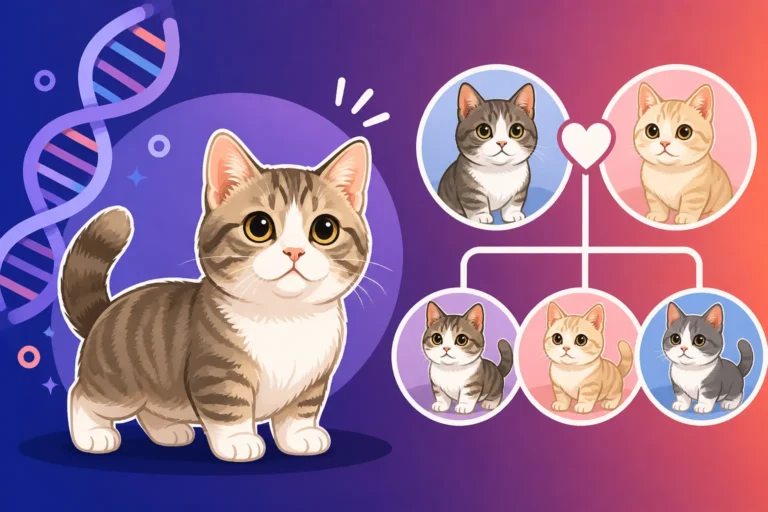
The Munchkin cat's most defining characteristic, its adorably short legs, is the result of a genetic mutation known as chondrodysplasia. This isn't just a cosmetic trait; it's a form of dwarfism that specifically affects the long bones of the legs. The gene responsible for this, often referred to as the Munchkin gene, is an autosomal dominant trait. This means that if a cat inherits just one copy of this gene from either parent, it will express the short-legged characteristic. However, and this is a critical point, if a cat inherits two copies of this gene, one from each parent, the outcome is lethal, resulting in embryonic death. This is why a Munchkin is always bred to a normal-legged cat, ensuring that all kittens only receive one copy of the gene, if any, for their short legs. You can read more about why Munchkin Dwarfism Is Dominant and Lethal in Two Copies.
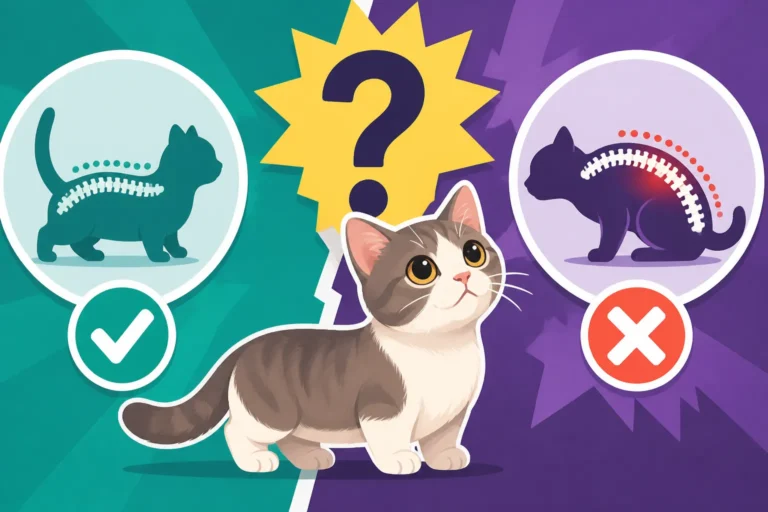
While a well-bred Munchkin can be a wonderfully active and playful companion, their unique bone structure can predispose them to certain conditions. The legs are shortened, but the spine itself is typically of normal length, which means that Why a Munchkin's Spine Carries a Load a Normal Cat's Does Not. This disproportionate build can put extra stress on their spine and joints over time. Among the health concerns sometimes seen in Munchkins are lordosis, a condition where the spine curves excessively inward or dips down, and pectus excavatum, more commonly known as a sunken chest. Neither of these conditions is exclusive to Munchkins, but their prevalence within the breed is a point of ongoing discussion among veterinarians and breeders. Understanding Lordosis Is the Spinal Curve the Munchkin Argument Is About and Pectus Excavatum and the Munchkin's Sunken Chest is key to appreciating the challenges. It's also worth noting that their legs are short, but Why a Munchkin's Legs Are Short but Its Body Is Not, which can impact their movement and overall skeletal load.
The Scottish Fold's Cartilage Disorder
Now, let's turn our attention to the Scottish Fold. Their endearing folded ears, which give them their name, are undeniably captivating. But this charming physical trait is, in fact, an outward manifestation of a severe genetic condition called osteochondrodysplasia. This is not just a cosmetic feature; it's a dominant genetic mutation that profoundly impacts the development of cartilage and bone throughout the entire body, not just the ears.
The gene responsible for the folded ears causes abnormal cartilage formation, which in turn leads to the characteristic ear fold. However, this same faulty cartilage is present in all the joints and bones of the cat's body. This can lead to a range of painful and debilitating problems, including severe, progressive arthritis, joint stiffness, and even fused vertebrae, particularly in the tail, hocks (ankles), and stifles (knees). Cats with this condition can experience chronic pain, making movement difficult and significantly reducing their quality of life. This is why, just like Munchkins, ethical breeding practices for Scottish Folds dictate that they must never be bred to other Scottish Folds. Instead, they are typically bred to straight-eared cats, such as British Shorthairs or American Shorthairs, to try and mitigate the severity of the genetic disorder in their offspring. For a Munchkin, it's about its general health, and Whether a Munchkin Gets Arthritis Earlier is a common question, but for the Scottish Fold, arthritis is almost a given due to its genetic makeup.
The Exacerbated Health Risks in a Scottish Fold Munchkin Cross
Given what we now know about the individual genetic challenges of both the Munchkin and the Scottish Fold, the prospect of combining these two breeds into a "Scottish Fold Munchkin" (sometimes called a "Scottish Kilts" or "Minskin" if also hairless, though that's a different cross) raises serious and undeniable welfare concerns.
The Peril of Compounding Skeletal Mutations
Imagine taking two distinct genetic conditions, each with the potential for skeletal issues and discomfort, and deliberately combining them in one animal. This is precisely what happens with a Scottish Fold Munchkin cross. You're not simply adding one set of health risks to another; you're creating a synergistic effect where the problems can be amplified, leading to a much more severe and debilitating outcome for the cat. Many vets object to this because Why Munchkin Hybrids Stack Two Mutations.
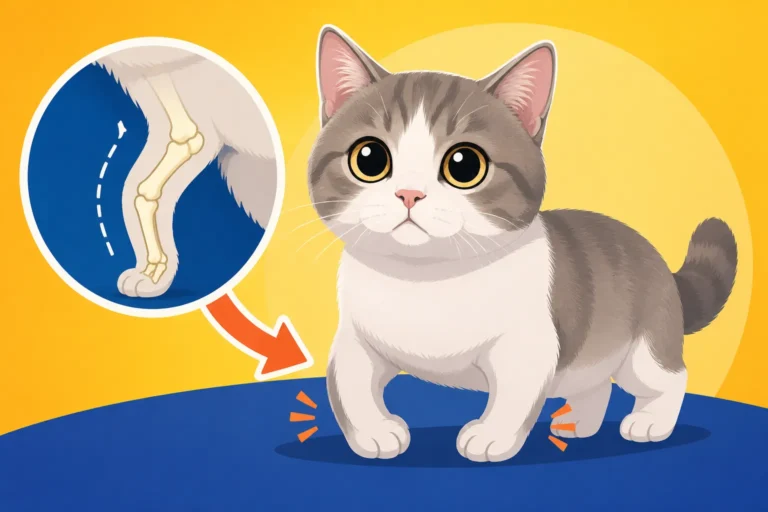
The short, somewhat bowed legs of the Munchkin already place unique stresses on their joints and spine. Now, superimpose upon that the generalized cartilage degeneration and widespread joint fusion that is characteristic of the Scottish Fold's osteochondrodysplasia. The result is a cat that is highly likely to develop severe, early-onset osteoarthritis, chronic joint pain, and debilitating spinal problems at a much younger age than either parent breed might experience alone. Think about a cat whose natural inclination is to explore and play, but whose body is a constant source of pain, making even simple movements excruciating. This "stacking of mutations" is a primary reason why these crosses are so heavily criticized, as What Two Skeletal Mutations Do to One Munchkin can be truly devastating. When considering Which Health Problems the Munchkin Actually Has, these risks are already on the table, but the Fold cross dramatically increases the severity.
A Diminished Quality of Life for the Cat
The implications of these compounded skeletal issues extend far beyond just physical discomfort. They can lead to a severely diminished quality of life for the affected cat. Imagine a cat with limited mobility from its shortened legs now also battling painful, stiff joints in its hocks, stifles, and spine. Everyday activities that normal cats take for granted—like jumping onto a sofa, climbing a cat tree, or even just stretching and playing—can become difficult, if not impossible.
Grooming, a vital part of a cat's self-care, can also be severely compromised. A cat with stiff, painful joints and short legs may struggle to reach and clean its entire body, particularly its hindquarters, leading to matting, skin irritation, and hygiene issues. This necessitates more intensive, often uncomfortable, owner intervention. These cats may live a life dictated by chronic pain management, limited movement, and a constant struggle against their own anatomy. The very traits that some breeders find "unique" or "cute" come at an immense and often lifelong cost to the animal's well-being and ability to express natural feline behaviors.
The Firm Stance Against Breeding Scottish Fold Munchkins
The overwhelming consensus among responsible breeders, veterinary professionals, and major feline registries is firmly against the deliberate breeding of Scottish Fold Munchkin crosses. This opposition is rooted deeply in ethical considerations and a commitment to animal welfare.
Ethical Breeding Practices and Breeder Responsibility
Responsible breeders operate under a strict code of ethics that prioritizes the health, temperament, and genetic soundness of their animals above all else. The goal of selective breeding should always be to improve the breed, reduce the incidence of genetic diseases, and ensure that the resulting offspring live long, healthy, and comfortable lives. Creating a cat that knowingly carries two distinct genetic mutations, both of which cause skeletal deformities and potential pain, directly contradicts these fundamental principles.
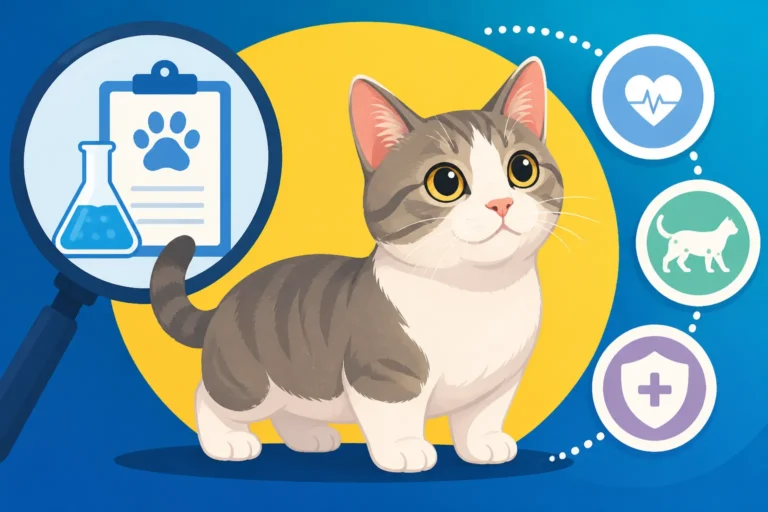
Ethical breeders invest heavily in health screening and genetic testing to ensure their breeding stock is free from hereditary diseases that can be passed down. They also adhere to strict outcrossing guidelines, as seen with both Munchkins (always to a normal-legged cat) and Scottish Folds (always to a straight-eared cat), precisely to avoid exacerbating genetic problems. To then combine these two breeds goes against all these preventative measures. It’s seen as a practice that introduces or magnifies genetic defects purely for aesthetic novelty, rather than focusing on the animal's welfare. Potential owners should always insist on seeing What a Munchkin Breeder Should Be Able to Show You to prove their commitment to health.
Veterinary and Feline Organization Objections
The objections to Scottish Fold Munchkin crosses are not just limited to individual ethical breeders; they are widely echoed by prominent veterinary associations and major international cat registries. Organizations like the Cat Fanciers' Association (CFA) and the Governing Council of the Cat Fancy (GCCF) in the UK do not recognize the Munchkin breed at all, let alone any crosses involving it, precisely due to welfare concerns related to its unique physiology. Many European countries have even gone further, implementing laws that ban the breeding of cats with genetic conditions that cause suffering, which explicitly includes Scottish Folds and Munchkins.
These professional bodies cite welfare concerns as their paramount reason for denouncing these crosses. They see them as "designer breeds" that prioritize unique aesthetics over the fundamental health and well-being of the animal. The potential for chronic pain, severe mobility issues, and a significantly reduced quality of life leads many veterinarians to refuse to recommend these breeds or crosses. As some vets will tell you, Why Some Vets Refuse to Recommend a Munchkin, and this opposition only intensifies when two such breeds are combined. The lack of recognition by major registries also means that these cats often exist in a kind of "unregulated" breeding space, where health standards and ethical considerations can be even harder to enforce, leaving owners with little recourse if problems arise. This also impacts What You Are Buying When a Breed Is Not Recognized.
Navigating Life with a Scottish Fold Munchkin
While the ethical concerns surrounding the breeding of Scottish Fold Munchkins are clear, some individuals may already own such a cat, having acquired it without full knowledge of the potential health implications. For these owners, the focus shifts entirely to providing the best possible care and ensuring the cat's comfort and well-being.
The Realities of Lifelong Care and Costs
Living with a Scottish Fold Munchkin often means preparing for a lifetime of potentially extensive and expensive veterinary care. These cats are at a significantly higher risk of developing chronic conditions like severe arthritis, spinal issues, and other orthopedic problems. This translates to regular vet visits, which might include diagnostic imaging like X-rays to monitor joint and spinal health. Medication for pain management, joint supplements (such as glucosamine and chondroitin), and anti-inflammatory drugs are often necessary to maintain a reasonable quality of life.
In some cases, physical therapy, hydrotherapy, or even specialized surgical interventions might be recommended, all of which come with substantial costs. The financial burden can be significant and ongoing. This is precisely where having comprehensive pet insurance becomes not just a luxury, but a critical necessity. Providers like Healthy Paws offer robust pet insurance plans that can help cover the costs of unexpected illnesses, accidents, and even chronic conditions, alleviating some of the financial stress. A good policy from Healthy Paws can make a huge difference in ensuring you can afford the best possible care for your unique companion. You should also consider whether coverage for a Munchkin's spine is included in any policy you look at (see Whether Pet Insurance Covers a Munchkin's Spine). Beyond medical care, adapting your home environment is crucial. This means providing ramps, low-entry litter boxes, and easily accessible bedding to minimize strain on their compromised joints and spine. Owners will find that a year of vet care (Why a Munchkin's Vet Year Includes Its Joints) can be significantly higher than for a cat without these predispositions.
Prioritizing Comfort and Well-being
For those who already share their lives with a Scottish Fold Munchkin, the primary goal must be to prioritize their comfort and overall well-being. This involves a proactive approach to their care. Regular, gentle exercise tailored to their abilities can help maintain muscle strength and joint flexibility without overstraining them. Weight management is also incredibly important, as extra pounds can put immense additional stress on already compromised joints and spines. Work closely with your veterinarian to establish an appropriate diet and exercise routine.
Creating a comfortable and accessible home environment is non-negotiable. Provide soft, supportive bedding at floor level, use ramps or small steps to allow them safe access to favorite resting spots like sofas or beds, and ensure their litter boxes have very low entries. Monitor your cat closely for any signs of pain, such as reluctance to move, limping, changes in gait, or behavioral changes like withdrawal or aggression when touched. Open and honest communication with a veterinarian experienced in feline orthopedics is vital. They can help you monitor your cat's condition, adjust pain management strategies as needed, and guide you through any difficult decisions that may arise as your cat ages. While the origins of these crosses are controversial, the individual cat in your care deserves the most loving, pain-free, and fulfilling life you can provide. Pet insurance from a reputable provider like Healthy Paws can offer much-needed peace of mind, allowing you to focus on your cat's health rather than the cost of treatment.
| Feature/Condition | Munchkin | Scottish Fold | Scottish Fold Munchkin Cross |
|---|---|---|---|
| Genetic Mutation | Chondrodysplasia | Osteochondrodysplasia | Chondrodysplasia + Osteochondrodysplasia |
| Primary Impact | Shortened long bones (legs) | Cartilage/bone development (all over) | Short legs + widespread cartilage/bone issues |
| Recognizable Trait | Short legs | Folded ears | Short legs + folded ears |
| Key Health Risks | Lordosis, Pectus Excavatum, potential early arthritis | Severe arthritis, joint fusion, stiff tail, spinal issues | Significantly increased risk of severe arthritis, spinal fusion, chronic pain, severely limited mobility |
| Breeding Ethics | Must outcross to normal-legged cat | Must outcross to straight-eared cat (e.g., British Shorthair) | Highly discouraged/banned by many organizations due to severe welfare concerns |
| Potential Suffering | Moderate (if well-bred and managed) | Moderate to severe (depending on expression and management) | High to severe, lifelong pain and disability potential |
Disclaimer
Please remember that this article is intended for informational purposes only and should not be considered a substitute for professional veterinary advice. Always consult with a qualified veterinarian regarding any health concerns or before making any decisions about your pet's care.