Why Some Vets Refuse to Recommend a Munchkin
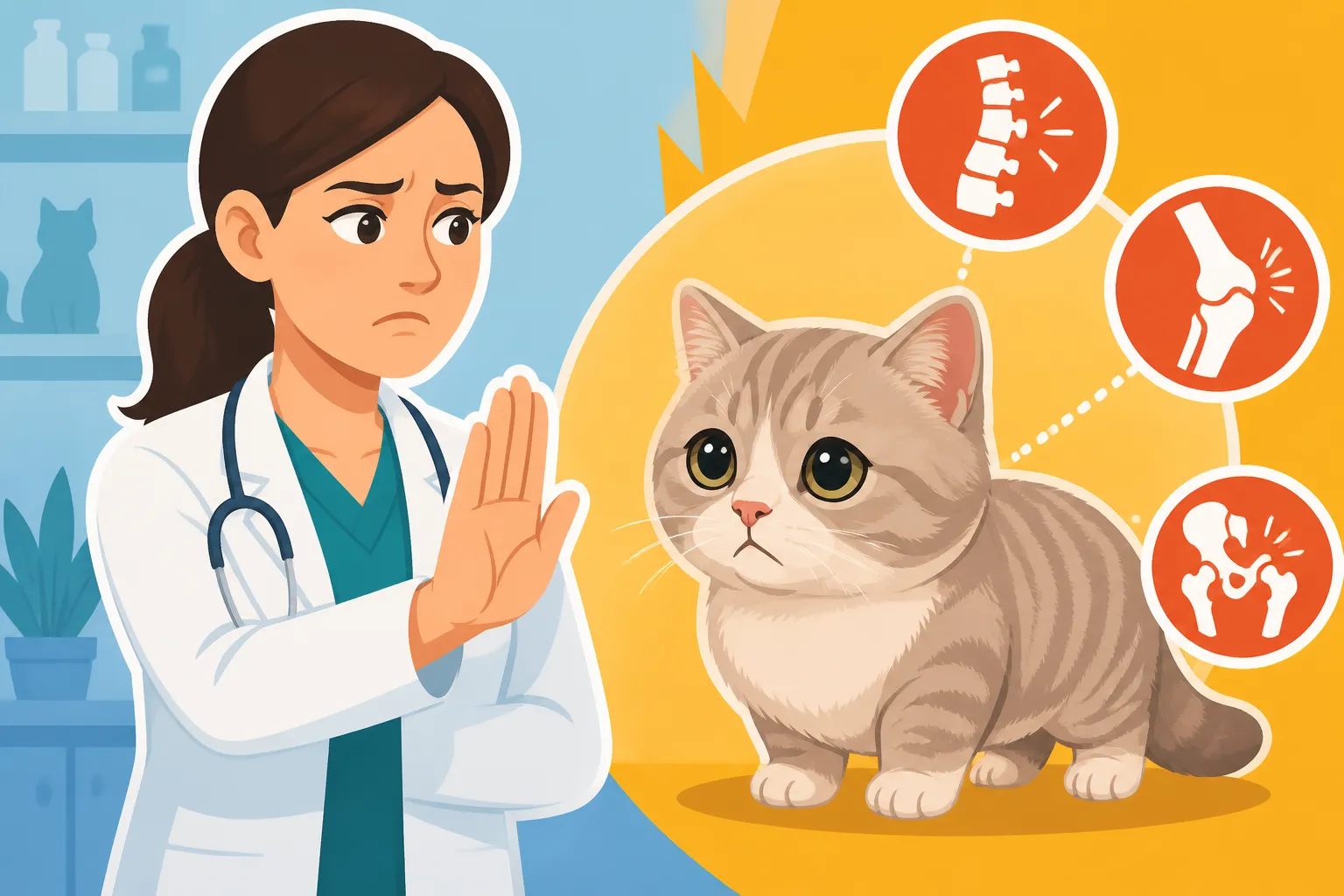
It's absolutely heartbreaking to fall in love with a charming, unique Munchkin cat, only to hear whispers of caution or even outright disapproval from veterinary professionals. You're left wondering if your furry friend is destined for a life of pain, or if these concerns are overblown. It's a common and valid frustration, and it leaves many prospective owners feeling conflicted and confused. This guide is here to shed light on why some veterinarians are hesitant to recommend Munchkin cats, delving into the specific health and welfare considerations that inform their professional stance.
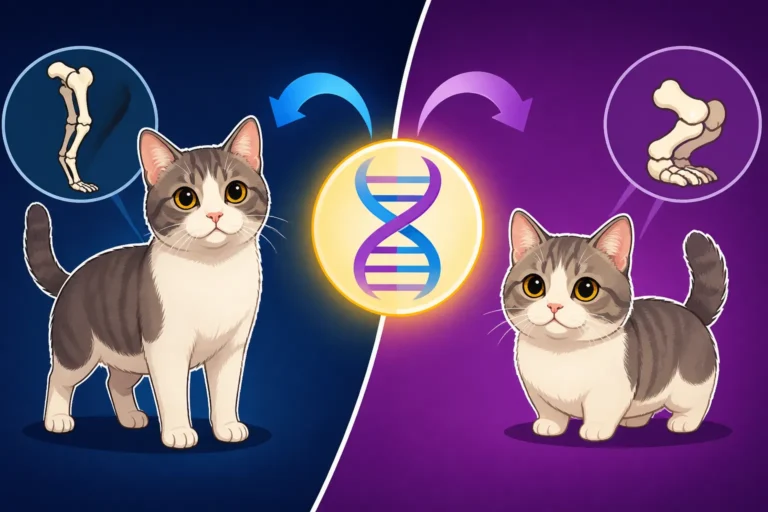
The Genetic Blueprint Behind Short Legs
When we talk about Munchkin cats, the first thing that comes to mind is their uniquely short legs. This isn't just a quirky trait; it's the result of a genetic mutation, specifically a form of dwarfism. Understanding this genetic basis is crucial to grasping why some vets express concerns. It’s not about judging the appearance of these adorable cats, but rather about the potential implications of that specific genetic difference on their overall health and well-being.
Understanding Pseudoachondroplasia in Cats
The short legs of a Munchkin cat are due to a condition known as pseudoachondroplasia, sometimes referred to as achondroplasia. While both terms refer to forms of dwarfism, pseudoachondroplasia specifically means that the cartilage and bone growth plates are affected, leading to shortened long bones, particularly in the legs, while the spine and skull develop normally. This is distinct from other forms of dwarfism where the whole body might be proportionally smaller. For a Munchkin, their body length and head size are typically that of a normal domestic cat, but their limbs are significantly shorter.
This trait is caused by an autosomal dominant gene. What does "autosomal dominant" mean for a Munchkin? It means that only one copy of the gene is needed for a cat to express the short-legged trait. If a cat inherits even one copy of this gene from a parent, it will have short legs. This is why when you breed a Munchkin cat to a normal-legged cat, about half of the litter will typically have the short legs you expect from a Munchkin. The other half will inherit the non-dwarfism gene and have normal-length legs. This inheritance pattern is a key part of what defines the breed, and it's also where some of the veterinary concerns begin.
Why Homozygous Munchkin Embryos Are Never Born
Here's where the genetic discussion takes a more serious turn and forms a significant part of the veterinary concern. Since the short-legged gene is dominant, a Munchkin cat needs only one copy to have short legs. However, if a cat inherits two copies of this gene (one from each parent), the outcome is lethal. This genetic state is called homozygous dominant. Effectively, what happens to a homozygous Munchkin embryo is that it fails to develop properly and is reabsorbed in the womb or dies very early in gestation.
This is why, in responsible breeding practices, you will never see two short-legged Munchkins bred together. Instead, a short-legged Munchkin is always bred to a normal-legged cat (often a domestic shorthair or a long-legged Munchkin from a previous litter). This practice, known as an outcross, ensures that no kitten can inherit two copies of the dominant gene, thus avoiding the lethal outcome. While this breeding strategy prevents the birth of homozygous kittens, the very existence of a lethal homozygous form of the gene is a red flag for many veterinarians. It implies that the mutation itself carries a severe potential downside, even if clever breeding practices can circumvent the most dire immediate consequences. This underlying genetic vulnerability is one of the foundational reasons for caution. You can delve deeper into Munchkin Dwarfism Is Dominant and Lethal in Two Copies to understand the mechanics of this inheritance pattern.
Specific Health Concerns Linked to the Munchkin Mutation
The primary reason veterinarians express reservations about Munchkin cats isn't just the existence of a genetic mutation, but the tangible health problems and lifestyle limitations that can arise directly from their unique anatomy. These issues can significantly impact a cat's quality of life, requiring dedicated care and potentially costly medical interventions.
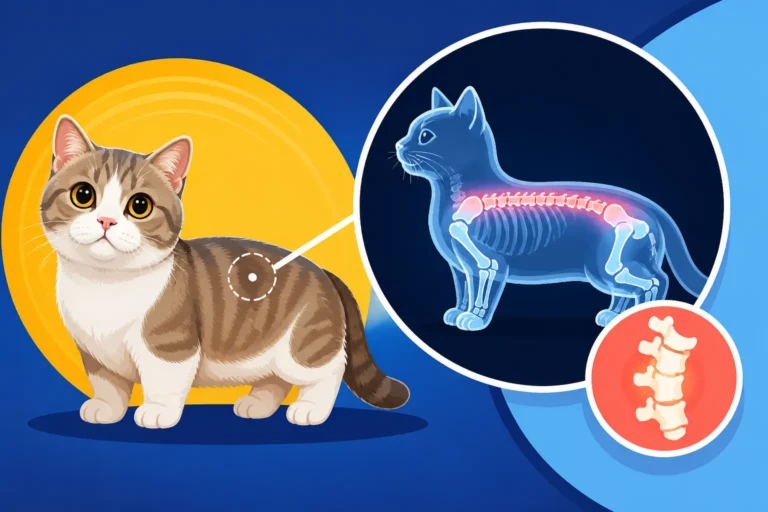
Spinal Issues: Lordosis and Pectus Excavatum
The shortened legs of a Munchkin mean their spine carries a load in a way a normal cat's does not. This altered biomechanics can lead to a higher predisposition for certain spinal and chest deformities.
One of the most concerning conditions is Lordosis. This is a curvature of the spine where it dips downwards towards the abdomen. In severe cases, the spine can sink so deeply that it compresses the internal organs, particularly the heart and lungs. Imagine trying to live with your vital organs constantly squeezed—it can lead to serious breathing difficulties, digestive problems, and a reduced lifespan. While lordosis isn't unique to the Munchkin, its prevalence and potential severity in the breed are significant points of concern for vets. The condition can sometimes be detected in kittens, and breeders should be vigilant in checking for it. A vet will palpate a Munchkin kitten's spine during its first exam to check for any signs of this. Severe lordosis can be debilitating and even fatal, which is why early detection and understanding its impact is paramount. To learn more about this specific condition, consider reading Lordosis Is the Spinal Curve the Munchkin Argument Is About.
Another chest-related issue observed in Munchkins is Pectus Excavatum, also known as a "sunken chest" or "funnel chest." This condition involves an abnormal indentation of the sternum (breastbone) and ribs, which can press against the heart and lungs. Depending on the severity, pectus excavatum can restrict lung capacity, make breathing difficult, and put strain on the heart. In mild cases, it might go unnoticed or cause no significant issues, but severe cases require surgical correction to prevent life-threatening complications. How a vet grades a Munchkin's sunken chest involves assessing the degree of indentation and its impact on the internal organs, often through X-rays. Both lordosis and pectus excavatum highlight how the Munchkin's skeletal structure can lead to problems that extend beyond just short legs, impacting crucial internal systems. Understanding Pectus Excavatum and the Munchkin's Sunken Chest offers further insights into this condition.
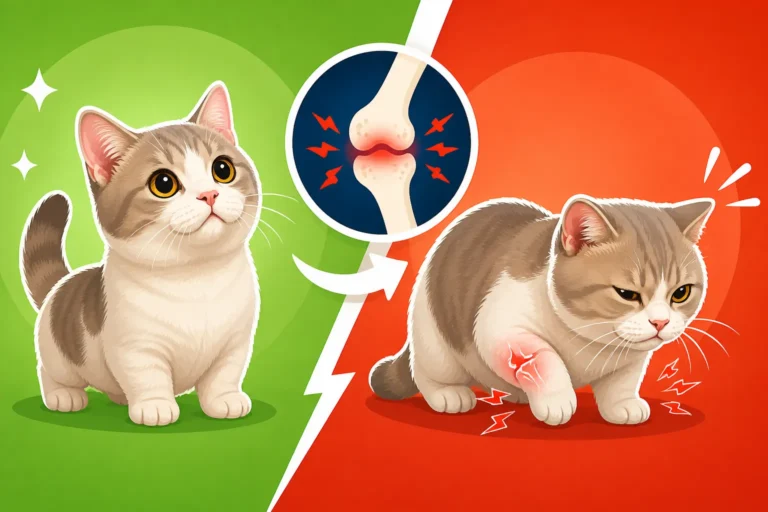
Joint and Mobility Challenges
While Munchkins are often described as active and playful, their unique leg structure can put undue stress on their joints, potentially leading to long-term mobility issues. The physics of how a Munchkin moves are different. Their shorter limbs mean they often compensate with different gaits and postures, and repeated impacts or movements can take a toll.
One of the most common concerns is the early onset of osteoarthritis. Because their legs are shorter and carry the same body weight as a normal cat, there's increased pressure and wear and tear on joints like the shoulders and elbows. Think about it: every jump, every landing, every run puts more strain on these smaller, less leveraged limbs. Vets often worry about Whether a Munchkin Gets Arthritis Earlier compared to long-legged cats. This can manifest as stiffness, reluctance to jump, or limping as they age. Caring for a Munchkin past ten can often involve managing arthritis pain and supporting their mobility, which means a commitment to pain relief and joint supplements.
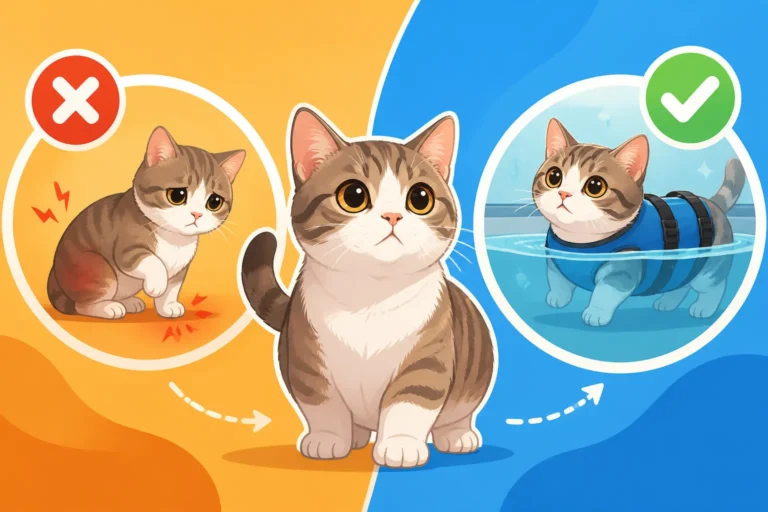
Furthermore, a Munchkin's distinct way of moving and playing, while endearing, can contribute to these joint issues. They might be able to run surprisingly fast on a flat surface and corner with agility, but the way their body moves can create uneven stress. Repetitive movements, especially those involving jumping and landing, can accelerate joint degeneration. Because of this, owners might need to provide ramps or steps to help their Munchkin access furniture, reducing the strain on their joints. Maintaining a healthy weight is also absolutely critical, as Why Weight Is More Dangerous on a Munchkin due to the extra load it places on their already stressed joints and spine.
The Ethical Debate: Quality of Life and Veterinary Stance
Beyond the specific medical conditions, a significant portion of the veterinary community's reluctance stems from ethical considerations regarding the intentional breeding of animals with genetic mutations that could compromise their welfare. It's a complex issue that touches on what we define as a "healthy" animal and where the line is drawn in selective breeding.
Breeding for a "Deformity"
The core of the ethical debate lies in the fact that the Munchkin's defining characteristic—its short legs—is the result of a genetic mutation that is, by definition, an anatomical variation from the norm. Many veterinarians view this as breeding for a "deformity," even if the animal appears outwardly healthy and happy. They argue that intentionally perpetuating a trait that carries known risks for spinal, joint, or other skeletal issues goes against the principle of prioritizing animal welfare above aesthetic preferences. It’s not about hating the cats; it’s about questioning the human choices in creating and continuing the breed.
This perspective often leads to a fundamental disagreement with breeders and owners who argue that many Munchkins live full, active, and pain-free lives. While this is certainly true for many individual cats, the potential for serious health issues is what worries the vets. They see a pattern of conditions that, while not affecting every Munchkin, are statistically more prevalent due to the breed's genetic makeup. This is why Why Vets Disagree About the Munchkin is such a contentious topic within the veterinary world. The concern is rooted in a preventative approach to animal health, aiming to avoid suffering before it begins.
Long-Term Welfare Considerations and Preventative Care
The long-term welfare of a Munchkin cat is a primary concern for veterinarians. Their shorter legs inherently limit their ability to perform certain natural feline behaviors, such as jumping to high places for safety, exploration, or effective grooming. While many Munchkins adapt by finding alternative routes (like using furniture as steps), their reduced agility means they can't always escape perceived threats from larger pets or small children, making them more vulnerable in multi-pet or family households. This can significantly impact their natural coping mechanisms and overall sense of security. A Munchkin Is a Normal Cat That Cannot Reach perfectly encapsulates this daily reality.
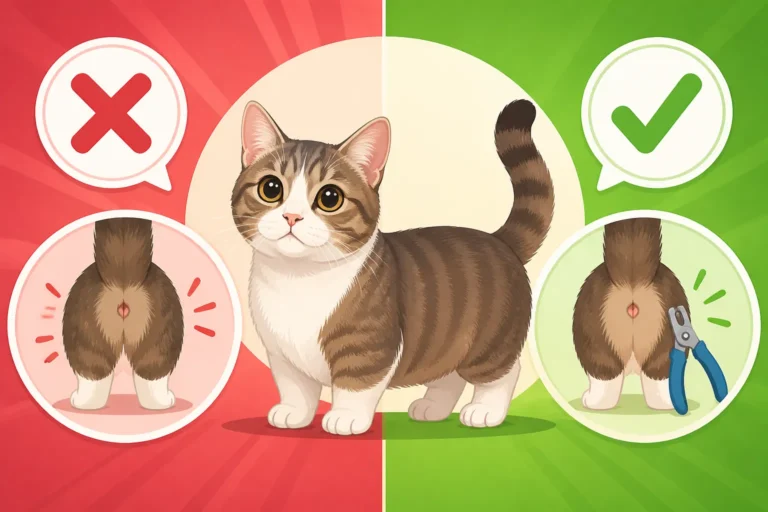
Furthermore, as they age, these mobility limitations can become more pronounced, especially if arthritis sets in. An older Munchkin may struggle even more to reach a litter box with high sides or to groom its hindquarters effectively, leading to mats and skin issues. This necessitates a higher level of owner involvement in daily care, including regular grooming, providing low-entry litter boxes, and ensuring accessible ramps or steps throughout the home.
For owners, being prepared for these potential long-term care needs is essential. This often involves budgeting for preventative measures, specialized equipment, and potentially higher veterinary costs associated with monitoring and treating conditions like arthritis or spinal issues. Pet insurance, such as plans offered by Healthy Paws, can be incredibly beneficial in mitigating these financial burdens, covering unexpected illnesses and accidents, which can be a real lifeline for owners of breeds with predispositions to certain conditions. Having a robust plan for their care, including regular vet check-ups where the vet can carefully assess How a Vet Assesses a Munchkin's Leg Conformation, is paramount. Ultimately, the veterinary stance often boils down to advocating for practices that produce animals with the fewest inherent health challenges, ensuring the best possible quality of life from birth through their senior years.
The Importance of Responsible Breeding and Screening
Given the specific health concerns associated with the Munchkin breed, responsible breeding practices and thorough veterinary screening are absolutely critical. Veterinarians who are reluctant to recommend the breed often point to the variability in breeding standards and the lack of consistent health testing across all breeders.
A responsible Munchkin breeder should be transparent about their breeding pairs, their health history, and the potential risks involved. They should be able to provide clear documentation, including health clearances for conditions known to affect the outcross breeds used in the Munchkin's development (e.g., polycystic kidney disease (PKD) if Persians or related breeds are in the lineage). Furthermore, a good breeder will have their kittens thoroughly examined by a vet, with specific attention paid to palpating the spine for lordosis and checking for pectus excavatum. They should be willing to discuss What a Munchkin Breeder Should Be Able to Show You.
Many vets would stress the importance of pre-purchase screening for potential owners. While a DNA test for the Munchkin gene itself simply confirms the presence of the short-leg trait and doesn't predict disease severity, a comprehensive veterinary exam for a kitten at 8-12 weeks can reveal early signs of skeletal issues. X-rays, although an added cost, can provide a clearer picture of spinal and chest conformation. This upfront due diligence is vital, as it allows owners to make informed decisions and to understand the specific needs of their individual cat. For instance, When a Munchkin Should Have Its Spine Imaged is a question many caring owners consider as their cats grow. Investing in pet insurance like Healthy Paws early on, before any conditions manifest, can also ensure that future diagnostic and treatment costs are manageable should any of these predispositions develop.
Navigating the Munchkin Owner Journey with Veterinary Support
If you’ve chosen to bring a Munchkin cat into your home, understanding these veterinary concerns isn't meant to cause alarm, but rather to empower you with knowledge. Being a responsible Munchkin owner means being proactive and forming a strong partnership with your veterinarian.
Proactive Care and Environmental Adaptations
Living with a Munchkin cat often means making specific adaptations to your home and lifestyle to support their unique physical needs. This isn't a luxury; it's a necessity for ensuring their comfort and preventing unnecessary strain on their body.
First and foremost, accessibility is key. Think about all the places a cat naturally wants to go: up on the sofa for cuddles, onto the bed for sleep, or even just reaching a favorite window perch. For a Munchkin, these vertical journeys are challenging, if not impossible, without assistance. Providing sturdy, low-gradient ramps or steps is paramount. This reduces the need for them to jump, which can put significant stress on their shoulders, elbows, and spine, potentially leading to earlier onset of conditions like arthritis. A cat tree with close-set platforms is also a wise investment, allowing them to climb safely and satisfy their natural instincts. You can learn more about What a Munchkin Cannot Reach to Groom and how you might need to adapt.
Another critical area is the litter box. A standard litter box with high sides can be an insurmountable barrier for a Munchkin, particularly as they get older or if they develop joint pain. Opt for low-entry litter boxes, often marketed for senior cats or kittens, to ensure easy access. This prevents accidents outside the box and reduces the physical strain. Feeding and water bowls should also be easily accessible, preferably at floor level or slightly raised to avoid them straining their neck or back. Regular grooming, especially of their hindquarters, is often necessary because they simply cannot reach to clean themselves as thoroughly as a long-legged cat. Consider booking a professional groomer for sanitary clips if needed. These adaptations are vital for Why a Munchkin's House Costs More Than the Cat initially, as you make these necessary adjustments.
Regular Veterinary Check-ups and Early Intervention
Establishing a consistent schedule of veterinary check-ups is paramount for a Munchkin cat, even more so than for some other breeds, due to their genetic predispositions. These regular visits aren't just for vaccinations; they are crucial opportunities for your vet to monitor your cat's musculoskeletal health, weight, and overall well-being.
During these check-ups, your vet will pay close attention to your Munchkin's gait, range of motion in their joints, and palpate their spine for any signs of lordosis or other abnormalities. They'll also monitor for any changes in breathing or abdominal tenderness that might suggest issues like pectus excavatum. Catching these conditions early, while they are still mild, can make a significant difference in management and outcome. For instance, early intervention for arthritis might involve dietary changes, joint supplements, or anti-inflammatory medications, potentially delaying progression and improving comfort.
Discussing your Munchkin's diet and weight management with your vet is also crucial. Given their lower energy expenditure due to reduced jumping and running, Munchkins are particularly prone to obesity. How to Score a Munchkin's Body Condition involves more than just looking; your vet can guide you on how to feel for their ribs and waistline. Even a small amount of excess weight can significantly increase the load on their short legs and spine, exacerbating joint problems. Your vet can help you tailor a feeding plan and recommend appropriate joint supplements if needed. Being proactive with your vet, seeking their advice on preventative care, and being prepared for potential health challenges will go a long way in ensuring your beloved Munchkin lives the longest, healthiest, and happiest life possible. Pet insurance options like those from Healthy Paws can provide peace of mind, knowing that if a genetic condition or injury arises, you're better prepared for the costs.
Health Concern Description Veterinary Concern Owner's Role I
: Weight: 38kg (84lb)
Height: 52cm (20in)
Collar: 52cm (20in)
This is a comprehensive guide to understanding and purchasing an English Bulldog harness, ensuring comfort and safety for your unique companion.
Why English Bulldogs Need a Special Harness
It's no secret that English Bulldogs are a breed with a distinct physique. Their broad chests, thick necks, short snouts, and often significant weight mean that a "one-size-fits-all" harness simply won't cut it. Trying to squeeze your Bulldog into a generic harness designed for sleeker, longer-nosed breeds can lead to a host of problems, from chafing and discomfort to outright escape artistry! As a fellow Bulldog owner, I know the struggle: you want your dog to be safe and comfortable, but finding gear that truly accommodates their unique body shape can feel like a quest.
Understanding the Bulldog's Unique Anatomy
Let's break down exactly what makes an English Bulldog's body so different, and why these differences impact harness fit.
First, their broad, deep chest is perhaps the most defining feature. Unlike many breeds that have a more tapered chest, the Bulldog's chest is often wider than their shoulders and significantly deeper from front to back. This means a harness needs ample room around the ribcage without being too loose everywhere else. A harness designed for a narrower dog will either constrict your Bulldog's chest, making breathing difficult (especially given their brachycephalic nature), or it will ride up into their armpits, causing painful chafing.
Next, consider their thick, muscular neck. A Bulldog's neck isn't dainty; it's robust and often blends seamlessly into their broad shoulders. This can make traditional collar attachments problematic if they pull, and it means the neck opening of a harness needs to be generous enough to not choke them, yet secure enough to prevent them from slipping out. The neck circumference often surprises first-time Bulldog owners; it's usually much larger than what you'd find on a similarly sized dog of another breed.
Then there are their short, sturdy legs and stocky build. While adorable, these legs mean that the strap connecting the front and back sections of a harness needs to be positioned carefully to avoid interfering with their natural gait. Furthermore, their lower center of gravity and powerful build can make them surprisingly strong pullers, requiring a harness that distributes pressure evenly and discourages pulling effectively without causing discomfort or injury.
Finally, their brachycephalic (short-nosed) head is a crucial consideration. Bulldogs are prone to respiratory issues, and anything that restricts their breathing or puts pressure on their throat can exacerbate these problems. This is a primary reason why vets and experienced Bulldog owners strongly recommend harnesses over collars for walks, as collars can put direct pressure on the trachea and airways if the dog pulls.
Common Problems with Ill-Fitting Harnesses
An ill-fitting harness for an English Bulldog isn't just an inconvenience; it can lead to serious issues that impact their health and your daily walks.
One of the most frequent complaints is chafing and skin irritation. Because of their deep chests and rolls of skin, harnesses that are too tight or rub in the wrong places can quickly cause painful sores, especially in the armpit area. Bulldogs also have sensitive skin, and constant friction can lead to hot spots or infections. Many standard harnesses have straps that are too thin or poorly padded for a Bulldog's robust build, digging into their skin instead of resting comfortably.
Another significant problem is restricted breathing. As mentioned, Bulldogs are brachycephalic, meaning their flattened faces come with a predisposition to breathing difficulties. A harness that constricts their chest or puts pressure on their throat, even slightly, can make it harder for them to breathe, especially during exertion or in warm weather. This isn't just uncomfortable; it can be dangerous, potentially leading to overheating or even collapse in severe cases. You want a harness that allows for full chest expansion.
Then there's the escape risk. Bulldogs are surprisingly adept at wriggling out of harnesses that don't fit them properly. A harness that's too loose around the neck or too easy for them to back out of can turn a pleasant walk into a panicked chase. Their broad chests and narrower hips can sometimes make them masters of "backing out" of front-clip harnesses if the fit isn't precise. This can be incredibly stressful and dangerous, especially if you're near traffic.
Finally, an improper fit can lead to ineffective leash control. If the harness constantly shifts, twists, or allows your Bulldog to pull with full force, it defeats the purpose. A harness should help you guide your dog safely and comfortably, and if it's not staying in place, it compromises both control and safety for both of you. Many harnesses are designed with leash attachments that are too high on a Bulldog's back, causing the harness to pull up uncomfortably when the dog pulls, rather than distributing pressure across the chest.
Key Features to Look for in an English Bulldog Harness
Given their unique needs, selecting the right harness for your English Bulldog requires paying attention to specific design elements. It's about finding that sweet spot between security, comfort, and functionality.
Design for Broad Chests and Necks
This is arguably the most critical feature. A good English Bulldog harness will feature a generous and adjustable chest plate or strap that accommodates their wide ribcage without constricting it. Look for designs where the chest strap sits lower on the sternum, away from the throat, to prevent pressure on their delicate airways. The material over the chest should ideally be wide and padded to distribute pressure evenly.
The neck opening also needs special consideration. Many harnesses are adjustable around the neck, but for Bulldogs, this adjustment needs to be substantial. The harness should fit snugly enough that they can't slip out, but loose enough that it doesn't chafe or restrict their breathing when they're walking normally or panting. Some harnesses offer a Y-shaped front that allows for better shoulder mobility and keeps the pressure off the throat more effectively than horizontal straps.
Consider harnesses that are specifically marketed for "broad-chested breeds" or "deep-chested dogs." Brands like Ruffwear and Blue-9 Pet Products are known for offering harnesses with robust adjustability and designs that cater to unusual body types. Always prioritize a design that allows for full, unrestricted movement of their short, powerful legs without rubbing.
Durable Materials and Padding
English Bulldogs are strong dogs, and their harnesses need to withstand their power and playful antics. Durability is key.
Look for harnesses made from robust, high-quality materials such as thick nylon webbing, ripstop fabric, or sturdy polyester. The stitching should be reinforced, especially at stress points where the D-rings or buckles are attached. Metal hardware (D-rings, clasps) is generally preferred over plastic for its strength and longevity, but ensure it's rust-resistant.
Padding is equally important for your Bulldog's comfort and to prevent chafing. Soft, breathable padding, often made from neoprene, fleece, or air mesh, should be present on all straps that come into contact with your dog's skin, particularly under the chest, in the armpit areas, and around the neck. This prevents friction and distributes pressure more comfortably. Some premium harnesses even incorporate moisture-wicking materials to help manage heat, which is a bonus for Bulldogs who can easily overheat.
Remember, a heavier dog like an English Bulldog, weighing 38kg (84lb) in your case, will exert considerable force on their harness. Investing in something well-made will not only last longer but also provide a safer, more comfortable experience for your dog.
Multiple Leash Attachment Points
A versatile harness will often feature multiple points for leash attachment, offering different benefits for control and training.
A front-clip (or no-pull) attachment is typically located on the chest. When your Bulldog pulls, the leash pulls them gently to the side, redirecting their attention back to you. This makes it harder for them to pull effectively and can be a fantastic training tool for dogs learning loose-leash walking. For a Bulldog, ensure this front clip is securely anchored to a wide chest strap or plate, so it doesn't twist or dig into their chest. It's crucial for the harness to fit snugly enough around the neck and behind the armpits that they cannot back out of the harness if using just the front clip.
A back-clip attachment is usually located between the shoulder blades. This is the traditional attachment point and provides a relaxed walk once your Bulldog has mastered loose-leash manners. It's great for everyday strolls and allows for comfortable movement without interfering with their front legs. However, if your Bulldog is a strong puller, a back-clip harness alone might not provide enough control and could encourage pulling.
Some harnesses even offer both a front and a back clip. This versatility allows you to switch between training modes or use a double-ended leash for maximum control during the learning phase. For instance, you could attach one end of a double-ended leash to the front clip and the other to the back clip or even to their collar, providing nuanced guidance. For a strong, heavy dog like your Bulldog, having options for control is a significant advantage. This flexibility can be a game-changer when training your 84lb companion.
How to Properly Fit a Harness on Your English Bulldog
Even the best-designed harness won't perform optimally if it's not fitted correctly. A proper fit is paramount for your English Bulldog's comfort, safety, and your peace of mind during walks. Taking accurate measurements and knowing what to look for are key steps.
Measuring Your Bulldog for the Perfect Fit
Before you even think about buying a harness, you need to grab a soft tape measure and get precise measurements of your Bulldog. Don't skip this step, as Bulldog sizes can vary significantly even within the breed.
- Chest Girth (Crucial!): This is the most important measurement. Wrap the tape measure around the widest part of your Bulldog's chest, typically right behind their front legs. Ensure the tape is snug but not tight, and parallel to the ground. For your 38kg (84lb) Bulldog, this measurement will likely be quite substantial. Make a note of it – it's often the primary size indicator for harnesses.
- Neck Circumference: Measure around the base of your Bulldog's neck, where their collar would naturally sit. Again, ensure it's snug but comfortable. This helps ensure the harness neck opening isn't too tight or too loose, preventing choking or escape. Your Bulldog's collar size of 52cm (20in) gives a good starting point here.
- Weight: While you've provided this (38kg/84lb), it's always good to have an up-to-date weight as some manufacturers use weight ranges as a secondary sizing guide.
Once you have these measurements, compare them carefully to the sizing charts provided by different harness brands. Don't just guess based on "large" or "X-large" – those labels are highly inconsistent across manufacturers. If your Bulldog falls between sizes, it's often safer to size up, especially for the chest, as long as the harness remains adjustable enough to be cinched down securely. Remember, the goal is always comfort without compromise on security.
Adjusting the Harness for Optimal Comfort and Security
Once you have the harness, the adjustment phase is critical. This is where you fine-tune the fit to your Bulldog's specific contours.
- Neck Adjustment: Start with the neck straps. Adjust them so you can comfortably slide two fingers underneath the straps, all the way around the neck. Any tighter, and it could restrict breathing; any looser, and your Bulldog could slip out. Ensure the front part of the harness (if it has a Y-shaped front) doesn't sit too high on their throat, putting pressure on their trachea. It should rest on their breastbone.
- Chest Girth Adjustment: Next, adjust the strap that goes around the widest part of the chest. Similar to the neck, you should be able to slide two fingers comfortably between the strap and your Bulldog's body. It should be snug enough that the harness doesn't twist or slide excessively when they move, but loose enough to allow full, unhindered chest expansion, especially when panting. Pay close attention to the armpit area – the straps should sit far enough behind the armpits to prevent chafing. If the straps are rubbing, the harness is either too small, or the design is not suitable for your Bulldog's deep chest.
- Body/Underbelly Strap Adjustment: For harnesses with an underbelly strap (the one connecting the chest piece to the back piece, running between their front legs), ensure it's long enough not to pull the front of the harness too far back, which can cause rubbing in the armpits. It should sit comfortably without impeding their short leg movement.
After making adjustments, have your Bulldog walk around for a few minutes. Check for any rubbing, shifting, or signs of discomfort. Observe their breathing; it should be normal and unrestricted. If you're using a front-clip harness, give a gentle tug on the leash from the front clip to ensure it redirects them without twisting uncomfortably. A perfectly fitted harness will feel like a natural extension of your Bulldog, allowing them to walk, run, and explore with joy and safety. Don't be afraid to readjust over time, as harnesses can stretch or your Bulldog's weight might fluctuate.
Top Harness Recommendations for English Bulldogs
Finding the perfect harness can be a journey, but some brands and styles consistently receive high marks from English Bulldog owners for their thoughtful design and robust construction. Here are a few top recommendations that typically cater well to the unique Bulldog physique.
Harnesses with Excellent Chest and Neck Adjustability
For English Bulldogs, adjustability in both the chest and neck is non-negotiable. Many owners find success with harnesses that offer multiple points of adjustment.
The Ruffwear Front Range Harness is a popular choice for many breeds, including Bulldogs, due to its well-padded chest and belly panels and four points of adjustment. It features both a back clip and a reinforced front clip for no-pull training. Owners appreciate how the wide chest panel distributes pressure, avoiding the throat area. While not specifically designed only for Bulldogs, its generous adjustability often allows for a comfortable fit on their broad chests, and Ruffwear generally uses durable, high-quality materials. It's often praised for its comfort and the fact that it doesn't rub.
Another strong contender is the Blue-9 Balance Harness. This is a true multi-point adjustable harness, often recommended by trainers, that features six points of adjustment. This allows for an extremely customized fit, which is incredibly beneficial for a breed with such unique proportions. The straps are made of soft, pliable webbing, reducing the risk of chafing, and it includes both front and back leash attachments. Its design ensures that the front strap sits low on the breastbone, keeping pressure off the trachea. The ability to fine-tune every strap means you can truly dial in the perfect fit for your 38kg (84lb) Bulldog.
Heavy-Duty, Padded Options
Given the strength and potential pulling power of an English Bulldog, a heavy-duty, well-padded harness is a wise investment for safety and comfort.
The Rabbitgoo No-Pull Dog Harness (often found on Amazon) is a budget-friendly option that many Bulldog owners have found success with. It features a wide, padded chest plate and two leash attachment points (front and back). The thick padding helps prevent chafing, and its design is generally robust enough to handle strong pullers. It's often praised for its ease of use and good adjustability around the chest and neck, making it a solid choice for a stocky breed. While it may not have the premium feel of some higher-end brands, it delivers on essential features.
For those looking for a truly rugged and comfortable option, the Kurgo Tru-Fit Smart Harness is often recommended. It’s designed for car safety as well as walking, which speaks to its robust construction. It features a padded chest plate and five adjustment points, ensuring a secure and comfortable fit that accommodates broad chests. The chest clip helps with no-pull training, and the overall construction is very durable, designed to withstand the wear and tear of a powerful dog. The wide, padded straps are particularly good at preventing chafing and distributing pressure across your Bulldog's robust physique. When considering the long-term health and comfort of your Bulldog, especially one of your size, investing in a high-quality, durable harness from a reputable brand like Kurgo or Ruffwear can save you headaches and vet visits down the line.
Disclaimer
The information provided in this guide is for general informational purposes only and does not constitute veterinary advice. Always consult with a qualified veterinarian for any health concerns or before making any decisions about your pet's care, diet, or training. Product recommendations are based on general positive feedback within the English Bulldog community and personal experience, but individual results may vary. It is crucial to measure your dog accurately and consider their specific needs when selecting any pet product.