How a Vet Assesses a Munchkin’s Leg Conformation
It's completely normal to feel a mix of curiosity and perhaps a little worry when it comes to your Munchkin cat's unique physical characteristics, especially their signature short legs. Many new owners wonder how veterinarians truly assess these special limbs, not just for their charming appearance but for underlying health and long-term well-being. This guide is here to walk you through exactly what a vet looks for when evaluating a Munchkin's leg conformation, from initial observations to more in-depth diagnostics, ensuring you're well-informed about your furry friend's health journey.
Understanding the Munchkin's Unique Stature
Munchkin cats are immediately recognizable by their short legs, a trait that stems from a natural genetic mutation. But there's more to these legs than just their length, and understanding the basics is crucial for appreciating how a vet approaches their assessment.
The Genetic Origin of Short Stature
The short legs of a Munchkin cat are due to a dominant genetic mutation that causes achondroplasia, a form of dwarfism. However, unlike some other forms of dwarfism, the Munchkin's condition is specifically referred to as pseudoachondroplasia. This means that while the long bones of their legs are significantly shortened, their body length and head size remain proportionate to a normal-sized cat. It's not a condition that affects bone density or causes brittle bones, but rather impacts the growth plates of the limbs. This specific genetic trait is why a Munchkin is always bred to a normal-legged cat, ensuring genetic diversity and avoiding lethal gene combinations. The short legs are often described as sturdy, giving the cat a surprisingly agile, low-slung appearance.
What's Considered "Normal" for a Munchkin
When we talk about "normal" for a Munchkin, we're referring to the breed standard established by organizations like The International Cat Association (TICA), which recognizes the breed. This standard outlines the ideal leg conformation, which typically means strong, well-muscled legs that are proportionate to the body, even if they are short. A healthy Munchkin should exhibit fluid movement, running and playing with remarkable speed and agility despite their stature. The goal is a cat whose short legs do not impede its quality of life or cause discomfort. Breeders often strive for a "standard" Munchkin, which has moderately short legs, though "rug hugger" Munchkins, with even shorter legs, are also a recognized variation within the breed. A key distinction a vet will make is between a healthy, functional short-legged cat and one with conformational issues that could lead to pain or mobility problems.
The Veterinary Examination Process for Munchkin Legs
When you take your Munchkin to the vet, particularly for their first check-ups as a kitten or for routine adult visits, their leg conformation will be a specific point of interest. The vet employs a systematic approach to ensure everything is developing as it should.
Initial Visual Assessment and Gait Analysis
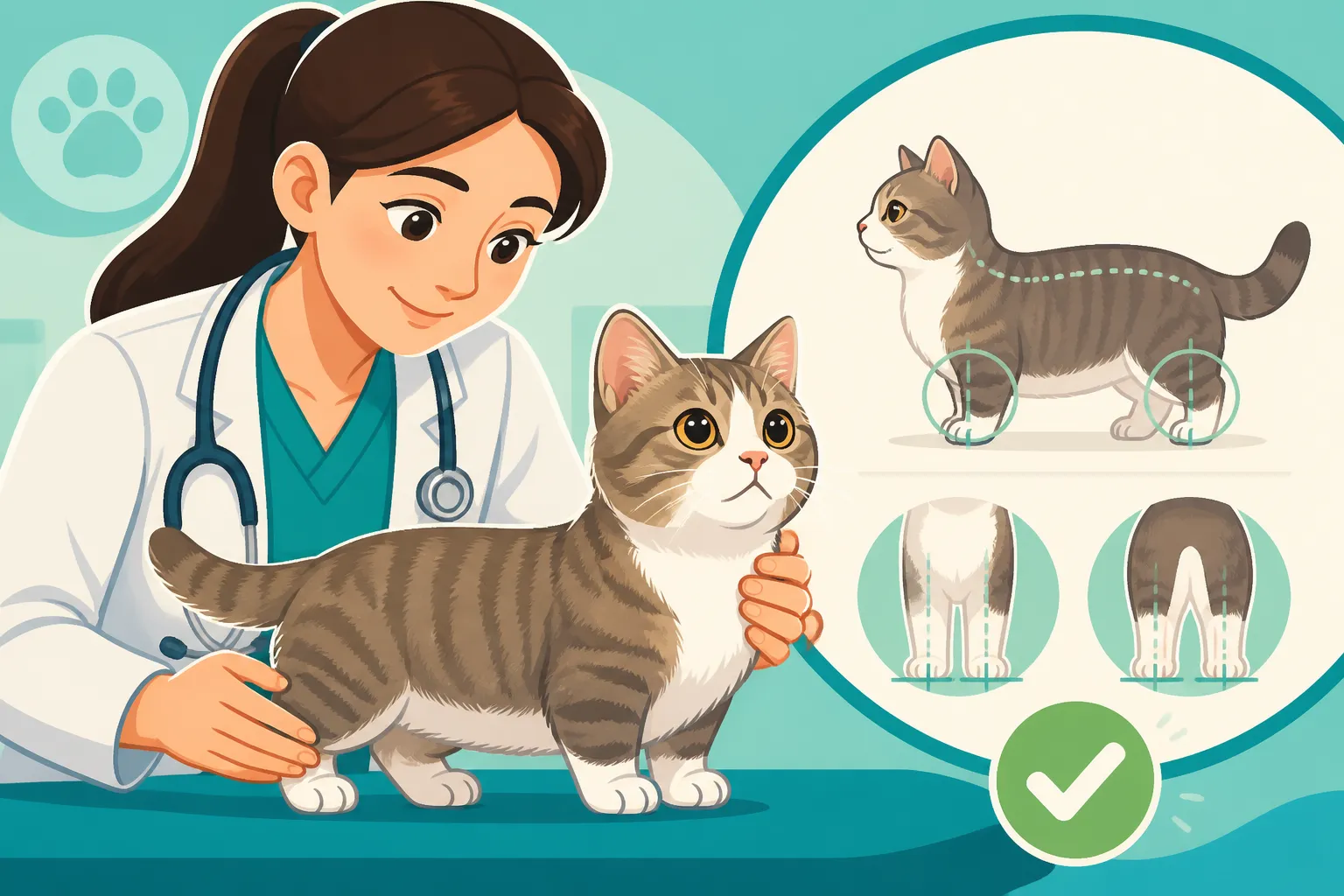
One of the first things a veterinarian will do is simply observe your Munchkin. They'll watch how your cat walks, runs, and interacts with its environment. This visual assessment, often called a gait analysis, is incredibly telling. A healthy Munchkin should move freely and easily, without any obvious stiffness, limping, or awkwardness. They'll look for symmetry in movement and how the weight is distributed across all four limbs. For instance, a vet will note if your Munchkin favors one leg, appears to drag its hindquarters, or has an unusual bunny-hopping gait, which might signal discomfort. They'll also pay attention to how a Munchkin uses its furniture as a staircase, climbing onto low objects with surprising ease, which is a normal behavior. Any sign that the cat is hesitant to move, jump even small heights, or appears unbalanced could be a red flag. The way a Munchkin’s walk is described as a ferret's is a common, but not medical, observation of their unique, low-slung movement.
Palpation and Range of Motion Checks
After the visual observation, your vet will perform a hands-on examination, or palpation, of your Munchkin's legs and joints. This involves gently feeling the bones and joints from the shoulder and hip down to the paws. They'll be checking for several things:
- Muscle Tone: Are the leg muscles well-developed and firm, indicating good strength and use?
- Joint Stability: Do the joints feel stable, without any excessive looseness or crepitation (a crackling sound or feeling) that could suggest issues like arthritis or subluxation?
- Pain Response: The vet will gently manipulate each joint through its natural range of motion, observing your cat for any signs of discomfort or pain, such as flinching, vocalizing, or pulling away.
- Swelling or Heat: Any unusual swelling or warmth around a joint could indicate inflammation or injury.
- Bone Alignment: They'll carefully feel the alignment of the bones in the legs, noting any abnormalities. This is particularly important for checking if a Munchkin's front legs look bowed, which can sometimes be a breed characteristic, but needs to be assessed to ensure it's not causing joint strain.
The goal is to ensure that while the legs are short, the joints themselves are healthy and allow for a full, pain-free range of motion. This thorough physical exam helps the vet identify any subtle issues that might not be apparent during a casual observation.
Specific Checks for Common Munchkin Concerns
Munchkins, like any breed with unique physical traits, can be predisposed to certain conformational issues. Your vet will pay special attention to these areas:
- Leg Length and Symmetry: While it's common for Munchkin's legs to be short, a vet will assess whether all four Munchkin legs are equally short. Significant discrepancies in leg length can affect gait and put undue strain on the spine and other joints. They will measure or visually estimate how short a Munchkin's legs actually are, comparing them to the cat's body length.
- Bowing of the Forelegs: Some Munchkins may have a slight bowing of their front legs. The vet will determine if this bowing is within the normal, functional range for the breed or if it's severe enough to be considered a defect that could cause future problems. They might consider whether a Munchkin's bowing is a fault or a defect, differentiating between a cosmetic trait and a health concern. Excessive bowing can alter joint mechanics and lead to premature arthritis.
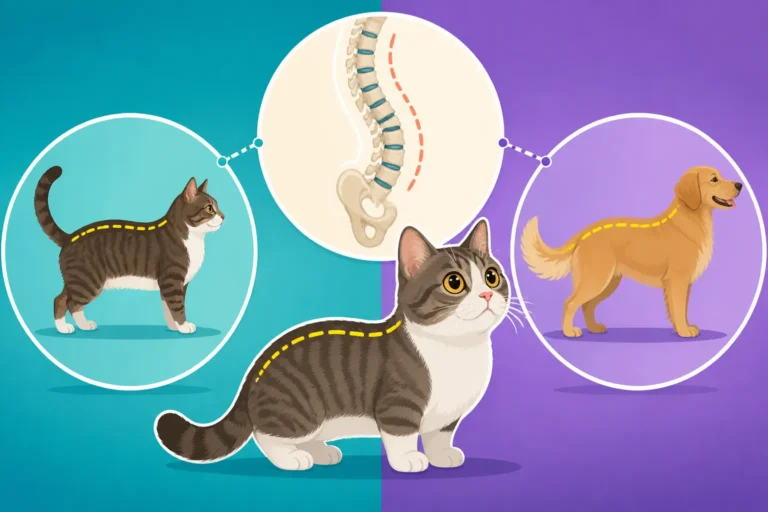
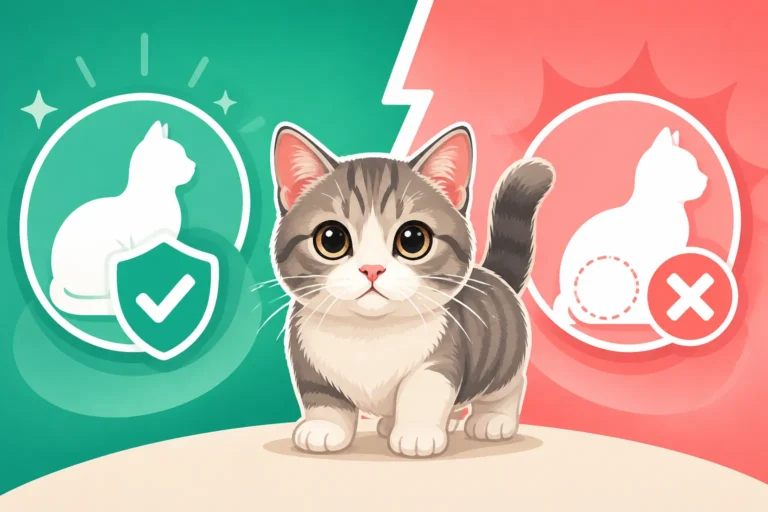
- Spinal Conformation: While the Munchkin's short legs are the most obvious trait, their spine carries a load a normal cat's does not due to the altered leg structure. The vet will carefully palpate the spine along its entire length, looking for any signs of abnormalities like lordosis, which is an excessive inward curvature of the spine. What Lordosis Actually Is in a Munchkin is a crucial part of their assessment, as severe cases can compress internal organs and impact a cat's quality of life. The vet will assess how early lordosis shows in a Munchkin kitten, as early detection allows for better management. They might gently press along the spine to feel for any tenderness or unusual bumps.
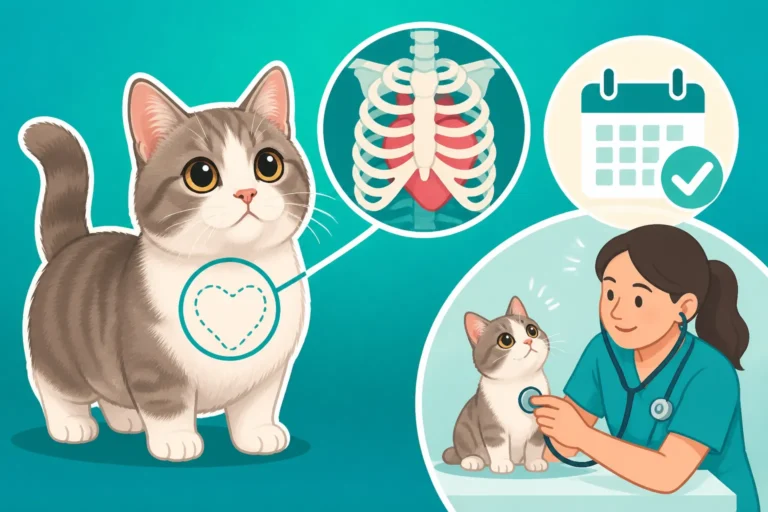
- Pectus Excavatum: This condition, also known as a sunken chest, is where the sternum (breastbone) is abnormally sunken inwards. While not directly related to leg conformation, it's a condition sometimes seen in Munchkins and will be part of a thorough physical exam. What a sunken chest feels like on a Munchkin kitten is something a vet can identify early on. They will assess how pectus excavatum affects a Munchkin's breathing and overall health.
By focusing on these specific areas, your vet can provide a comprehensive assessment of your Munchkin's musculoskeletal health, addressing both the visible and less obvious implications of their unique genetic makeup.
Advanced Diagnostics and Long-Term Monitoring
Sometimes, a physical exam isn't enough, or a vet might want to monitor a Munchkin's leg and spinal health over time. This is where advanced diagnostics and consistent check-ups come into play.
When X-Rays and Imaging Are Necessary
If your veterinarian detects any abnormalities during the physical exam, such as lameness, persistent pain, an unusual gait, or suspected spinal issues, they may recommend imaging tests. X-rays are the most common diagnostic tool for assessing bone and joint health.
Here's what X-rays can reveal:
- Bone Structure: X-rays provide detailed images of the bones, allowing the vet to evaluate the length and shape of the limb bones, identify any deformities, or assess the severity of bowing.
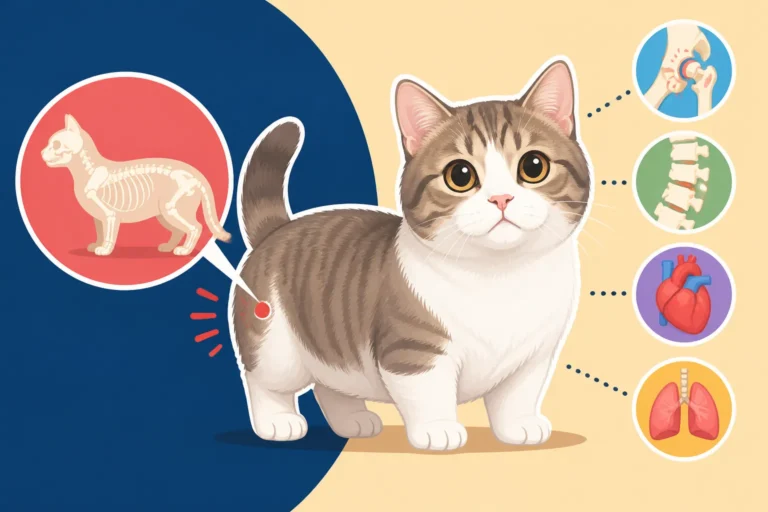
- Joint Integrity: They can show the joint spaces, detect signs of arthritis, or confirm conditions like hip or elbow dysplasia, although these are not specifically more prevalent in Munchkins than in other cat breeds.
- Spinal Health: X-rays are essential for diagnosing spinal conditions like lordosis or scoliosis (a sideways curvature of the spine). They can show the extent of the curvature and whether it's impacting the chest cavity or abdominal organs. When a Munchkin should have its spine imaged is a conversation you'll have with your vet, especially if concerns arise.
- Growth Plate Status: In kittens, X-rays can help assess the condition of growth plates, ensuring proper bone development.
In more complex cases, or if soft tissue damage (like ligaments or tendons) is suspected, your vet might suggest other advanced imaging techniques like MRI or CT scans. These provide even more detailed views of the musculoskeletal system, helping to pinpoint the exact nature and extent of any issues. It’s important to remember that these are usually reserved for when a specific problem is suspected, rather than routine screening, though some breeders might opt for screening before purchase.
The Role of Regular Check-ups and Early Detection
Regular veterinary check-ups are absolutely vital for Munchkin cats, perhaps even more so than for conventionally-legged breeds, due to their unique conformation. These routine visits are not just about vaccinations; they are critical opportunities for early detection and preventative care.
During these check-ups, your vet will:
- Monitor Growth and Development: For kittens, they'll ensure the legs and spine are developing correctly and look for any early signs of issues that might arise as the kitten grows. Why a Munchkin kitten needs an early vet check is paramount for establishing a baseline of health.
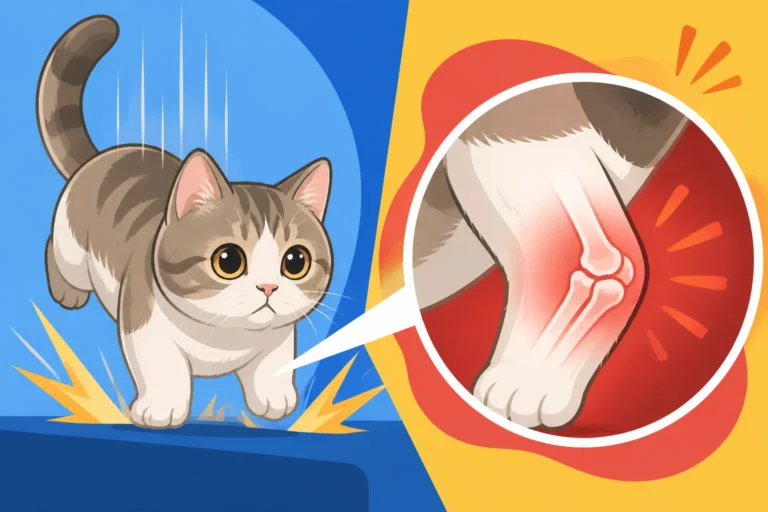
- Assess Mobility: They'll continuously monitor your adult Munchkin's gait and activity levels. Changes in how your cat moves or its willingness to jump can be subtle indicators of pain or joint problems.
- Evaluate Joint Health: As Munchkins age, their joints, especially in the shoulders and elbows, can experience more wear and tear due to their unique weight distribution and lower center of gravity. Regular palpation helps catch early signs of arthritis. How often a healthy adult Munchkin needs checking often includes a focus on joint health, sometimes including discussion about joint supplements.
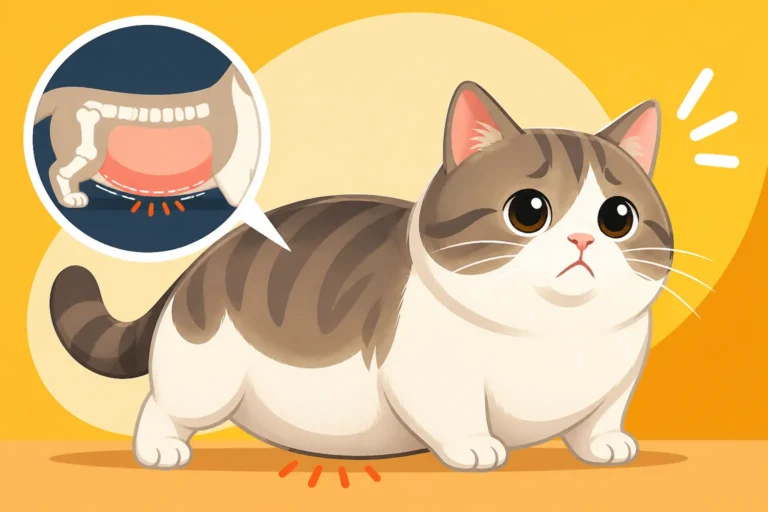
- Weight Management: Maintaining a healthy weight is incredibly important for Munchkins. Every extra pound places additional strain on their short legs and spine. Your vet will help you monitor their body condition score and advise on appropriate nutrition. Why weight is more dangerous on a Munchkin is a key topic for discussion during these visits.
- Owner Education: Your vet is your best resource for understanding your Munchkin's specific needs. They can provide advice on home adaptations, exercise routines, and supplements that can support your cat's long-term health. They can also explain what a Munchkin breeder should be able to show you regarding health screenings of the parents.
Considering pet insurance from companies like Healthy Paws can be a wise decision for Munchkin owners. While pre-existing conditions are typically excluded, having coverage in place before any conformational issues are diagnosed can provide peace of mind and financial assistance for diagnostic tests, treatments, or even physiotherapy down the line. Early and consistent vet care, combined with a proactive approach, can significantly contribute to your Munchkin living a long, comfortable, and happy life.
Interpreting Vet Findings and Next Steps
Once your vet has completed their assessment, they'll share their findings with you. Understanding what these findings mean and what steps to take next is crucial for providing the best care for your Munchkin.
Understanding Grades of Conformation
Veterinarians often use a grading system, or simply descriptive language, to categorize the severity of any observed conformational issues, particularly for conditions like lordosis or pectus excavatum. While there isn't a universally standardized grading system specifically for Munchkin leg length, the assessment focuses on functionality and potential impact on quality of life.
- Excellent/Good Conformation: This indicates that while your Munchkin has the characteristic short legs, there are no significant abnormalities in bone structure, joint health, or spinal alignment that would compromise their mobility or cause pain. The cat moves freely, all joints have a good range of motion, and there are no signs of discomfort. This is the ideal scenario, and these cats typically thrive with appropriate home adaptations.
- Mild Conformation Issues: This might refer to slight bowing of the front legs that isn't causing immediate problems, or a very minor degree of lordosis that doesn't affect organ function. In these cases, the vet might recommend close monitoring, weight management, and specific environmental enrichment (like ramps instead of jumping) to prevent the issue from worsening over time. They might discuss if a Munchkin with mild lordosis should be bred, often advising against it to avoid passing on potential issues.
- Moderate to Severe Conformation Issues: This is where the vet identifies more significant concerns, such as pronounced bowing causing joint strain, a noticeable limp, or a moderate to severe lordosis affecting breathing or digestion. These situations often require a more active management plan. This could involve pain medication, joint supplements, physical therapy, or even surgical intervention in extreme cases to improve the cat's comfort and quality of life. The question of whether a Munchkin is in pain from its legs is paramount here, and your vet will guide you on how to recognize and manage any discomfort.
Your vet will explain their findings clearly and answer any questions you have. Don't hesitate to ask for clarification or to discuss all available options.
Living with a Munchkin's Unique Physiology
Regardless of your Munchkin's specific conformation assessment, living with a short-legged cat means making certain adaptations to your home and lifestyle to ensure their comfort and safety. This is where the statement "With a Munchkin the house changes, not the cat" truly comes into play.
- Environmental Adjustments:
- Ramps and Steps: This is perhaps the most crucial adaptation. Provide ramps and steps for your Munchkin to access furniture like sofas, beds, and windowsills. This prevents them from repeatedly jumping down, which can put strain on their spine and joints over time. Ramps and steps are Munchkin equipment, not luxuries.
- Low-Entry Litter Boxes: A Munchkin needs a litter box it can walk into easily. High-sided boxes can be a real struggle and may lead to accidents outside the box. A senior cat litter box suits a Munchkin perfectly.
- Raised Food and Water Bowls: To prevent your Munchkin from straining its neck and shoulders, especially during growth or if any spinal issues are present, consider using raised food and water bowls. Why a Munchkin's food and water belong at floor level is a common misconception; slightly raised bowls are often better.
- Safe Play Areas: Provide plenty of floor-level toys and enrichment. While Munchkins are surprisingly agile, encourage games that don't involve high jumps.
- Weight Management: This cannot be stressed enough. Keeping your Munchkin at a lean, healthy weight is the single most impactful thing you can do to protect their joints and spine. Why weight control is the whole Munchkin care plan is a message you'll hear repeatedly from vets. Discuss appropriate diet and portion control with your vet.
- Grooming Assistance: Due to their short legs and flexible spines, some Munchkins can struggle to groom their hindquarters effectively. Be prepared to help with regular brushing, especially for longhaired Munchkins, and potentially even a sanitary clip if matting becomes an issue. Grooming the half of a Munchkin it cannot reach is a routine part of ownership.
- Regular Vet Check-ups: Continue with your regular vet visits, as discussed, paying close attention to any changes in your cat's mobility or behavior. Your vet can advise on which joint supplements suit a Munchkin as they age.
- Observation and Awareness: Be observant of your Munchkin's habits. Does it hesitate before jumping? Is it moving slower than usual? Does it vocalize when touched in certain areas? These subtle cues can indicate pain or discomfort and warrant a vet visit.
By proactively adapting your home and being vigilant about your Munchkin's care, you can help them navigate their unique physiology with comfort and joy.
Disclaimer
This article is intended for informational purposes only and does not constitute professional veterinary advice. Always consult with a qualified veterinarian for any health concerns or before making any decisions about your pet's medical care or treatment.