Whether a Munchkin Should Be Neutered Early
Bringing a new Munchkin kitten into your home is such an exciting time, but it also comes with a lot of questions, especially around their healthcare. One common concern that pops up for many new Munchkin parents is when the best time is to get their little one spayed or neutered. With their unique physique, it's natural to wonder if the standard recommendations apply or if there are special considerations. This guide will help you navigate the nuances of early neutering for your short-legged companion, ensuring you make the most informed decision for their lifelong health and happiness.
Standard Spay/Neuter Timing for Feline Friends
For a long time, the advice given to cat owners about spaying or neutering their furballs was pretty consistent: wait until they were around six months old. This guideline wasn't just pulled out of thin air; it had some solid reasoning behind it that’s worth exploring, even as modern veterinary practices evolve.
Traditional Recommendations and Their Rationale
Historically, the six-month mark was seen as the sweet spot. By this age, most cats are nearing sexual maturity but haven't typically entered their first heat cycle (for females) or started serious territorial marking (for males). The primary driver behind this timing was, and still largely is, population control. An unspayed female cat can produce multiple litters a year, leading to countless unwanted kittens. Neutering males prevents them from contributing to this cycle. Beyond population control, there were also health benefits to consider. Spaying females before their first heat dramatically reduces the risk of mammary cancer, which can be aggressive and life-threatening. It also eliminates the risk of pyometra, a severe uterine infection. For males, neutering can prevent testicular cancer and some prostate issues, though these are less common. The idea was to hit that balance where the cat was mature enough to handle the surgery, but not so mature that they'd already started developing certain health or behavioral problems.
The Rise of Early-Age or Pediatric Neutering
Fast forward a bit, and veterinary science started to explore the benefits of performing these procedures even earlier, a practice known as early-age or pediatric neutering. This typically refers to spaying or neutering kittens between eight and sixteen weeks of age, well before that traditional six-month benchmark. The movement gained significant traction, especially in shelter environments, as a highly effective way to combat pet overpopulation. Kittens could be sterilized before they were adopted out, guaranteeing they wouldn't contribute to future unwanted litters.
From a surgical standpoint, it was observed that younger kittens often have quicker recovery times. Their tissues are more pliable, and they tend to bounce back from anesthesia with less discomfort and fewer complications than older cats. The procedure itself is often less invasive due to smaller organs and less fat around the reproductive tract. For the individual pet, it means a shorter period of recovery and less time spent in a surgical cone. Emotionally, it can be less stressful for a tiny kitten to undergo surgery before developing the full awareness and anxieties an older cat might experience. Plus, earlier neutering can prevent the onset of undesirable behaviors like spraying or intense heat cycles, leading to a calmer, more settled pet from the get-go.
Potential Drawbacks of Very Early Neutering
While the benefits of early-age neutering are compelling, it's also important to have a balanced view and acknowledge any potential concerns. For a time, there were discussions and studies looking into whether neutering too early could affect a cat's skeletal development or urinary tract health. The theory was that removing sex hormones earlier might delay the closure of growth plates in bones, potentially leading to longer limbs in some breeds, or that it might impact the development of the urethra, making males more prone to urinary blockages later in life.
However, the vast majority of current veterinary research indicates that for cats, these concerns are largely unfounded or minimal compared to the proven benefits. Most studies have shown no significant negative impact on long-term health, behavior, or skeletal development when neutering is performed between 8 and 16 weeks. The consensus among many veterinary organizations is that the benefits of early-age neutering far outweigh the risks, especially when performed by an experienced veterinary team. It's always a good idea to discuss the latest research and specific recommendations with your trusted veterinarian, as they can provide the most current and relevant information.
Specific Considerations for Munchkin Cats
When it comes to our short-legged Munchkin friends, the conversation around neutering timing often includes an extra layer of thought. Their unique genetics and physical structure mean that while they are still very much cats, some aspects of their care might warrant a closer look.
The Munchkin's Unique Physiology and Anesthesia
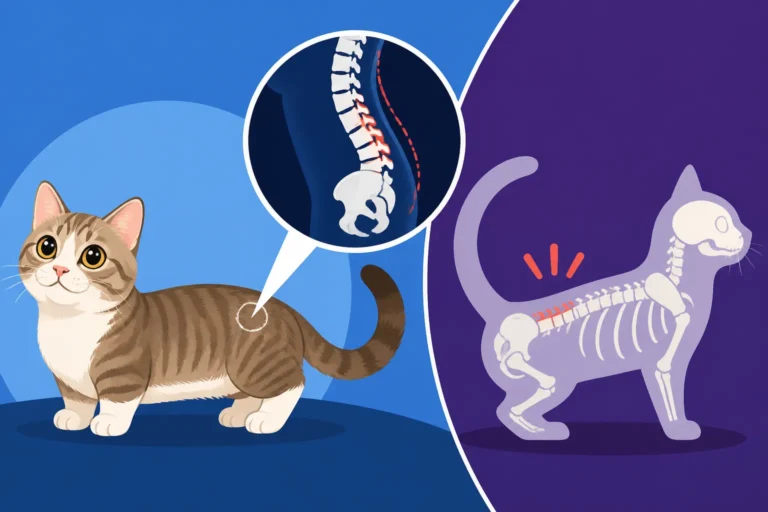
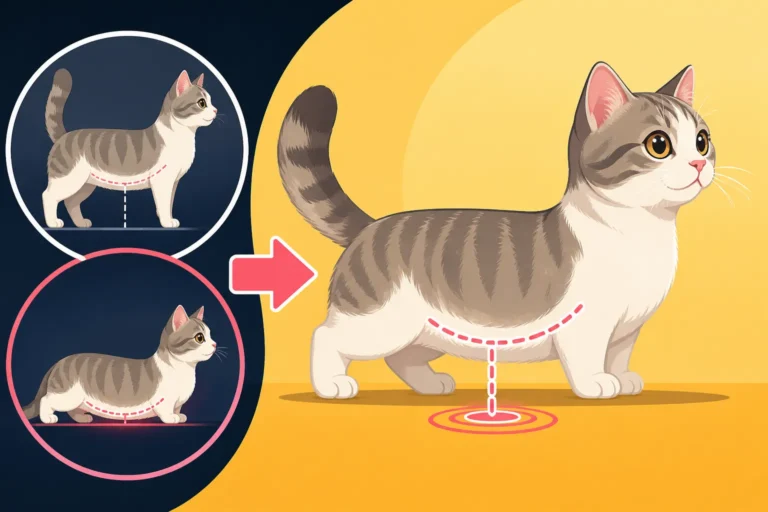
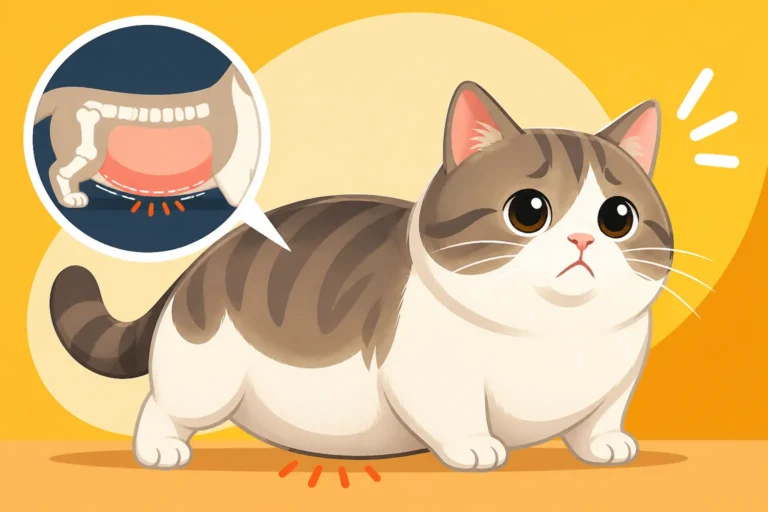
One of the primary concerns for any surgical procedure, including neutering, is anesthesia. For Munchkin cats, their distinctive short legs don't inherently make them a higher anesthetic risk than a cat with normal leg length. However, their unique body structure can sometimes present specific considerations for the veterinary team. For instance, some Munchkins can be prone to conditions like Lordosis Is the Spinal Curve the Munchkin Argument Is About or Pectus Excavatum and the Munchkin's Sunken Chest. While not every Munchkin will have these, a good pre-surgical examination will assess these factors. If your Munchkin has a severe case of lordosis, which is a curvature of the spine, or pectus excavatum, a sunken chest, the vet might need to adjust their positioning during surgery to ensure comfort and proper breathing. They'll also carefully monitor vital signs and oxygen levels throughout the procedure, just as they would with any cat, but with a heightened awareness of these potential structural differences. It's really about ensuring the veterinary team is fully aware of your Munchkin's specific health profile so they can tailor the anesthetic protocol accordingly. This collaborative approach ensures your cat is Whether a Munchkin Is a Normal Anesthetic Risk and has the safest possible experience.
Impact on Growth and Joint Health
The defining characteristic of a Munchkin cat is their disproportionate dwarfism, technically known as pseudoachondroplasia, which results in their short legs. This condition specifically affects the long bones in their limbs, while their spine and body length remain normal. You can learn more about this in What Pseudoachondroplasia Does to a Munchkin's Legs. There was a period of concern that early neutering, which can influence the timing of growth plate closure, might have a different or exacerbated effect on breeds with skeletal differences. The thought was that if growth plates closed later, it could put additional stress on the joints of a cat with already shortened limbs, potentially leading to earlier onset or more severe joint issues.
However, current veterinary understanding generally doesn't support a significant negative impact of early neutering on Munchkin joint health. The genetic mutation responsible for their short legs is distinct from the hormonal influences on growth plate closure. While all cats, including Munchkins, can develop osteoarthritis as they age, especially in weight-bearing joints like the shoulders and elbows (see How Osteoarthritis Shows in a Munchkin's Shoulders), there isn't clear evidence to suggest that early neutering specifically increases this risk in Munchkins more than in other breeds. The key for Munchkins, regardless of neutering age, is maintaining a healthy weight and providing an enriched environment that supports their mobility without undue strain. Your vet will always consider their overall orthopedic health during pre-surgical assessments.
Behavioral Benefits and Challenges
Just like any other feline, Munchkins can benefit significantly from neutering in terms of behavior. Unneutered male cats are much more likely to spray urine to mark their territory, a behavior that is both frustrating for owners and often difficult to fully eliminate once established. They are also more prone to roaming in search of mates, increasing their risk of injury or getting lost. Intact males can also display more aggression towards other cats. Spaying female Munchkins eliminates the distress and noisy vocalizations associated with heat cycles, preventing unwanted pregnancies entirely. These behavioral changes are not unique to Munchkins; they are universal feline responses to reproductive hormones.
For a Munchkin, whose physical limitations mean they might be less able to escape dangerous situations or defend themselves against larger animals, reducing the urge to roam can be an even greater benefit. They also can't easily climb to safety if they encounter a threat. Therefore, preventing these hormonally driven behaviors is a major plus for a Munchkin's safety and well-being. The lack of specific behavioral challenges unique to neutering a Munchkin, when weighed against these universal benefits, generally tips the scales in favor of the procedure.
Making the Informed Decision for Your Munchkin
Deciding when to neuter your Munchkin is a personal choice, but it's one that should always be made in close consultation with your trusted veterinary professional. They are your best resource for tailored advice based on your individual cat's health.
Consulting Your Veterinarian
This cannot be stressed enough: your veterinarian is your primary partner in your Munchkin's health journey. When considering neutering, schedule a comprehensive visit specifically to discuss the timing. This appointment should include a thorough physical examination of your Munchkin. Your vet will assess their overall health, body condition, and specifically evaluate their skeletal structure, looking for any signs of conditions like lordosis or pectus excavatum. They will also palpate their spine, paying attention to any abnormalities. You should also bring up any concerns you might have or any observations about your kitten's mobility or behavior.
A good vet will take the time to explain the pros and cons of early-age neutering versus waiting, specifically in the context of your Munchkin's unique physiology. They might suggest a specific age range based on their growth and development. For instance, Why a Munchkin Kitten Needs an Early Vet Check is crucial to identify any potential issues early on. During What a Munchkin Kitten's First Exam Should Cover, your vet will look for signs that could influence surgical timing or anesthetic protocols. Don't hesitate to ask questions about their experience with Munchkin cats or other dwarf breeds. An open dialogue ensures you feel confident in the decision you make together.
Preparing for the Procedure
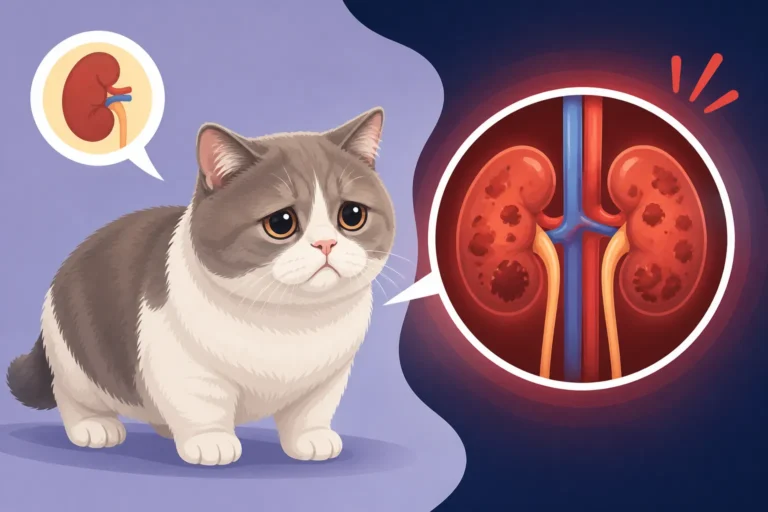
Once you and your vet have decided on the optimal timing for your Munchkin's neutering, preparation is key for a smooth experience. Most vets will recommend pre-surgical bloodwork, especially for younger kittens, to ensure their liver and kidneys are functioning properly and that they can safely metabolize anesthesia. This is a vital step in minimizing risks. You'll usually be instructed to withhold food for a specific period before the surgery, typically 8-12 hours, but water can usually be offered until a few hours beforehand. Your vet will give you precise instructions.
On the day of surgery, your Munchkin will be checked in, and the veterinary team will walk you through the process, answer any last-minute questions, and discuss pain management protocols. After the procedure, you'll receive detailed instructions for post-operative care. This will include keeping your Munchkin warm, confined, and preventing them from licking or chewing at the incision site (often with a "cone of shame" or a surgical suit). For a Munchkin, ensure their recovery area is easily accessible, perhaps on the floor, without any need for jumping. Make sure their litter box has a low entry point. Close monitoring for appetite, urination, bowel movements, and incision appearance is crucial. If anything seems off, contact your vet immediately.
Monitoring Post-Neutering Health
The period immediately following neutering is important for healing, but monitoring your Munchkin's health extends beyond that. One of the most common post-neutering changes in cats is a tendency towards weight gain. With the removal of sex hormones, their metabolism can slow down, and their appetite might increase. For a Munchkin, maintaining an ideal body weight is absolutely paramount due to the extra strain excess weight puts on their short legs and spine. Why Weight Is More Dangerous on a Munchkin cannot be overstated. Even a small amount of extra weight can significantly increase the load on their joints, potentially leading to discomfort or accelerating the onset of arthritis.
You'll need to carefully monitor your Munchkin's food intake and activity levels. Your vet can advise you on appropriate calorie intake for a neutered cat and recommend a specific diet, perhaps one formulated for weight management. Regular weigh-ins at home are a great idea. Beyond weight, continue to observe their mobility. While neutering isn't typically linked to spinal issues, keeping an eye on their gait and comfort level as they move is always wise, especially as they get older. Regular check-ups with your vet for How Often a Healthy Adult Munchkin Needs Checking will ensure any concerns are caught early.
Financial and Ethical Aspects of Munchkin Neutering
Making decisions about your Munchkin's health also involves practical considerations like cost and thinking about the broader implications of breeding.
Costs and Insurance Coverage
The cost of neutering a Munchkin can vary significantly based on your geographic location, the veterinary clinic, and any additional services like pre-surgical bloodwork, pain medication, or specialized anesthetic monitoring. On average, you can expect to pay anywhere from a few hundred dollars to upwards of $500, especially if there are any unforeseen complications or if your vet recommends additional pre-screening, such as spinal X-rays, which you can learn about in What Spinal X Rays Cost for a Munchkin. This upfront cost can sometimes be a barrier for owners, which is why pet insurance is often a wise investment.
Many pet insurance providers, like Healthy Paws, offer policies that cover unexpected illnesses and accidents. While routine neutering is usually not covered by basic accident/illness policies (as it's considered a preventative or elective procedure), some wellness plans or comprehensive policies might offer partial reimbursement. More importantly, having pet insurance in place before any health conditions arise can be invaluable. If your Munchkin were to develop joint issues or other health problems later in life, and these were not pre-existing conditions at the time of enrollment, a good policy from Healthy Paws could help cover the costs of diagnostics, treatments, and ongoing care, easing the financial burden significantly. It's always best to research different providers and their coverage details to find a plan that suits your needs.
The Breeder's Perspective and Contractual Obligations
Responsible Munchkin breeders are deeply invested in the health and welfare of the kittens they produce and the long-term integrity of the breed. For this reason, nearly all reputable breeders will sell their Munchkin kittens with a strict spay/neuter contract. This contract legally obligates the new owner to have the kitten sterilized by a certain age, often between 4 to 6 months. The timing is usually specified to ensure the kitten has reached a certain level of maturity but is still young enough to prevent accidental breeding.
These clauses are in place for several crucial reasons. Firstly, they prevent backyard breeding and ensure that only carefully selected cats with sound health and temperament contribute to the breed's future. This is particularly important for Munchkins, where responsible breeding practices are essential to avoid health issues. For example, Why a Munchkin Contract Forbids Breeding Two Short Legs is a critical genetic principle. Secondly, it helps control pet overpopulation, as breeders want their kittens to be cherished pets, not breeding machines. Adhering to these contractual obligations is not only a legal requirement but also an ethical commitment to the breeder and the welfare of the breed. If you have any questions about the specific timing or procedure mandated by your breeder's contract, discuss it with them and your vet.
Weighing the Long-Term Benefits
When you step back and look at the bigger picture, the long-term benefits of neutering your Munchkin cat almost always outweigh any perceived, largely unproven risks associated with the timing of the procedure. For both male and female Munchkins, neutering dramatically reduces the risk of certain cancers and eliminates the possibility of life-threatening reproductive infections. It also mitigates frustrating and potentially destructive behavioral issues like spraying, roaming, and incessant vocalization during heat cycles.
By ensuring your Munchkin is neutered, you're contributing to a calmer, happier home environment, and a safer life for your cat. Fewer urges to roam mean less exposure to outdoor dangers, which is especially critical for a breed that cannot easily climb or escape quickly. Furthermore, preventing unwanted litters is a fundamental act of responsible pet ownership. Ultimately, a neutered Munchkin is typically a healthier, more settled companion, free from the stresses and health risks associated with intact reproductive organs, allowing them to fully enjoy their The Twelve to Fifteen Years a Munchkin Usually Gets with you. This comprehensive care strategy helps your little short-legged friend thrive.
| Feature | Early Neutering (8-16 weeks) | Standard Neutering (5-6 months) |
|---|---|---|
| Recovery Time | Generally quicker, less discomfort, smaller incision. | Slightly longer recovery, potentially more pain medication needed. |
| Anesthesia Risk | Generally low for healthy kittens; requires experienced vet. | Low for healthy cats; standard protocols. |
| Behavioral | Prevents onset of spraying, roaming, heat cycles entirely. | Reduces likelihood of spraying/roaming; may have already started. |
| Health Risks | Reduced risk of mammary cancer (females) and testicular cancer (males). Lower risk of pyometra. | Still reduces cancer risks, but slightly less effective if heat cycles have occurred. |
| Skeletal Growth | Current research indicates minimal to no negative impact on bone development in cats. | Minimal impact on bone development. |
| Cost | Often slightly less due to smaller patient size and quicker procedure. | Standard cost for the procedure. |
| Population | Prevents any chance of accidental breeding, especially from shelters. | Prevents breeding once performed; some might breed before if not scheduled promptly. |
Disclaimer
The information provided in this guide is for general informational purposes only and should not be considered a substitute for professional veterinary advice. Always consult with your veterinarian regarding your Munchkin cat's specific health concerns, medical conditions, and before making any decisions about their care, including surgical procedures like neutering.