The Twelve to Fifteen Years a Munchkin Usually Gets
It's completely normal to wonder about the long-term health and happiness of a Munchkin cat. With all the discussions out there, it can be really confusing to figure out what to expect. This comprehensive guide will walk you through everything you need to know about the average lifespan of a Munchkin, covering the health considerations, the role of responsible breeding, and how you can ensure your short-legged companion enjoys a full, vibrant life for many years to come.
Understanding the Munchkin's Lifespan
When you welcome a Munchkin cat into your home, you're not just getting a pet; you're gaining a family member with a unique set of needs. One of the most common questions new and prospective owners have is, "How long will my Munchkin live?" It's a valid concern, especially given the breed's distinctive genetics.
General Expectations for a Munchkin Cat
Generally speaking, a well-cared-for Munchkin cat can live a lifespan comparable to that of a typical domestic shorthair or longhair cat. We're talking about an average range of 12 to 15 years, sometimes even longer with excellent care. This might surprise some folks who have heard negative rumors, but it's the reality for many Munchkins. Their unique short legs, while certainly a defining characteristic, don't automatically cut their lives short. Just like any cat, their longevity is deeply intertwined with their genetics, environment, diet, and the quality of veterinary care they receive throughout their lives. It's about proactive management and understanding their specific predispositions.
Why the Lifespan Question Is So Common
Let's be honest, the Munchkin cat breed often finds itself at the center of a fair bit of debate. You’ve probably seen or heard the arguments online or even in discussions with well-meaning friends. This breed’s very existence, stemming from a spontaneous genetic mutation causing chondrodysplasia (dwarfism), naturally leads to a lot of questions about its health and, by extension, its lifespan. Owners often feel a weight of responsibility, wondering if their cat’s unique physical traits will lead to inevitable health problems. It's completely understandable to feel anxious about this, especially when there's so much conflicting information out there. Many veterinarians, for example, have differing opinions on the breed, leading to confusion among pet parents. This is part of the reason why understanding Why Vets Disagree About the Munchkin is so important for owners to navigate. The sheer volume of discussion, both positive and negative, makes the lifespan question a constant presence in the Munchkin community.
Factors Influencing a Munchkin's Longevity
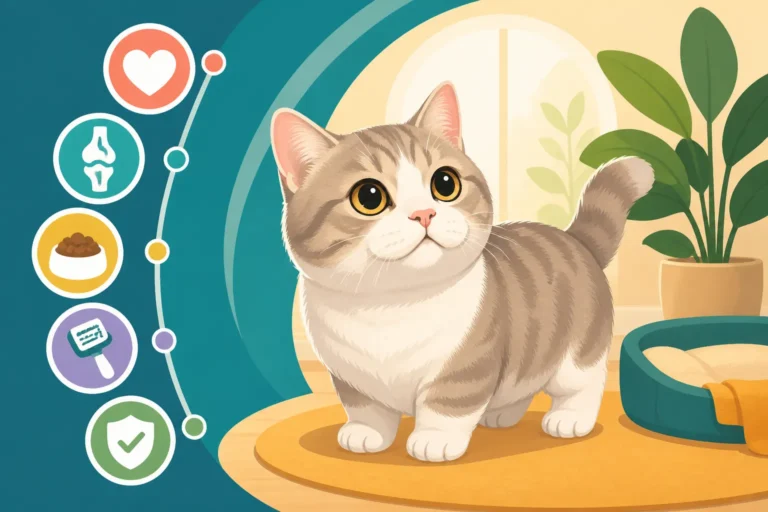
Several key factors play a massive role in how long your Munchkin will thrive. First and foremost are genetics and the breeding practices behind your cat. A Munchkin from a reputable breeder who prioritizes health screening and ethical pairings is far more likely to have a robust constitution than one from a breeder who cuts corners or knowingly breeds cats with genetic predispositions to serious health issues. Secondly, the home environment is crucial. An adapted home, one that minimizes high jumps and provides easy access to all necessary resources, reduces strain on their unique skeletal structure. Lastly, ongoing care, including a balanced diet, strict weight management, and regular veterinary check-ups, is paramount. These elements collectively form the foundation for a long and healthy life.
Common Health Concerns and Their Impact on Lifespan
While Munchkins can live long, happy lives, it's essential to be aware of certain health concerns that are more prevalent in the breed due to their unique conformation. Being informed allows you to be proactive and provide the best possible care, potentially mitigating severe outcomes.
The Reality of Spinal Issues: Lordosis and Pectus Excavatum
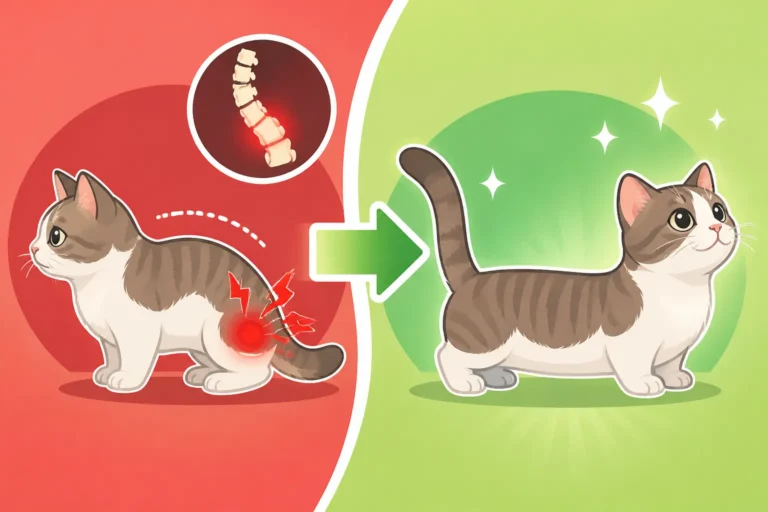
The short legs of a Munchkin mean their spine carries a load differently than a long-legged cat. Two conditions often discussed are lordosis and pectus excavatum. Lordosis refers to an excessive inward curvature of the spine, where the spine dips down, and in severe cases, it can compress internal organs like the heart and lungs. You can learn more about how this condition impacts the breed by reading Lordosis Is the Spinal Curve the Munchkin Argument Is About. While mild lordosis might not be life-threatening, severe cases can certainly lead to significant discomfort, breathing difficulties, and a considerably shortened lifespan if not carefully managed or if complications arise. Imagine your cat's internal organs being constantly squished – it's a serious issue.
Pectus excavatum, on the other hand, is a congenital deformity where the sternum and rib cage grow inward, causing a "sunken chest" appearance. This can restrict the growth and function of the heart and lungs, leading to respiratory distress, exercise intolerance, and chronic health problems. If you've ever seen a kitten struggling to breathe with this condition, it's heartbreaking. Understanding Pectus Excavatum and the Munchkin's Sunken Chest can give you a clearer picture of what to look for and how it might impact their health. Both of these conditions, if severe, can drastically reduce a Munchkin's quality of life and ultimately shorten their lifespan, making early detection and veterinary consultation absolutely critical.
Joint Health: Arthritis and Mobility
Munchkins, with their disproportionately short limbs, carry their body weight differently than other cats. This can put additional stress on their joints, particularly in their shoulders, elbows, and hips, as they navigate their world. When they jump, even from low heights, the impact on their short legs and compact joints can be more jarring. Over time, this repeated stress can lead to the earlier onset of osteoarthritis, a degenerative joint disease that causes pain, stiffness, and reduced mobility. We often see the shoulders taking a lot of the initial impact, so it's good to understand Why a Munchkin's Shoulders Wear First.
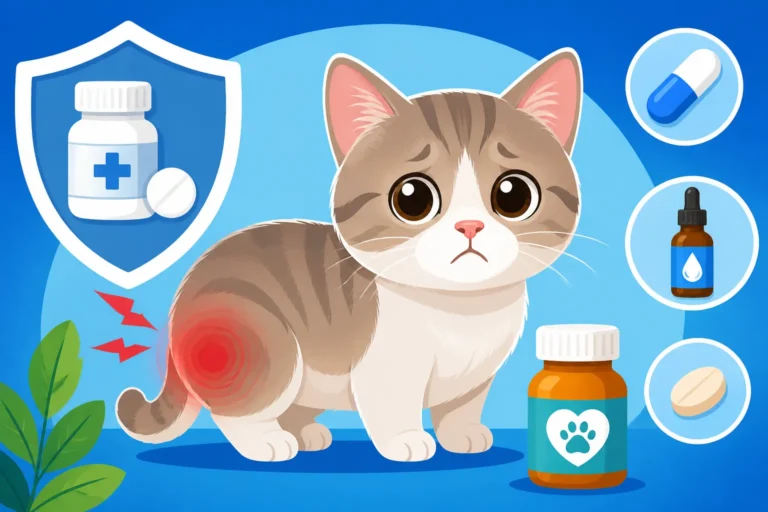
Arthritis doesn't necessarily shorten a cat's life directly, but it can severely impact their quality of life if left unmanaged. A cat in chronic pain may become withdrawn, stop playing, and struggle with basic functions like using the litter box or grooming themselves. This decreased activity can then lead to other issues, like obesity, which further exacerbates joint problems. Managing pain, providing joint supplements, and creating an accessible environment become lifelong commitments to ensure your Munchkin remains comfortable and mobile.
Weight Management: A Critical Lifespan Factor
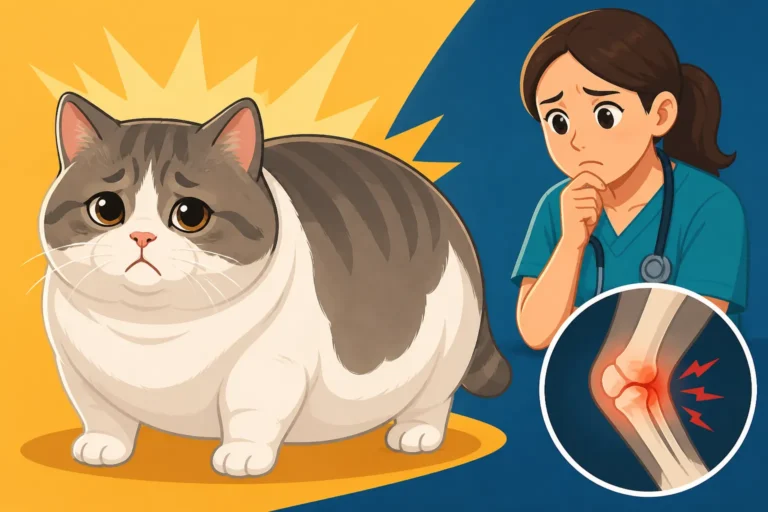
For a Munchkin cat, maintaining a healthy weight isn't just about looking good; it's absolutely paramount for their long-term health and lifespan. Their short legs and unique spinal structure are simply not designed to carry excess weight. Even a few extra pounds can put immense, unbearable strain on their spine and joints, accelerating the onset and severity of conditions like arthritis and lordosis. This is precisely Why Weight Is More Dangerous on a Munchkin than on a normal-legged cat.
Imagine trying to carry a heavy backpack all day, every day, with already compromised knees or a weak back – that's what being overweight feels like for a Munchkin. It exacerbates existing issues, leads to new ones, and severely limits their mobility, making them less active, which then contributes to even more weight gain. This vicious cycle can lead to a significantly shortened lifespan due to chronic pain, organ stress, and a dramatically reduced quality of life. Owners must be diligent about portion control, choosing appropriate food, and ensuring regular, gentle exercise to keep their Munchkin lean and active.
The Importance of Responsible Breeding for Longevity
The foundation of a healthy, long-lived Munchkin cat truly begins with responsible breeding practices. It's not just about getting a cute kitten; it's about ensuring that kitten has the best possible start in life, free from preventable genetic health issues.
Understanding the Munchkin Gene and Breeding Practices
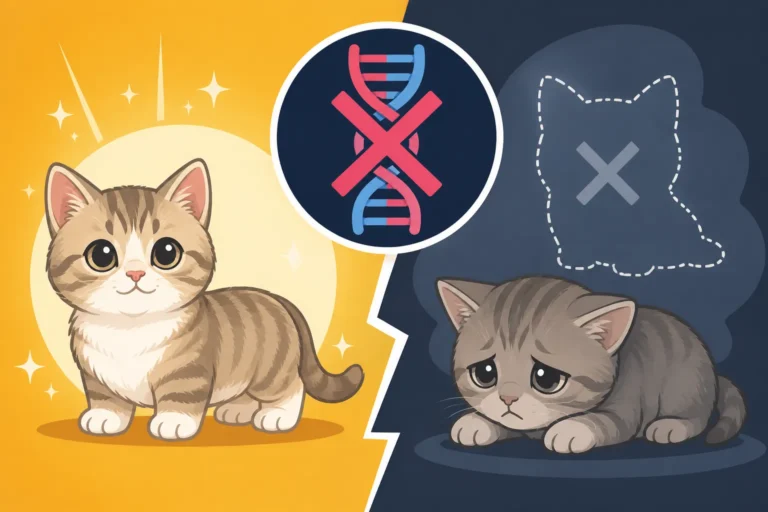
The short legs that define the Munchkin breed are the result of an autosomal dominant gene. This means that only one copy of the gene is needed for a cat to display the short-legged trait. However, there's a critical caveat: if an embryo inherits two copies of this dominant gene, it is lethal, and the embryo does not survive. This is why Munchkin Dwarfism Is Dominant and Lethal in Two Copies is such a crucial piece of information for breeders. Consequently, responsible breeders will never breed two short-legged Munchkins together because doing so would result in a percentage of non-viable embryos and tiny litters. Instead, a short-legged Munchkin is always bred to a cat with normal-length legs. This ensures that every short-legged kitten born receives only one copy of the gene. This breeding strategy also means that Why Every Munchkin Litter Is a Carrier Cross is essentially how the breed continues to exist. This careful approach is fundamental to maintaining the health of the breed and preventing unnecessary suffering.
What a Reputable Breeder Should Provide
When seeking a Munchkin, finding a truly reputable breeder is non-negotiable for your cat's future health. A good breeder will be transparent, knowledgeable, and genuinely invested in the well-being of their cats. They should provide comprehensive health guarantees, ensuring their kittens are free from genetic conditions like severe lordosis or pectus excavatum. This typically involves veterinary checks for all kittens before they go to their new homes, along with screening of the parent cats for any inheritable health issues.
Beyond the initial health check, they should be able to discuss the health history of their lines, answer your questions openly, and provide documentation. They won't just tell you about the cute factor; they'll talk about potential challenges and how they mitigate them. They prioritize healthy, well-adjusted kittens over extreme physical traits, meaning they might not always produce the "shortest" legs, but they'll focus on sound structure. Frankly, you should expect a breeder to be able to show you exactly What a Munchkin Breeder Should Be Able to Show You regarding health tests, parentage, and their cattery environment.
Avoiding "Designer" Crosses that Harm Health
In the world of designer cat breeds, there’s a concerning trend of "stacking mutations" – breeding Munchkins with other breeds that also carry genetic mutations for unique physical traits. The most prominent example is the Scottish Fold Munchkin, sometimes called a "Foldkin." While these combinations might create a visually striking cat, they often lead to severe and painful health problems that can significantly reduce quality of life and lifespan. The Scottish Fold gene causes osteochondrodysplasia, a condition that affects cartilage and bone development throughout the body, leading to crippling arthritis, particularly in the joints and tail.
When you combine the short legs of a Munchkin with the cartilage defects of a Scottish Fold, you're essentially compounding skeletal issues. This is why Why Munchkin Hybrids Stack Two Mutations is a serious ethical concern. Cats from such pairings often suffer from chronic pain, severe mobility issues, and require extensive veterinary care from a young age. Responsible breeding aims to improve the health and well-being of a breed, not to create novelties at the expense of an animal's comfort. Avoid any breeder promoting these double-mutant crosses, as they demonstrate a profound lack of regard for the animals' welfare.
Proactive Care for a Long and Healthy Munchkin Life
Once your Munchkin is home, the real work (and joy!) of ensuring a long, healthy life begins with consistent, thoughtful care tailored to their unique needs. It's all about making their world as easy and comfortable as possible.
Creating a Munchkin-Friendly Home Environment
Your Munchkin's home needs to be their safe haven, adapted to accommodate their short stature. This isn't about spoiling them; it's about minimizing the physical strain on their body that could lead to pain and injury over time. Ramps and steps should become standard fixtures around your house, allowing them easy, gentle access to sofas, beds, windowsills, and other elevated surfaces they might want to reach. You should look into Ramps and Steps Are Munchkin Equipment, Not Luxuries because they truly are essential.
Think about low-entry litter boxes to prevent awkward contortions and discomfort when they do their business, especially as they age or if they develop spinal issues. Avoid high furniture that requires strenuous jumps, or provide intermediate steps to break up the climb. Ensure scratch posts are horizontal or low enough for them to stretch comfortably without straining their spine. By anticipating their needs and making these simple modifications, you're not just preventing injuries; you're also fostering a sense of independence and confidence in your Munchkin. This also applies to grooming; imagine being a Munchkin and trying to twist to clean your back half! Understanding What a Munchkin Cannot Reach to Groom helps you proactively assist them, preventing matting and skin issues.
Tailored Nutrition and Exercise
When it comes to nutrition, weight management is the name of the game for Munchkins, as we've already discussed. They may not burn as many calories as a high-jumping, agile cat, so their portions need to be carefully controlled. Choose high-quality cat food that provides balanced nutrition without excessive fillers. Many owners also find value in incorporating joint-supporting supplements, such as glucosamine, chondroitin, and omega-3 fatty acids, into their Munchkin's diet from a young age. These can help support cartilage health and reduce inflammation, potentially delaying the onset or severity of arthritis. Always consult your vet before starting any supplements.
Exercise for a Munchkin looks a little different than for a standard cat. Instead of high jumps, focus on floor-level play that encourages chasing, pouncing, and exploring. Interactive wand toys, laser pointers (used carefully to avoid frustration), and puzzle feeders are excellent choices. Long play sessions on the floor not only keep them physically active but also mentally stimulated, without putting undue stress on their joints. It's crucial to know How Much Floor Level Play a Munchkin Needs to keep them engaged and prevent weight gain.
Regular Veterinary Care and Early Detection
Consistent veterinary care is undoubtedly one of the most significant contributors to a long and healthy Munchkin life. From kittenhood, regular check-ups establish a baseline for your cat's health. Your vet can monitor their growth, assess their gait, and feel for any signs of spinal abnormalities or joint issues early on. As they grow into adulthood, annual visits become crucial for preventative care, including vaccinations, parasite control, dental health checks, and a continued focus on their musculoskeletal system.
For senior Munchkins, more frequent visits might be recommended to catch age-related conditions like kidney disease, hyperthyroidism, or worsening arthritis. Early detection of any health issue, particularly those related to their spine or joints, allows for prompt intervention and management, which can dramatically improve their quality of life and potentially extend their healthy years. Many pet parents find that investing in pet insurance, like a plan from Healthy Paws, helps cover these routine check-ups and any unexpected health concerns, ensuring they can always afford the best care for their beloved Munchkin. Don't wait until there's a problem; preventative care is your best friend when it comes to Munchkin health.
Living with an Aging Munchkin
Just like any beloved pet, Munchkin cats will eventually reach their golden years. As they age, their needs will naturally evolve, and your role as a dedicated owner will become even more vital in ensuring their continued comfort and happiness.
Recognizing Signs of Aging in Munchkins
As your Munchkin cat approaches their senior years, usually around the age of 8-10, you might start noticing subtle changes in their behavior and physical abilities. They may become less enthusiastic about play, show a decreased interest in chasing toys, or simply spend more time napping. Their mobility might visibly decrease; they might struggle with jumps they once made effortlessly, or seem stiff after waking up. You might even observe them carefully testing their footing before moving. These are classic signs that it's time to start considering What an Old Munchkin Stops Being Able to Do.
Grooming habits can also change. With reduced flexibility and possible joint pain, a senior Munchkin may find it harder to reach certain areas, leading to a duller coat or matting, especially around their hindquarters. Appetite or thirst might fluctuate, and they might become more vocal or, conversely, more withdrawn. Any persistent change in their normal routine or physical comfort warrants a trip to the vet, as these can be indicators of underlying health conditions that need attention.
Adapting Care for Senior Munchkins
Adapting your care routine for a senior Munchkin is all about making their daily life as easy and comfortable as possible, minimizing strain and maximizing enjoyment. Their diet might need adjustment to a senior-specific formula that supports joint health and manages weight, as their metabolism slows. Increased grooming assistance becomes essential, especially for long-haired Munchkins, to prevent mats and ensure skin health in areas they can no longer reach.
Revisit your home environment: are ramps still at the right incline? Are litter boxes easily accessible with even lower entry points? Their favorite sleeping spots might need to be on the floor, or accessed by very gentle steps, to prevent difficult descents. Pain management, often involving prescribed anti-inflammatories or other medications from your vet, can significantly improve their comfort and mobility. The goal is to keep them moving gently and pain-free for as long as possible. Providing Caring for a Munchkin Past Ten requires a dedicated and observant owner, ready to make these necessary adjustments.
Maintaining Quality of Life in Their Golden Years
Maintaining a high quality of life for your aging Munchkin goes beyond just managing their physical ailments; it encompasses their mental and emotional well-being too. While they might not be as energetic as they once were, gentle interaction, soft toys, and puzzle feeders (if they can still manage them) can provide valuable mental enrichment. Continuing to engage with them, even with slower, more deliberate play, keeps their minds sharp and strengthens your bond.
Ensure they have warm, comfortable, easily accessible resting spots. As their mobility decreases, their world might shrink, so bring their favorite things closer to them. Spend time simply sitting with them, offering gentle pets and reassurance. Making difficult end-of-life decisions, in consultation with your veterinarian, is unfortunately part of responsible pet ownership. The focus should always be on preventing suffering and preserving their dignity, allowing them to pass peacefully when their quality of life can no longer be maintained.
Dispelling Myths About Munchkin Lifespan
There's a lot of chatter surrounding Munchkin cats, and unfortunately, this often includes myths and misinformation that can cause undue worry for prospective and current owners. It’s important to separate fact from fiction.
The Myth of "Suffering" and Shortened Lives for All Munchkins
One of the most persistent myths is that all Munchkin cats are inherently "suffering" due to their short legs, and therefore, all have significantly shortened lifespans. This is simply not true for the majority of responsibly bred Munchkins. While it's crucial to acknowledge the potential health challenges, particularly lordosis and pectus excavatum in severe cases, many Munchkins live full, active, and pain-free lives comparable to other domestic cats.
The narrative of universal suffering often stems from a misunderstanding of the condition and the conflation of ethical breeding with unethical practices that ignore health. A well-bred Munchkin, with a structurally sound spine and proper joint care, is a happy, playful, and energetic companion. They adapt to their physical differences with remarkable agility and grace. It's vital to look past broad generalizations and consider the individual cat, the care it receives, and the quality of its breeding. Many sources, including articles like How Long a Munchkin Lives, emphasize that with proper care, their lifespan is indeed within normal ranges.
Why Data Can Be Misleading or Limited
When researching Munchkin health and lifespan, you might encounter varying statistics or strong opinions, often presented as undeniable facts. However, it's critical to understand that comprehensive, long-term scientific studies specifically on Munchkin cat lifespan and breed-specific health issues are relatively limited compared to some other, older, more widely recognized breeds. This means that much of the available "data" can be anecdotal, based on small sample sizes, or come from sources with a particular agenda.
The lack of extensive breed-specific health research means that blanket statements about shortened lifespans or guaranteed health problems need to be taken with a grain of salt. Information is often drawn from general feline health studies or extrapolated from other chondrodystrophic breeds, which may not accurately reflect the Munchkin's unique situation. This is partly Why Munchkin Lifespan Data Is Thin. Without robust, peer-reviewed, large-scale studies, it's hard to make definitive, sweeping claims. This isn't to say potential issues should be ignored, but rather that critical thinking is required when evaluating sources.
The Importance of Individual Assessment
Ultimately, while breed predispositions and general statistics offer a framework, the most important factor in your Munchkin's lifespan and health is their individual assessment. Every single cat is unique. Two Munchkins from the same litter can have different health trajectories based on their specific genetic makeup, their environment, and the care they receive.
This is where your veterinarian becomes your most invaluable partner. Regular vet visits allow for continuous monitoring of your cat's specific health needs, early detection of any emerging issues, and personalized advice on diet, exercise, and preventative care. Don't rely solely on what you read online; rely on the professional opinion and ongoing observations of a vet who knows your cat. They can help you interpret any signs of discomfort, guide you through treatment options, and help you ensure your Munchkin lives the longest, happiest, and healthiest life possible.
Comparing Munchkin Lifespan Factors
To give you a clearer overview, here's a table summarizing the key factors influencing a Munchkin's lifespan and how they compare.
| Factor | Impact on Munchkin Lifespan | Comparison to Normal-Legged Cats | Proactive Owner Actions |
|---|---|---|---|
| Genetics/Breeding | High impact. Responsible breeding prevents severe conditions. | Similar for purebreds; depends on breed's genetic health. | Choose reputable breeder, understand genetic risks. |
| Spinal Health (Lordosis/Pectus) | Can be life-limiting if severe, but often manageable if mild. | Less common as general breed predispositions unless other genetic factors exist. | Regular vet checks, monitor posture/breathing. |
| Joint Health (Arthritis) | Higher risk of earlier onset due to body mechanics. | Risk increases with age, but typically later in life unless genetic or injury related. | Weight management, joint supplements, adapted environment. |
| Weight Management | Critical. Excess weight severely strains joints and spine. | Important, but less severe immediate impact on musculoskeletal system. | Strict portion control, regular weighing, appropriate diet. |
| Home Environment | Essential adaptations (ramps, steps) to prevent injury/strain. | Beneficial for all cats, but less critical for daily function. | Install ramps/steps, low-entry litter boxes, accessible perches. |
| Veterinary Care | Regular checks vital for early detection of conformation issues. | Standard annual checks for overall health. | Routine vet visits, early screening, pet insurance (e.g., Healthy Paws). |
| "Designer" Crosses | Significantly shortens lifespan and increases suffering. | Not applicable. | Avoid these crosses entirely. |
| Grooming Needs | May need assistance for hard-to-reach areas, preventing mats. | Generally more independent unless specific coat type or mobility issues. | Regular brushing, sanitary clips as needed, belly checks. |
Disclaimer
The information provided in this article is for general informational purposes only and does not constitute veterinary advice. Always consult with a qualified veterinarian regarding your Munchkin cat's specific health concerns, treatment options, and dietary needs.