Why Munchkin Hybrids Stack Two Mutations
It's incredibly frustrating when you're just trying to understand the different types of Munchkin cats out there, and you keep running into confusing terms and conflicting information, especially when it comes to "hybrids" or "designer breeds." You want to know what you're getting into, what these unique cats are all about, and most importantly, what it means for their health. This guide is here to untangle the complexities of Munchkin hybrids, particularly focusing on why breeding practices that "stack" genetic mutations can lead to unforeseen challenges and significant welfare concerns for these beloved felines.
Understanding the Munchkin's Unique Genetics
Before we dive into what happens when you combine the Munchkin's defining trait with other genetic quirks, it's essential to grasp the basics of how a Munchkin cat comes to be. It's not just a cute accident; it's a specific genetic mutation.
The Autosomal Dominant Dwarfism Gene
Every single short-legged Munchkin cat you meet carries a specific gene for dwarfism. This isn't just any dwarfism; it's what's known as pseudoachondroplasia, affecting the length of their long bones while their spine remains a normal length. This gene is autosomal dominant, meaning a cat only needs one copy of it to display the short-legged trait. This is a critical point: if a cat inherits even one copy from a parent, it will have short legs.
What's even more crucial to understand is that all living short-legged Munchkins are heterozygous for this gene. This means they inherited one copy of the short-leg gene from one parent and one normal-leg gene from the other. If a cat were to inherit two copies of the short-leg gene (a homozygous condition), the resulting embryo is non-viable and typically reabsorbs in the womb. This is why you will never find a breeder purposefully breeding two short-legged Munchkins together; it's simply unethical and results in a tragic loss of embryos. This is also why responsible breeders will educate you on Why Two Short Legged Munchkins Are Never Bred Together and will openly discuss What Happens to a Homozygous Munchkin Embryo.
The Importance of Outcrossing
Given the unique genetic situation of the Munchkin, responsible breeding practices are absolutely paramount. Since short-legged Munchkins cannot be bred to each other, they are always bred to normal-legged cats. These normal-legged cats are often domestic shorthairs or longhairs, or sometimes specific pedigreed breeds that are allowed as outcrosses by registries like TICA. This practice, known as outcrossing, is vital for several reasons.
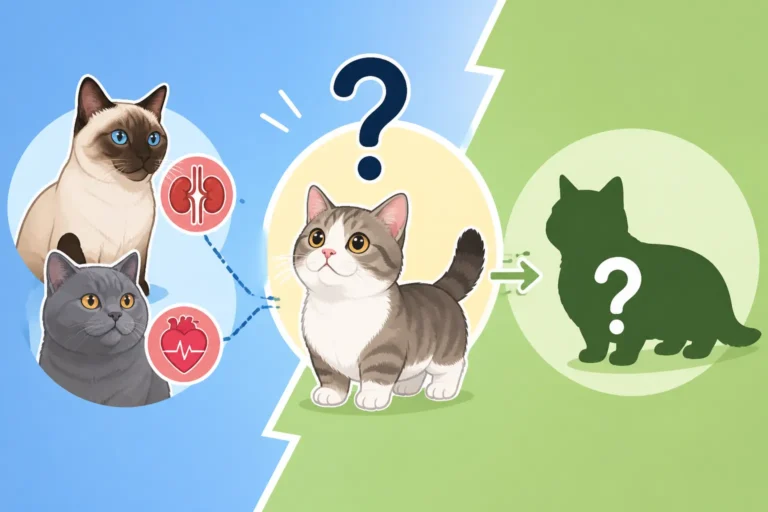
First and foremost, it ensures genetic diversity. By regularly introducing new, unrelated bloodlines, breeders help to maintain a wide gene pool, which can reduce the likelihood of other genetic health issues becoming prevalent in the breed. Without consistent outcrossing, any breed can become susceptible to problems associated with inbreeding. For the Munchkin, outcrossing is part of its very definition, as it constantly draws from a broader genetic base. It's a key factor in Why the Munchkin Gene Pool Stays Wide. The goal is always to produce healthy, vibrant short-legged offspring, without inadvertently bringing in new, compounded health issues from other breeds.
The Perils of Stacking Mutations in Munchkin Hybrids
This brings us to the core issue: the creation of Munchkin hybrids that involve combining the Munchkin's short-leg gene with another breed's defining genetic mutation. While some crosses are done simply to introduce a different coat type or color, some intentionally combine two distinct genetic conditions, often with devastating consequences for the cat's health and welfare.
What "Stacking Mutations" Actually Means
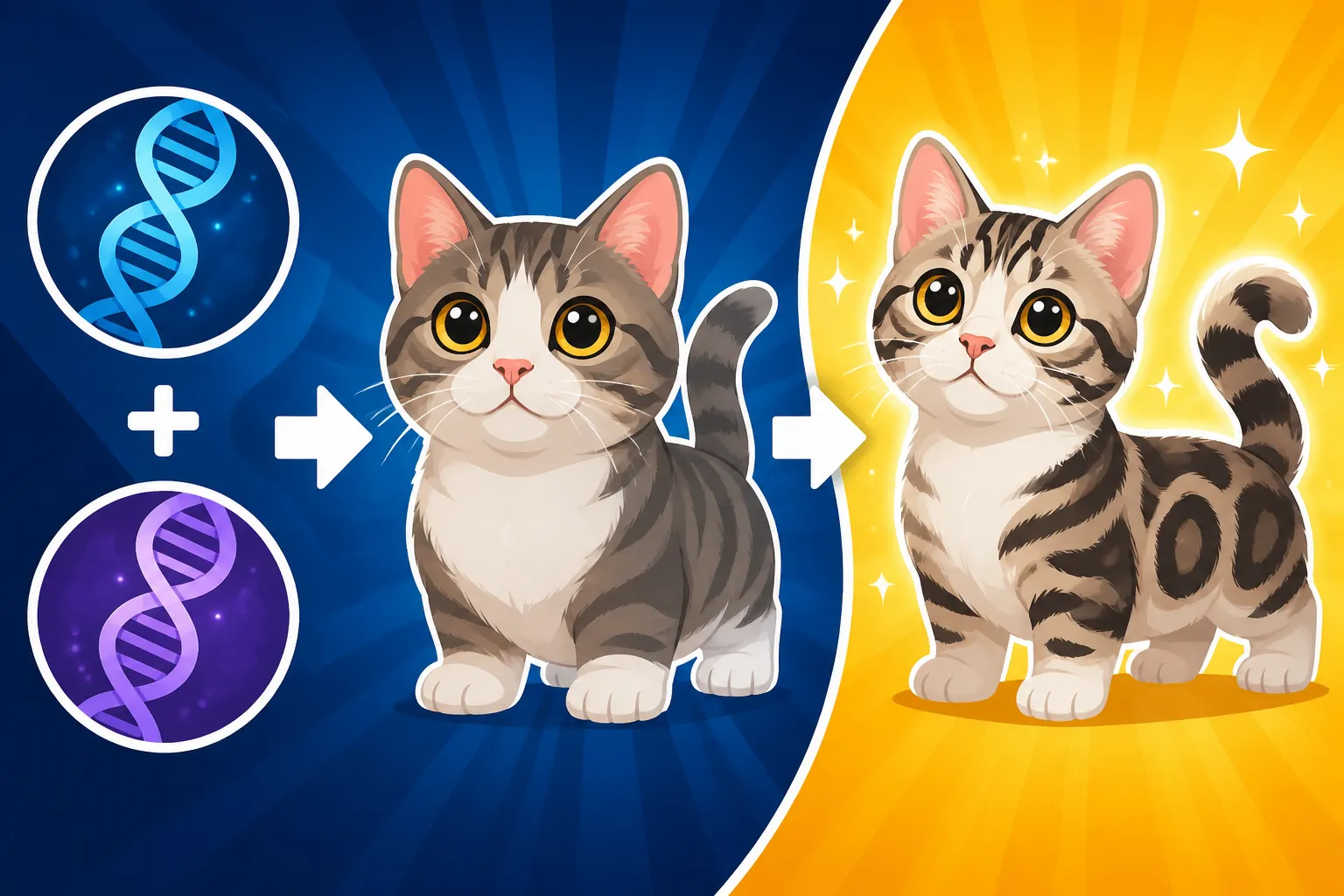
"Stacking mutations" is exactly what it sounds like: it's the practice of breeding two different cat breeds, each of which is characterized by a unique genetic mutation, with the intention of creating offspring that exhibit both mutations. For instance, if one breed has a mutation causing short legs and another has a mutation causing curled ears, a stacked hybrid would aim to have a cat with both short legs and curled ears. While this might sound interesting or "unique" from a novelty perspective, for the cat, it often means inheriting a double burden of health challenges and anatomical abnormalities.
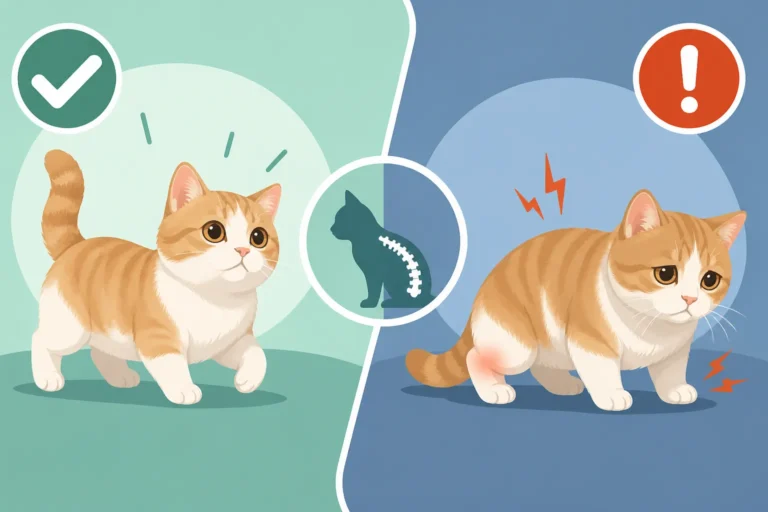
The concern isn't just about appearance; it's about how these combined mutations interact within the cat's body. Often, these mutations affect the same bodily systems, particularly the skeletal system, leading to compounded issues that can cause chronic pain, severe mobility problems, and significantly reduce the cat's quality of life. It’s a practice that many veterinarians and animal welfare organizations strongly advise against, as it prioritizes aesthetics over the animal's well-being.
Common and Concerning Munchkin Hybrid Crosses
Several Munchkin hybrid breeds exist, and some are far more problematic than others due to the specific mutations they combine.
-
Scottish Fold Munchkin (Minskin or Scottish Kilt): This is perhaps the most ethically contentious of all Munchkin crosses. The Scottish Fold breed itself is known for a genetic mutation called osteochondrodysplasia, which affects cartilage and bone development throughout the body, not just in their characteristic folded ears. This condition can lead to painful arthritis, fused vertebrae, and debilitating joint disease, often starting at a young age. When you combine this with the Munchkin's pseudoachondroplasia, you're literally stacking two skeletal mutations that both affect bone and cartilage structure. The result can be a cat with profoundly compromised mobility and chronic pain, suffering from a double dose of skeletal deformities. Responsible discussions around Whether a Scottish Fold Munchkin Should Exist highlight these serious welfare concerns.
-
Sphynx Munchkin (Bambino): The Bambino is a cross between a Munchkin and a Sphynx, resulting in a short-legged, hairless cat. While hairlessness in the Sphynx isn't a skeletal mutation, it introduces a whole host of its own unique care requirements. Sphynx cats need special attention to skin care, temperature regulation, and are prone to certain dermatological conditions. When you combine this with the Munchkin's short legs, you get a cat that might have difficulty maintaining body temperature or be more susceptible to skin injuries due to its inability to easily navigate or groom certain areas. This combination creates a cat with distinct care needs beyond what either parent breed typically requires, leading to questions like Whether a Sphynx Munchkin Faces Two Problems.
-
Other Hybrids (Minuet/Napoleon, Lambkin, Kinkalow): Many other Munchkin hybrids exist, often created by crossing Munchkins with breeds chosen for their unique aesthetic traits. For example, the Minuet (formerly Napoleon) is a cross with a Persian, combining the Munchkin's short legs with the Persian's long coat and brachycephalic (flat-faced) features, which can lead to breathing and dental issues. The Lambkin, a cross with a Selkirk Rex, adds a curly coat, while the Kinkalow, a cross with an American Curl, adds distinctive curled ears. While these latter examples may not stack skeletal mutations in the same direct way as a Scottish Fold cross, they still combine multiple unique breed traits that can collectively increase grooming demands, predispositions to certain health issues, or simply add to the complexity of their care. It's a fascinating area of discussion, exploring How Many Breeds Descend From the Munchkin and the implications for each new hybrid.
The Ethical and Health Implications for These Cats
The practice of stacking mutations, especially those affecting the same body systems, raises serious ethical questions and often leads to significant health challenges for the cats involved. As responsible cat lovers, understanding these implications is crucial.
Compounded Health Problems
When two genetic mutations are combined, the resulting health problems can be far more severe and complex than those seen in either parent breed alone. For a Munchkin, the primary concern is its unique spinal and limb structure. We know that Munchkins can be predisposed to certain conditions like lordosis (an inward curvature of the spine) and pectus excavatum (a sunken chest), even without additional mutations. The specific concerns about Which Health Problems the Munchkin Actually Has are often amplified in hybrids.
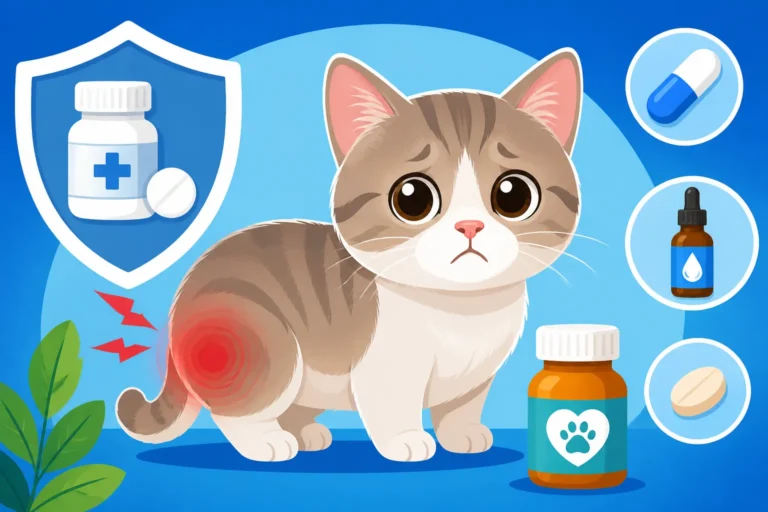
Consider a Scottish Fold Munchkin: this cat is battling both the Munchkin's pseudoachondroplasia and the Scottish Fold's osteochondrodysplasia. This means their cartilage and bone development is abnormal from two different genetic angles. This can lead to excruciatingly painful and early-onset arthritis, severe joint deformities, and spinal issues that compromise not only mobility but also organ function. Managing such conditions often requires a lifetime of pain medication, specialized diets, physical therapy, and sometimes even surgery. It's a heavy burden for a cat, and for its owner, the financial and emotional toll can be immense. Pet insurance providers like Healthy Paws can be a lifesaver in these situations, but it's always better to avoid these compounded issues in the first place. You can really see Why a Munchkin's Spine Carries a Load a Normal Cat's Does Not when additional pressures are added to its frame.
Quality of Life and Welfare Concerns
Ultimately, the ethical debate around stacking mutations boils down to the cat's quality of life. Is it fair to breed a cat with known genetic predispositions to chronic pain and reduced mobility, simply for a unique look? Many animal welfare bodies and veterinary organizations believe it is not. They argue that such breeding practices prioritize human desires over the inherent right of an animal to live a healthy, pain-free life. Organizations openly discuss What Welfare Bodies Say About the Munchkin, and these concerns are magnified in hybrid breeds with stacked mutations.
A cat with stacked mutations might struggle to perform basic cat behaviors, like jumping, running, or even grooming itself effectively. This can lead to frustration, hygiene problems, and a diminished sense of well-being. Owners of these cats often find themselves facing extensive veterinary bills, and while having reliable pet insurance from providers like Healthy Paws can help manage the costs, it doesn't alleviate the cat's suffering. The constant management of chronic conditions can also strain the bond between pet and owner, as the owner constantly navigates care requirements rather than simply enjoying their pet.
What Prospective Owners Need to Know
If you're considering bringing a Munchkin hybrid into your home, it's absolutely crucial to go in with your eyes wide open. You're not just getting a cute, unique cat; you're committing to a potentially higher level of care and expense, especially if the hybrid involves stacked mutations.
Researching Breeders Thoroughly
This is not a purchase to take lightly. The first step is to perform extensive research on any breeder you are considering. A reputable breeder will prioritize the health and welfare of their animals above all else. They will be transparent about the genetics of their cats, the health screening they perform, and any potential health risks associated with their particular lines or crosses. Be prepared to ask tough questions:
- What health screenings do the parent cats undergo? Can you provide documentation?
- What is the incidence of conditions like lordosis, pectus excavatum, or joint issues in their lines?
- What is their philosophy on breeding hybrid cats, especially those involving two known mutations?
- Do they offer a health guarantee, and what does it cover?
- Can you meet the parent cats and see the environment in which the kittens are raised?
Be wary of breeders who focus solely on appearance or who cannot provide detailed health information. A cheap Munchkin or Munchkin hybrid is often a huge red flag; ethical breeding practices, health testing, and proper kitten care are expensive, and these costs are reflected in the price. As the saying goes, if it seems too good to be true, it probably is. Understanding Why a Cheap Munchkin Is a Warning applies even more strongly to hybrids.
Preparing for a Higher Level of Care
Bringing home a Munchkin hybrid, especially one with stacked mutations, means being prepared for a potentially much higher level of ongoing care compared to a standard domestic cat or even a purebred Munchkin. Your home environment will need to be adapted for their unique needs, from ramps and steps to help them access furniture to low-entry litter boxes. Thinking about What Keeping a Munchkin's House Adapted Costs Yearly becomes even more important.
Veterinary care will also be a significant consideration. These cats often require regular vet check-ups to monitor joint health, spinal conditions, and other breed-specific issues. Early detection of problems is key, which means Why a Munchkin Kitten Needs an Early Vet Check is crucial. You might need to budget for specialized consultations, physiotherapy, joint supplements, or even long-term pain management. Having robust pet insurance, like a plan from Healthy Paws, can certainly help offset these considerable costs, ensuring you can provide the best care without financial stress. Nutrition and weight management are also critical; keeping a Munchkin hybrid at a lean, healthy weight will reduce strain on their joints and spine, so understanding Why Weight Is More Dangerous on a Munchkin is paramount. Being prepared for these commitments both financially and emotionally is essential for providing a happy, healthy life for your unique feline friend.
| Hybrid Breed | Primary Munchkin Trait | Second Breed's Trait/Mutation | Potential Stacked Concerns |
|---|---|---|---|
| Minskin / Scottish Kilt | Short Legs (Pseudoachondroplasia) | Folded Ears (Osteochondrodysplasia) | Severe, early-onset arthritis; fused joints; spinal issues; chronic pain due to two skeletal mutations. |
| Bambino | Short Legs (Pseudoachondroplasia) | Hairlessness (Sphynx gene) | Temperature regulation issues; sensitive skin prone to injury/infections; grooming difficulties; general fragility. |
| Minuet / Napoleon | Short Legs (Pseudoachondroplasia) | Brachycephaly, Long Coat (Persian traits) | Breathing difficulties; dental issues; eye problems; high grooming needs combined with limited reach; spinal strain from body type. |
| Lambkin | Short Legs (Pseudoachondroplasia) | Curly Coat (Selkirk Rex gene) | Extensive grooming needs for curly, dense coat on a low-slung body; potential skin issues under mats. |
| Kinkalow | Short Legs (Pseudoachondroplasia) | Curled Ears (American Curl gene) | Ear care unique to American Curls combined with mobility limitations; potential for inner ear issues. |
Disclaimer
This article is for general informational purposes only and does not constitute professional advice. Laws, prices and regulations vary by location and change over time. Consult a qualified professional for guidance on your specific situation.