Whether a Sphynx Munchkin Faces Two Problems
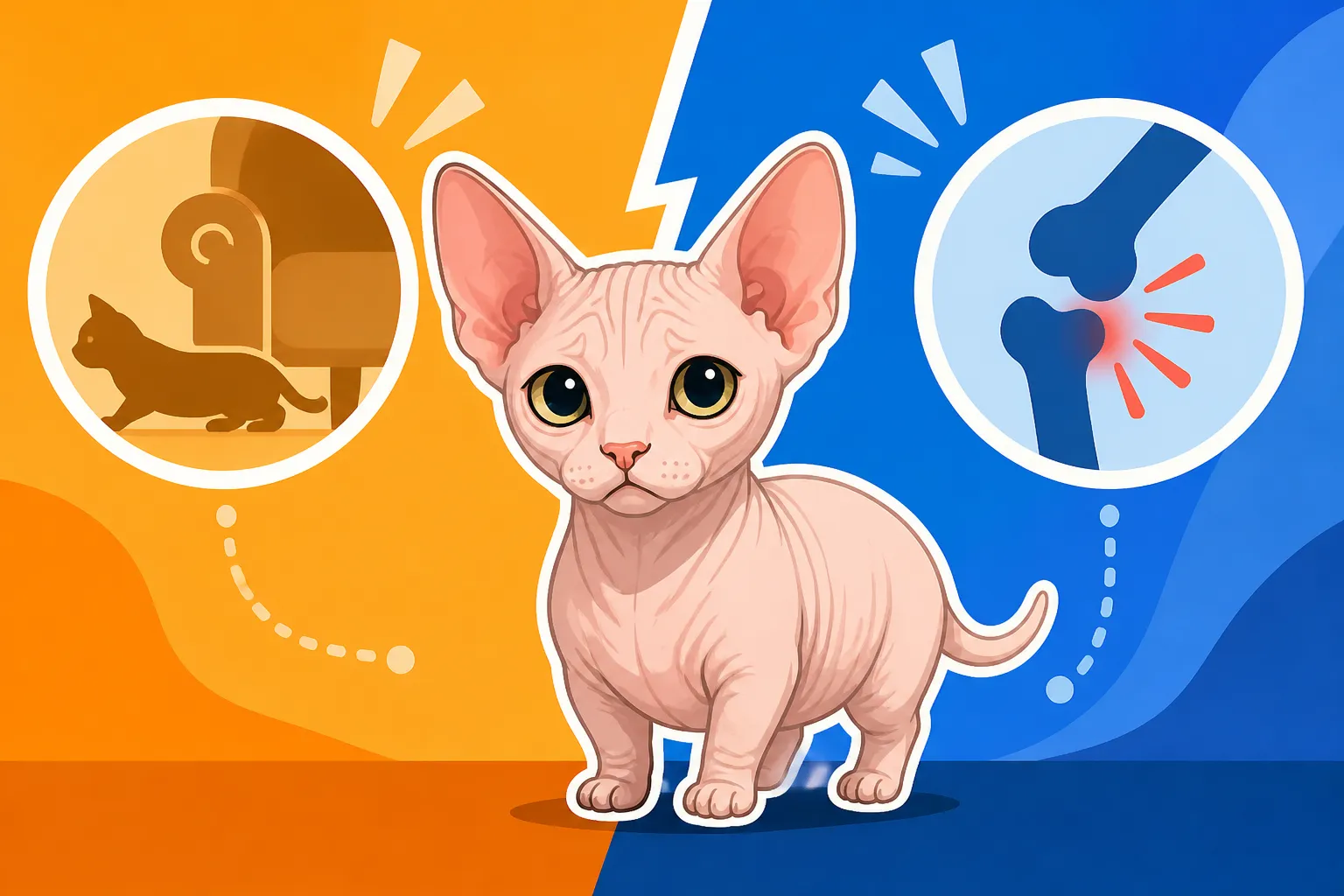
A Sphynx Munchkin combines two conspicuous inherited traits: the Munchkin’s short legs and the Sphynx’s sparse or absent coat. That combination can mean extra questions about movement, warmth, skin care, and inherited disease—not a guarantee that an individual cat will be unhealthy. This guide explains what the traits may involve and what to ask before choosing one.
What a Sphynx Munchkin inherits
Short legs and hairlessness are separate traits
The Munchkin’s short legs are associated with a dominant skeletal trait that affects limb length. The Sphynx’s hairlessness comes from a different inherited trait affecting the coat. Pairing the two does not make one mutation cancel out the other, nor does it automatically create a single new disorder. Instead, a kitten may inherit both visible traits, one of them, or neither, depending on the parents and inheritance involved.
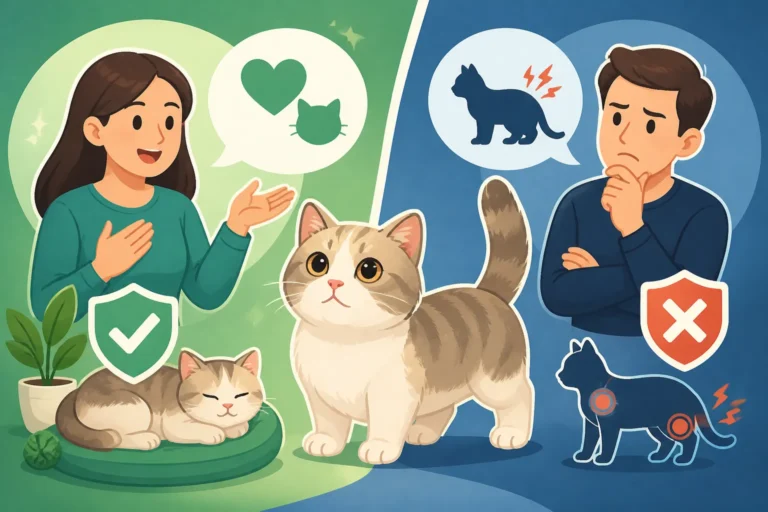
That distinction matters because “two problems” can sound as if every cat with this appearance must be sick. That is not a sound conclusion from appearance alone. A short-legged cat can have a different range of movement from a long-legged cat, while a hairless cat has different everyday needs for warmth and skin care. Those are real considerations, but they are not proof that every individual is in pain or has a serious complication.
The Munchkin trait is commonly described as autosomal dominant, but the genetics and health picture are not as simple as a label on an advertisement may suggest. For a closer look at inheritance, see Why Munchkin Dwarfism Is Called Autosomal Dominant. The larger concern with combining visible traits is that buyers may be offered confident claims about health and predictability when the evidence does not support that certainty.
What the short-legged trait may mean for movement
A Munchkin’s shorter limbs can change how it gets around. It may use a sequence of smaller climbs rather than one high jump, and ordinary furniture can be difficult to reach without steps or a ramp. Some cats are lively and adapt their routes with impressive ingenuity; others may avoid particular surfaces or need more help as they age. The individual cat’s gait, comfort, and willingness to move matter more than a cute pose or a single video.
The trait also raises questions about joint and spinal health. It does not mean that every Munchkin has a spinal disorder, and reports about how often particular problems occur are not fully settled. Still, a buyer should not accept “the legs are short, but everything else is guaranteed normal” as a substitute for a thoughtful veterinary assessment. The broader issues around combining inherited traits are explored in What Two Skeletal Mutations Do to One Munchkin and Why Munchkin Hybrids Stack Two Mutations.
Pay attention to movement in ordinary situations. Does the cat walk steadily on a flat floor? Can it turn and stop without stumbling? Does it seem reluctant to stand, play, or climb a low step? A brief, edited clip may hide the details you need. Ask to see the kitten moving freely, and, if possible, observe its parents moving too. A veterinarian can assess the kitten’s body and gait rather than relying on a breed label.
What the Sphynx trait may mean for daily care
A hairless or sparsely coated cat loses some of the insulation that fur provides. It may seek warm resting spots, feel chilly in a cool room, or need soft bedding placed away from drafts. The coat is not simply absent care: skin oils can accumulate, and ears and skin may need regular, gentle attention. How much care is needed varies by cat, and bathing too often or using harsh products can irritate the skin.
Hairlessness does not mean a cat can safely spend long periods in strong sun or be kept constantly overheated. A comfortable indoor temperature, accessible warm beds, and a way to move away from heat are more useful than dressing the cat up or assuming it needs one fixed solution. If you are browsing basic grooming supplies on Chewy or another retailer, check that any wipes or cleansers are made for cats and ask your veterinarian before using a new product on sensitive skin.
Sphynx ancestry also brings separate health questions, including concern about hypertrophic cardiomyopathy, a heart condition associated with the breed. A cross does not guarantee that a cat will develop it, but it does not erase the relevance of family history either. Ask what cardiac screening has been done in the parent cats, who performed it, and when it was done. A normal screening result is useful information, not a lifetime guarantee that disease cannot appear later.
The health concerns to weigh without assuming the worst
Mobility, comfort, and the home environment
A Sphynx Munchkin may need a home arranged around what it can comfortably reach. A sofa, bed, or favorite window can become an obstacle if the route depends on a steep jump. Low, stable steps or a gentle ramp can help, as can non-slip flooring in busy areas. A litter tray with an accessible entrance and food and water placed where the cat can reach them without stretching are practical basics.
These adjustments are not proof that the cat is disabled. They are a way to avoid making everyday activities unnecessarily difficult. Watch for changes: a cat that suddenly stops using a route, avoids play, or becomes hesitant to jump may be uncomfortable, unwell, or simply in need of a better setup. A change in movement deserves attention rather than being dismissed as “just how Munchkins walk.” For context on how breeders and veterinarians approach the wider debate, see Why Munchkin Crosses Worry Veterinarians.
| Area to consider | Why it matters | Useful question or action |
|---|---|---|
| Walking and turning | Shorter limbs can affect how a cat moves and reaches surfaces | Ask to see the kitten walk and turn on a level, non-slip floor |
| Climbing and jumping | High furniture may be difficult to access or descend from | Plan stable steps or a ramp to favorite resting places |
| Skin and warmth | Sparse fur changes protection from cold, sun, and skin oils | Ask about the cat’s routine and watch for irritation or excessive oil |
| Heart history | Sphynx ancestry may make cardiac screening history relevant | Ask what screening the parents have had and discuss follow-up with a vet |
| Long-term care | Needs can change with age or health | Choose a veterinarian before bringing the cat home and plan regular checks |
Owners can also make grooming less stressful by setting up a stable, low surface and handling the cat gradually. If buying towels, gentle grooming tools, or washable bedding through Chewy, choose simple items that are easy to clean and do not have rough seams or irritating fragrances. The important point is not where the supplies come from, but whether the cat tolerates them and whether the products suit feline skin.
Screening does not remove every uncertainty
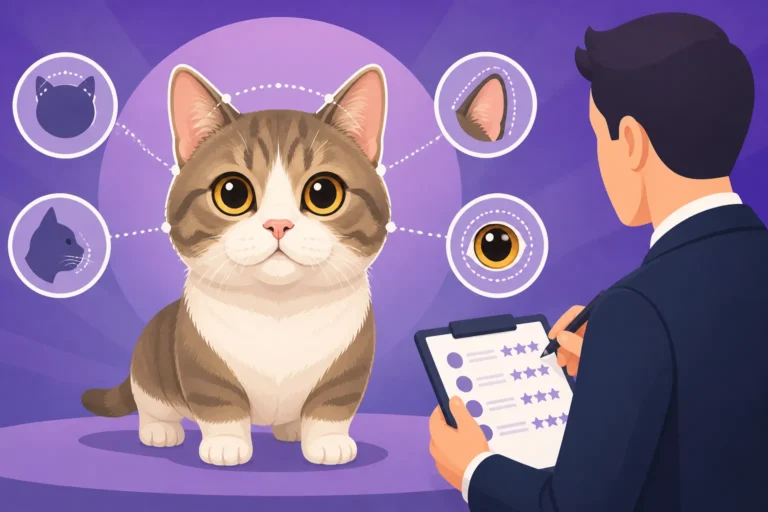
Before committing to a kitten, ask for the veterinary records and a clear account of any health concerns in the parents and previous litters. A responsible breeder should be willing to discuss what was checked, what was found, and what remains uncertain. “Vet checked” is too vague on its own: ask what the examination covered and whether the kitten has been assessed for movement, chest shape, breathing, and general development.
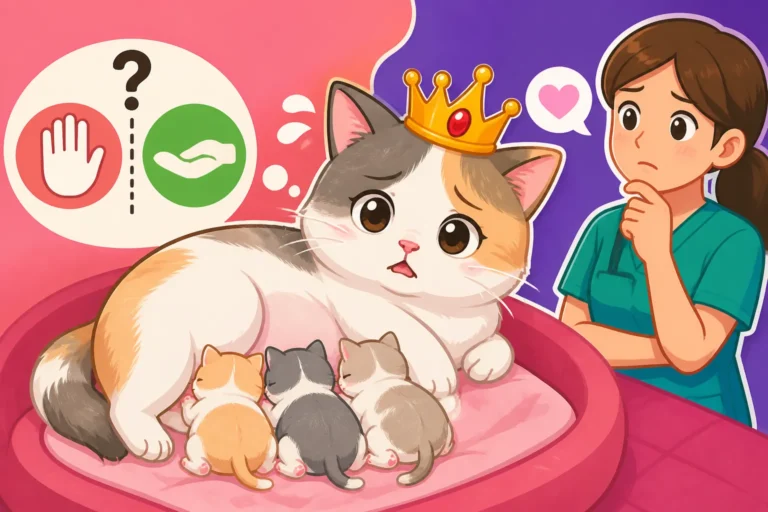
Ask specifically about the Sphynx parent’s heart history and what cardiac evaluations have been performed. Also ask whether the Munchkin parent has had a veterinary assessment focused on gait and limb conformation. If the breeder responds that screening is unnecessary because the cat is a cross, that is not a reassuring answer. Crossing breeds does not provide a blanket guarantee against inherited conditions.
No single certificate can establish that a kitten will remain healthy throughout life. Some conditions develop later, and a family’s medical history may be incomplete. That is why records, transparent discussion, and an independent veterinary exam all matter. For the broader welfare debate and the different views people bring to it, read What Welfare Bodies Say About the Munchkin. The goal is not to treat every cross as automatically ill; it is to avoid treating uncertainty as a promise of safety.
How to assess a breeder and a particular kitten
Ask direct questions and look for specific answers
A careful breeder should be able to explain why the pairing was chosen and what they know about the health of both parent cats. Ask whether either parent has had mobility problems, skin complications, heart disease, or unexplained early deaths among close relatives. Ask what happens if a kitten has a health concern, whether the kitten is sold with a written agreement, and what veterinary records will come with it.
Be cautious if the conversation focuses almost entirely on rarity, appearance, or how “unique” the kitten is. That does not answer whether the pairing was planned with health and welfare in mind. Be equally cautious of absolute assurances such as “these cats never have joint problems” or “the cross eliminates the Sphynx’s health risks.” Neither claim should replace transparent evidence and a realistic discussion.
A useful visit or video call should let you observe the kitten’s behavior without being rushed. Look for a kitten that is alert and responsive, and notice whether it can move around the space comfortably. Ask to see the parents if possible. A seller who will not provide meaningful records, answer reasonable questions, or allow a veterinary check is giving you a reason to pause.
Check whether the cat’s needs fit your household
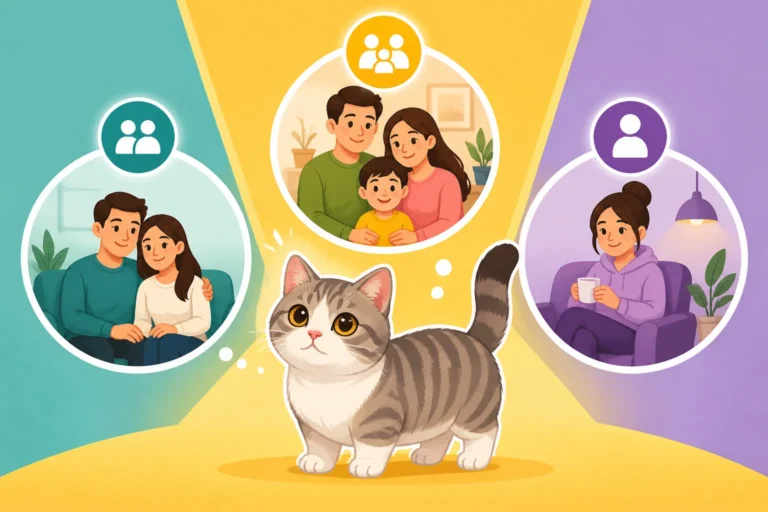
The best decision is not based on whether the cat looks appealing in a photo. Think through the ordinary week: Can you keep indoor spaces comfortably warm without making the cat overheat? Are you willing to check and care for skin as needed? Can you add a ramp or steps and keep walking routes clear? Is there a veterinarian nearby who is comfortable discussing inherited and breed-associated health concerns?
Also consider other animals and children in the home. A cat that has limited access to high escape routes may need protected resting places and careful introductions. If there are stairs, slippery floors, or tall beds, plan how to make the cat’s essential routes manageable before it arrives. The practicalities of home fit are covered further in Which Household a Munchkin Fits, while Whether a Munchkin Is the Right Cat for You can help you think through the broader ownership decision.
If you are comparing supplies, Chewy and other pet retailers may offer choices for bedding, bowls, grooming tools, and litter equipment, but the label and fit matter more than the store. Choose a low, accessible litter setup and a warm, washable resting place; avoid products that force the cat to climb or stretch beyond what it can comfortably manage. The home should be prepared for the individual animal rather than built around the novelty of its appearance.
What to do before bringing one home
Use a simple decision process
- Request records for both parents and the kitten. Ask for the details behind any health or cardiac screening rather than relying on broad assurances.
- Observe movement. Look at ordinary walking, turning, playing, and stepping onto low surfaces. Do not judge comfort from a posed photograph.
- Arrange an independent veterinary examination. Share the kitten’s ancestry and records, and ask the vet to assess overall health, movement, skin, and any concerns you noticed.
- Prepare the home. Set up warm, washable bedding, accessible litter and food, and safe routes to favorite resting places.
- Be ready to walk away. If the seller avoids questions, pressures you to pay quickly, or makes guarantees that no breeder can reasonably make, take time to reconsider.
When speaking with a veterinarian, ask what signs should prompt an appointment sooner than a routine check. Changes in breathing, persistent skin irritation, reluctance to move, or an obvious change in gait should not be managed by guesswork. Keep notes or short videos of a change in movement if it helps the veterinarian understand what you have observed, but do not delay care when the cat appears distressed.
The main question is not whether every Sphynx Munchkin will face two inevitable health problems. It is whether the specific cat’s inherited traits, family history, observed comfort, and care needs have been taken seriously. A well-informed decision makes room for both realities: an individual cat may be active and content, and the combination still deserves careful scrutiny before it is bred or purchased.
Disclaimer
This article is for general informational purposes only and does not constitute professional advice. Laws, prices and regulations vary by location and change over time. Consult a qualified professional for guidance on your specific situation.