Which Household a Munchkin Fits
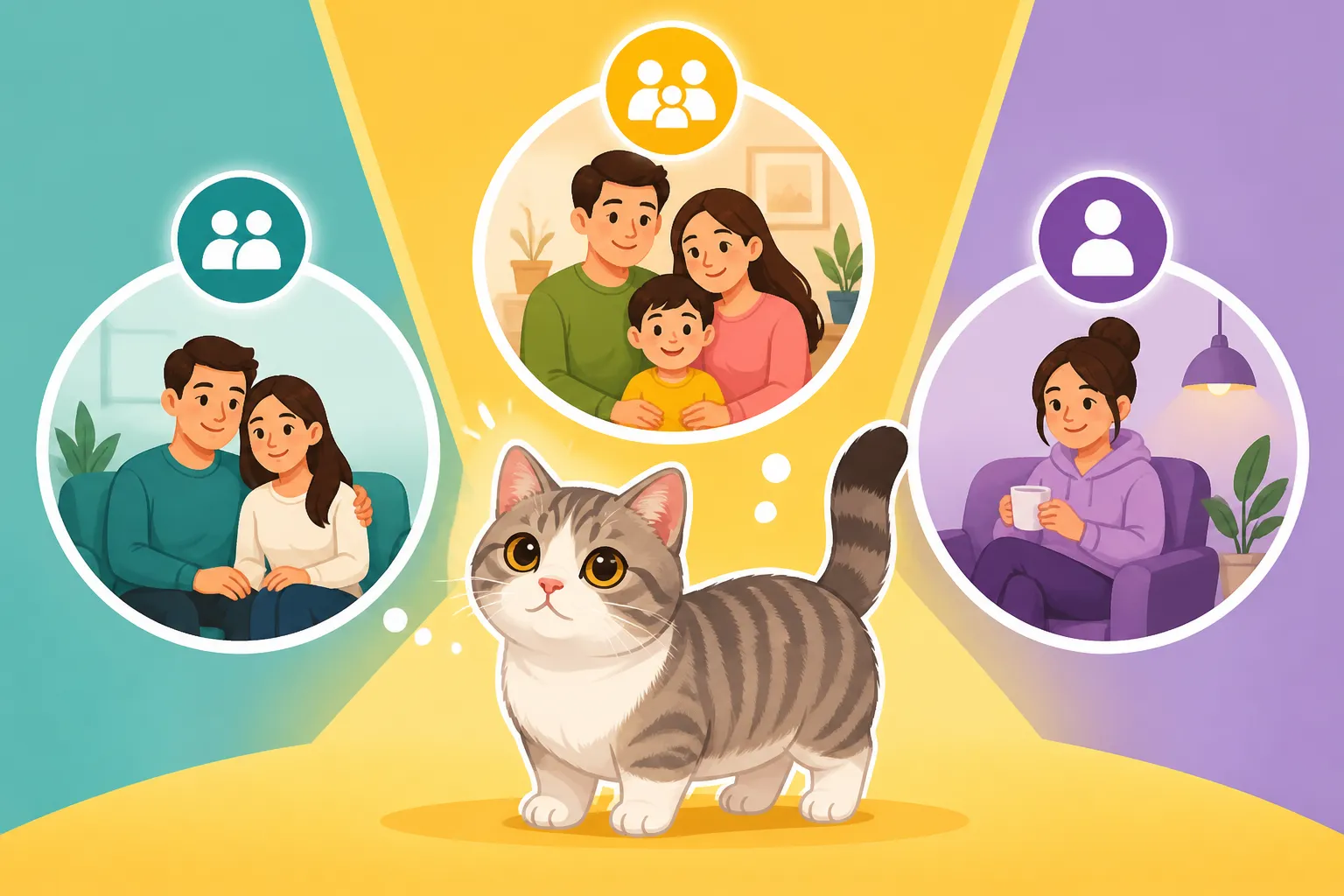
So, you're enchanted by those adorable short-legged furballs known as Munchkin cats, and you're wondering if one would be a purr-fect addition to your family. It's easy to get swept away by their cute videos, but bringing any cat into your home is a big decision, and with a Munchkin, there are some very specific considerations. This guide is here to help you honestly assess if your household environment, lifestyle, and existing family members are truly a good fit for the unique needs of a Munchkin cat, ensuring a happy and healthy life for everyone involved.
Understanding a Munchkin's Unique Physical Needs
The defining trait of a Munchkin cat is, of course, their short legs. This isn't just a charming aesthetic; it dictates much of their interaction with the world and places certain demands on their human companions. While they are wonderfully agile and can zip around on the flat, their vertical capabilities are significantly different from a standard cat.
Mobility and Accessibility Limitations
Let's be realistic: a Munchkin's short legs mean they can't jump like other cats. Forget seeing them effortlessly leap onto the kitchen counter, scale a tall cat tree, or even hop onto your bed without a stepping stone. This isn't a limitation born of laziness; it's a physical reality. While they can perform surprising vertical bursts, their maximum jump height is considerably lower than a long-legged cat. Many owners are surprised by How High a Munchkin Can Actually Jump, but it's important not to overestimate their abilities. What a normal cat does in one fluid jump, a Munchkin might need multiple smaller hops or even an elaborate "staircase" of furniture to achieve.
This limitation means your home needs to be set up in a way that allows them to access all the places a cat naturally wants to go. Imagine their frustration if they can see a sunny windowsill but can never reach it, or if their favorite human is on the sofa, but the leap is just too far. Owners often find that A Munchkin Is a Normal Cat That Cannot Reach many common household surfaces. This isn't just about comfort; it's about their enrichment and ability to feel like a full participant in the household. If your home has a lot of high surfaces with no intermediate steps, it can become a source of stress or even lead to repeated, potentially harmful jump attempts.
Exercise and Play Requirements
Despite their short stature, Munchkins are incredibly playful and have a surprising amount of energy. They love to run, chase, and bat at toys, often described as having a "ferret-like" agility on the ground. They are excellent at navigating tight spaces and can turn corners with impressive speed. Their play tends to be very floor-focused, which means you'll need to engage with them at their level. Wand toys are a huge hit, allowing you to drag toys along the floor for them to pounce on, mimicking natural hunting behavior.
These cats need regular interactive playtime to stay mentally and physically stimulated. Just because they can't jump high doesn't mean they're sedentary. Providing tunnels, low-to-the-ground puzzle feeders, and a variety of toys that can be easily reached and batted will keep them happy and engaged. Their curiosity is boundless, and they love to explore, so creating safe, accessible "adventure zones" on the floor can be very rewarding. A bored Munchkin is just as likely to get into mischief as any other cat, so ensure their environment is rich with things to investigate and play with at their height.
Special Grooming and Health Considerations
A Munchkin's unique conformation can also impact their grooming needs. Due to their short legs and somewhat elongated body, many Munchkins struggle to properly groom certain areas, particularly their hindquarters and underneath their belly. This is especially true for long-haired Munchkins, where mats can quickly form if left unattended. Regular brushing from you becomes not just a bonding experience, but a necessary health routine.
Beyond grooming, their distinctive physique means that Why Weight Control Is the Whole Munchkin Care Plan is paramount. Any extra weight puts disproportionate strain on their spine and joints, which are already carrying a load in a way a long-legged cat's spine does not. Maintaining a lean body condition is critical for their long-term health and mobility. While the breed is generally robust, responsible ownership means being proactive about their weight, joint health, and ensuring regular veterinary check-ups that specifically consider their unique anatomy. Discussing these points with your vet, including potential prophylactic joint supplements, is a wise step for any Munchkin owner.
The Munchkin's Engaging Personality and Social Demeanor
Beyond their distinct appearance, Munchkins are celebrated for their charming and often comical personalities. They are often described as being highly intelligent, curious, and incredibly sweet, forming strong bonds with their human families. Their temperament is a huge part of their appeal.
Playful and Curious Nature
Munchkins are known for their boundless curiosity. They love to investigate every nook and cranny of their environment, often moving with a distinctive, low-slung trot that many liken to a ferret's gait. Their intelligence means they are quick learners and enjoy interactive play that challenges their minds. You'll often see them sitting up on their hind legs, like a prairie dog, scanning their surroundings. This unique posture is endearing and is their way of getting a better view of things they can't reach by standing.
They enjoy playing hide-and-seek, chasing laser pointers (at floor level, of course), and batting at feather wands. They have a tendency to "collect" or "hoard" small, shiny objects, stashing them away in secret spots – a quirky trait that adds to their charm. Their playful spirit often lasts well into adulthood, making them a source of constant entertainment. If you appreciate a cat with a strong personality and an adventurous spirit, a Munchkin will likely fit right in.
Affectionate and Companionable
These cats are generally very affectionate and love to be part of the family action. They enjoy cuddling, purring, and often follow their favorite people from room to room. They thrive on companionship and human interaction, often seeking out laps for naps or gentle strokes. If they can't jump up to you, they'll often sit at your feet, looking up with pleading eyes or emitting soft chirps until you scoop them up for a cuddle.
They are known for being vocal but not excessively so, using a range of chirps, trills, and soft meows to communicate their desires. This makes them excellent companions for those who enjoy a cat that truly interacts and bonds with them. If you're looking for an independent cat that prefers solitude, a Munchkin might be a bit too clingy for your taste. They genuinely thrive on being included in family life and receiving plenty of attention.
Adaptability to Different Environments
Munchkins are generally quite adaptable cats, provided their core needs for safety and accessibility are met. They don't typically get stressed by changes in routine as easily as some other breeds, and with proper introductions, they can adjust to new homes or family additions. However, their adaptability doesn't mean they can thrive in any environment without modification. Their physical limitations mean that the onus is on the owner to create a safe and enriching world for them.
Crucially, Why a Munchkin Should Never Be Let Outdoors is a golden rule for this breed. Their inability to jump and climb to escape danger makes them incredibly vulnerable to predators, traffic, and other outdoor hazards. An indoor-only lifestyle is non-negotiable for their safety and well-being. This means a secure home environment, free from escape routes, is paramount. If you're someone who loves the idea of an indoor cat that thrives on interactive play within the safety of your home, a Munchkin could be a perfect match.
Munchkins, Children, and Other Four-Legged Friends
Bringing a Munchkin into a multi-member household requires careful consideration, especially when it comes to children and other pets. Their unique physical attributes mean they interact differently with their environment and its inhabitants.
Coexisting with Children
Munchkins can be wonderful family pets, known for their patient and sweet dispositions. However, their physical limitations mean that a household with very young or boisterous children needs extra planning and supervision. A Munchkin cannot easily jump to escape a child who might be too rough or simply not understanding of boundaries. Why a Munchkin Cannot Climb Out of a Child's Reach is a critical safety concern. This means supervision is non-negotiable.
It's essential to teach children how to interact gently and respectfully with a Munchkin. Emphasize that the cat is not a toy, and that chasing or rough play could cause harm. Creating "safe zones" on low-lying cat trees or shelves that are easily accessible to the Munchkin but less so to a rambunctious toddler can provide them with an escape route and a sense of security. Older children who understand gentle handling and the concept of a cat's personal space are often excellent companions for Munchkins, engaging them in floor-level play.
Integrating with Other Cats
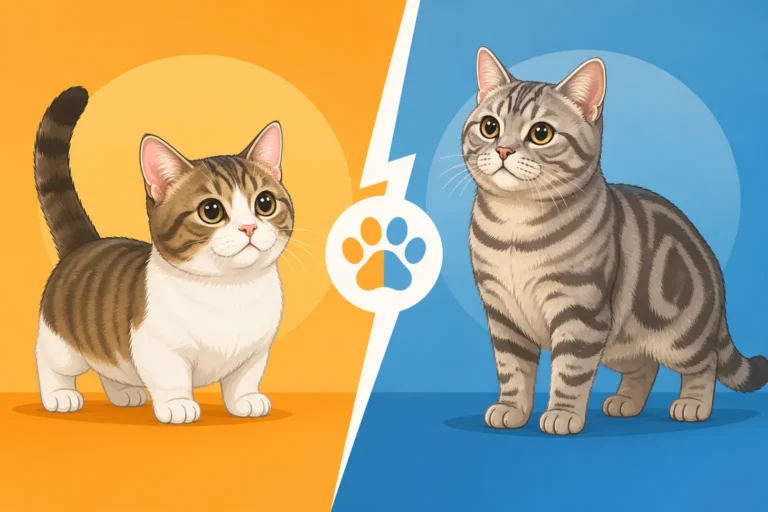
Munchkins generally get along well with other cats, often forming strong bonds. Their playful nature means they enjoy the company of feline friends, especially if those friends are equally playful and respectful of their size. However, it's important to consider the temperament of your existing cats. A very dominant or overly boisterous long-legged cat might inadvertently bully a Munchkin, as the Munchkin cannot easily climb to safety or outrun a persistent pursuer. Introducing a Long Legged Cat to a Munchkin requires patience and careful observation to ensure both cats are comfortable.
The key is a slow and controlled introduction, giving both cats time to adjust and establish boundaries. Ensure there are multiple resources (food, water, litter boxes, resting spots) available at different, accessible heights for the Munchkin. This helps prevent competition and ensures the Munchkin always has an easy escape route or a peaceful retreat. When they are comfortable, seeing two Munchkins play or a Munchkin and a respectful long-legged cat chasing toys together on the floor is a truly heartwarming sight.
Living with Dogs
This is perhaps one of the most significant considerations for a Munchkin owner. While some Munchkins can live very happily with calm, cat-friendly dogs, the inherent risk posed by their inability to escape is substantial. What a Munchkin Does When a Dog Approaches highlights their limited options. Unlike a long-legged cat that can quickly scale a bookshelf or dart under a bed, a Munchkin's short legs mean they are almost entirely reliant on ground-level evasion. If a dog decides to chase or play too roughly, the Munchkin has nowhere to go quickly.
Large dog breeds, even if gentle, pose a particular risk due to their size and weight. A playful nudge or an accidental step could be disastrous. If you have dogs, they must be exceptionally well-trained, calm, and have a proven track record of being gentle and respectful towards cats. Introductions must be supervised meticulously, and the Munchkin must always have secure, dog-proof elevated safe spaces (accessible by ramps or steps) to retreat to. Some owners use baby gates to separate living areas, ensuring the Munchkin always has an escape from an overly enthusiastic canine friend.
Lifestyle and Home Environment Adaptations
Bringing a Munchkin into your life isn't just about getting a cat; it's about adapting your home and lifestyle to accommodate their unique physical needs. This commitment is crucial for their well-being and happiness.
Indoor-Only Living and Safety
As mentioned, an indoor-only life is paramount for a Munchkin's safety. Their physical limitations make them incredibly vulnerable to the dangers of the outdoors, including cars, predators, and even other aggressive animals. They cannot climb fences or trees to escape, nor can they outrun many threats. This means your home must be a fortress of safety. All windows should have secure screens, and doors should always be closed carefully to prevent accidental escapes.
For those who wish to provide a taste of the outdoors, a secure "catio" can be a fantastic solution, but even then, it needs to be adapted for a Munchkin. Traditional multi-level catios might be inaccessible. Instead, focus on ground-level exploration, tunnels, and low platforms they can easily access. Think about ramps leading up to window boxes or sturdy, low perches. The goal is to provide mental stimulation and fresh air without exposing them to unnecessary risks.
Home Layout and Furniture Accessibility
This is where the real work of owning a Munchkin often comes in. With a Munchkin the House Changes, Not the Cat. You'll need to look at your home through their eyes, identifying all the places they might want to go but cannot reach. This includes sofas, beds, windowsills, and any other elevated surfaces that are part of a typical cat's domain. A single-story home is often cited as the most ideal environment, as it eliminates the challenge of stairs. Why a Single Story Home Suits a Munchkin Best is all about minimizing the physical strain and risk of injury from repeated jumps or awkward landings.
If you have multiple levels, consider restricting access to certain floors or installing pet gates. For furniture, Ramps and Steps Are Munchkin Equipment, Not Luxuries. These aren't optional extras; they're essential mobility aids. You'll need sturdy ramps or pet steps leading up to beds, sofas, and favorite window perches. Many owners get creative, rearranging lower furniture pieces to create a "staircase" effect, allowing their Munchkin to navigate their world without straining themselves. Platforms from brands like Chewy are excellent for creating these accessible routes. These adaptations prevent frustration and protect their joints from the impact of repeated jumps.
Owner's Time and Commitment
Owning a Munchkin requires a dedicated and understanding owner who is willing to invest time, effort, and sometimes a little extra money into their care. This isn't a "set it and forget it" kind of pet. Beyond the initial home adaptations, there's ongoing commitment. This includes regular grooming, especially for long-haired varieties that struggle to reach their hindquarters, as well as meticulous weight management to protect their spine and joints.
You'll also need to commit to interactive playtime, ensuring they get enough mental and physical stimulation at their level. This might mean getting down on the floor more often to play with them. If you travel frequently, finding a pet sitter or a boarding facility that understands and can accommodate a Munchkin's unique needs (including ramps, low litter boxes, and careful supervision) is crucial. Essentially, a Munchkin fits best into a household where their unique needs are not seen as a burden, but rather a joyful part of caring for a beloved family member. It's a commitment to ensuring they live a comfortable, enriching, and healthy life tailored to their specific abilities.
Essential Adaptations for a Munchkin-Friendly Home
Creating a home that truly caters to a Munchkin cat involves more than just a few tweaks; it often means a thoughtful redesign of their living space from a feline perspective, but with a ground-level focus. These adaptations are key to their physical health, mental well-being, and overall happiness.
Furniture Modifications and Accessibility Aids
The cornerstone of a Munchkin-friendly home is accessibility. Think about every surface your cat might want to reach and how your Munchkin will get there. This means evaluating furniture height. Your sofa, bed, and favorite armchair might be easy for a long-legged cat to leap onto, but for a Munchkin, they are formidable cliffs. This is where pet ramps and steps become indispensable. You can find a wide variety of these on sites like Chewy, ranging from carpeted wooden ramps to sturdy plastic steps.
Place ramps leading up to all frequently used elevated surfaces. Ensure they are stable, have good traction (carpeted or textured surfaces are best), and aren't too steep. For beds, you might need multi-step stairs. For windowsills, consider a sturdy platform or a ramp that leads from a lower piece of furniture. Remember that How a Munchkin Uses Furniture as a Staircase is a skill they develop, but it's our job to provide the "steps" for that staircase. This might involve strategically placing ottomans, sturdy stools, or low bookshelves to create a safe, tiered route to their desired perch. Every piece of furniture should be viewed as a potential stepping stone or a barrier to overcome.
Litter Box and Feeding Station Setup
Another crucial area for adaptation is their bathroom and dining facilities. A standard litter box with high sides, while great for containing litter scatter for some cats, can be a real struggle for a Munchkin to enter and exit comfortably. Repeated high steps can strain their joints. Instead, opt for low-entry litter boxes, sometimes marketed as "senior cat" litter boxes. The front lip should be low enough for them to walk in with ease, minimizing any jumping or straining.
Similarly, their food and water bowls should be placed at an accessible height to prevent neck and back strain. While some owners use floor-level bowls, others find slightly raised bowls beneficial, allowing them to eat without crouching too much. The key is to avoid situations where they have to stretch upwards or crane their necks significantly. Many owners find elevated feeders designed for small dogs or older cats work well. Always ensure fresh water is available in a wide, shallow bowl that's easy to reach and drink from, again, preventing any awkward postures.
Environmental Enrichment and Safety Proofing
Just like any cat, Munchkins need mental and physical enrichment. Since much of their world is at ground level, focus on horizontal enrichment. Tunnels, crinkle balls, interactive feeders that they can bat around on the floor, and puzzle toys are excellent. Many owners find great selections of these interactive toys and feeders on platforms like Chewy. These encourage their natural hunting instincts and keep their intelligent minds engaged. Providing scratching posts is also important, but make sure they are horizontal scratchers or low-level vertical ones that they can comfortably reach without stretching upwards too much.
Safety proofing is also essential. Since they can't easily jump onto counters or high shelves to escape danger, ensure that small, swallowable objects, toxic plants, and household chemicals are always stored securely out of their reach. Be mindful of loose cords or small spaces they might crawl into but then struggle to get out of. Their curious nature means they will explore every accessible nook and cranny. By creating a thoughtfully designed, accessible, and safe environment, you're not just providing a house; you're creating a home where your Munchkin can thrive, explore, and be a happy, cherished member of your family.
| Household Characteristic | Good Fit for a Munchkin Cat | Less Suitable for a Munchkin Cat |
|---|---|---|
| Home Layout | Single-story home or a home with readily accessible ramps/steps to all levels. | Multi-story home with many inaccessible stairs, no ramps, and high furniture. |
| Family Members (Children) | Older, respectful children taught gentle interaction; supervised play. | Very young, boisterous children without supervision, prone to rough handling. |
| Family Members (Dogs) | Calm, cat-friendly dogs with a proven history of gentle interaction; separate safe zones. | High-energy, prey-driven, or large dogs that might accidentally injure or bully the cat. |
| Family Members (Other Cats) | Calm, friendly cats; slow, supervised introductions; multiple resources. | Dominant, aggressive, or overly boisterous cats that might bully or corner the Munchkin. |
| Owner's Lifestyle | Dedicated, patient owner willing to adapt home, perform extra grooming, and play at floor level. | Frequent traveler without reliable, Munchkin-savvy pet care; prefers an independent, low-maintenance cat. |
| Indoor/Outdoor Access | Strictly indoor-only or a fully secured, adapted catio. | Outdoor access, unsupervised outdoor roaming. |
| Furniture & Access | Ramps, steps, low furniture, strategically placed intermediate platforms. | High furniture, no accessibility aids, bare floors where slipping is easy. |
| Grooming Commitment | Willingness to provide regular brushing, especially for long-haired coats. | Expects the cat to be fully self-sufficient in grooming. |
| Weight Management | Vigilant about diet and exercise to maintain a healthy weight. | Unaware of weight's impact on Munchkin health, free-feeding, infrequent weighing. |
Disclaimer
This article is for general informational purposes only and does not constitute professional advice. Laws, prices and regulations vary by location and change over time. Consult a qualified professional for guidance on your specific situation.