The Truck the First Munchkin Was Found Under
It's easy to look at a unique cat breed like the Munchkin and wonder, "How did this all begin?" So many people assume these short-legged beauties are the result of deliberate genetic engineering or some complex scientific endeavor. But the truth is often far more serendipitous, rooted in an unexpected discovery that changed the course of cat history. This guide will take you back to the very beginning, detailing the fateful moment a humble truck in Louisiana became the birthplace of a globally recognized, albeit sometimes controversial, feline sensation.
The Unlikely Discovery Under a Louisiana Truck
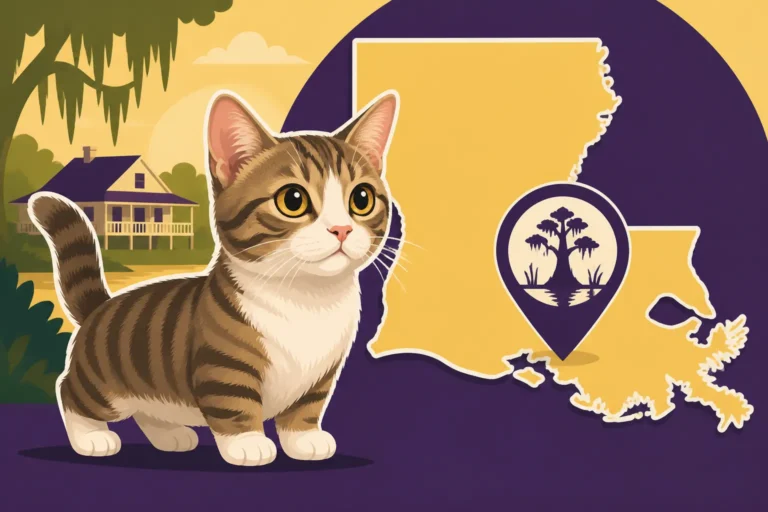
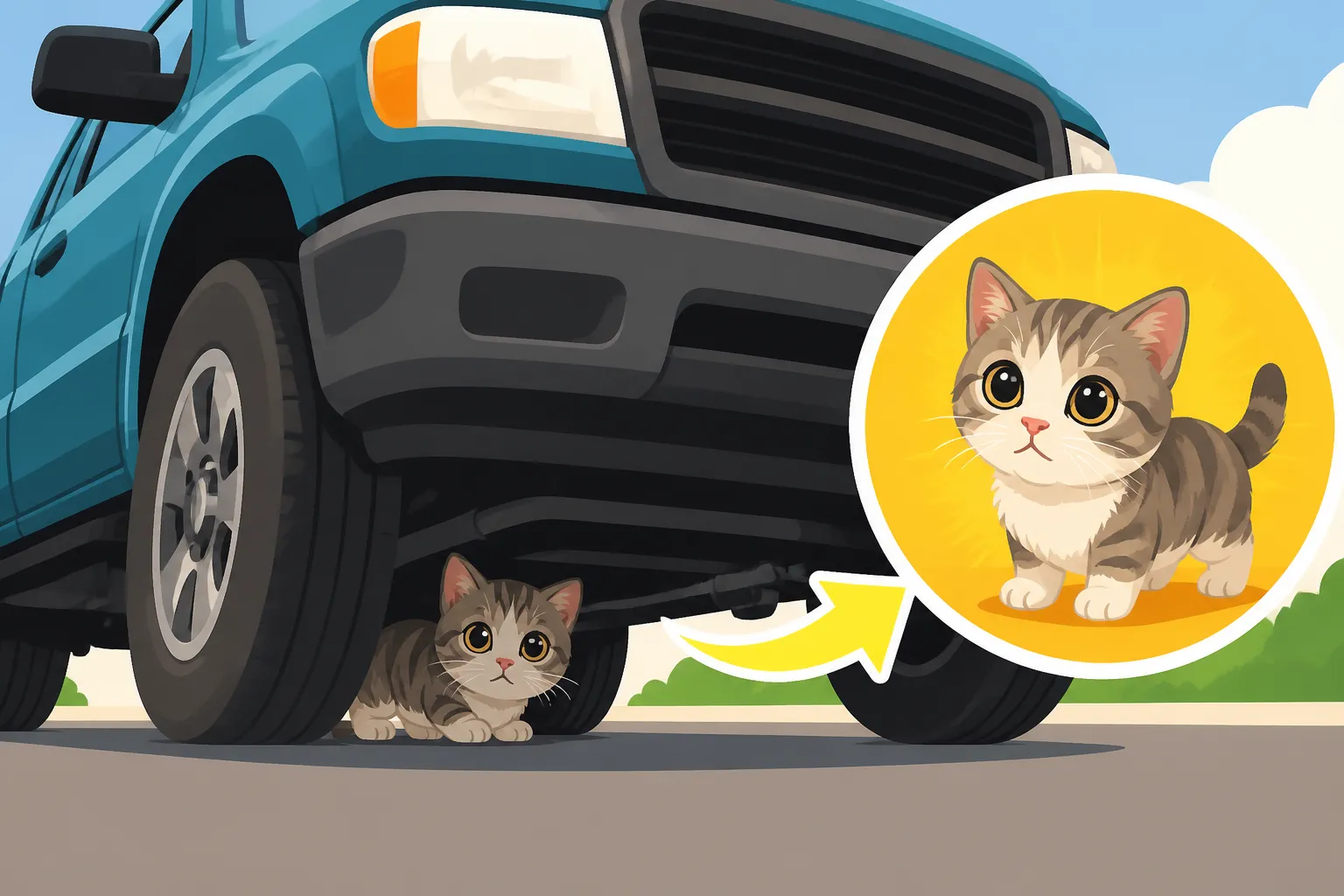
Imagine it: the year is 1983. The place is Rayville, Louisiana. Not exactly the grand stage you might expect for the genesis of a new cat breed. But that's precisely where Sandra Hochenedel, a schoolteacher with a soft spot for animals, made a discovery that would resonate for decades to come. She found two stray cats under a truck, seeking shelter and warmth. These weren't just any strays; they possessed an unusual trait that immediately caught her eye: incredibly short legs. It was a genetic anomaly that, at the time, was simply a curiosity, not yet a characteristic defining a new breed.
One of these two cats, a pregnant black female, was particularly striking. Sandra named her Blackberry. She took Blackberry home, giving her a safe haven and proper care, unknowingly welcoming the matriarch of an entire lineage into her life. The other cat she found under the truck eventually disappeared before she could fully assess its potential impact, leaving Blackberry as the sole known progenitor of this unique trait from that initial discovery. This moment under the truck wasn't a planned event or a scientific experiment; it was a simple act of kindness towards a stray that unwittingly unleashed a genetic characteristic that had been lurking in the feline population for who knows how long, waiting for the right moment and the right human to notice.
This initial encounter perfectly illustrates how many of our beloved companion animals come into existence – not through deliberate breeding programs, but through the observation of natural variations and the decision to nurture them. Blackberry was just a cat trying to survive, and Sandra was just a kind soul offering help. Little did they know, they were at the very beginning of a story that would spread far beyond the quiet roads of Louisiana. The Munchkin Started Under a Truck in Louisiana in 1983 highlights this pivotal moment.
From Stray to Founder: Blackberry's First Litter
After being rescued from beneath that truck, Blackberry soon gave birth to a litter of kittens, and it was in this very litter that the short-legged trait definitively announced itself. To Sandra's surprise and fascination, about half of Blackberry's kittens inherited her distinctive short legs, while the other half had legs of normal length, just like any other domestic cat. This wasn't a random occurrence; it was a clear indication of how the gene for these short legs was inherited. We now understand that this gene is autosomal dominant, meaning only one copy is needed for a cat to display the short-legged trait. If a cat inherits two copies, it's typically lethal in the embryonic stage. Why Half the First Munchkin Litter Has Normal Legs explains this genetic phenomenon further.
This first litter was crucial because it proved the trait was genetic and repeatable, not just an isolated anomaly in Blackberry herself. It was observable, consistent, and passed down to offspring. This is the moment when a unique cat became a potential foundation for a new breed. Sandra, intrigued by these charming, low-slung kittens, decided to keep some of them and continue observing how the trait manifested. She also shared some of the kittens with friends, expanding the budding genetic pool.
It’s important to note that these cats, despite their short legs, were otherwise healthy and active. They ran, played, and behaved just like their normal-legged littermates, albeit closer to the ground. This initial observation was vital, as it suggested that the short legs weren't necessarily debilitating, a point that would later become a significant part of the debate surrounding the breed. The presence of both short-legged and normal-legged kittens in the same litter also provided clear evidence that the short-legged trait was not a random mutation but a predictable genetic inheritance. Which Cat Behind the Munchkin Was Named Blackberry delves deeper into the specifics of this foundational feline.
Expanding the Gene Pool: The Role of Toulouse and Others
While Blackberry was the initial spark, the propagation of the Munchkin breed into what we know today owes much to one of her offspring. From that first groundbreaking litter, Sandra Hochenedel gave a short-legged male kitten to a friend, Kay LaFrance. This kitten, named Toulouse, would become the other crucial foundation cat for the entire Munchkin breed. Just like his mother, Toulouse possessed those distinctively short legs, and he too would go on to sire litters that passed this trait along. Which Munchkin Kitten Was Named Toulouse highlights his significant contribution.
The combination of Blackberry and Toulouse’s offspring created the initial core population from which all modern Munchkins descend. It was a small, informal breeding program at first, driven by curiosity and a love for these unique cats. To ensure genetic diversity and to avoid inbreeding, these early short-legged cats were bred to domestic cats with normal leg length – an essential practice known as outcrossing. This strategy was fundamental in preventing potential health issues that can arise from a too-narrow gene pool and ensuring the overall vitality of the nascent breed. Why Munchkin Outcrossing Was Necessary From the Start is a key piece of this puzzle.
This table illustrates the critical early lineage:
| Key Individual | Role in Breed Origin | Genetic Contribution |
|---|---|---|
| Sandra Hochenedel | Discovered Blackberry, fostered first litter | Recognizer and Nurturer |
| Blackberry | First known short-legged cat, matriarch of the breed | Introduced the short-leg gene |
| Kay LaFrance | Received Toulouse, helped propagate the gene | Collaborator in early breeding |
| Toulouse | Short-legged male from Blackberry's first litter | Co-founder, expanded gene pool |
| Normal-legged cats | Used in outcrosses for genetic diversity | Contributed broad genetic health |
The initial outcrosses were performed with everyday domestic cats, essentially broadening the genetic foundation and preventing the breed from becoming too inbred right from the start. This careful approach meant that while the short legs were preserved, the overall health and vigor of the cats remained robust. This practice continues to this day, with Munchkins always being bred to normal-legged cats to maintain genetic health and diversity. Blackberry and Toulouse Are the Two Cats Behind Every Munchkin details how these two cats became the cornerstone of the entire breed.
Early Perceptions and the Beginning of a Breed
As word of these fascinating short-legged cats spread, so did public and feline fancy interest. Initially, these cats were simply known as "short-legged cats." However, as their popularity grew and more people became aware of them, a proper name was sought. The name "Munchkin" was eventually chosen, inspired by the small, whimsical characters from L. Frank Baum's beloved novel, The Wonderful Wizard of Oz. It was a fitting tribute to their unique stature and charming demeanor, capturing the playful spirit of these cats perfectly.
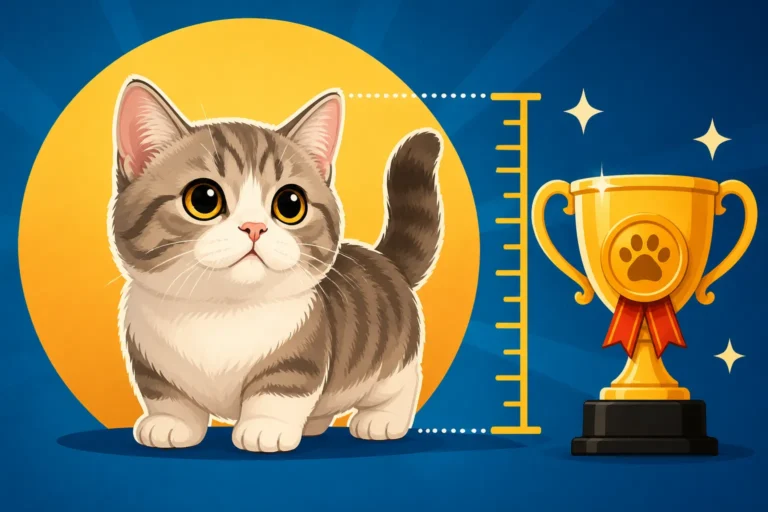
The short legs of the Munchkin are caused by a form of dwarfism known as pseudoachondroplasia, which affects the long bones of the legs while leaving the spine and body length unaffected. This is why a Munchkin has a normal-sized body but significantly shorter limbs. In the early days, there was a natural curiosity and a fair amount of skepticism about the health implications of this trait. After all, short-legged dogs often come with a host of spinal and joint issues. However, early observations suggested that Munchkins, unlike many dog breeds with similar traits, did not seem to suffer from the same severe spinal problems, because their spine length is normal. Why a Munchkin's Spine Is Normal Length elaborates on this crucial distinction.
The Munchkin cat was first officially introduced to the public at a TICA (The International Cat Association) show in Madison Square Garden in 1991. This debut was met with a mixture of awe, admiration, and considerable controversy. Some cat enthusiasts and breeders were enchanted by their unique appearance and playful nature, while others voiced strong ethical concerns regarding the deliberate breeding of a cat with a genetic mutation that affects its physical structure. This initial public presentation was a pivotal moment, launching the breed into the spotlight and beginning the ongoing debate about its welfare and future. How the Munchkin Reached Madison Square Garden captures the excitement and contention of this event.
Despite the controversy, TICA recognized the Munchkin as a new breed and established a breeding program that would eventually lead to Championship status in 2003. This journey from an accidental discovery under a truck to a recognized breed in the highly structured world of cat fancy is a testament to the dedication of early breeders like Sandra Hochenedel and Kay LaFrance, who saw beyond the novelty of their short legs and recognized them as healthy, loving companions deserving of a place in our homes and hearts. Sandra Hochenedel and the First Munchkin truly encapsulates the pioneering spirit of these early days.
Disclaimer
This article is for general informational purposes only and does not constitute professional advice. Laws, prices and regulations vary by location and change over time. Consult a qualified professional for guidance on your specific situation.