The Munchkin Started Under a Truck in Louisiana in 1983
The Munchkin cat, with its undeniably adorable short legs, sparks a lot of curiosity and sometimes even confusion among cat lovers. People often wonder where these unique felines came from, how they came to be, and if their history sheds any light on their well-being today. This comprehensive guide will take you on a journey back to the very beginning, exploring the fascinating and often debated origins of the Munchkin cat, starting with its unassuming discovery in Louisiana in 1983. We'll delve into the foundational cats, the early breeders, and the pivotal moments that transformed a street cat with an unusual trait into a recognized breed, examining the journey from a truck in Louisiana to the show halls.
The Unassuming Beginning: Louisiana, 1983
Imagine a small, bustling town in Louisiana back in the early 1980s. The air is thick with humidity, the sounds of cicadas are everywhere, and life moves at a comfortable, Southern pace. It was in this setting that the story of the Munchkin cat truly began, not in a fancy cattery or a genetic laboratory, but quite literally, under a truck. This humble origin often surprises people who expect a more "pedigreed" tale for a recognized breed, but the reality is far more down-to-earth and serendipitous.
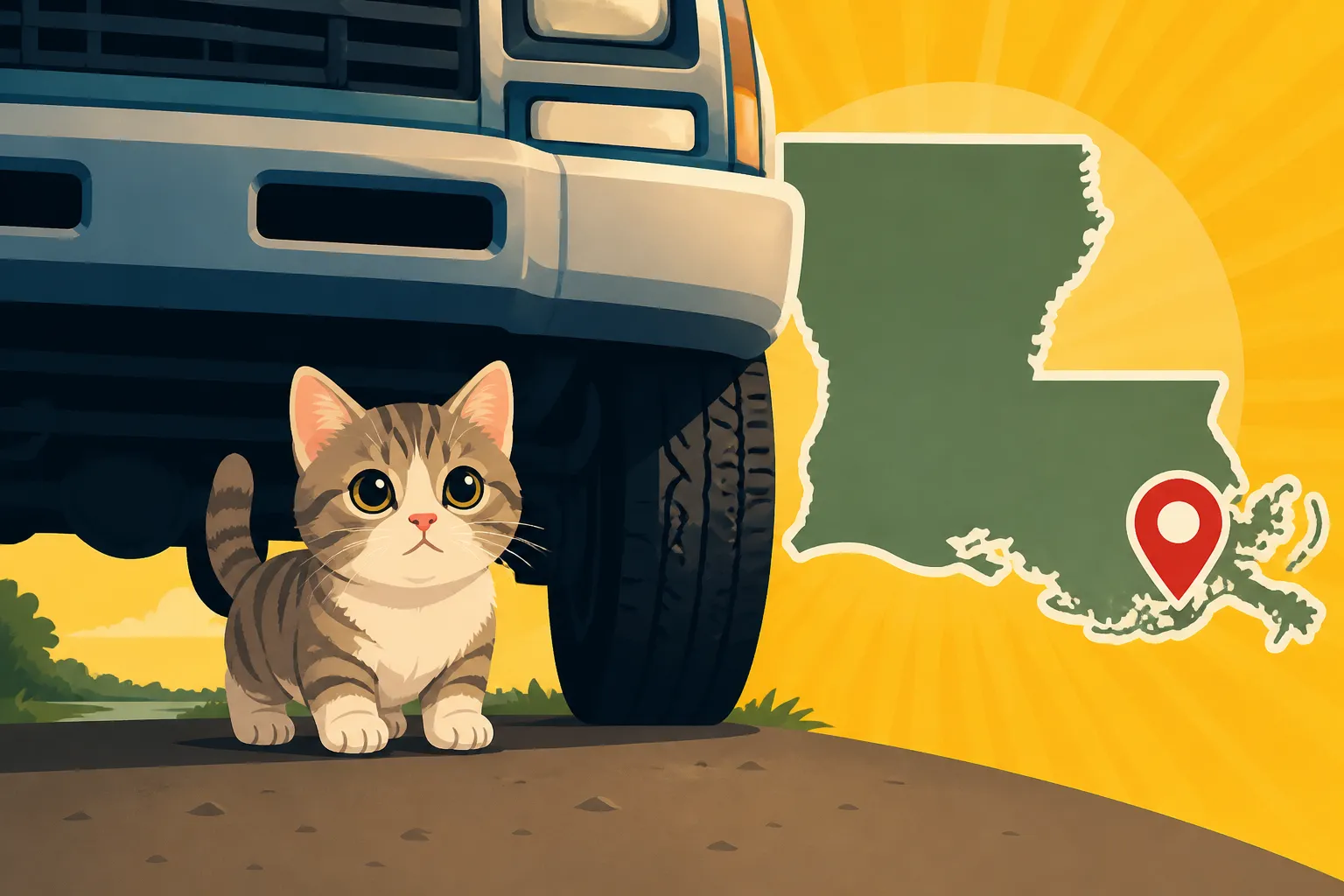
The year was 1983, and a woman named Sandra Hochenedel was a school teacher living in Rayville, Louisiana. She had a kind heart for strays, a common trait among cat lovers. One day, she stumbled upon two pregnant stray cats who had sought shelter beneath a truck. This wasn't an unusual occurrence in rural areas, but what she noticed about one of these cats would, unbeknownst to her, change the course of feline history. The cats were rescued, brought into her home, and given the care they deserved. Little did anyone know, one of these felines carried a genetic secret that would captivate and divide the cat fancy for decades to come.
This discovery under the truck wasn't just a quaint anecdote; it was the genesis of a global phenomenon. It illustrates how often significant biological traits, even those that lead to new breeds, can emerge from entirely natural, unengineered circumstances. The setting itself — a small Louisiana town, a truck, a compassionate rescuer — paints a picture of a truly organic beginning, a stark contrast to the often-controlled environments in which many other domestic cat breeds are developed. The simplicity of this origin story grounds the Munchkin in a very real, very tangible past, making it all the more compelling.
The Truck the First Munchkin Was Found Under
The specific details surrounding the discovery of the first Munchkin under a truck in Rayville, Louisiana, are important because they highlight the spontaneous nature of genetic mutations in the natural world. It wasn't a planned breeding experiment; it was a chance encounter. Sandra Hochenedel, a compassionate individual, found herself with two pregnant stray cats seeking refuge. One of these cats, a black female, caught her eye immediately because of her unusually short legs. This was not an injury or a deformity caused by trauma, but a distinct physical characteristic that stood out.
The truck, in essence, served as the initial "birthing place" of the breed's known history. It provided shelter, a safe haven for these expectant mothers before they were brought indoors. This detail often evokes a sense of sympathy and a romanticized view of the breed's beginnings, rooted in an act of kindness. The fact that these cats were strays further emphasizes that the short-legged trait arose naturally within the feral cat population, demonstrating that such a genetic variation can exist in unmanaged environments. It wasn't a human intervention that created the first short-legged cat; humans simply observed and then perpetuated a trait that already existed.
This humble beginning under a truck speaks volumes about the resilient nature of cats and the unexpected paths through which new genetic traits can emerge and be noticed. It underscores the idea that our domestic companions sometimes present us with surprising variations, and it's our subsequent recognition and selective breeding that formalizes them into what we call breeds. Without Hochenedel's keen eye and willingness to provide care, this particular genetic mutation might have remained a curious anomaly within the stray population, or perhaps never even been documented.
What Hochenedel Did With the First Munchkin
After rescuing the two pregnant strays from under the truck, Sandra Hochenedel took them into her home, providing them with safety, food, and comfort. The black female with the notably short legs was named Blackberry. Hochenedel quickly realized that Blackberry's unique leg length was not a disability preventing her from running, jumping (albeit with limitations), or moving around with surprising agility. Blackberry was a healthy, active cat, just built a little differently. This observation was crucial because it suggested that the short legs were not immediately detrimental to the cat's quality of life.
When Blackberry eventually gave birth to her kittens, Hochenedel was intrigued to find that about half of the litter also exhibited the same short-legged trait. This immediately indicated that the trait was hereditary and likely dominant, meaning only one copy of the gene was needed for the kittens to express short legs. This natural occurrence, observed within the comfort of Hochenedel's home, was the very first step in understanding the genetics of what would become the Munchkin breed. She didn't seek to create a new breed initially; she simply observed, cared for, and eventually shared this unique genetic phenomenon with others who showed interest.
Hochenedel's actions were those of a responsible and curious pet owner. She provided a safe environment for Blackberry and her offspring, ensuring their well-being. By allowing the trait to manifest across generations in her care, she inadvertently laid the groundwork for a new breed. Had she not been attentive or had she dismissed the short legs as a mere oddity, the Munchkin's history might have ended right there. Her willingness to protect and then eventually share these cats with others who understood their potential was pivotal in moving the Munchkin from a singular curiosity to a recognized feline breed.
Blackberry and Toulouse: The Founding Felines
The entire Munchkin cat breed owes its existence to two pivotal felines: Blackberry and her son, Toulouse. These two cats are the undisputed matriarch and patriarch of the short-legged cat population we know today. Their combined genetics, originating from that fateful discovery in Louisiana, form the bedrock of every Munchkin pedigree. Understanding their roles is key to grasping how a spontaneous genetic mutation became a widely recognized, albeit controversial, breed.
Blackberry, the initial short-legged stray, carried the dominant gene responsible for the characteristic short legs. She passed this gene down to her offspring, demonstrating its hereditary nature. Her vitality and ability to live a normal cat life, despite her unique conformation, were also critical observations. Then came Toulouse, a male kitten from one of Blackberry's first litters, who inherited his mother's distinct short legs. His existence was vital because it meant the trait could be passed on by both sexes, ensuring the continuation and expansion of the genetic line. Without a reproducing male carrying the trait, the lineage might have quickly faded.
Together, Blackberry and Toulouse represent the foundational genetic pool of the Munchkin breed. Every Munchkin cat alive today can trace its ancestry back to these two unassuming felines. Their story isn't just a historical footnote; it's a testament to the power of genetic inheritance and the enduring impact a single, novel trait can have when carefully nurtured and developed. Their influence is truly global, shaping the appearance and characteristics of countless short-legged cats around the world.
Which Cat Behind the Munchkin Was Named Blackberry
Blackberry was the very first short-legged cat discovered by Sandra Hochenedel under that truck in Louisiana. She was a black, short-haired female stray, and her name became synonymous with the origin of the Munchkin breed. Her short legs were an immediate and noticeable characteristic, but it was her otherwise healthy and active demeanor that truly caught Hochenedel's attention. Blackberry was not a fragile cat; she was simply built differently, moving with a unique gait that belied her unusual proportions.
Her significance cannot be overstated. Blackberry was the original carrier of the genetic mutation that causes chondrodysplasia, the form of dwarfism responsible for the Munchkin's short legs. She brought this spontaneous mutation into human care, allowing it to be observed, understood, and eventually propagated. Without Blackberry, the Munchkin breed as we know it simply wouldn't exist. She was the living proof that a cat with this specific genetic trait could thrive and reproduce, passing on its distinct physical characteristic.
Blackberry's legacy extends beyond her initial discovery. She was the matriarch, the prime example of the health and temperament that Hochenedel sought to preserve. Her comfortable existence and ability to navigate her environment disproved initial concerns that such short legs would inherently lead to suffering or severe mobility issues. She set the precedent for what a healthy, active Munchkin could be, influencing the early goals and ethics of breeders who would later work to establish the breed.
Which Munchkin Kitten Was Named Toulouse
From Blackberry's initial litter, a male kitten inherited his mother's distinctive short legs. This kitten was named Toulouse, and he quickly became the crucial second pillar in the foundation of the Munchkin breed. His importance lies in the fact that he was a male who carried the short-legged gene, allowing the trait to be effectively spread and diversified within a breeding program. While Blackberry was the initial source, Toulouse ensured the gene's robust continuation across future generations.
Hochenedel eventually gifted Toulouse to her friend, Kay LaFrance. This act was instrumental because it broadened the breeding pool beyond a single household. LaFrance, a fellow cat enthusiast, became deeply involved in developing the breed, using Toulouse as a key stud. His progeny, combined with outcrosses to domestic long-legged cats, expanded the genetic diversity and laid the groundwork for a more stable and varied population of Munchkins. How a Breeder Plans a Munchkin Mating always involves understanding this foundational genetic principle.
Toulouse's influence is seen in virtually every Munchkin today. He was not just a kitten; he was the vital link that allowed the short-legged trait to become firmly established and widespread. His role as a founding sire meant that the gene could be combined with various domestic cat bloodlines, enhancing the breed's overall genetic health and preventing the issues that often arise from too narrow a gene pool. He proved that the trait was viable and could be successfully passed through multiple generations, cementing the Munchkin's place in the cat world.
How Two Cats Founded the Whole Munchkin Breed
The entire genetic lineage of the modern Munchkin cat breed can be traced back to just two individuals: Blackberry and her son, Toulouse. This seemingly small genetic bottleneck is quite common in the establishment of new breeds, whether canine or feline, but it underscores the profound impact these two cats had. Blackberry, as the original cat carrying the spontaneous dominant mutation for short legs, provided the initial genetic material. Her ability to reproduce and pass on this trait was the critical first step.
Toulouse, as a short-legged male offspring of Blackberry, then served as the key conduit for spreading this gene. By being bred to unrelated domestic long-legged cats (outcrosses), he ensured that the short-legged gene was introduced into a wider and more diverse genetic pool. This outcrossing strategy was vital to avoid inbreeding depression and to maintain the overall health and vigor of the nascent breed. Without both a founding female to introduce the gene and a founding male to widely propagate it, the breed's establishment would have been significantly more challenging, if not impossible.
Their combined efforts illustrate the principle of Mendelian inheritance in action. Blackberry passed on one copy of the dominant short-leg gene to approximately half of her kittens, including Toulouse. When Toulouse, in turn, was bred to long-legged cats, roughly half of his kittens also inherited the short-leg gene. This consistent pattern of inheritance allowed early breeders to predict and manage the perpetuation of the defining trait. Thus, from a humble beginning in Louisiana, the genetic legacy of Blackberry and Toulouse blossomed, forming the foundation of every short-legged Munchkin cat recognized today. Blackberry and Toulouse Are the Two Cats Behind Every Munchkin truly says it all.
Early Days and Public Introduction
Once the hereditary nature of the Munchkin's short legs became apparent, thanks to Blackberry and Toulouse, the journey from unique housecat to recognized breed began. This wasn't an overnight process; it involved dedicated individuals, careful observation, and a willingness to navigate the sometimes-turbulent waters of the cat fancy. The early days were marked by both excitement and skepticism, laying the groundwork for the breed's eventual public debut and ongoing discussions.
Early enthusiasts, including Sandra Hochenedel and Kay LaFrance, focused on understanding the trait and ensuring the health of the short-legged cats. They understood the importance of maintaining a broad gene pool, wisely employing outcrossing with domestic long-legged cats. This practice, still fundamental today, ensures genetic diversity and avoids compounding potential health issues. The goal was never to create a cat with health problems, but to celebrate a unique, naturally occurring physical characteristic in an otherwise healthy animal.
The breed’s public introduction was a significant turning point. It brought the Munchkin out of private homes and into the spotlight, inviting both admiration and controversy. This period cemented the breed's place in feline history, even as it ignited debates that continue to this day about the ethics of breeding for certain physical traits. The journey from a hidden mutation to a public spectacle was fraught with challenges, but ultimately led to the Munchkin's formal recognition by some major cat registries.
When the Munchkin Was First Shown Publicly
The Munchkin cat made its public debut not long after its initial discovery and subsequent breeding efforts. It was in 1991, at a TICA (The International Cat Association) cat show held in Madison Square Garden in New York City, that the short-legged felines first captured widespread attention. This exhibition was a critical moment, transitioning the Munchkin from a curious novelty among a small group of enthusiasts to a breed presented on a national stage.
The showing was orchestrated by Kay LaFrance, who had been working tirelessly with Toulouse's descendants. Presenting the Munchkins at such a prestigious event was a bold move, designed to showcase the breed's unique appearance and, crucially, their healthy, active temperaments. The goal was to introduce the cat fancy to this new breed and begin the process of gaining recognition. However, the reception was far from uniformly positive.
The sight of these short-legged cats walking and playing on a show bench elicited strong reactions. Many attendees and judges were fascinated, charmed by their unusual gait and playful nature. Others, however, expressed immediate concern, fearing that the short legs represented a deformity or an ethical compromise. This public showing at Madison Square Garden ignited the debate surrounding the Munchkin's welfare, a debate that has continued to define its place within the cat community. How the Munchkin Reached Madison Square Garden details this pivotal moment beautifully.
How the Public Reacted to the First Munchkin Show
The public and professional reaction to the Munchkin's debut at the 1991 TICA show was, to put it mildly, polarized. There was very little middle ground. On one side, many spectators were utterly captivated. They saw a charming, playful, and undeniably unique cat that moved with surprising agility despite its short stature. The Munchkin's distinct waddle and habit of "prairie-dogging" (sitting up on its hind legs to get a better view) were endearing to many, drawing crowds around their exhibition cages.
However, on the other side, there was a significant backlash, particularly from some established breeders and veterinarians. Concerns were immediately raised about the ethics of breeding a cat with a genetic mutation that causes dwarfism. Critics worried that the short legs could lead to spinal problems, joint issues, or other health complications, labeling the breed as "unethical" or "deformed." This segment of the audience feared that prioritizing an aesthetic novelty over potential welfare issues set a dangerous precedent for feline breeding.
The show essentially drew a line in the sand, dividing the cat fancy into ardent supporters and fierce opponents. The sheer novelty factor drew media attention, which further amplified the debate, bringing it beyond the confines of the cat show world and into the mainstream. This initial public reaction set the tone for much of the subsequent discussion surrounding the Munchkin, illustrating how deeply divided opinions would remain on this fascinating, yet controversial, breed.
What TICA Registered the Munchkin As in 1994
Despite the initial controversy and divided opinions, The International Cat Association (TICA) saw merit in the Munchkin breed and recognized its potential. In 1994, TICA officially accepted the Munchkin into its New Breed Development program. This was a crucial step towards full championship status, providing a framework for breeders to continue developing the breed under TICA's guidelines and standards. It acknowledged the Munchkin as a distinct and viable breed in progress.
This initial TICA registration meant that Munchkins could be exhibited in shows in a preliminary capacity, allowing judges and the public to become more familiar with the breed. It also established the very first breed standard, outlining the desired physical characteristics, temperament, and health requirements for Munchkin cats. This structured approach aimed to guide ethical breeding practices, ensuring that only healthy, well-conformed short-legged cats were used in breeding programs.
TICA's decision to embrace the Munchkin, even in the face of strong opposition from other cat associations and some veterinarians, underscored its progressive stance on breed development. It provided the necessary platform for dedicated breeders to refine the Munchkin, expand its gene pool responsibly through Why the Munchkin Gene Pool Stays Wide, and work towards proving its long-term health and stability. This 1994 registration was not just a bureaucratic formality; it was a powerful statement of belief in the Munchkin's future within the organized cat fancy.
The Controversy and TICA's Role
The introduction of the Munchkin cat into the organized cat fancy was anything but smooth. From its very first public appearance, the breed ignited a fierce debate that continues to this day, polarizing breeders, veterinarians, and cat enthusiasts alike. The core of this controversy lies in the ethical implications of breeding a cat with a naturally occurring form of dwarfism. Many animal welfare advocates and traditional cat registries view the selective breeding of cats for a genetic mutation that causes shortened limbs as inherently detrimental to the animal's health and well-being.
The International Cat Association (TICA) played a pivotal, and often controversial, role in the Munchkin's development and acceptance. While other major registries, such as the Cat Fanciers' Association (CFA) and the Governing Council of the Cat Fancy (GCCF) in the UK, steadfastly refused to recognize the breed, TICA took a different path. Their decision to accept the Munchkin into their New Breed Development program, and later grant it championship status, positioned TICA as the primary champion of the breed, setting it apart from more conservative organizations.
This division among the cat registries highlights the fundamental disagreements within the cat fancy regarding what constitutes an "acceptable" breed. For TICA, the Munchkin's playful temperament and perceived lack of immediate health issues directly attributable to its short legs were strong enough arguments for its inclusion. For others, the very principle of breeding for a known genetic anomaly that alters skeletal structure was a bridge too far. This ongoing contention has shaped the Munchkin's journey, making its history a fascinating case study in breed ethics and acceptance.
Why a Judge Resigned Over the Munchkin
The controversy surrounding the Munchkin cat reached a boiling point during its early days of recognition. One of the most telling incidents involved the resignation of a TICA judge in protest over the breed's acceptance. This was not a minor disagreement; it was a public and principled stand against what some perceived as an unethical breeding practice. The judge felt so strongly that breeding cats with a form of dwarfism was wrong that they chose to step down from their position rather than participate in evaluating the breed.
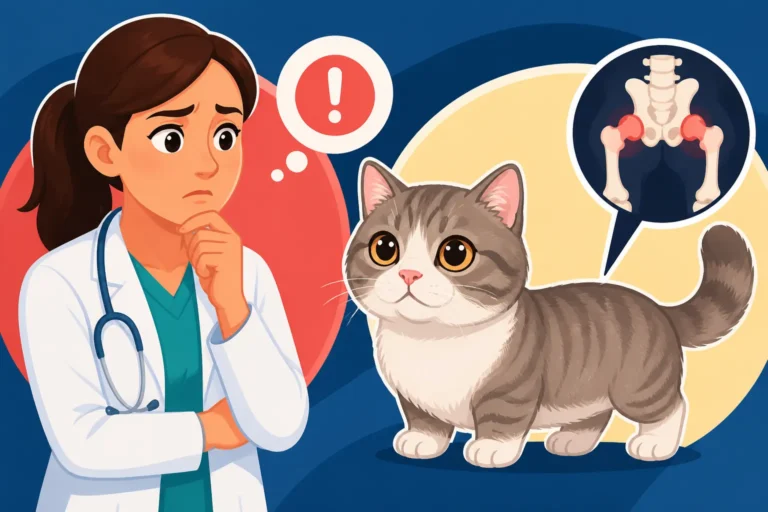
This resignation highlighted the deep ethical concerns held by many within the cat fancy. Critics argued that deliberately breeding for a genetic mutation that results in shortened limbs, even if the cats appeared outwardly healthy, could potentially predispose them to spinal issues or joint problems later in life. For a judge, whose role is to uphold the standards of feline health and conformation, the acceptance of the Munchkin was seen as a direct contradiction of these principles.
The act of resignation served as a powerful statement, drawing significant attention to the welfare debate surrounding the breed. It underscored the profound disagreement within TICA itself and among the broader cat community. While TICA ultimately proceeded with the Munchkin's development, the judge's resignation remains a stark reminder of the ethical quandaries that defined the breed's formative years and continue to influence perceptions of it today. TICA Took the Munchkin In and a Judge Resigned Over It is a critical piece of this history.
How Long the Munchkin Took to Reach Championship
The journey from initial discovery to full championship status within TICA was a relatively swift, though contentious, one for the Munchkin cat. After being recognized in TICA's New Breed Development program in 1994, the breed worked its way through the various stages of recognition. Breeders diligently followed TICA's guidelines, presenting healthy, well-tempered Munchkins in shows, gathering data, and refining the breed standard.
Finally, in 2003, just two decades after Blackberry's discovery and nine years after its initial TICA acceptance, the Munchkin cat achieved full championship status with The International Cat Association. This was a monumental achievement for breeders and enthusiasts, signifying that the breed was considered stable, genetically healthy, and reproducible according to TICA's rigorous standards. Full championship status meant that Munchkins could compete for top honors, earning titles like Grand Champion and Supreme Grand Champion.
This rapid ascent to championship status, especially in the face of ongoing opposition, cemented TICA's reputation as a more progressive and open-minded registry. For Munchkin owners and breeders, it was a validation of their efforts and a testament to the breed's enduring appeal and the apparent vitality of the cats themselves. However, it did little to quell the ethical debates, as other major cat registries continued to refuse recognition, further deepening the divide within the world of pedigree cats.
Which Registries Refuse the Munchkin Today
While TICA has championed the Munchkin, it's crucial to understand that many other prominent cat registries worldwide have firmly refused to recognize the breed, and this stance continues today. This refusal stems primarily from ethical concerns regarding the health implications of breeding for a genetic mutation that causes dwarfism. These organizations prioritize the long-term welfare and natural conformation of cats, viewing the Munchkin's short legs as a potential compromise to these principles.
Among the most notable registries that refuse the Munchkin are the Cat Fanciers' Association (CFA), the largest cat registry in the United States, and the Governing Council of the Cat Fancy (GCCF) in the United Kingdom. Both organizations have explicitly stated that they will not grant recognition to breeds developed around genetic deformities. Their argument centers on the belief that breeding for such traits could lead to health issues like spinal problems, joint pain, or reduced mobility, thereby diminishing the cat's quality of life. Why CFA Will Not Register a Munchkin delves into their specific reasoning.
Beyond these major organizations, many other national and international cat federations also adhere to similar policies, effectively banning the Munchkin from competition and official registration in numerous countries. This means that while Munchkins are recognized and celebrated in TICA-affiliated shows, they are entirely excluded from many other prestigious events and registries around the globe. This ongoing refusal highlights the enduring ethical debate and the differing philosophies within the cat fancy regarding what constitutes a truly healthy and acceptable pedigree cat.
The Naming of a Notable Breed
The name "Munchkin" itself is rather distinctive and often brings a smile to people's faces. It wasn't plucked from thin air or chosen based on some obscure feline characteristic. Instead, it drew inspiration from a classic piece of literature and cinematic history, lending a whimsical and memorable touch to a breed that was already generating considerable buzz due to its unique appearance. The choice of name reflects the playful nature of these cats and, perhaps, an attempt to infuse a sense of enchantment into their narrative.
This deliberate naming was a smart move by early breeders and enthusiasts. It gave the breed an immediate identity that resonated with popular culture, making it more accessible and understandable to a wider audience. Rather than a purely descriptive or technical name, "Munchkin" evoked a specific image and a sense of charm, helping to define the breed's persona even before it achieved full recognition. The story behind the name adds another layer to the breed's already rich and often controversial history.
The name's enduring popularity is a testament to its cleverness. It's instantly recognizable and perfectly encapsulates the breed's most distinguishing feature – its diminutive leg length – while doing so in a lighthearted and memorable way. This branding, whether intentional or not, played a significant role in how the Munchkin was perceived and discussed during its formative years and continues to contribute to its unique appeal today.
Where the Munchkin Name Came From
The name "Munchkin" for the short-legged cat breed is a direct and delightful reference to L. Frank Baum's classic novel, "The Wonderful Wizard of Oz," and its iconic film adaptation. Specifically, it refers to the "Munchkins," the small, friendly, and somewhat diminutive inhabitants of Munchkinland, the first land Dorothy Gale encounters after her house lands in Oz.
This naming choice was no accident. When the short-legged cats were first being developed and shown, their unique stature and playful personalities reminded their advocates of the cheerful, small folk from the beloved story. The name was adopted to highlight their most distinctive physical characteristic – their short legs – in a way that was whimsical and non-pejorative, aiming to evoke charm rather than concern over a genetic anomaly. Why the Munchkin Is Named After the Wizard of Oz explains this connection beautifully.
The adoption of the name "Munchkin" was a clever piece of branding. It immediately gave the breed a recognizable and memorable identity, connecting it to a widely cherished cultural touchstone. This helped to humanize the breed, making it seem less like a genetic experiment and more like a magical, storybook creature, which undoubtedly contributed to its rapid rise in popularity despite the ongoing controversies. It's a name that has stuck, becoming synonymous with the short-legged cats we know today.
The Munchkin That Set the Shortest Cat Record
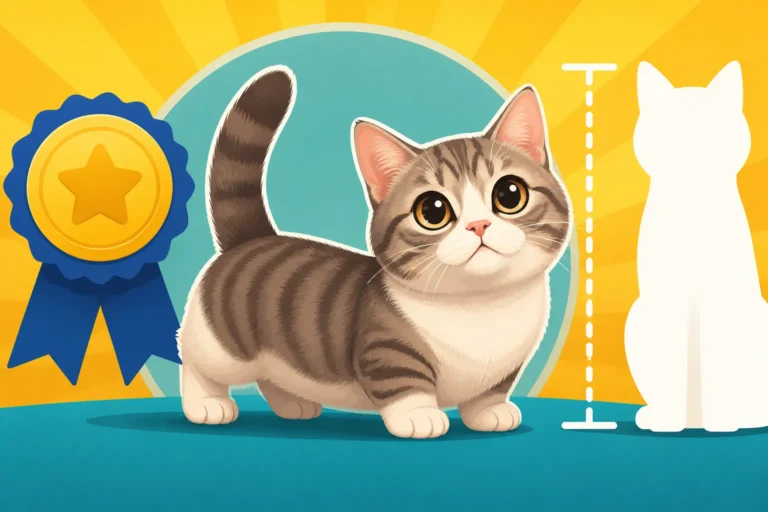
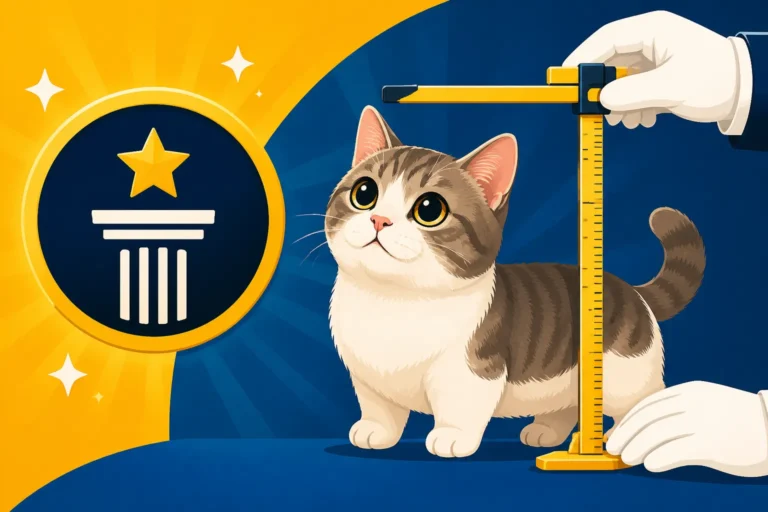
The Munchkin breed is not only famous for its unique appearance and controversial origins but also for holding a notable world record. It was a Munchkin cat named Lilieput, a female calico from Napa, California, who was officially recognized by Guinness World Records as the "shortest living cat" in 2013. At just 5.25 inches (13.34 cm) from floor to shoulder, Lilieput perfectly embodied the breed's defining characteristic in an extreme, yet adorable, way.
This record-setting achievement brought additional international attention to the Munchkin breed, further solidifying its image as the quintessential short-legged cat. While not all Munchkins are as short as Lilieput, her extreme stature showcased the genetic potential of the breed's chondrodysplasia. Her owner, Christine Johnson, described Lilieput as having a big personality despite her small size, capable of running and playing just like any other cat, further challenging the perception that the breed's short legs inherently lead to a diminished quality of life.
The record for the shortest cat has been broken by other felines since Lilieput's time, but the fact that a Munchkin was the first to widely capture this title reinforced the breed's unique place in the feline world. It highlighted the sheer physical distinctiveness of the Munchkin, drawing both admiration for its cuteness and renewed debate over the implications of such extreme physical traits in a domestic animal. It’s a powerful illustration of the breed’s defining feature.
How a Munchkin Differs From a Dwarf Cat
It's really common for people to hear "Munchkin" and immediately think "dwarf cat," and while there's certainly an overlap, it's important to understand the nuance. The key difference lies in the type of dwarfism. A Munchkin cat has a specific form of dwarfism called chondrodysplasia, which primarily affects the long bones of the legs. This results in short legs, but typically a body of normal length and size, a normal head, and a flexible spine. This is why their bodies often look disproportionately long compared to their short legs.
On the other hand, the term "dwarf cat" can be a much broader, and sometimes misused, term. It could refer to a Munchkin, but it also encompasses other forms of dwarfism that affect overall body size, head size, or even spinal structure more severely. For instance, pituitary dwarfism results in a cat that is proportionally smaller all over, often with other health complications, which is distinct from the Munchkin's chondrodysplasia. Sometimes, unethical breeders might even use "dwarf" to market extremely small cats that are actually just runts or sickly.
So, while all Munchkins are technically dwarf cats in the sense that they possess a form of dwarfism, not all dwarf cats are Munchkins. The Munchkin's specific type of dwarfism is targeted, impacting only limb length. This distinction is crucial for understanding the breed's health profile and why its spine is generally considered to be of normal length and flexibility, unlike other forms of dwarfism that can lead to more widespread skeletal abnormalities. Why a Munchkin's Spine Is Normal Length elaborates on this point.
Establishing the Breed Standard and Outcrossing
As the Munchkin moved from being a curious genetic anomaly to a recognized breed, the establishment of a formal breed standard became paramount. This document, meticulously crafted by TICA, serves as the blueprint for what an ideal Munchkin cat should embody, guiding breeders in their efforts to produce healthy, well-conformed, and true-to-type examples of the breed. It details everything from leg length and body type to head shape, ear placement, and temperament, providing a consistent vision for the Munchkin.
Integral to the development and maintenance of the Munchkin breed has been the practice of outcrossing. From the very beginning, ethical breeders understood the critical importance of introducing fresh genetic material from domestic long-legged cats. This wasn't just a casual practice; it was a deliberate strategy to broaden the gene pool, ensure genetic diversity, and prevent the accumulation of undesirable traits or health issues that can arise from excessive inbreeding. Outcrossing is a cornerstone of responsible Munchkin breeding.
The combination of a well-defined breed standard and a robust outcrossing program has allowed the Munchkin to evolve into the stable and generally healthy breed that TICA recognizes today. These foundational elements ensure that while the distinctive short legs are preserved, the overall vitality, genetic health, and conformation of the cats are also carefully maintained. It's a delicate balance, but one that dedicated Munchkin breeders meticulously work to achieve.
What the TICA Munchkin Standard Asks For
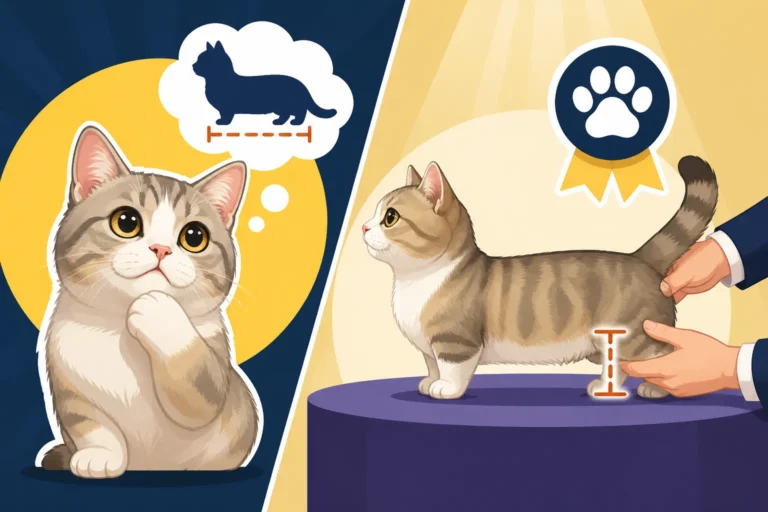
The TICA Munchkin Standard is the definitive guide for breeders and judges, outlining the ideal characteristics of the breed. Unlike some breeds where color or coat pattern might be highly specific, the Munchkin standard places its primary emphasis on the defining trait: the legs. It calls for short to very short legs, but critically, these legs must not impede the cat's ability to run, jump, and play. The goal is a cat that is active and mobile, not hampered by its unique stature.
Beyond the legs, the standard describes a medium-sized cat with a moderate, well-muscled body. The chest should be full, and the spine flexible, with no indication of lordosis (an inward curvature of the spine) or pectus excavatum (a sunken chest), which are conditions Munchkins can be prone to. The head should be a modified wedge with rounded contours, and the eyes should be walnut-shaped, expressive, and set well apart. There's also flexibility in terms of coat length and color, allowing for a wide variety, as these traits are not linked to the defining short-leg gene.
Temperament is also a key component; the Munchkin should be outgoing, playful, and affectionate. The standard explicitly states that the cat should not appear fragile or have any physical characteristic that would hinder its overall health or mobility. Essentially, TICA's standard seeks to define a cat that is robust and healthy, with its short legs being its only significant deviation from a typical domestic cat's conformation. What a Munchkin Looks Like Against the TICA Standard goes into this in more detail.
How a Breeder Plans a Munchkin Mating
Planning a Munchkin mating is a very specific process, primarily driven by genetics and a strong commitment to the cats' welfare. The fundamental rule, and one that all ethical breeders adhere to, is that a short-legged Munchkin is always bred to a non-Munchkin, normal-legged cat. This is because the Munchkin gene is an autosomal dominant gene that is lethal in its homozygous form, meaning two copies of the gene. Munchkin Dwarfism Is Dominant and Lethal in Two Copies means that if two short-legged Munchkins are bred together, approximately 25% of the embryos would inherit two copies of the gene and would not survive.
So, when a breeder plans a mating, they select a short-legged Munchkin (which, by definition, has one copy of the gene, making it heterozygous) and pair it with a normal-legged cat (an outcross). The outcross can be any healthy, well-tempered domestic cat, often a specific breed chosen for its desirable traits or simply a high-quality domestic shorthair or longhair. This strategy ensures that all viable kittens born will either be short-legged (inheriting one copy of the gene) or normal-legged (inheriting no copies), thereby avoiding the lethal homozygous combination.
The expected outcome of such a mating is approximately 50% short-legged kittens and 50% normal-legged kittens. The breeder carefully records pedigrees, monitors the health of the parents, and genetic tests where applicable to ensure the healthiest possible offspring. This meticulous planning is not just about producing adorable short-legged kittens; it's about responsible genetics and prioritizing the health and vitality of the entire litter. Why a Munchkin Is Always Bred to a Normal Legged Cat highlights the essential nature of this practice.
Which Domestic Cats Are Used as Munchkin Outcrosses
The practice of outcrossing is fundamental to maintaining the health and genetic diversity of the Munchkin breed. Given that Munchkins must always be bred to normal-legged cats to avoid the lethal homozygous gene combination, the choice of outcross partners is incredibly important. Ethical Munchkin breeders typically use healthy, well-tempered domestic cats, either registered breeds or high-quality domestic shorthairs and longhairs, as their outcrosses.
The beauty of outcrossing with domestic cats is the vast gene pool it provides. Breeders might choose a domestic shorthair for its robust health and common characteristics, ensuring a hardy lineage. They might also select a specific registered breed to introduce certain desirable traits like a particular coat texture, color, or even a calmer temperament. For example, some breeders might use a Persian or an Exotic Shorthair to introduce a plush coat or a flatter face (though crosses with other breeds can lead to further mutations, a practice which draws further criticism from vets). The key is always to select a healthy individual with no known genetic issues.
This consistent introduction of new genetic material from unrelated long-legged cats ensures that the Munchkin breed avoids the pitfalls of a limited gene pool, which can lead to increased incidence of genetic diseases and overall reduced vitality. It’s a deliberate strategy that keeps the breed robust and prevents it from becoming too inbred. The flexibility in outcrosses helps the Munchkin maintain a wide genetic diversity, ensuring its long-term health, vitality, and resilience.
The Munchkin's Enduring Impact
From its humble beginnings under a Louisiana truck in 1983, the Munchkin cat has carved out an indelible, if controversial, place in the feline world. Its story is one of a genetic anomaly turned into a celebrated breed by dedicated enthusiasts, a journey marked by both adoration and fierce ethical debate. The Munchkin's impact extends far beyond its unique physical appearance; it has influenced breed development, sparked conversations about animal welfare, and captivated cat lovers across the globe.
The breed’s enduring popularity, despite the opposition from some traditional cat registries, speaks volumes about its charm and the affection it inspires. Munchkins are known for their playful, outgoing personalities, often described as "ferret-like" in their agility and inquisitiveness. They adapt well to indoor living and form strong bonds with their human companions. This combination of unique looks and delightful temperament has ensured their continued presence in homes worldwide.
Ultimately, the Munchkin's legacy is complex. It represents a fascinating case study in selective breeding, genetic inheritance, and the evolving ethics of companion animal development. Whether viewed as a charming novelty or a concerning example of breeding for aesthetic extremes, there's no denying that the Munchkin cat has left an undeniable paw print on the history of domestic felines, continuing to spark conversation and delight those who welcome these short-legged wonders into their lives.
How Popular the Munchkin Is Worldwide
The Munchkin cat enjoys a significant level of popularity across the globe, though its acceptance and prevalence vary considerably by region. In countries where TICA is a dominant cat registry, such as the United States and parts of Asia, the Munchkin is highly sought after. Its unique appearance and playful demeanor have made it a favorite among cat enthusiasts looking for something distinct. The breed's cute factor, often amplified through social media, contributes greatly to its demand. You can often find a wide array of Munchkin-related products and accessories on platforms like Chewy, catering to their specific needs.
However, in contrast to its popularity in some regions, the Munchkin faces considerable resistance and even outright bans in other parts of the world, particularly in many European countries. Organizations like the GCCF in the UK, as mentioned earlier, do not recognize the breed, and some national animal welfare laws in countries like Germany and the Netherlands classify its breeding as unethical or even illegal due to concerns about inherited skeletal issues. This stark contrast illustrates the global divide in attitudes towards breeds with genetic anomalies.
Despite these regional differences, the Munchkin's global appeal remains strong among its proponents. Breeders continue to work within the guidelines of accepting registries, and a significant pet market exists for these cats. Its enduring charm ensures that it will continue to be a popular choice for many, especially those who prioritize its unique aesthetic and reported active lifestyle, even while the ethical debates surrounding its existence persist.
Which Household a Munchkin Fits
The Munchkin cat, despite its unique physical conformation, generally fits into a variety of household environments, much like a typical domestic cat, with some important considerations. Their playful and curious nature makes them excellent companions for families, singles, and even seniors who are able to adapt their homes to the cat's needs. They are typically very social and enjoy interacting with their human family members, often seeking out attention and playtime.
They thrive best in indoor environments where their unique mobility needs can be accommodated. A single-story home or an apartment can be ideal, as it minimizes the need for stairs, which can be challenging for a Munchkin, particularly as they age. If stairs are present, providing ramps or steps for furniture access is crucial. They are generally good with children, provided the children are taught how to interact gently and responsibly, understanding that the Munchkin cannot easily jump out of reach or run away from overzealous handling. They also typically get along well with other pets, including dogs, if properly introduced, thanks to their adaptable and good-natured personalities.
However, an ideal Munchkin household is one where owners are prepared to make necessary environmental modifications. This includes ensuring all desired perching spots are accessible via ramps or steps, and that their litter boxes have low entry points. Owners should also be mindful of an overweight Munchkin, as extra pounds put more strain on their joints and spine. Why Weight Is More Dangerous on a Munchkin is a critical read for any potential owner. Ultimately, the Munchkin fits best into a loving home that understands and is willing to cater to its particular physical characteristics, ensuring a safe, enriching, and comfortable life at floor level.
The Munchkin's Influence on Other Breeds
The Munchkin cat's distinct short-legged trait proved to be a powerful and desirable characteristic, leading to its direct influence on the creation of several other new feline breeds. Once TICA recognized the Munchkin, it opened the door for breeders to cross Munchkins with other established breeds to create cats with combined unique features. These "Munchkin hybrids" are essentially the Munchkin gene introduced into a different genetic background, resulting in a range of fascinating and sometimes controversial new breeds.
Perhaps one of the most well-known Munchkin-derived breeds is the Minuet (formerly known as the Napoleon), which is a cross between a Munchkin and a Persian or Exotic Shorthair. This combination resulted in a short-legged cat with the long, flowing coat and distinctive flat face of the Persian. Other examples include the Bambino (Munchkin x Sphynx, resulting in a hairless, short-legged cat) and the Kinkalow (Munchkin x American Curl, giving a short-legged cat with curled ears). How the Minuet Was Made From a Munchkin and How the Bambino Was Made From a Munchkin are great examples of this.
This proliferation of Munchkin-derived breeds highlights the significant impact Blackberry and Toulouse had on the cat fancy. While these hybrid breeds also face their own set of ethical debates, they demonstrate the genetic versatility of the Munchkin gene and its appeal to breeders seeking to combine various aesthetic traits. The Munchkin, therefore, isn't just a breed in itself; it's a foundational element for an entire family of short-legged feline varieties, forever changing the landscape of pedigree cats.
The Chronology of the Munchkin Cat
To truly appreciate the Munchkin's journey, it helps to see its key milestones laid out in a chronological fashion. From its chance discovery to its eventual championship status, each step contributed to the breed's unique history and the ongoing discussions surrounding it.
| Year | Event | Significance |
|---|---|---|
| 1983 | Discovery of Blackberry in Rayville, Louisiana | The foundational cat with the short-legged mutation is found. |
| Mid-1980s | Blackberry gives birth; Toulouse (her short-legged son) is identified | Confirmation that the short-legged trait is hereditary and can be passed through generations. Toulouse becomes a key breeding male. |
| 1991 | Munchkin makes its public debut at a TICA show in Madison Square Garden | First public exhibition, sparking widespread interest and controversy. |
| 1994 | TICA accepts the Munchkin into its New Breed Development program | Official recognition by TICA as a breed in progress, allowing structured breeding and showing. |
| 2003 | Munchkin achieves full TICA Championship Status | The breed is fully recognized and can compete for top honors in TICA shows. |
| 2013 | Lilieput, a Munchkin, sets Guinness World Record for "shortest living cat" | International recognition and further media attention for the breed's defining characteristic. |
Disclaimer
This article is for general informational purposes only and does not constitute professional advice. Laws, prices and regulations vary by location and change over time. Consult a qualified professional for guidance on your specific situation.