Why Munchkin Crosses Worry Veterinarians
It’s a natural thing, isn't it? You see a Munchkin cat, with those adorable short legs, and then you start to wonder about other unique-looking cats. Perhaps you've come across pictures of a Munchkin with curled ears, or one that’s hairless, and suddenly, your mind leaps to "What if?" It's exciting to think about combining traits to create something new and, let's be honest, often incredibly cute. But for many veterinarians, these "designer" Munchkin crosses, where the defining short-leg gene is intentionally mixed with another breed's distinctive genetic trait, can raise some serious red flags and genuine concerns about the long-term health and welfare of the cats involved. This guide is here to shed light on why combining these unique genetic traits often sparks such worry among animal health professionals.
Understanding the Munchkin Gene and Standard Outcrossing
Before we dive into the complexities of crosses, it’s vital to understand the Munchkin cat itself. The short legs are a result of a naturally occurring genetic mutation, not something human-made initially. When responsible breeders work with Munchkins, they follow very specific rules to keep the cats as healthy as possible.
The Autosomal Dominant Trait Explained
The gene responsible for a Munchkin's short legs is known as an autosomal dominant trait. What does "autosomal dominant" mean in plain English? It means that a cat only needs to inherit one copy of this particular gene from one parent to have short legs. If a cat gets two copies of this gene – one from each parent – the outcome is tragically different. Kittens inheriting two copies of the Munchkin gene often don't survive to be born, or they pass away very early in development. This is why you'll often hear that Munchkin Dwarfism Is Dominant and Lethal in Two Copies.
Because of this, ethical Munchkin breeders will never breed two short-legged Munchkins together. It's a fundamental rule of the breed, ensuring that no kittens are born with that lethal double dose. Instead, a short-legged Munchkin is always bred to a normal-legged cat (often called a Munchkin variant or outcross). This ensures that, statistically, half the litter will have short legs (inheriting one copy of the gene) and half will have normal legs (inheriting no copies). Understanding this basic genetic principle is the cornerstone of responsible Munchkin breeding, and it's where the path to problematic crosses often diverges.
The Necessity of Outcrossing for Health
The Munchkin breed's genetic foundation relies heavily on outcrossing. Since you can't breed two short-legged Munchkins together, the breed must continuously introduce cats from other domestic breeds with normal leg length. This practice is crucial for maintaining genetic diversity and preventing the build-up of other undesirable health issues that can occur when a gene pool becomes too small. It's a way to keep the breed robust and healthy, bringing in fresh genetic material from healthy, unrelated cats.
The goal of outcrossing is to strengthen the Munchkin line, not to create new breeds with additional mutations. The normal-legged cats used in outcrosses are typically robust domestic shorthairs or longhairs, chosen for their excellent health, temperament, and genetic soundness. These outcrosses do not introduce another specific, genetically-linked physical trait or mutation on top of the Munchkin's short legs. They are simply there to contribute to a healthy gene pool. This careful approach contrasts sharply with the intentional combination of two distinct, defining mutations that we see in many Munchkin crossbreeds, which is where veterinary concerns truly begin to mount.
The Ethical Minefield of Stacked Mutations
This is really the crux of why veterinarians often express significant worry about certain Munchkin crosses. It’s not just about aesthetics or novelty; it’s about the potential cumulative impact on a cat's physical health and quality of life when multiple, sometimes conflicting, genetic anomalies are combined.
Why Combining Skeletal Anomalies Is Problematic
Imagine building a house with a known structural weakness, and then intentionally adding another major structural weakness to a different part of the same house. That’s essentially what happens when you combine the Munchkin's pseudoachondroplasia (the genetic condition causing short legs) with another skeletal mutation. The Munchkin's short legs mean their spine, in particular, often carries a different kind of load than a long-legged cat's. While many Munchkins live full, active lives, their unique conformation can predispose them to certain issues like lordosis (an inward curvature of the spine) or pectus excavatum (a sunken chest), though the frequency of these issues is often debated. When you then introduce another gene that affects the skeleton or cartilage, you're potentially creating a "double whammy" for the cat's body.
Veterinarians worry that these stacked skeletal anomalies can lead to more severe forms of the conditions, earlier onset of pain, or complications that simply wouldn't exist in a cat with only one genetic peculiarity, or none at all. It's about cumulative stress on the body. A cat's body is a delicate system, and layering genetic predispositions can overwhelm its natural ability to cope and compensate. This is especially true for conditions that might be manageable in isolation but become debilitating when combined. This situation fundamentally changes the cat's physical experience, potentially leading to chronic discomfort, reduced mobility, and a diminished quality of life. The question quickly becomes, is the novelty of a particular appearance worth the potential suffering of the animal?
The Double Burden on a Cat's Body
When we talk about a "double burden," we're not just being dramatic. Think about a Munchkin's short legs. They already affect how a cat jumps, lands, and grooms itself. While they are often agile on the flat, their ability to navigate vertical spaces is inherently limited. Now, imagine adding another genetic condition that also affects mobility, such as the cartilage degeneration seen in Scottish Folds. What Two Skeletal Mutations Do to One Munchkin is truly concerning because it means the cat is facing challenges from two different, yet interacting, genetic sources.
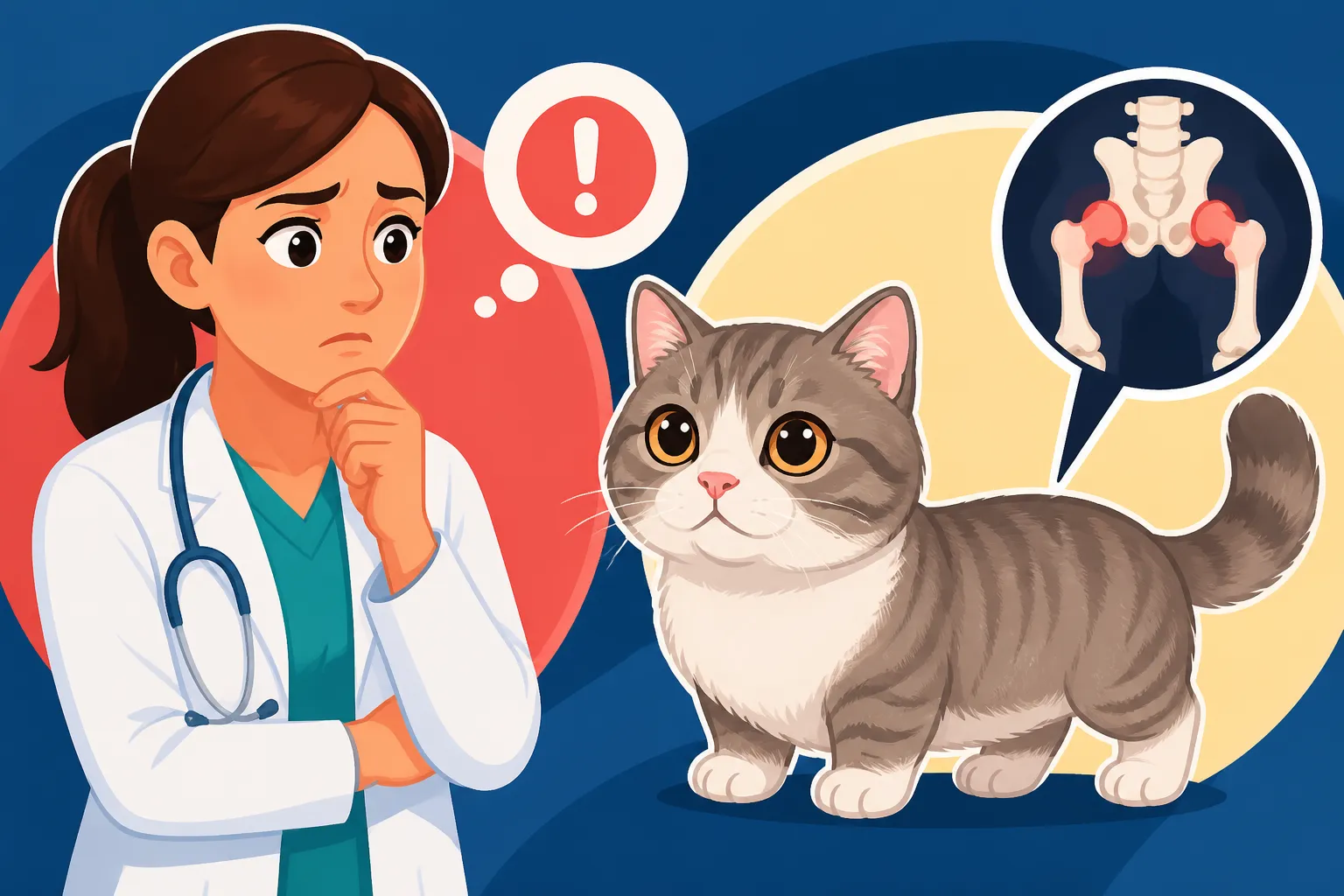
For example, a Scottish Fold Munchkin (which we'll delve into more deeply) might have the short legs of a Munchkin and the fragile, malformed cartilage of a Scottish Fold. This can mean their joints are under stress not only from their leg length but also from inherently weak or deformed cartilage. This can lead to severe, early-onset arthritis, chronic pain, and significant limitations in movement. The cat might not just have difficulty jumping; it might have pain with every step. The combination can also make routine vet examinations, anesthesia, and even simple handling more complex and risky. It's a scenario where the animal has to compensate for multiple physical limitations, making their daily life a constant challenge. Products that enhance mobility or comfort, like a ramp from Chewy, become not just helpful but absolutely essential for these cats, sometimes from a much younger age.
Examining Specific Munchkin Hybrid Breeds
While the general principle of stacking mutations is concerning, looking at specific examples helps illustrate why vets have such strong objections to certain crosses. Some Munchkin hybrids combine the short-leg gene with other aesthetic traits that, in themselves, carry genetic health risks.
Minuet, Bambino, and Lambkin: A Closer Look
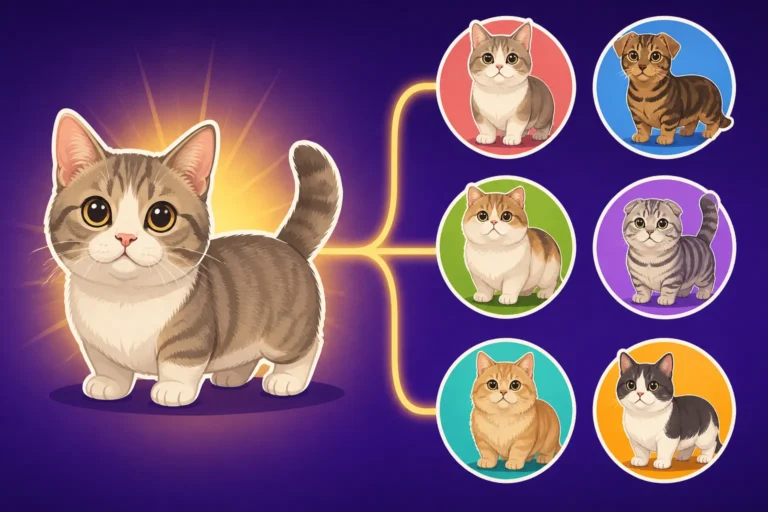
Many Munchkin hybrid breeds were developed with specific other breeds to create a unique look. Let's explore a few of the more common ones:
- Minuet (formerly Napoleon): This breed combines the Munchkin with the Persian and Himalayan cat. The goal was to take the Munchkin's short legs and combine them with the Persian's long, flowing coat and distinctive brachycephalic (short-nosed) facial structure. While beautiful, Persians themselves are prone to several health issues, including polycystic kidney disease (PKD) and breathing difficulties due to their flattened faces. When breeding Munchkins with Persians, there's a risk that the Minuet kittens could inherit the short legs and the potential for PKD or respiratory challenges. Why a Munchkin From a Persian Cross Needs a PKD Test becomes absolutely critical in these lines to ensure responsible breeding. Imagine a cat with potential breathing issues and short legs, making exertion more challenging – these are the compounding factors vets consider.
- Bambino: This striking hybrid crosses the Munchkin with the Sphynx, resulting in a hairless, short-legged cat. Sphynx cats are known for needing special care due to their lack of protective fur, making them susceptible to skin issues, temperature regulation problems, and certain heart conditions like hypertrophic cardiomyopathy (HCM). A Bambino, therefore, might face the mobility challenges of a Munchkin compounded by the Sphynx's needs for warmth, skin protection, and vigilant health monitoring for cardiac issues. The novelty of a "miniature Sphynx" can overshadow the very real, ongoing care requirements.
- Lambkin: This breed combines the Munchkin with the Selkirk Rex, a breed known for its distinctive curly coat. While the Selkirk Rex is generally robust, its curly hair can sometimes lead to issues with matting if not groomed meticulously, and in some individuals, skin irritation or ingrown hairs if the curl is very dense. A Lambkin, therefore, combines the grooming challenges of a long-haired or curly cat (especially around the hindquarters which a Munchkin can't reach easily) with the short-leg conformation. These cats might need more frequent professional grooming or attentive home care, using tools like those found at Chewy, to prevent mats from becoming painful skin problems.
In all these cases, the concern isn't just about the Munchkin's legs; it's about the additive effect of another breed's genetic predispositions or care needs being layered on top.
The Controversial Scottish Fold Munchkin Cross
If there's one Munchkin cross that truly raises the alarm bells for veterinarians, it's the Scottish Fold Munchkin. This combination is often cited as a prime example of Which Munchkin Crosses Vets Object To Most, and for very good reason. The Scottish Fold's defining trait – its adorable folded ears – is the result of a genetic mutation called osteochondrodysplasia (OCD). This isn't just a cosmetic feature; it's a severe developmental abnormality of cartilage and bone throughout the entire body. While it manifests most visibly in the ears, leading to the fold, it also affects the joints, spine, and tail.
Cats with OCD, even those with only one copy of the gene (like all folded-ear Scottish Folds), suffer from progressive, painful arthritis, stiffening joints, and bone spurs, often leading to severe lameness and chronic pain from a young age. Breeding two Scottish Folds together can result in even more devastating, crippling forms of the disease. Therefore, responsible Scottish Fold breeding strictly mandates outcrossing to normal-eared cats, similar to the Munchkin's breeding rules.
When you intentionally cross a Munchkin with a Scottish Fold, you are combining two distinct skeletal mutations. This creates a cat that could potentially suffer from both the short-leg challenges of a Munchkin and the debilitating, painful joint disease of a Scottish Fold. It’s essentially creating a cat predisposed to two sets of physical problems. The ethical implications of breeding an animal that is highly likely to experience chronic pain and reduced mobility from multiple sources are profound. This is why a Scottish Fold Munchkin is a warning (Why a Munchkin From a Scottish Fold Cross Is a Warning) to anyone considering such a pet, and why the veterinary community is almost universally opposed to their intentional creation. The pursuit of a "cute" look can come at an enormous cost to the cat's welfare.
Veterinary Perspectives: Welfare Concerns and Disagreement
It’s important to understand that veterinary opinions on designer breeds, and especially those stacking genetic mutations, are not just arbitrary dislikes. They stem from a deep commitment to animal welfare and scientific understanding of genetics and physiology.
Prioritizing Quality of Life Over Novelty
For veterinarians, the primary concern is always the animal's quality of life. Is the cat able to move comfortably, play, groom itself, and live without chronic pain or significant physical limitations? When breeds are developed that intentionally combine genetic traits that could compromise these basic functions, vets become concerned. The novelty of a particular appearance, however unique or "cute" it may seem, should never come at the expense of the animal's ability to thrive.
The short legs of a Munchkin already present certain functional limitations. While many Munchkins adapt remarkably well and are playful and agile on the flat, their ability to jump, climb, and escape threats is undeniably restricted compared to a long-legged cat. Adding another skeletal anomaly, or a condition that requires extensive, lifelong care, can push these limitations into the realm of compromised welfare. Vets see the consequences: cats presenting with early-onset arthritis, spinal issues, or struggling with basic self-care. Their role is to advocate for the animals, and when a breeding practice seems to prioritize appearance over health, it becomes a serious ethical issue. They often have to counsel owners facing heartbreaking decisions about managing chronic pain in these cats. This perspective directly addresses How to Judge a Munchkin's Quality of Life.
The Divide in the Veterinary Community
It's true that not every vet will have the exact same opinion on every breed, but when it comes to stacking known genetic mutations, there's a significant consensus that it's problematic. However, the broader discussion around breeds like the Munchkin, and certainly its crosses, has created Why Vets Disagree About the Munchkin and other similar breeds.
Some veterinarians might focus on the fact that many individual Munchkins lead perfectly happy, healthy lives, especially if bred responsibly and cared for appropriately. They might argue that the health problems sometimes associated with Munchkins (like lordosis) are also found in other breeds or mixed-breed cats. However, the strong objections come into play when a breeder knowingly combines genes that predictably lead to a higher incidence of severe, painful, and often untreatable conditions.
The divide usually isn't about whether all Munchkins are inherently "bad," but rather about the ethics of intentionally creating cats with multiple genetic predispositions to illness or disability. Most vets are united in their concern that a cat should not suffer for its appearance. They see the chronic conditions, the expensive treatments, and the emotional toll on owners, and they recognize that many of these issues could be avoided with more responsible breeding practices that prioritize health above all else. This isn't about judging owners; it's about advocating for the animals that can't advocate for themselves.
The Role of Responsible Breeding in Munchkin Crosses
Despite the concerns, responsible breeding practices do exist, and they are absolutely crucial for the welfare of any breed, especially those with unique genetic traits. For Munchkin crosses, the focus shifts even more heavily onto rigorous health screening and a commitment to genetic transparency.
Health Screening and Genetic Transparency
A truly responsible breeder, even one working with Munchkin crosses (though the most ethical ones would avoid crosses with known skeletal defects like Scottish Folds), places paramount importance on the health of their breeding cats and kittens. This means extensive health screening. For Munchkin crosses, this might involve:
- Genetic Testing: Where tests exist for breed-specific diseases of the outcross breed (like PKD for Persians or HCM for Sphynx), these tests should be performed on all breeding stock. A good breeder will be able to show you the results for both parents.
- Veterinary Examinations: Breeding cats should have regular, thorough veterinary check-ups. For Munchkin-derived cats, this includes careful palpation of the spine to check for lordosis and assessment of leg conformation. For breeds like the Scottish Fold, breeding animals should be X-rayed to evaluate the severity of their osteochondrodysplasia, though again, a truly responsible breeder would not cross a Munchkin with a Scottish Fold. What a Munchkin Breeder Should Be Able to Show You should include clear health records.
- Temperament Assessment: Beyond physical health, a good breeder ensures their cats have excellent temperaments, as this is also an inherited trait important for a happy pet.
- Transparency: A responsible breeder is open and honest about the potential health challenges of their chosen breed or cross. They should freely discuss the genetic inheritance patterns, show you health certifications, and be willing to answer all your questions about the parents and kittens. They will never try to hide potential issues or market a cross as "problem-free" if known risks exist.
This level of due diligence helps ensure that any kittens produced have the best possible start and minimize the chances of inheriting foreseeable health problems.
Avoiding Unnecessary Risk and Promoting Welfare
Ultimately, the goal of responsible breeding is to improve and maintain the health and welfare of the breed, not to create cats with an increased risk of suffering. This means avoiding breeding practices that introduce unnecessary risks. For Munchkin crosses, this translates to:
- No Double Dominant Mutations: As discussed, this is the biggest red flag. Deliberately combining the Munchkin gene with another known dominant genetic defect that impacts the skeleton (like the Scottish Fold's OCD) is widely considered unethical by the veterinary community. It puts the kitten at a severe disadvantage from birth. Why Munchkin Hybrids Stack Two Mutations is a crucial topic for understanding ethical boundaries.
- Careful Outcross Selection: If creating a Munchkin hybrid (like a Minuet or Bambino), the outcross breed should be chosen for its health and temperament, not just its look. Thorough screening of the outcross for its own breed-specific issues is essential.
- Prioritizing Function Over Form: The primary consideration should always be whether the resulting cat can live a comfortable, functional life. If the combination of traits is likely to lead to chronic pain, severe mobility limitations, or extensive lifelong medical needs, then the cross should be avoided.
- Education for Buyers: A responsible breeder educates potential owners about the specific care needs and potential health considerations of their kittens. For instance, explaining that a Munchkin needs specific ramps, or that a hairless cross needs special skin care, or that a long-haired Munchkin will need regular grooming, perhaps with tools ordered from Chewy. How Early a Munchkin Kitten's Legs Show allows breeders to assess kittens from a young age and inform buyers.
While the appeal of a unique-looking cat is undeniable, the long-term health and well-being of the animal must always come first. When considering a Munchkin cross, always seek out breeders who demonstrate an unwavering commitment to health screening, genetic transparency, and the ethical responsibility of promoting feline welfare above all else.
| Hybrid Breed | Munchkin Outcross | Additional Concerns (Beyond Short Legs) |
|---|---|---|
| Minuet (Napoleon) | Persian | Polycystic Kidney Disease (PKD), brachycephalic issues (breathing, tear staining), dense coat care. |
| Bambino | Sphynx | Hairlessness (temperature regulation, skin protection), dental issues, hypertrophic cardiomyopathy (HCM). |
| Lambkin | Selkirk Rex | Fragile/curly coat care, potential for ingrown hairs, skin issues due to coat type. |
| Kinkalow | American Curl | Ear cartilage deformities, ear infections, limited hearing if curl is severe. |
| Genetta | Savannah / Bengal | Wild cat genetics (size, temperament), greater exercise needs, potential for hybrid sterility in early generations. |
| Scottish Fold Munchkin | Scottish Fold | Osteochondrodysplasia (OCD) – severe cartilage and bone abnormalities leading to crippling arthritis, spinal fusion. |
Disclaimer
This article is for general informational purposes only and does not constitute professional advice. Laws, prices and regulations vary by location and change over time. Consult a qualified professional for guidance on your specific situation.