Every Short Legged Breed Descends From the Munchkin
It can be incredibly confusing when you encounter a cat with noticeably short legs. Are they all simply "Munchkins," or is there something more to the story? You might see various names popping up – Minuet, Bambino, Kinkalow – and wonder if these are just fancy marketing terms or actual distinct breeds. This guide aims to clear up that confusion, explaining why, at their core, almost every short-legged cat breed you'll encounter today traces its unique physique directly back to the original Munchkin cat.
The Humble Beginnings: Uncovering the Munchkin's Origin Story
Every great story has a beginning, and for short-legged cat breeds, that beginning traces back to a serendipitous discovery in Louisiana. Without this initial finding, the world of feline genetics and breed development would look entirely different, particularly for the charming, low-slung cats we know today. It all started with a stray, a cat that would unwittingly become the foundation matriarch of a whole new lineage.
The Discovery of Blackberry: A Genetic Blueprint
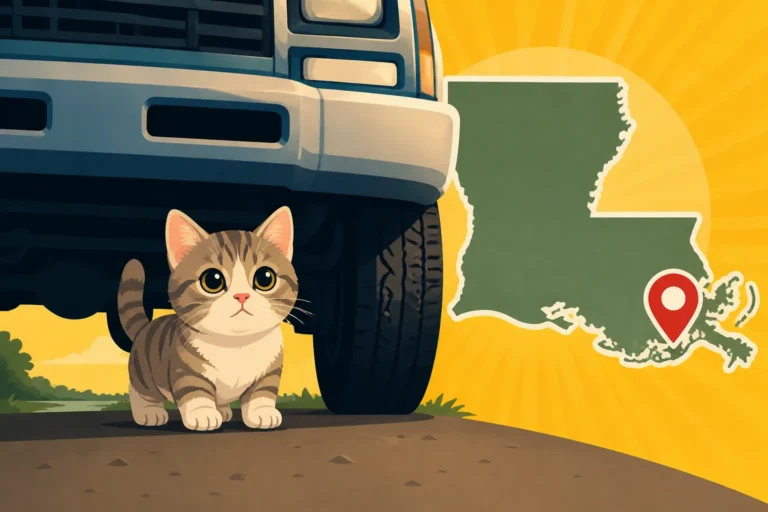
In 1983, a schoolteacher named Sandra Hochenedel found two pregnant stray cats under a truck in Rayville, Louisiana. One of these cats, a black shorthair, had unusually short legs. Hochenedel took them in, and when the short-legged cat, whom she named Blackberry, gave birth, half of her kittens also inherited the characteristic short legs. This was the moment the Munchkin breed truly began. It was immediately clear that this wasn't an injury or a developmental anomaly specific to Blackberry; it was a genetic trait being passed down.
Blackberry's short legs weren't due to a painful condition or a deformity; they were the result of a spontaneous genetic mutation. This mutation affected the long bones in her legs, causing them to be significantly shorter than those of a typical cat, while her spine and body length remained proportionate. It was a form of dwarfism, but distinct from other types that often come with severe health complications. This unique genetic blueprint, carried by Blackberry, was the spark that ignited the entire short-legged cat movement.
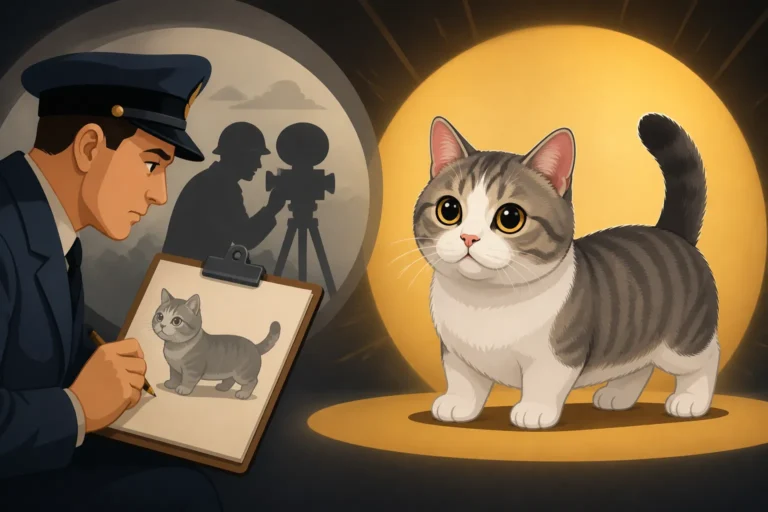
The other pregnant stray Hochenedel found that day, a normal-legged cat, also played a role in the initial care, but it was Blackberry and her unusual offspring that captured attention. Hochenedel gave one of Blackberry's short-legged male kittens to her friend, Kay LaFrance, who named him Toulouse. Toulouse, in turn, went on to sire more short-legged kittens, proving the trait was indeed heritable and not a one-off occurrence. It was this careful observation and subsequent breeding that solidified the Munchkin's place as a true genetic breed.
Early Litters and the Spreading of the Short-Legged Trait
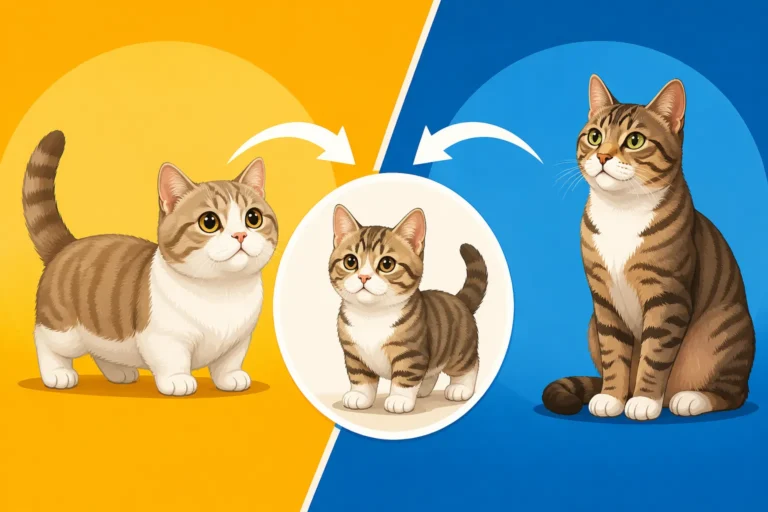
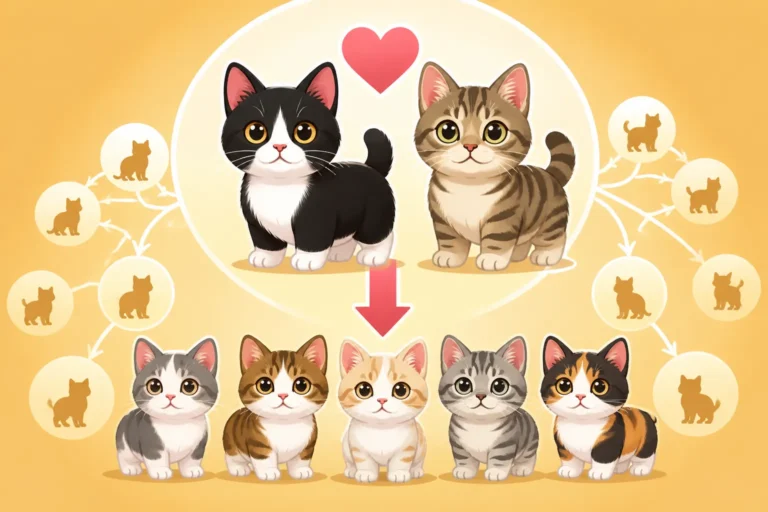
The early litters from Blackberry and Toulouse quickly established a crucial pattern: when a short-legged Munchkin was bred to a normal-legged domestic cat, roughly half of the kittens would have short legs, and the other half would have normal length legs. This 50/50 split was a clear indicator of a dominant genetic trait, meaning only one copy of the gene was needed for the short-legged characteristic to express itself. This predictability was vital for responsible breeding.
The spread of the Munchkin trait started slowly, confined initially to Hochenedel and LaFrance's efforts. They recognized the unique nature of these cats and understood the importance of careful breeding to maintain health and establish the characteristic. Unlike some initial mutations that disappear, the Munchkin gene proved stable and easily passed on, allowing for a growing population of these distinctive felines.
This initial phase was about proving the genetic viability and health of the breed. It wasn't about creating designer cats; it was about understanding a naturally occurring genetic variant. Breeders like LaFrance continued to outcross Munchkins with regular domestic cats to ensure genetic diversity and prevent inbreeding, which is a crucial aspect of establishing any new breed line. The foundation was laid for what would become a fascinating, albeit controversial, chapter in cat fancy history.
The Genetics Behind the Short Legs: Autosomal Dominance Explained
Understanding the genetics of the Munchkin is absolutely key to grasping why so many other short-legged breeds trace their lineage back to it. It’s not just about "short legs" – it’s about a specific type of genetic inheritance that dictates how the trait is passed on and what happens when certain combinations occur. This knowledge is fundamental for any responsible breeder and owner.
Why Munchkin Dwarfism Is Called Autosomal Dominant
The specific genetic trait responsible for the Munchkin's short legs is known as an autosomal dominant mutation. Let's break that down. "Autosomal" means the gene isn't linked to sex chromosomes (like X or Y), so it affects both male and female cats equally. It's not like calico patterns that are usually only seen in females, for instance. A male Munchkin and a female Munchkin have the same chance of passing on the gene.
"Dominant" is the crucial part. It means that a cat only needs to inherit one copy of this particular gene from one parent to exhibit the short-legged trait. If a cat inherits even one copy, its legs will be short. This is in contrast to recessive traits, where two copies (one from each parent) are required for the trait to show. This dominant nature is why, when a short-legged Munchkin (which carries one copy of the gene) is bred to a normal-legged cat (which carries no copies), approximately half the litter will be short-legged, and half will be normal-legged. The chances are evenly split for each kitten because there's a 50% chance of inheriting the single dominant gene.
This dominant inheritance pattern is why the Munchkin breed could be established relatively quickly from just a few foundation cats. The trait appeared readily in offspring. If it were a recessive gene, it would have been much harder to identify and propagate, as the trait could hide for generations without appearing until two carriers happened to mate. This makes Why Munchkin Dwarfism Is Called Autosomal Dominant a truly foundational concept for the entire lineage.
Munchkin Dwarfism Is Dominant and Lethal in Two Copies: The Homozygous Factor
Here's where the genetics get a bit more serious and where responsible breeding truly comes into play: the Munchkin gene, while dominant, is also considered lethal in its homozygous form. "Homozygous" means having two identical copies of a particular gene. In the case of the Munchkin, this would mean a kitten inheriting two copies of the short-leg gene – one from each parent.
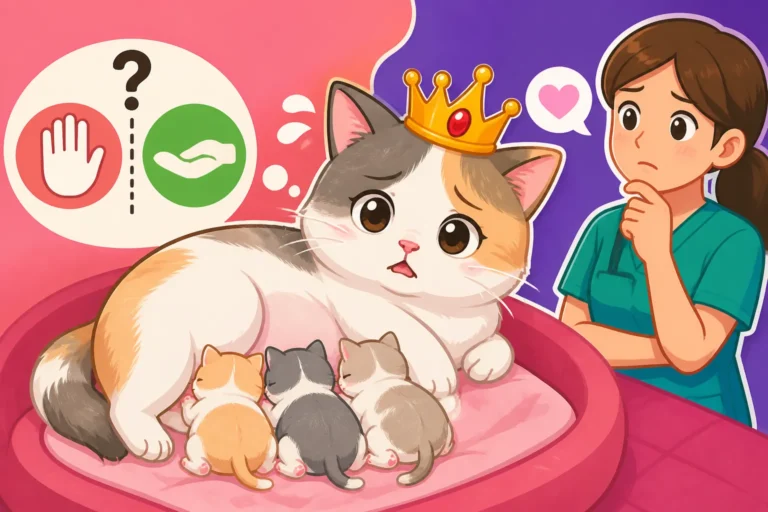
When a kitten receives two copies of the Munchkin gene, the genetic impact is too severe for the embryo to develop fully. These embryos typically do not survive past early gestation and are reabsorbed by the mother's body. This is why you will never see a breeder intentionally breed two short-legged Munchkin cats together. It's not just discouraged; it's actively avoided because it would result in the tragic loss of a significant portion of the litter. This critical genetic detail is why Munchkin Dwarfism Is Dominant and Lethal in Two Copies is a cornerstone of ethical Munchkin breeding.
Therefore, every living short-legged Munchkin cat is actually "heterozygous" for the gene, meaning they carry one copy of the short-leg gene and one copy of the normal-leg gene. They express the short-leg trait because the gene is dominant, but they only have one copy, preventing the lethal homozygous condition. This understanding dictates that Why Two Short Legged Munchkins Are Never Bred Together is a fundamental rule in the cat fancy and among responsible breeders. It ensures the health and viability of the kittens and avoids unnecessary heartache.
The Necessity of Outcrossing: Expanding the Gene Pool Responsibly
When a new breed emerges from a single genetic mutation, especially one discovered in a stray cat, there's always a challenge with genetic diversity. If breeders only ever bred Munchkins to Munchkins, the gene pool would become incredibly narrow, leading to potential health issues down the line. This is where outcrossing becomes not just beneficial, but absolutely essential for the long-term health and vitality of the breed and its descendants.
Why a Munchkin Is Always Bred to a Normal Legged Cat
Given the lethal homozygous trait we just discussed, it becomes clear why Why a Munchkin Is Always Bred to a Normal Legged Cat is a universal rule for Munchkin breeding. By mating a short-legged Munchkin (heterozygous, carrying one short-leg gene) with a normal-legged domestic cat (not carrying the short-leg gene), breeders ensure that no kitten will ever inherit two copies of the short-leg gene. This eliminates the risk of homozygous embryos and the tragic loss of life.
This breeding strategy also achieves another vital goal: it continually introduces new genetic material into the Munchkin line. Imagine if every Munchkin could only breed with another Munchkin. The genetic base would shrink dramatically over generations, increasing the likelihood of health problems common in breeds with very small foundation populations. Outcrossing helps to dilute any potentially harmful recessive genes that might build up in a closed gene pool.
So, when you see a Munchkin breeder carefully selecting an outcross cat, they're not just creating kittens; they're safeguarding the future health of the entire breed. This practice maintains the desired short-legged trait while simultaneously working to keep the cats robust and free from other genetic weaknesses. It's a testament to responsible breeding practices that prioritize the well-being of the animals above all else.
The Role of Domestic Outcrosses in Breed Development
The beauty of the Munchkin's outcrossing program lies in its flexibility. Unlike many established breeds that have strict rules about which other breeds can be used for outcrossing, the Munchkin typically relies on robust, healthy domestic shorthair or longhair cats. These are often referred to simply as "domestic non-pedigree cats." The key is their genetic diversity and health. Which Domestic Cats Are Used as Munchkin Outcrosses primarily includes healthy, well-tempered cats from varied backgrounds.
These domestic outcrosses bring in a wealth of genetic variety, contributing to stronger immune systems, better conformation, and a broader range of coat colors and patterns. The goal isn't to infuse specific breed traits, but rather to infuse general health and genetic robustness. The short-leg gene is then passed on to a portion of the litter, creating new Munchkins that carry the desired trait but also benefit from the diverse genetics of their non-Munchkin parent.
This continuous outcrossing means that, genetically, Munchkins are incredibly diverse. They don't suffer from the same limited gene pool issues that plague some older, more closed-off pedigree breeds. It's a proactive approach to maintaining health and vitality, ensuring that the unique characteristic of short legs is carried forward on a foundation of genetic strength. This careful approach to breed development highlights why the Munchkin, and its derived breeds, continue to thrive.
The Proliferation of Short-Legged Breeds: Munchkin's Legacy
This is where the Munchkin truly leaves its indelible paw print on the feline world. Its unique, dominant gene provided the blueprint for a whole new category of cats: the short-legged breeds. Once the Munchkin was recognized and its genetics understood, it was almost inevitable that breeders would start experimenting, combining the distinctive short-leg trait with other beloved breed characteristics to create entirely new variations.
How the Minuet Was Made From a Munchkin: The Persian Cross
One of the most popular and well-known Munchkin-derived breeds is the Minuet, originally known as the Napoleon. This charming breed is the result of crossing a Munchkin with a Persian, Himalayan, or Exotic Shorthair. The goal was to combine the Munchkin's characteristic short legs with the luxurious long coat, distinctive flat face, and sweet temperament of the Persian family. How the Minuet Was Made From a Munchkin truly exemplifies the desire to blend beloved traits.
The Minuet gets its sturdy, heavy boning and lush coat from its Persian heritage, while the adorable short legs come directly from the Munchkin. The combination creates a visually striking cat that moves with a unique, low-slung grace. These cats often have dense, plush coats that require regular grooming, a trait inherited from the Persian side, and a generally docile, affectionate nature. They are often less extreme in their flat-faced features than some purebred Persians, aiming for a healthier, more moderate look.
Minuets come in both short-legged and normal-legged variations within the same litter, just like purebred Munchkins. The normal-legged Minuets are crucial for outcrossing programs, ensuring the genetic diversity of the breed. These cats are generally playful and active despite their short stature, finding ingenious ways to navigate their environment, often using ramps or stairs, which you can find readily available on sites like Chewy.
How the Bambino Was Made From a Munchkin: The Hairless Hybrid
Another fascinating descendant is the Bambino, a breed that combines the Munchkin's short legs with the hairless trait of the Sphynx. The idea was to create a small, short-legged, hairless cat, which indeed resulted in the breed name "Bambino," Italian for "baby." This cross really pushes the boundaries of unique feline aesthetics. How the Bambino Was Made From a Munchkin shows how breeders sought to combine two highly distinctive traits.
Bambinos possess the wrinkled skin and large ears characteristic of the Sphynx, along with the very short, muscular legs of the Munchkin. Their skin can be peach-fuzz soft or completely hairless, depending on the individual. Like Sphynx cats, they require special skincare to keep their skin clean and moisturized, as they lack the protective fur layer of other breeds. They also tend to get cold easily and love to snuggle under blankets or in warm laps.
These cats are known for their incredibly playful and affectionate personalities. Despite their unique appearance, they are active and curious, often described as having a dog-like devotion to their owners. However, combining the short-leg gene with the unique physiology of the Sphynx also raises additional questions regarding their overall health and mobility, which we'll delve into shortly. Their distinct look certainly makes them stand out, but prospective owners should be fully aware of the care requirements for both their skin and their joints.
Exploring Other Unique Munchkin Descendants
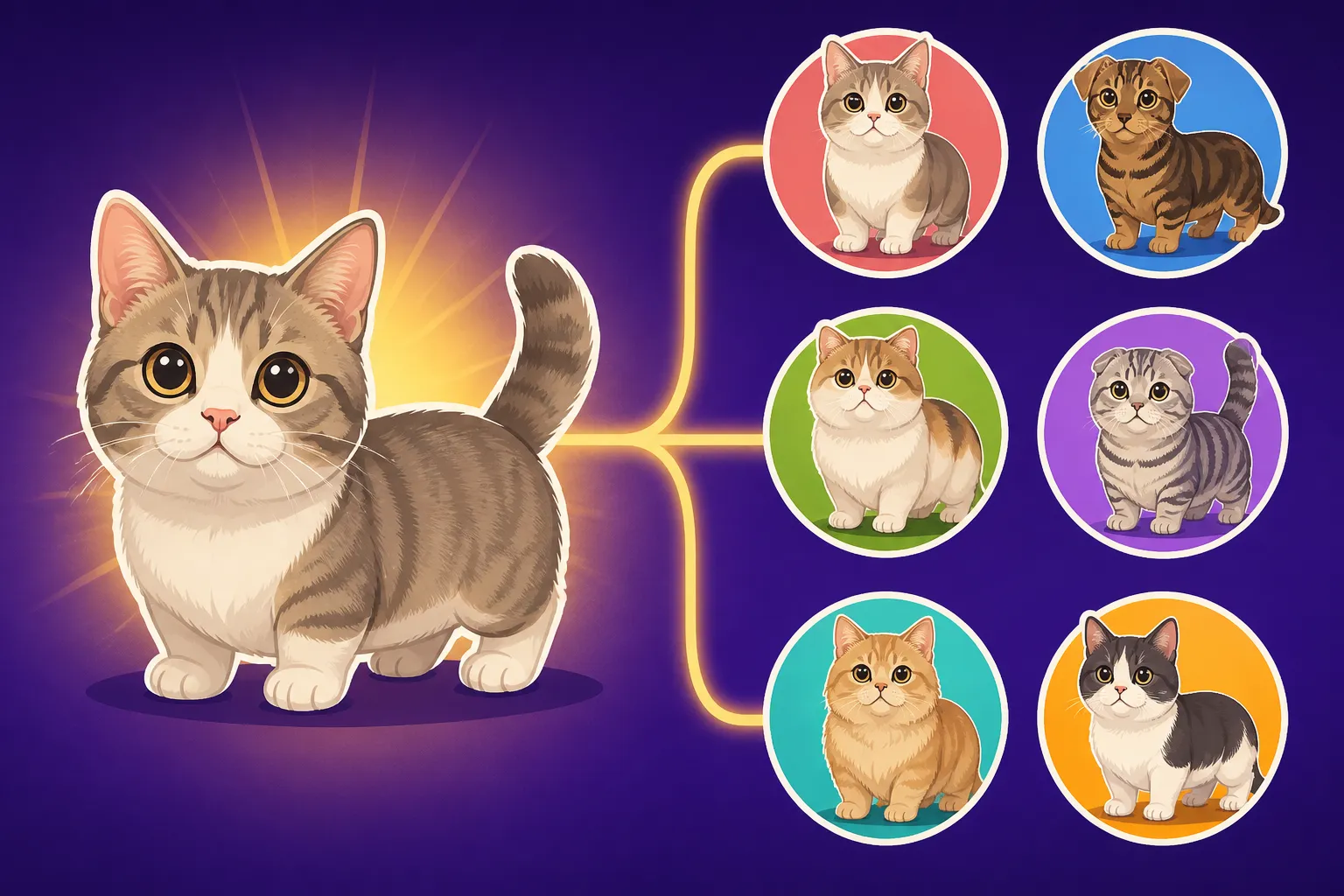
The Minuet and Bambino are just two examples; the Munchkin's genetic contribution has led to an entire family tree of short-legged breeds, each with its own unique twist. Breeders, captivated by the short-leg trait, have continued to cross Munchkins with various other breeds to create distinct looks and temperaments. The possibilities seemed endless once the Munchkin provided the initial genetic key.
For instance, the Kinkalow is a fascinating mix of the Munchkin and the American Curl, resulting in a short-legged cat with distinctly curled ears. The Lambkin combines the Munchkin with the Selkirk Rex, creating a short-legged cat with a curly coat. The Skookum is a cross between the Munchkin and the LaPerm, also yielding a curly-coated, short-legged feline. Each of these breeds showcases the Munchkin gene as its foundation for brachymorphism.
These combinations are often driven by a desire for novelty and a unique aesthetic, blending beloved characteristics from existing breeds. While these breeds certainly attract attention for their distinctive appearances, it's crucial for prospective owners to research the specific health considerations of each hybrid. Understanding the traits of both parent breeds is essential, especially when dealing with the combination of genetic mutations. It's important to remember that all of these breeds, regardless of their other unique features, owe their short stature to that original Munchkin gene.
The Ethical Crossroads: Debates on Breeding and Welfare
While the creation of new short-legged breeds can seem exciting from an aesthetic point of view, it has also sparked significant ethical debates within the veterinary community and among animal welfare organizations. The core of this discussion often revolves around the intentional combination of specific genetic traits, particularly those that may affect an animal's natural physical capabilities or overall health.
Why Munchkin Hybrids Stack Two Mutations: Concerns Over Combined Traits
The primary ethical concern with many Munchkin-derived breeds, particularly those like the Bambino (Munchkin x Sphynx) or even the Scottish Fold Munchkin crosses, is that they "stack" two distinct genetic mutations. Why Munchkin Hybrids Stack Two Mutations is a critical point of contention. The Munchkin already carries a mutation for dwarfism (achondroplasia or pseudoachondroplasia), which affects bone growth. When this is combined with another significant mutation, such as the Sphynx's hairlessness or, even more concerning, the Scottish Fold's cartilage deformity, veterinarians and welfare advocates raise red flags.
For instance, a Bambino combines the Munchkin's short legs, which can already put extra strain on the spine and joints over a cat's lifetime, with the Sphynx's lack of protective fur. While the Sphynx itself is an established breed, combining its traits with short legs means potential additional challenges. Imagine a cat already low to the ground, possibly carrying more weight on its spine, now also needing constant temperature regulation and skin care due to hairlessness. The daily demands on such a cat might be greater than on either parent breed alone.
The argument is that intentionally breeding for multiple mutations, especially when those mutations individually alter the cat's natural anatomy or physiology, can potentially compromise the cat's long-term health, mobility, and overall quality of life. It moves beyond simply selecting for a pretty coat color or a docile temperament and into an area where breeders are creating cats with significantly altered physical forms that may require more intensive care or lead to predispositions for specific health problems.
The Veterinary Perspective on Intentional Breeding of Multiple Mutations
Veterinarians, as primary caregivers for these animals, often find themselves on the front lines of the ethical debate. Many veterinary associations worldwide express strong reservations about breeding practices that intentionally combine genetic mutations, particularly those affecting the musculoskeletal system. Their concern is rooted in the potential for increased suffering and chronic health issues in these cats.
For example, while Munchkins themselves generally do not suffer from the same severe spinal issues as some dog breeds with similar dwarfism, the concern is that combining the short-leg trait with other deformities, like the severe cartilage issues seen in Scottish Folds, creates a double burden. A Scottish Fold already suffers from osteochondrodysplasia, a condition that affects cartilage and bone development throughout the body, leading to painful arthritis and mobility issues. Breeding a Munchkin with a Scottish Fold, as in the "Scottish Fold Munchkin," means combining two skeletal mutations, potentially exacerbating mobility problems and pain for the cat. What Two Skeletal Mutations Do to One Munchkin is a serious question for vets.
The veterinary community advocates for breeding practices that prioritize health, welfare, and natural function. They often argue that deliberately creating cats with extreme physical characteristics, or stacking mutations that could lead to compounded health problems, is irresponsible. Their perspective is that while aesthetics can be appealing, they should never come at the cost of an animal's ability to live a comfortable, pain-free life. This isn't just about individual vets; it's a stance often adopted by larger professional bodies like the British Veterinary Association.
Identifying a Munchkin-Derived Cat: Traits and Distinctions
So, you've learned about the Munchkin's origins and how its gene underpins many other short-legged breeds. But how do you tell if that adorable, low-rider cat you've seen is truly a Munchkin or a Munchkin-derived hybrid? It's more than just the length of their legs; there are other physical and even behavioral clues that can help you distinguish these unique felines.
Physical Hallmarks Beyond Just Short Legs
The most obvious physical hallmark of a Munchkin-derived cat is, of course, the short legs. These cats exhibit a form of dwarfism where the long bones of the legs are significantly shorter than those of a typical cat, while their body and spine generally remain normal length. This creates a distinctive "low-rider" appearance. However, the exact degree of shortness can vary. Some Munchkins are "standard" with moderately short legs, while "rug huggers" have extremely short legs, giving them an almost ferret-like gait. How Short a Munchkin's Legs Actually Are can differ quite a bit.
Beyond the legs, a purebred Munchkin should otherwise look like a healthy, well-proportioned cat. Their body length, head shape, ear set, and tail length should be consistent with that of a domestic cat. Their bone structure should be sturdy, not delicate, and their musculature well-developed despite their stature. Any deviation from these normal proportions, aside from the leg length, might indicate another underlying issue or a different genetic cross.
For Munchkin-derived breeds, you'll look for these short legs combined with the distinguishing features of the other parent breed. For example, a Minuet will have the short legs alongside a plush, often long, coat and a distinctive, rounded head, sometimes with a slightly flattened face, reminiscent of its Persian ancestry. A Bambino will display the short legs combined with the hairless, wrinkled skin and large ears of the Sphynx. Understanding the standard for the specific hybrid helps in identification.
Behavioral Patterns Shared Across the Lineage
One of the most charming and recognizable behavioral traits shared by many Munchkin and Munchkin-derived cats is the "prairie dog sit." Because of their short legs, these cats often sit up on their hindquarters, sometimes even bracing themselves with their tail, to get a better view of their surroundings. This stance allows them to elevate themselves just enough to see over obstacles or get a clearer perspective, mimicking the upright posture of a prairie dog. The Prairie Dog Sit Only a Munchkin Does is a delightful trait unique to them.
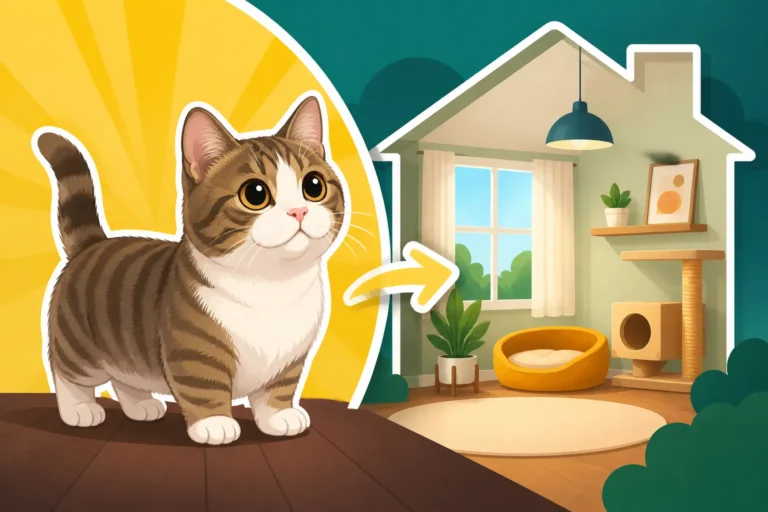
Despite their short legs, Munchkins and their hybrids are often surprisingly active and agile. They might not be champion high-jumpers, but they are known for their speed on the flat, their ability to navigate complex environments at floor level, and their playful curiosity. They often find creative ways to reach higher spots, using furniture as steps or preferring ramps and cat trees with closely spaced platforms, which can be found at pet supply stores like Chewy. They love to chase toys and engage in interactive play.
Furthermore, many owners report that Munchkin-derived cats are incredibly affectionate and social. They tend to bond closely with their families and often seek out human companionship. Their inability to jump onto high surfaces easily can sometimes lead them to be more vocal or physically expressive when they want attention or to be picked up. While individual personalities always vary, a general pattern of playfulness, curiosity, and a loving disposition is often observed across these short-legged breeds, making them wonderful companions for those prepared for their unique physical needs.
Disclaimer
This article is for general informational purposes only and does not constitute professional advice. Laws, prices and regulations vary by location and change over time. Consult a qualified professional for guidance on your specific situation.