How the Minuet Was Made From a Munchkin
It's quite common for cat lovers to hear about all these adorable short-legged breeds and get a little confused about where they all came from. If you've ever wondered how the sweet-faced Minuet cat, with its luxurious coat and charming stubby legs, came to be, you're in the right place. This guide is all about tracing the fascinating lineage of the Minuet directly back to its Munchkin roots, exploring the journey of its creation and what makes this breed so special.
Understanding the Munchkin Foundation
Before we can truly appreciate the Minuet, we have to talk about its foundation breed: the Munchkin. This isn't just a detail; it's the entire starting point for any short-legged cat breed. The Munchkin itself emerged from a spontaneous genetic mutation, giving us those distinctively short legs we all recognize.
The Core Trait: Autosomal Dominant Dwarfism
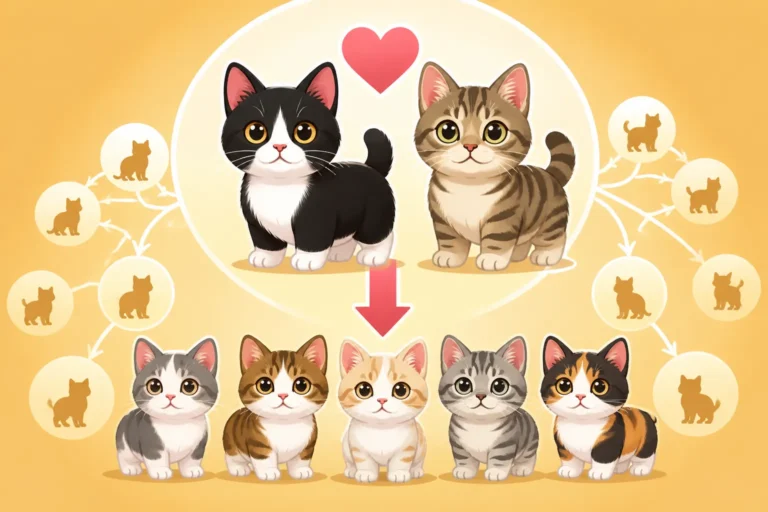
The defining characteristic of the Munchkin, and by extension, the Minuet, is a genetic trait known as pseudoachondroplasia, which manifests as short legs. This isn't just "short legs" in a casual sense; it's a specific form of dwarfism. It's an autosomal dominant gene, which means a kitten only needs to inherit one copy of the gene from one parent to exhibit the short-legged trait. This is crucial to understanding how the breed is maintained, as two copies of the gene are actually lethal to an embryo, meaning you'll never see What Two Copies of the Munchkin Gene Do. This genetic reality dictates breeding practices, ensuring that a short-legged Munchkin is always bred to a normal-legged cat to produce viable, healthy kittens, some of whom will have short legs, and some will have standard length legs. If you want to dive deeper into the science, learning How Munchkin Dwarfism Is Inherited can be really enlightening.
Why Outcrossing Was Essential
When the Munchkin breed first started gaining traction, particularly after its debut in the cat fancy world in the 1990s, the genetic pool was naturally quite limited. To ensure genetic diversity and prevent inbreeding issues, responsible breeders engaged in outcrossing. This practice involves breeding Munchkins with unrelated, normal-legged domestic cats. The idea was to bring in new genes, strengthen the overall health of the breed, and broaden the available genetic lines, all while retaining the defining short-legged characteristic. This is why you'll often see domestic shorthairs and longhairs listed as Which Domestic Cats Are Used as Munchkin Outcrosses in a Munchkin's pedigree. This careful management of the gene pool is a big part of Why the Munchkin Gene Pool Stays Wide, ensuring the long-term health and vitality of the breed and its descendants.
The Vision for the Minuet (Originally Napoleon)
Every new cat breed starts with a vision, a dream of combining specific traits to create something truly unique. For the Minuet, that dream was to merge the captivating short legs of the Munchkin with the opulent features of a long-established, beloved breed.
The Dream of a "Dwarf Persian"
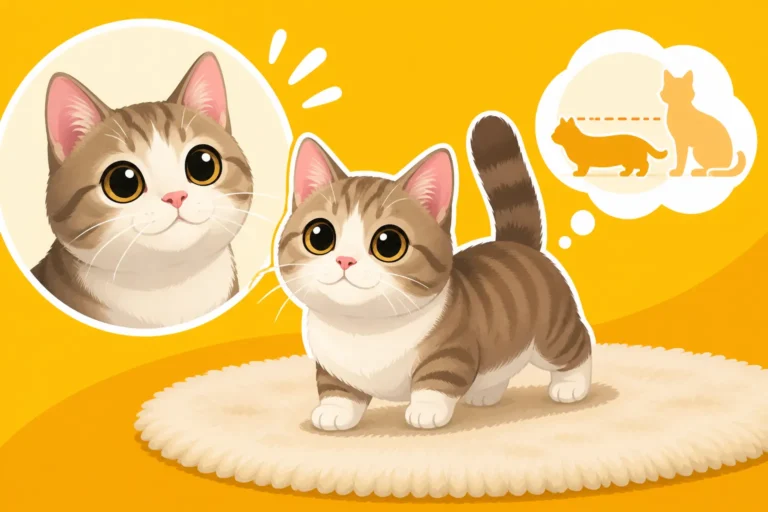
The concept of what would become the Minuet was initially championed by a dedicated dog breeder named Joseph B. Smith in the mid-1990s. Smith, captivated by the Munchkin's distinctive appearance, had a very specific idea: he wanted to create a cat that possessed the short legs of the Munchkin but combined it with the striking facial features, dense boning, and lush, flowing coat of the Persian cat. He envisioned a "dwarf Persian," a cat that would embody the best of both worlds – the charming stature of the Munchkin with the classic, glamorous look of the Persian. It wasn't about creating something entirely new from scratch, but rather carefully curating and combining existing desirable traits.
Combining Short Legs with Luxurious Coats
The motivation behind this particular cross was clear: to introduce the Persian's signature long, thick coat and distinctive flat or "peke-face" into the Munchkin's short-legged stature. While Munchkins come in all coat lengths and colors, Smith wanted to specifically cultivate a cat that consistently displayed the Persian's luxurious aesthetic alongside the Munchkin's unique legs. This meant selecting breeding stock not just for their Munchkin gene, but also for the very best examples of Persian type – exquisite coats, round eyes, and sturdy body types. The resulting cat, he hoped, would be as beautiful and show-stopping as a Persian, but with that irresistible low-rider charm. It was a bold idea, considering TICA Took the Munchkin In and a Judge Resigned Over It due to the controversy surrounding the short legs.
The Persian and Himalayan Contribution
The Persian cat, and its colorpoint variety, the Himalayan, were not just chosen arbitrarily; they were selected for very specific, desirable traits that would greatly influence the aesthetic of the new breed.
Bringing in the Persian's Opulence
The Persian cat is renowned for its magnificent, flowing double coat, broad head, round eyes, and sturdy, cobby body. These were precisely the features Joseph B. Smith wanted to incorporate into his new breed. Persians bring a sense of regal opulence and a distinctive "doll-face" or "peke-face" that sets them apart. By crossing Munchkins with Persians, the goal was to instill these features, creating a cat that carried the short-leg gene but looked unmistakably like a mini, short-legged Persian. This meant that the kittens would inherit not only the potential for short legs from the Munchkin side but also the genetic blueprint for a plush coat, a strong bone structure, and the signature Persian head shape, which would require careful selection through generations to refine.
The Himalayan's Colorpoint Beauty
Beyond the standard Persian, the Himalayan cat, which is essentially a colorpoint Persian, also played a significant role. Himalayans possess the same luxurious coat and body type as Persians but come with stunning colorpoint patterns—darker points on the extremities (face, ears, paws, tail) and a lighter body, often with bright blue eyes. Incorporating Himalayans into the breeding program allowed for the introduction of these captivating colorpoint genetics, expanding the visual diversity and allure of the nascent Minuet breed. This gave breeders more options in terms of coat colors and patterns, adding another layer of beauty to the "dwarf Persian" concept. Owners looking for specific grooming tools for long-haired varieties can find many suitable brushes and combs on platforms like Chewy, which makes maintaining their magnificent coats a breeze.
The Breeding Process and Early Development
Creating a new cat breed is a meticulous process, requiring careful planning, patience, and a deep understanding of genetics. The journey from the initial concept to a recognized breed involves several generations of selective breeding.
Strategic Pairing of Munchkins and Persians
The foundation of the Minuet breed involved strategically pairing Munchkin cats with Persian cats (and Himalayans). The initial crosses would produce kittens that might or might not have short legs, and their coats and facial features would be a blend of both parent breeds. The kittens with normal-length legs from these initial crosses, sometimes referred to as "long-legged Munchkins" or non-standard Minuets, were still valuable to the breeding program as they carried the Persian traits and could be bred back to short-legged cats in subsequent generations to further refine the desired characteristics. This method ensured that the genetic diversity was maintained while gradually working towards the breed standard. Breeders needed to understand Why a Munchkin Is Always Bred to a Normal Legged Cat and apply this principle carefully to their developing Minuet lines, always ensuring the health of the offspring.
The First Generations and Their Traits
The first few generations of what would become the Minuet were a fascinating mix. You'd see kittens with short legs, long luxurious coats, and varying degrees of Persian facial features. Some would lean more towards the Munchkin appearance, while others would strongly favor the Persian. Breeders would carefully evaluate each kitten, selecting those that best embodied the emerging standard for the new breed. This included looking for the desired combination of short, sturdy legs, the plush Persian-like coat, a rounded head with prominent cheeks, and large, expressive eyes. Health screenings were also vital, as both parent breeds have their own specific health considerations. It was a long game of balancing genetics and aesthetics to consistently produce cats with the ideal "dwarf Persian" look. Understanding What a Munchkin Looks Like Against the TICA Standard was a guiding principle, even as they aimed for a new aesthetic.
From Napoleon to Minuet: A Name Change and Recognition
Like many evolving breeds, the Minuet underwent a significant name change as it matured, eventually gaining official recognition within the cat fancy world.
The Rationale Behind the New Name
Initially, the breed was named the "Napoleon" cat, a homage to Napoleon Bonaparte, known for his diminutive stature. However, as the breed gained traction and moved towards broader acceptance, the name became a point of discussion. There were concerns that the name "Napoleon" might cause confusion with dog breeds (like the Napoleon Mastiff) or simply not fully capture the essence of this elegant feline. In 2015, the breed's proponents successfully petitioned for a name change to "Minuet." The name "Minuet" evokes a sense of grace, charm, and small, elegant movement, reflecting the breed's delicate appearance and delightful temperament. This change helped establish a unique identity for the breed within the cat world, differentiating it from any pre-existing associations and ensuring it could stand on its own merits. This journey highlights the importance of branding and identity in the development of new breeds. For anyone considering bringing home one of these unique cats, it's good to understand What You Are Buying When a Breed Is Not Recognized and how that recognition process works.
TICA's Role in Breed Development
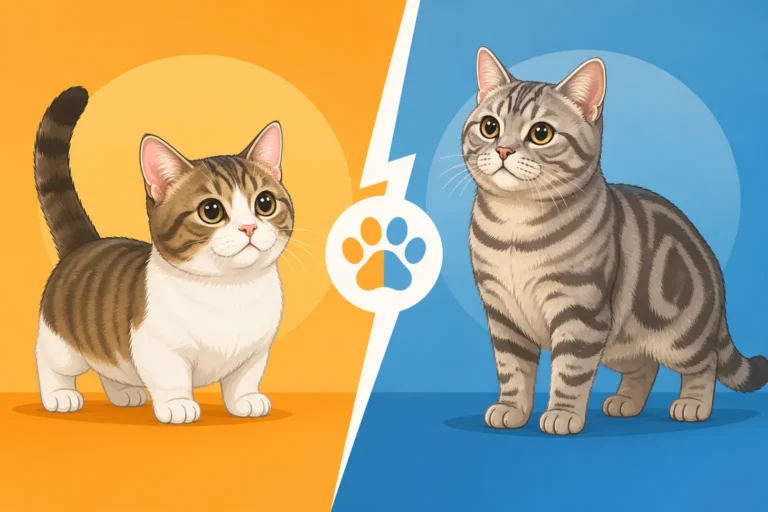
The International Cat Association (TICA) has been instrumental in the development and recognition of many new cat breeds, including the Minuet. TICA is known for its progressive approach to new breeds and its structured pathway for a breed to move from experimental status to full championship recognition. The Minuet began its journey within TICA as an experimental breed, then advanced to 'Preliminary New Breed' status, 'Advanced New Breed' status, and finally achieved full championship status in 2016. This rigorous process involves meeting specific standards, maintaining meticulous breeding records, demonstrating genetic health, and ensuring enough individuals meet the breed standard. TICA's support has been crucial in providing a framework for Minuet breeders to refine their lines, ensure health and temperament, and present their cats in competitive shows. This structured approach provides credibility and helps potential owners understand the lineage and standards of the breed, helping them tell How to Tell a Munchkin From a Minuet and other similar breeds.
Key Characteristics and Care Considerations of the Minuet
So, what does all this careful breeding and meticulous development result in? A truly enchanting feline companion with a specific set of characteristics and care needs.
What Makes a Minuet Unique
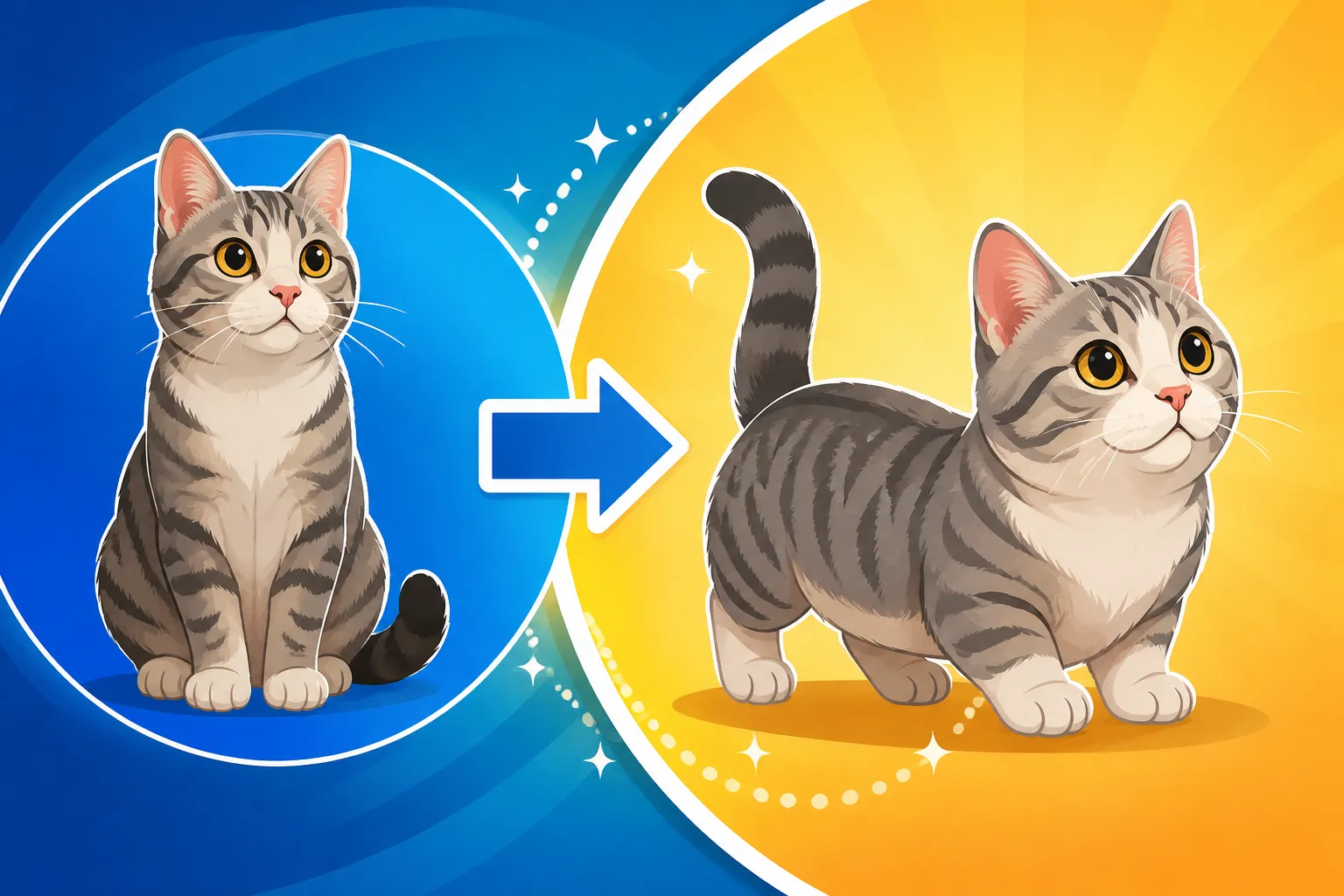
The Minuet cat truly stands out with its delightful combination of traits. Imagine a cat with the captivating short legs of a Munchkin, but adorned with the luxurious, flowing coat and broad, round face of a Persian. That's the Minuet! They are medium-sized cats, typically weighing between 6 to 9 pounds, and come in a dazzling array of coat colors and patterns, from solid to colorpoint, tabby to bi-color. Their short, sturdy legs are a defining feature, but their bodies are typically well-boned and muscular, not overly delicate. They often have large, expressive eyes that contribute to their sweet, innocent facial expression.
Temperament-wise, Minuets are known for being incredibly sweet, affectionate, and playful. They tend to be very social cats, enjoying interaction with their human families and often getting along well with other pets. Despite their short legs, they are surprisingly agile and quick on the ground, though they might not reach the same heights as a long-legged cat. They have a gentle nature, making them wonderful companions for families. For those curious about the physical differences, delving into What a Minuet Is and How It Relates to the Munchkin offers a great overview.
Adapting to the Minuet's Needs
Owning a Minuet means being mindful of their unique physical structure, particularly their short legs. While they are capable cats, some adaptations around the house can make their lives much more comfortable and safer.
- Mobility Aids: Just like Munchkins, Minuets benefit greatly from ramps or steps to access their favorite elevated spots, like sofas, beds, or windowsills. This reduces the strain on their joints from jumping up and down, which can be more challenging with their shorter limbs. You can find a wide variety of pet ramps and steps on platforms like Chewy, perfect for ensuring your Minuet can reach everything they desire without unnecessary stress.
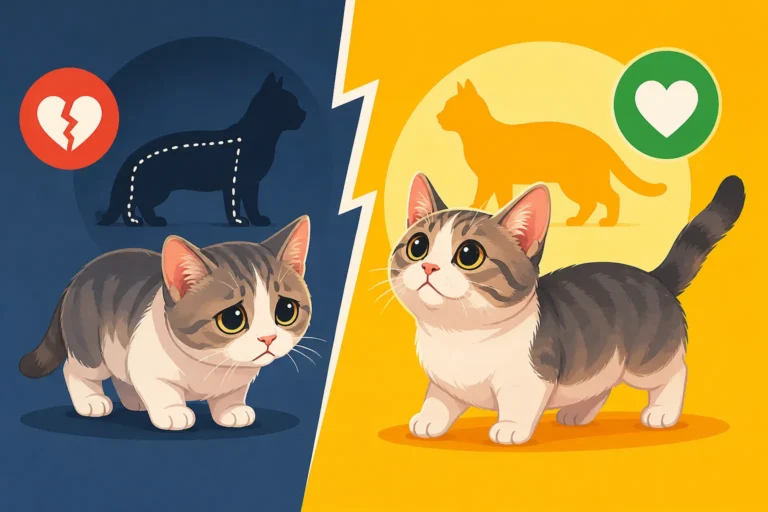
- Grooming: With their Persian heritage, Minuets, especially the long-haired varieties, require regular grooming to prevent mats and tangles. Daily brushing is often recommended to keep their beautiful coats in pristine condition. Even shorthaired Minuets benefit from regular brushing to remove loose fur. Don't forget their hindquarters, as Why a Munchkin's Hindquarters Get Matted is a common issue for all short-legged breeds.
- Weight Management: Due to their unique body structure, maintaining a healthy weight is paramount for Minuets. Extra weight puts undue stress on their short legs and spine. A balanced diet and portion control are key. Monitoring their body condition closely can help prevent obesity and associated health issues. You might consider specific diet foods for joint health available through pet supply retailers like Chewy.
- Litter Boxes: Low-entry litter boxes are a must. A standard high-sided box can be difficult or uncomfortable for a Minuet to enter and exit, potentially leading to accidents outside the box. Look for senior cat litter boxes or those specifically designed for kittens, as they often have lower entry points.
- Play and Enrichment: Minuets are playful cats, but their play style might be more ground-oriented. Provide plenty of toys they can chase and bat around at floor level. Wand toys are excellent for engaging them without requiring high jumps. They still love to explore and interact, so creative enrichment that suits their physical abilities is important.
By understanding Which Breed Was Crossed With a Munchkin to Make the Minuet and their subsequent care requirements, you can ensure a long, happy, and healthy life for your Minuet companion.
| Feature | Munchkin | Minuet (Napoleon) |
|---|---|---|
| Leg Length | Short (due to pseudoachondroplasia) | Short (inherited from Munchkin parent) |
| Body Type | Generally medium, muscular, normal spine length | Medium, cobby, well-boned (Persian influence) |
| Head Shape | Rounded, moderate wedge, expressive eyes | Rounded, broad, often with flatter "peke-face" or "doll-face" (Persian influence) |
| Coat Type | All types and lengths (shorthair & longhair) | All types and lengths, but often long, dense, and luxurious (Persian influence) |
| Temperament | Playful, outgoing, curious, energetic | Sweet, affectionate, docile, playful, social |
| Origin | Spontaneous mutation in Louisiana (1980s) | Intentional cross of Munchkin x Persian/Himalayan (1990s) |
| Initial Name | Munchkin | Napoleon |
| TICA Status | Championship Breed | Championship Breed (since 2016) |
Disclaimer
This article is for general informational purposes only and does not constitute professional advice. Laws, prices and regulations vary by location and change over time. Consult a qualified professional for guidance on your specific situation.