Which Domestic Cats Are Used as Munchkin Outcrosses
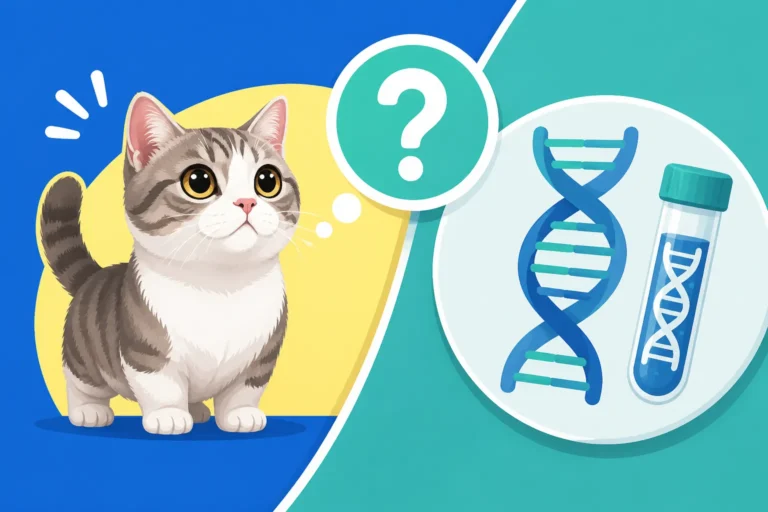
If you've ever looked into bringing a Munchkin cat into your life, you've probably stumbled across a lot of confusing information, especially when it comes to their breeding. One of the most common questions revolves around how these unique cats are actually bred, given their distinctive short legs. Understanding which domestic cats are used as outcrosses for Munchkins isn't just a matter of curiosity; it's fundamental to comprehending the breed's health, genetic diversity, and responsible breeding practices. This guide aims to clear up the mystery, explaining the "why" and "how" behind Munchkin outcrossing.
The Necessity of Outcrossing in Munchkin Breeding Programs
The Munchkin breed's defining characteristic – its short legs – is a result of a naturally occurring genetic mutation. However, this mutation isn't as straightforward as it might seem. Responsible breeding requires a deep understanding of this genetic trait, and that's where outcrossing becomes not just important, but absolutely essential for the health and viability of the breed.
Understanding the Munchkin Gene and Homozygous Lethality
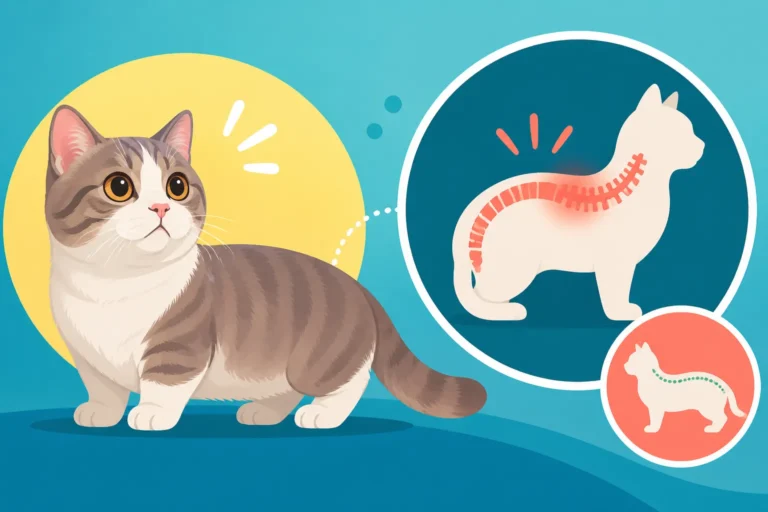
The gene responsible for the Munchkin's short legs is an autosomal dominant gene. This means that a cat only needs one copy of the gene to express the short-legged trait. However, there's a critical caveat: if a cat inherits two copies of this gene (meaning it's homozygous for the Munchkin gene), the outcome is lethal. The embryos simply don't survive. This is why it's a foundational rule in Munchkin breeding that breeders never mate two short-legged Munchkins together. It's a practice universally understood and adhered to by ethical breeders to prevent devastating losses.
This genetic reality means that Munchkin Dwarfism Is Dominant and Lethal in Two Copies. Every short-legged Munchkin cat carries only one copy of the gene. If they were to inherit two, they would not develop. This biological fact directly answers the question of What Happens to a Homozygous Munchkin Embryo and is the primary reason Why Two Short Legged Munchkins Are Never Bred Together. Instead, a short-legged Munchkin is always bred to a normal-legged cat. This ensures that offspring have, at most, one copy of the short-leg gene, thus avoiding the lethal homozygous combination. This is also Why a Munchkin Is Always Bred to a Normal Legged Cat.
Maintaining Genetic Diversity and Health
Beyond the immediate concern of lethal genes, outcrossing serves a broader, crucial purpose: maintaining genetic diversity. Any breed, if bred too narrowly or extensively inbred, can develop a host of health problems due to a lack of genetic variation. Outcrossing involves introducing cats from outside the established Munchkin lines into the breeding program. This infusion of new genetics helps to bolster the breed's overall health, reducing the risk of genetic predispositions to certain diseases and strengthening the immune system.
Consider the potential for inherited conditions. Even if a particular health issue isn't directly linked to the Munchkin gene, a limited gene pool could inadvertently concentrate other undesirable traits. By using outcrosses, breeders can dilute these potential risks and introduce robust genes from healthy, unrelated lines. This constant refreshment is key to Why the Munchkin Gene Pool Stays Wide, helping to ensure the long-term vitality of the breed and combatting issues like inbreeding depression, which can manifest as smaller litter sizes, weaker immune systems, or reduced lifespan.
The Role of Outcrosses in Every Litter
Because a short-legged Munchkin carries only one copy of the dominant short-leg gene, and it's always bred to a normal-legged cat (which carries no copies of the gene), the resulting litter will always be a mix of short-legged and normal-legged kittens. Statistically, roughly half of a Munchkin litter will inherit one copy of the short-leg gene and display the characteristic short legs, while the other half will inherit no copies and have normal-length legs. This is precisely Why Half a Munchkin Litter Has Normal Legs.
These normal-legged kittens are often referred to as "Munchkin variants" or "non-standard Munchkins." While they don't carry the short-leg gene and therefore won't pass it on, they are still considered part of the Munchkin breed line and play a vital role in outcrossing programs, especially in earlier generations. They're genetically diverse and contribute to the breed's health without carrying the specific trait. Understanding this genetic lottery helps owners appreciate How Many Kittens in a Munchkin Litter Are Short Legged and why even within a single litter, you'll see a variety of leg lengths.
Common Domestic Breeds Used as Munchkin Outcrosses
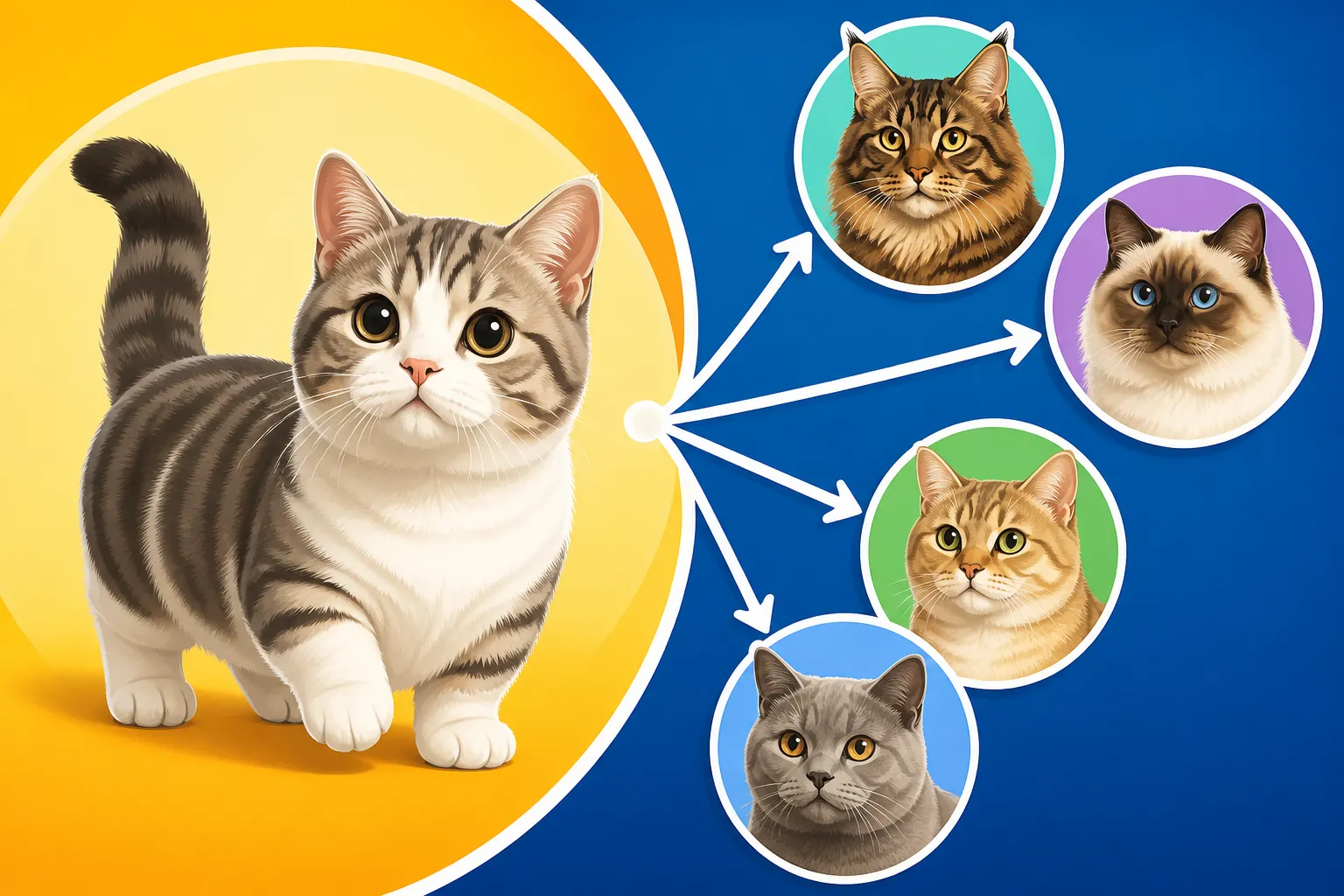
So, if a short-legged Munchkin must always be bred to a normal-legged cat, what kind of normal-legged cat are we talking about? The answer is quite broad, intentionally so, to promote genetic health. Breeders prioritize healthy, well-tempered cats, often drawing from the vast pool of domestic felines.
Domestic Shorthairs and Longhairs
The most common and often preferred outcrosses for Munchkins are healthy domestic shorthair and domestic longhair cats. Why? Because they represent the broadest genetic diversity available. These are your everyday, non-pedigreed cats, known for their robust health, strong immune systems, and wide range of genetic backgrounds. They bring no specific breed-related genetic predispositions, which helps to maintain the overall health of the Munchkin lines.
Using domestic shorthairs and longhairs as outcrosses means that breeders can focus on selecting individuals purely based on their health, temperament, and conformation (ensuring they have normal, healthy leg structure and no other deformities). This practice ensures a continuous infusion of fresh, strong genes, preventing the concentration of any specific vulnerabilities that might arise from repeated breeding within a closed gene pool. It's a sensible, practical approach that prioritizes the welfare of the resulting kittens. These outcrosses are carefully chosen to ensure they are free of known genetic health issues and possess excellent physical characteristics.
Purebred Outcrosses and Their Considerations
While domestic shorthairs and longhairs are the most common, some breeders may use specific purebred cats as outcrosses. This is often done to introduce certain aesthetic traits like specific coat colors, patterns, or textures, or to develop new Munchkin-derived breeds. Examples of purebred cats that have been used include Persians, Himalayans, Burmese, and even Abyssinians.
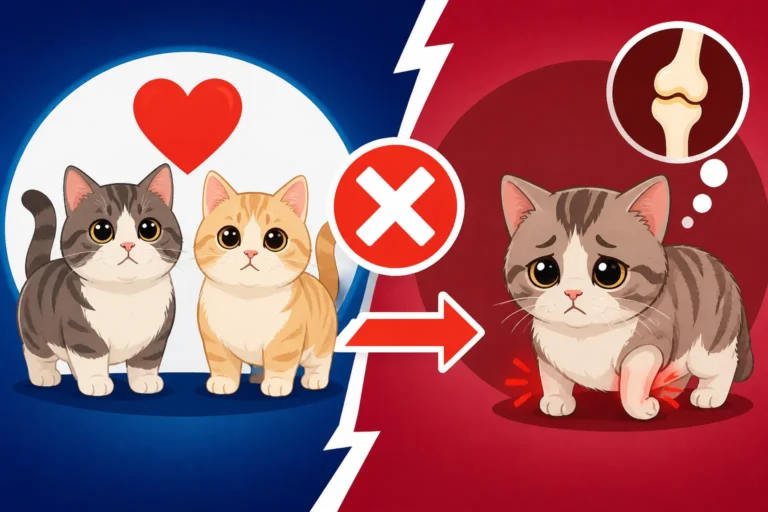
However, using purebred outcrosses comes with its own set of responsibilities and potential pitfalls. Each purebred cat breed carries its own unique genetic predispositions to certain health conditions. For instance, if a Persian is used as an outcross, responsible breeders must screen for conditions common in Persians, such as Polycystic Kidney Disease (PKD). This is why if you're looking at a Munchkin from a Persian cross, you absolutely need to ask about health screening, which is highlighted by Why a Munchkin From a Persian Cross Needs a PKD Test. Similarly, a Scottish Fold outcross would be highly controversial due to the potential for combining two skeletal mutations, as discussed in Why a Munchkin From a Scottish Fold Cross Is a Warning. The goal is never to "stack" genetic issues.
Breeders must be incredibly diligent to ensure that any purebred outcross chosen is genetically sound and free of any inheritable conditions that could inadvertently be passed into the Munchkin lines. The potential benefits of desired traits must always be carefully weighed against the risk of introducing new health concerns.
What Makes a Suitable Outcross Candidate
Selecting the right outcross candidate is a meticulous process that goes far beyond simply finding a "normal-legged cat." Responsible breeders follow a strict set of criteria to ensure they are contributing to the health and vitality of the Munchkin breed.
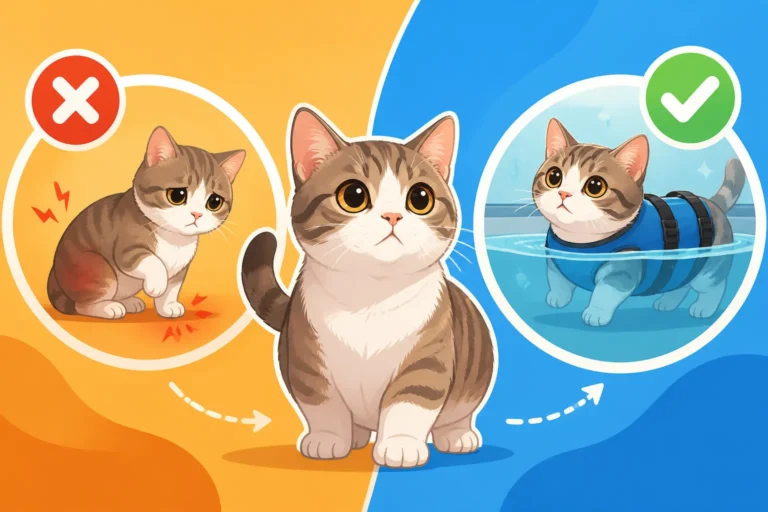
Firstly, health is paramount. Any potential outcross should undergo a thorough veterinary examination, including screenings for common feline diseases and any genetic conditions prevalent in their background (if known). This includes ensuring a strong, healthy skeletal structure, as the Munchkin's unique conformation already places emphasis on spinal and joint health. A reputable breeder should be transparent about these health checks and be able to show you detailed records for both parents. This kind of transparency is what What a Munchkin Breeder Should Be Able to Show You truly entails.
Secondly, temperament is critical. A good outcross should be calm, friendly, and well-socialized. These qualities are highly heritable and contribute significantly to the overall personality of the Munchkin kittens. A stable temperament ensures that the resulting offspring are good-natured and make wonderful companions.
Finally, conformation plays a role. While the outcross doesn't need to conform to any particular breed standard (unless a specific purebred is used), they should have a balanced, healthy physique with normal leg length and movement. This helps reinforce the healthy structural aspects of the Munchkin, focusing solely on the short-leg gene as the primary unique trait. There is currently Whether a Munchkin DNA Test Exists for definitive genetic identification, so breeders rely heavily on visual assessment, pedigree analysis, and health clearances.
The Impact of Outcrossing on Munchkin Characteristics and Recognition
Outcrossing is not just a health necessity; it also shapes the appearance and official recognition of the Munchkin breed, ensuring its evolution while maintaining its core identity.
Preserving the Munchkin Standard While Introducing New Traits
The beauty of outcrossing with domestic cats is that it allows for an incredibly diverse range of Munchkin appearances. Because domestic cats come in every imaginable color, pattern, and coat length, Munchkin kittens can inherit these traits. You can find Munchkins in solid colors, tabbies, bi-colors, colorpoints, and various coat lengths—shorthair, longhair, and everything in between. This means breeders can introduce desirable aesthetic traits without compromising on the health of the short-leg gene.
The ultimate goal, however, is for the short-legged offspring to still meet What a Munchkin Looks Like Against the TICA Standard. TICA (The International Cat Association), the primary registry that recognizes the Munchkin, has a standard that focuses on the overall balance and health of the cat, emphasizing that the body should be of normal length and proportion, only the legs are short. Outcrossing helps achieve this by bringing in robust body structures from the domestic gene pool, ensuring that while the legs are short, the rest of the cat is healthy and well-formed.
Registration and Pedigree Considerations for Outcrossed Kittens
The registration process for Munchkins, particularly those resulting from outcrosses, is carefully managed by TICA to track the lineage and ensure responsible breeding. When a short-legged Munchkin is bred to a registered normal-legged outcross, the resulting kittens are registered as Munchkins.
Normal-legged kittens from these litters, often called "Munchkin variants" or "non-standard Munchkins," are crucial to the breed's future. While they do not display the short-legged trait, they are registered with TICA as part of the Munchkin experimental or foundation program, often with limitations on breeding. They can be shown in certain non-championship classes or used in further outcross programs. This allows breeders to trace their lineage and understand their genetic contribution. For pet owners, these long-legged kittens are perfectly healthy, wonderful companions, and often come at a different price point than their short-legged siblings, as explored in What a Long Legged Munchkin Kitten Is Worth. It's important to know Whether a Long Legged Munchkin Can Be Registered, as this impacts their status and potential future breeding.
Ethical Breeding and the Future of the Munchkin Breed
The discussion around Munchkin outcrossing inherently ties into ethical breeding practices. Responsible breeders understand that the purpose of outcrossing is to enhance genetic health and diversity, not to create "designer" cats by combining multiple genetic mutations. Breeding a Munchkin with another breed that carries a different skeletal mutation, like a Scottish Fold, is highly controversial and often condemned by veterinary and welfare organizations. This practice, referred to as "stacking mutations," can lead to significant health problems for the offspring, making it crucial to avoid. For more on this, you might read Why Munchkin Hybrids Stack Two Mutations.
The future of the Munchkin breed relies heavily on the continued commitment of breeders to ethical outcrossing. By prioritizing health, temperament, and adherence to established breed standards through the use of robust domestic outcrosses, the Munchkin can continue to thrive as a unique and cherished companion cat. Organizations like TICA play a vital role in setting standards and guiding breeders towards practices that ensure the well-being of the cats. For pet owners, choosing a breeder who transparently discusses their outcrossing program and health screening protocols is paramount, and resources like Healthy Paws pet insurance can provide peace of mind regarding unforeseen health issues.
| Outcross Type | Benefits | Considerations | Common Purpose |
|---|---|---|---|
| Domestic Shorthair | Widest genetic diversity, robust health, strong immune system. | No specific breed traits to introduce. | Maintaining genetic health, broad gene pool. |
| Domestic Longhair | Adds genetic diversity, can introduce long coat genes. | No specific breed traits to introduce. | Maintaining genetic health, introducing coat variety. |
| Purebred (e.g., Persian) | Introduces specific aesthetic traits (e.g., coat, eye color). | Must screen for breed-specific genetic diseases (e.g., PKD). | Creating specific hybrid breeds, enhancing appearance. |
Disclaimer
Please remember that the information provided in this guide is intended for educational and informational purposes only and should not be considered a substitute for professional veterinary advice. Always consult with a qualified veterinarian for any health concerns or before making any decisions about your pet's health or care.