How Common Lordosis Is in Munchkin Lines
The reality of caring for a Munchkin cat often brings unique questions about their health, and one concern that frequently weighs on prospective and current owners is the prevalence of lordosis. It's a daunting term that points to potential spinal issues, leaving many wondering how common this condition truly is within Munchkin lines and what it might mean for their beloved short-legged companion. This guide will delve deep into lordosis in Munchkins, exploring its nature, its documented frequency, and what you, as a caring owner, need to know to ensure your cat lives its happiest, healthiest life.
Understanding Lordosis in Munchkin Cats
When we talk about Munchkin cats, their most defining characteristic is, of course, their short legs. This is due to a natural genetic mutation, a form of dwarfism called pseudoachondroplasia. While many focus solely on the legs, it's crucial to understand that skeletal development is a complex process, and changes in one area can sometimes have ripple effects elsewhere. Lordosis is one such concern that warrants a closer look because it impacts the very core of a cat's structure: its spine.
What Lordosis Actually Is in a Munchkin
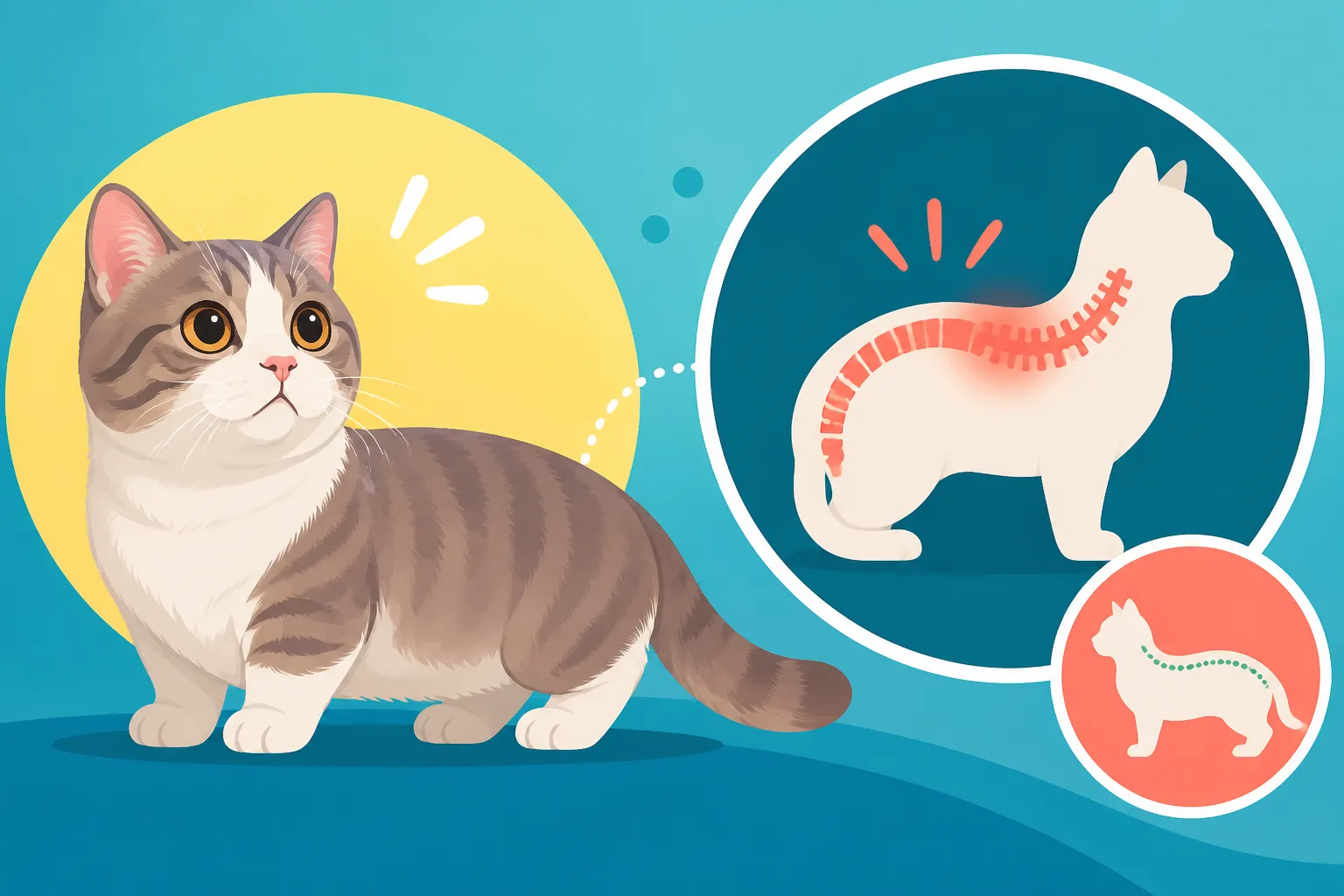
Lordosis refers to an excessive inward curvature of the spine, specifically in the lumbar (lower back) region. Imagine a cat’s normal, graceful arching back; with lordosis, this natural curve becomes exaggerated, causing the spine to dip downwards more significantly towards the belly. For a Munchkin, whose short legs already position their body closer to the ground, this condition can be particularly impactful. Instead of a strong, level back, you might notice a more pronounced "sway" or a "potbelly" appearance, even in a lean cat.
This isn't just about aesthetics, though. This altered spinal alignment can potentially put abnormal pressure on internal organs, including the heart and lungs, and can also affect mobility and comfort. While a Munchkin's spine is generally considered normal length, the way it's supported and carried can be compromised if lordosis is present. Owners often worry if their cat's slightly rounded belly is normal or a sign of something more serious, and it’s a valid concern that often requires a veterinary assessment to differentiate.
Why Lordosis Is Not Unique to the Munchkin
It's important to understand that lordosis isn't a condition exclusive to Munchkin cats. In fact, it's a spinal deformity that can occur in many different species, including humans and other dog and cat breeds. In some cases, it can be congenital, meaning an animal is born with it, while in others, it can develop due to injury, nutritional deficiencies, or muscle weakness.
For example, certain dog breeds, particularly those with long backs like Dachshunds or Basset Hounds, can also be prone to spinal issues, including forms of lordosis or kyphosis (an outward curvature). Even in normal-legged domestic cats, severe trauma or underlying neuromuscular conditions can lead to spinal abnormalities. Recognizing that lordosis exists beyond the Munchkin helps to frame the discussion, but it doesn't diminish the specific concerns related to the breed's unique genetics. The key is to understand how the Munchkin's distinct physical traits might predispose it or exacerbate the condition, rather than seeing it as an isolated "Munchkin-only" problem.
The Connection Between Dwarfism and Spinal Issues
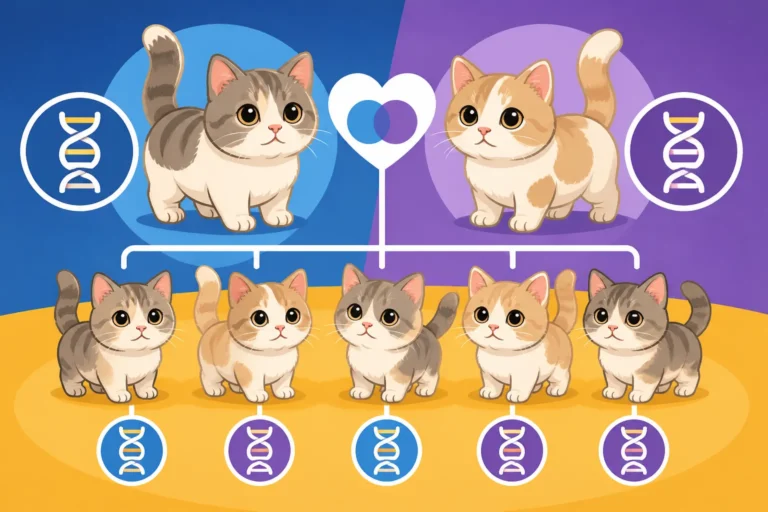
The short legs of a Munchkin cat are a result of a genetic mutation affecting cartilage and bone growth, specifically pseudoachondroplasia. This is an autosomal dominant gene, meaning only one copy is needed for the cat to express the short-legged trait. However, having two copies of the gene is lethal, which is why two short-legged Munchkins are never bred together. What is often overlooked is that the gene affecting leg length can also, in some cases, influence other skeletal structures, including the spine.
While Munchkin dwarfism primarily impacts the long bones of the legs, the cartilage growth plates in other areas of the body, including the vertebrae, could theoretically be affected in subtle ways. This doesn't mean every Munchkin will develop lordosis, but it does highlight why veterinary professionals often express caution and emphasize diligent screening. The spine, after all, is the central pillar supporting the entire body, and any structural weakness or deformity can have widespread implications for a cat's health and mobility. Understanding this genetic foundation is critical to understanding the potential for spinal problems like lordosis.
Assessing the Prevalence of Lordosis in Munchkin Lines
One of the most frustrating aspects for Munchkin owners and prospective buyers is getting clear, definitive statistics on health conditions like lordosis. The information available can often feel contradictory or anecdotal, leading to more questions than answers. It's a challenging landscape, shaped by the breed's controversial history and varied levels of official recognition.
Challenges in Gathering Reliable Data
Determining the exact frequency of lordosis in Munchkin lines is notoriously difficult. Unlike many long-established breeds with robust health registries and widespread veterinary studies, the Munchkin breed faces specific hurdles. Many national and international cat registries, such as the Cat Fanciers' Association (CFA) or the Governing Council of the Cat Fancy (GCCF) in the UK, do not recognize the Munchkin due to welfare concerns related to their unique physique. This lack of broad acceptance often translates to fewer large-scale, peer-reviewed scientific studies specifically focusing on Munchkin health.
What we often encounter is a mix of anecdotal reports from breeders and owners, alongside clinical observations from individual veterinarians. While these accounts provide valuable insights, they lack the statistical rigor of a comprehensive breed health survey. There's no centralized database tracking every Munchkin diagnosed with lordosis, making it hard to provide a definitive percentage. This data vacuum can be incredibly frustrating for those trying to make informed decisions about bringing a Munchkin into their home, and it’s why vets sometimes disagree about the Munchkin's overall health profile.
Breeder Practices and Genetic Screening
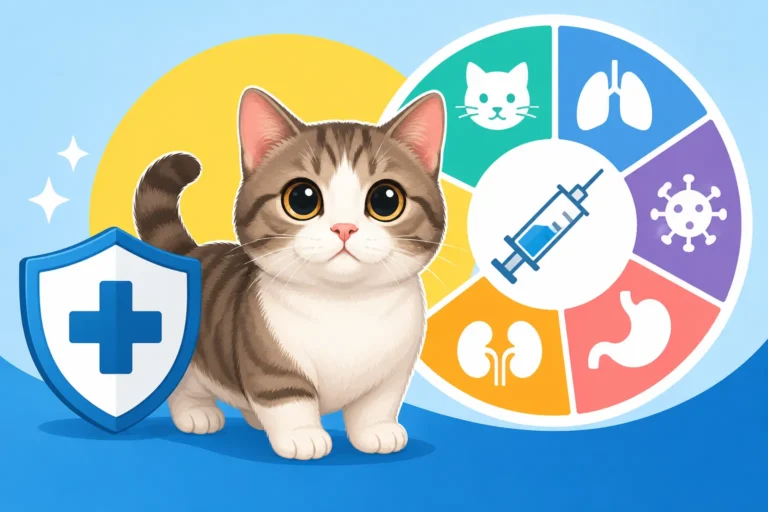
Responsible breeders play a pivotal role in minimizing the incidence of genetic conditions like lordosis. A reputable Munchkin breeder will be transparent about the health of their breeding lines and the steps they take to ensure healthy kittens. This includes carefully selecting outcrosses to maintain a wide gene pool, performing health screenings on parent cats, and observing kittens closely for any signs of congenital issues.
While there isn't a specific DNA test for lordosis in Munchkins, breeders often rely on veterinary examinations, including palpation of the spine and careful observation of a kitten's gait and posture from a young age. They should also be able to provide pedigrees that show healthy lineage and be open to discussing the health history of their cats. Some breeders may even have x-rays performed on their breeding stock to screen for spinal abnormalities before breeding. When considering a kitten, it's important to ask a breeder about their health guarantees and what a Munchkin breeder should be able to show you regarding the health of their cats. While pet insurance providers like Healthy Paws may cover conditions that arise, diligent breeding practices are the first line of defense.
Anecdotal Evidence vs. Scientific Studies
The debate around the prevalence of lordosis in Munchkins often comes down to a clash between anecdotal evidence and the limited scientific literature. Many Munchkin owners will passionately share stories of their cats living long, healthy, and active lives with no spinal issues whatsoever. They observe their short-legged companions running, playing, and exhibiting all the typical behaviors of a happy cat, albeit at a lower elevation. These personal experiences are incredibly powerful and shouldn't be dismissed, as they represent the reality for many Munchkin households.
However, veterinary welfare organizations and some studies continue to raise concerns. The published Munchkin health data, while not as extensive as for some other breeds, does indicate that conditions like lordosis and pectus excavatum (sunken chest) are reported, sometimes at rates higher than in the general cat population. The challenge lies in the absence of comprehensive, long-term studies that track a large cohort of Munchkins from birth through their senior years, utilizing standardized diagnostic criteria. Without such data, it's difficult to move beyond "some cats are affected" to a clear statistical understanding of how common lordosis truly is in Munchkin lines across the board.
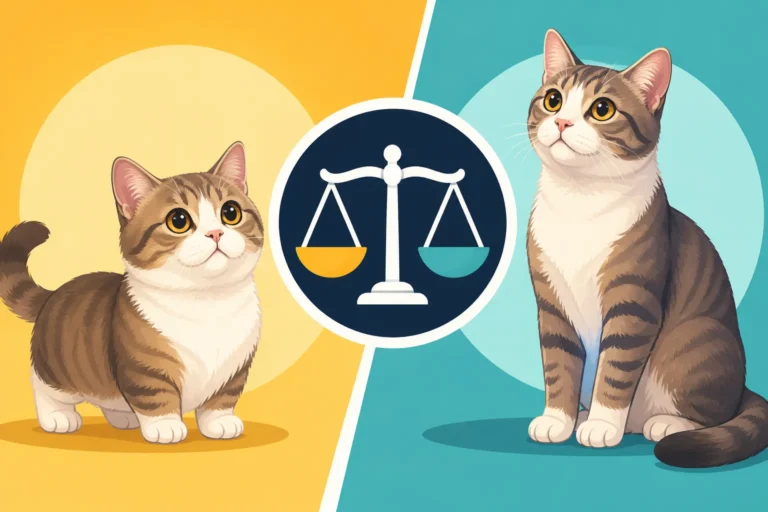
Here's a simplified comparison of what might be observed in a healthy Munchkin versus one with lordosis:
| Feature | Healthy Munchkin Spine | Munchkin Spine with Lordosis |
|---|---|---|
| Spinal Curve | Gentle, natural arch; relatively flat back. | Exaggerated inward curve in the lower back (swayback). |
| Belly Appearance | Lean, tucked-up abdomen (when at healthy weight). | Appears more rounded or "potbellied," often sagging lower. |
| Mobility | Agile, runs and plays with characteristic low-slung gait. | May show reluctance to jump, run, or experience discomfort. |
| Organ Impact | No abnormal pressure on internal organs. | Potential for compression of internal organs (heart, lungs). |
| Comfort | Generally comfortable and pain-free. | May experience discomfort or pain, especially with severe cases. |
Recognizing and Managing Lordosis in Munchkins
For dedicated Munchkin owners, recognizing the signs of lordosis early and implementing appropriate management strategies can significantly impact their cat's quality of life. Even if the overall prevalence rates are debated, being informed and proactive is always the best approach.
How Early Lordosis Shows in a Munchkin Kitten
One of the most crucial aspects of managing lordosis is early detection. While some mild cases might go unnoticed, more significant forms of lordosis can begin to show signs in Munchkin kittens as young as eight to twelve weeks old. Responsible breeders should be observing their kittens closely during this developmental period. As an owner, when you pick up your kitten, or during its initial vet checks, look for subtle cues.
A kitten with lordosis might exhibit a more pronounced sagging of the belly, appearing almost like its middle is drooping downwards even when standing. They might seem less active or playful compared to their littermates, or they might show reluctance when attempting to climb or jump. When a Munchkin kitten's spine is palpated by a vet, an abnormal inward curve might be detected. Some kittens with severe lordosis might also struggle with basic movements, showing an awkward or stiff gait. It's vital that a veterinarian, experienced with the breed, checks a Munchkin kitten's first exam should cover thorough palpation and observation of movement.
Severity and Prognosis
Lordosis, like many conditions, exists on a spectrum from mild to severe. A very mild case might be almost imperceptible and cause no clinical symptoms or discomfort to the cat throughout its life. In such instances, a Munchkin with mild lordosis can often live normally, enjoying a full and active life with no special accommodations. These cases are often only discovered incidentally during an X-ray for another reason.
However, moderate to severe lordosis can be a different story. As the spinal curve becomes more pronounced, it can lead to a range of complications. The most concerning is the compression of internal organs. A severely curved spine reduces the space within the chest and abdominal cavities, potentially impacting the function of the heart, lungs, and other organs. This can manifest as difficulty breathing, reduced stamina, or issues with digestion. Severe lordosis can also cause chronic pain due to the abnormal strain on muscles and ligaments surrounding the spine. The prognosis for a Munchkin with severe lordosis is more guarded, often requiring ongoing veterinary care, which is where a comprehensive pet insurance plan from providers like Healthy Paws can be incredibly helpful for managing costs.
Supporting a Munchkin with Lordosis
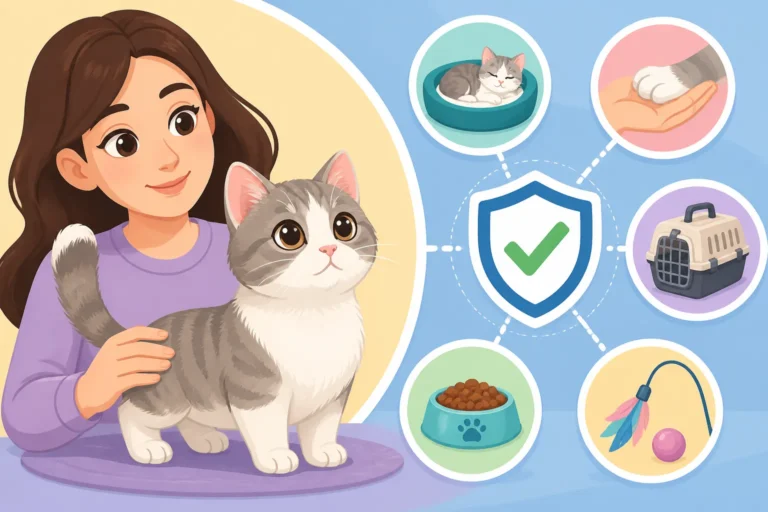
If your Munchkin cat is diagnosed with lordosis, whether mild or severe, there are many steps you can take to provide support and enhance their quality of life. The primary goal is to minimize strain on the spine and prevent the condition from worsening, while also managing any discomfort or pain.
Weight Management: This is perhaps the single most critical aspect of care. Every extra gram of weight puts additional strain on the spine and joints. Keeping your Munchkin lean and at a healthy body condition is paramount. This may involve carefully portioned meals and regular weigh-ins. Even a slightly overweight Munchkin is in real trouble, as their unique body structure means they carry weight differently.
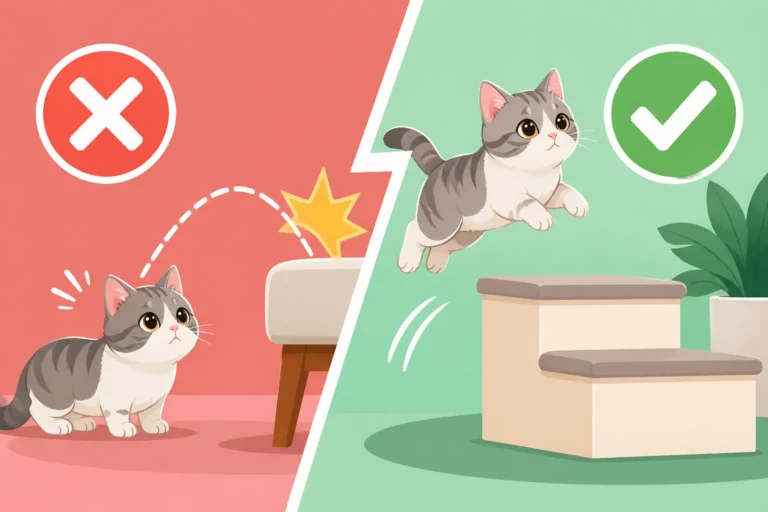
Environmental Adaptations: Just as for any short-legged cat, creating an adapted environment is crucial. This becomes even more important for a Munchkin with lordosis. Provide ramps and steps to allow easy access to elevated surfaces like sofas, beds, and windowsills, eliminating the need for strenuous jumps. Ensure litter boxes have low entry points so they can walk in comfortably without straining their back. A senior cat litter box often suits a Munchkin perfectly.
Veterinary Care and Supplements: Regular veterinary check-ups are essential to monitor the condition. Your vet may recommend joint supplements, such as glucosamine and chondroitin, to support overall joint and spinal health. For cats experiencing pain, pain relief medication may be prescribed. Physical therapy, including gentle massage or hydrotherapy, might also be beneficial in some cases to maintain muscle strength and flexibility. Discussing these options with your vet can create a comprehensive care plan. Keeping your Healthy Paws policy active ensures you have support for these ongoing medical needs.
Grooming: A Munchkin with lordosis may find it harder to groom its back and hindquarters. Regular brushing by you will prevent matting and skin issues, ensuring they stay clean and comfortable. This proactive care will greatly improve their daily well-being.
Disclaimer
This article is intended for informational purposes only and does not constitute medical advice. Always consult with a qualified veterinarian for any health concerns regarding your Munchkin cat. The information provided here should not be used as a substitute for professional veterinary care.