What a Sunken Chest Feels Like on a Munchkin Kitten
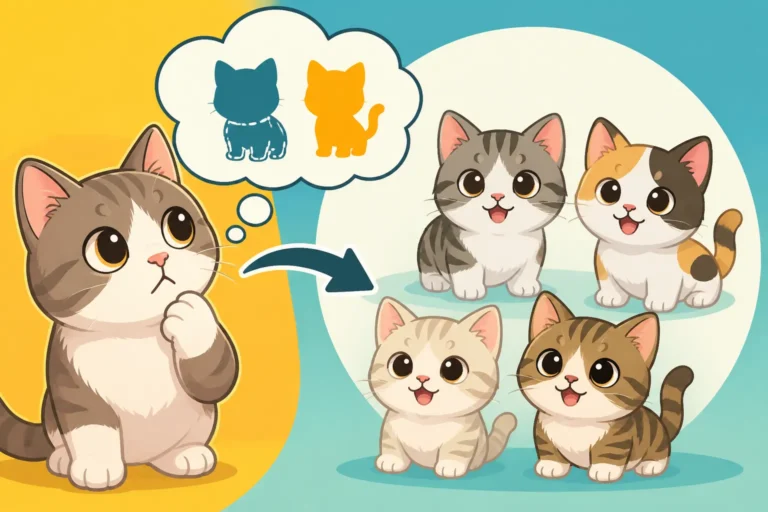
It’s incredibly worrying when you notice something isn't quite right with your precious Munchkin kitten, especially when it comes to something as vital as their chest. Many new owners feel anxious, wondering if that slight dip or unusual feel is normal, or a sign of something more serious. This guide is here to demystify what a sunken chest might feel like on a Munchkin kitten, what to look for, and the important steps you need to take to ensure your little one gets the care they deserve.
Understanding Pectus Excavatum in Munchkin Kittens
When we talk about a "sunken chest" in a kitten, we're almost always referring to a condition called Pectus Excavatum. This isn't just a cosmetic issue; it's a structural anomaly that can have real implications for your feline friend's health.
What is Pectus Excavatum?
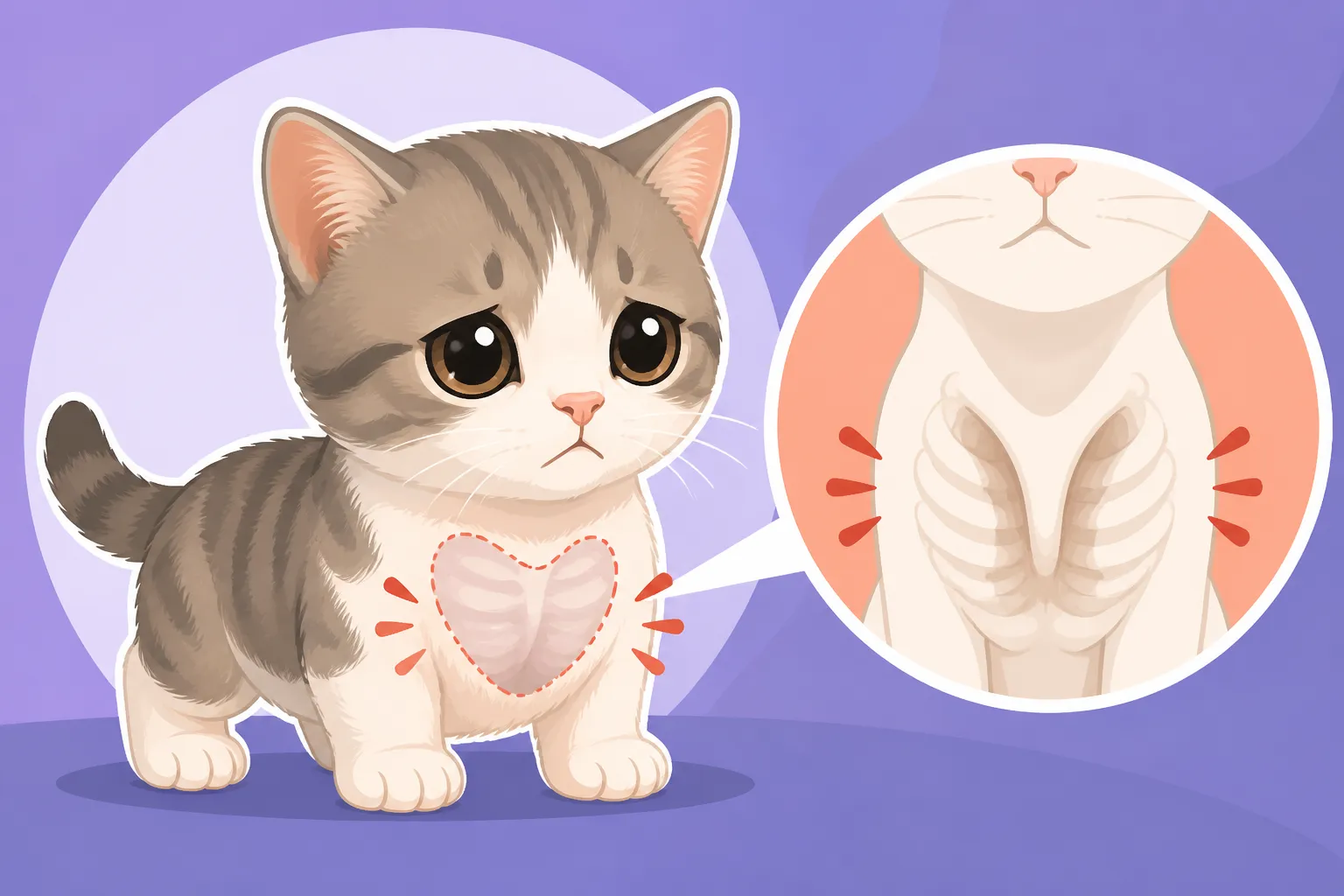
Pectus Excavatum, often called "funnel chest," is a congenital malformation of the sternum (breastbone) and the costal cartilages (the cartilage connecting the ribs to the sternum). Instead of growing outwards or remaining flat, these bones and cartilages grow abnormally inwards, creating an indentation or a "scooped out" appearance in the chest wall. Imagine the opposite of a puffed-out chest; it's quite literally sunken.
This condition isn't unique to Munchkin cats; it can affect any breed, and even humans. However, with Munchkins, whose unique conformation already draws attention to their skeletal structure, any skeletal anomaly tends to be scrutinized more closely. The severity can range from a very mild, barely noticeable dip to a severe inward compression that pushes against vital organs like the heart and lungs. A healthy kitten's chest, by contrast, should feel smoothly rounded or slightly flattened, firm, and resilient when you gently palpate it. There should be no noticeable inward curve or sharp edges of the sternum.
Why it's a Concern for Munchkins Specifically
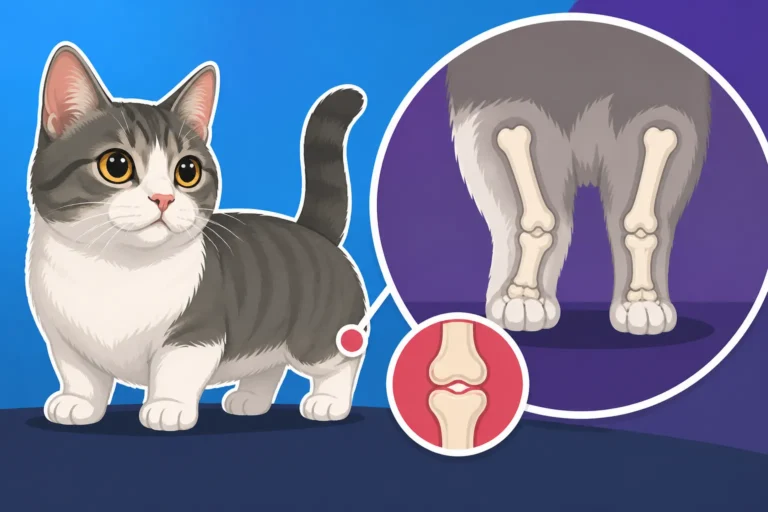
While Pectus Excavatum isn't exclusive to the breed, the fact that Munchkins possess a form of dwarfism – specifically, pseudoachondroplasia, which affects long bone growth – means that their skeletal development is already a focal point of discussion and concern. The mutation responsible for their short legs impacts cartilage and bone development. While Pectus Excavatum is considered a separate congenital defect, there's always an underlying question among some veterinarians and researchers about whether the genetic predisposition for skeletal anomalies in general might make some Munchkin lines more prone to such issues. Early detection is particularly crucial because, in a rapidly growing kitten, even a mild case can progress, and early intervention offers the best outcomes.
How to Physically Assess a Munchkin Kitten's Chest
Being able to gently examine your kitten at home can give you an early heads-up if something feels unusual. Remember, always be gentle and avoid causing any stress or pain.
The "Normal" Kitten Chest: What to Feel For
Before you start looking for problems, it's really helpful to know what a healthy kitten's chest should feel like. Pick a time when your Munchkin kitten is relaxed, perhaps when they're dozing on your lap or just after a meal. Gently run your fingers over their sternum, which is the flat bone running down the center of their chest between their front legs. You'll want to feel the ribs curving around their sides.
A normal kitten's chest should feel smooth and relatively even. The sternum should feel like a flat or slightly rounded bone, sitting level with or slightly below the plane of the ribs. It should feel firm but also have a bit of gentle flexibility to it. You shouldn't feel any sharp, jutting edges or a distinct hollow. Kittens are quite pliable, so a very gentle pressure should reveal no abnormalities. Think of it like feeling a smooth, firm, yet slightly yielding surface. Understanding How early a Munchkin's chest should be checked is also critical, as early exams can help establish a baseline for what's normal for your specific kitten.
Identifying a Sunken Chest: Palpation Techniques
If you suspect something, or just want to be thorough, here's how to gently palpate for a sunken chest. Again, do this when your kitten is calm and comfortable.
- Position Your Kitten: Have your kitten lying on their back in your lap, or gently held upright against your chest, allowing easy access to their belly and chest area.
- Gentle Touch: Using the pads of your fingers (not your fingertips, which are too sharp), gently run them from the top of the sternum (where the neck meets the chest) all the way down to where it meets the abdomen.
- Feel for Indentations: What you're looking for is any distinct dip or hollow in the sternum. Instead of a smooth, flat, or slightly convex surface, you might feel a concave area. It can range from a subtle inward curve to a significant "hole" that your fingers can sink into.
- Assess Ribs and Sternum: In cases of Pectus Excavatum, the sternum might feel notably sharper or more prominent at its edges, almost like it's been pushed inwards, while the ribs might seem to stick out more around the indentation. Some descriptions liken it to a "keel" or a sharp ridge, rather than a smooth bone.
- Varying Severity: A very mild case might just be a faint concavity, while a severe case will be immediately obvious as a deep impression. This physical assessment is the first step in understanding What a sunken chest feels like on a Munchkin kitten. When a vet performs this, they will also be looking to How a vet grades a Munchkin's sunken chest, often using a numerical system to quantify the severity.
Important Note: If you feel anything unusual, do not press hard or try to manipulate the chest. Your goal is simply to identify an abnormality, not to diagnose or correct it. Overly enthusiastic examination could cause discomfort or even injury.
| Characteristic | Normal Kitten Chest | Pectus Excavatum (Sunken Chest) |
|---|---|---|
| Sternal Feel | Smooth, flat to slightly rounded, firm but flexible. | Distinct indentation, scooped-out, concave, sharp or ridged. |
| Rib Cage Appearance | Evenly curved, symmetrical, no prominent protrusions. | Ribs may appear more prominent around the sunken area, possibly asymmetrical. |
| Resilience to Gentle Touch | Springy, yields slightly then returns to shape. | May feel rigid around the indentation, less pliable. |
| Overall Shape | Broad, proportionate to the body, good thoracic capacity. | Narrowed, flattened, or compressed chest, potentially restricting space. |
Associated Signs and Next Steps
Detecting a sunken chest through touch is crucial, but it's equally important to be aware of other symptoms that might accompany Pectus Excavatum, as these often indicate a more severe form of the condition impacting your kitten's internal health.
Beyond the Feel: Other Symptoms to Watch For
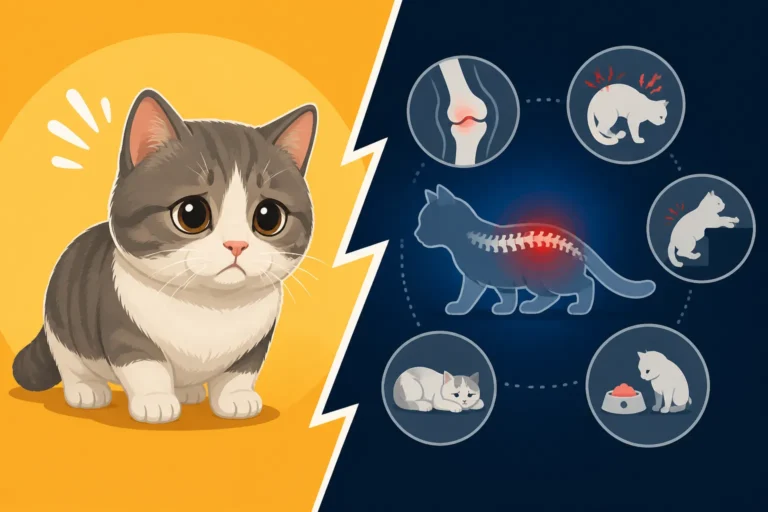
A mild case of Pectus Excavatum might not cause any observable symptoms beyond the physical indentation, and some kittens can live a perfectly normal life. However, if the sternum is significantly compressed inwards, it can restrict the space for the heart and lungs, leading to a range of clinical signs. These are the red flags that warrant immediate veterinary attention:
- Difficulty Breathing: This is perhaps the most serious symptom. You might notice rapid, shallow breathing, open-mouthed breathing, or visible effort with each breath. Your kitten might pant even when resting, or their gums might appear bluish.
- Exercise Intolerance: A kitten with restricted lung capacity will tire easily during play. They might not keep up with their littermates, or they might seem unusually lethargic after even a short burst of activity. They might just seem less playful overall.
- Coughing or Wheezing: Any persistent cough or wheezing sounds coming from their chest could indicate irritation or compression of the airways.
- Poor Weight Gain or Stunted Growth: Kittens use a lot of energy just to grow. If their breathing is labored, a significant portion of their energy might be diverted to simply getting enough oxygen, leaving less for growth and development. This can manifest as a smaller size compared to their littermates or a failure to thrive.
- Lethargy and Reduced Appetite: If your kitten seems unusually quiet, withdrawn, or uninterested in food, it could be a sign that they're struggling. This is often an indication of underlying discomfort or illness.
It's vital to remember that these symptoms are not exclusive to Pectus Excavatum and can indicate various other health issues. However, if you've felt a sunken chest and then observe these signs, the urgency for a vet visit becomes paramount.
When to Consult Your Veterinarian
If you feel any unusual indentation on your Munchkin kitten's chest, or observe any of the associated symptoms listed above, please don't hesitate. Contact your veterinarian immediately. Early diagnosis and intervention are critical, especially for a condition that can worsen as a kitten grows.
When you bring your kitten in, your vet will perform a thorough physical examination, including careful palpation of the chest. They will also likely recommend imaging tests, with X-rays being the standard first step to visualize the sternum and assess the degree of cardiac and pulmonary compression. In some cases, more advanced imaging like a CT scan might be recommended for a detailed 3D view, especially if surgery is being considered.
It's a worrying time, and the costs associated with diagnostics and potential treatment can add up quickly. This is where having pet insurance, such as Healthy Paws, can truly be a lifeline. Policies from reputable providers like Healthy Paws can cover a significant portion of veterinary expenses for conditions like Pectus Excavatum, alleviating some of the financial stress during an already difficult period. Remember to be upfront with your vet about any concerns, and if you're looking at adopting, a responsible breeder should be able to show you comprehensive health records and discuss What a Munchkin breeder should be able to show you regarding their kittens' health checks.
Living with a Munchkin Kitten with Pectus Excavatum
Finding out your kitten has Pectus Excavatum can be overwhelming, but many kittens with this condition can lead full and happy lives with appropriate management and care. The approach will largely depend on the severity of the condition.
Management and Treatment Options
For very mild cases of Pectus Excavatum, especially in young kittens, sometimes the condition can improve or even resolve on its own as the kitten grows. This is often managed with "watchful waiting," meaning regular veterinary check-ups to monitor the chest's development and any changes in symptoms. Your vet might recommend very gentle massage techniques, though always follow their specific guidance on this.
For moderate to severe cases, where the sternum is significantly compressing the heart or lungs, surgical correction may be recommended. The goal of surgery is to elevate the sternum and restore a more normal chest shape, thereby relieving pressure on the internal organs. Common surgical techniques include:
- External Splinting: This involves placing a support structure, often a cast or splint, on the outside of the chest, which is connected to sutures placed around the sternum. This gently pulls the sternum outwards over several weeks or months as the kitten grows.
- Sternal Elevation: More complex cases might require internal sutures or implants to physically lift the sternum into a corrected position.
These surgeries can be highly effective, but they require a skilled veterinary surgeon and dedicated post-operative care. Recovery typically involves pain management, activity restriction, and careful monitoring. The financial aspect of these specialized procedures can be substantial, which highlights the incredible value of pet insurance. Having coverage from a provider like Healthy Paws can mean the difference between being able to afford life-saving surgery for your kitten and facing an agonizing decision. It's reassuring to know that options exist, and Whether a Munchkin's Pectus Excavatum can be corrected is often a positive answer, especially with early detection.
Providing a Supportive Environment
Whether your Munchkin kitten has a mild case or is recovering from surgery, creating a supportive and safe environment is key to their well-being.
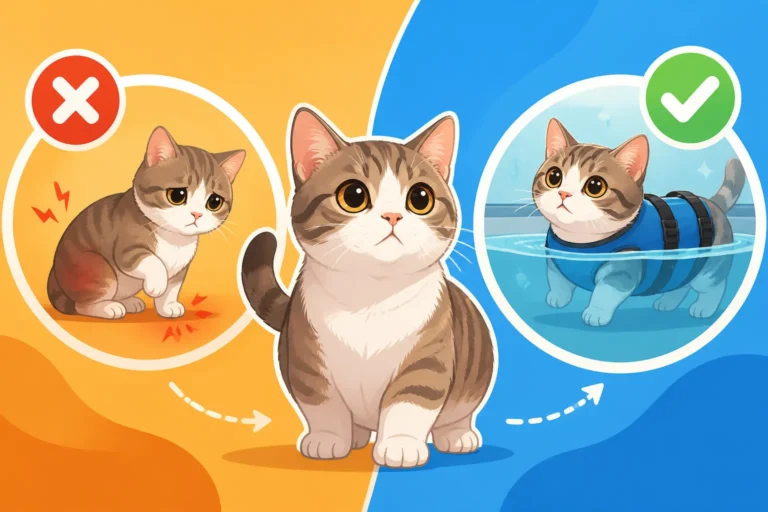
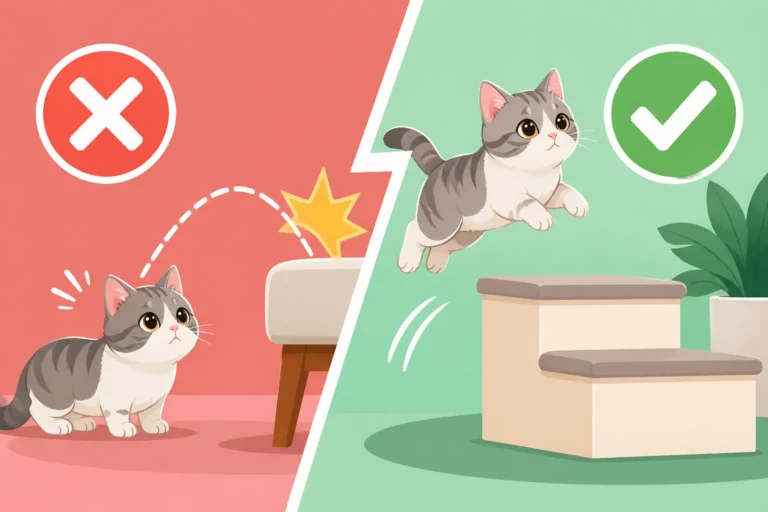
- Gentle Play: Encourage gentle, floor-level play rather than high-impact activities or excessive jumping that could strain their chest or spine. Ensure they have easy access to toys that don't require high jumps.
- Soft Bedding: Provide plenty of soft, comfortable bedding to cushion their chest when they lie down. Avoid hard surfaces that might put undue pressure on a sensitive sternum.
- Monitor Breathing and Activity: Continuously observe your kitten for any changes in their breathing patterns or energy levels. If you notice any increase in labored breathing or lethargy, contact your vet immediately.
- Regular Vet Check-ups: Consistent veterinary care is vital. Your vet will monitor their development, lung sounds, heart function, and the progression of the Pectus Excavatum. For breeders, understanding What a Munchkin breeder does with an affected kitten is crucial, as ethical breeders will ensure affected kittens receive necessary care and are placed in homes that can support their specific needs.
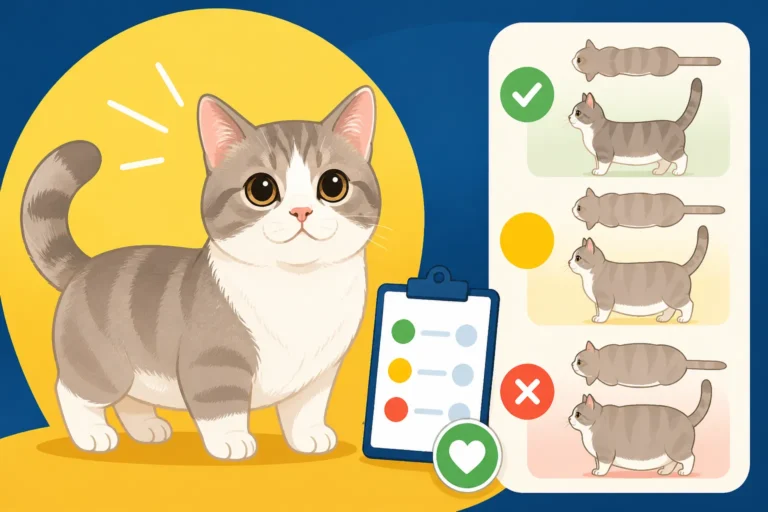
- Weight Management: This is incredibly important for any cat with skeletal or respiratory concerns, and especially for a Munchkin. Maintaining a healthy weight prevents additional strain on their chest, spine, and joints. Every extra pound can exacerbate breathing difficulties and put pressure on the recovering sternum. Remember, Why weight is more dangerous on a Munchkin is a significant concern due to their unique body structure. Your vet can advise on the ideal weight for your kitten and a suitable diet plan.
By understanding the condition, knowing what to look for, and working closely with your veterinarian, you can provide the best possible life for your beloved Munchkin kitten, even with a sunken chest.
Disclaimer
This article is for general informational purposes only and does not constitute professional advice. Laws, prices and regulations vary by location and change over time. Consult a qualified professional for guidance on your specific situation.