Whether Hydrotherapy Helps a Munchkin
It's heartbreaking to see our beloved Munchkin cats struggle with mobility, whether it's the stiffness that comes with age or the early signs of joint discomfort that can sometimes plague these unique felines. As pet parents, we constantly look for ways to ease their pain, keep them active, and ensure they live their fullest, happiest lives. This guide dives deep into hydrotherapy, exploring how this water-based therapy can be a game-changer for your Munchkin, offering a pathway to better movement and a higher quality of life.
Understanding the Unique Mobility Challenges of Munchkin Cats
Munchkin cats, with their endearing short legs, certainly capture our hearts, but their distinct physique also comes with a specific set of biomechanical considerations that can impact their long-term mobility. It’s not just about looking different; it’s about how their bodies interact with the world and the extra demands placed on certain parts of their anatomy.
The Unique Biomechanics of a Munchkin's Short Legs
Let's be real, those adorable short legs aren't just a quirky trait; they fundamentally alter how a Munchkin moves. Unlike a standard-legged cat that can use its long limbs for leverage and shock absorption, a Munchkin's shorter bones mean less natural cushioning and a different distribution of impact. Every jump, every landing, even just getting on and off furniture, places a disproportionate amount of stress on their joints. Think about how a cat typically stretches to reach high places or elegantly leaps down from a perch. A Munchkin can't do that; they often have to exert more effort for seemingly simple movements, leading to increased wear and tear over time.
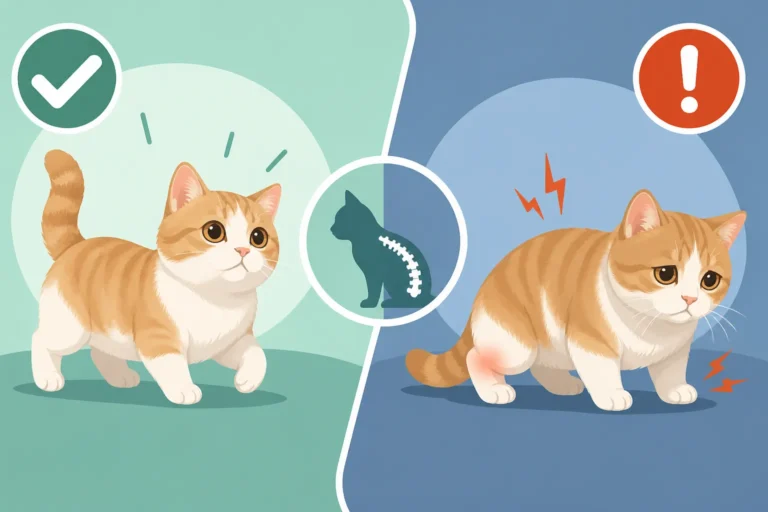
This unique conformation means their spine also experiences different forces. When you consider a Munchkin's spine carries a load a normal cat's does not, it highlights the importance of maintaining strong core muscles and supporting the entire musculoskeletal system. Their low-slung bodies mean their abdominal muscles are constantly engaged to prevent their belly from dragging, which can also affect their posture and spinal health. It's a constant balancing act for their little bodies, and even seemingly minor movements can contribute to cumulative stress on their joints and spine.
Common Joint Issues in Munchkins
Given these biomechanical realities, it's not surprising that Munchkins can be prone to certain joint issues. The most prevalent concern for many owners is the development of arthritis. Just like in humans, arthritis, or osteoarthritis, is a degenerative joint disease that causes pain, stiffness, and reduced mobility. For Munchkins, this can manifest earlier than in other breeds, leading owners to wonder, "Whether a Munchkin Gets Arthritis Earlier?" Their knees, ankles, and especially their shoulders often bear the brunt of their daily activities.
You might notice subtle changes at first – a reluctance to jump, a slight limp, or just a general stiffness after resting. This is often how osteoarthritis shows in a Munchkin's shoulders, as these joints are heavily involved in their unique gait and the way they propel themselves. Beyond general arthritis, some Munchkins may also face conditions like pectus excavatum (a sunken chest) or lordosis (an exaggerated spinal curve). While these are structural and genetic, they can certainly compound mobility issues and make movement more challenging, emphasizing the need for therapies that support their overall physical well-being. Keeping a close eye on their movement and behavior, especially as they get older, is paramount.
What is Hydrotherapy and How Does It Work for Cats?
When we talk about physical rehabilitation for pets, hydrotherapy often comes up as a gentle yet incredibly effective option. It’s essentially physical therapy performed in water, leveraging the unique properties of water to help animals heal and strengthen.
The Principles of Water-Based Rehabilitation
At its core, hydrotherapy works by utilizing three key principles of water: buoyancy, resistance, and warmth. Buoyancy is perhaps the most significant benefit, especially for cats with joint pain or mobility limitations. When a Munchkin is submerged in water, its body weight is dramatically reduced. This means less gravitational pull and less impact on their already stressed joints and spine. Imagine walking on the moon – that's a bit what it feels like for a cat in water, allowing them to move with less pain and greater ease.
Then there's resistance. While buoyancy reduces weight, the water itself provides gentle, uniform resistance in every direction. This means that every movement a cat makes in the water helps to strengthen muscles without the harsh impact of land-based exercise. It's a low-impact workout that builds muscle mass, improves endurance, and enhances balance and coordination. Finally, the warmth of the water helps to relax muscles, increase blood circulation, and further alleviate pain, making the therapy sessions more comfortable and effective. This combination creates an ideal environment for healing and rehabilitation, particularly for felines with orthopedic challenges.
Hydrotherapy Modalities for Feline Patients
While the image of a dog splashing around might come to mind, hydrotherapy for cats is very much a specialized field, with equipment and techniques adapted for their unique needs and often more cautious nature. The most common modality is the underwater treadmill. This involves a specially designed tank where the cat walks on a treadmill while submerged in water. The water level can be adjusted, allowing the therapist to control the amount of weight bearing and resistance. This controlled environment is excellent for rebuilding strength, improving gait, and increasing endurance without putting undue stress on their joints.
Another approach involves warm water pools where the cat may swim or perform assisted exercises with a therapist. These sessions are usually very gentle, with the cat wearing a harness for safety and support. The focus is often on increasing range of motion, improving cardiovascular health, and encouraging natural movement patterns. For cats, especially Munchkins who might be wary of water, a skilled hydrotherapist will introduce them slowly and patiently, ensuring a positive, stress-free experience. Facilities like those that might work with a pet insurance provider like Healthy Paws often have specialized equipment and trained staff dedicated to feline hydrotherapy, understanding the nuances of cat behavior and physiology.
The Specific Benefits of Hydrotherapy for Munchkin Cats
For Munchkin owners, finding effective ways to support their cat's long-term health is a priority. Hydrotherapy offers a multi-faceted approach that addresses many of the specific challenges faced by this breed.
Alleviating Pain and Improving Joint Function
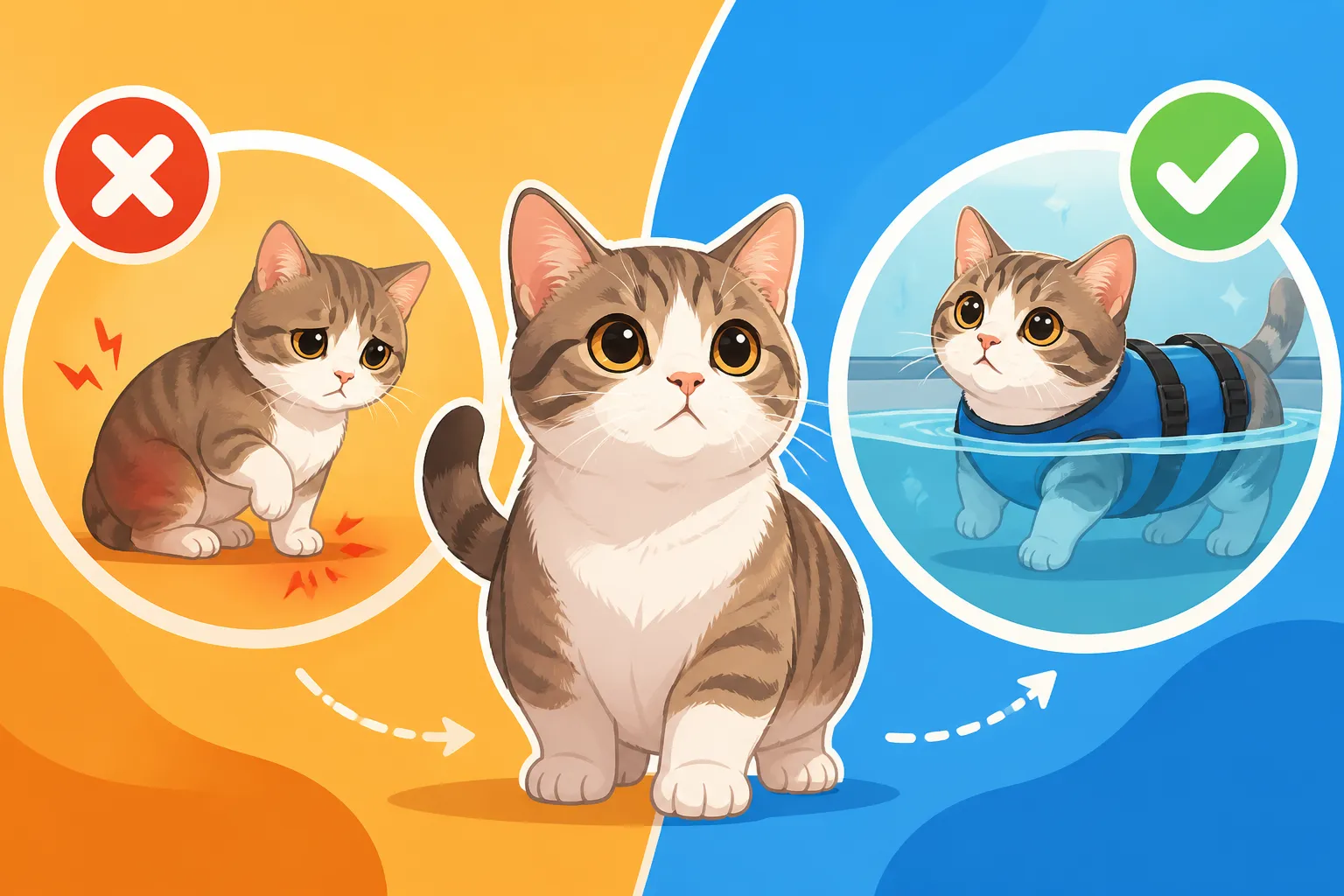
One of the most immediate and profound benefits of hydrotherapy for a Munchkin cat is significant pain relief. As we discussed, their short legs and unique gait place considerable stress on their joints, often leading to conditions like arthritis. The buoyancy of the water effectively unloads those painful joints, allowing movement without the full force of gravity. This reduction in weight-bearing pressure means a cat can exercise and stretch muscles that might be too painful to use on land.
The warm water further aids this process by increasing blood flow to stiff and sore areas, which can reduce inflammation and muscle spasms. With less pain, your Munchkin can achieve a greater range of motion in their hips, knees, and especially their shoulders and elbows, which are critical for their unique movement patterns. This improved flexibility isn't just about comfort; it helps maintain joint health, delaying further degeneration and allowing your cat to move more fluidly. When a Munchkin's elbows take the landing repeatedly, the low impact environment of hydrotherapy can be a true blessing, helping to soothe and strengthen those overworked joints.
Building Muscle Strength and Endurance
Beyond pain relief, hydrotherapy is an excellent tool for building and maintaining crucial muscle strength. The resistance of the water challenges muscles in a way that land-based exercise cannot, creating a full-body workout without the associated impact. For Munchkins, strengthening their core muscles is particularly important to support their spine, given that their body structure can lead to conditions like lordosis, which is the spinal curve the Munchkin argument is about. Strong abdominal and back muscles help stabilize the spine and provide better overall support for their unique physique.
Furthermore, hydrotherapy targets the muscles in their legs and shoulders, building endurance and stability. This increased strength can help compensate for the challenges posed by their short limbs, making everyday activities like navigating their home, playing, and even reaching the litter box much easier. A stronger Munchkin is a more confident and independent Munchkin, capable of maintaining a higher level of activity for longer, which contributes significantly to their overall quality of life. Owners who might be dealing with an aging cat and wondering about "Caring for a Munchkin Past Ten" will find hydrotherapy particularly beneficial in preserving muscle mass and mobility.
Weight Management and Mental Well-being
Weight management is a critical concern for all cats, but it’s especially vital for Munchkins. As we know, why weight is more dangerous on a Munchkin is directly related to the extra strain it places on their already compromised joints and spine. Every extra pound translates to increased pressure, accelerating joint degeneration and exacerbating pain. Hydrotherapy offers a safe and effective way for Munchkins to burn calories and shed excess weight without the high-impact stress of traditional exercise. The controlled environment allows for sustained physical activity, which is key to a healthy metabolism and maintaining an ideal body condition.
Beyond the physical, hydrotherapy provides significant mental enrichment. Many cats, including Munchkins, enjoy the sensation of water once they're accustomed to it. For a cat whose mobility might be limited on land, the freedom of movement in water can be incredibly stimulating and joyful. It offers a novel sensory experience and a chance to engage muscles in new ways, reducing boredom and stress. This holistic approach supports both their physical health and their emotional well-being, helping to prevent the frustration that can arise when a cat finds itself unable to perform activities it once enjoyed, or when an old Munchkin stops being able to do simple things.
What to Expect: The Hydrotherapy Process for Your Munchkin
Embarking on hydrotherapy for your Munchkin is a journey that typically begins with a thorough assessment and careful planning, ensuring the best possible outcome for your feline friend.
Initial Assessment and Tailored Treatment Plans
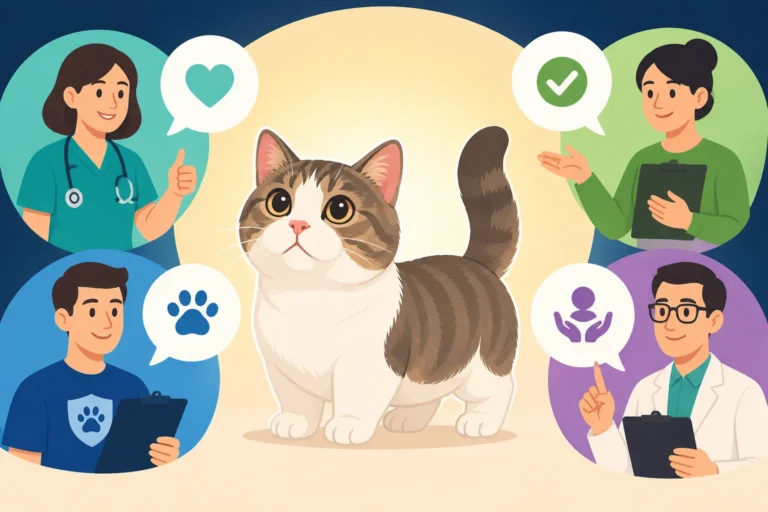
Before any hydrotherapy session begins, it's absolutely crucial to get a referral from your primary veterinarian. They'll confirm that hydrotherapy is appropriate for your Munchkin, taking into account any pre-existing conditions or health concerns. Once referred, your Munchkin will undergo an initial assessment with a qualified feline hydrotherapist. This isn't a quick once-over; it's a detailed evaluation that includes:
- Gait Analysis: Observing how your Munchkin walks, moves, and bears weight on land to identify imbalances, lameness, or areas of discomfort. The therapist might ask you, the owner, to film your Munchkin walking at home to get a natural baseline.
- Palpation: Gently feeling your cat's joints and muscles to detect swelling, pain, muscle wastage, or stiffness.
- Review of Medical History: Discussing your Munchkin's diagnosis, previous treatments, and any medications they are currently taking.
Based on this comprehensive assessment, the hydrotherapist will design a tailored treatment plan specifically for your Munchkin. This plan will outline the frequency of sessions, the specific exercises to be performed, the water depth and temperature, and the overall goals for their rehabilitation. For instance, if your Munchkin is experiencing significant shoulder pain, the plan might focus on very gentle, low-impact movements to increase range of motion before gradually building strength. The goal is always to progress safely and effectively, addressing your cat’s unique needs. This personalized approach is what makes professional hydrotherapy so effective, far beyond simply splashing around in a tub at home.
Preparing Your Munchkin and the Session Experience
Getting your Munchkin ready for their first hydrotherapy session involves a bit of preparation and patience, especially if your cat isn't naturally fond of water. The therapist will usually advise you on how to prepare your cat, which might include bringing familiar toys, treats, or even a towel with your scent to help them feel more comfortable. It's about making the experience as positive and stress-free as possible.
During a typical session, your Munchkin will be carefully introduced to the water, usually with a supportive harness. For an underwater treadmill, they'll walk at a slow, controlled pace, with the water level adjusted to provide the ideal amount of buoyancy and resistance. The therapist will be right there, guiding them, encouraging them, and ensuring their safety at all times. Sessions usually last between 15 to 30 minutes, depending on your cat's stamina and condition, and are generally repeated a few times a week initially, then less frequently as improvement is seen. It's a gentle, calm process, with the therapist constantly monitoring your Munchkin's reactions and adjusting as needed. Many owners find that while their cat might be hesitant at first, they often grow to enjoy the sessions, recognizing the relief and improved movement they provide. It's also worth checking with your pet insurance provider, such as Healthy Paws, as many plans, like theirs, offer coverage for alternative therapies like hydrotherapy, which can significantly help with the ongoing costs of these beneficial treatments.
Here’s a quick look at how hydrotherapy stacks up against traditional land-based exercise for Munchkins:
| Feature | Land-Based Exercise (e.g., gentle play) | Hydrotherapy (e.g., underwater treadmill) |
|---|---|---|
| Joint Impact | High impact, especially on short legs | Low to no impact due to buoyancy |
| Pain Relief | Limited, can exacerbate pain | Significant, due to reduced weight-bearing and warmth |
| Muscle Building | Requires weight-bearing, can be limited by pain | Effective, uses water resistance for full-body workout |
| Range of Motion | Can be restricted by stiffness and pain | Improved by warm water and reduced resistance |
| Spinal Support | Depends on core strength, often unsupported | Strengthens core to support spine without compression |
| Cardiovascular Health | Achieved through sustained movement | Excellent, sustained activity in a controlled environment |
| Weight Management | Effective if consistent, but can be painful | Highly effective, calorie burning without joint stress |
| Safety for Injured Cats | Risk of re-injury or increased pain | Very safe, controlled environment, therapist supervision |
| Mental Stimulation | Familiar, but can be frustrating if mobility is low | Novel, enriching, can reduce stress from physical limitations |
If you're considering this for your furry friend, remember to discuss it thoroughly with your vet. Many pet insurance plans, like those offered by Healthy Paws, recognize the value of these rehabilitative therapies and may offer coverage, making this vital care more accessible. This can be a huge relief for owners looking for ways to provide the best possible support for their Munchkin, especially when considering "Which Joint Supplements Suit a Munchkin" or "What Pain Relief a Stiff Munchkin Can Take" alongside therapy. It’s all part of a holistic approach to keeping your short-legged companion happy and healthy.
Disclaimer
This article is intended for informational purposes only and does not constitute veterinary advice. Always consult with a qualified veterinarian or veterinary specialist for any health concerns or before making any decisions about your pet's medical care or treatment plan.